

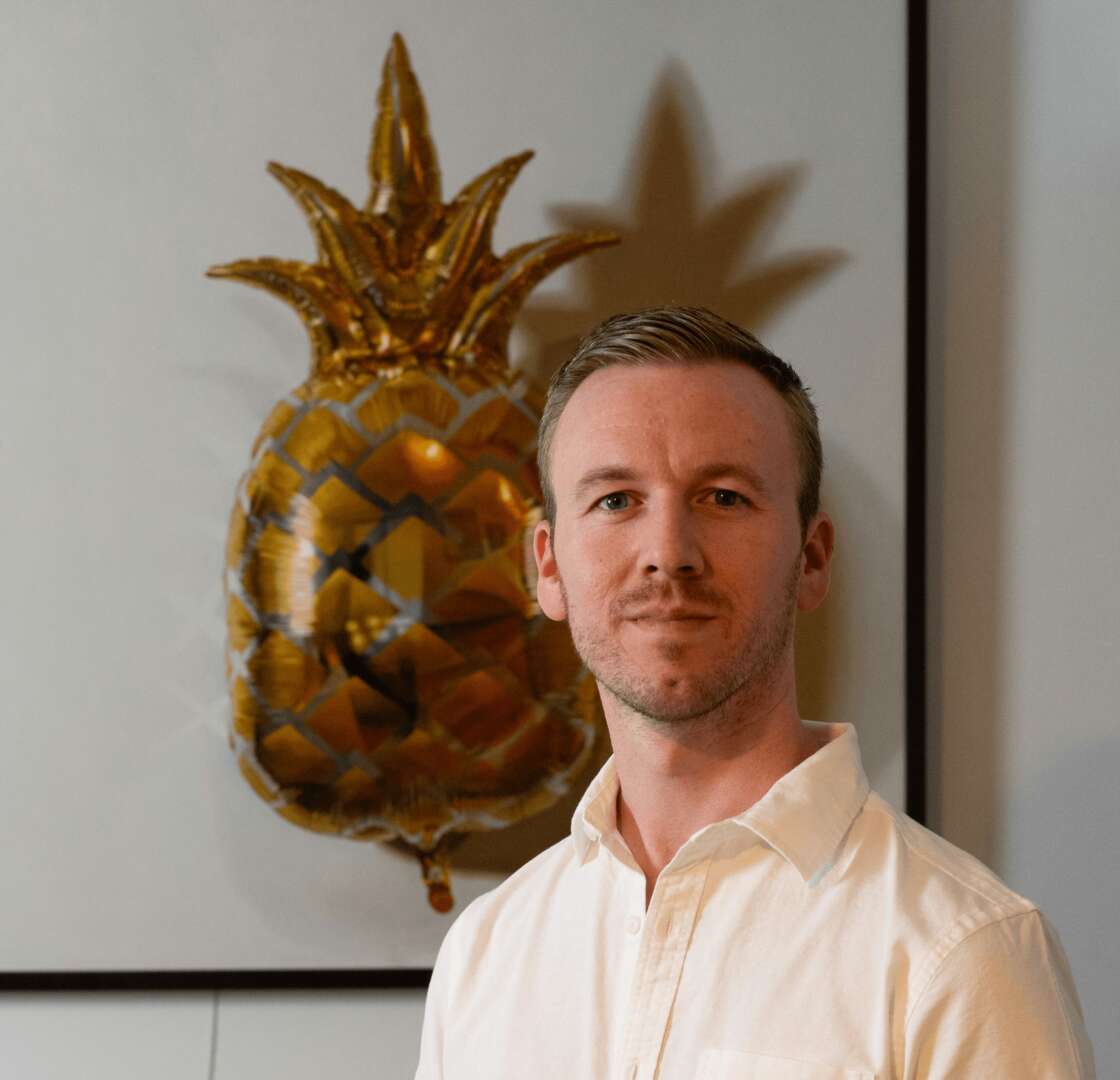

We caught up with the brilliant and insightful Matthew Miller a few weeks ago and have shared our conversation below.
Hi Matthew, thanks for joining us today. Let’s jump back to the first dollar you earned as a creative? What can you share with us about how it happened?
I sold my first painting when I was in middle school. My first patrons were friends and teachers, and I was amazed that I could make money doing something that gave me so much joy. It was around that time that I realized that I should focus my future education and career on some sort of creative work. The guidance I received along the way convinced me that a salary, rather than an unstable career based on artwork sales, was integral to a comfortable lifestyle. So art remained a continual creative outlet, but nonetheless, a hobby; whereas my career took me to the field of architecture. I was passionate about the field: I got licensed, and I worked on several great projects, but I eventually grew disillusioned. I was missing that feeling that I get when I create a piece of art and someone connects with it to the point where they decide to bring it home and hang it amongst their most cherished belongings. Eventually, I realized that my work was at a level that I considered professional, and there existed an audience who makes making artwork financially viable. When my family and I felt secure with making a big change, I jumped ship and plunged into making art fulltime.
I am now in my third year of being a professional artist, and sales are almost outpacing my ability to produce (a great problem to have)! Every time I make a sale, whether to a new patron or to one of my loyal returning collectors, I feel like I did when I was in middle school: proud that my work inspires awe, joyful that I get to do what I love, and a drive to get back to the easel to create something that is even better.
Great, appreciate you sharing that with us. Before we ask you to share more of your insights, can you take a moment to introduce yourself and how you got to where you are today to our readers.
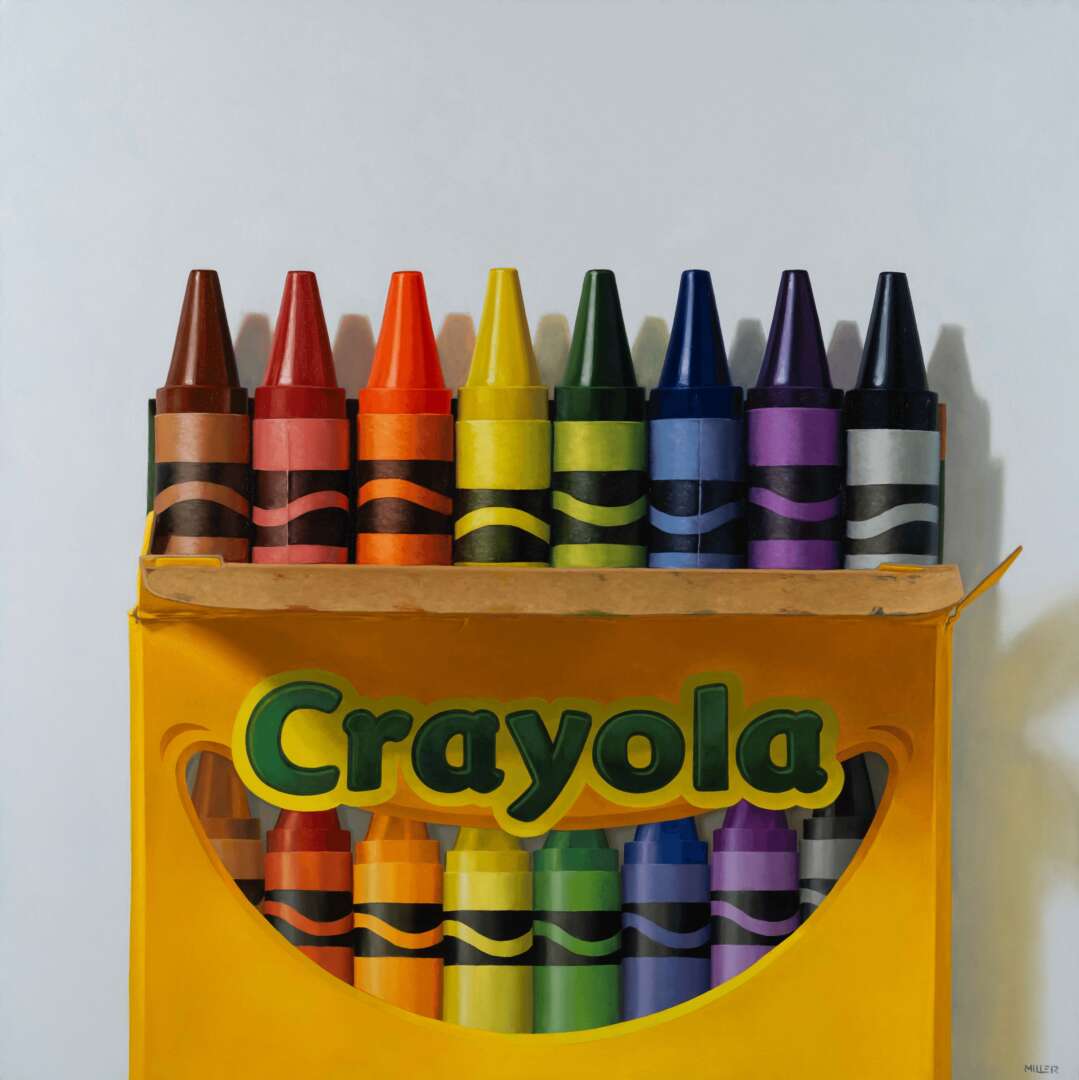
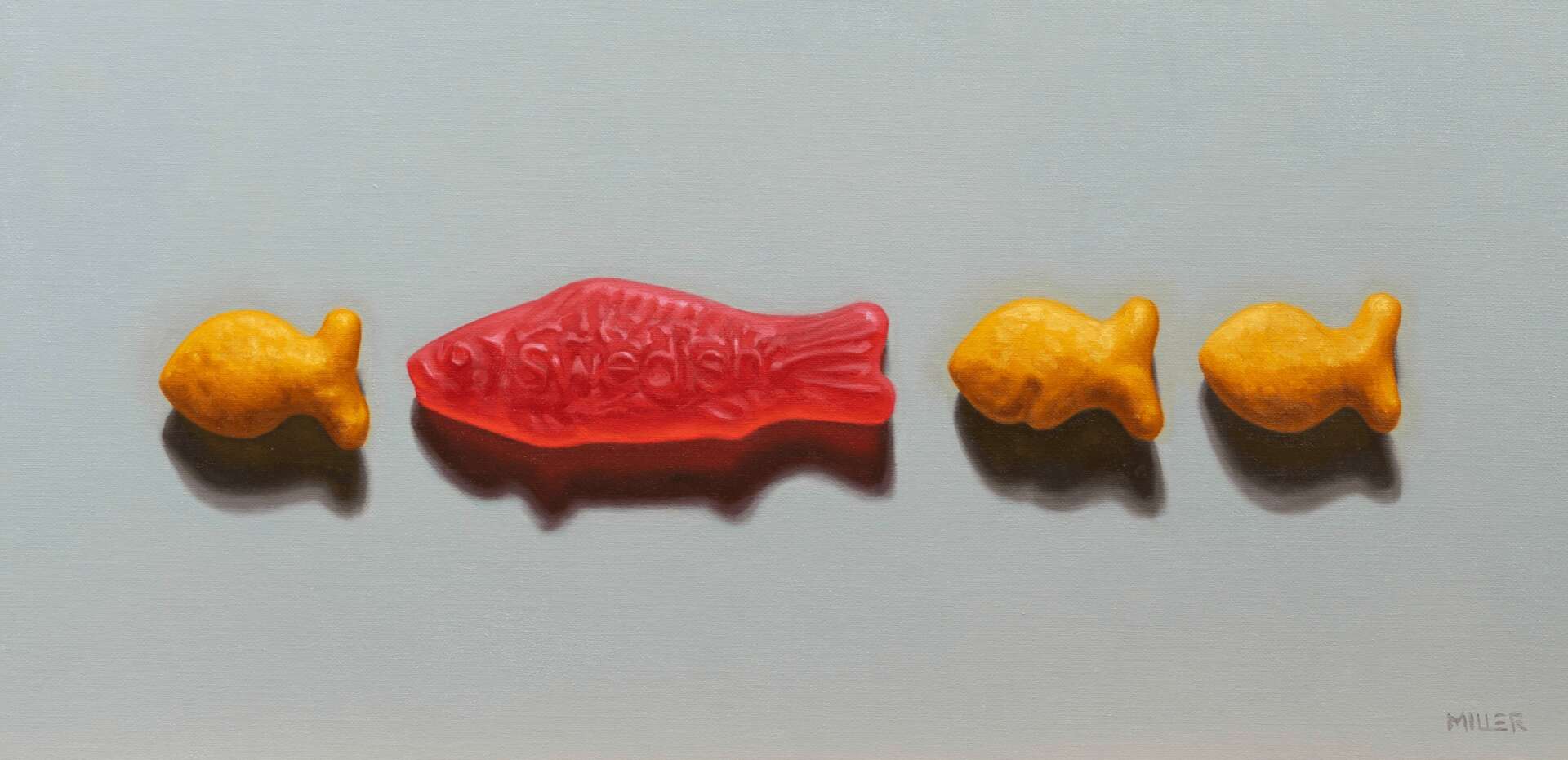
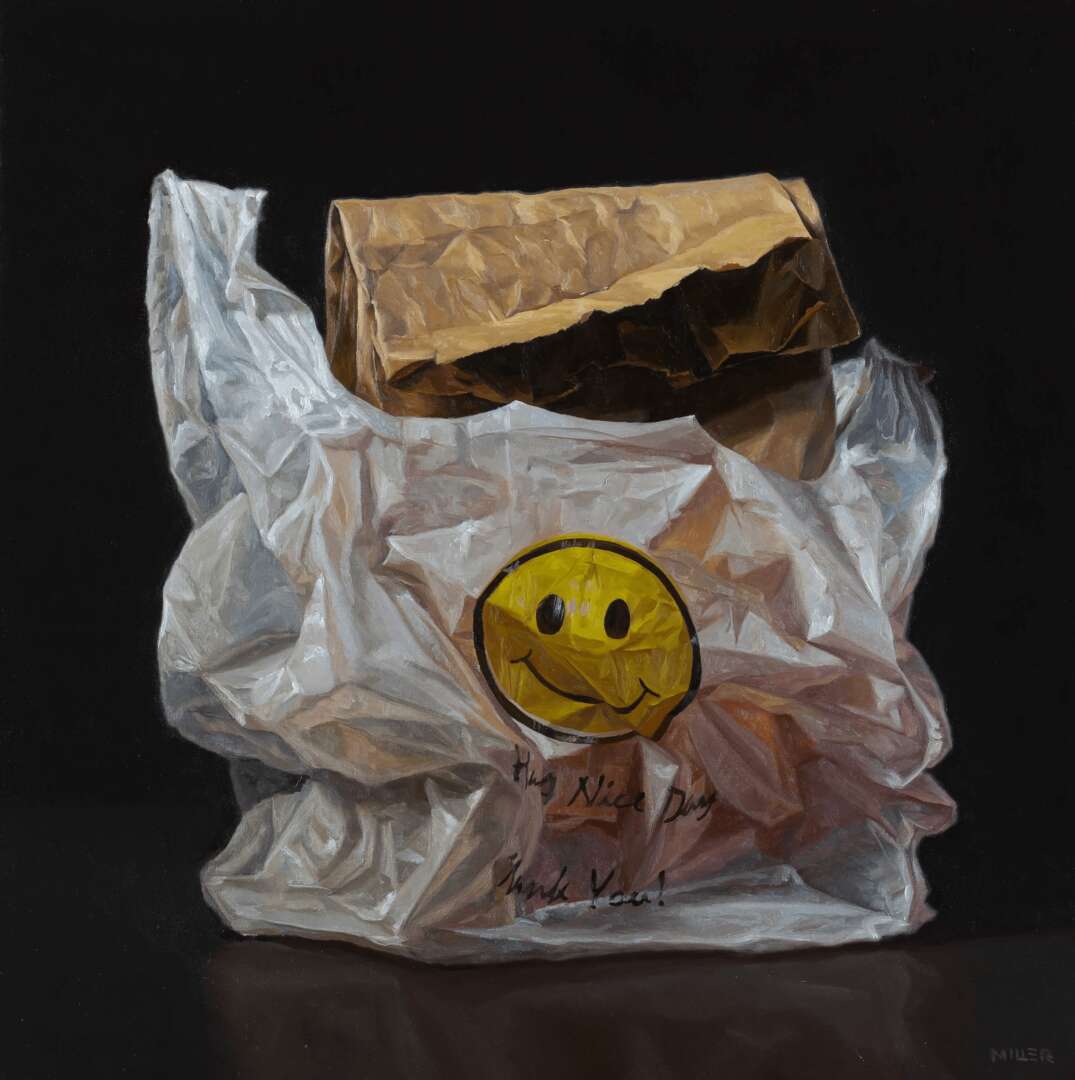
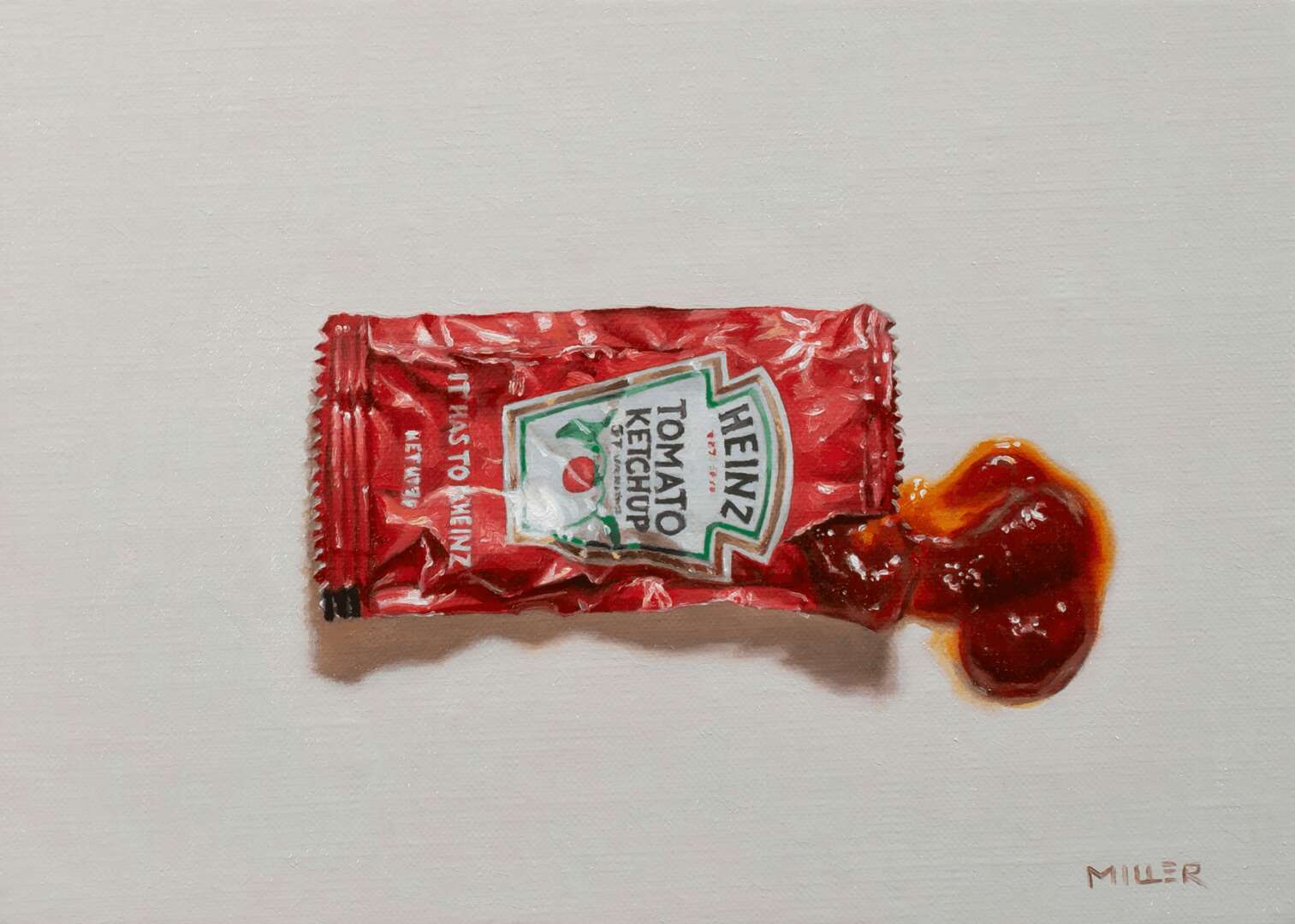
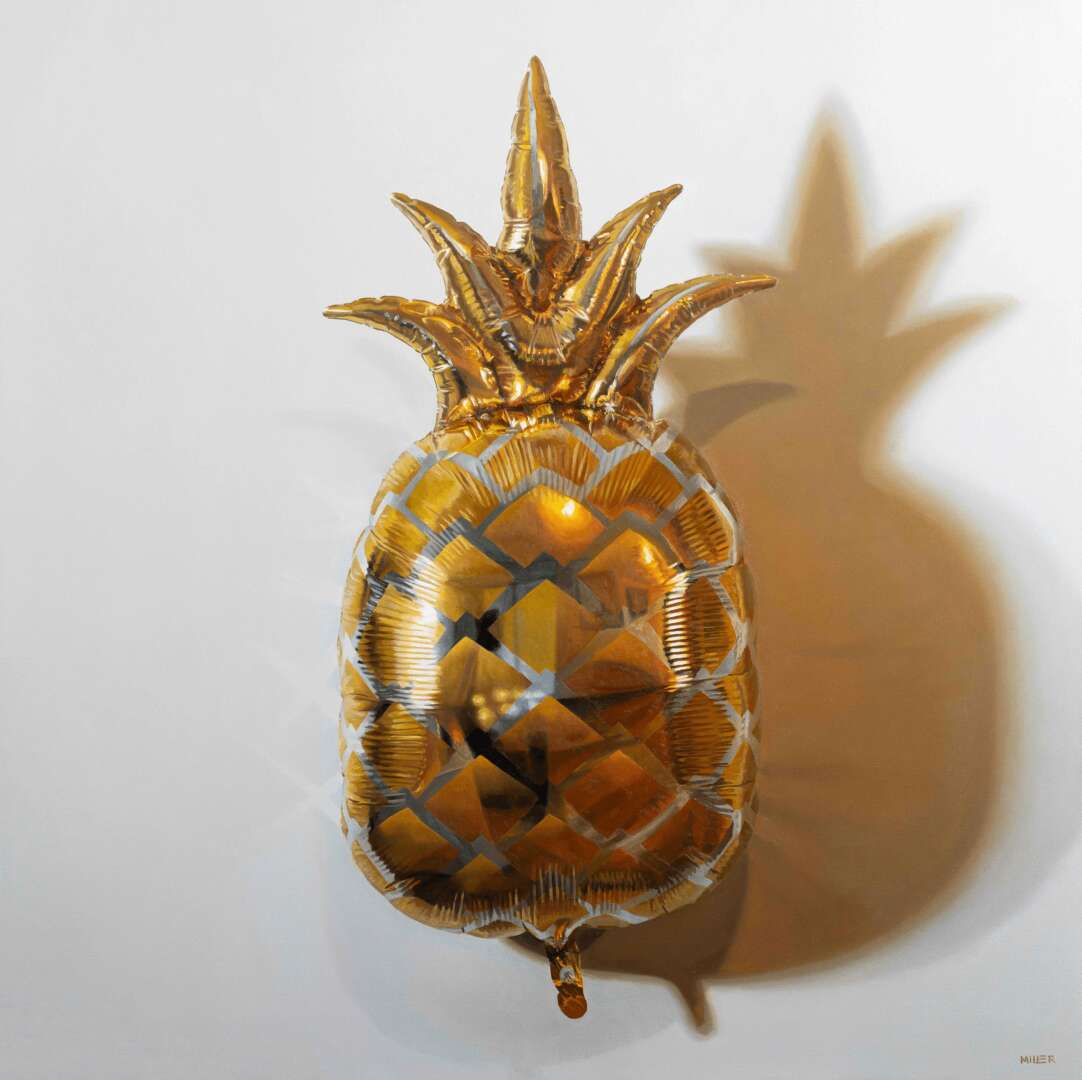
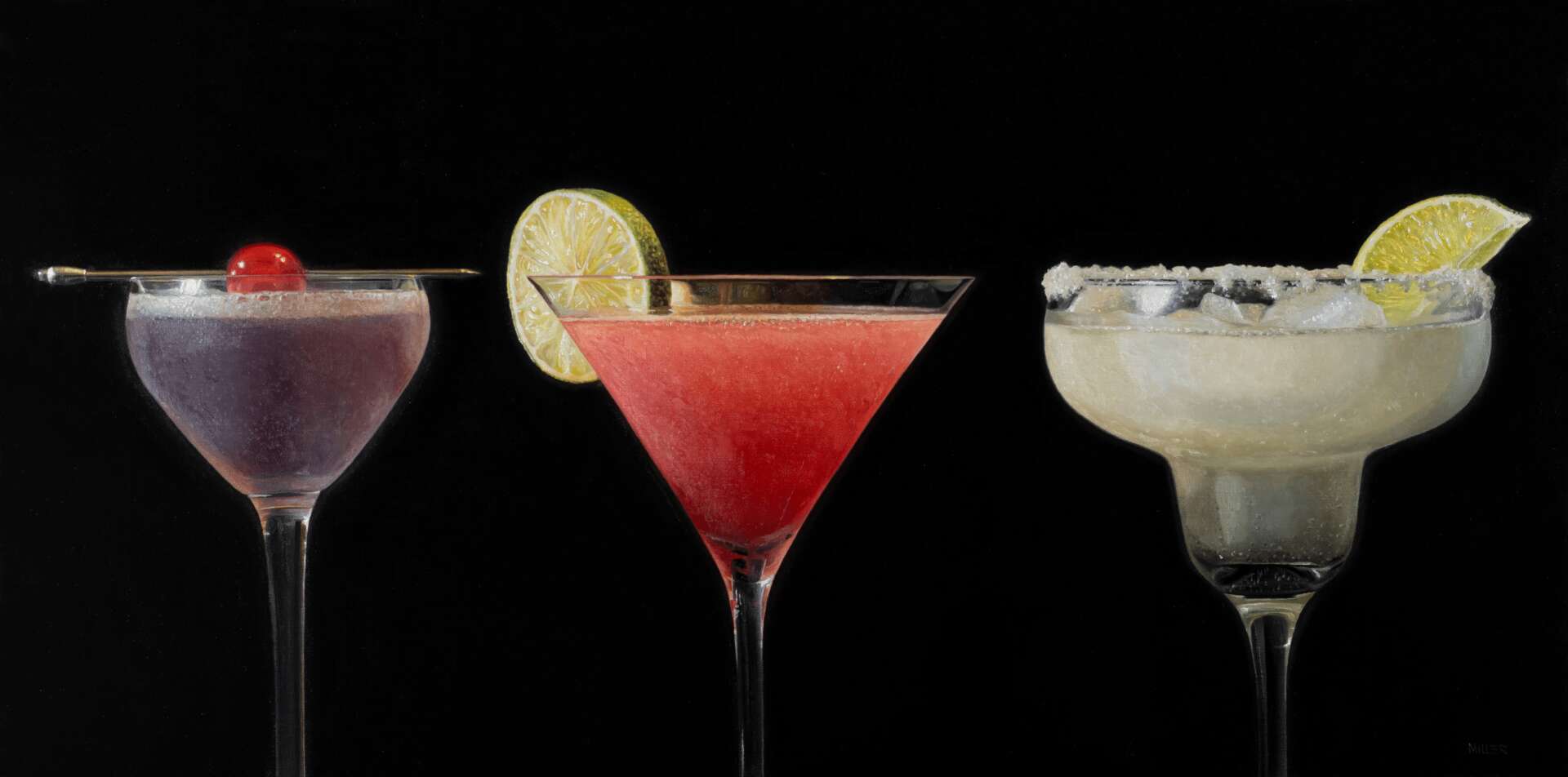
My elevator pitch is simple: I paint realistic oil paintings of common household items, foods, and drinks. This description, however, leaves something to be desired, and the missing part is the connection that I have with the subject, and the connection that the viewer has with the subject. For example, my painting “8 Pack,” a 36″x36″ realistic painting of a pack of Crayola crayons, takes something that is commonplace, mundane even, and elevates it to a grand scale and presents it as fine art. For me, crayons were my first tool and introduction to art. For the viewers, the painting reminds them of their childhood and evokes memories so visceral that they often comment “I can practically smell the wax of the crayon.” My goal is to create that connection through my work and ultimately bring a smile to the viewers face.
I did not always specialize in still life paintings, in fact I occasionally dabble with portraiture and landscapes/cityscapes. A few years ago, when I decided to switch from acrylics to oil paints as my medium, I realized that household items were convenient references as they were abundant, which was necessary as I was seeking to create work quickly to overcome the learning curve associated with the medium. I grew fascinated with the technical painting aspects of creating realistic still lifes, as I often used reflective, translucent, and/or highly saturated colored references. And then a collector purchased a large painting of a common snack food. He said that it was his late father’s favorite snack. At that point I realized that the subject manner can carry a deeper meaning for the viewer, and in this case, serve as a connection to a beloved one. The fact that the subjects can resonate with people, paired with my personal interest in the technical aspect of “how do I make this painting look realistic” solidified the genre of paintings that I create.
What’s the most rewarding aspect of being a creative in your experience?
There are two that carry almost equal weight:
First, I get to do what I love. I can work non-stop for months on paintings for an upcoming show, and after a week off, I am already missing my easel. When I am not painting, I am often thinking about it. When I wake up in the morning, I am excited to get to work. I cannot think of doing anything else for work.
Second, being my own boss means that I am solely responsible for how I spend my time. While that can come with its own challenges, I find the freedom to be refreshing, especially after serving my stint in the corporate world. This freedom has afforded me something that is more important than the work I do: time with my family. My first few years as a professional artist have also been my first few years as a dad. I have been able to be present for my family, which I attribute to the flexibility of my work schedule, and I am so grateful to spend that extra time with my son.
What can society do to ensure an environment that’s helpful to artists and creatives?
Art is part of life that is unique to the human experience. It has the ability to make someone feel, it can document history and culture, and it can make a statement that changes how people think. It is therefore important that everyone has a chance to be engaged in a creative ecosystem. Everyone should make time to see art in person at all scales, from art festivals to galleries and museums. While social media has made it easier for artists to market themselves and be discovered, art is not meant to be viewed on a phone screen. You learn to appreciate art, discover your preferences, and meet the makers when you visit exhibitions in person. Engagement also means supporting your favorite artists within your means. This can range from social media engagement, which helps with an artists discoverability, to adding to your collection when you find the right piece. Every small and large engagement or show of support to artists helps to make that creative ecosystem thrive.
Contact Info:
- Website: https://www.matthewmillerfa.com
- Instagram: @matthew.a.miller
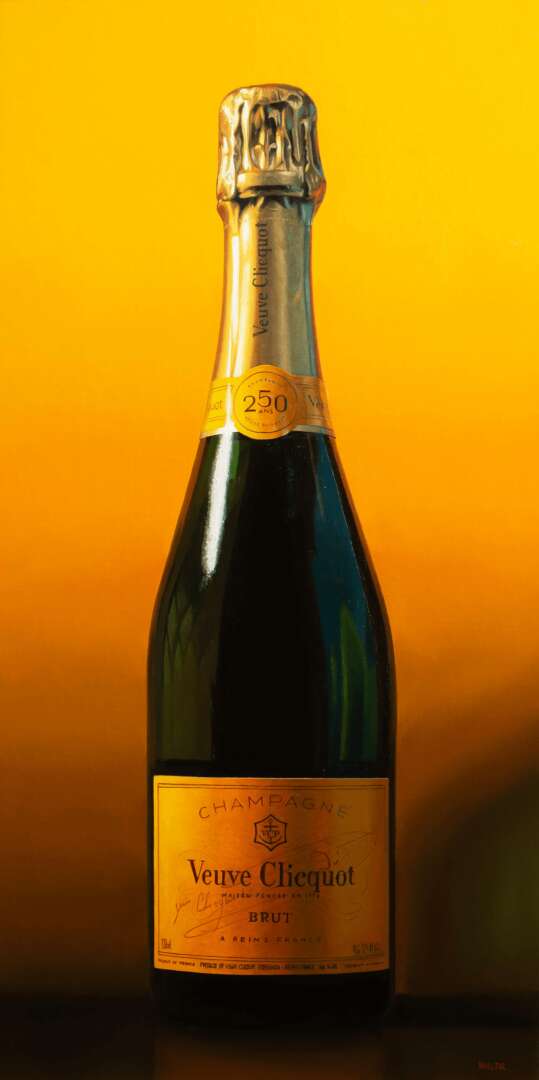
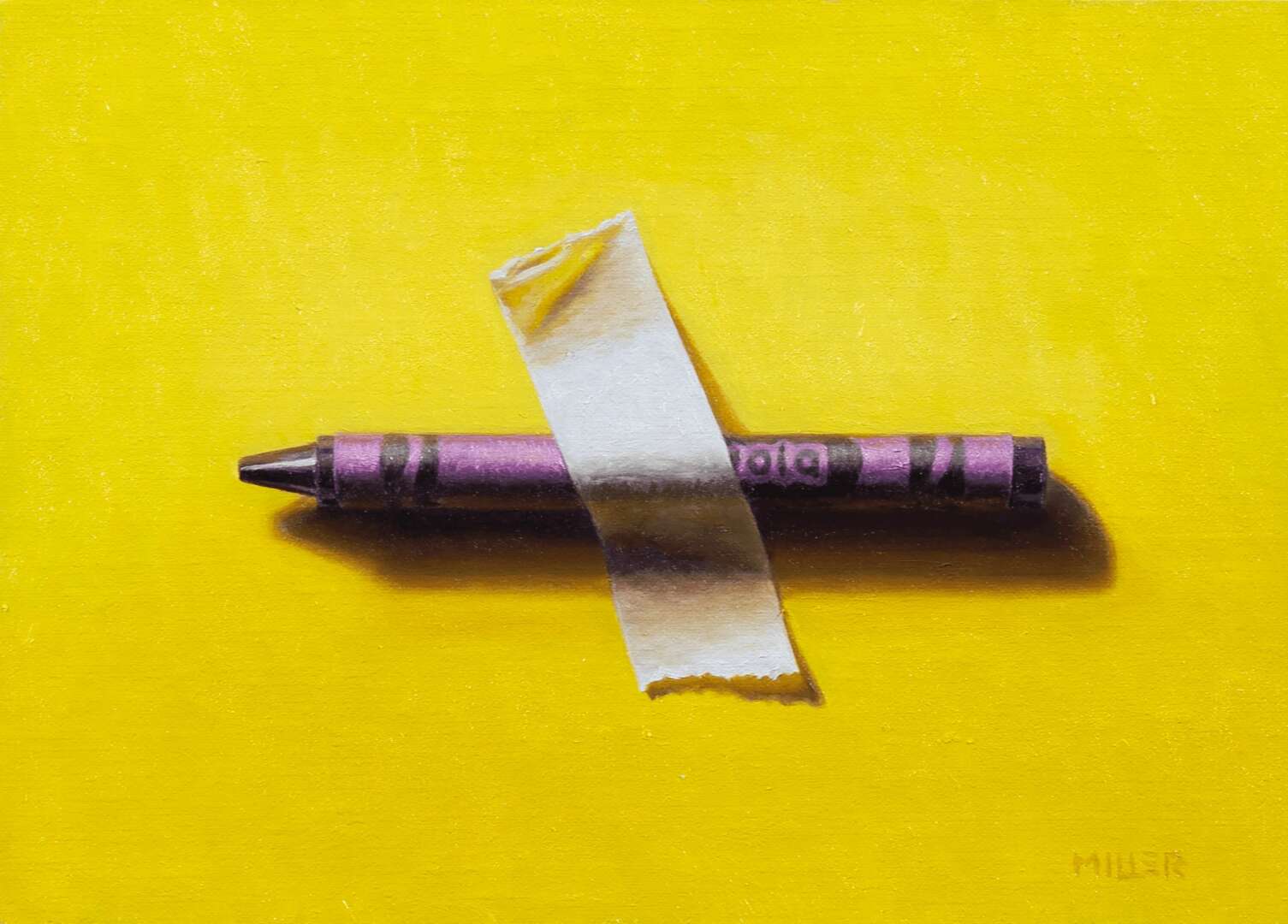
Image Credits
Matthew Miller