



We recently connected with Matthew Kent Everett and have shared our conversation below.
Matthew Kent, looking forward to hearing all of your stories today. Are you happy as a creative professional? Do you sometimes wonder what it would be like to work for someone else?
I am truly happy and fulfilled as an artist. Whether I’m performing, composing, recording, or discussing music, each day offers a chance to create and share my passion with others. I’m grateful for my life and the opportunities I have.
Before fully embracing my artistic path, I worked various regular jobs, mostly during my student years. In 2007, I hit a point of burnout after juggling multiple gigs as a musician—playing, teaching, and conducting. Frustrated and exhausted, I decided to make a drastic change. I chose to pursue real estate, thinking that it would give me the ability to manage my schedule and still have time for music. I also decided to move back to Austin, my hometown, without a plan in place. Fortunately, a friend offered me a place to stay temporarily.
I joined a real estate firm, starting as an assistant and eventually working fulltime as a realtor. Four years later, I earned my Broker’s license. While I enjoyed real estate, it left little time for music, and after a while, I felt like my soul was starving. So, I made the decision to leave real estate and become an independent Broker, relocating to The Woodlands to care for my ailing mother.
Back in the Houston area, I reconnected with friends and the arts community. New opportunities came my way, and I rediscovered my purpose as an artist. Now, my soul is thriving.
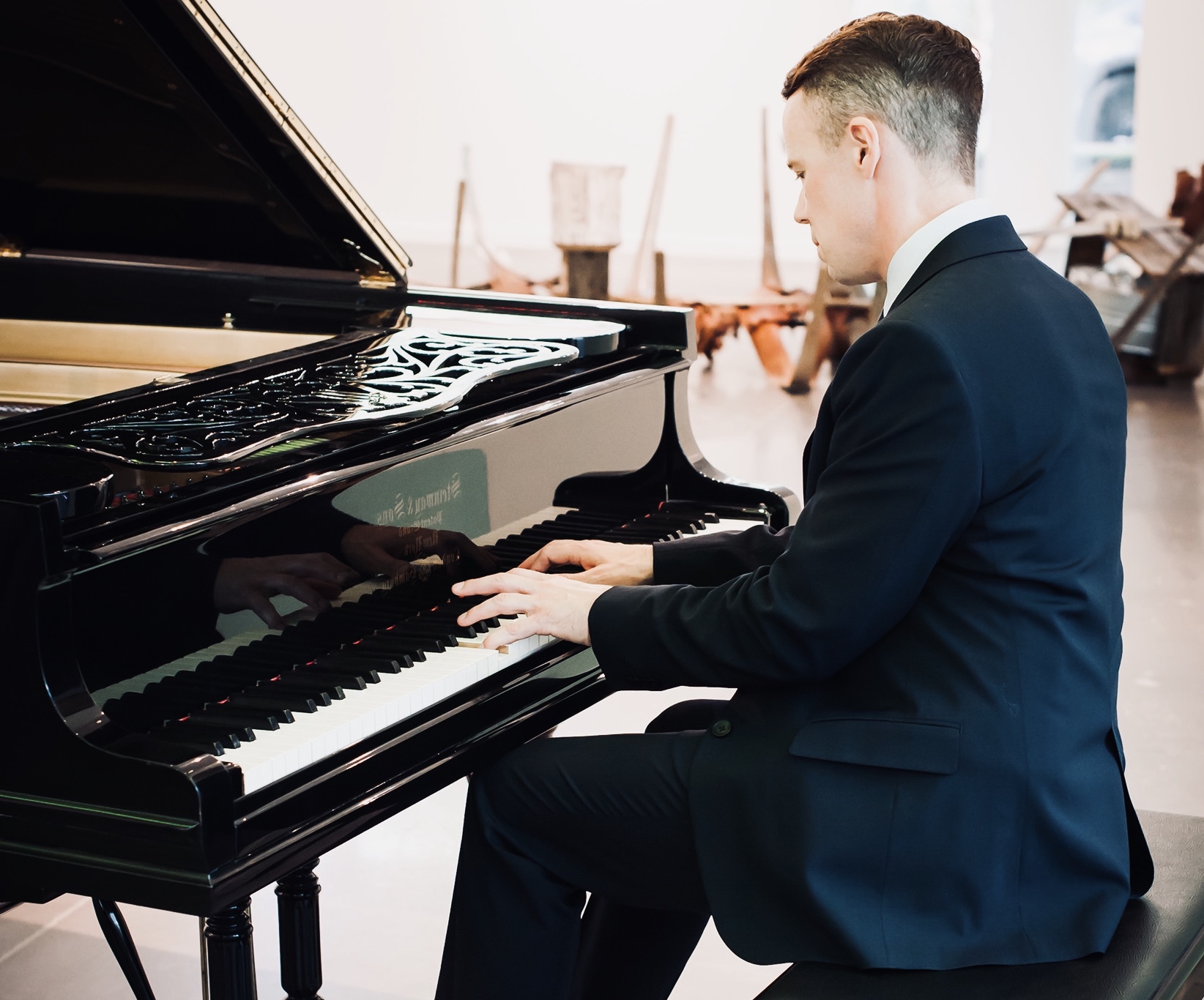
As always, we appreciate you sharing your insights and we’ve got a few more questions for you, but before we get to all of that can you take a minute to introduce yourself and give our readers some of your back background and context?
As artists, we possess a unique ability to communicate messages in ways that resonate more deeply with the public than traditional communication methods. Through our creativity, we can engage audiences on a visceral level, making complex and difficult subjects more accessible and impactful. While I think this is an honor, it is also a huge responsibility. Artistic integrity is paramount. We must act with integrity in everything we do.
Raised in a household with rigid expectations, I internalized perfectionism and the belief that success in classical music demanded adherence to strict “rules.” As the youngest of four, I also learned that authority was not to be questioned. Yet, music became my refuge—my way of expressing myself freely when other aspects of life left me anxious. By age twelve, I knew I wanted to be a professional musician, and as I studied composers, I discovered that many of them challenged authority and embraced imperfection, which deeply influenced their art.
This realization led me to understand that the lives of artists—whether composers, painters, dancers, or writers—are intrinsically tied to their work. Even after starting my career, I had limited exposure to non-Western art and music, but traveling opened my eyes to a world of diverse artistic expression. These artists, too, have powerful messages to share, and their voices deserve to be heard.
These ideas provided inspiration to start The Woodlands Diversion, a nonprofit, collaborative arts organization. When we plan our programs, we aim to include a variety of cultures and genres, believing that diverse artistic forms can create a more profound experience for audiences. It is my belief that censorship stifles critical perspectives, and artists with public platforms have opportunities to offer and promote artistic diversity. Barriers need to be broken down to give space for all voices to be heard.
Is there mission driving your creative journey?
As a classical pianist, I love the music of the great composers of that genre. It’s music that most might refer to as the “standard” classical repertoire. But, in my opinion, the classical music industry has forged a culture that is exclusionary. Many people think of going to a symphony concert as something that only wealthy people do. In 2025, this, of course, isn’t true. But, it is a somewhat common misconception.
I believe my mission (and a goal) is to make art inclusive, accessible to who desire to experience it and to also offer opportunities for musicians and artists to share their work – especially for those from marginalized communities where their artistic voices might not be heard.
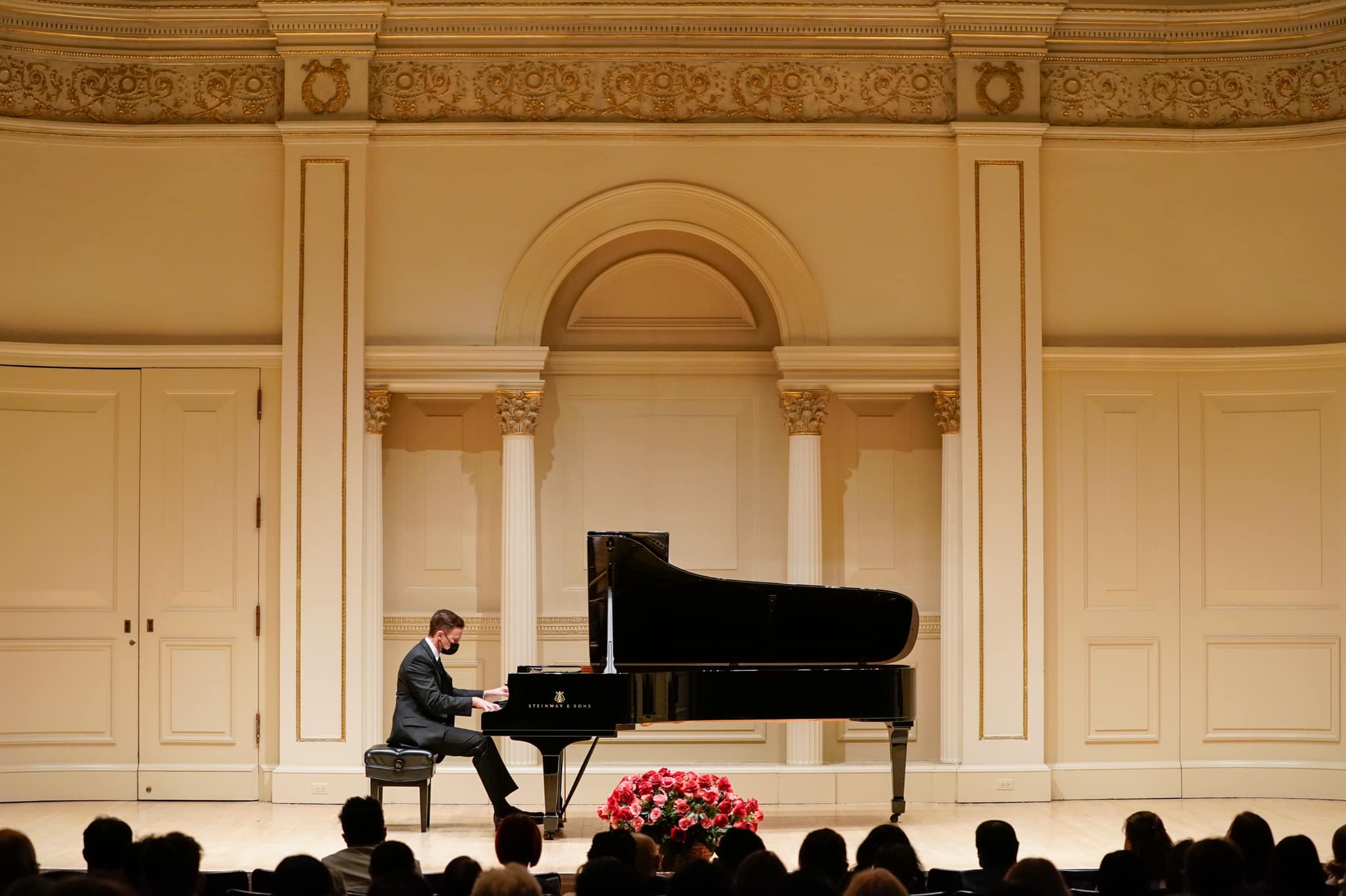
In your view, what can society to do to best support artists, creatives and a thriving creative ecosystem?
If you have a passion for the arts and want to support creative talent, make it a point to attend performances at local venues and to see art exhibitions at local galleries. While I would never discourage anyone from experiencing the magic of a world-class orchestra, dance company, or visiting a renowned museum, I encourage you to seek out smaller, local events and organizations as well. Support emerging artists, especially students and up-and-coming musicians. You might be surprised by the incredible talent you’ll discover—you’ll likely leave feeling genuinely inspired. Plus, offering your support could give them the motivation they need to keep chasing their dreams.
Contact Info:
- Website: https://thewoodlandsdiversion.org
- Instagram: https://www.instagram.com/thewoodlandsdiversion/
- Facebook: https://www.facebook.com/thewoodlandsdiversion/
- Youtube: https://www.youtube.com/@matthewkenteverett6859