

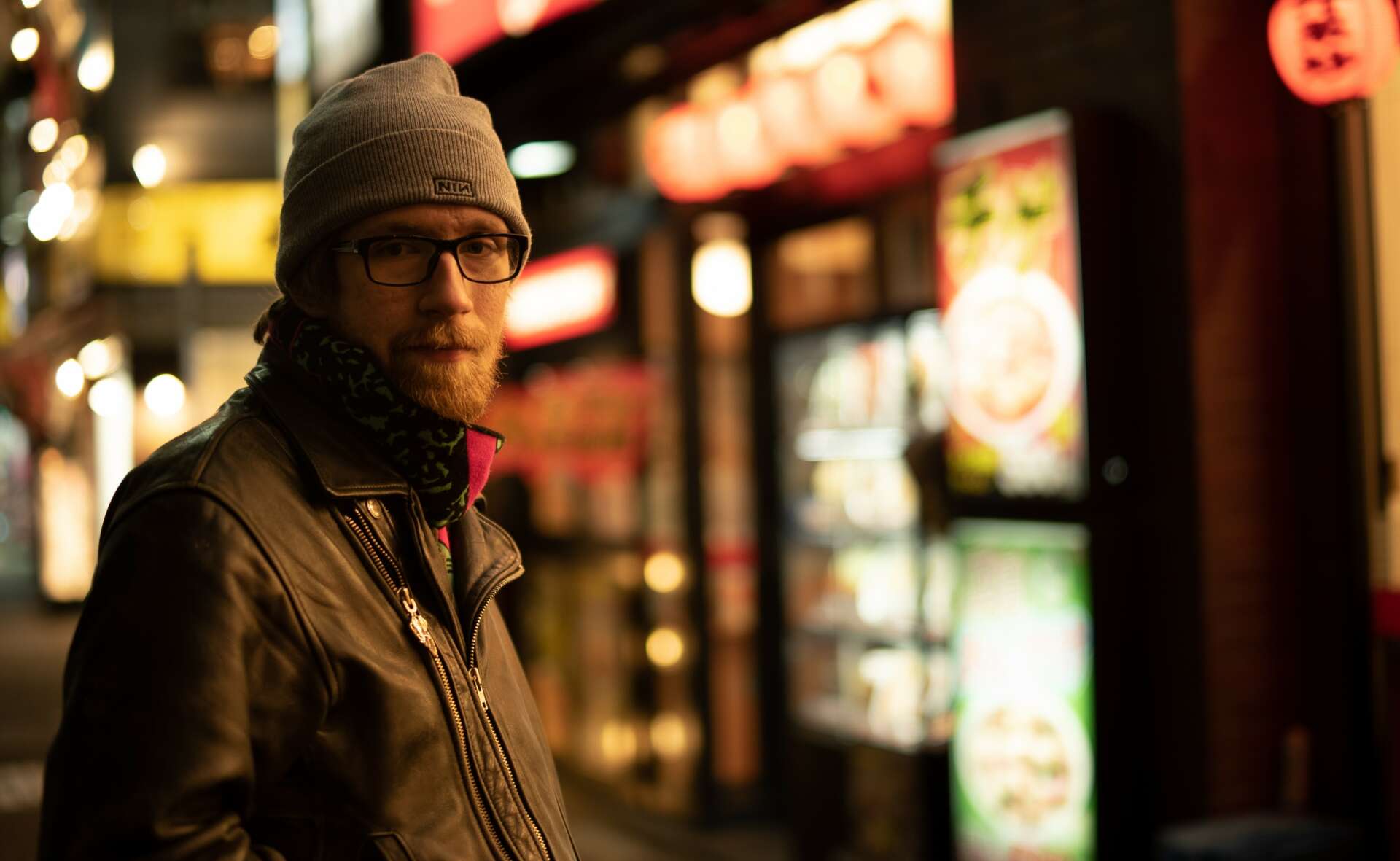

We recently connected with Matthew Hardesty and have shared our conversation below.
Matthew, thanks for taking the time to share your stories with us today Can you talk to us about a project that’s meant a lot to you?
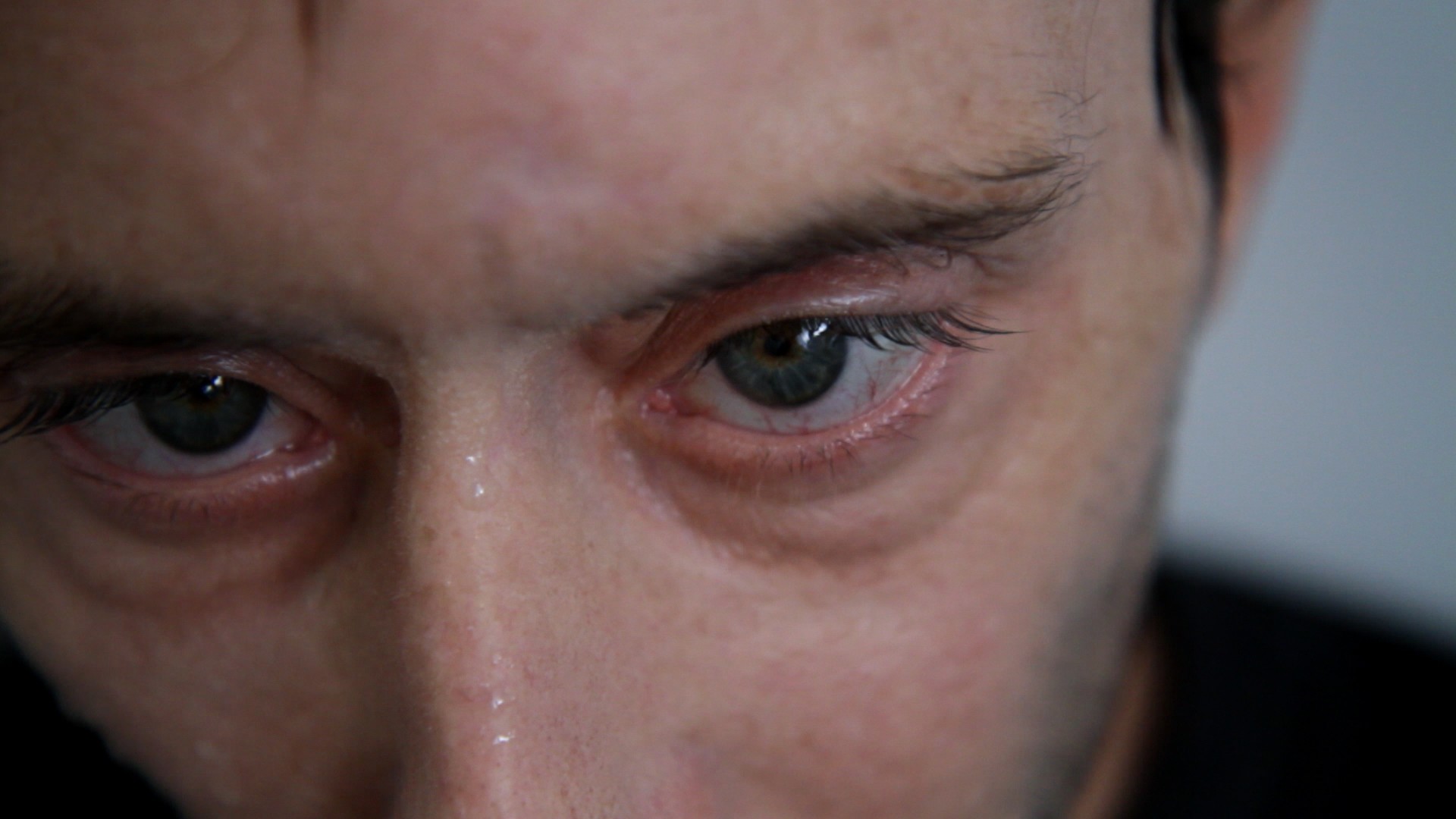
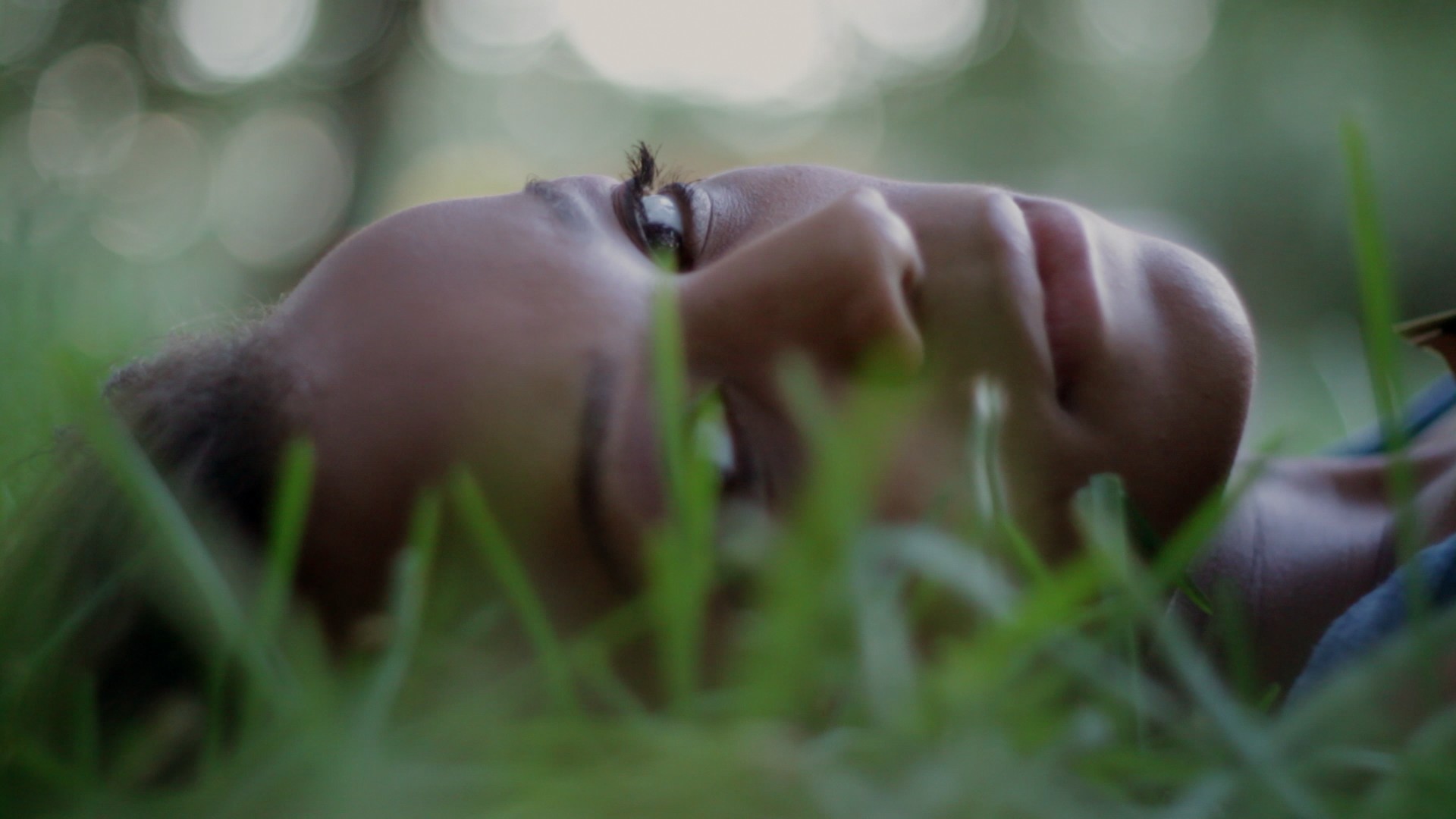
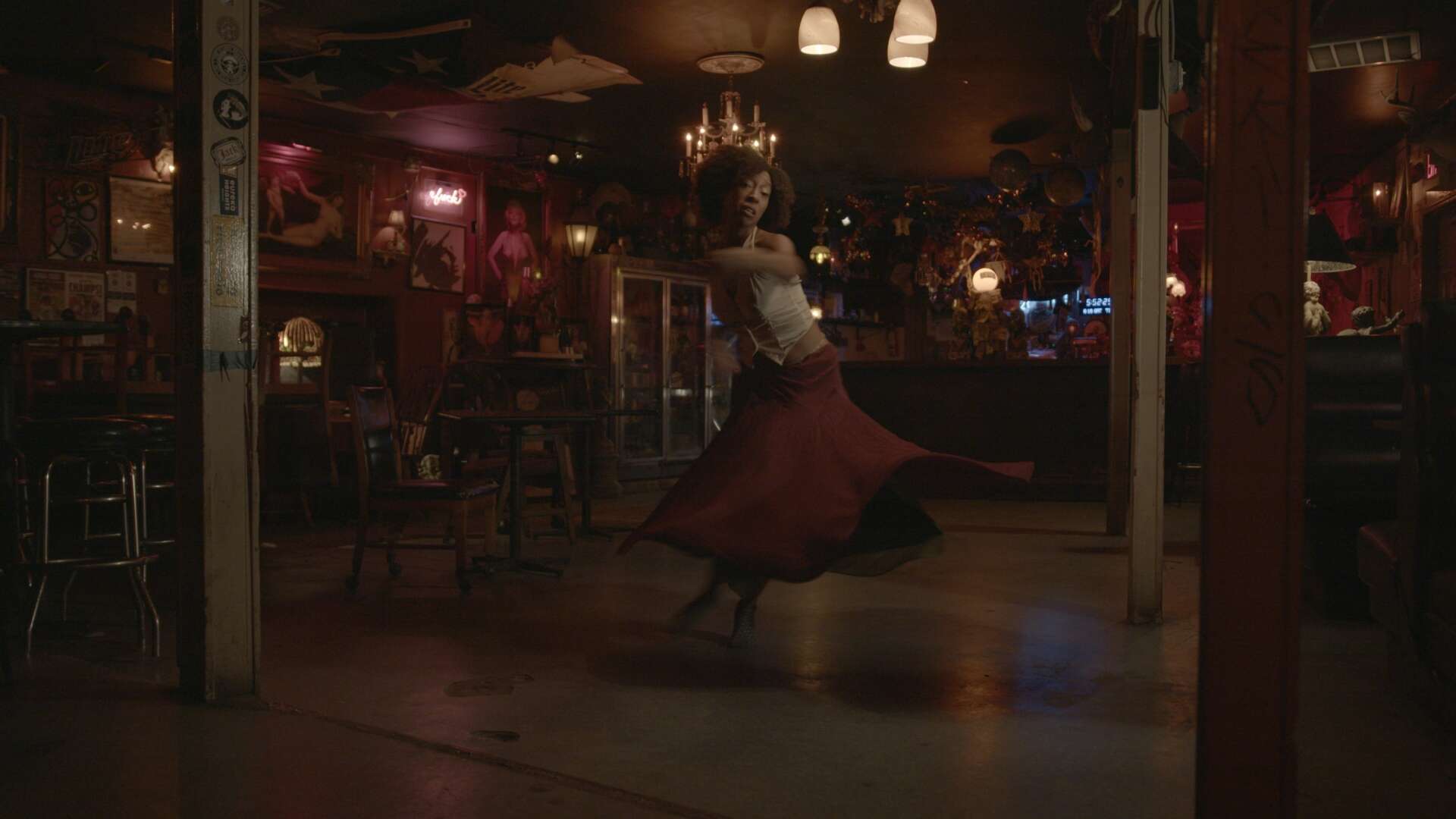
There have been quite a few meaningful projects in my career so far, which I’m eternally grateful for. The biggest one to me is the completion and distribution of the feature film ‘Sleight’, which is about the physiological and psychological difficulties associated with living with Multiple Sclerosis. A major undertaking, which we started filming when I was 21 years old, and took over 10 years to complete!
The ambition of myself and the director Noelani Mei Lee when were so young to try (and succeed!) to film a feature film over a nineteen days was incredibly humbling. Every shoot day just presented a new challenge, or some new problem to solve. From beginning to end, we had no real guidance from any ‘adults’ or even financial support, it was just a bunch of young artists just trying to tell a story that had meaning behind it. But that required us to figure out all of the solutions on our own, and I think the result was that there was no filter on our own voice in the film. No one was standing behind monitor telling us ‘This is way things are done!’. I think that allowed Noelani and myself to develop a really strong creative voice and independent spirit.
One shot in particular I still think about to this day, it was just a simple over the shoulder insert, the main character Dennis handing a deck of cards to his friend Paul on the hood of a car. And as I watched this blocking from behind camera, I saw the choices the actors were making and everything started clicking together like a puzzle in my head. The passing of cards taking too long, a lingering finger, the layers of meaning behind this shot started to becoming incredibly present in my mind. As we filmed the shot and all climbed down off the car, the feeling was as if we were no longer on set but experiencing an honest moment from real life, but maybe even more enhanced. It is those honest moments that I have been looking for ever since from behind the camera, and each one I happen to get I treasure greatly.
Knowing that Noelani had made something really special after filming, we began post production shortly thereafter. But it took us about 10 years to figure out the rest of process, the intensity of moral fortitude required to put together a feature film is no joke. Any directors or editors out there will know what I’m talking about! But also during that time, saving up enough money to afford certain aspects post production that we had no ability to do. Or just spending time earning a living in the film industry in Los Angeles, and working on Sleight when we could afford to have the time to. You can understand why so many projects in the film industry never seen the light of day. But I think when you have a project that means so much to you, and is a meaningful project, you put in any amount of time and care to see it finished.
Awesome – so before we get into the rest of our questions, can you briefly introduce yourself to our readers.
I developed an interested in filmmaking in high school, looking for a solution to my complete lack on interest in working a nine to five job. And well, that has definitely worked! But moving out to Austin, TX for more film education from the Austin School of Film, which I would use the words (punk, avant garde, experimental, independent) to describe definitely had an influence. When your school’s t-shirt says ‘No Censorship’ I think you carry that with you forward in life.
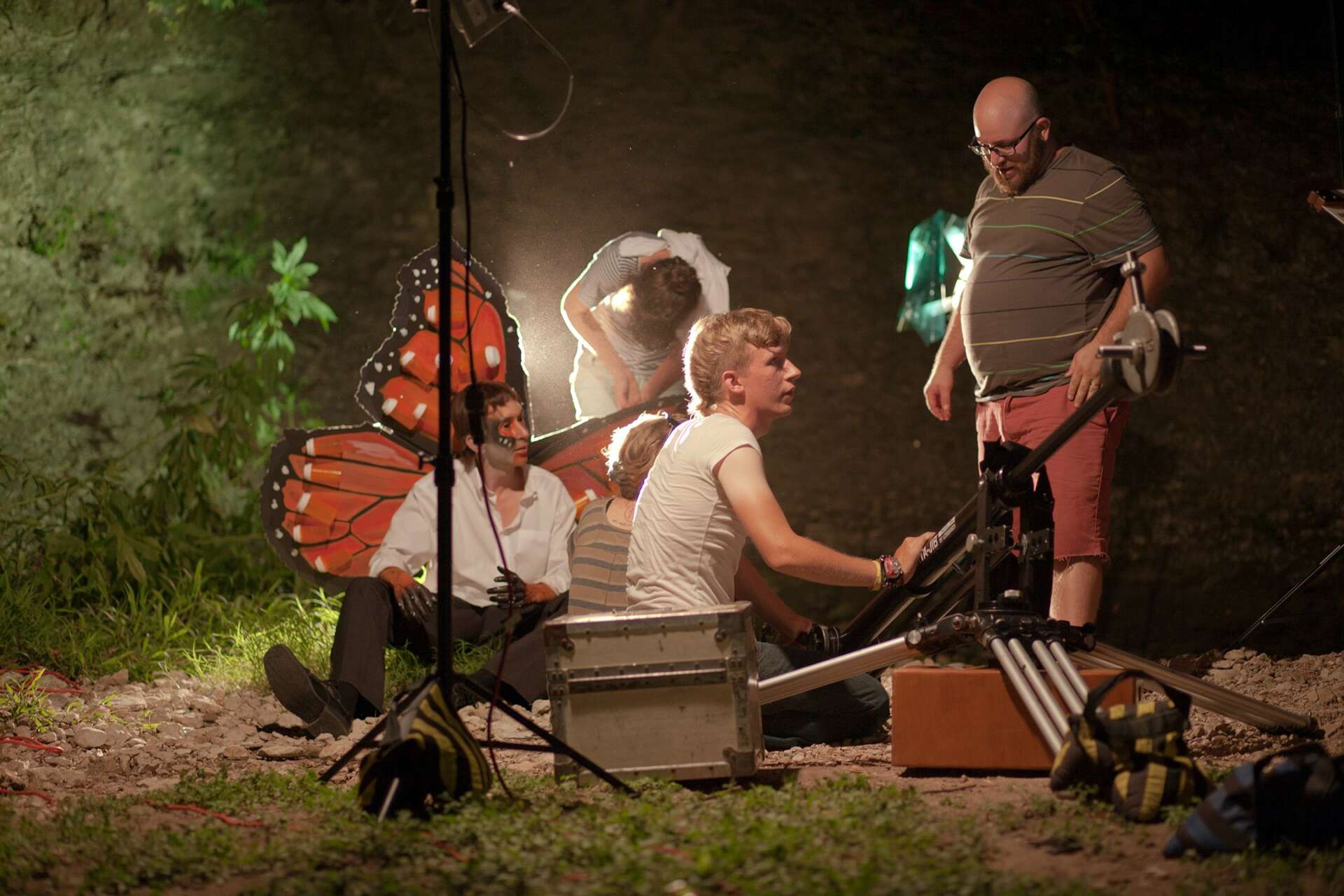
And I think the Austin film industry where I supplemented my education with time on set definitely double downed on all of those feelings. It was there that I fell into assistant to the director of photography, learning to work with so little on those independent productions. Just watching the whole time the rest of the crew and what they did, being a student, asking questions, and trying to consume as much information as possible.
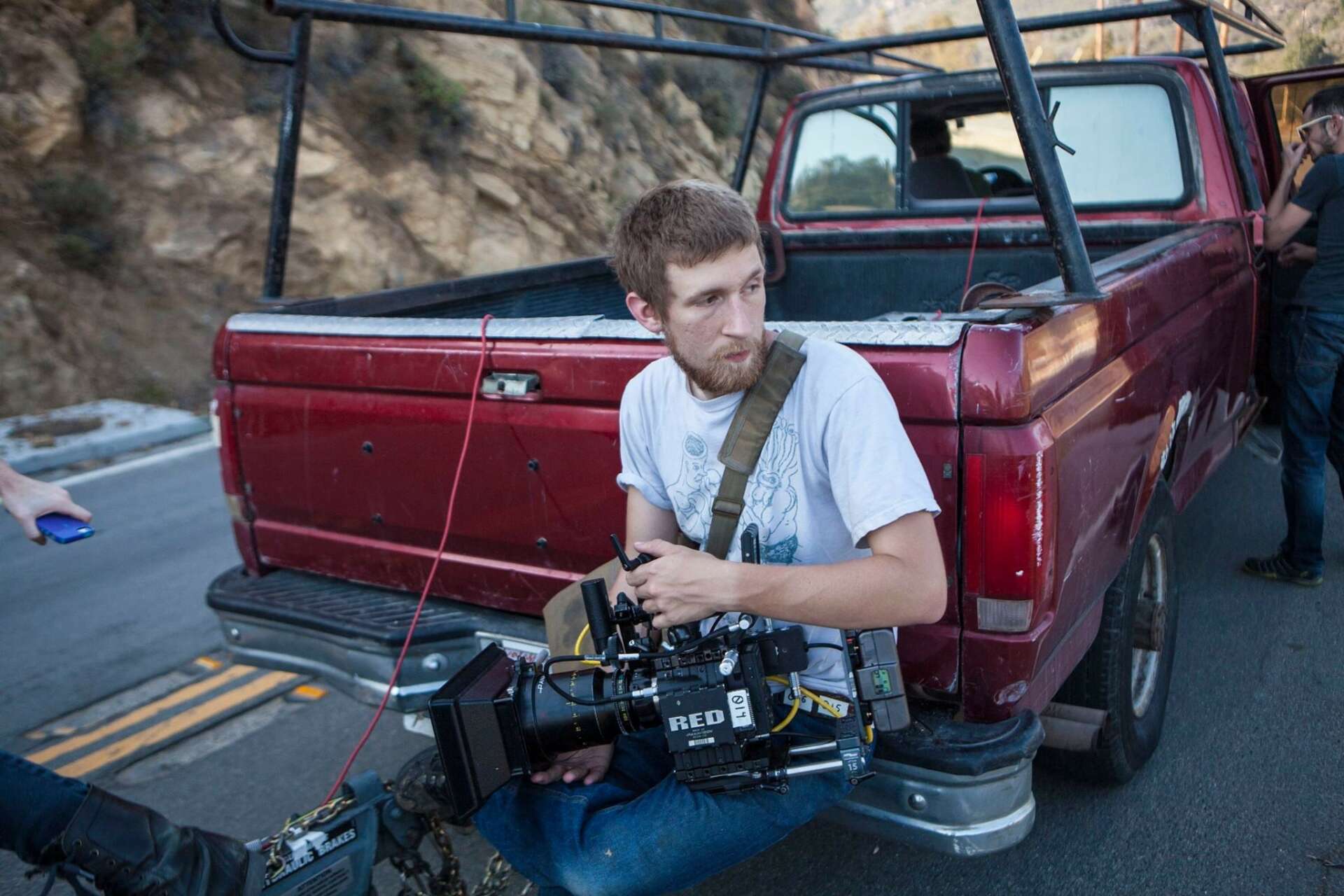
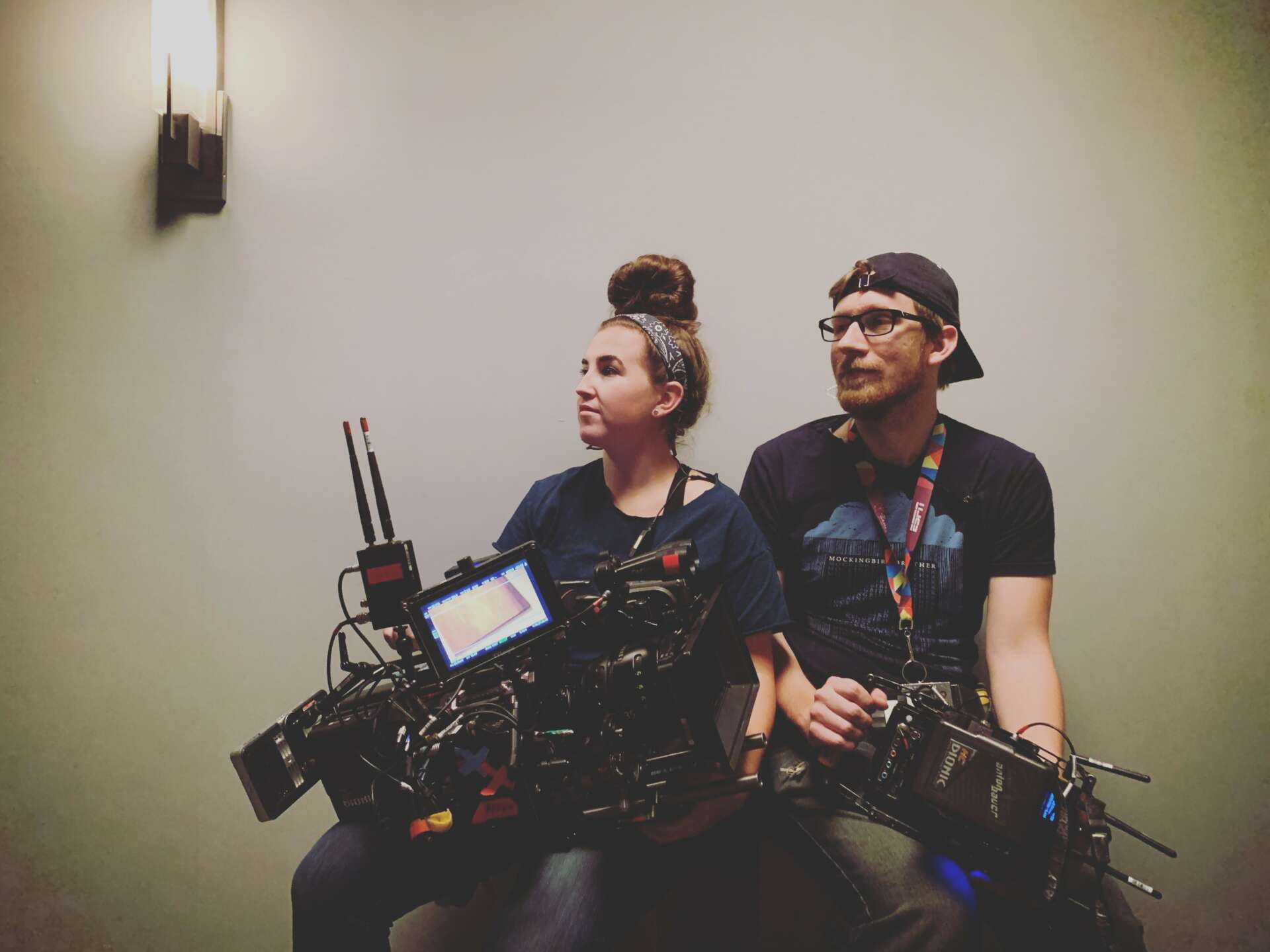
Filming Sleight was the culmination of my experience in Austin. I was ready to move on and challenge myself to new experiences, and with my dear friend Noelani’s help, I moved out to Los Angeles to work in the film industry here. Now that was whole other bag of rabbits, working on larger and larger productions as an camera assistant. Approaching each job with the beginners mind, learning and taking notes as much as I could. Being so close to the director of photography on set allowed me to constantly pick their brain and watch what they did. What approaches they tried and worked, or when they had difficulties and doing whatever I could to help. The role of the assistant camera is such a peaceful experience, to strip away the worries of the director of photography and allow their artistic voice to come forth is such a gift to give to another filmmaker.
And with each job I returned to the cinematographer role, I found myself not just a bit better, but multitudes. You must of course hone your own voice and style by doing the work yourself. But there is something to be said about intimately watching other creatives whose work you respect. Seeing where your approach differs from theirs, I think brings the artistic voice from a low rumble to a window shaking shout.
Any resources you can share with us that might be helpful to other creatives?
I think resources that I wished I knew about earlier in my creative journey was access to a community of other artists, and how important that is. Going to the Austin School of Film wasn’t a full time university experience. But they did give me access to an editing bay of computers to use, and to the people coming and going from the school. I met my biggest creative partner Noelani from one of my first days going to the school!
The need for artists to have the support system from other creative people is so important. When working on film, I feel like the director of photography is the biggest supporter to the director. In my eyes, the director dreams up all of the fantastical ideas, and then the cinematographer has to figure out with the director how to make all of their dreams come true. And then the director of photography is supported by the camera assistants, lighting technicians, and grips. And on and on it goes. But going into a day of filming where everything could go wrong, and you have people at your side that support you, it is invaluable.
There is generally some sort of film community in every major city, and can be a great resource for the director of photographies to work on each other projects and crew on each others projects. And in larger cities like Los Angeles there is access to the unions, which can be intimidating to get into, but they now have events that allow anyone to attend. Going out and meeting people, you may meet a person that you work with for the rest of your life!
Is there a particular goal or mission driving your creative journey?
To put it bluntly I would like to make the world a better place. I know growing up as a kid, that watching movies made me feel better. My simple solution is to do just that! My approach to having a goal is to make it simple as possible. It isn’t about making the most amount of money, the fame or making a name for myself, but to just work on good projects and do good work on them. Now what ‘good’ is definitely up for debate, but I think each artist out knows what good means for them. It could be just that word, it could take a entire essay to explain, or it could just be inexplainable and something you have to feel in your heart.
The only way I know how to measure it, when showing my work, if someone is moved emotionally. Crying, laughing, fear, or deep reflection. If one person is moved to emotion by the work, to me it has done its job and the rest is gravy!
Contact Info:
- Instagram: https://www.instagram.com/battbardesty/
- Other: https://www.imdb.com/name/nm3898768/
Image Credits
Kevin Paul Lawrence, Adam Dugas, Amanda Hamaday, Andrew Jeric, Cathryn Sacks