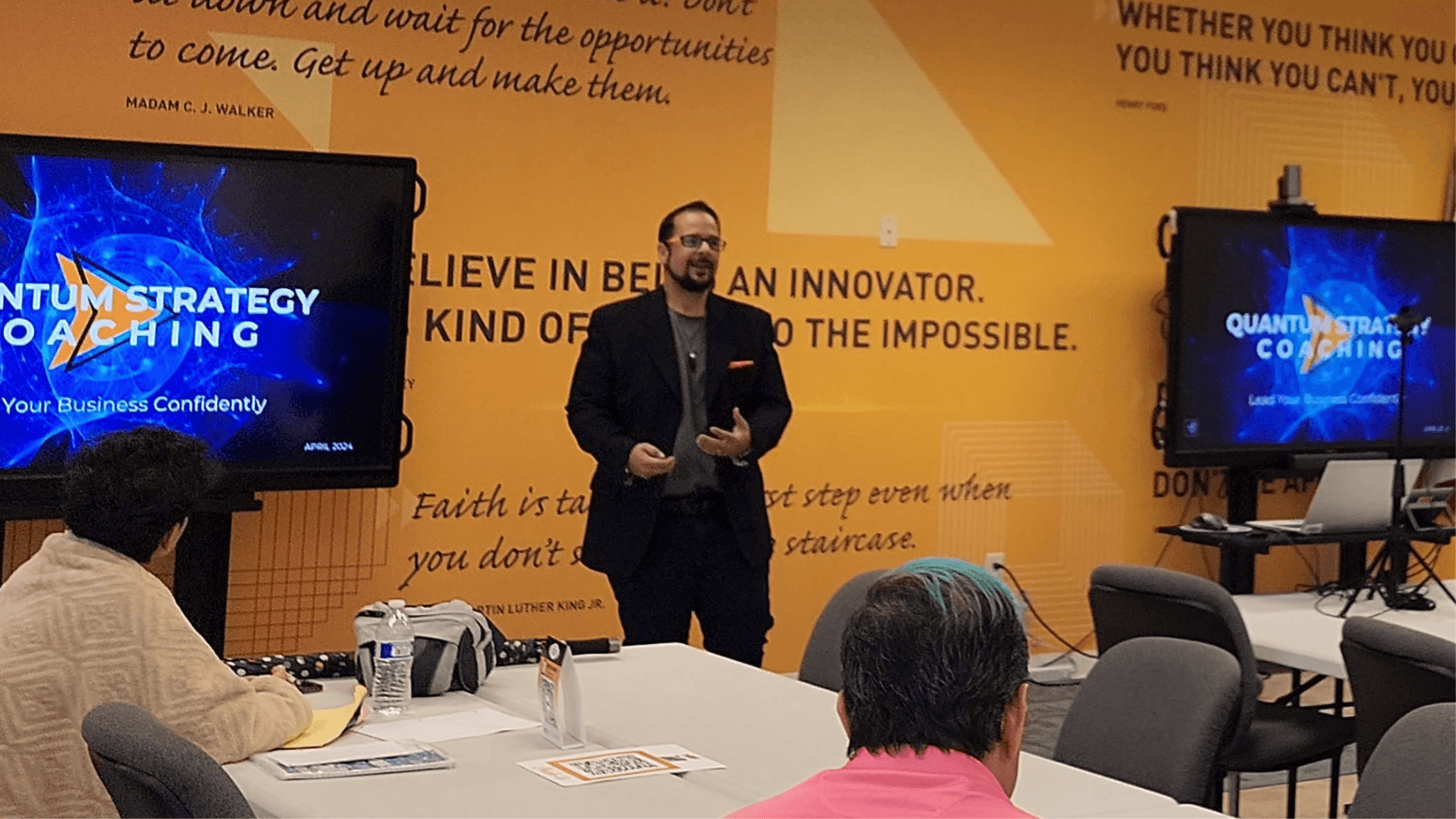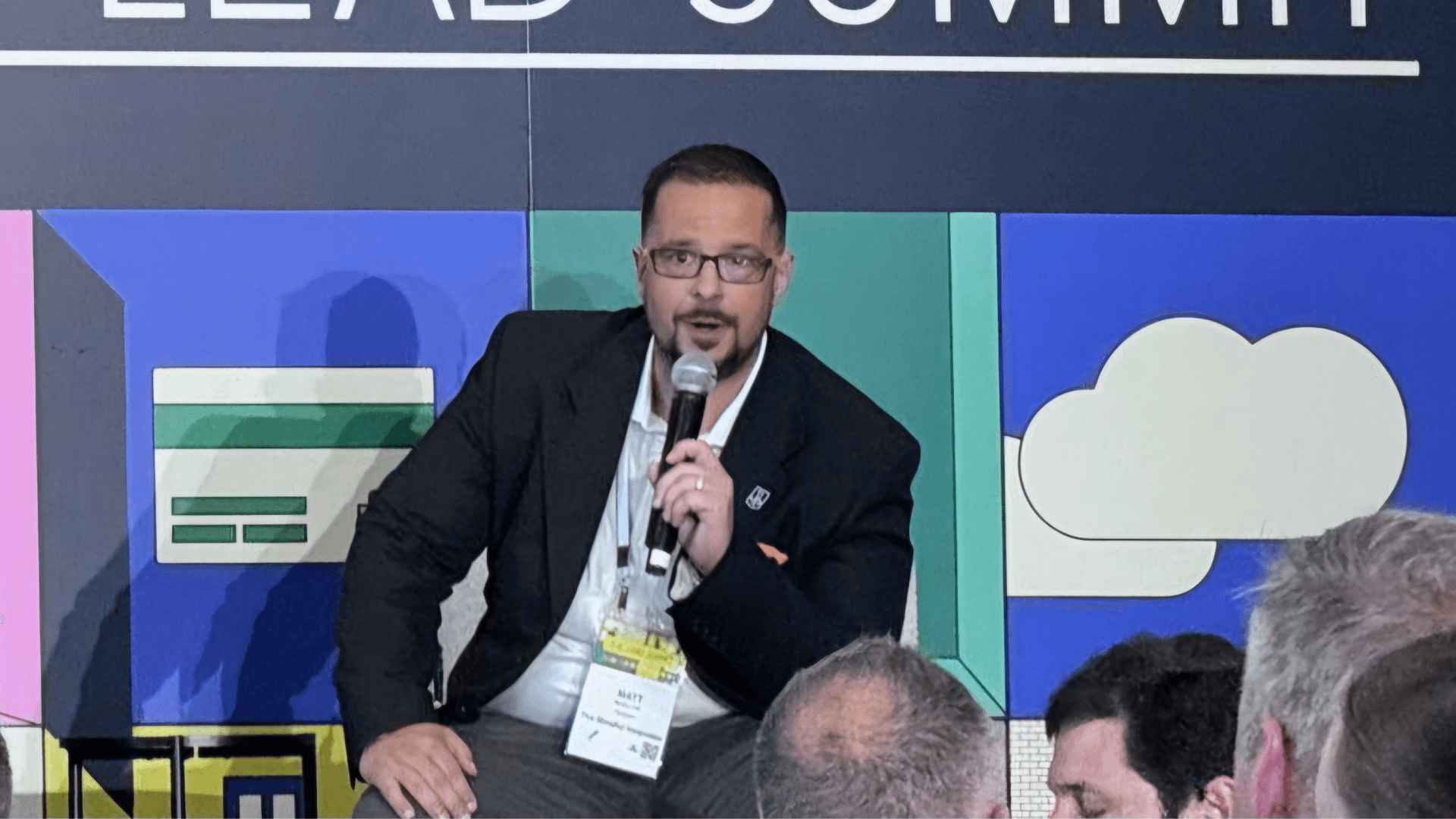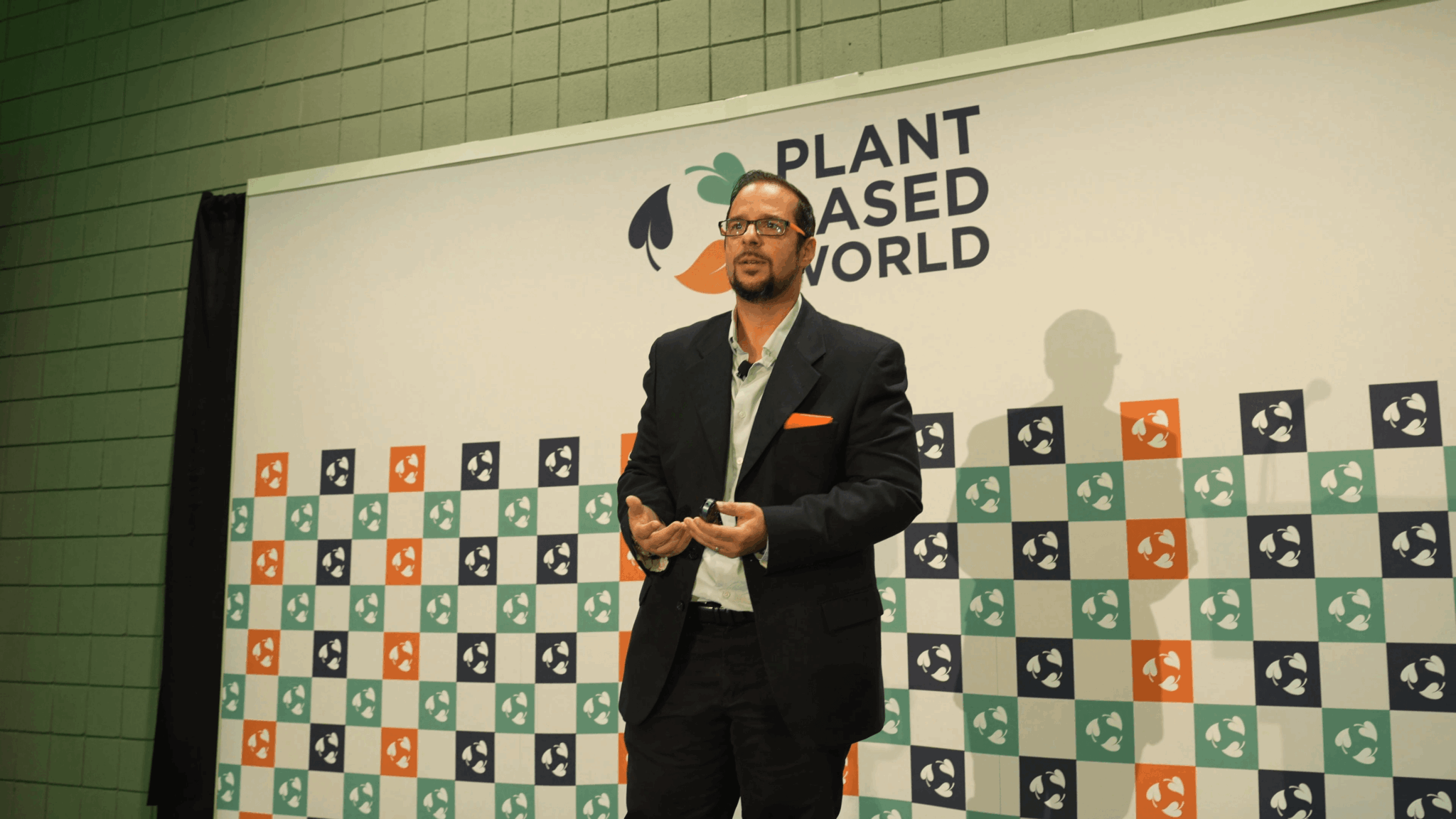

We were lucky to catch up with Matt Mueller recently and have shared our conversation below.
Hi Matt, thanks for joining us today. Naming anything – including a business – is so hard. Right? What’s the story behind how you came up with the name of your brand?
The name ‘The Mindful Innovator’ actually emerged from a profound moment of clarity I experienced on the streets of Manhattan. I was having one of those really tough days that every innovator faces – multiple project failures, feeling completely demoralized about my innovation work. As I was walking down the street, consumed by frustration and frantically typing emails on my phone, a Buddhist monk stopped me. Out of all the people on that busy sidewalk, he chose to stop me and offered me a mala bracelet with the Sanskrit word ‘ripka’ – which means ‘unconfused knowledge.’
That moment became a turning point in my innovation journey. I realized I had been approaching innovation with a cluttered mind, chasing every new trend and living by aggressive mantras like ‘innovate or die’ and ‘disrupt or be disrupted.’ The monk’s simple gesture helped me understand that true innovation requires presence, clarity, and purposeful awareness – in other words, mindfulness.
I started studying innovation cases going back thousands of years and discovered that the most impactful innovations came from people who were deeply present to real problems and mindfully focused on creating meaningful solutions. This led me to completely reimagine how I approach innovation work with clients. Instead of just collecting surface-level consumer feedback, I now spend time in stores doing shop-alongs, conducting in-depth ethnographic interviews, and really observing human behavior in its natural environment. It’s amazing what you discover when you’re truly present and watching what people actually do, rather than just listening to what they say they do.
The name ‘The Mindful Innovator’ represents this deeper, more intentional approach. When I work with teams now, we don’t just jump to solutions. We take time to really understand the human stories behind the data, and then through carefully designed workshops, we help teams get excited about turning these insights into meaningful action. It’s about bringing awareness and intention to every step of the innovation journey – from the initial research all the way through to implementation.
The name reminds me and my clients every day that successful innovation isn’t about frantically chasing the next big thing – it’s about being present enough to see what truly matters, clear enough to find elegant solutions, and mindful enough to implement them in ways that create lasting positive change.

Matt, before we move on to more of these sorts of questions, can you take some time to bring our readers up to speed on you and what you do?
My journey into innovation consulting began with a moment that changed everything – a chance encounter with a Buddhist monk on the streets of Manhattan that made me completely rethink how innovation should work. At the time, I was leading innovation initiatives for a major company, but feeling frustrated with the traditional ‘innovate or die’ mentality that seemed to dominate the business world.
That pivotal moment led me to develop a more mindful approach to innovation, one that eventually helped transform 7,000 stores in the grocery industry and attracted global brands like Nestlé, Pernod Ricard, PepsiCo, and Disney. What these organizations were looking for wasn’t just another innovation framework – they needed a way to deeply understand their customers and create meaningful change.
Today, through The Mindful Innovator, I help organizations bridge the gap between customer insights and actual innovation. My approach combines in-depth qualitative research – including ethnographic interviews and in-store shop-alongs – with carefully crafted workshops that turn these insights into actionable strategies. What sets this approach apart is its focus on going beyond what customers say to understand what they actually do and why they do it.
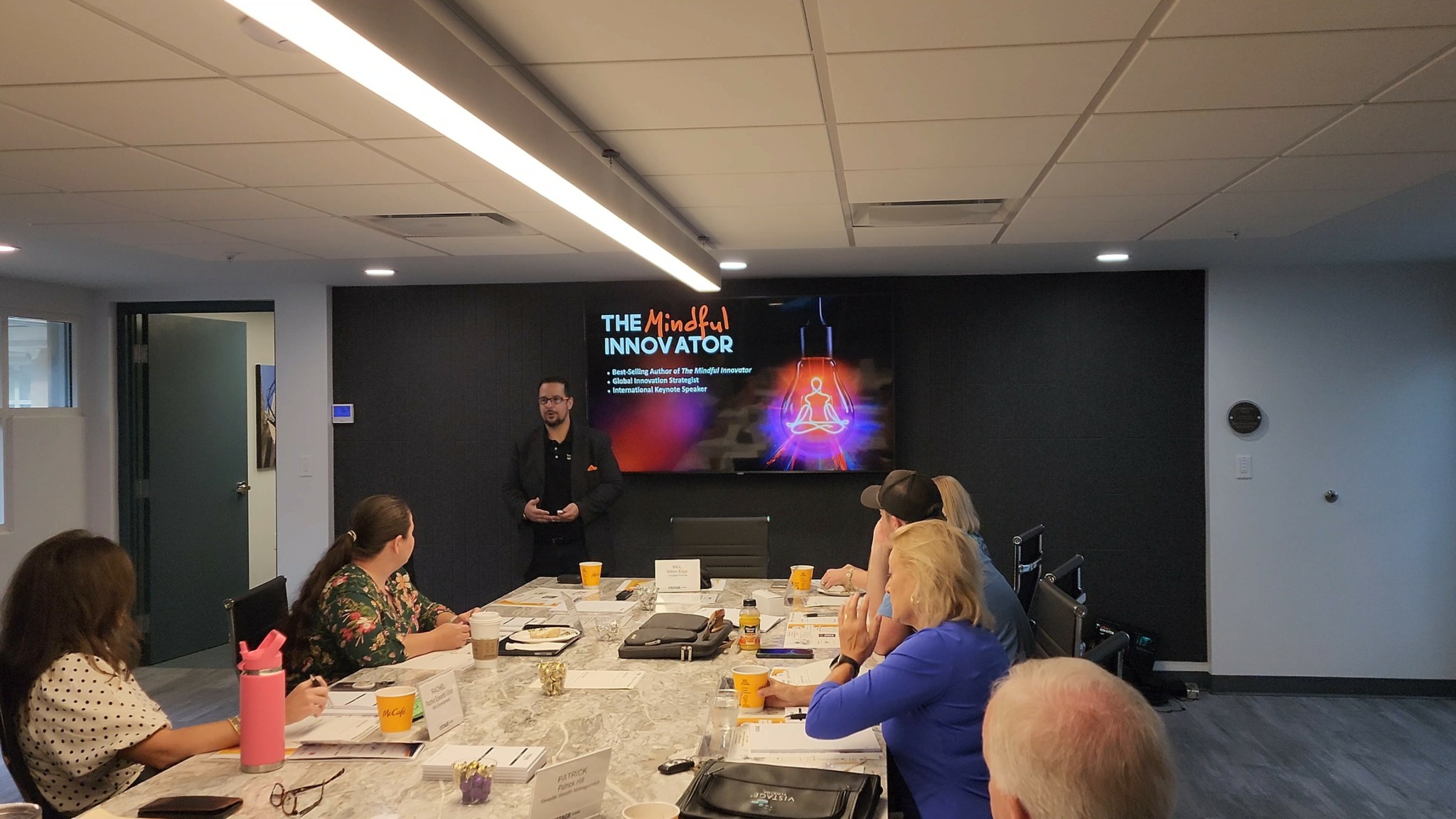
The success of this methodology led me to write my best-selling book, “The Mindful Innovator,” and has taken me to stages from New York to the Netherlands as a keynote speaker. In these talks, I help leaders navigate change, showing them how to blend AI with humanity and create cultures where mindful innovation can thrive.
What I’m most proud of is seeing how this approach transforms not just businesses, but people. When teams learn to slow down and become more present with their customers’ real needs, the innovations that emerge are more meaningful and impactful. In a world that’s moving faster than ever, with AI and technology reshaping everything we do, this mindful approach to innovation has become even more crucial.
I want potential clients to know that innovation doesn’t have to be about chasing every new trend or disrupting for disruption’s sake. It’s about being present enough to see what truly matters to your customers, clear enough to find elegant solutions, and mindful enough to implement them in ways that create lasting positive change. Whether through consulting, workshops, or keynote speaking, my mission is to help organizations embrace this more intentional approach to innovation – one that serves both their business goals and their customers’ real needs.

Can you share one of your favorite marketing or sales stories?
One of my most memorable challenges was convincing a skeptical New York City retailer to try a completely counter-intuitive approach to service innovation. The traditional sales pitch would have been to showcase our fancy new training program and tout its benefits. But I knew from experience that pushing innovation onto resistant teams rarely works.
Instead, I took a risk and proposed something that seemed almost too simple: let’s just listen. When I suggested spending time simply observing and talking with their front-line employees, I could see the executives’ doubt. They were expecting high-tech solutions, fancy presentations, and complex methodologies. Here I was, suggesting we do the opposite.
The tension in the room was palpable when I said, ‘Before we design anything, let’s understand what your employees think an ideal service experience looks like.’ It felt like I was breaking every rule in the consultant’s playbook. No pre-built solutions. No impressive slides. Just genuine curiosity and presence.
What happened next was remarkable. By taking this mindful approach, we discovered that the employees already knew what needed to change – they just needed to be heard. The solution we ultimately implemented was actually similar to what we might have proposed initially, but because it came from the employees themselves, the buy-in was extraordinary.
The most powerful moment came when one of the skeptical executives pulled me aside and said, ‘We’ve had consultants try to fix this for years. Nobody ever thought to just listen first.’
This experience taught me a valuable lesson about marketing consulting services: sometimes the most powerful way to demonstrate your value isn’t by showing how much you know, but by showing how well you can listen. It’s become a cornerstone of how I market my services today – leading with curiosity rather than certainty, and showing rather than telling.
The irony isn’t lost on me that my most successful ‘sales pitch’ was essentially choosing not to pitch at all. But that’s the beauty of mindful innovation – when you truly focus on understanding the human element, the results often speak for themselves.
Learning and unlearning are both critical parts of growth – can you share a story of a time when you had to unlearn a lesson?
One of the hardest lessons I had to unlearn was that more innovation content doesn’t equal better innovation outcomes. Early in my innovation career, I was obsessed with consuming every innovation book, framework, and methodology I could find. I’d read that in 1980 there were about five books published annually on innovation management, but by 2020, that number had exploded to over 2,000 publications per year. I wanted to read them all!
I was living by aggressive mantras like ‘innovate or die’ and ‘disrupt or be disrupted,’ convinced that the more innovation knowledge I accumulated, the better my results would be. I had convinced myself that successful innovation required knowing every framework, from Design Thinking to Stage Gate to Six Sigma. I even remember thinking, ‘We definitely need robots, lasers, VR, AI… and of course, an app – everybody has an app!’
It took that unexpected encounter with a Buddhist monk in Manhattan to help me see how this approach was actually clouding my judgment. The Sanskrit word ‘ripka’ on the bracelet he gave me – meaning ‘unconfused knowledge’ – hit me like a lightning bolt. I realized I had been confusing more information for better insight.
The hard truth was that all this innovation content was actually making me less effective at innovation. I was so busy trying to apply every framework and chase every trend that I’d lost touch with the fundamental purpose of innovation – solving real human problems.
This realization led me to strip away all the complexity and study how humans innovated before there were books or formal processes – going back as far as 4,000 BC. What I discovered was that the most impactful innovations came from three simple elements: clearly seeing a real problem, creating change that truly improves things, and getting others to accept that change.
Unlearning my addiction to innovation complexity wasn’t easy. It meant letting go of the security blanket of frameworks and buzzwords. But it made me a much more effective innovator. Now when I work with clients, instead of overwhelming them with methodologies, I help them quiet the noise and focus on what really matters – being present enough to see real problems and mindful enough to solve them in meaningful ways.
It’s ironic that in the field of innovation, one of the most valuable things you can do is unlearn the very complexity that makes you feel like an expert. Sometimes, less really is more.
Contact Info:
- Website: https://themindfulinnovator.com
- Instagram: https://www.instagram.com/mattmuellerinnovation/
- Facebook: https://www.facebook.com/Matthew.F.Mueller/
- Linkedin: https://www.linkedin.com/in/mattmuellerinnovation/
- Twitter: https://twitter.com/MattMuellerInv8
- Youtube: https://www.youtube.com/channel/UCEEOgqy631o8r89k_bRWztg