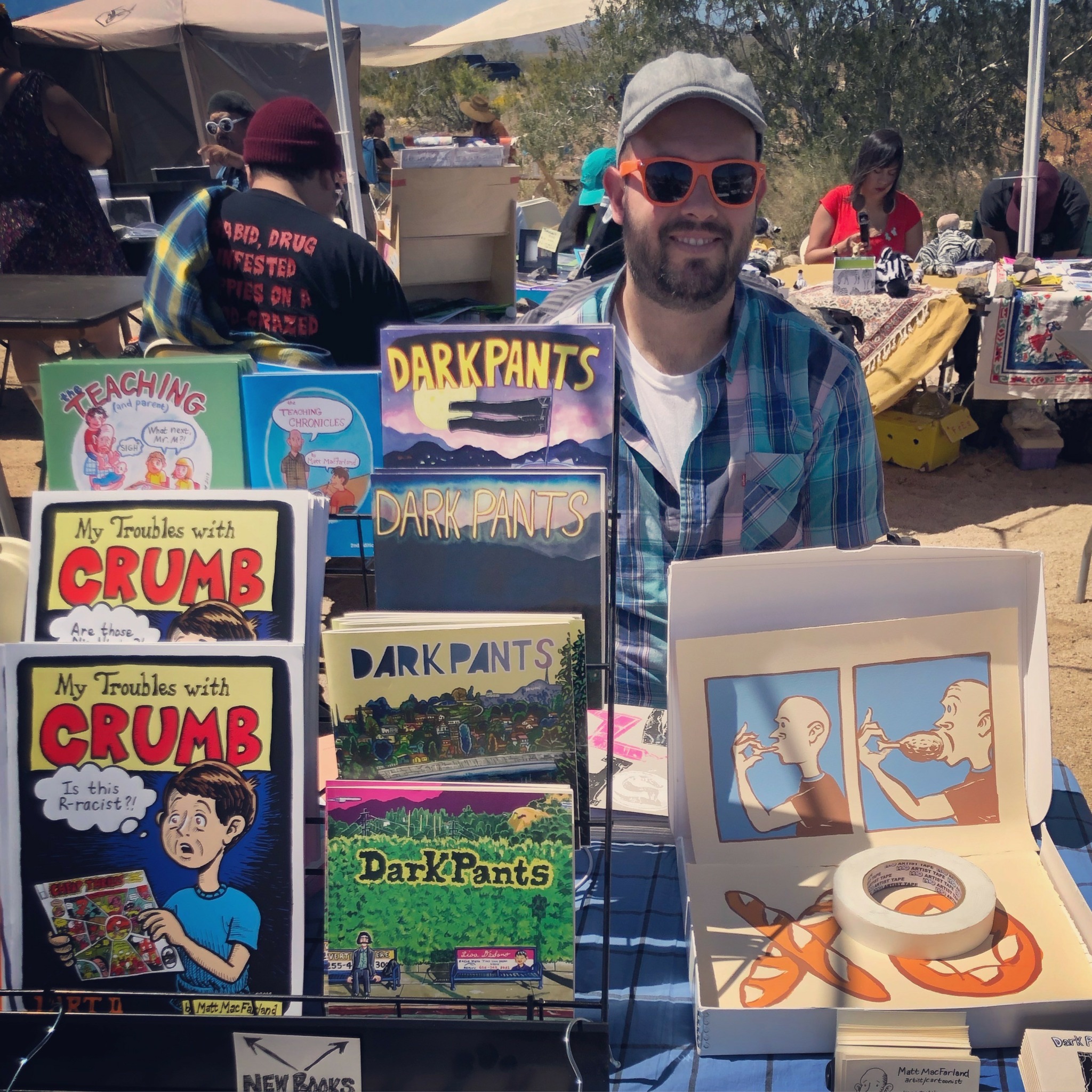

We were lucky to catch up with Matt Macfarland recently and have shared our conversation below.
Matt , thanks for joining us, excited to have you contributing your stories and insights. Did you always know you wanted to pursue a creative or artistic career? When did you first know?
Everyone can draw. As an art teacher, I know this is true. Around the time of adolescence, doubts and peer pressure creep in, and that can stifle creativity. As a kid, I was encouraged to make art. My dad was a talented drafstman. My mom loved the arts and put me in art classes outside of school. By the time I got to fifth grade I started making “comics” inspired by my love for Mad and Cracked Magazine, called Sad and Tacked. They were full of dumb jokes, caricatures of celebrities and politicians, essentially blatant rip-offs of the aforementioned publications. But I had put my own spin on them, and my parents made copies and i sold them for a quarter a piece. To my surprise, most of my classmates wanted one! For one of the first and only times in my childhood, I was popular! Everyone wanted me to draw them or draw someone they knew from class. I even had a few classmates make a rip-off book of MY rip-off. Though my popularity faded near the end of the year, I had been bitten by the bug. I knew I wanted to make stuff, and I wanted to share it with people. And if I made a little money doing it, that was gravy.
As always, we appreciate you sharing your insights and we’ve got a few more questions for you, but before we get to all of that can you take a minute to introduce yourself and give our readers some of your back background and context?
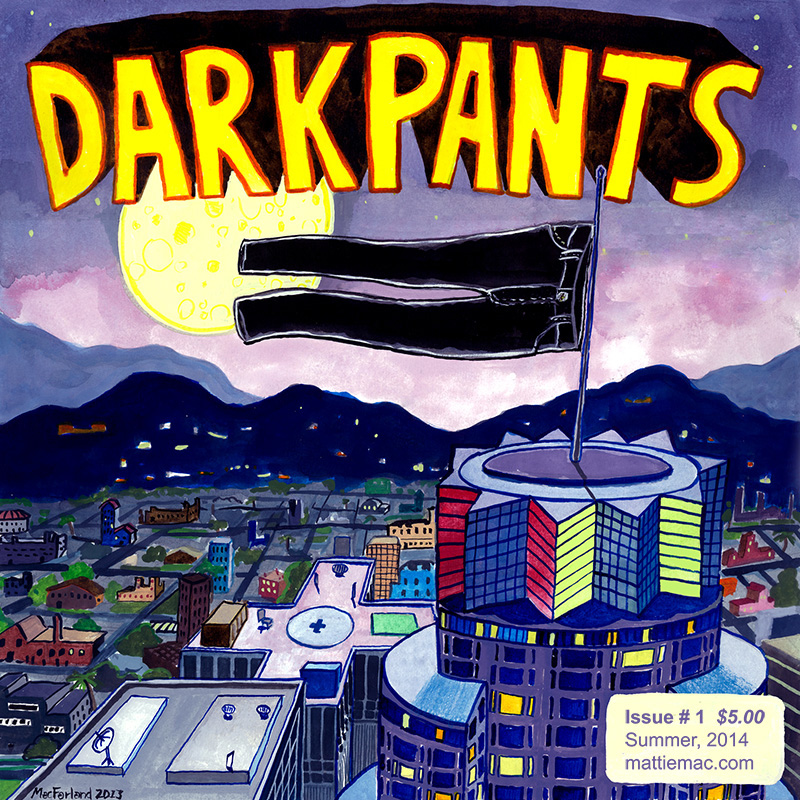
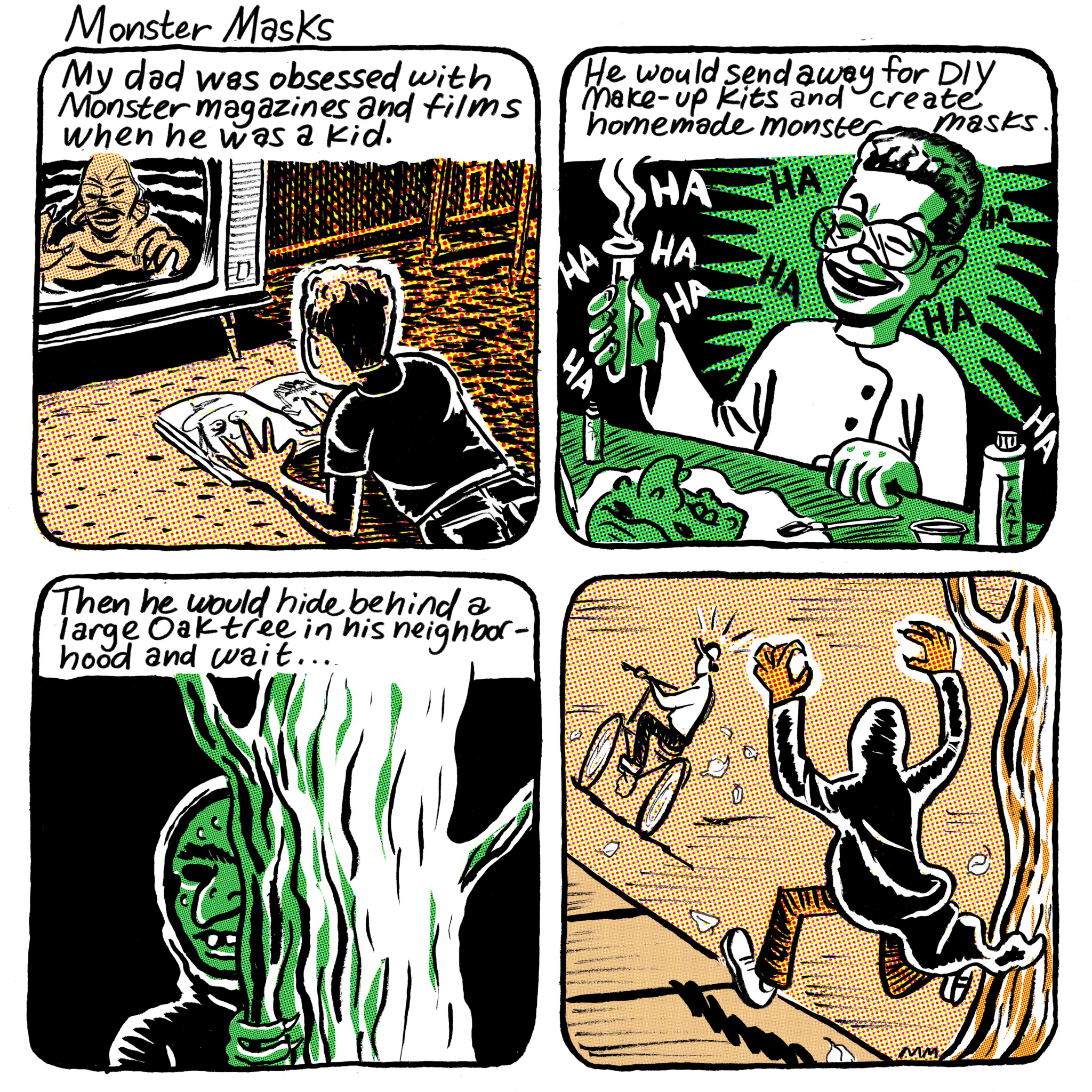
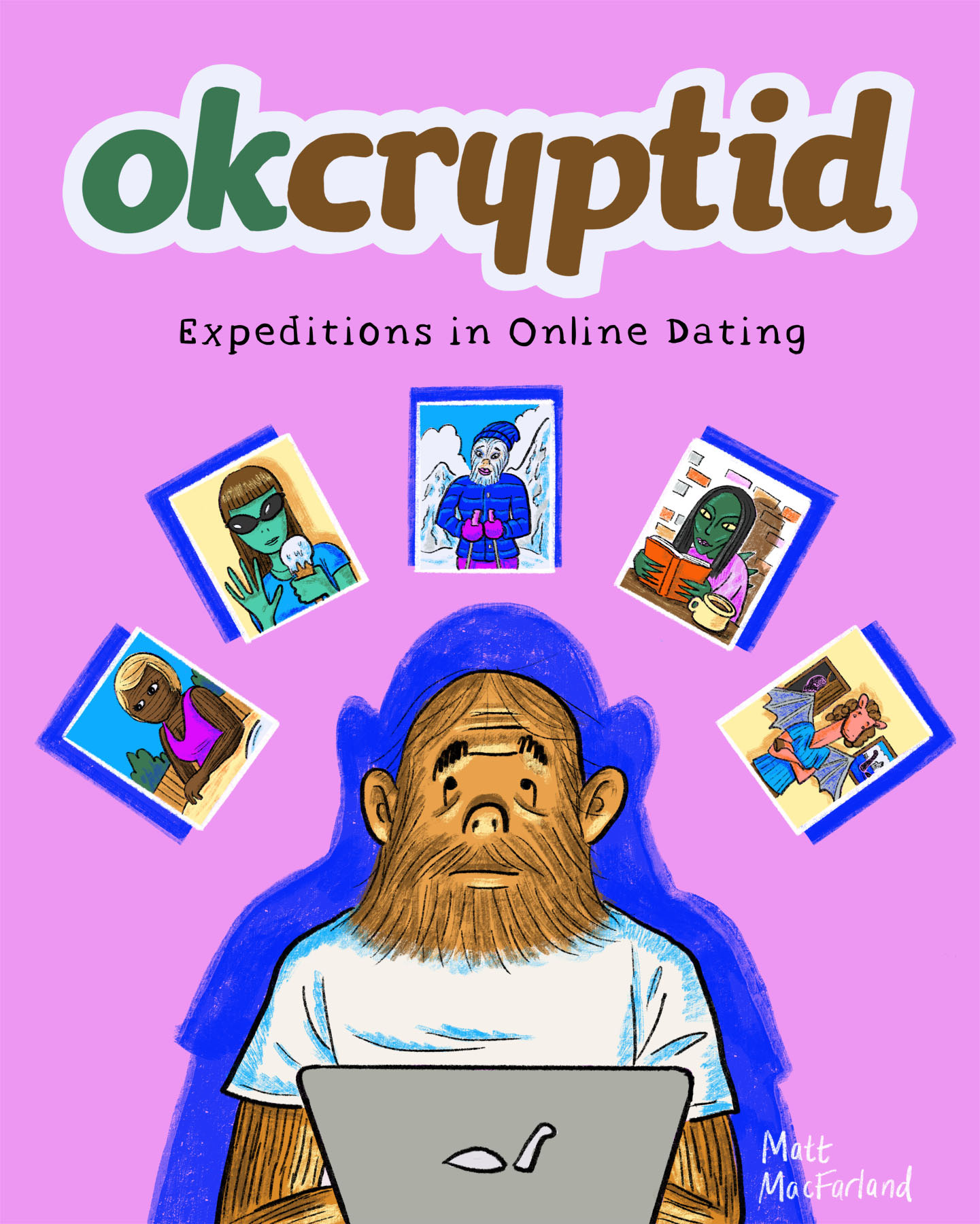
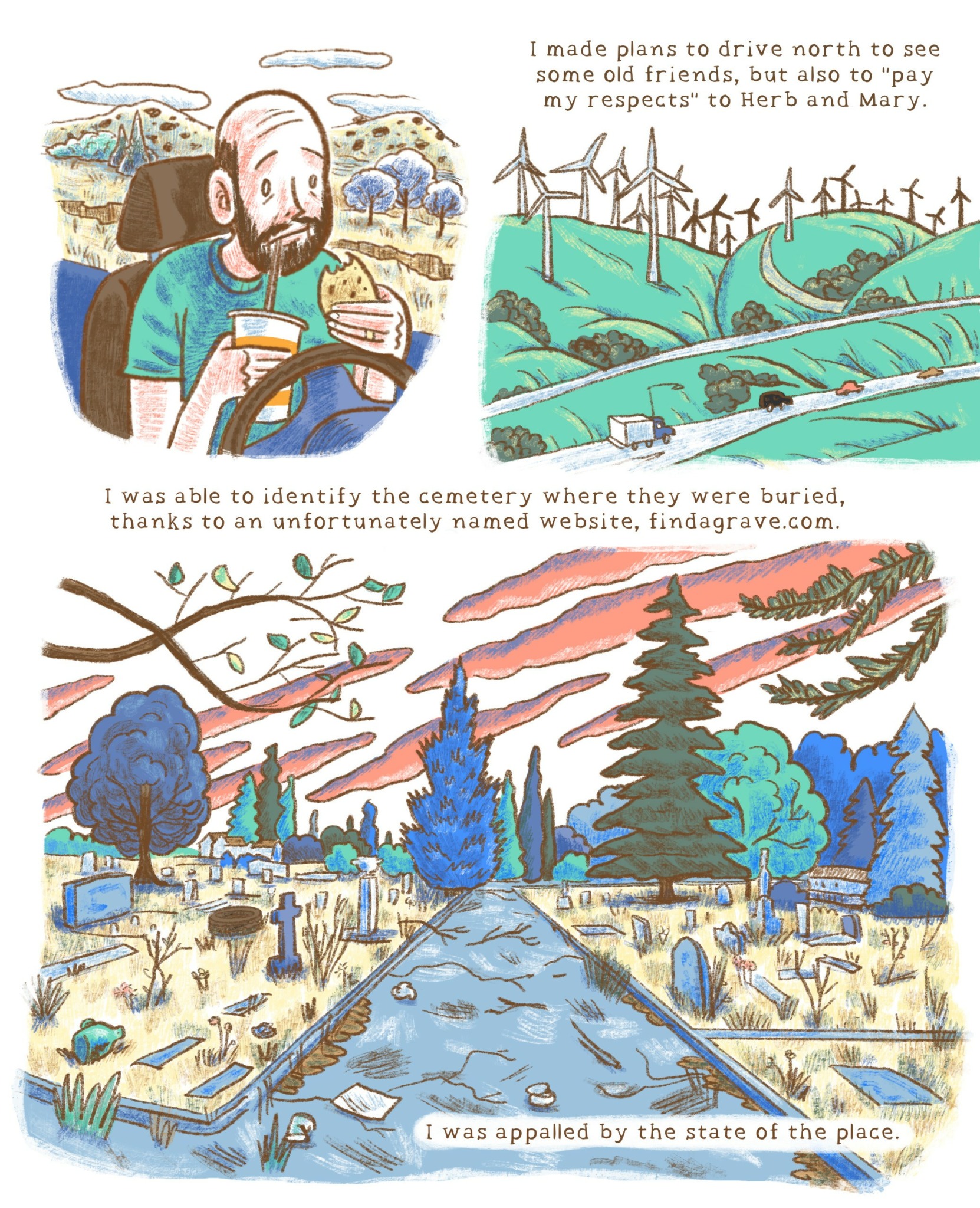
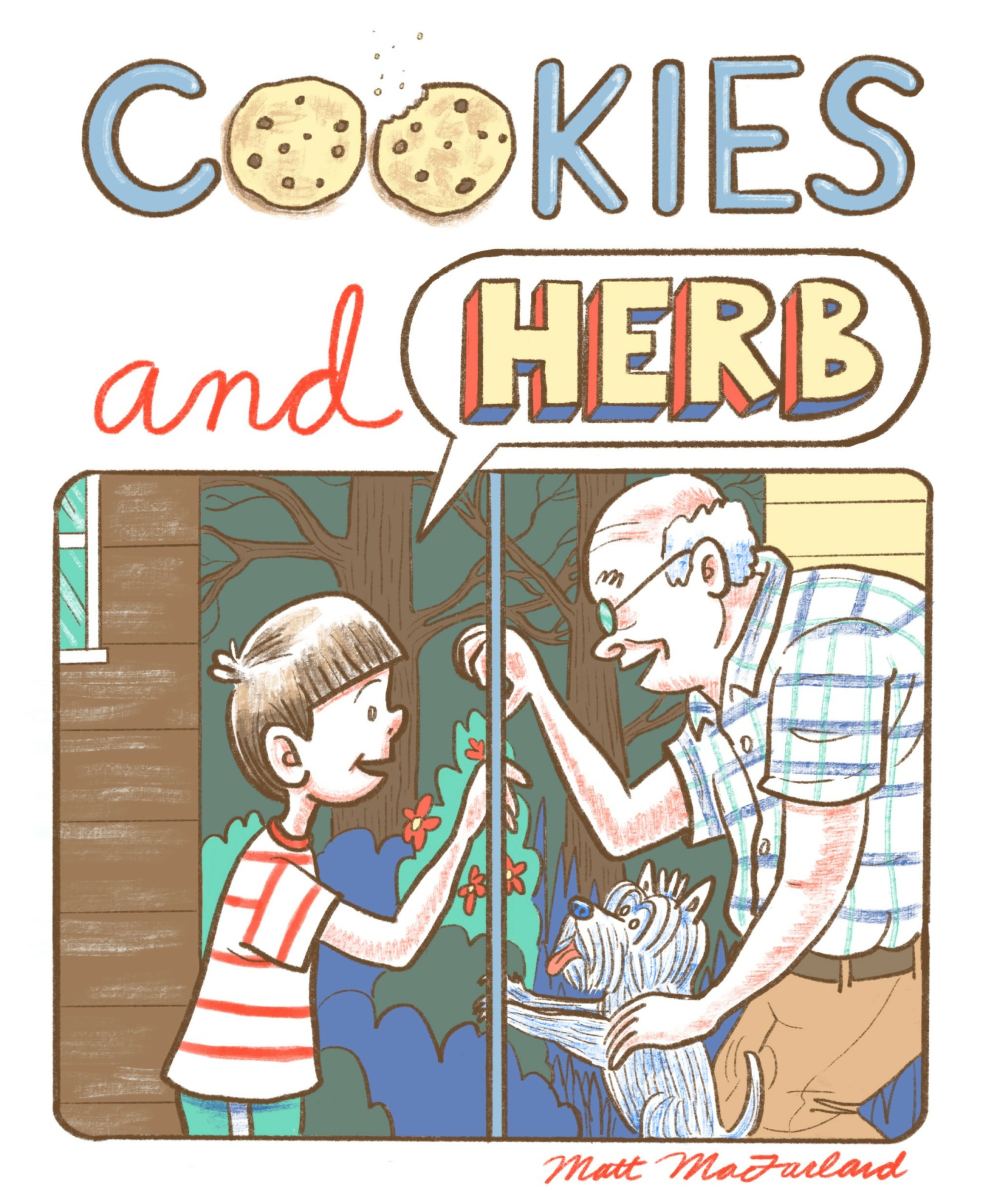
I wasn’t sure if I wanted to be a fine artist, a cartoonist, or an animator until I was well into my 30’s. In my early 20’s, as a student at UCSC in the late 90’s I studied painting. I made conceptual and surreal paintings that were inspired by comics and artists I revered at the time (Daniel Clowes, Art Spiegelman, R. Crumb, Julie Doucet, etc.) I wanted to tell a story with my work, but I wasn’t sure I wanted to limit it to painting. When I went to grad school at Otis, I was steeped in the history of conceptual art, and my quasi-conceptual approach solidified. I was letting the idea determine what materials and approach I would take. The resulting output looked like videos, sculptures, paintings, drawings, text-based pieces etc. I had the good fortune of making great friends and showing in galleries after I graduated in 2003. But I was making a living teaching, which I never intended to do, but I loved deeply. Sharing my passion for the arts with kids who are finding their voice was so valuable. In 2014, my first child was born, and I made the practical decision to stop funneling all of my income into my art practice and to cease creating giant, unwieldy artwork, and instead focus all my time (which was limited) and energy (which was also limited) into COMICS. I always had loved Comics (underground and alternative primarily) and I wanted to commit to that. I started a series called “Dark Pants” about a mysterious pair of pants and the people who wear them. That led to several other semi-autobiographical projects about my teaching experiences (The Teaching Chronicles) Marriage (Scenes from a Marriage) My conflicted feelings toward an artistic hero (My Troubles with Crumb) and online dating (OKCryptid). From there I set up a website with all my books, started tabling at different zine and comic fests (LA Zine Fest, OC Zine fest, CAKE, etc.) and after working as a cartoonist for a few years, I was able to get some of my stories printed in Comic anthologies like Sliced, Milk & Honey, and the Rust Belt Review. A small press publisher, Zines & Things, accepted my submission for a collection of illustrated stories about my dad called “More Seasons of Gary”, which documented my father and my challenging, but loving, relationship. Just last year a fairly prominent comics publisher, Fieldmouse Press, agreed to publish my Graphic Memoir “Cookies and Herb” about my very wholesome and formative relationship with my elderly neighbor when I was a child growing up in Sebastopol, CA. I’m about to go on the book tour circuit for that one in a few months. If I had to sum up my work in one sentence I would say i strive for my work to be “funny, with heart.”
How about pivoting – can you share the story of a time you’ve had to pivot?
I hope that it’s helpful for young people to realize you don’t have to have it all figured out right away. My journey has been spotted with a lot of trial and error, valuable and enriching creative experiences, projects, and relationships, but I honestly had no idea I would end up where I am today.
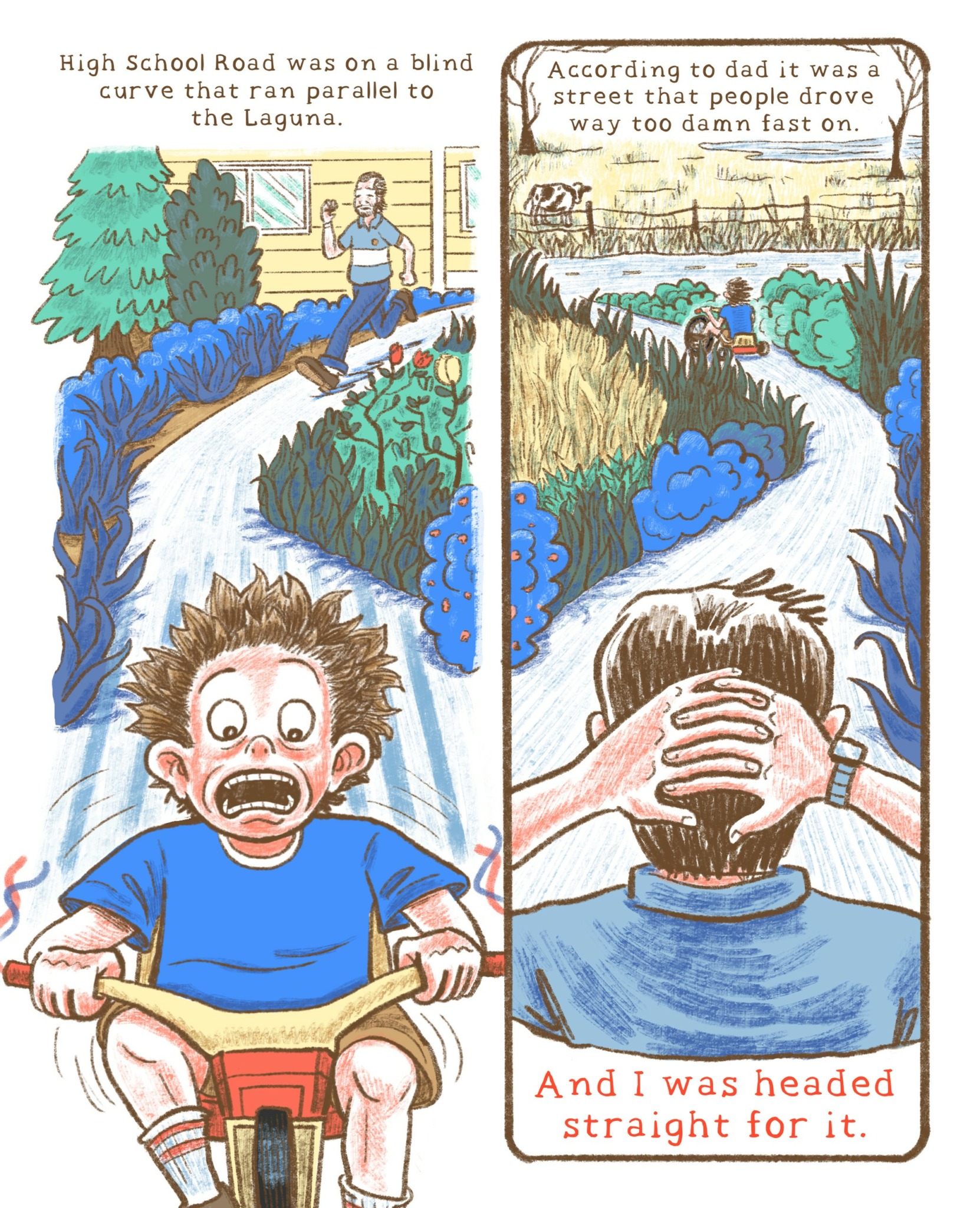
As I mentioned I initially thought I wanted to be a painter. Obviously, it’s tough to be financially solvent as a painter, unless you’re willing to work on commissions. I am a stubborn person and I’ve always wanted to make the work I want to make, and hope that it will resonate with people, and that they will come along with me on my creative journey, which I know is asking a lot. For better or worse I haven’t compromised the content that I produce.
It would be much easier to just make what I think people want me to make, but for whatever reason I’m not wired that way.
I love comics because i can tell whatever story I wish to tell, I can create a world, I can create characters and no two comics have to be the same. I am lucky that a small group of people appreciate what I do and support me. Of course I still have to teach for my day job, I may never be able to make a living on my art alone, but I’ve come to terms with that because I still really enjoy teaching and find it to be a worthwhile and edifying career.
How can we best help foster a strong, supportive environment for artists and creatives?
America doesn’t necessarily value artists, unless they are making somebody or a group of people a lot of money. I realize that is a generalization, but the U.S. just doesn’t have the programs that Europe or even Canada has in place for artists to subsist day-to-day.
I am lucky in that I have a supportive and bread-winning spouse to supplement my teaching income, but that is not the case for most artists. I wish our country had more programs to help our creatives, like the Canadian council for the Arts has, which provides grants, prizes, and general financial support for their artists. If artists feel supported, culturally and financially, they can do their best work, which benefits both the creators and society in general.
Contact Info:
- Website: https://www.mattiemac.com
- Instagram: macfarlandart