

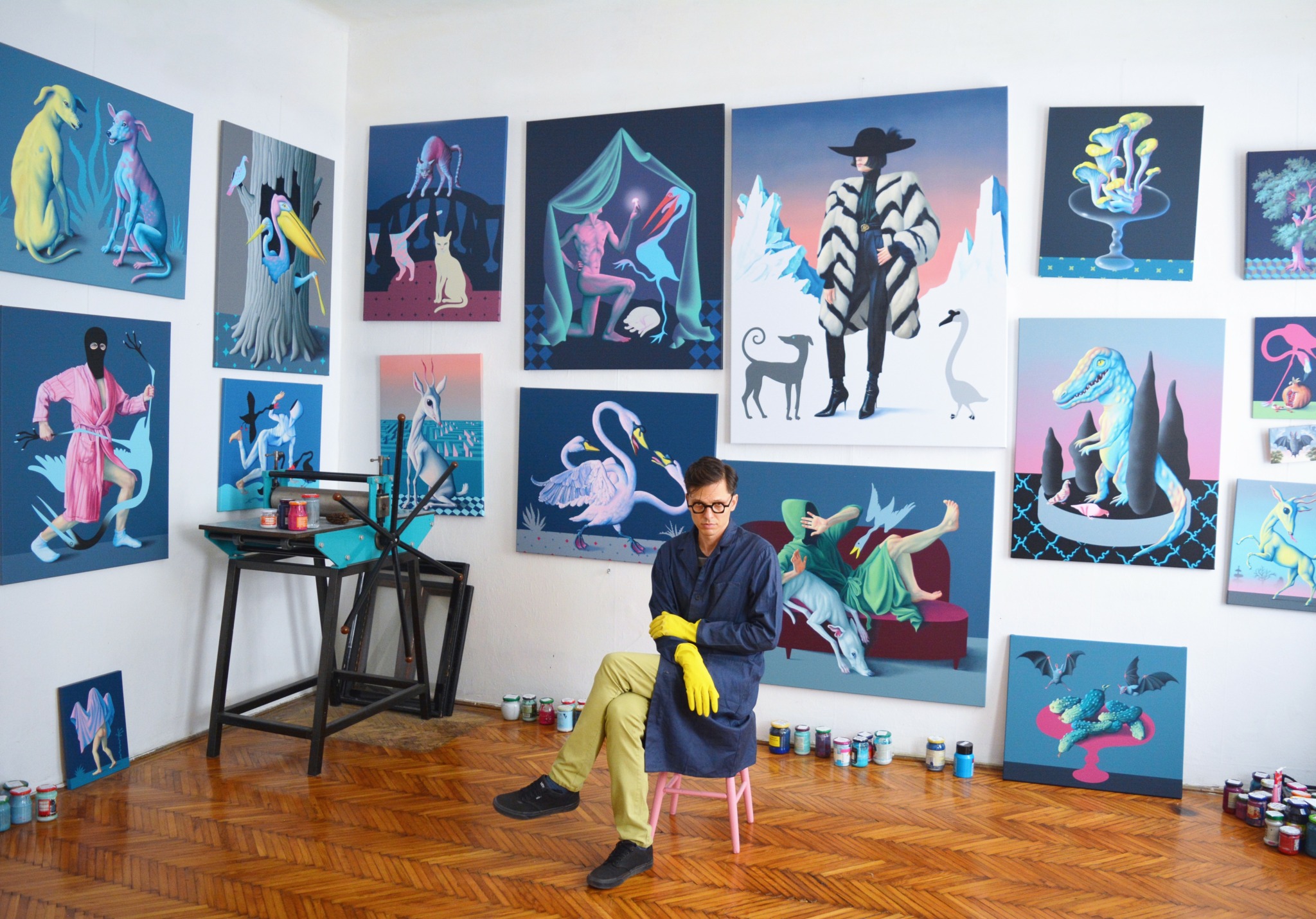

We recently connected with Máté Orr and have shared our conversation below.
Máté, looking forward to hearing all of your stories today. We’d love to hear the backstory behind a risk you’ve taken – whether big or small, walk us through what it was like and how it ultimately turned out.
When I was about eighteen, in an interview with the Hungarian-Canadian psychotherapist Andrew Feldmar, I came across the idea that courage is not the absence of fear, but doing what you want despite being afraid. That fundamentally shaped my relationship to risk-taking.
Choosing to live as a freelance artist is considered risky by most standards. Growing up, I knew many people who were involved with art — my parents are art teachers, and I was encouraged to attend art school. But I didn’t know anyone who actually pursued art as a full-time career, someone who managed to sustain their life through their vocation. I first studied graphic design, planning to work in that field, and thought of my years in the painting department as ‘borrowed time to play’. During that period, I experimented freely.
When I presented my first solo show while still at university, I was surprised that most of the works sold— a rare outcome in the art world. Curious to see if that occurrence was just a one-off, I decided to postpone finding a job in advertising and instead prepared for another exhibition. That was fifteen years ago, and I haven’t done anything else since.
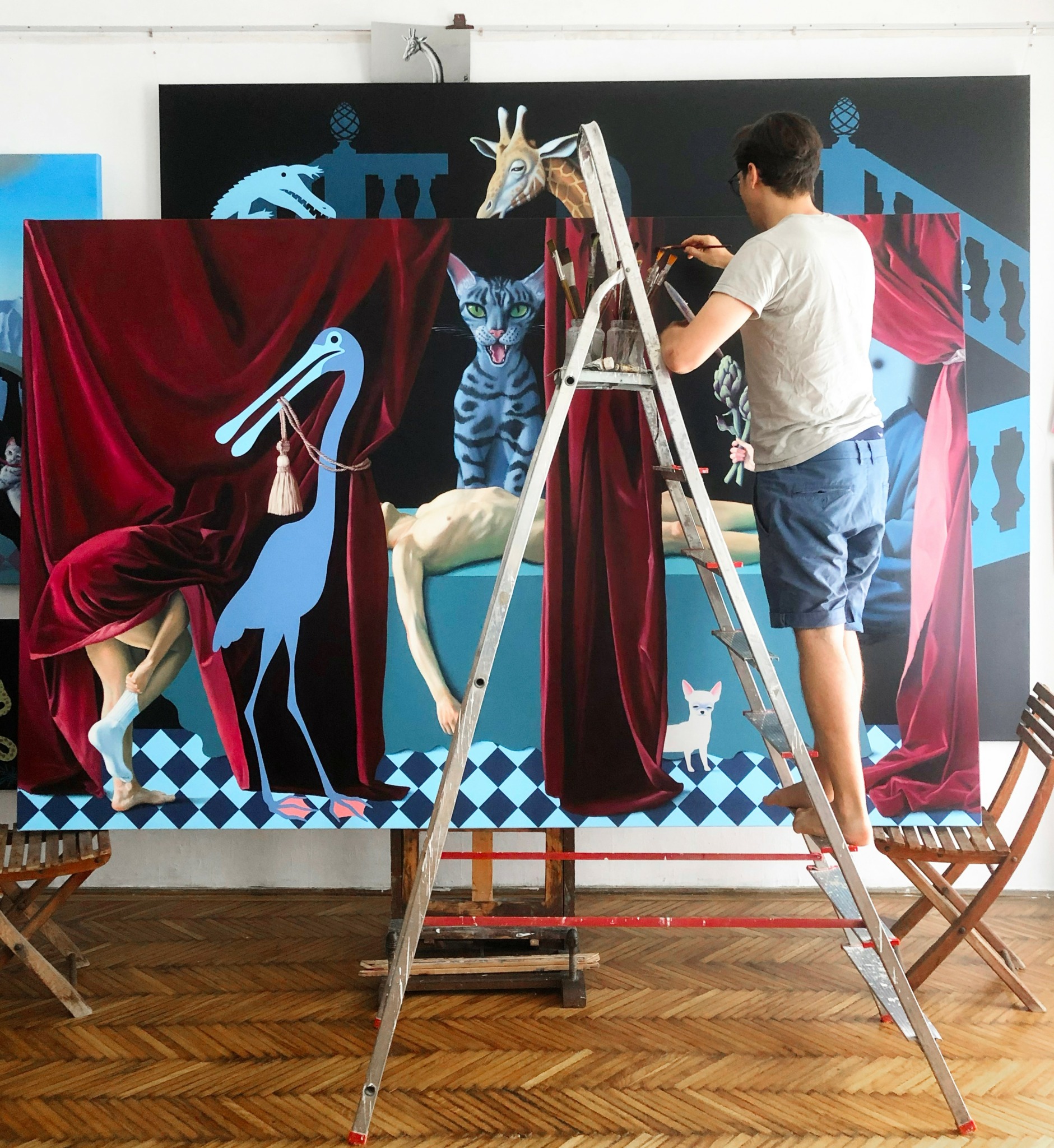
These years have brought many uncertainties, mistakes, and moments of learning. There were days when I attended embassy receptions in the evening and then went back to my unheated studio to wire a light switch, still in my suit. But being able to spend most of my time painting — often on Sundays and well into the wee hours to meet deadlines or prepare for exhibitions — allowed me to deepen my understanding of the medium, refine my technique, and achieve exactly what I wanted on the canvas.
I think we live in a unique moment in history. There’s far less pressure to conform than ever before. Many of us can choose our diets, what we wear, who we spend our time with, what we stream — and that freedom gives us a rare opportunity to organize our lives around what feels truly worthwhile.
Great, appreciate you sharing that with us. Before we ask you to share more of your insights, can you take a moment to introduce yourself and how you got to where you are today to our readers.
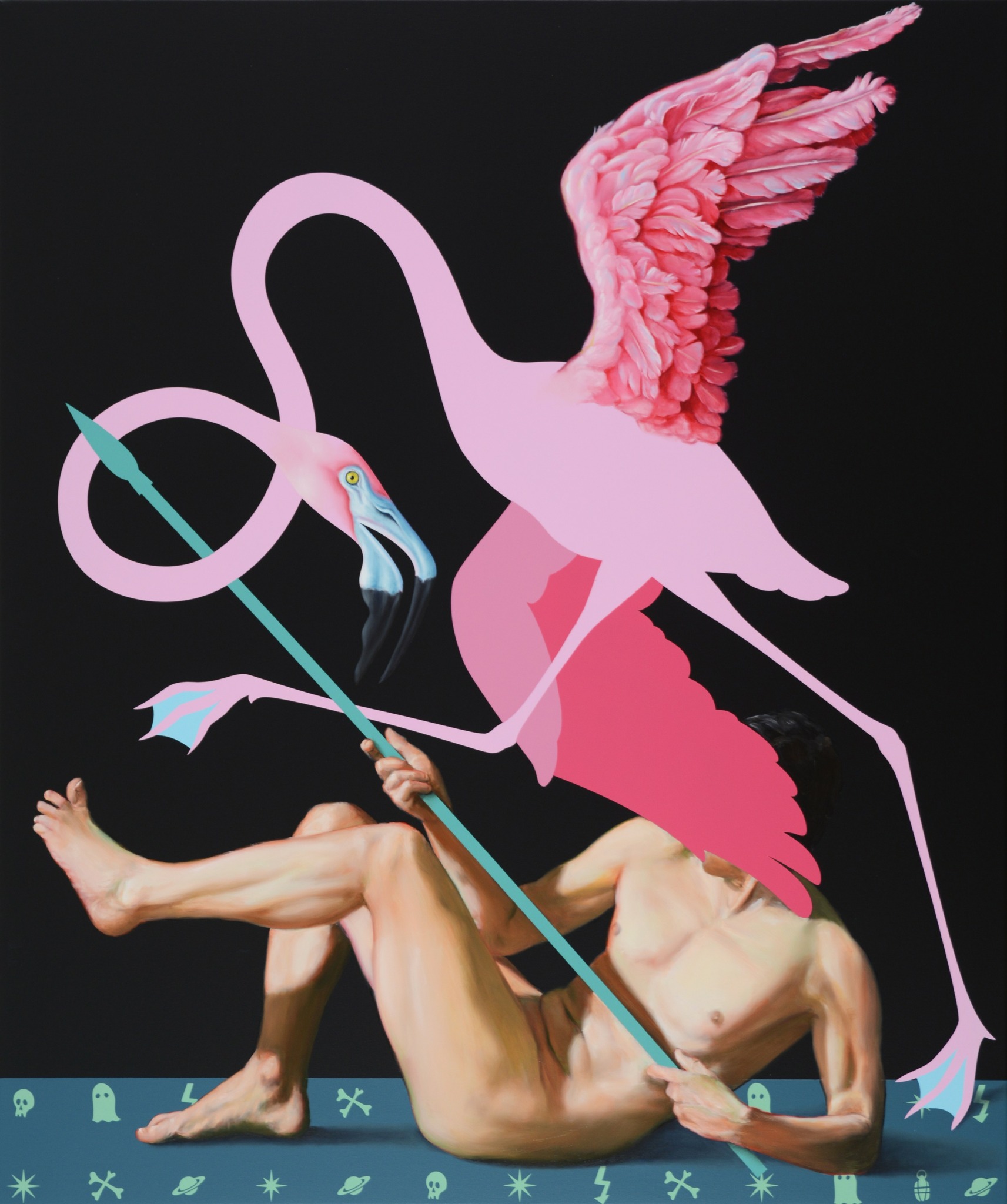
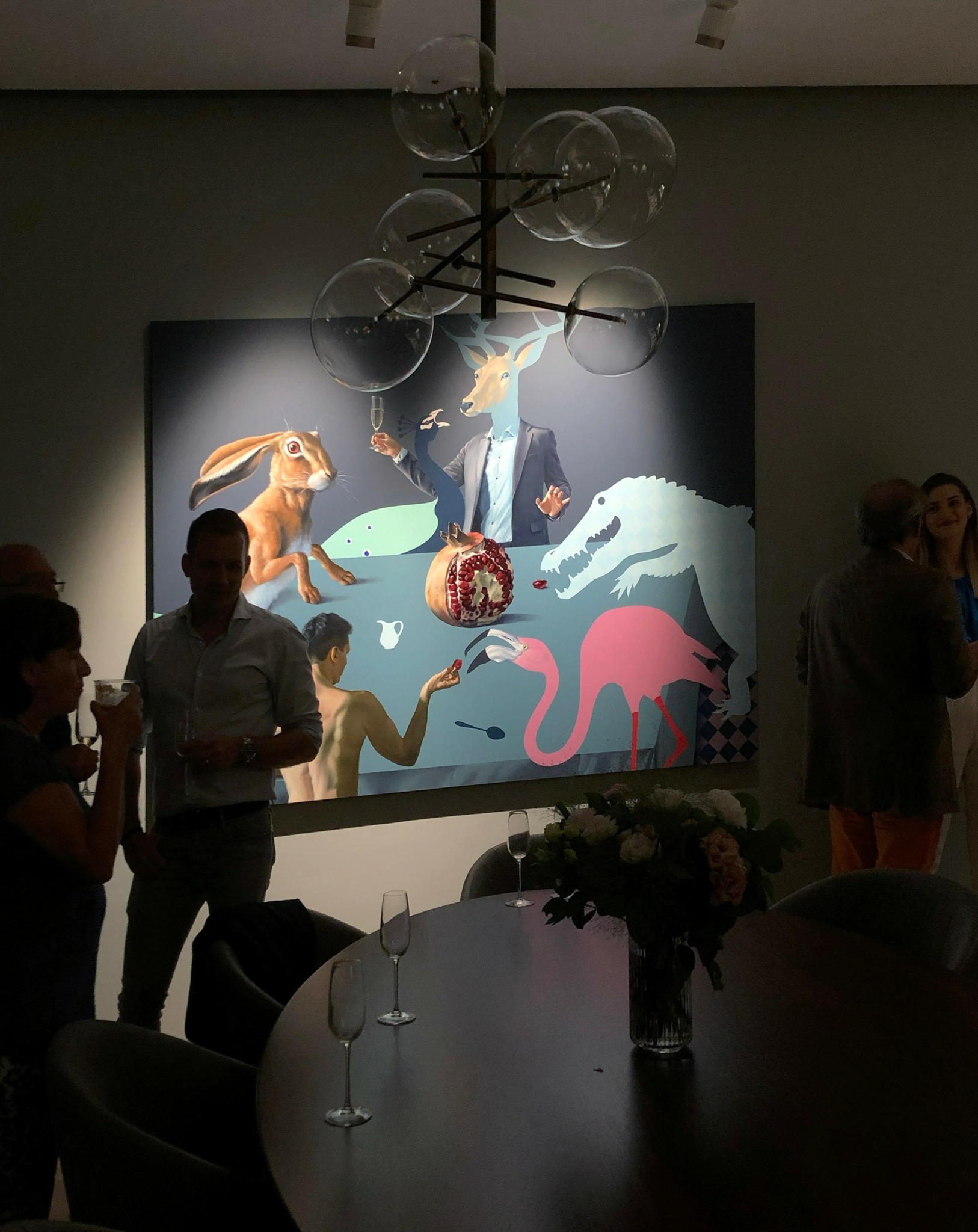
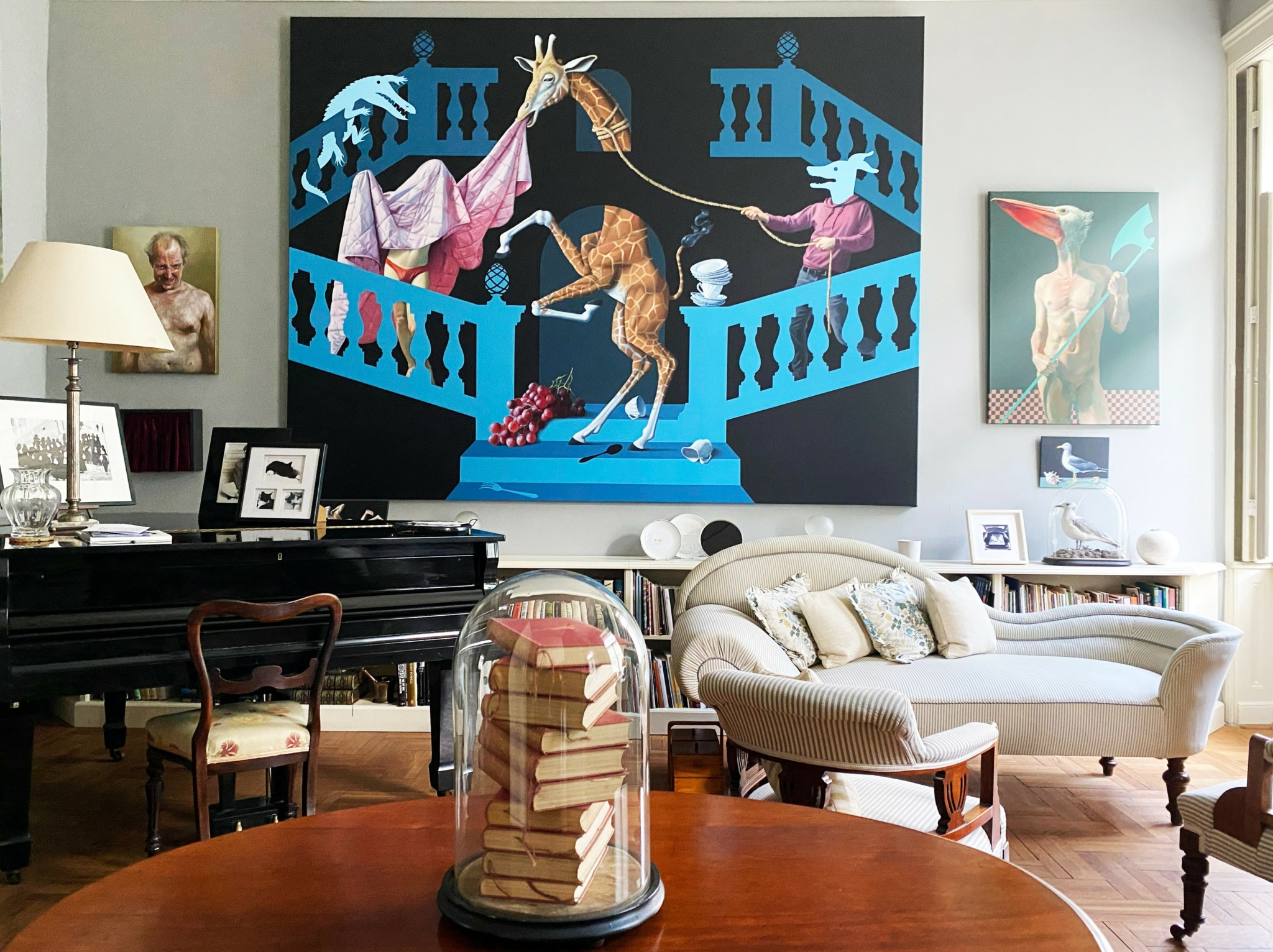
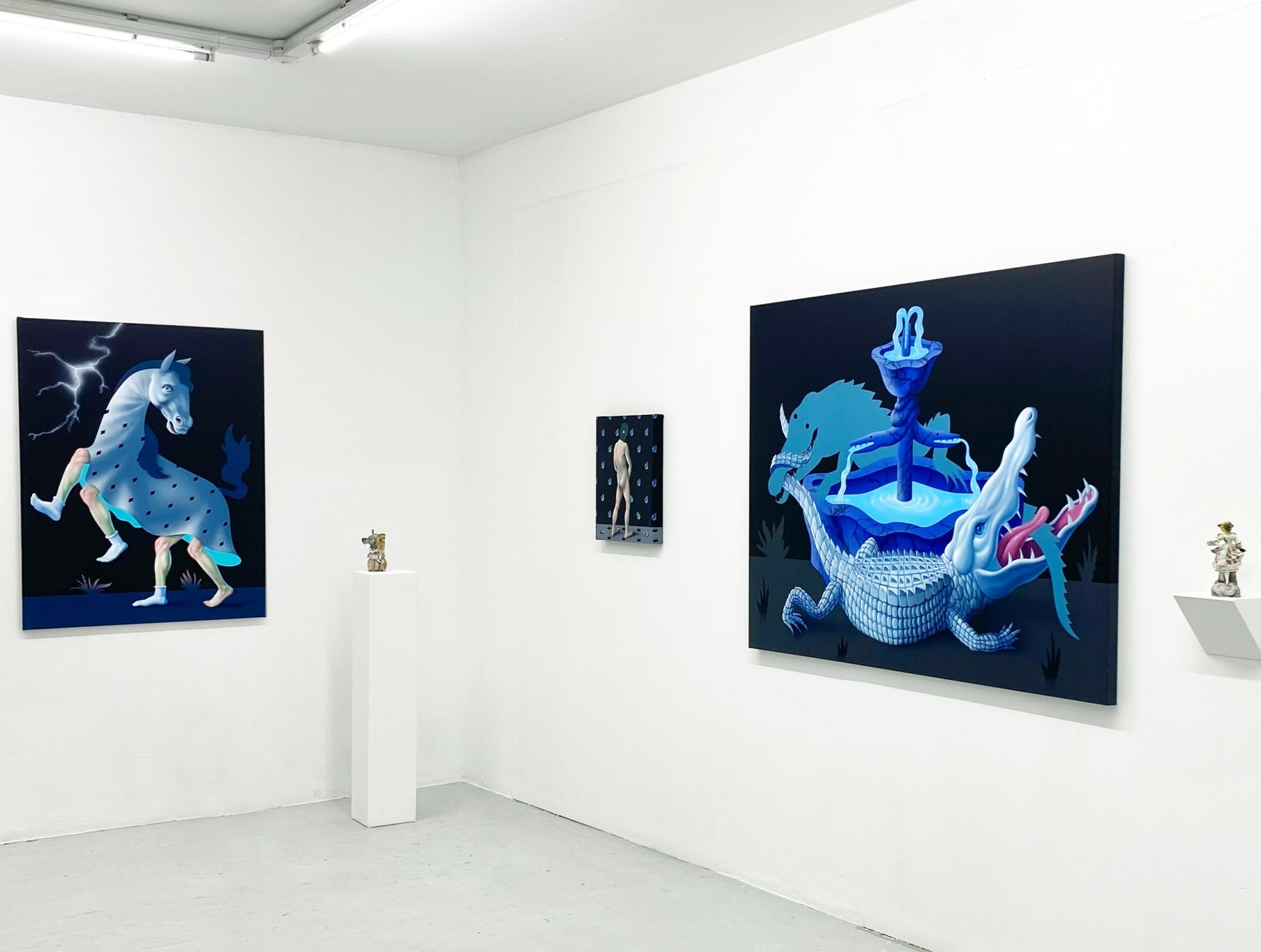
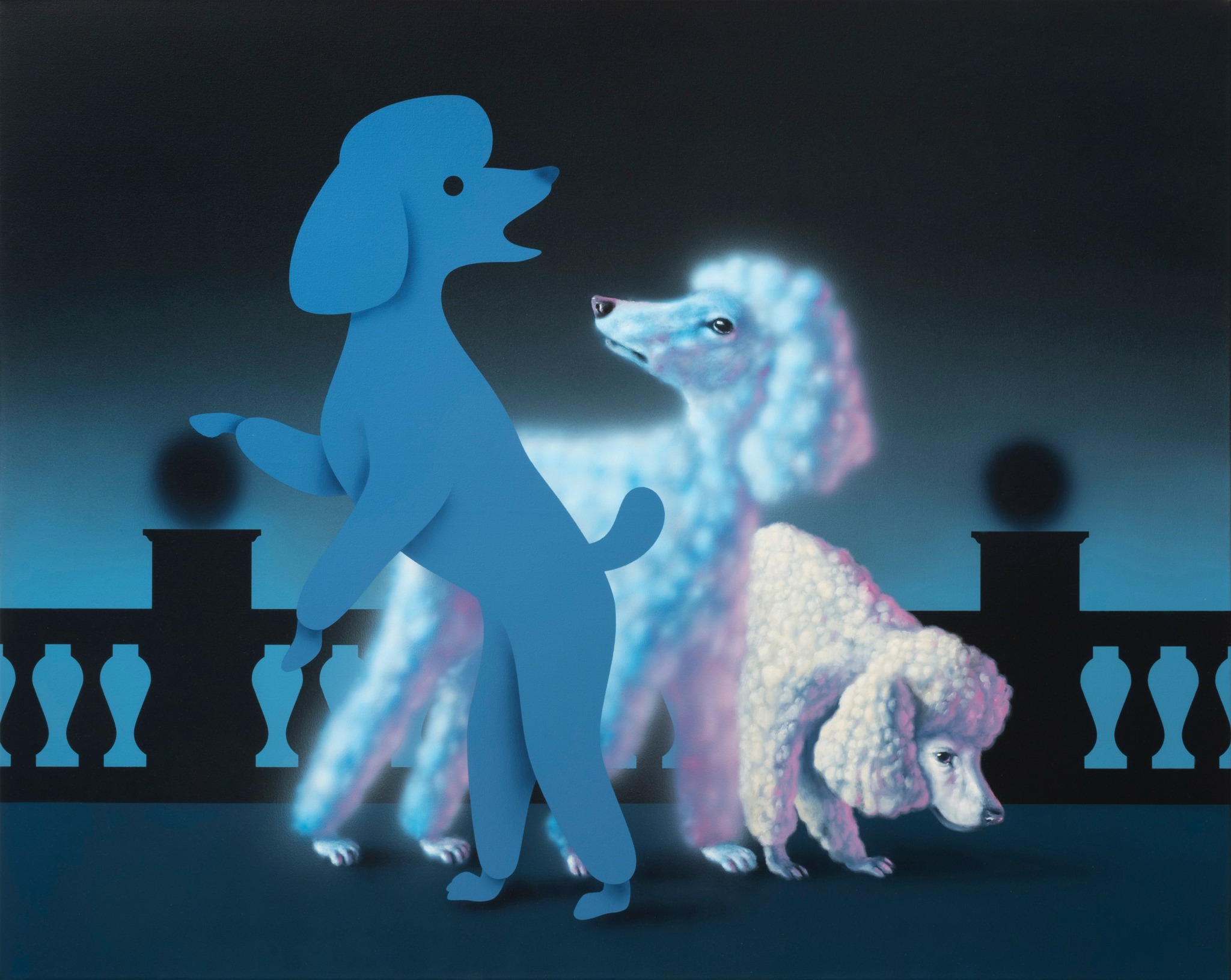
I am a painter, and despite the serious, painterly appearance of my paintings, there is a strong link between them and the doodles I used to draw in my math textbooks in high school. I create scenes featuring animals and hybrid creatures, using them to stage emotionally charged narratives — often on a monumental scale.
From an early age, drawing was a way for me to capture what was happening in my life. Automatic doodling, especially when you’re bored, can bring up things from the unconscious or half-conscious. The animals in my paintings function like characters in fables — they allow me to tell dark or complex stories while only depicting animals. When a book, film, or artwork confronts our vulnerabilities too directly, it can make us uncomfortable. Children in therapy often express trauma through dolls or play-acting — creating distance that makes difficult emotions easier to face. I am particularly interested in this dynamic from a male perspective, since historically being in touch with our emotions was not associated with masculinity. I think figurative art and surreal, symbolic imagery can offer a similar kind of distance and safety: a way to look closely at ourselves without fear.
The quietly rebellious characters in my work can also serve as reminders — or encouragements — to stand one’s ground and to dare to go against the odds.
When I start a painting, the idea usually appears unexpectedly, but it’s always connected in some way to my own experiences. Before I begin working on the canvas, I spend a few weeks with each idea — developing it, making drafts, and exploring what strengthens the core emotional dynamics between the characters. It’s usually during this process that I come to understand why a particular image or theme came to me. My paintings often revolve around the idea of standing one’s ground while remaining vulnerable — an experience that, I think, many people can relate to.
Visual art is unique because it transcends language. I was born in Hungary, and as a child I spent countless hours exploring my parents’ art books, from Native American art through French Gothic architecture to Dalí’s surrealism. Today, Instagram allows me to see what artists are doing in Seoul or Tokyo. This year, I have exhibited at Twin Gallery in Madrid, JD Malat in London’s Mayfair, 19Karen in Australia, and currently at Galerie Soon in Zurich, in a duo show with Seattle-based ceramicist Debra Broz. From the reception, it is apparent that my paintings resonate with people from diverse backgrounds.
Over the past fifteen years, I’ve worked to perfect a visual language that suits these themes. My early influences were European Baroque painters — I was fascinated by the way light glints off glass and fruit against dark, often undefined backgrounds. I am also drawn to techniques originating from industrial painting methods, such as creating flat monochrome shapes or using airbrush to achieve extremely soft color transitions.
Some viewers have described my work as having the gravity of a museum piece or even religious art. I like that — I believe our everyday emotional experiences deserve the same level of attention that history once reserved for grand events. That idea seems to resonate with many people.
Is there mission driving your creative journey?
My painting practice began as a personal way to process my own experiences. What surprised me early on was that viewers at exhibitions seemed to understand accurately what I was trying to express. The communication worked.
For me, a successful artwork captures something universal and timeless about the human experience, yet does so through the artist’s deeply personal lens. When I recognize my own emotions in someone else’s work — whether it’s a film, novel, or painting — I feel less alone. And I believe one of the most powerful things we can tell someone is that they are not alone in their experience.
Through the personal, we can glimpse the universal. Life often feels serious and confusing, and we all crave insight into how others manage to navigate it. Contemporary psychology gives us tools to understand how our experiences shape us, why we act a certain way. Art allows us to feel those insights — to encounter them as experiences rather than concepts.
As I mentioned earlier, we are fortunate to live in a time that offers a great deal of freedom in how we shape our lives — a freedom previous generations didn’t have. I would love to see a world that values above all else emotional maturity and the capacity to treat one another with compassion.
We often hear about learning lessons – but just as important is unlearning lessons. Have you ever had to unlearn a lesson?
Be careful who you take advice from. When we’re born, all of us are equally and completely helpless — we can’t even hold our heads up. Almost everything we know is learned or copied from someone else, and the influence others have on us is enormous. It lessens as we get older, but when you’re trying to build something in a field you don’t yet understand, you’re more or less at the mercy of whatever you hear and read.
Over the past decade, I’ve been advised to paint more still lifes, to go abstract, to take up teaching instead of painting, to wear formal clothes to important events, to wear informal clothes to important events. It’s not that people are trying to mislead you; it’s just that most of us don’t know what we don’t know.
For artists and adolescents, there’s the added challenge of being rebellious: if someone tells me I should think a certain way, I’m immediately tempted to think the opposite. For me, the best results have come from trying things out and then reflecting on what went right and what went wrong.
It’s good to listen to everyone — but in the end, whether in art or in life, the most important thing is to stay tuned in to your own experience.
Contact Info:
- Website: https://mateorr.net
- Instagram: https://instagram.com/mateorrpaintings
- Facebook: https://www.facebook.com/mateorrpaintings
- Linkedin: https://linkedin.com/in/mateorrpaintings
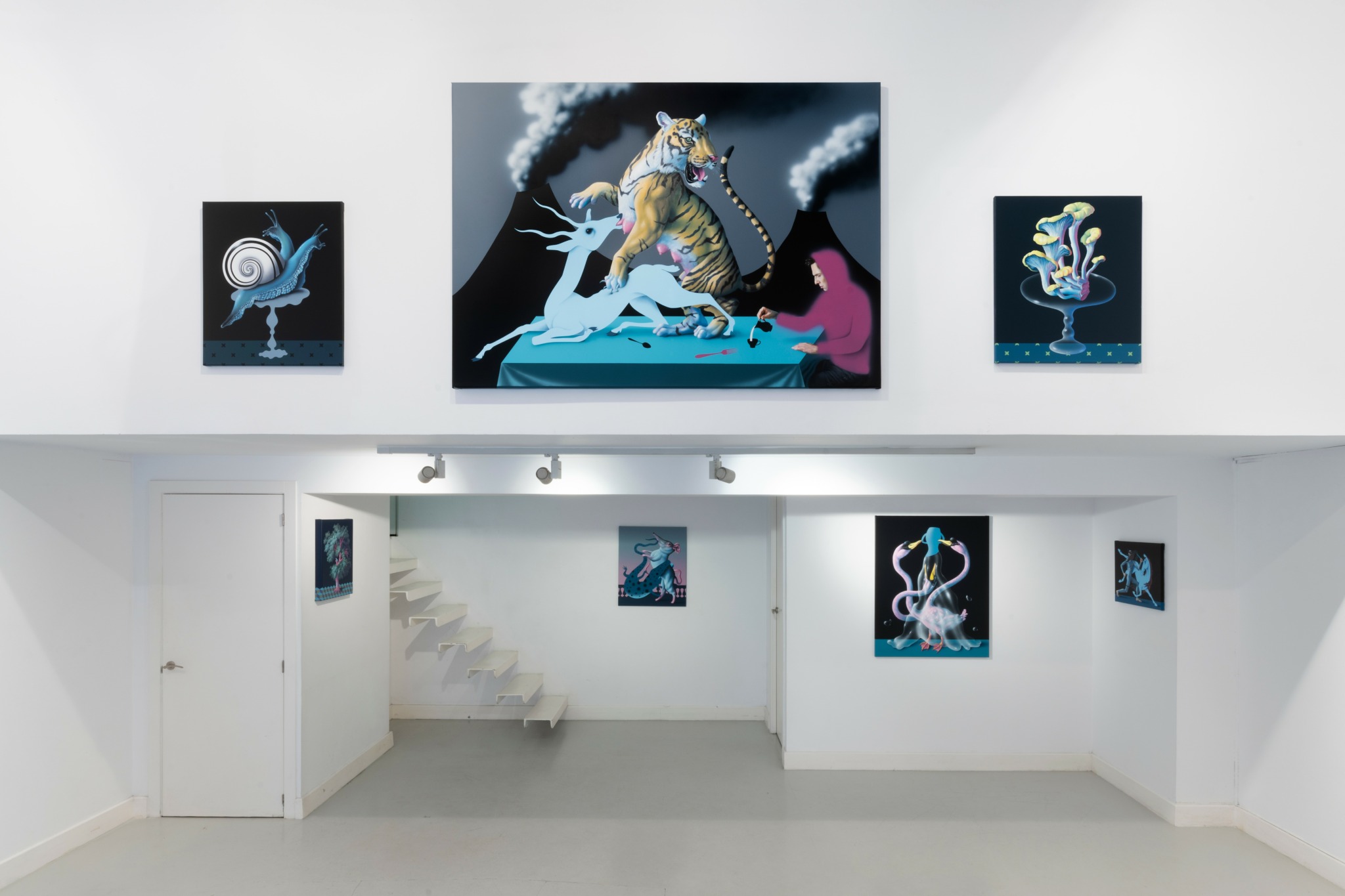
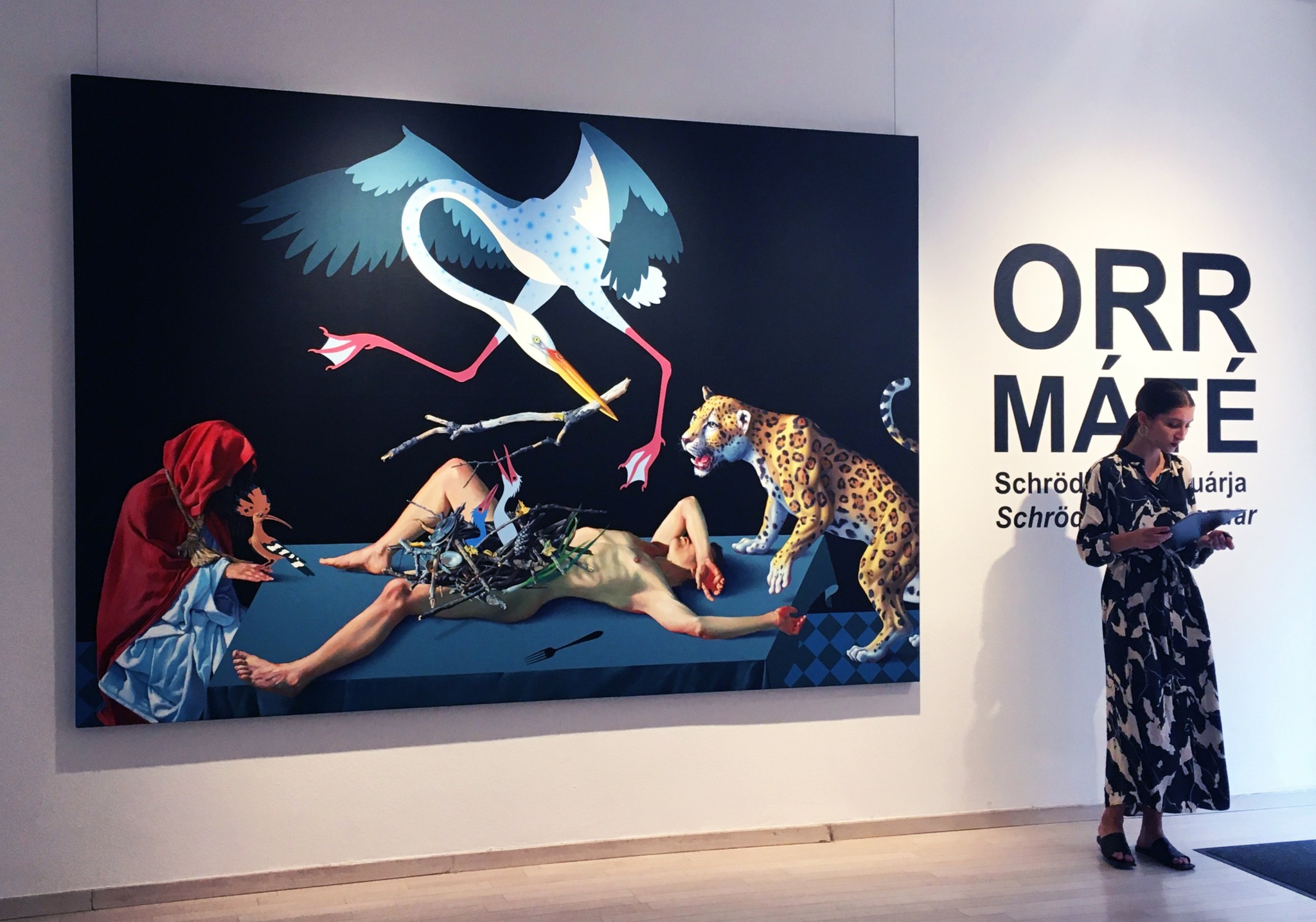
Image Credits
Viki Régner
Roberto Ruiz