

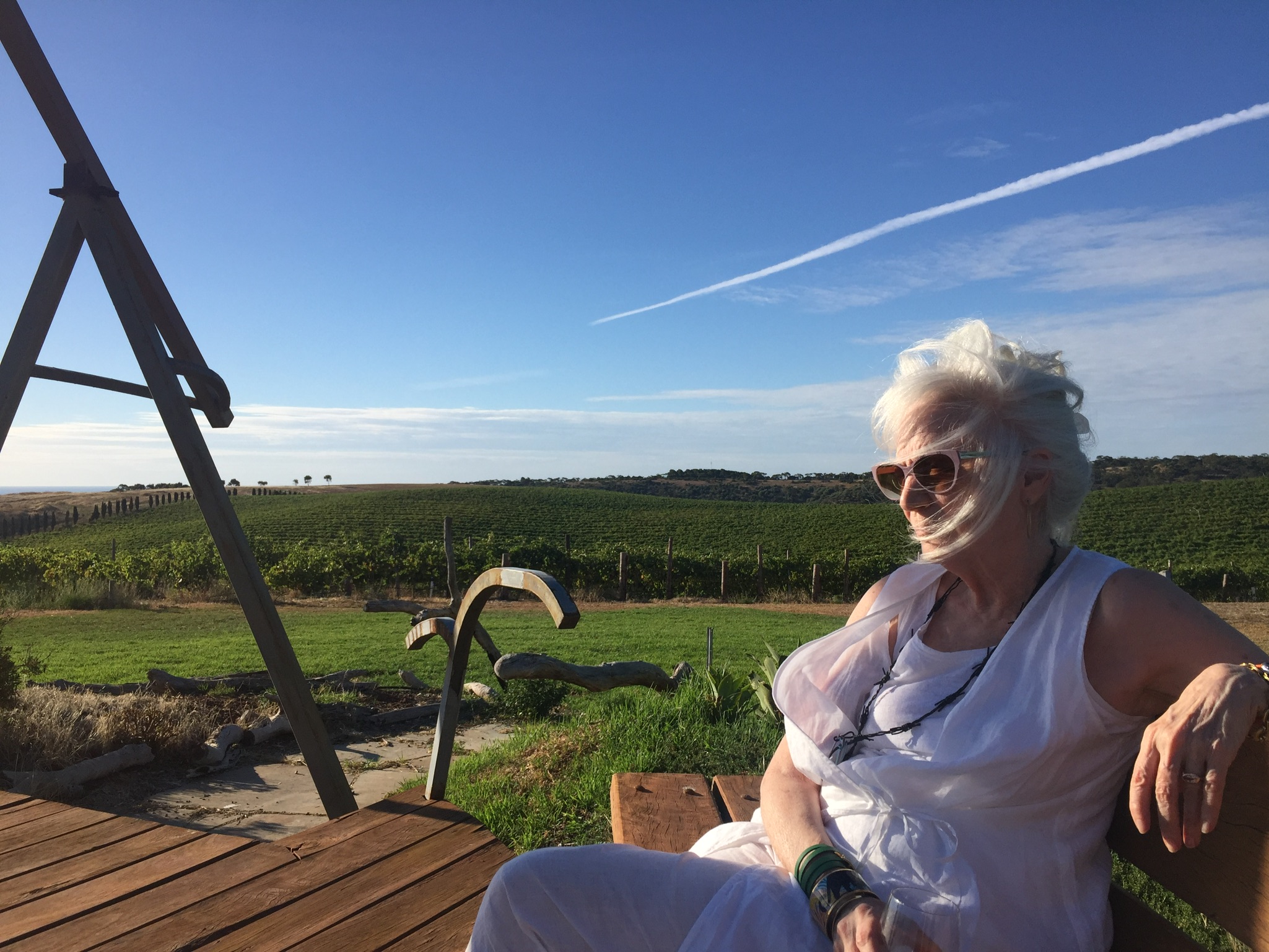

We’re excited to introduce you to the always interesting and insightful Mary Tabor. We hope you’ll enjoy our conversation with Mary below.
Mary, looking forward to hearing all of your stories today. Let’s start with the story of your mission. What should we know?
My mission is to connect through the “word”: spoken and written. My full life began as a teacher and that work led to the writing of literary fiction, memoir, a novel and essays. Both, the writing and the teaching have connected me to others in ways I never would have thought possible. To be a bit trite, “pass it on” is my mantra. I’ll explain.
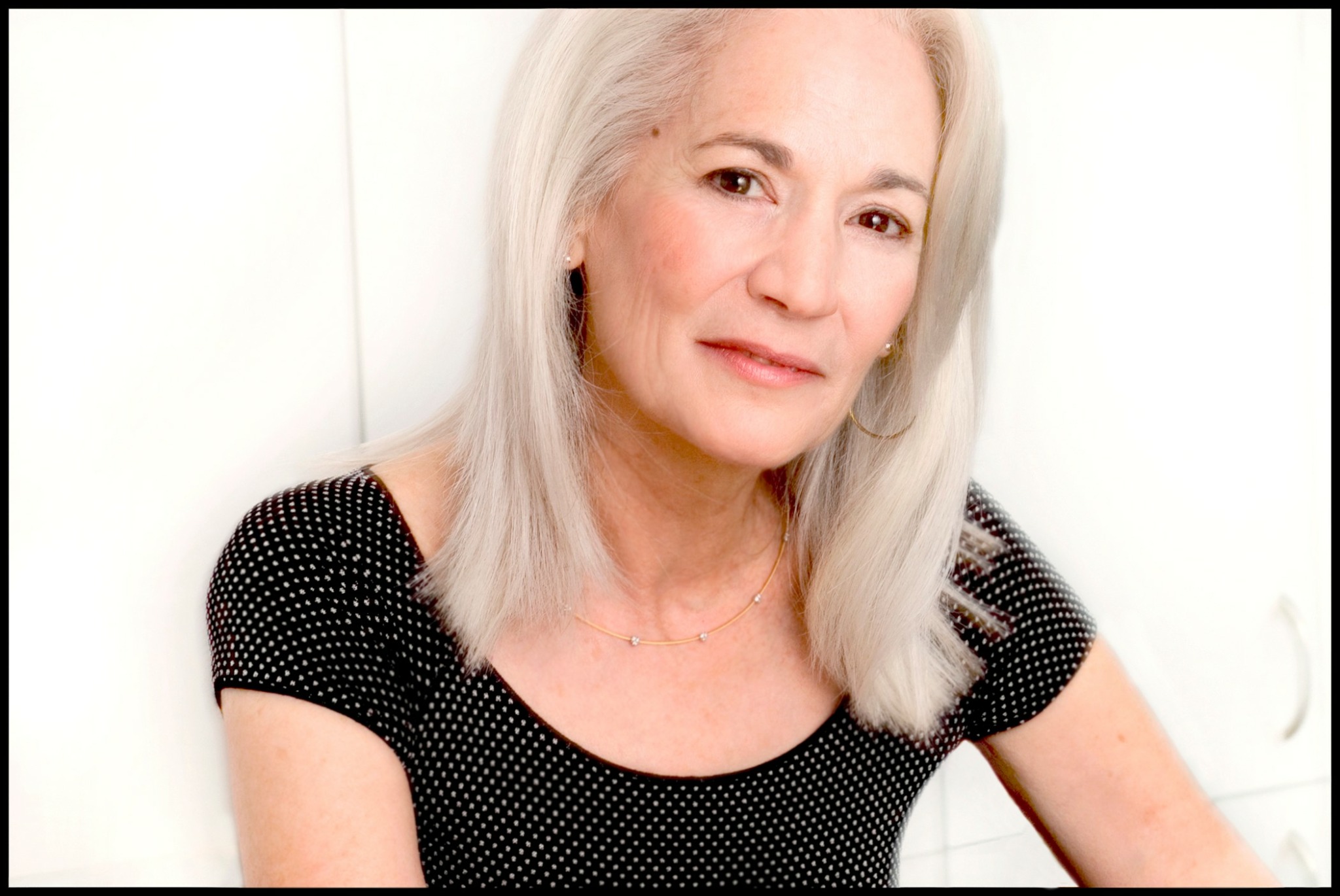
Mary, love having you share your insights with us. Before we ask you more questions, maybe you can take a moment to introduce yourself to our readers who might have missed our earlier conversations?
When I was teaching at Towson High School, a public high school in Baltimore—my life changed. I was 21 years old with my first Masters degree (M.A.T. from Oberlin College) under my belt, my last 10th grade English class of the day dismissed, a group of students appeared and sat down in the desks in front of mine. I looked up, said, “Can I help you?” One bright voice said, “The chair” (Wasn’t she a clever old soul?) “told us we should meet here.” The members of Colophon, the literary magazine that had fallen on hard times—deep in the red and no adviser—were meeting in my homeroom. I agreed to advise. You could say, I answered the call. Together we then made the call for writers and artists, planned how manuscripts and artwork would be anonymously read and chosen, but here’s the rub: We had not a cent to print the magazine. That year my uncle, Herman Appel, who worked for a printing company on Gay Street, taught me what a blueline proof was (no computers at hand), and somehow finagled a way to print the magazine’s issue that year gratis. My guess was that the net payment came out of his frugal pocket. We then sold the magazine with its hopeful yellow cover—and had the money to pay for next year’s printing. I still have my evaluation signed by Principal Horace (nickname Pinkie) Wheeler: “Miss Tabor assumed the responsibility of sponsoring the school literary magazine. This has always been a problem in the past as far as content, plagiarism, but mostly in poor financing. This year all copies of the magazine were sold and the debt was not left on the general school fund.” I advised for three more years when I learned I had to move away to be with my then-husband—his biggest mistake, perhaps? A flood of tears overwhelmed me at the graduation ceremony that year because I was leaving the job that was my life and the magazine that was my breath. What I and Pinkie didn’t know then was that when the students dedicated to Colophon appeared in my homeroom, I would be forevermore changed, that I would go on to become a writer.
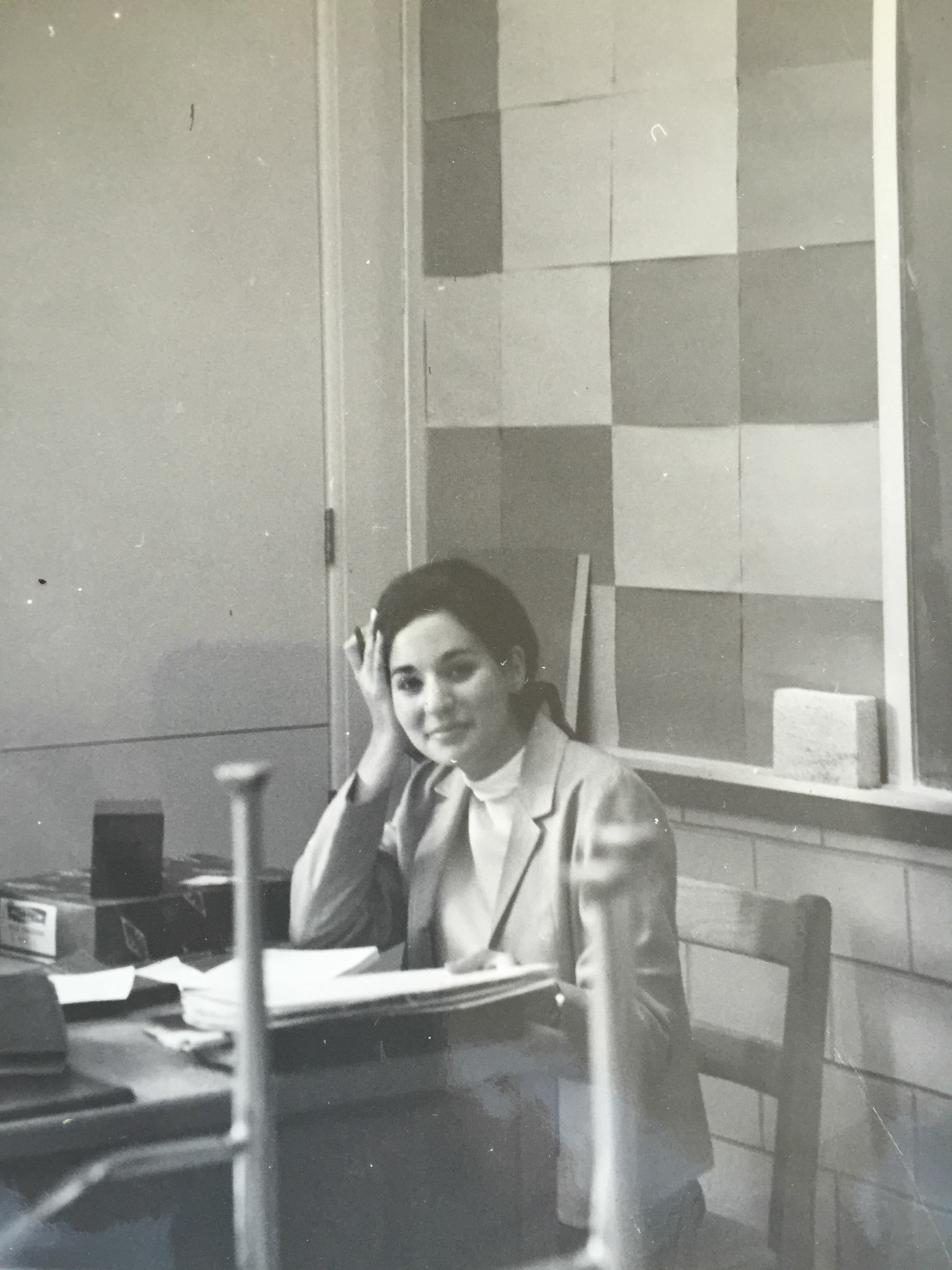
But perhaps the best part of the story is that 46 years later, Colophon contacted me to write the forward to their 50-year anniversary issue. I include the photo of me that the students took and placed in the opening of the issue.
But there’s more: The students at Towson High had a reunion, and I was the only teacher asked to join them for that celebration.
Can you share a story from your journey that illustrates your resilience?
That so-called first husband—get the full story in (Re)Making Love: a memoir—fooled around with his secretary named, believe or not, “Mary”. I had to get a job, not teaching because the pay was sadly not enough to support my children. So, I took a junior editor job in corporate America and was promoted so many times that after 16 years, I was the most senior woman executive.
When I was 49 years old, I quit to write fulltime. Many years before, a lyric essay was published in a major newspaper—a miracle of sorts because I wrote it for a synagogue panel, and afterwards, so many folks said to me, “So, you’re a writer” that I sent it out. That event convinced me that writing along with the teaching I so yearned to do again were my mission.
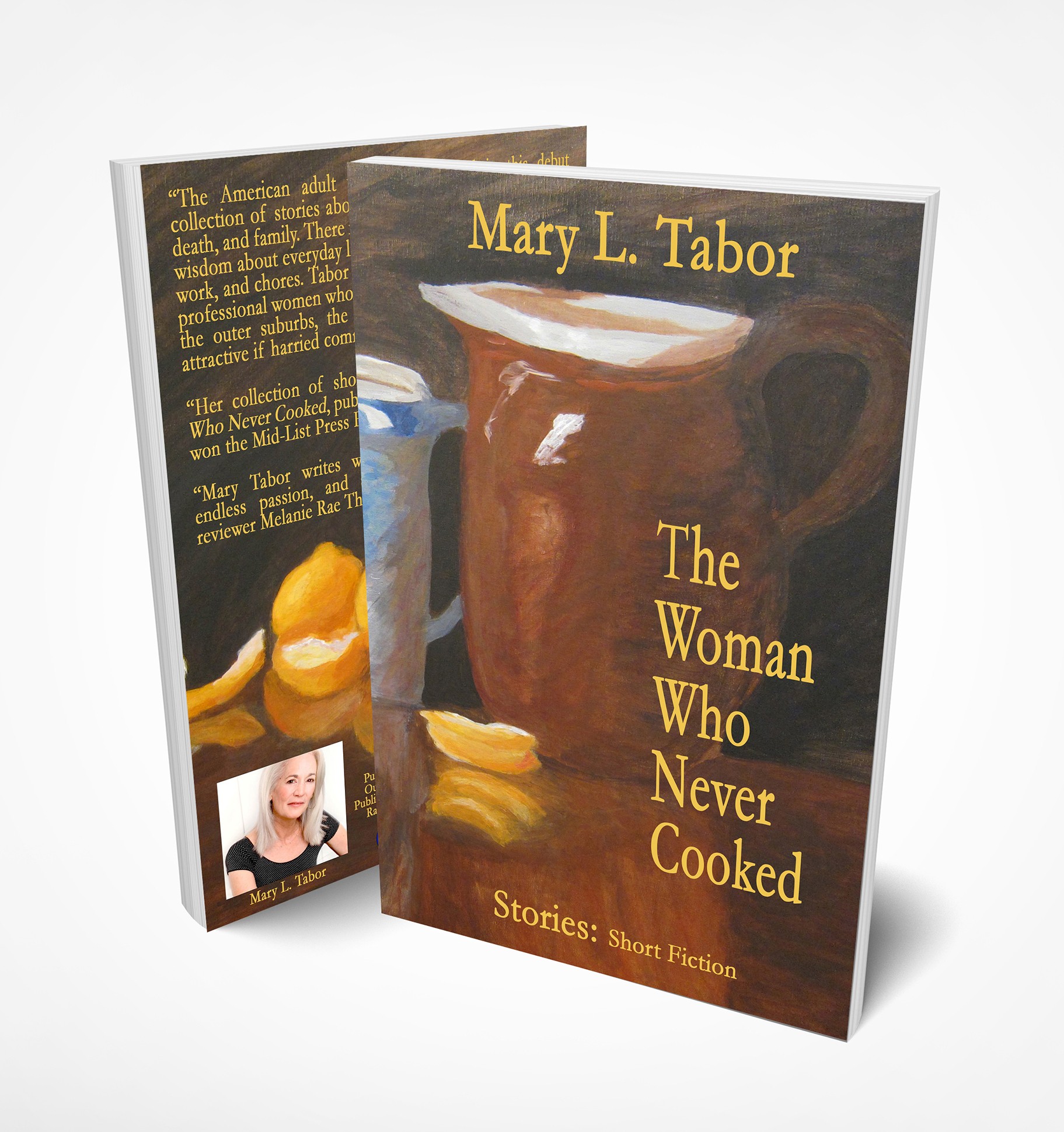
When my first book The Woman Who Never Cooked: short stories was published, I began teaching creative writing at George Washington University and the Smithsonian’s Campus-on the-Mall.
Then in 2017, my 47-year-old son died. I had to find a way to write and teach again. Grief has its own timetable. My lyric essay “Lifeboat” that took me five years to write brought me back to the creative life. You can find that essay here: https://marytabor.substack.com/p/lifeboat
For you, what’s the most rewarding aspect of being a creative?
My heart and soul are lifted when a student writes a magical story and when I am read via my short stories The Woman Who Never Cooked, my novel Who by Fire, my memoir (Re)Making Love or my essays on film and the arts—closing the round with the love of the “word”: spoken and written.
Contact Info:
- Website: https://maryltabor.com
- Linkedin: https://www.linkedin.com/in/maryltabor/
- Youtube: https://www.youtube.com/@MaryLTabor
- Soundcloud: https://soundcloud.com/user-705849955
- Other: https://marytabor.substack.com
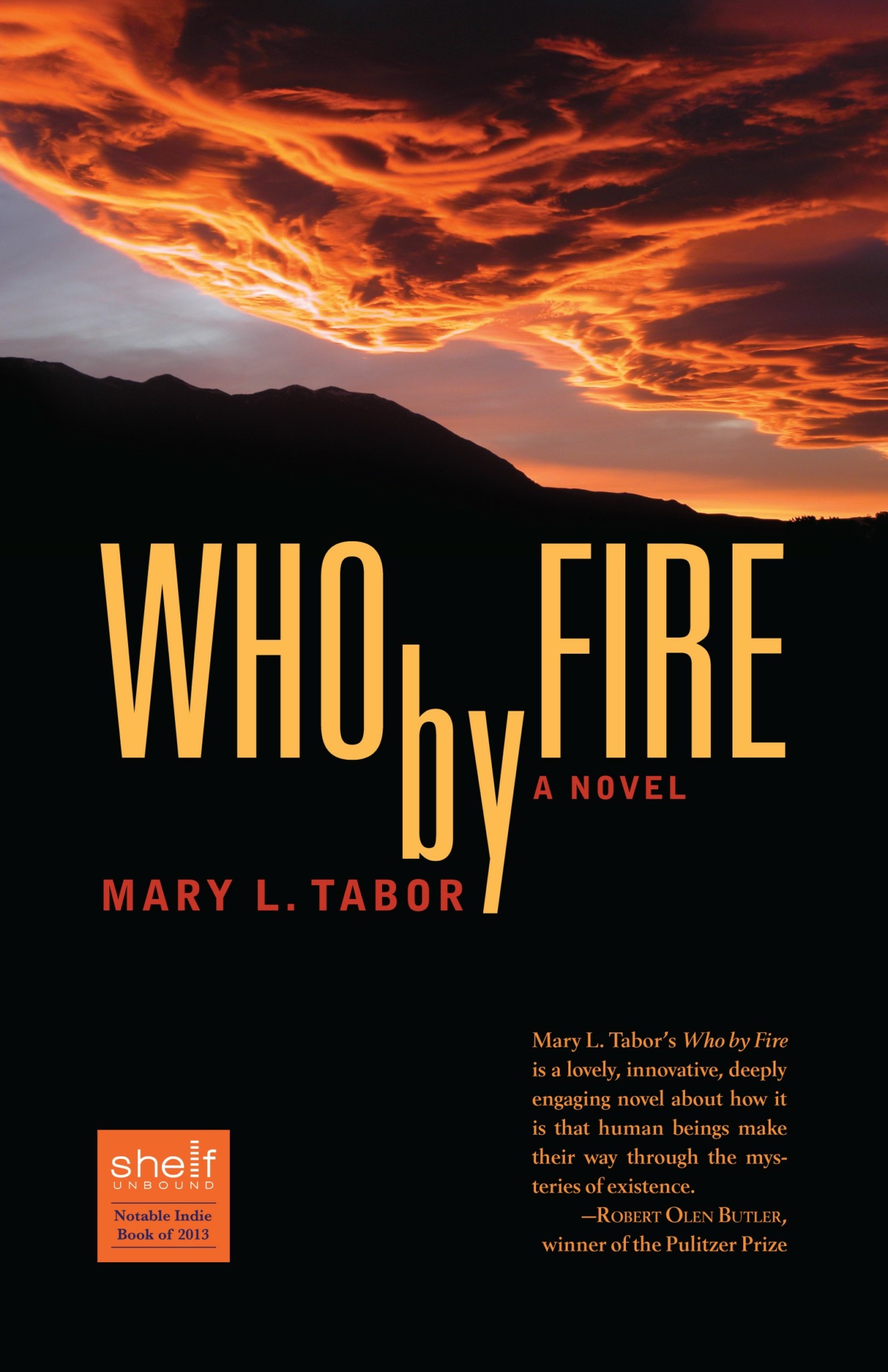
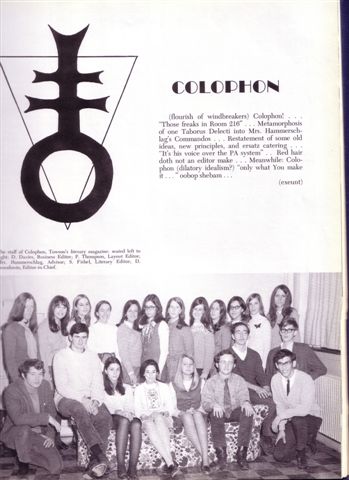
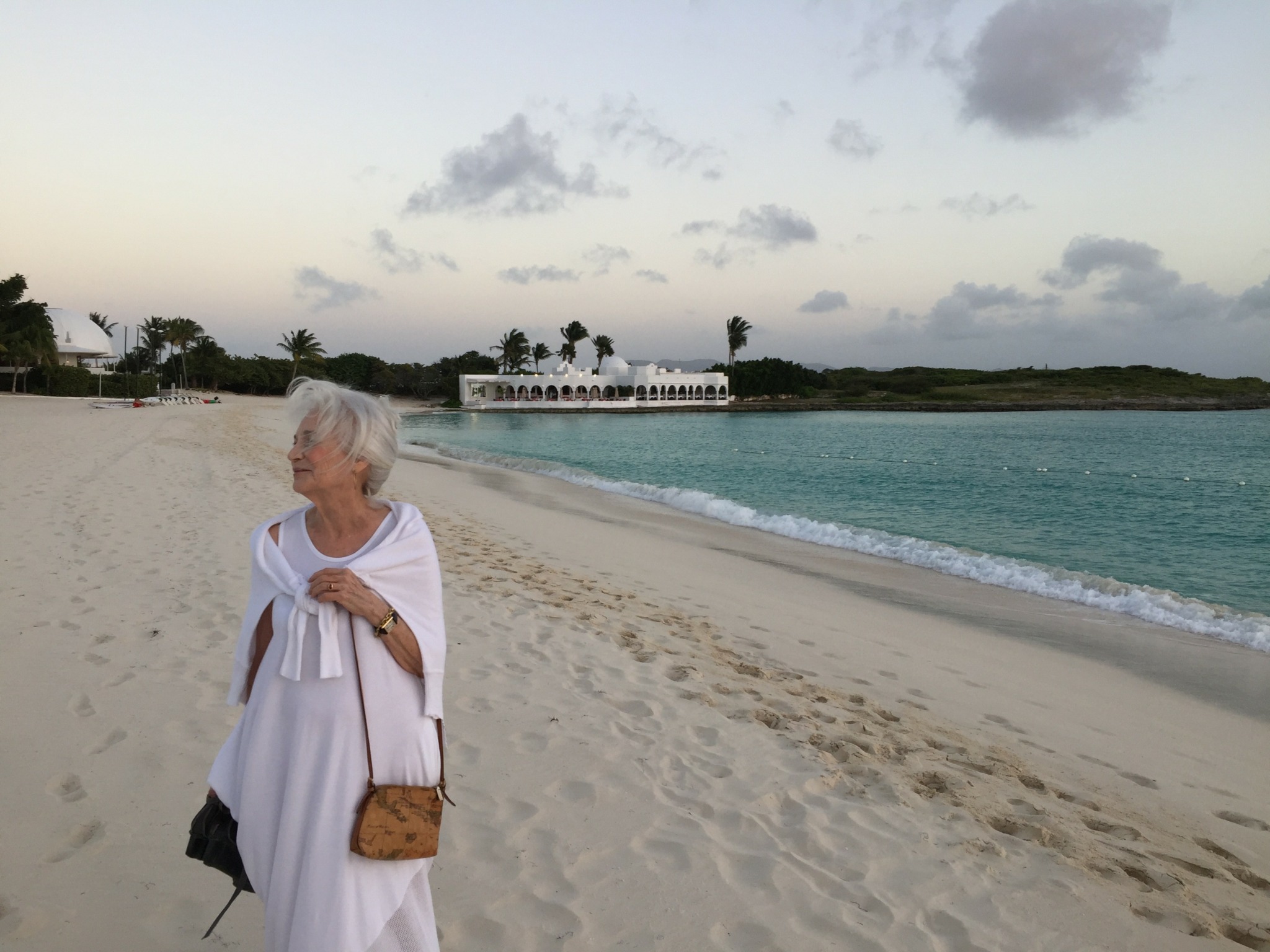
Image Credits
Author photo (me in dark shirt) by Kevin Allen, photographer. Me in the classroom taken by a Towson High photographer