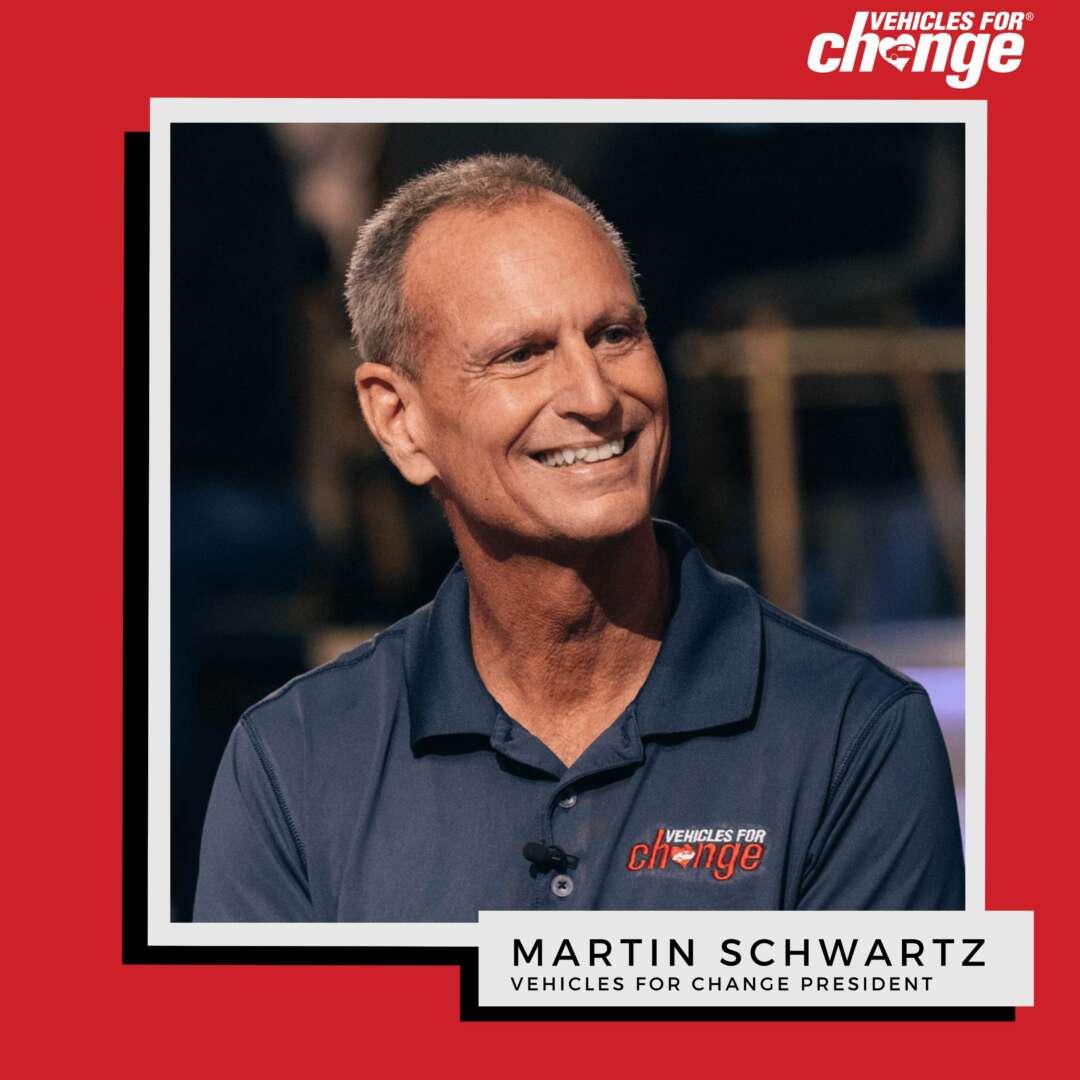

Alright – so today we’ve got the honor of introducing you to Martin Schwartz. We think you’ll enjoy our conversation, we’ve shared it below.
Martin, looking forward to hearing all of your stories today. Alright, so you had your idea and then what happened? Can you walk us through the story of how you went from just an idea to executing on the idea
By the time I launched Vehicles for Change I had spent several years as the controller of a private school, built several social enterprises within a community college and university, spent over 10 year in development and marketing for colleges and launched and failed my own business. These vast experiences had prepared me well for Vehicles for Change.
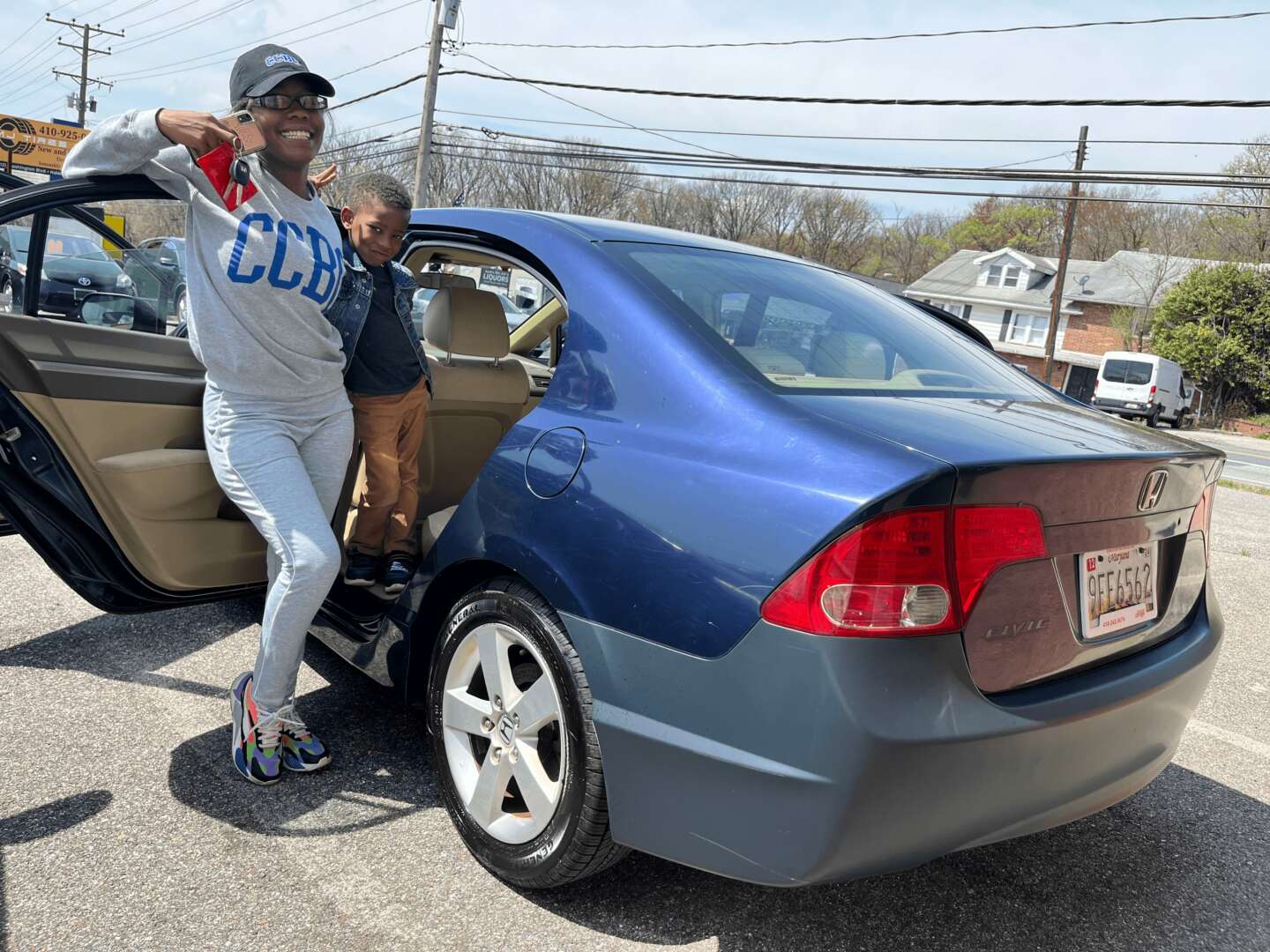
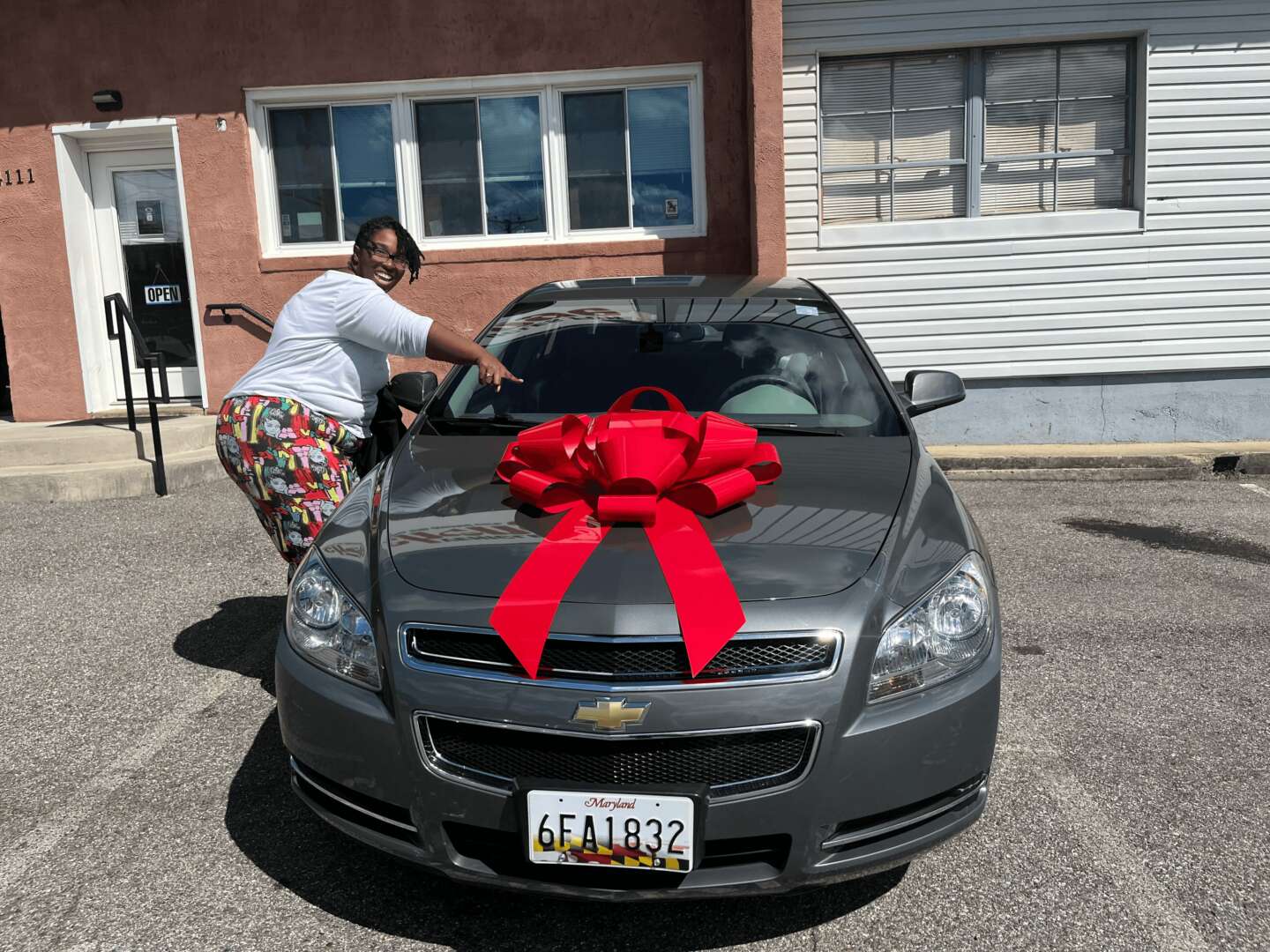
The idea of providing cars to low income families for employment purposes, was not mine. I was invited by an auto parts company to build Vehicles for Change within their company with the idea, it would allow them to give back to the community in which they did business while gaining exposure for the company with their garage customers. The auto parts company provided the initial capital of $30,000.
I launched Vehicles for Change (VFC) in 1999 and the first order of business was to identify additional funding. I had previous interaction with the Abell foundation in Baltimore City and knew one of their focuses was employment opportunities for low income families. Transportation has always been identified as one of the major barriers to employment for families living in poverty. The Abell Foundation was funding several training programs. The graduates of most of these programs were unable to access the jobs for which they had been trained due to a lack of transportation.
The foundation accepted our request for funding. As opposed to accepting applications direct and having to vet each applicant, we decided to partner with several of Abell’s grantees and provide cars to their graduates. These families would have been vetted by our partner agency. By doing so, we were able to identify qualified car recipients without having to vet the families ourselves which would have required additional expense and manpower. We identified several garages that would complete the car repairs at a discount and began advertising for car donations using some of the funds provided by the foundation.
I knew in order to build a sustainable business we needed to develop several revenue streams. We secured additional funding through the department of social services and other foundations. We also created a wholesale car business and eventually a used car business. These two social enterprises provided unrestricted revenue that is vital to our the success.
Initially our office space was a cubicle in the auto parts warehouse which was short lived, as we grew much faster than expected. Within the first year we secured a location that provided a small office space and a 1 bay garage with storage for our car donations.
Like most business, those first years were extremely difficult as funding was tight. Vehicles for Change was the only organization of its type in the region and there were very few nationally so it was difficult to learn from other organizations. We had to learn as we built the organization, in essence, building the plane as we flew it! I built VFC on what I call the “Field of Dreams” model, “if you build it, they will come”. My goal from the beginning was to build a program that would provide the families we served with the very best support possible and then entice funders to support the program based on the value we provided to our customers. No different than a for-profit business enticing investors.
We awarded our first car in October 1999.
As always, we appreciate you sharing your insights and we’ve got a few more questions for you, but before we get to all of that can you take a minute to introduce yourself and give our readers some of your back background and context?
My academic background is in Accounting with a Masters in General Administration and Information Systems Design. But my goal in life was to be a major college baseball coach. I spent 3 miserable years as an auditor before landed my first dream job, the controller and baseball coach at a private high school. I was always driven to do the very best, build the very best and outwork anyone else to make sure I achieved my goals. One of my favorite quotes that I live by is ” many people wake and dream of their goals, I wake every day and work toward them”.
Following my stint as a high school coach, I was hired to coach at a community college while acting as their assistant AD for marketing and development. After 6 years life took a turn and I moved on from my baseball dream and accepted a position as the Associate AD for Development at a Division 1 university. Between the community college and the university, I developed my skills at networking, fund raising, development and I created several successful social enterprises.
Those skills, combined with my academic and athletic background led me to launch the Student Athlete Information Link, an internet based recruiting service to get high school student-athletes exposure to college coaches. This was in 1996, long before most anyone new what the internet was. It was a
highly innovative idea that today is the way most college coaches recruit athletes and many companies are very lucrative.
In 1999, I launched Vehicles for Change where I could harness all the skills I had honed over the prior 22 years, to build a program that would end generational poverty for thousands of families. This was where I was supposed to be all along!
I am most proud of the fact that Vehicles for Change, in its unique way addresses, the two key factors impacting generational poverty, transportation and incarceration. Through determination and innovation we have built one of the most impactful programs in the region. Over the past 25 years, we endured countless difficult times, recessions, pandemics and financial difficulties but the team I built, believed in the impact we had on families, so much so that nothing can deter us from forging onward, as Jim Valvano once said “dont quit, dont ever quit”
Do you have multiple revenue streams – if so, can you talk to us about those streams and how your developed them?
I believe that it is imperative for any business to have multiple revenue streams whether you are a nonprofit or for profit. Relying on a single revenue stream is living on the edge. There are so many factors that can impact revenue – market fluctuations, weather, the economy or bad reviews that go viral. (I tell my team all the time, with today’s technology it can take 25 seconds to kill what we have spent 25 years building.)
So many nonprofits rely on one particular funder or government grant. These can dry up at anytime. I have seen many of them fold as a result. I speak to large groups about this very topic, encouraging them to not only develop several revenue streams on the development side but to explore building a social enterprise within their organization. Very similar to what many successful for profit organizations do.
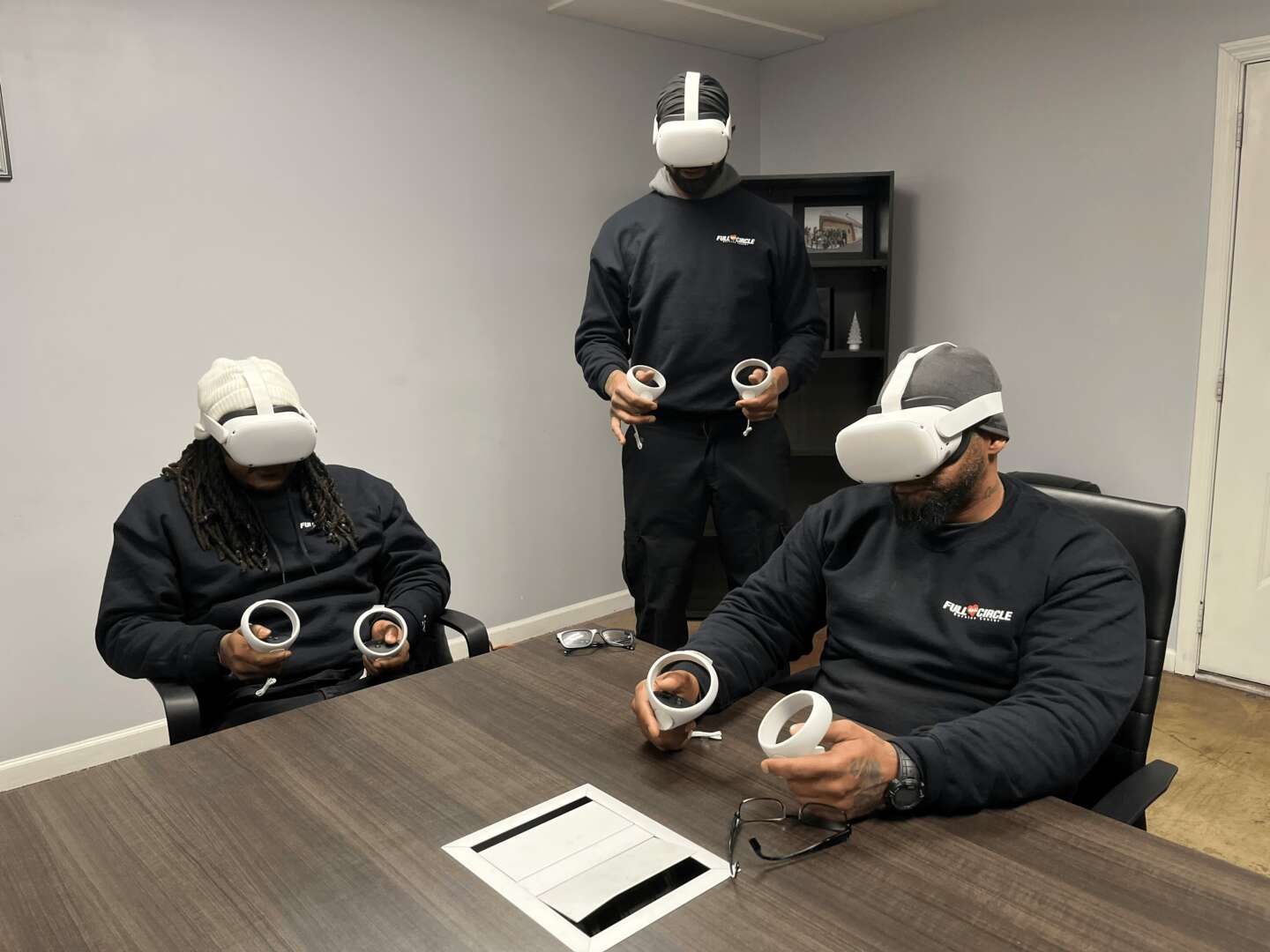
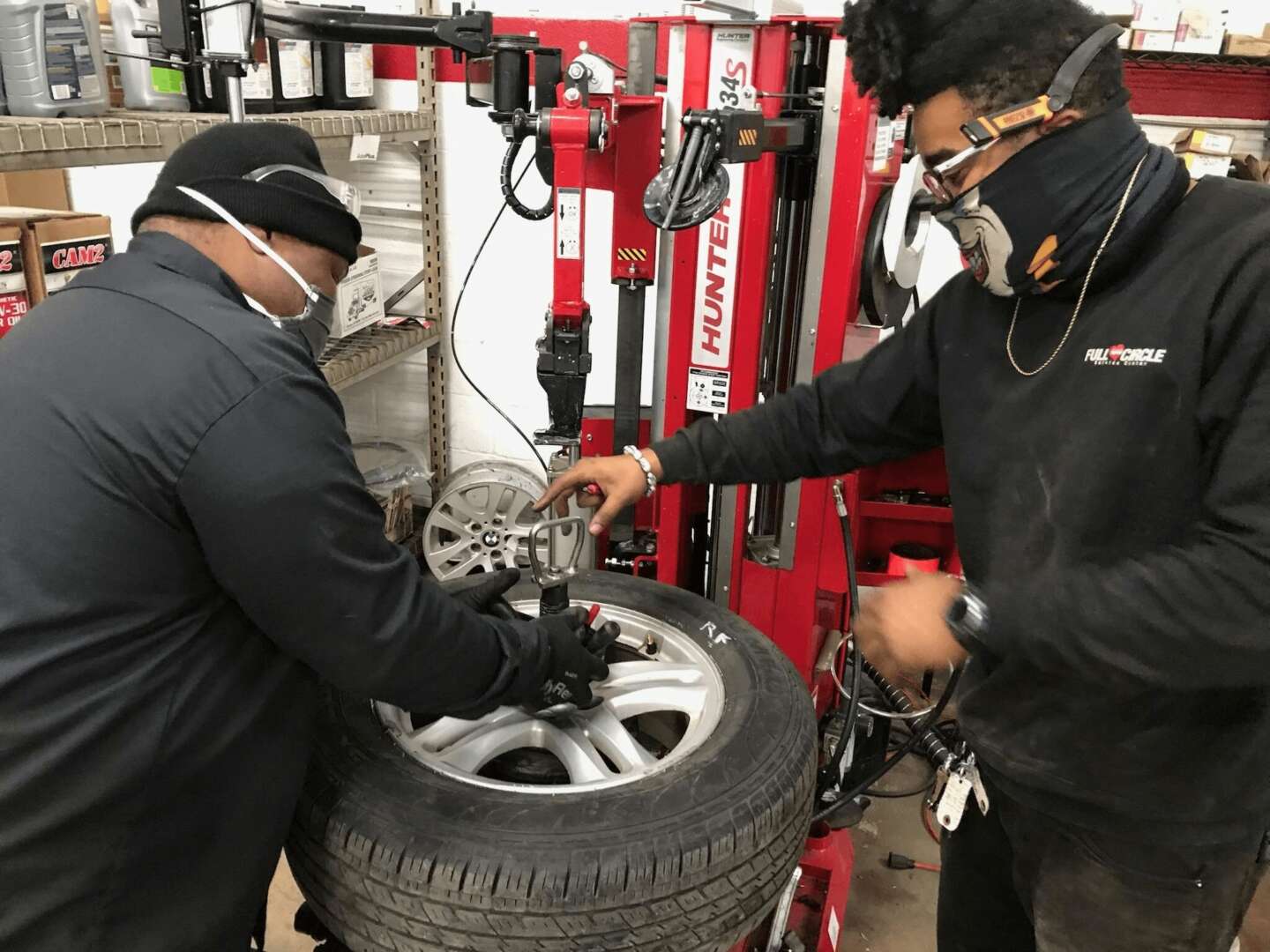
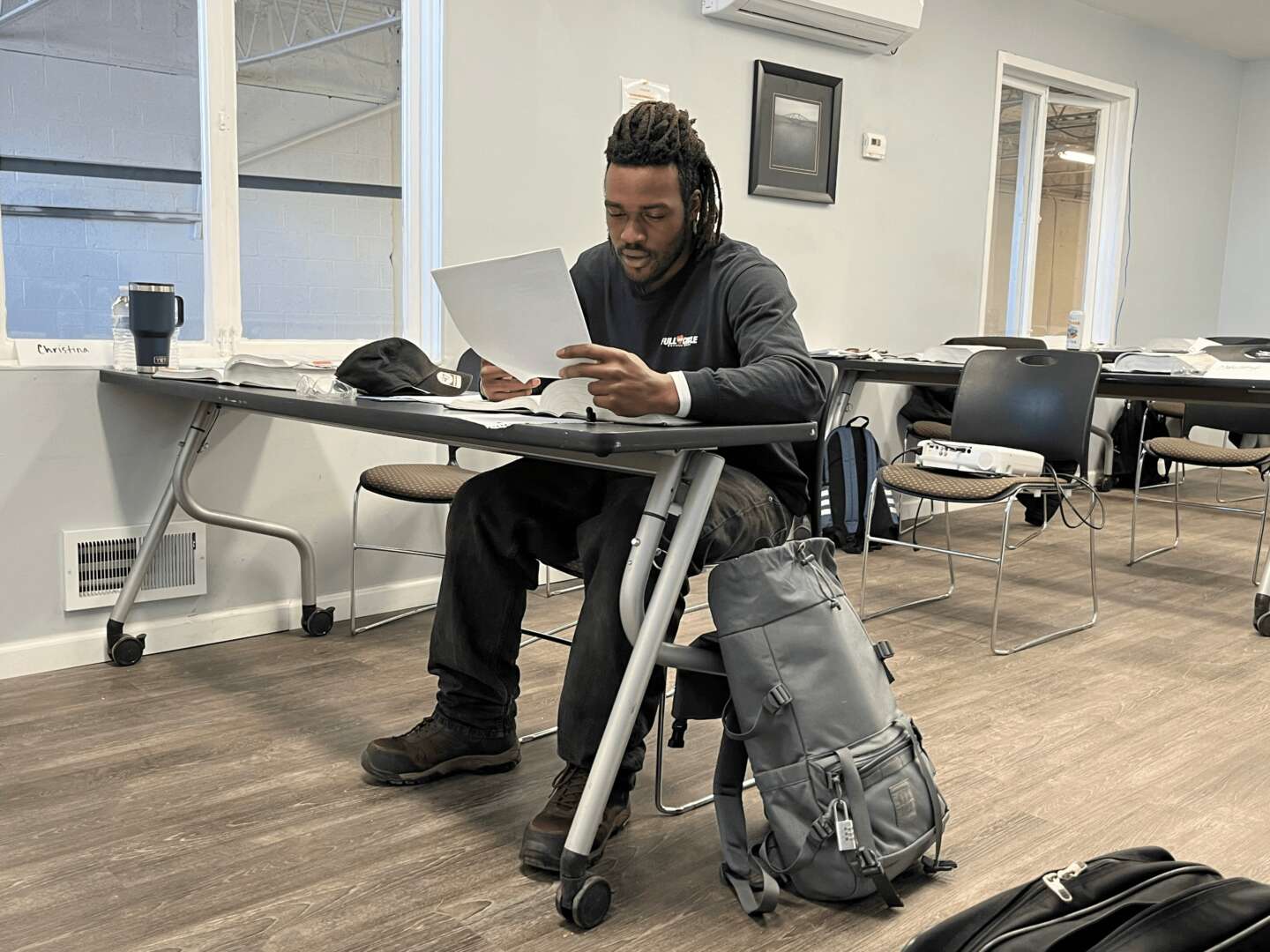
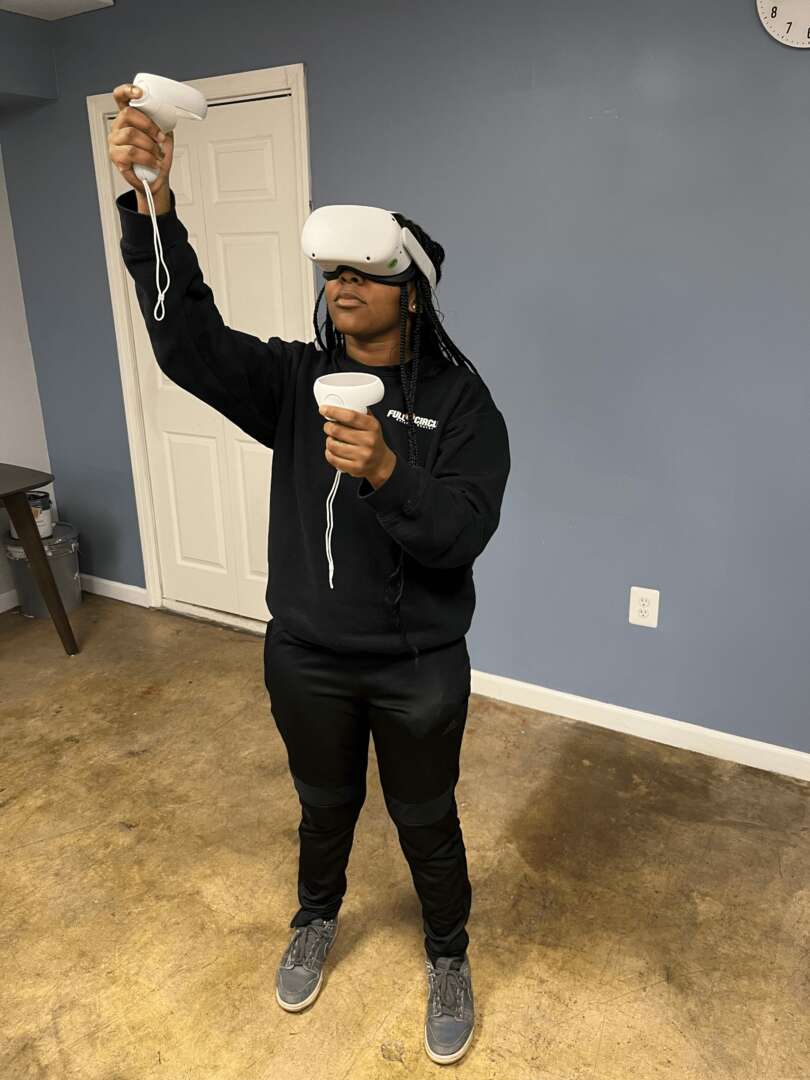
At VFC we have 4 social enterprises. All of our enterprises feed of the expertise we have developed within the organization, automotive. Initially, we developed a wholesale and retail car sales operation. In 2016, we launched our reentry auto technician training program, Full Circle. We included in the planning process, a retail auto repair center. Our final social enterprise came as a result of the pandemic. In 2022, we developed a virtual reality auto mechanic training module. Using virtual reality, we are not only expanding our training locations at a significantly reduced cost but we are able to place it within the prisons. Using this new technology we are able to expand our impact on returning citizens and their ability to obtain gainful employment. We are able to do this while generating another significant revenue stream for the sustainability of VFC.
Having multiple revenue streams is not without its challenges. How do you market each business, which ones should be the greatest area of focus, how does each impact the overall organization. There are risks involved with developing a social enterprise like the development of any business. Resources need to be allocated to build that line.
It is vital that one do their homework, build a business plan and get buy in from your team when considering to launch any new business line. At VFC we have built a culture around change management and growth. Our team is not only willing to accept the growth but encouraged to think about how they can be part of it. This was something we encouraged the from inception of the organization.
Can you open up about a time when you had a really close call with the business?
Like most businesses, there have been multiple periods where we had a near death experience. The one that was most concerning was in 2005 when the tax law changed impacting our car donations. At the time, car donations, through our social enterprises generated 60% of our overall revenue. The tax law change resulted in a decline of car donations by more than 70%.
In order to assure the rest of the team got paid, I personally missed 2 paychecks. and we were selling our inventory as fast as possible, but that was not enough or at least didn’t seem to be. At one point I met with our 7-person team and informed them that we could possible survive for maybe 4 more months in the current state.
Drastic times sometimes require drastic measures. We had advertised on one radio station from 2000 to 2004 for car donations. One of the individuals, who knew VFC from that station had moved to one of the most impactful stations in the region and one of the most expensive.
She happened to reach out to me when we were in the 2nd month of our “4-month to live cycle”. She felt that advertising on her station could save the program. After several conversations and careful consideration, I made the decision to invest the majority of our cash balance in a 3-month campaign. The station would provide significant exposure for this minimal investment, with the assurance that if successful we would continue.
In addition, we had built a great relationship with our vendors and they agreed to allow us to hold payment with the same hope that we could rebuild our car donations and revive the organization. This was vital in our survival. To this day we have a great reputation with all our partners and make this an ongoing focus.
We knew that this was a win or go home decision. The plan worked and within 6 months our car donations had exceeded the previous years and VFC survived the toughest financial crisis of our lives. To this day that resiliency has proven vital in our ongoing success.
Contact Info:
- Website: https://www.vehiclesforchange.org/
- Instagram: https://www.instagram.com/vehiclesforchange/
- Facebook: https://www.facebook.com/vehiclesforchange
- Linkedin: https://www.linkedin.com/company/vehiclesforchange/
- Twitter: https://twitter.com/Vehicles4Change