

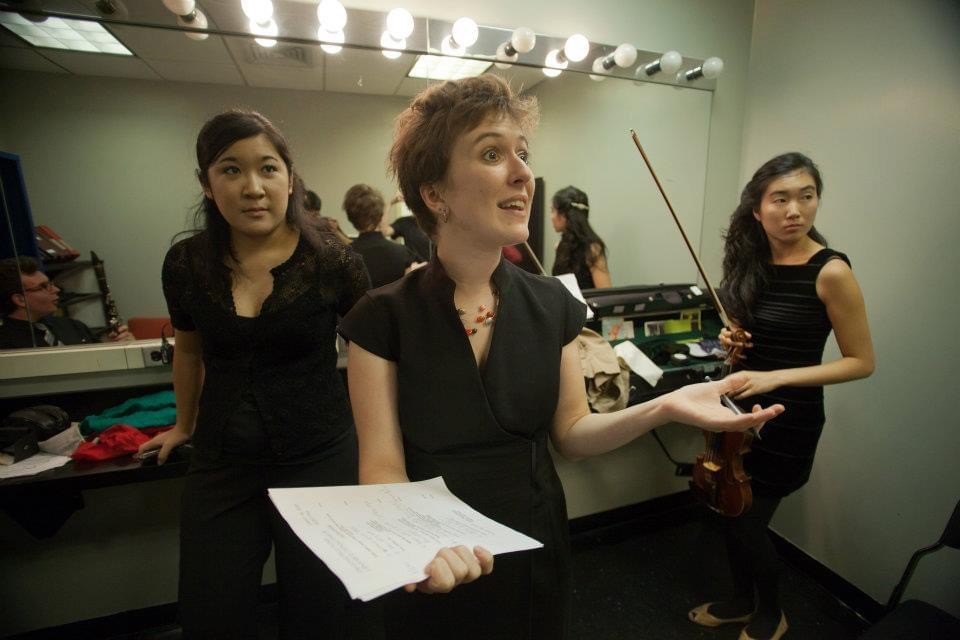

Alright – so today we’ve got the honor of introducing you to Martha Cargo. We think you’ll enjoy our conversation, we’ve shared it below.
Martha, thanks for taking the time to share your stories with us today Have you signed with an agent or manager? Why or why not?
I want to provide a counter argument with this concept. I pursued my (roughly) decade-long career in NYC successfully without an agent. Much of this is due to my sustained relationship with the experimental arts community.
I was first “called” to relocate to New York City in the summer of 2009 after spending several weeks alongside composers and improvisers at Domaine Forget, which is located in rural Quebec. Le Nouvel Ensemble Moderne, a prominent contemporary music ensemble based in Montreal, was in residence there. Many of the student composers were in the doctoral program at Columbia University, and as we all hung out at rehearsals, meals and concerts I realized that these were my people. The sense of family was palpable, even in those short few utopian days.
So, upon returning to Maryland, I found a full time job in Manhattan and a cheap apartment (with artist roommates) in Brooklyn near Greenwood Cemetery, packed up my tiny car and left my suburban childhood home. I started by reach out to old friends: Alex Asher, a jazzer from Oberlin, where I had spent my undergrad; Valerie Kuehne, a cellist & curator I had spent summers with in musical theater camp in Columbia; and Jake Wise, a clarinetist and art maker who had been a close collaborator of mine for years already. I went to free concerts at Juilliard, got cheap tickets to Carnegie Hall, and generally dreamed of a career I wasn’t quite enjoying yet.
My flute teacher suggested Manhattan School of Music for a second Masters. They had recently established a Contemporary Performance Program, and she was on faculty. I brushed up on some solo repertoire, enlisted a Columbia composer friend – that I had met that same summer – to accompany my audition, and I nailed it. In fall of 2010, I began building my new family of collaborators.
Growing up an only child, I craved collaborators. Acting in musical theater, training with my best friend in Tae Kwon Do, singing in children’s chorus and church choir, and playing in band and youth orchestra were my solutions to that. At Oberlin, I had Collegium Musicum (Renaissance choir), O Swing (swing dancing club), and my many performing projects in the Conservatory. I also had chem lab partners, problem set buddies, and the co-ops to complete my family unit.
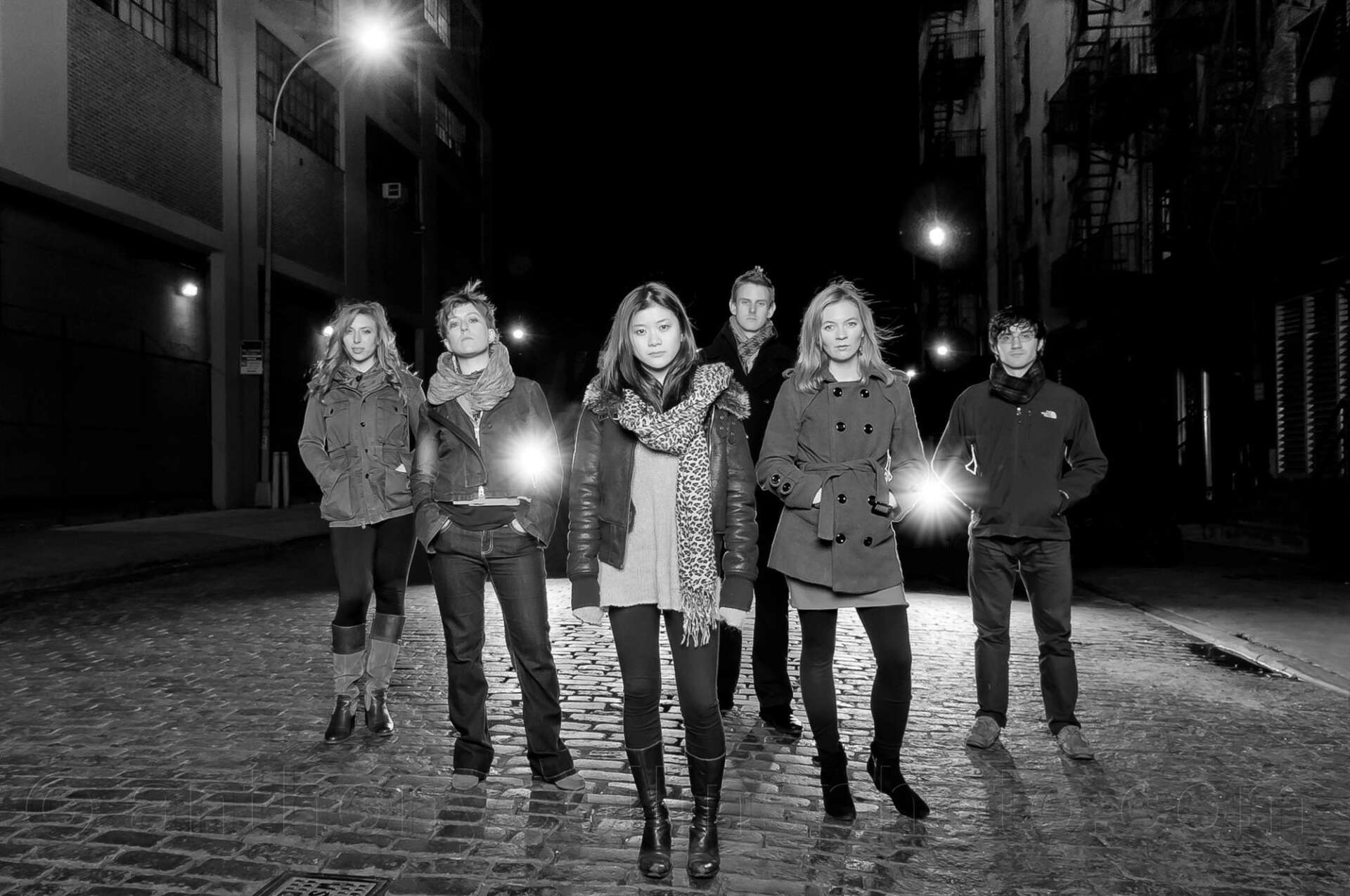
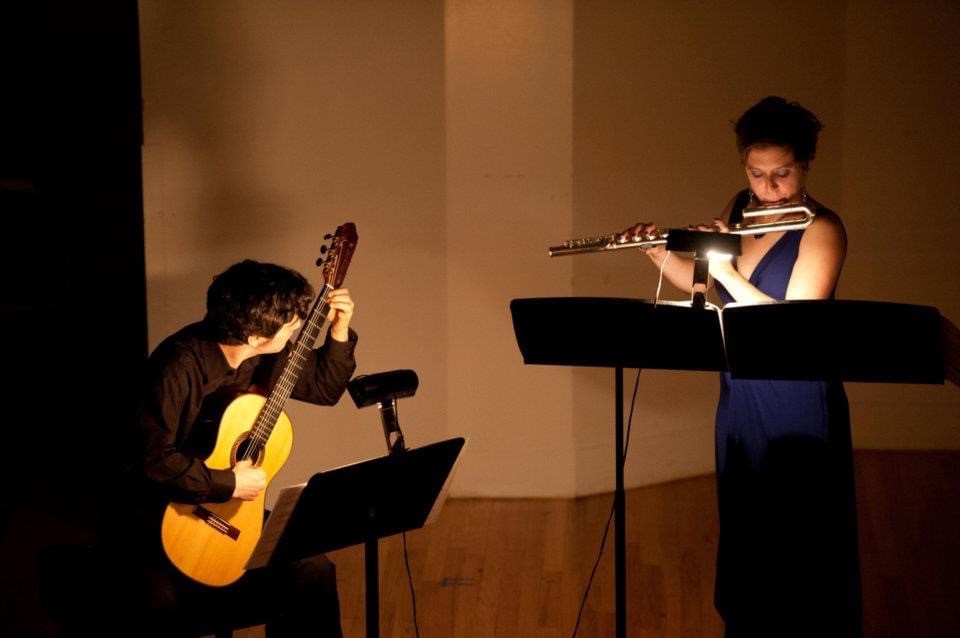
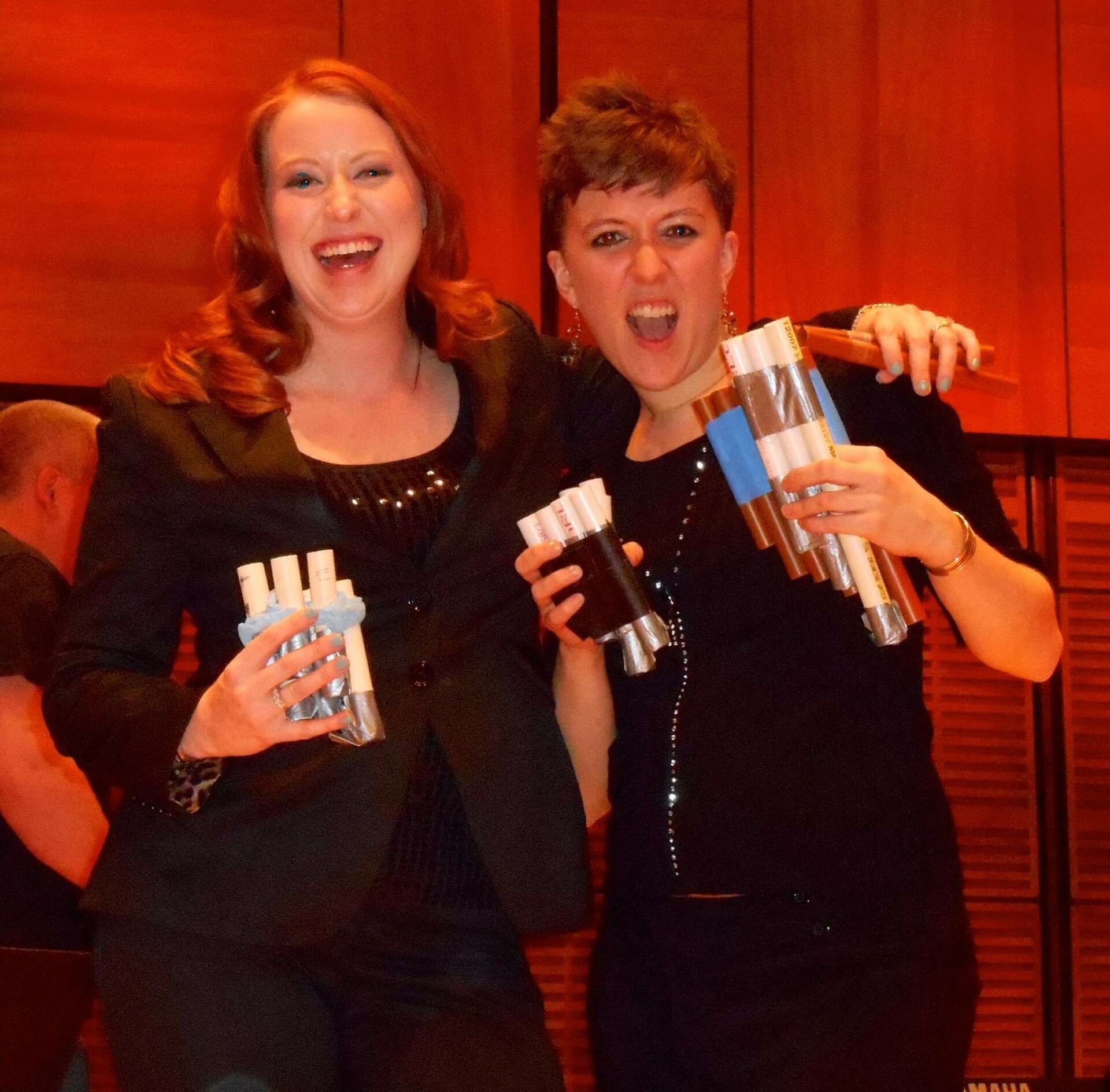
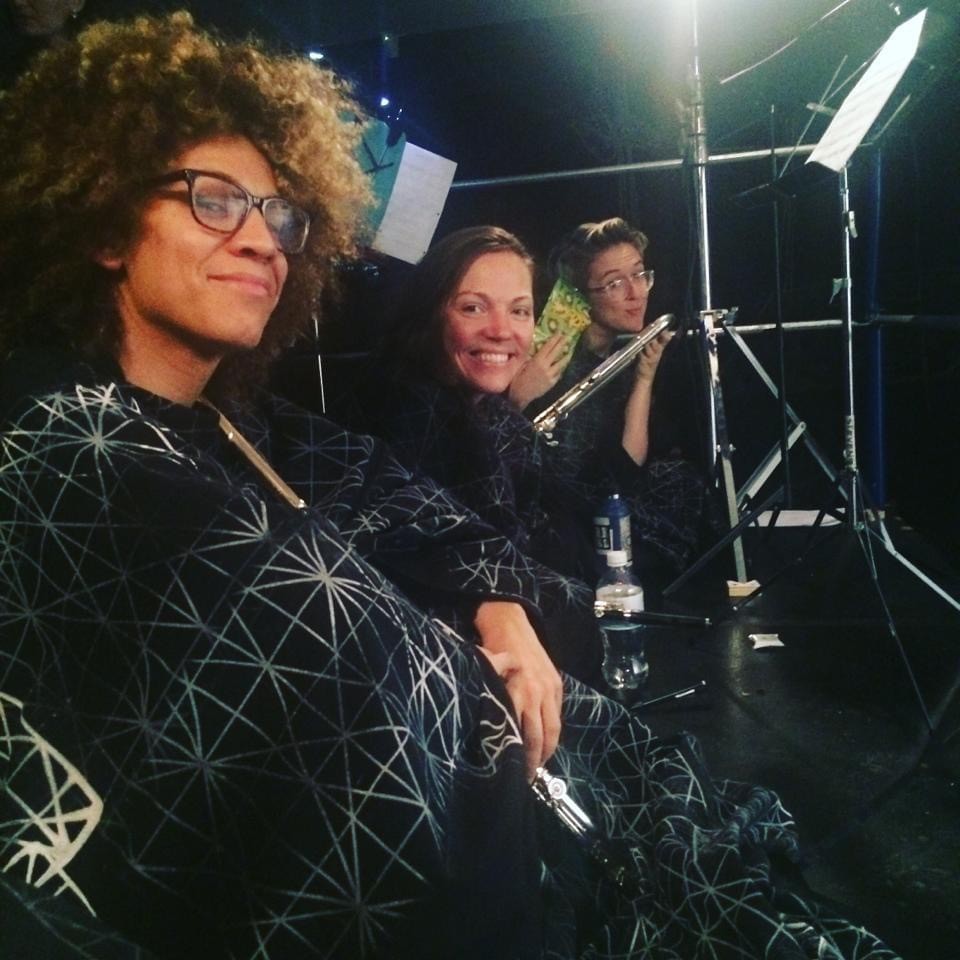
Manhattan School of Music was the perfect playground. I established Ensemble sans maître around Boulez’s eponymous work – flute, viola, guitar, percussion and voice – with a crew of good friends. We commissioned new work, performed around town, and even played World Café Live in Philly. I joined neoLIT, an all-female chamber ensemble specializing in contemporary music by women composers; Ghost Ensemble, which explored the soundworld of Pauline Oliveros, among many others; Glass Farm Ensemble, with whom I still collaborate; established Anchoress, an improvisatory trio exploring the philosophies of Hildegard Von Bingen; and began collaborating with composer/choreographer Anne Goldberg-Baldwin on Synthesis Aesthetics Project, a dance company that incorporated live, improvisatory music with movement.
An agent would have been a hindrance. I was free to negotiate my own fees, play for free if I wanted, and balance my career with day jobs that paid the rent. It is not glamorous, this life that I chose, nor is it romantic: it is work, it is commitment, and it continues to bring me joy.
As always, we appreciate you sharing your insights and we’ve got a few more questions for you, but before we get to all of that can you take a minute to introduce yourself and give our readers some of your back background and context?
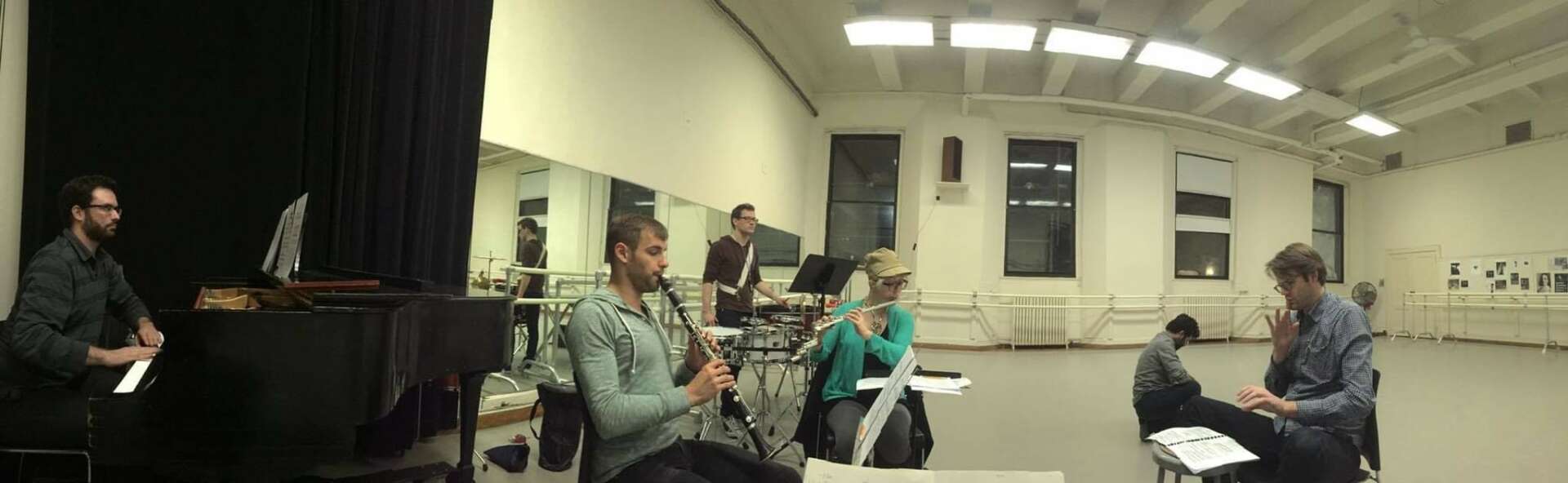
I am a performer. That is the first thing. The second qualifier is that I understand my own work, my own identity, and my own present. I don’t know my own future – rarely can anyone claim to have that power – but I can build myself towards something meaningful. For a long time, while working as an arts administrator full time for a nonprofit in Manhattan, I thought about something that I could offer other artists. That seedling became Cargo Culture, which is still in its infancy. I serve clients however they need, and generally my client base comes from personal connections. I don’t want to expand my client base; rather, I want to endure and maintain the quality of work that I can offer.
How can we best help foster a strong, supportive environment for artists and creatives?
Small ventures – unincorporated organizations, those that are just getting started – need funding to hire interns, grow even a modest audience through quality marketing and outreach, and generally expand within their own sphere – like tending a small garden. The NEA thinks big. Local funding outfits – like MidAtlantic, in the DMV – are more designed to support individual artists or projects that need wings. We all need a chance to fly, and I think the NEA could be more gracious in their grassroots funding, at any level.
I think, for example, of the choreographer Pina Bausch. Her native country’s government funded an entire theater that gave her dance company space to work and perform. This is unheard of in a country like the US. I see no signs that this will shift imminently, but: I always have hope.
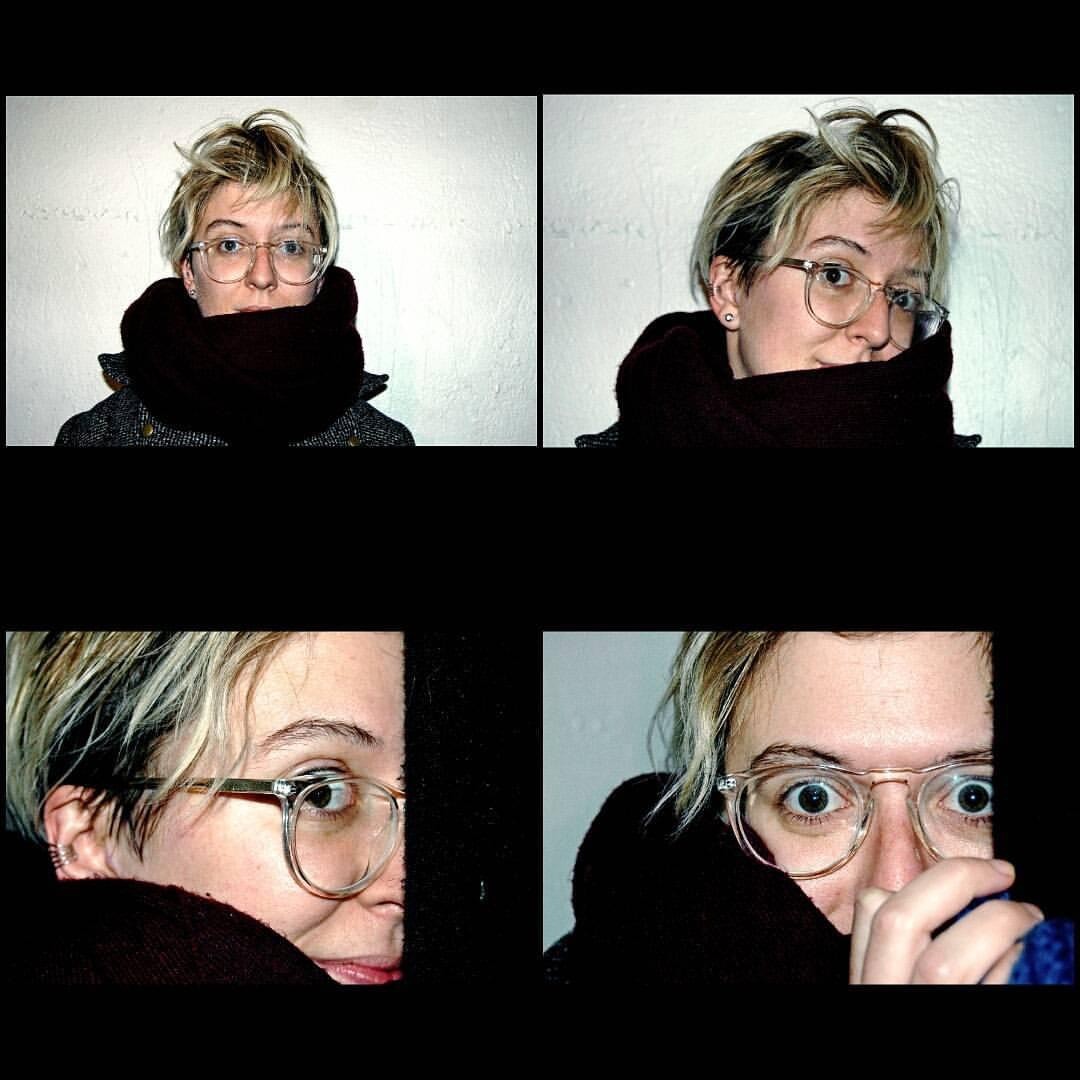
Any insights you can share with us about how you built up your social media presence?
People want to know who you are, what you read, what you look at. Be curious, be open, be true. Networking virtually can be just as delightful as encountering an audience full of strangers in person.
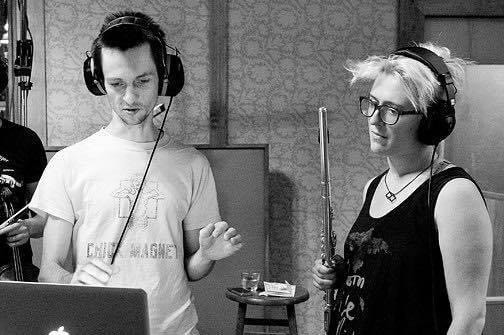
Contact Info:
- Instagram: https://www.instagram.com/mellencargo
- Linkedin: https://www.linkedin.com/in/martha-cargo-18397a78
- Youtube: https://youtube.com/playlist?list=PLxO7LnyTNJGRRr18U2r55NcyEiA_p_znc&si=UMTcLCR9IdjphZpA
Image Credits
Glenn Cornett Aleks Karjaka (Karjaka Studios)