

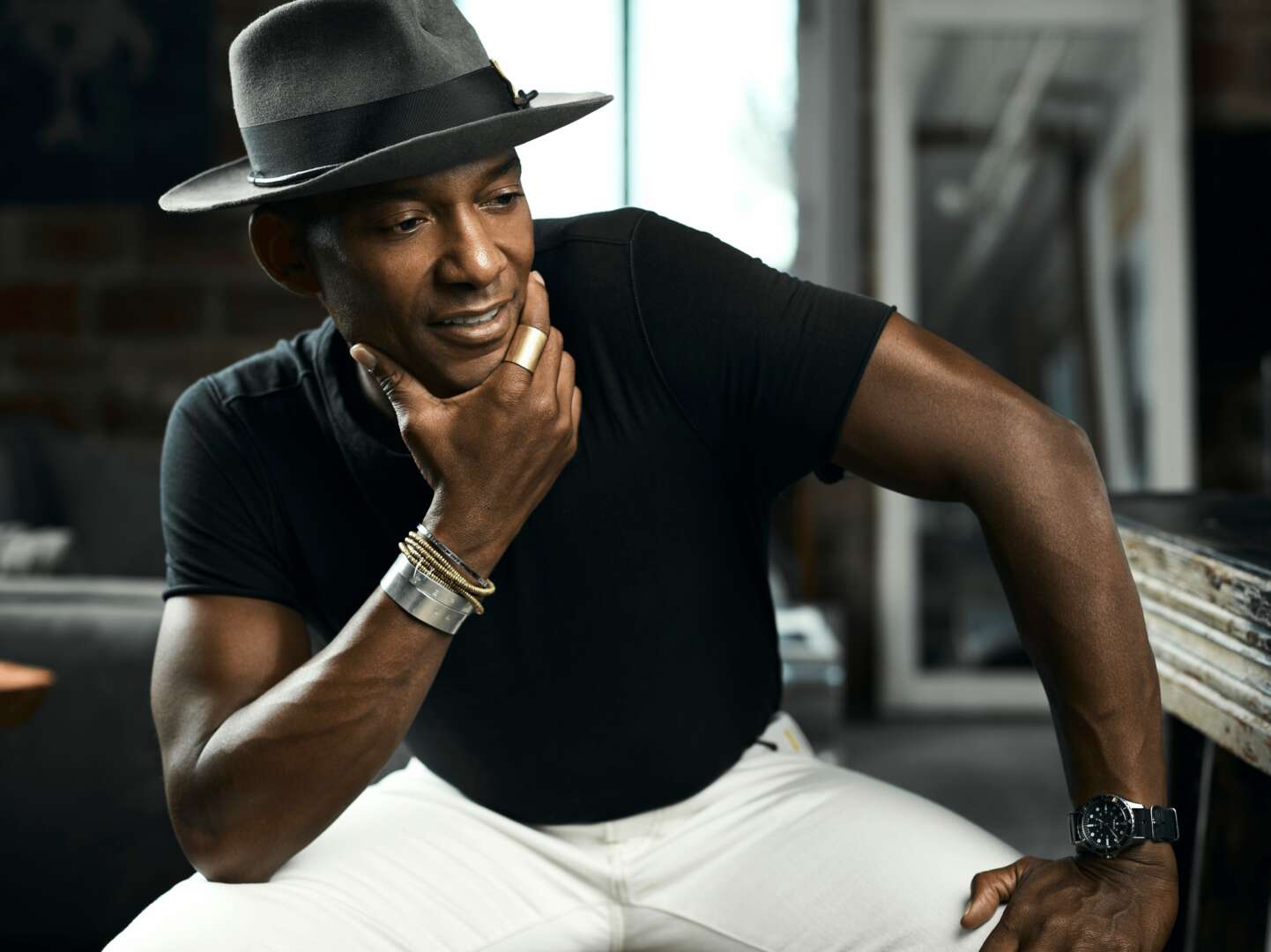

We were lucky to catch up with Marlon Hall recently and have shared our conversation below.
Hi Marlon , thanks for joining us today. Can you talk to us about a project that’s meant a lot to you?
The most meaningful project I have worked on is The Doorways to Hope Multi-sensory Installation in Tulsa, Oklahoma. Twenty large scaled portraits, archival doors installed in the walls with words of hope, and a qr code led journey features the stories of hope in a community that was burned with hundreds murdered and on a highway that divided a people from their wholeness. In partnership with Gordon Huether and Commissioned by the Oklahoma Arts Council Art in Public Places and Oklahoma Department of Transportation, this outdoor museum features 20 large-scale images of Black North Tulsans with visual poems and audio narratives of all the honorees telling their stories in their own words scored by local musicians. Despite horrific violence and discrimination the living honorees on the walls have survived, flourished and effortfully embody the principles of hope, resilience and human possibility.
The aim of this public art project is to magnify the images of people whose identity and voices are often minimized or erased in the wake of the 1921Tulsa Race Massacre, Gentrification, and “Urban Renewal”. I am working with a host of community artists, leaders, and mavens to activate the Elgin underpass of highway 244 constructed in 1974 that divided the historic Greenwood known as Black Wall-street from its success just as it was beginning to regain its momentum after the massacre.
Awesome – so before we get into the rest of our questions, can you briefly introduce yourself to our readers.
I am Marlon F. Hall, an artist and anthropologist deeply committed to using creative and cultural practices to address societal challenges. My work is rooted in social practice and cultivated through anthropological listening, driven by a lifelong intention to nurture human potential and reveal beauty within communities often overlooked or misunderstood.
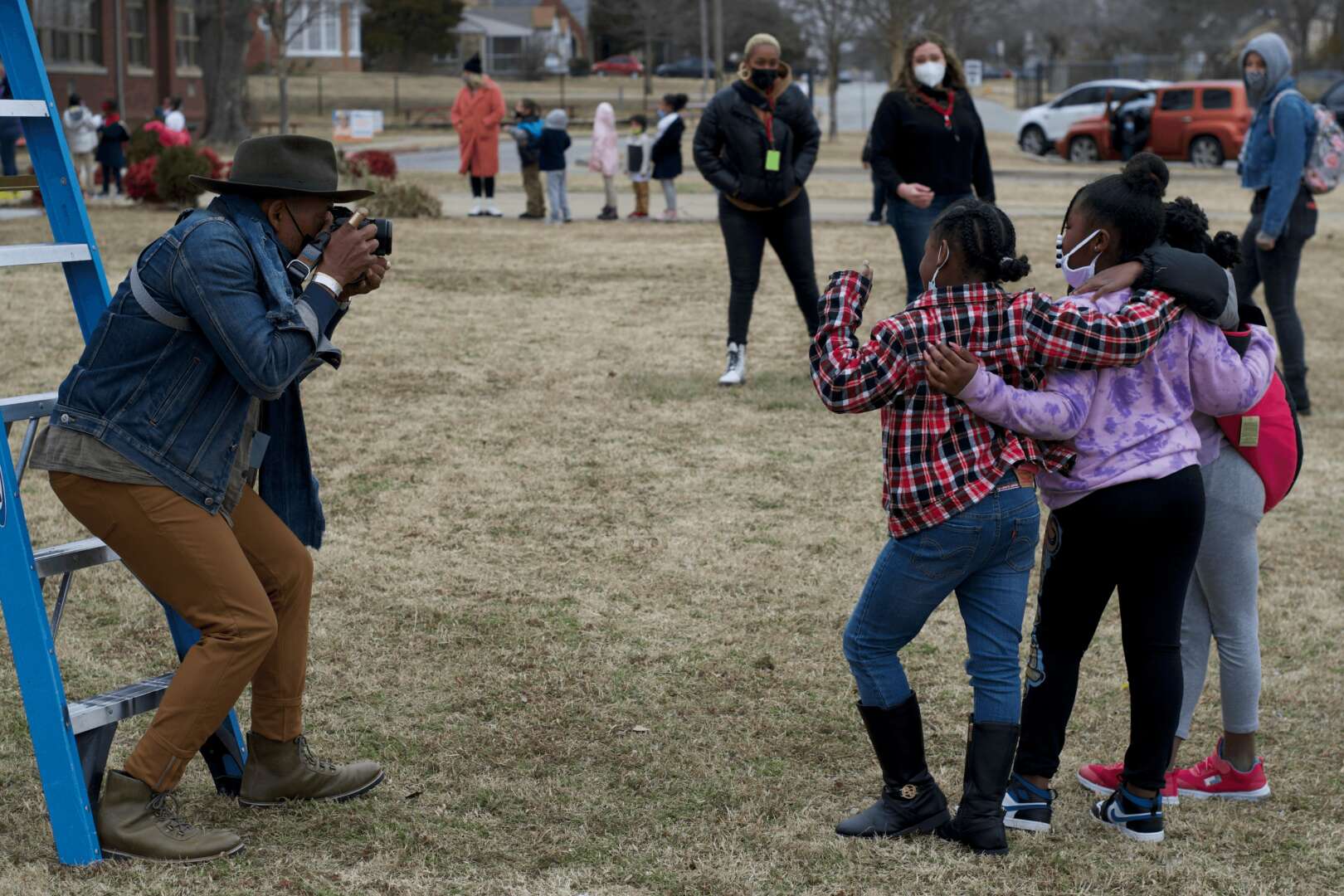
Inspired by the legacy of Anthropologist and Artist Zora Neale Hurston, I engage intimately with communities, actively participating in their lives and deeply listening to their stories. Recently honored as a Fulbright Specialist by the U.S. Department of Educational and Cultural Affairs and recognized as a 2021 Tulsa Artist Fellow, I’ve contributed significantly as the Visual Anthropologist and Social Media Archivist for the Greenwood Art Project. My digital photos and films are showcased on Google Arts and Culture, providing a platform for narratives that often go untold.
In 2023, the Oklahoma Arts Council commissioned me and my public art partner Gordon Huether to transform an underpass in Tulsa’s Black Wall Street into an outdoor museum, amplifying the identities of North Tulsans whose stories deserve greater recognition.
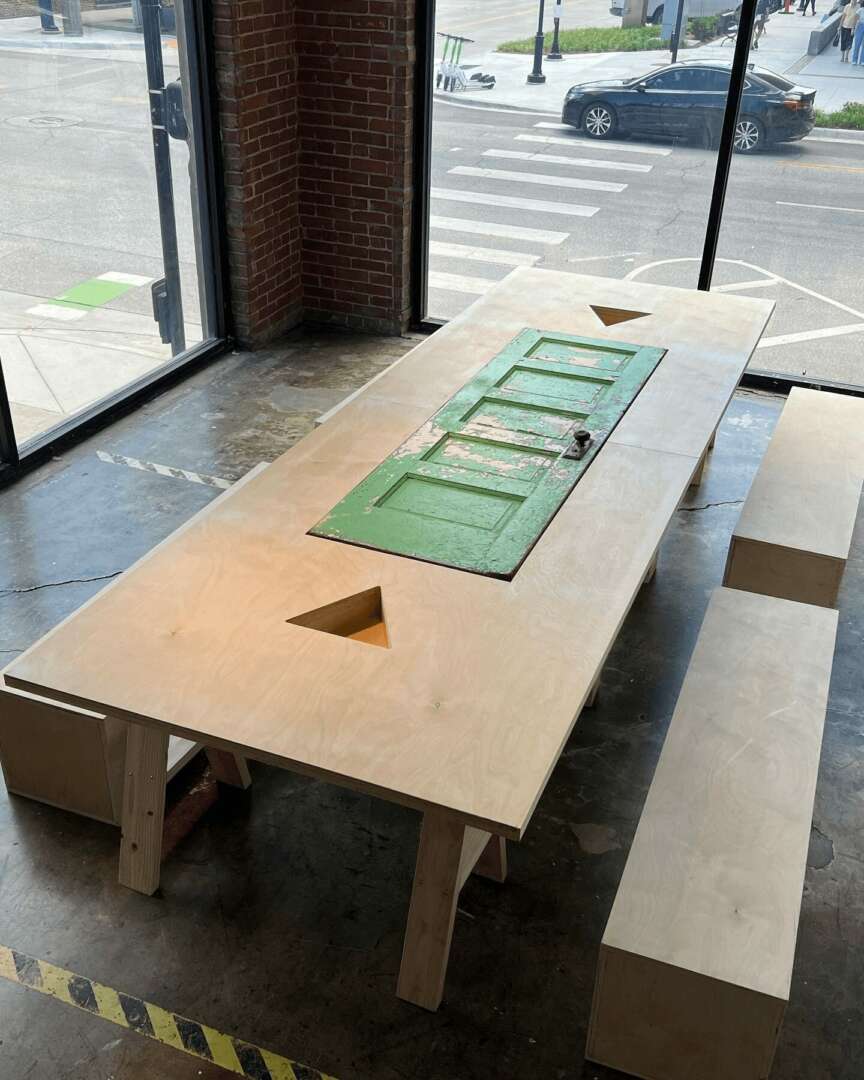
Most recently, I was invited to serve as the University of Wisconsin’s Interdisciplinary Artist in Residence, showcasing my practice of creating physical tables to host culturally and cognitively diverse groups for meals. Under the project titled “From a Door at the Center of a Table,” influenced by the concept of an “Ecotone,” I’ve activated over 100 curated dinner parties worldwide as anthropological art projects. One of these dinners was featured in partnership with The British Council during the 2022 Venice Biennial as part of The Kenya Pavilion, showcasing the power of communal dining as a catalyst for cultural exchange and understanding.
What do you think is the goal or mission that drives your creative journey?
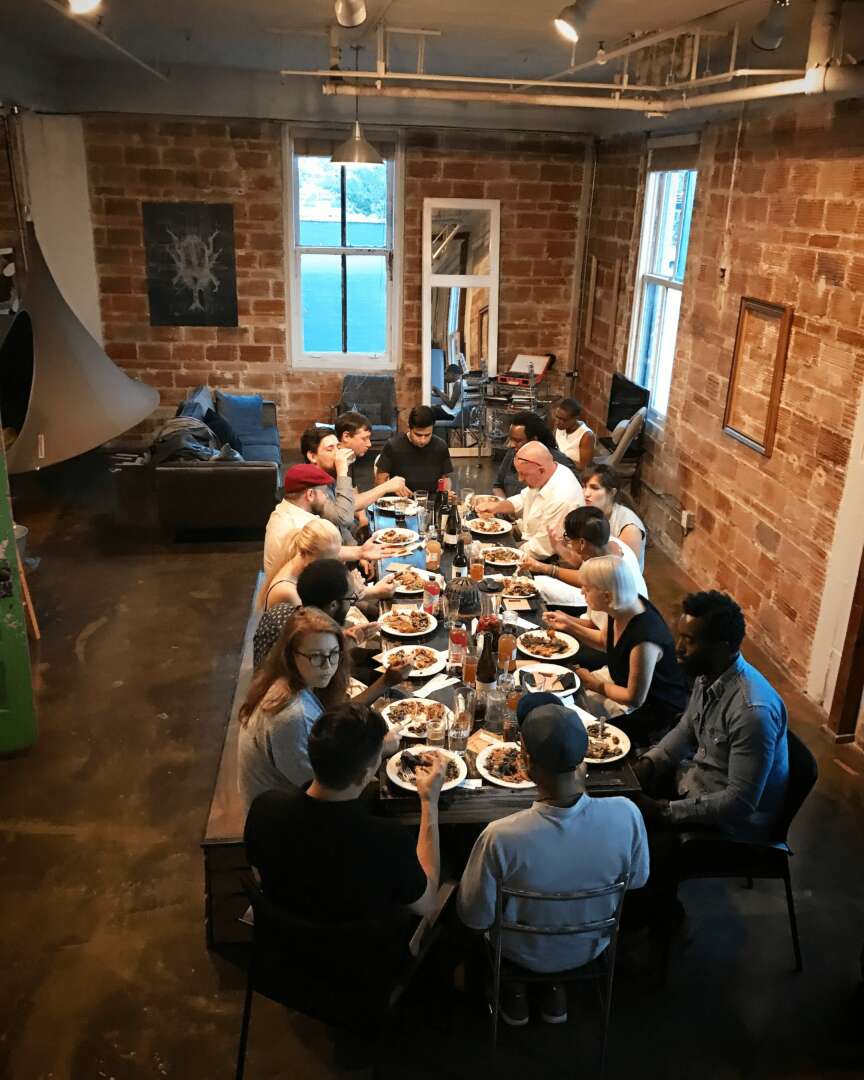
My artistic practice encompasses socially engaged art installations, large-scale photography, ethnographic films shaped as visual poems, and meticulously designed salon dinners. These experiences serve as rites of passage and healing for communities, fostering hope and joy in transformative ways. With a background in facilitating meaningful interactions across diverse communities, I bring a unique perspective to bridging cultural and social divides through the arts and communal experiences. For the past decade, my salon dinners have brought together individuals from various generations, industries, cultures, and perspectives, creating spaces where dialogue and connection flourish. At these tables, guests are encouraged to share not what they do, but who they are and why they exist, weaving together separate histories and cultures into a collective narrative—a living testament to our shared humanity and the legacies that shape our future.
Let’s talk about resilience next – do you have a story you can share with us?
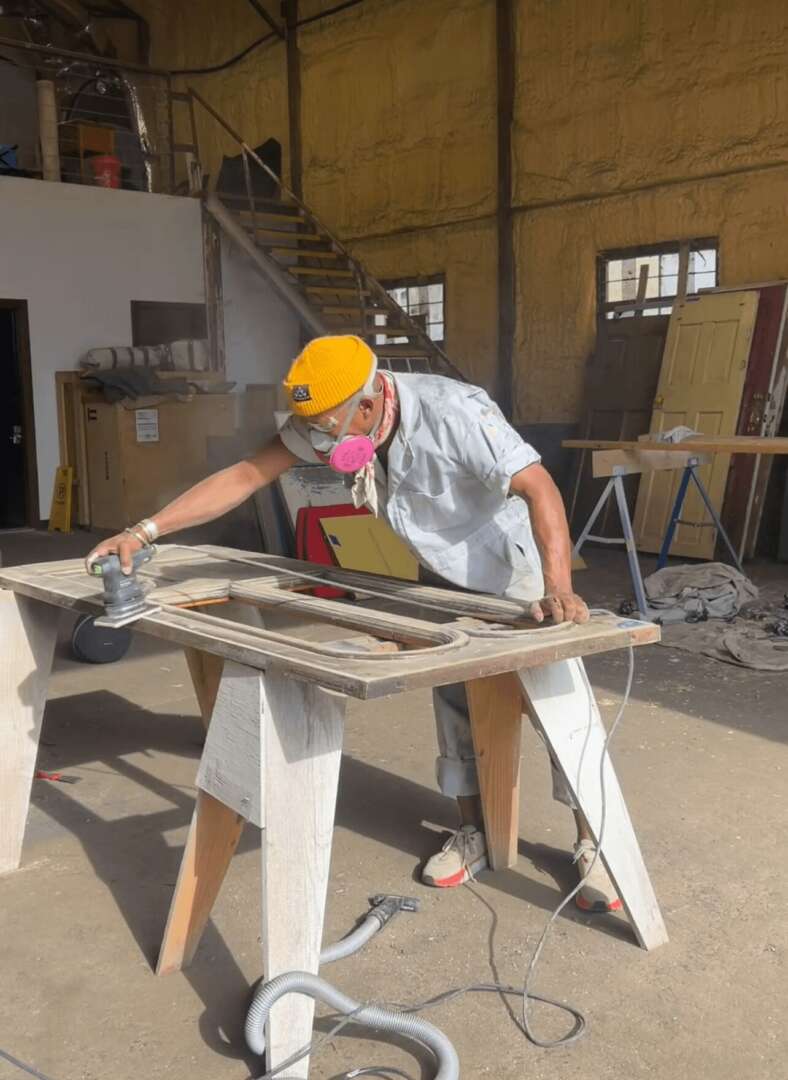
I make tables to make meals as an art practice. Made of reclaimed doors and native wood from the communities I find myself in, I hope to shape tables as social sculpture that makes space for our humanity.
In 2017 I reimagined my relationship with my wife (got divorced), and it was traumatic. My daughter’s pain, my disappointment, and our family’s shame loomed in the loft I lived in. It was thick like smoke making it hard to see myself. I had lost my family and it was hard to remember who I was without them. I asked friends and fellow mess-makers to help me turn some reclaimed wood from my grandmother’s house in Homer, Louisiana into a long table for traditional salon dinner parties series to unearth beauty from brokenness.
During these gatherings I bring a cross-pollination of 16 people at a time to the table to remember the beauty of being human. It is a renegade anthropological study I am doing about human connection and purpose memory. Original musical composition, rich culinary art, and intentionally designed conversation drives a night of wonder shared by people who are different and share a heart for the city. In this room they can not talk about what they do, only who they are and why they exist.
Contact Info:
- Website: https://www.marlonhall.com
- Instagram: https://www.instagram.com/marlonfhall/
- Facebook: https://www.facebook.com/share/Y76BCNX7Zz1CKUNa/?mibextid=LQQJ4d
- Soundcloud: https://soundcloud.com/marlon-f-hall-podcast
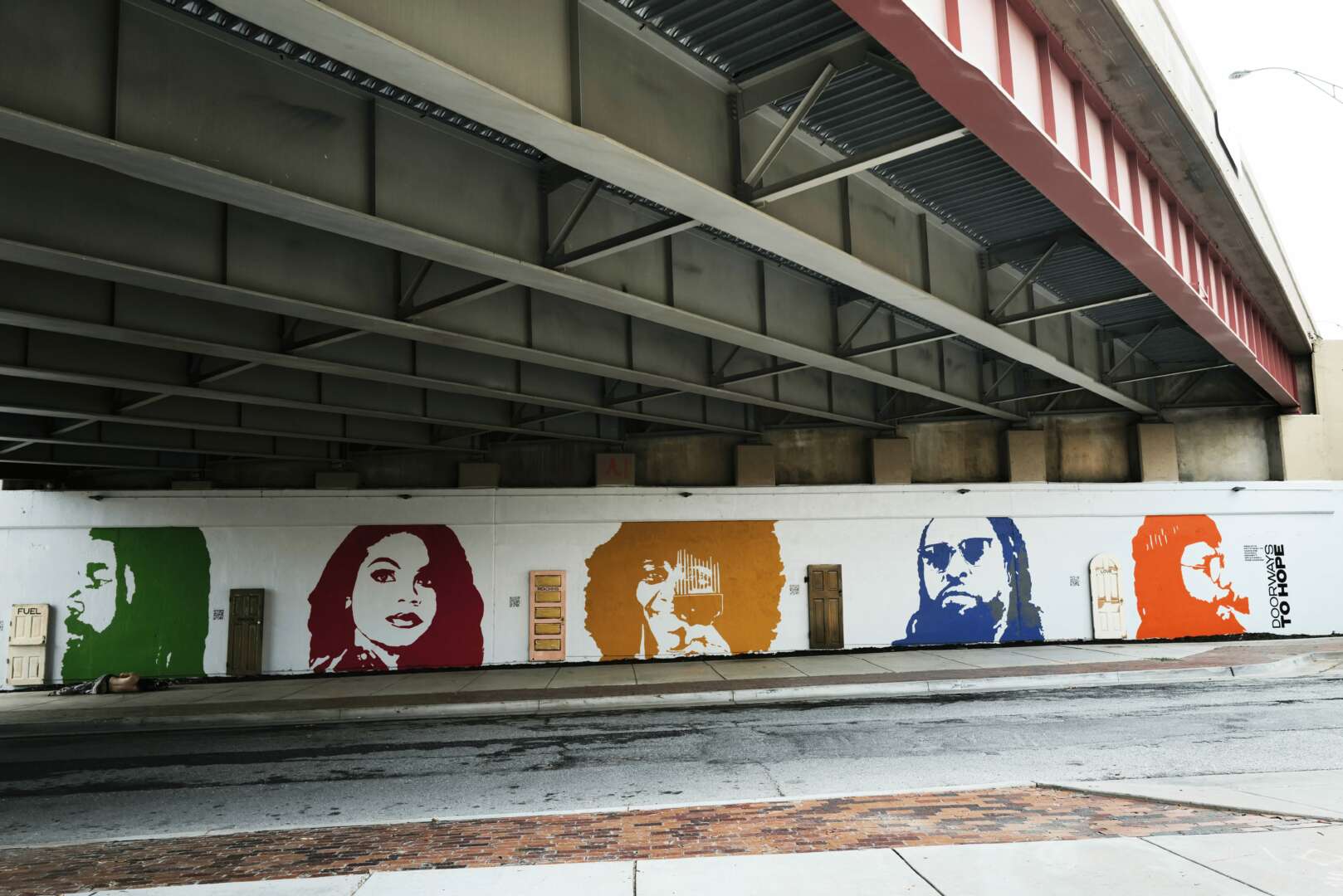
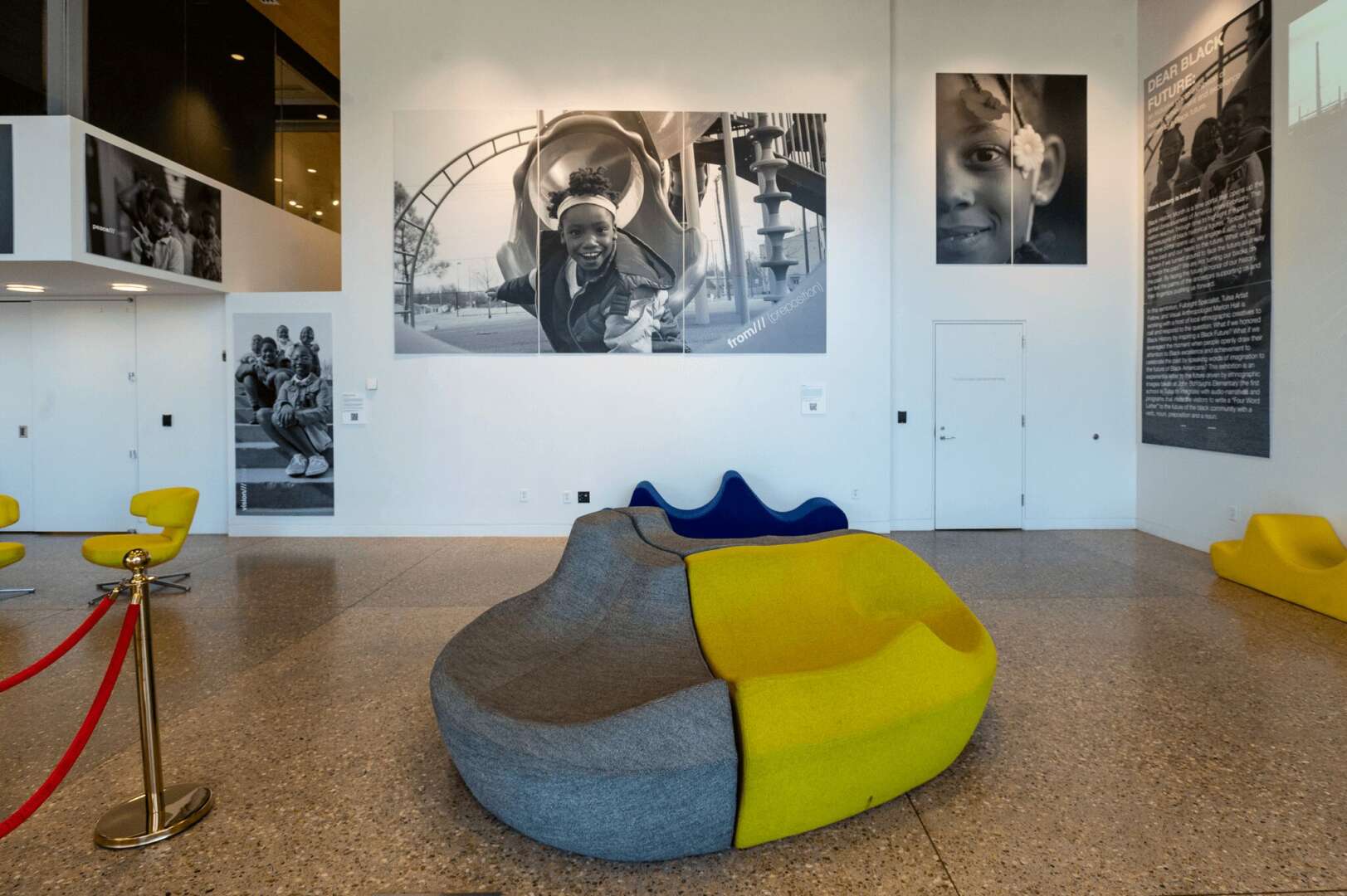
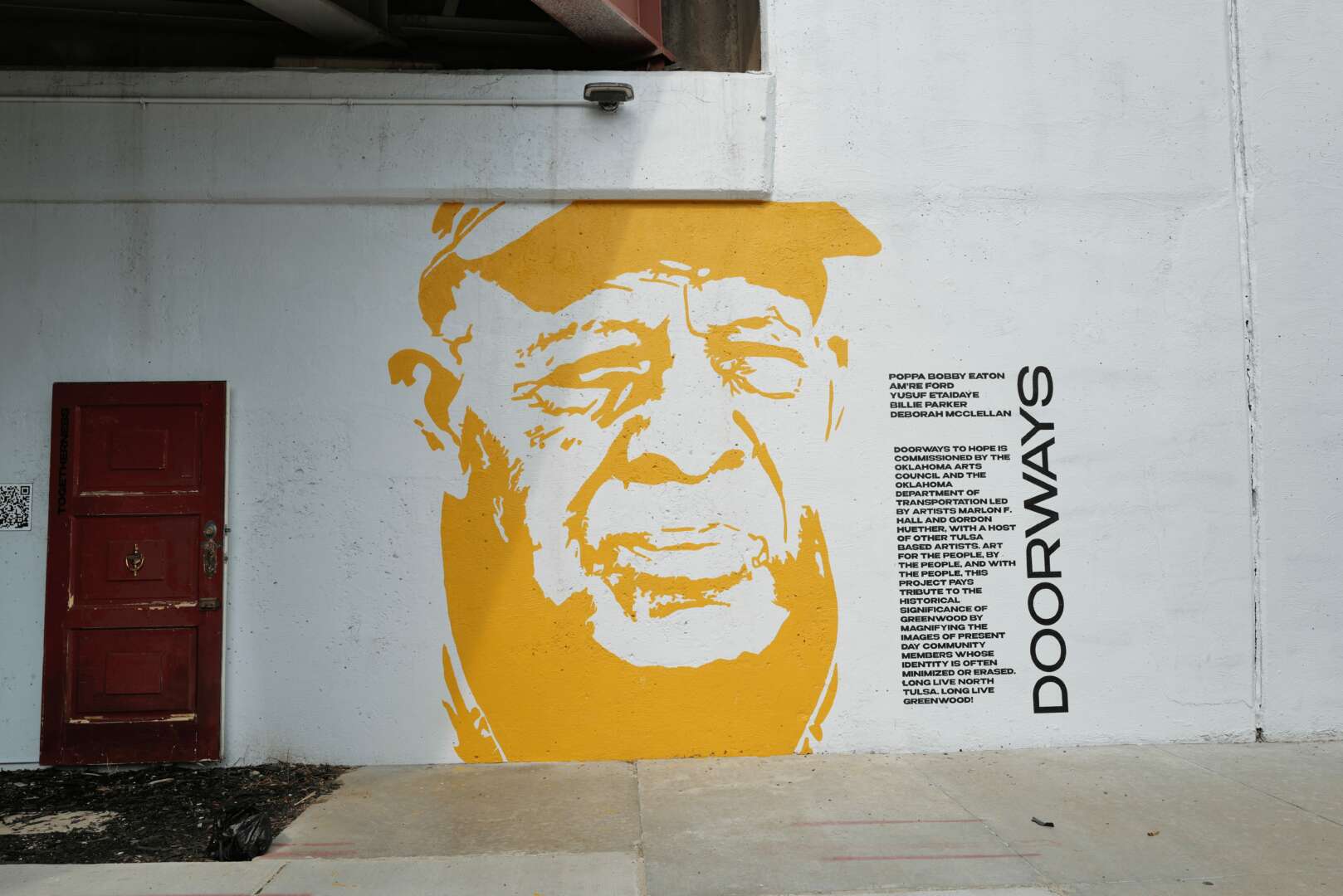
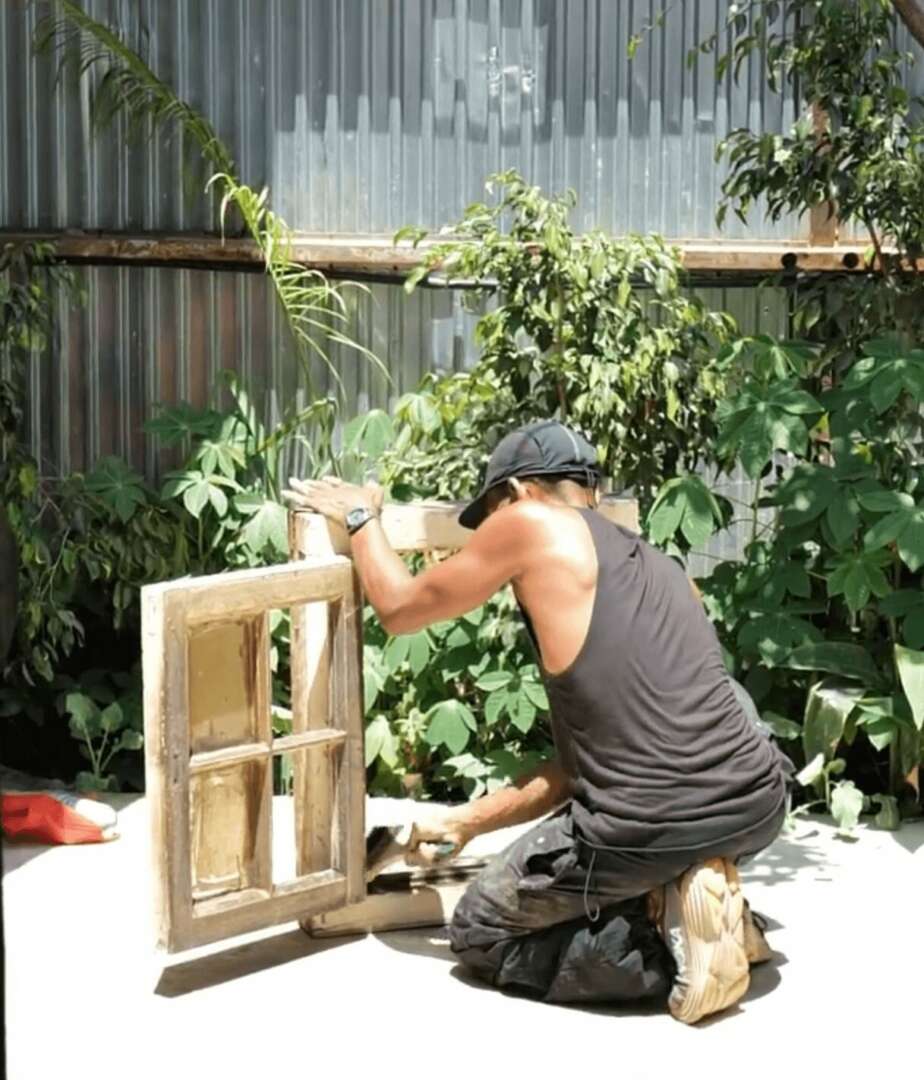
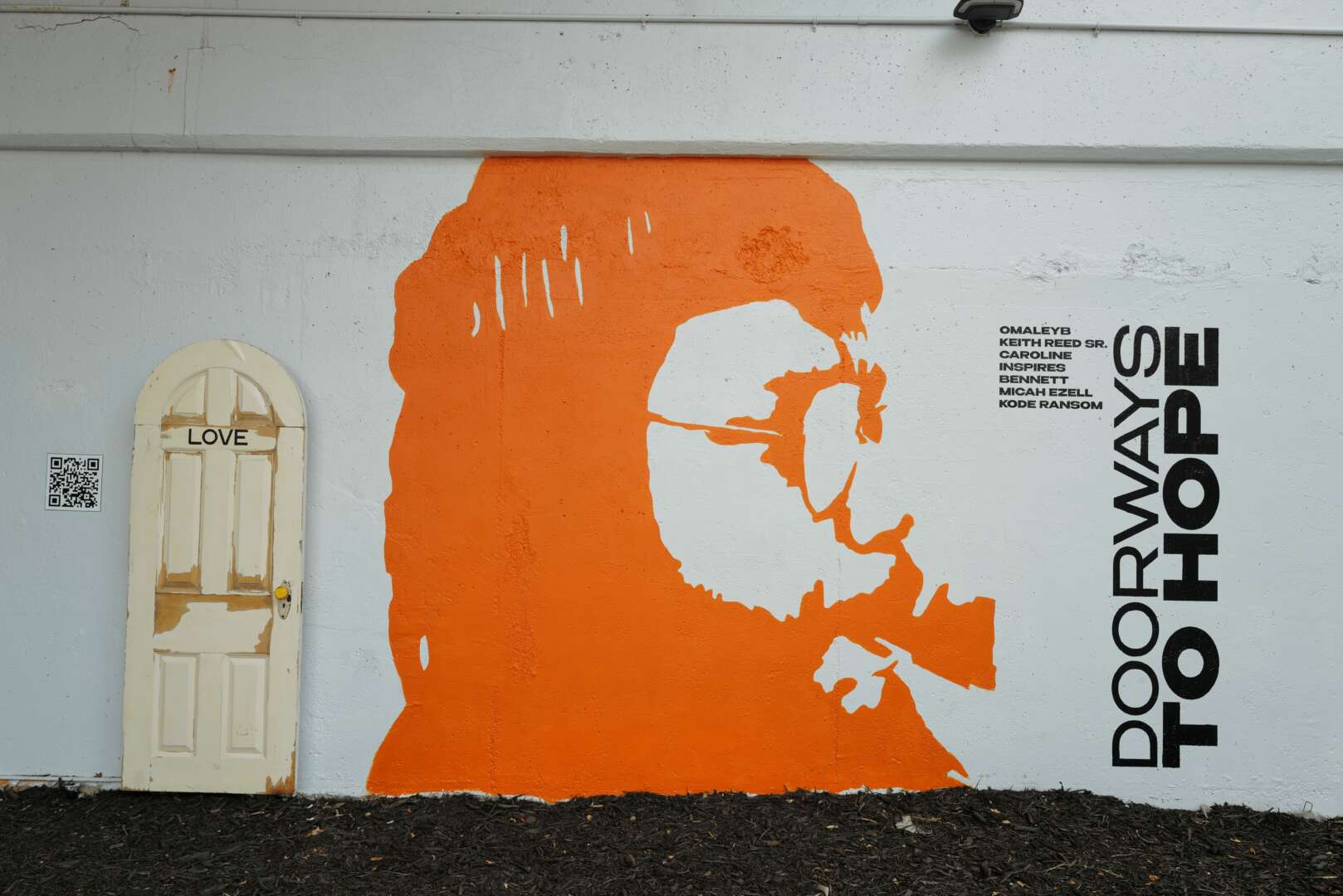
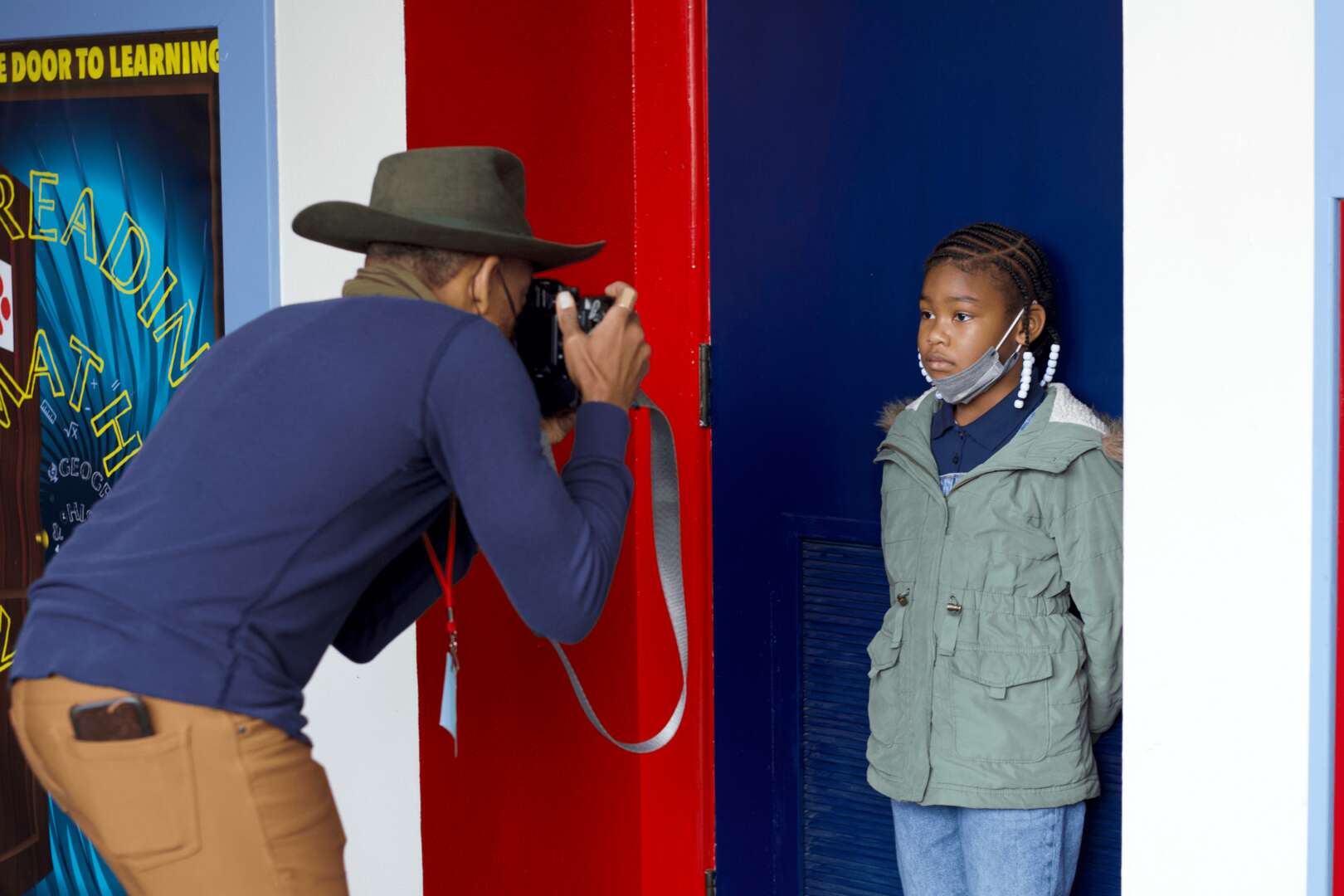
Image Credits
Marlon F. Hall
Erica Stokes
Payton Ruddock