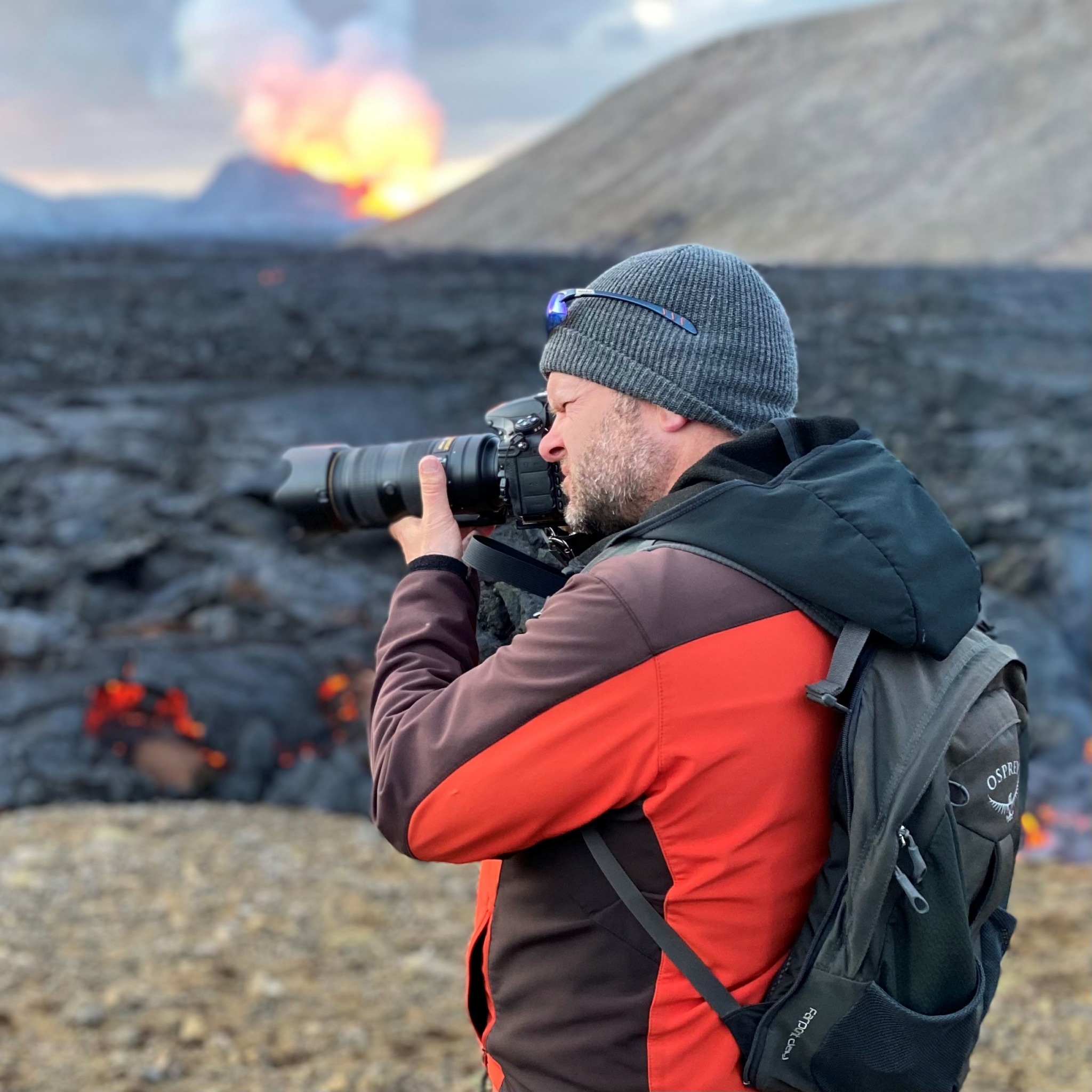

We caught up with the brilliant and insightful Mark Kuhn a few weeks ago and have shared our conversation below.
Hi Mark, thanks for joining us today. We’d love to hear about a project that you’ve worked on that’s meant a lot to you.
The most meaningful project I have worked on has been my role as the Business of Art Director at the Maple Grove Arts Center. I never planned on stepping into leadership there. I came in simply as a photographer hoping to take part in the Business of Art program so I could get my work shown, but I could not get any response from the director of the program. Emails were going unanswered for weeks. Artists rotate locations every quarter, so I needed to know where I was supposed to be, and it was difficult to get a clear answer.
I brought up my frustrations to the center’s director, and her suggestion was, “Well, why don’t you help out?” That suggestion changed everything. For the first few months I shared the role as a co-director but it became clear the previous director did not have the time or energy, so I took on the position fully. I went from wanting to have my work shown to helping build a system that made sure all artists could be seen.
The part of the job that means the most to me is recruiting new artists. We get plenty of people who apply to the program, but I also go out of my way to find artists at our gallery shows who bring something unique or underrepresented. I invite them in. Some of our most successful artists came from those conversations. That is a point of pride for me.
The moment I knew the work mattered came early on with an artist who lived full-time at a regional treatment center. He could not leave the facility, so his family would set up his artwork for him. His art was incredibly well received. He even received a commission. To help someone with that level of limitation feel seen, valued, and successful was powerful. It made me realize that art programs can change lives in ways you do not always expect.
Being part of this community has also shaped my own creative career. I became a photographer through a love of travel, architecture, and wildlife. I am drawn to color and detail. But volunteering at the art center connected me to a wider community of artists and entrepreneurs. It encouraged me to push further into the business side of art, not just the creative side. I am now building an art rental business inspired by the program at the center. The goal is to bring rotating artwork from myself and other artists into businesses that want art but prefer flexibility.
I never expected to serve in this role, but it has become one of the most meaningful parts of my creative journey. It has shown me how much impact a single opportunity can have and how important it is for artists to lift each other up.
Mark, before we move on to more of these sorts of questions, can you take some time to bring our readers up to speed on you and what you do?
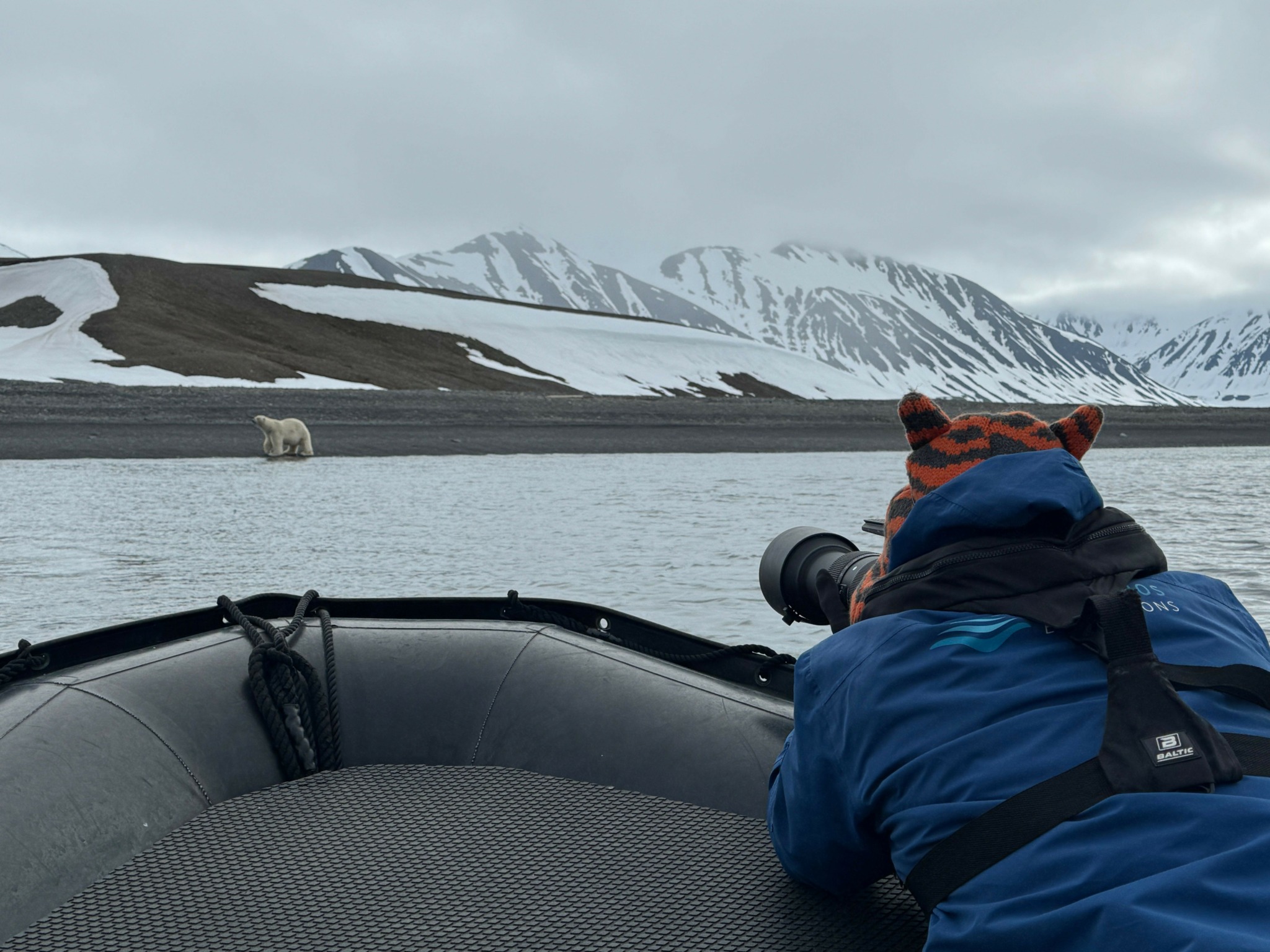
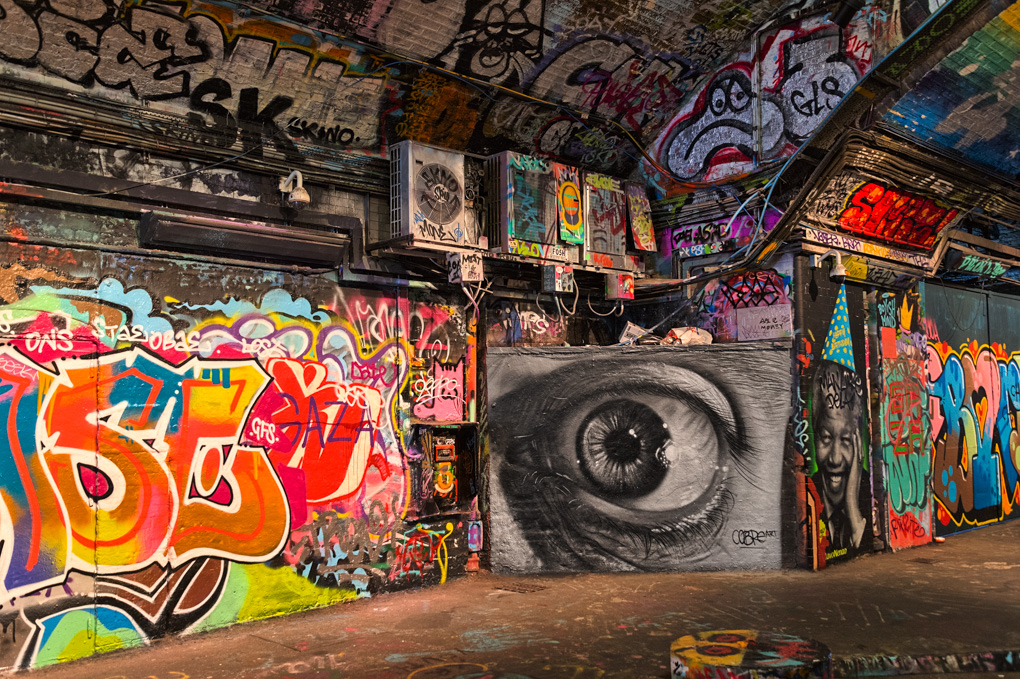
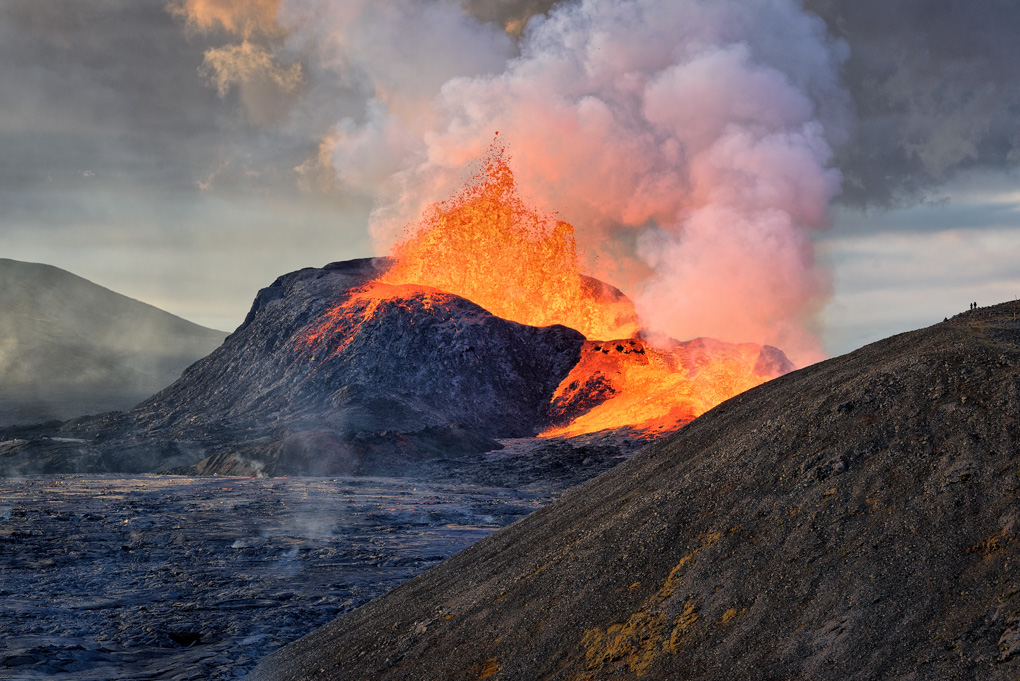
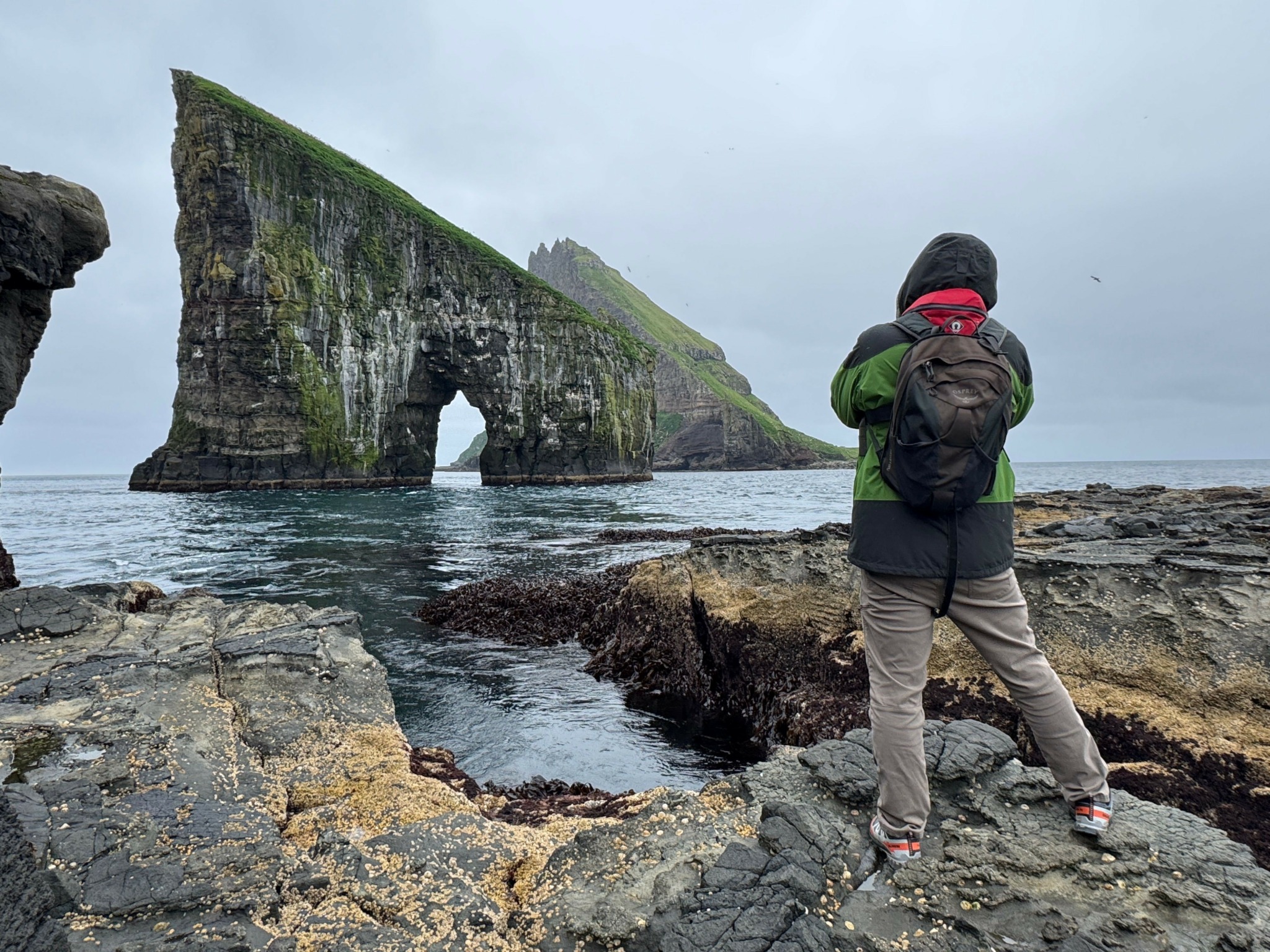
I am a travel, architectural, and wildlife photographer who loves color, detail, and the small moments that tell a much larger story. Photography has always been a way for me to slow down, notice details most people overlook, and view the world from a perspective that is not always obvious at first glance. That curiosity has shaped a body of work that includes everything from polar bears in Svalbard to the intricate ceilings of European cathedrals. Much of my work comes from my travels, and my style is rooted in finding unexpected angles and moments that reveal something new about a place.
I have had a passion for photography since I was young. I started on my dad’s old Nikon DSLR film camera and spent hours taking photos of nature and anything that caught my eye around our house. That love of photography continued through high school and college classes, but I did not fully step into it until much later. After my father passed away in 2014, I felt a strong pull to make a change. I had been in IT for almost twenty years and realized I wanted a different path, one that connected more closely to creativity and meaning. That led me back to school for photography and eventually into building a full creative career.
Today I run Wanderlust Photography, where I create fine art prints, show my work at art fairs, and share behind the scenes stories through our newsletter, Wanderlust in Focus, which my wife and I write together. I also work professionally as a 3D Capture Artist specializing in photogrammetry, which has sharpened my eye for geometry, detail, and precision. It all comes together in the way I compose my images and the subjects I seek out.
What I offer people who connect with my work is more than a photograph. I provide images that transform spaces through color, emotion, and perspective. People who connect with my work often tell me it gives them a sense of escape and curiosity. With my upcoming art rental business, I want to bring accessible, rotating artwork to businesses that want beauty and flexibility without the pressure of committing to a single permanent piece. Art should feel alive and change with the seasons, the space, and the people who experience it.
What sets me apart is the combination of artistic passion and community engagement. In addition to my own creative work, I serve as the Business of Art Director at the Maple Grove Arts Center where I help other artists find opportunities, build confidence, and get their work seen. That involvement has shaped my entrepreneurial spirit and has become as meaningful to me as creating my own images.
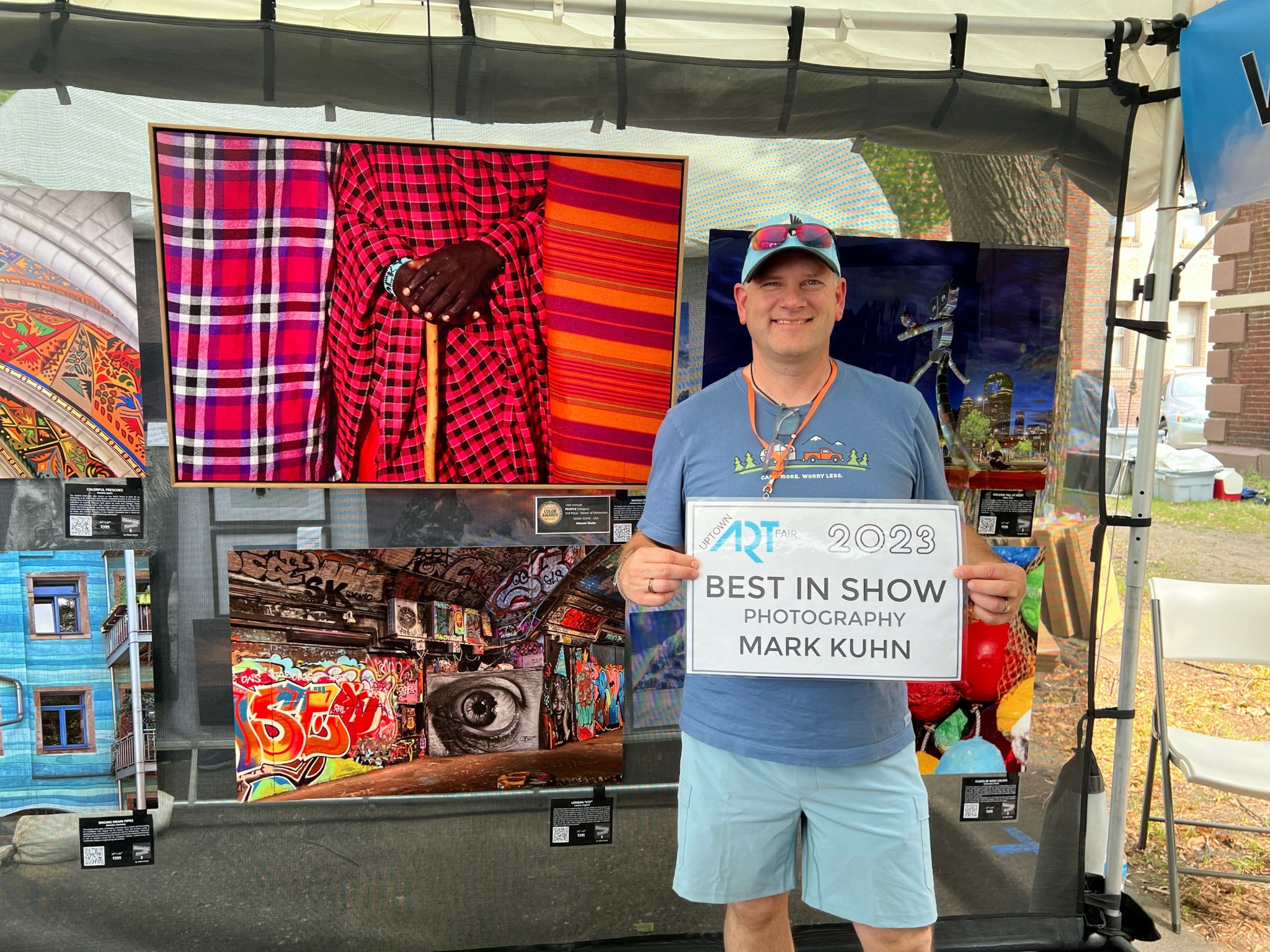
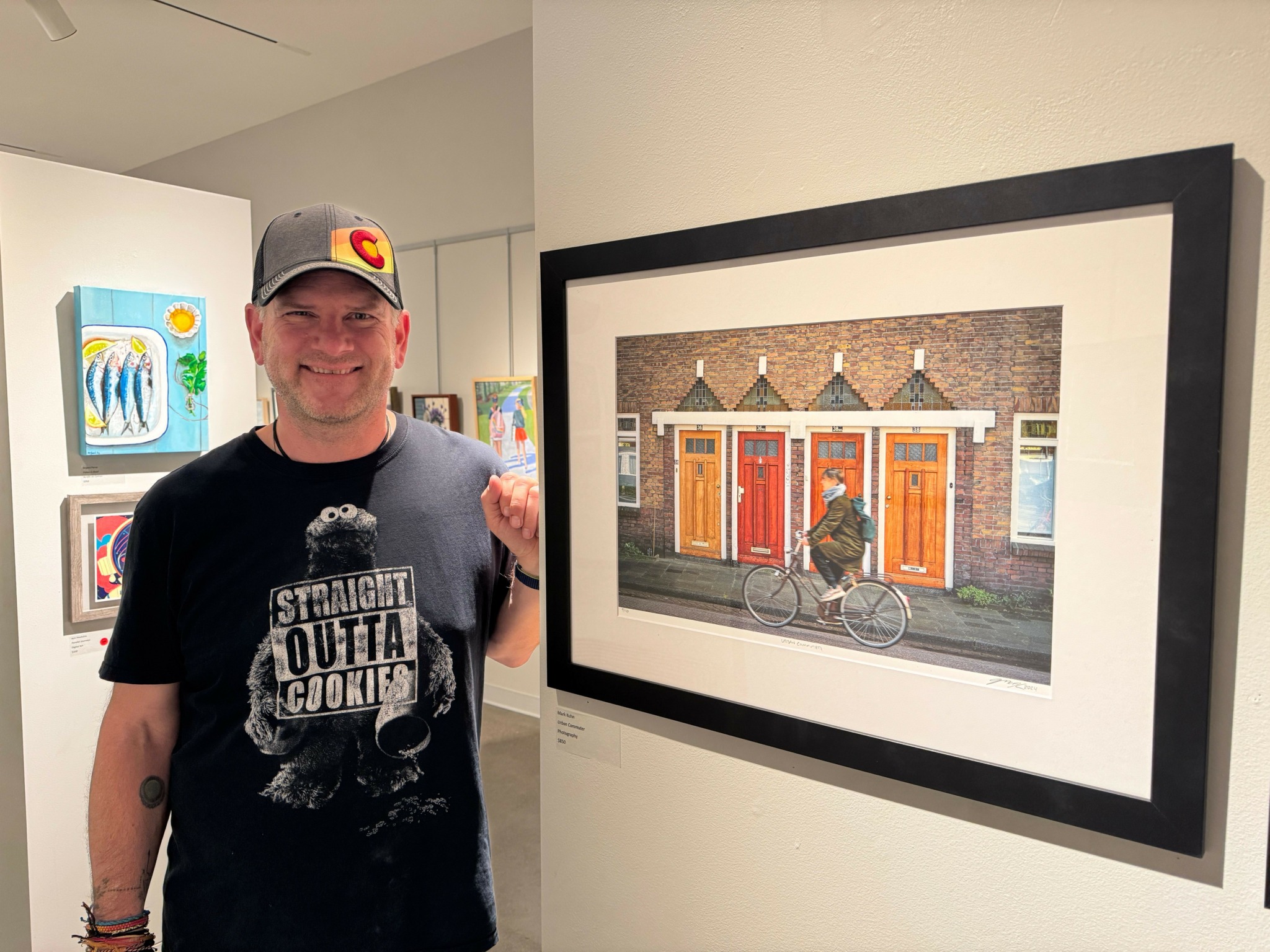
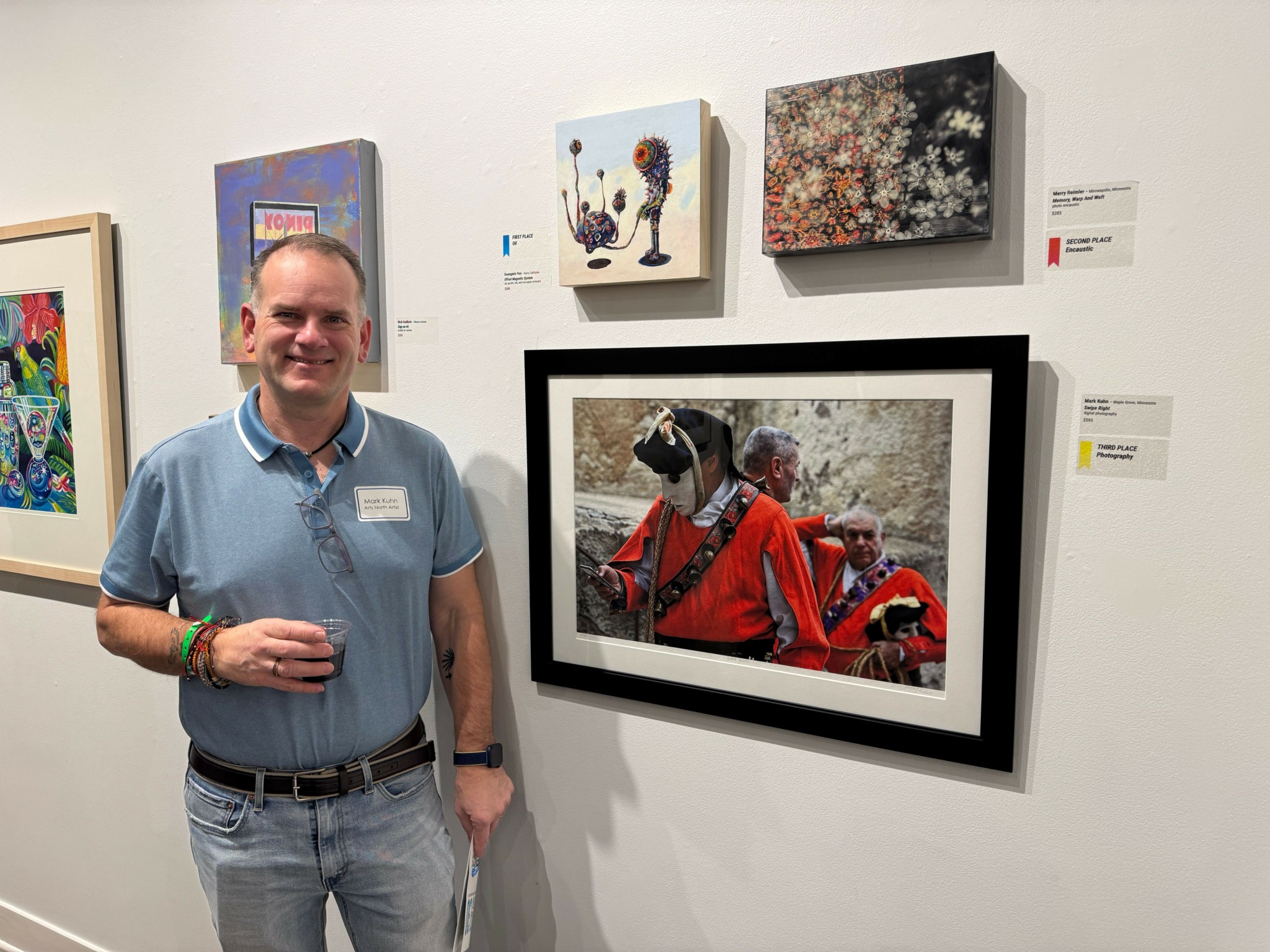
I am proud of the awards I have received at art fairs and international competitions, but what matters most to me is connection. I want people who follow my work to look closer, notice beauty in unexpected places, and feel something when they view my images. I also hope my work encourages people to see more of the world, to travel, and to explore. Whether it is through my fine art prints, my art booth, our newsletter, or the art rental program I am building, everything I create comes from that same place of curiosity and wonder.
Can you tell us about a time you’ve had to pivot?
The biggest pivot in my life happened in 2014 after my father passed away. I had been in IT for almost twenty years. It was stable, familiar, and it paid the bills, but it never felt like something that connected with who I was creatively. Photography had always been a part of my life. I grew up using my dad’s old Nikon DSLR film camera, spent time in photography classes in high school and college, and always carried that interest with me, but I never gave myself the space to pursue it seriously.
Losing my dad changed everything. It made me reevaluate the path I was on and think about how short and unpredictable life really is. I realized that if I did not make a change then, I might never do it. In 2015, I decided to go back to school for photography. It was a big step later in life, and I continued working in IT while taking classes, but it felt like the first real move toward a path that meant something to me.
My pivot did not happen overnight. It took a couple years to complete my degree, and it was not until after I graduated that I was finally able to make the leap from IT to photography. One of the key turning points during that time came from an assignment where I had to shadow professional photographers. That assignment led me to discover that the company I worked for had a large photo studio I had never known existed. Through my internship class, I was able to work directly with different photo teams each week, and after the first few weeks I discovered the Photogrammetry team and I was hooked. The blend of technology, detail, and visual problem-solving was a natural fit for me and opened the door for me to transition into a creative role within the same company.
That pivot led to everything that followed: building Wanderlust Photography, showing my work at art fairs, and eventually becoming a 3D Capture Artist specializing in photogrammetry. Having a booth of my own was something I had dreamed about for years before entering the field. I used to walk through local art fairs imagining the day I would have a fine art booth of my own and share my work with people. It also opened the door to my work with the Maple Grove Arts Center, where I now serve as the Business of Art Director and help other artists get their work seen. None of that would have happened if I had stayed on the path I was on before.
Looking back, the pivot was the hardest decision I have ever made, and it continues to influence the way I approach opportunities and change in my life, but it was also the most important. It allowed me to step into a life that feels authentic, creative, and connected to something I care deeply about. It taught me that change does not have to happen all at once, and that sometimes the most meaningful pivots are the ones that grow slowly but end up shaping everything.
Do you think there is something that non-creatives might struggle to understand about your journey as a creative? Maybe you can shed some light?
One thing I think non-creatives sometimes struggle to understand is just how much work happens behind the scenes and how personal the creative process really is. A single photograph may look simple when someone sees it on a wall or in a booth, but there is so much time, planning, travel, patience, and technical skill behind every image. There are early mornings, long hikes, bad weather, missed shots, and repeat visits to get the moment right. There is also a lot of time spent editing, printing, framing, transporting work to shows, and setting up and taking down booths. The creative part is only one piece of a much larger effort that people rarely see.
There is also a level of vulnerability that comes with sharing your work in public. Every image I put out there represents something I cared enough to capture. When you create something from your own perspective, it becomes personal, and showing it to the world can be both exciting and a little scary. You hope people connect with it, but you also know not everyone will. When you hang your work on a wall in a gallery or display it in an art booth, you are inviting people into the way you see the world, and that takes a certain amount of courage.
I think those two pieces together are what many non-creatives may not fully realize. Creating art is both physical and emotional. It is work that requires skill, persistence, and patience, but it is also deeply personal. When someone appreciates an image or tells me it made them feel something or inspired them to look at a place differently, it means more than they might know, because they are responding to something that took time, intention, and a part of myself to create.
Contact Info:
- Website: https://www.wanderlustphotography.photos/
- Instagram: @wanderlustphotosmn
- Linkedin: https://www.linkedin.com/in/mark-kuhn-86600212/
- Other: Substack – https://wanderlustinfocus.substack.com/