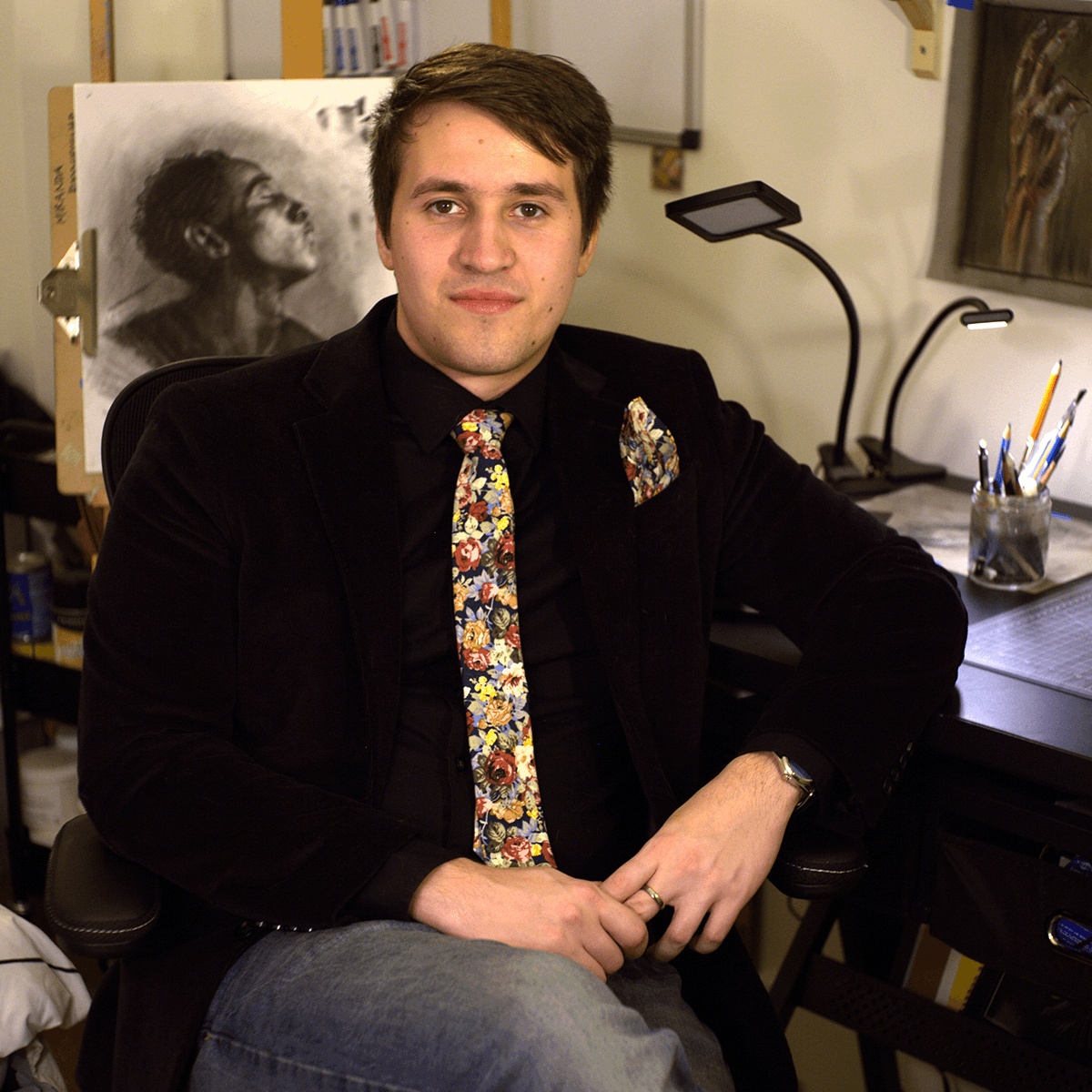

We were lucky to catch up with Mark Ivachtchenko recently and have shared our conversation below.
Mark, thanks for taking the time to share your stories with us today What were some of the most unexpected problems you’ve faced in your career and how did you resolve those issues?
I fell in love with art from a young age with the support of my brother and two cousins. My admission into two specialized arts programs at NYC public schools continued to bolster my confidence and taught me critical skills about my craft.
Despite early support, my artistic journey was not an easy one. The seriousness of the art programs I was in put a lot of pressure on me, especially when I began considering art as a career choice. On top of that, I had to please a Ukrainian mother who yearned for perfection in her children. As a result, perfectionism and self-doubt grew into two large obstacles I began to contend with on a daily basis. I put so much pressure on myself to succeed that I failed to contribute even one piece of work to my senior-year art show; what was supposed to be the culmination of all my work in the program. Embarrassment doesn’t even come close to explaining how I felt the night of the show.
At University, I was lucky to have advisors who supported me and set up weekly meetings to track my progress, something I lacked in public school. Unfortunately, the perfectionism already imprinted on me and the competitive nature of the school was a death sentence for my art. Striving for perfection had always made me a strong student, however, things were different when college meant making art around the clock. I fell behind, failed classes, and barely made it to graduation. The most embarrassing day of my life was the day I had to meet with my advisors to answer, “…if this is really what you want to do?”
As an adult, I have been coming to terms with my relationship to art, exploring the ways it became strained when I was younger. I practiced setting realistic goals and expectations. I became better at taking breaks. I stopped judging myself when I simply didn’t want to make art that day. Most importantly, I embraced the fact the creative process is far from perfect — it can be discouraging, boring, and frustrating at times but also highly rewarding and fulfilling at others. Everything is a balance and creating the one that works for you is crucial. These new boundaries have been incredibly healing to my younger self. They allow me to focus on the art-making process instead of the quality of the final product. By putting myself first, I’ve been able to consistently create more art over the last few years than ever before and found a group of creatives to share it with.
My struggle has also given me the perspective needed to offer resources and advice to others — When I worked at a local art store, I was giving it out left and right! I’ve had the chance to meet many young people who were showing the classic symptoms of perfectionism and I’ve seen children break down crying while hunched over their project, lamenting their failure. Witnessing just how young the need to succeed starts in children really struck me. I always try to offer advice whenever appropriate in these scenarios. I remind everyone to take care of themselves, avoid self judgement, and understand that failure is a necessary part of growth. We have a long way to go in order to quell the toxic work culture imbedded in our society but it gives me hope when I play my part. I dream of the complete destigmatization of mental illness and more mental health resources offered in public schools for younger generations, especially with therapists or guidance counselors who specialize in the arts. It would have made a world of difference to me had I had that kind of help when I was younger.
Mark, before we move on to more of these sorts of questions, can you take some time to bring our readers up to speed on you and what you do?
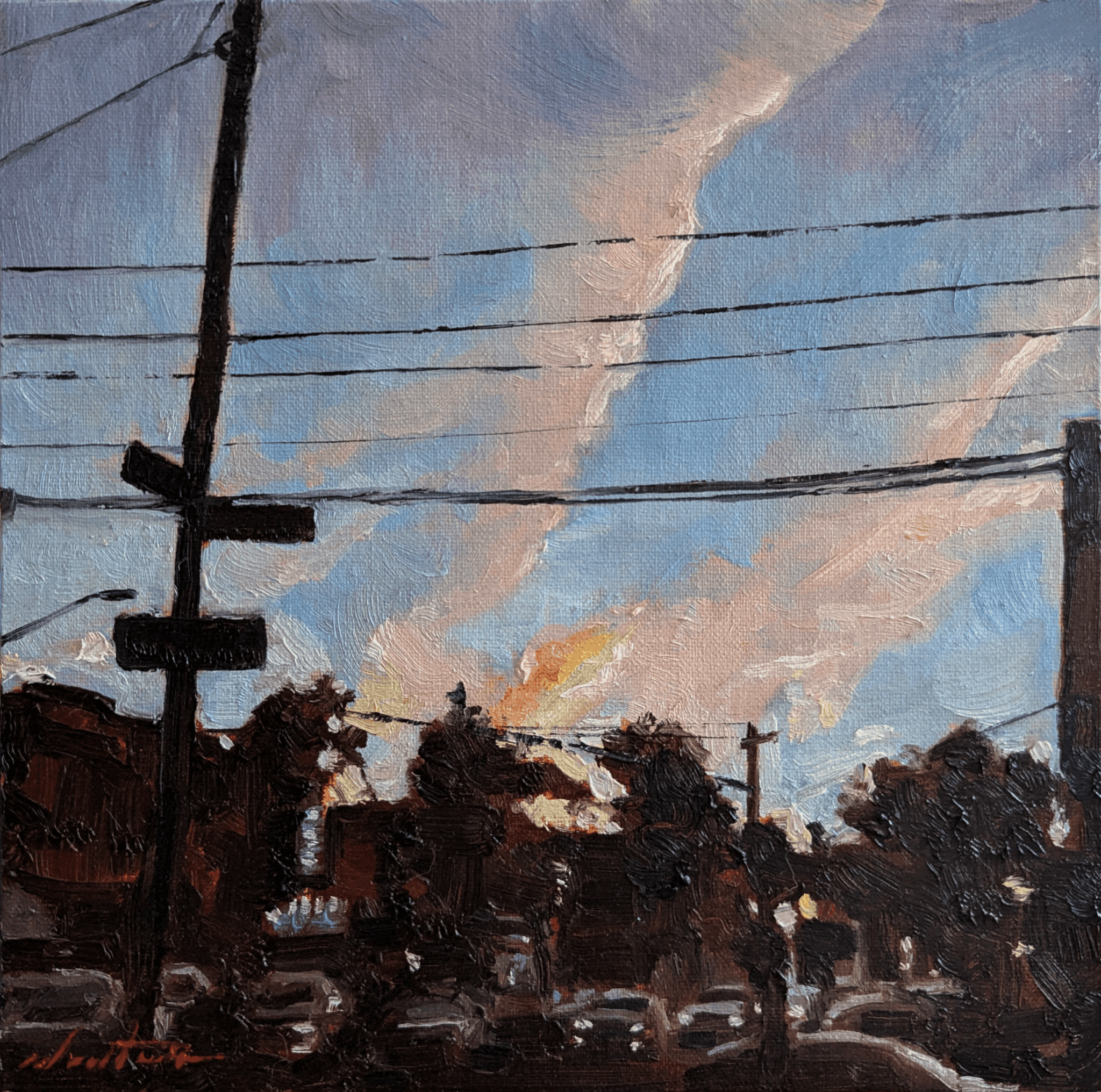
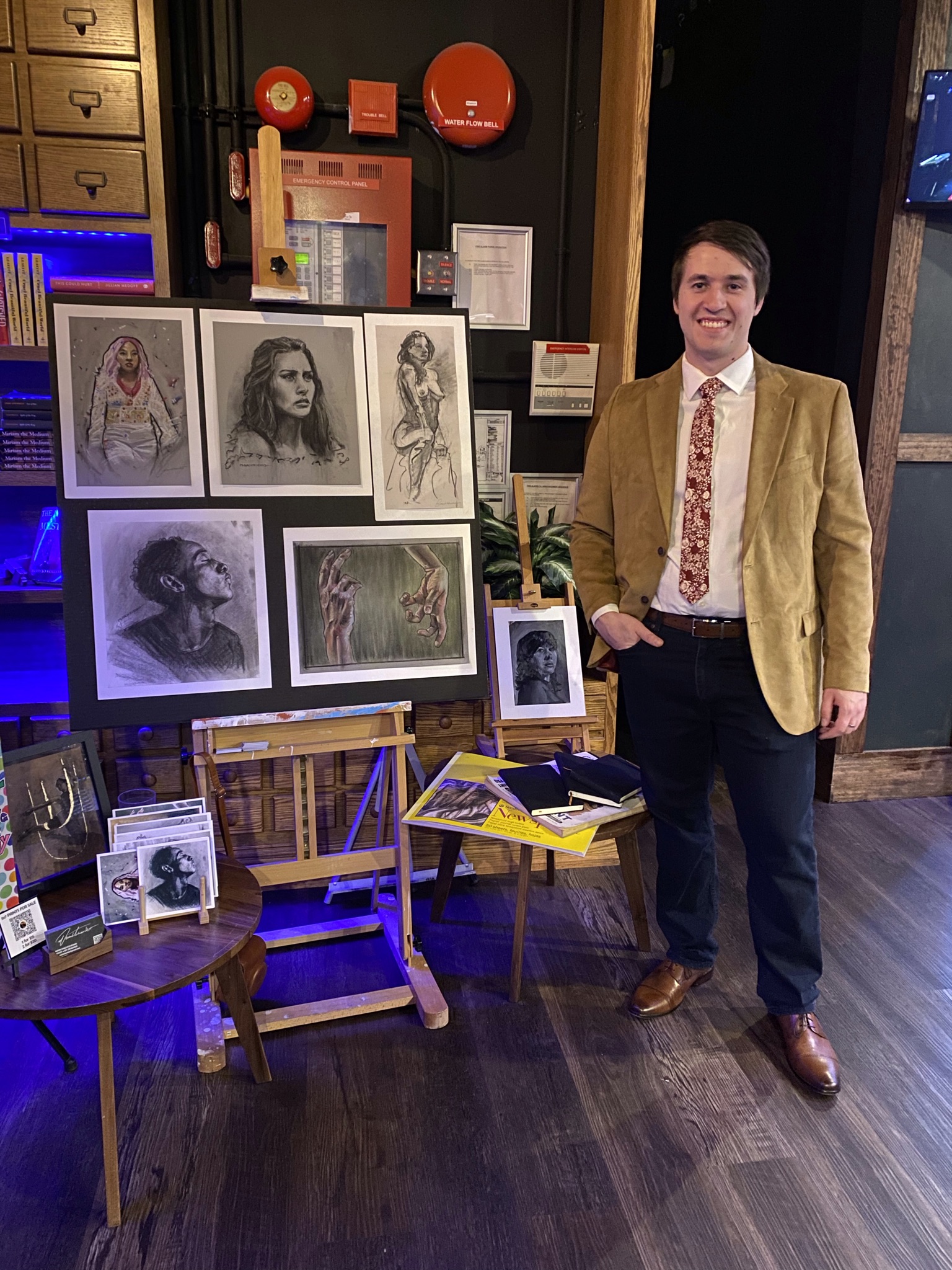
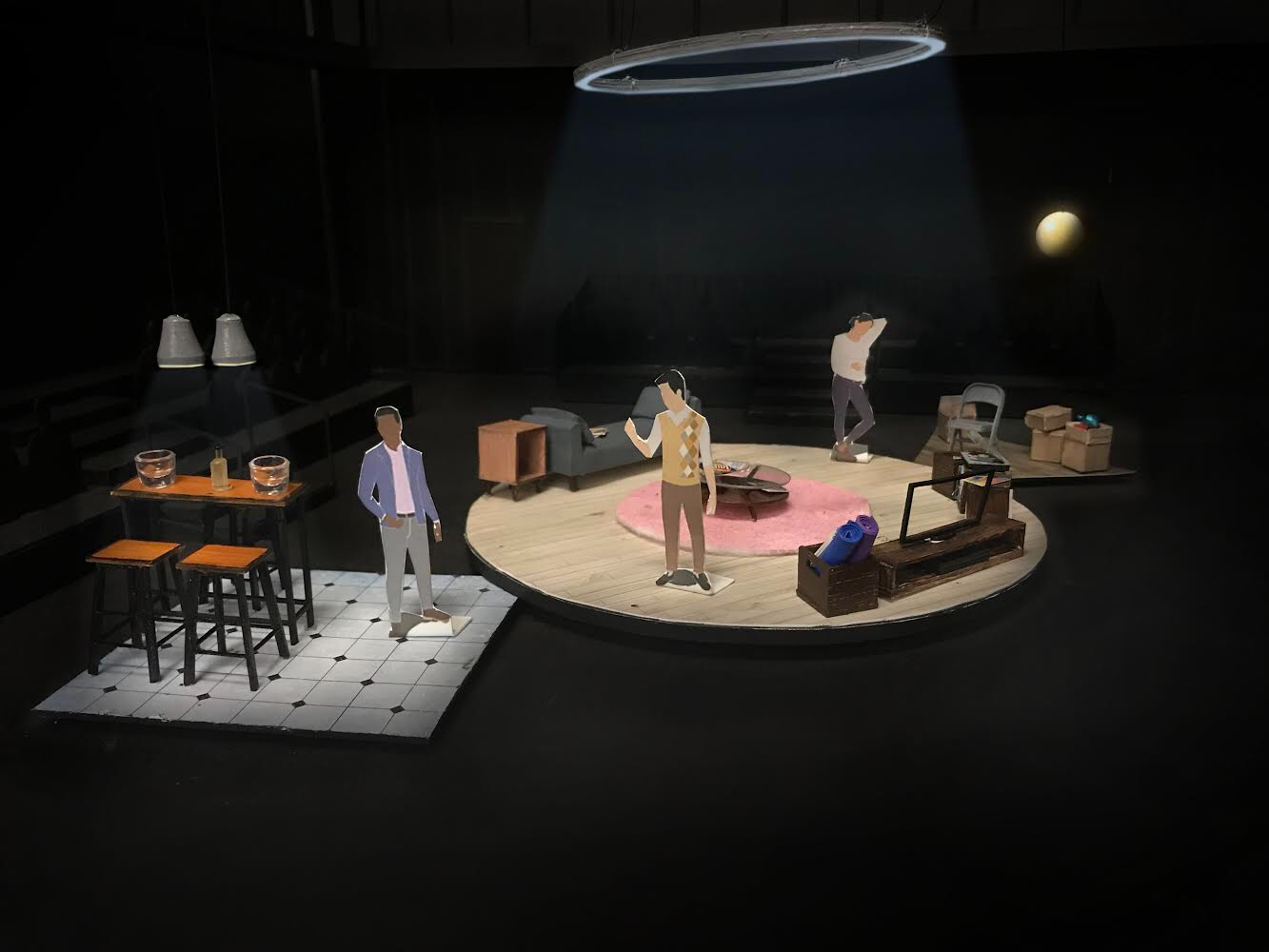
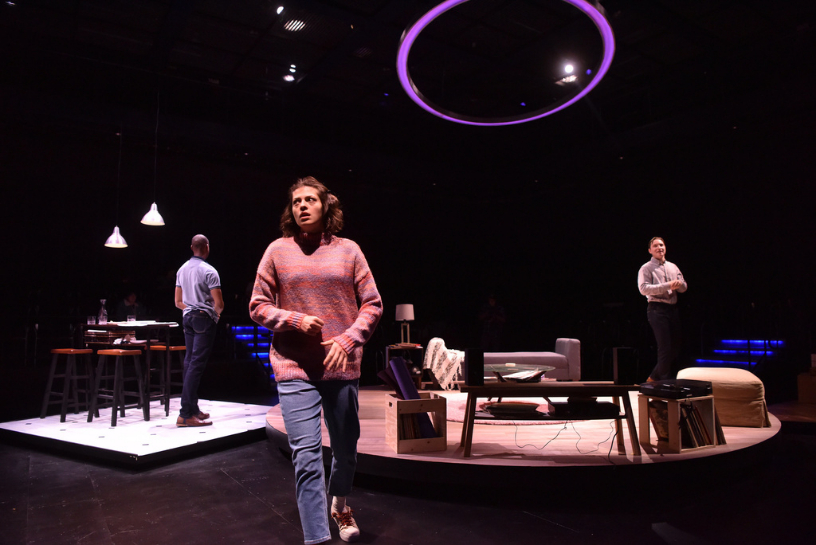
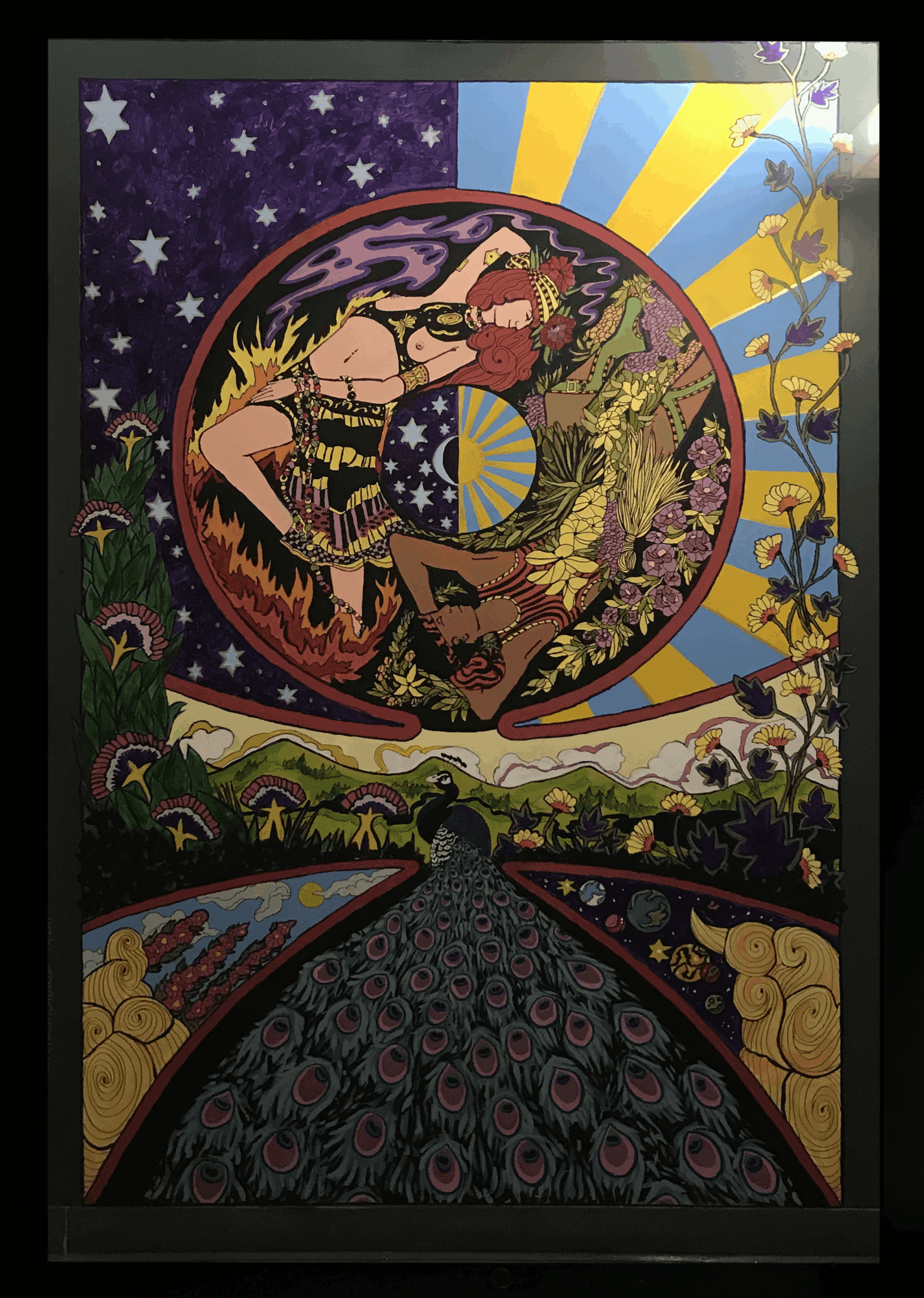
I am a visual artist and set designer from Brooklyn, NY. I work primarily in charcoal, graphite, gouache, and oil paint with a focus on representational figurative, landscape, and cityscape work. I’ve been drawing and painting my whole life and naturally fell into set design when I was exposed to it in high school. I consider it the perfect link between my visual art background and love for theater.
Having lived almost my entire life in NYC, I love to witness snapshots of beauty in mundane city life and the interweaving of cultures across the five boroughs. I want my art to convey those moments — commuters in golden sunlight, humble fall days in the city, how different communities pass the time, and how I, as a Ukrainian-American, fit into this tapestry. I’ve been increasingly inspired by the shifting political tides across the country and how I can explore the question of class and socio-economic injustice in my work.
I’m most proud of my ability to adapt. I’ve had a challenging art career with plenty of highs and lows. It’s never effortless to create but becomes easier through exposure and listening to bodily cues. I’m young, but I’ve had the opportunity to work across multiple industries, many of which had toxic work environments. I’m proud of my ability to learn from these experiences, analyze them, and adjust in order to put myself first without letting it adversely affect my creativity. My goal is to take action from these learned experiences in order to guide others, especially younger generations, with this understanding so they can avoid burn out. I believe we undervalue our artists and our workers so I am a strong supporter of unions and fighting for healthier work environments. The kind where we can thrive and don’t need to give up on our passions in order to pay the rent or put food on the table. I want to help others see the true value of creating art, at a time when we need it more than ever, because I believe everyone is an artist at heart.
How can we best help foster a strong, supportive environment for artists and creatives?
The obvious answer is to support your local artists and small businesses by buying more hand-made objects instead of mass produced goods. The less obvious answer is to fight for legislation that provides artists with a better quality of life, increases funding for the arts, and gives back to your community. I believe an overall shift in mentality on how we view artists to avoid underpaying or underappreciating them is necessary as well. Virtually every human-made item you use or interact with on a daily basis was made by an artist and I think a lot of people take that for granted.
This is exacerbated by the US approach of private arts funding as opposed to public funding and the toxic actions of the current presidential administration. Private funding is often geographically concentrated and focused on financial gain. In contrast, Public funding supports underserved communities and intends to have a positive social impact.
I think we can look to European nations as a strong example for how to restructure our mentality on arts & culture.
For example, this month, Ireland has made their basic income for artists program permanent. This will give $1,500/month in salary to 2,000 selected artists. In France, 18-year-olds become eligible for a €300 government-funded culture pass, to spend on various cultural activities like museum and cinema tickets, books, and art materials. Germany in particular has very high public arts funding, especially in orchestra and opera. The country is 28 times smaller than the USA but has 4 times as many performances.
Meanwhile, the National Endowment for the Arts (NEA), the federal agency that funds and supports the arts in the US, accounts for 0.003% of the 2024 federal budget. Let the scale of that infinitesimal number really sink in. On top of that, the current administration has cut over a hundred grants promised to artistic organizations across the country; Trump being the first president in US history to attempt completely defunding the NEA twice.
I strongly believe we need an increase in public arts funding on all levels, and grants that award funds, not just for the direct creation of work, but for subsidizing artists’ living expenses to allow them the financial security to create said work. Through affordability, changes in taxation, funding the arts, giving back to our communities, and shifting how we view art culturally, we can curb systemic problems like gentrification, the underappreciation of artists, and lack of access to mental health resources. Instead, encouraging our society to be more diverse, intellectual, healing, and understanding.
Are there any resources you wish you knew about earlier in your creative journey?
I have too many to list and am always finding more. The ones listed below have been the most valuable throughout my life. There are resources for artists all around you if you know where to look. And if there’s not? Then you can be the change for your community!
– Art & Fear by David Bayles and Ted Orland — One of my all-time favorite books. An honest look at why art is made, what holds us back from creating, and why some artists give up.
– The Artist’s Mind — The Creative Lives and Mental Health of Famous Artists — A fairly recent book that I thoroughly enjoyed. It explores the lives of famous artists, living and dead, diving deep into their mental states and how it affected their lives and their work.
– Artmodelbook.com — A huge index of figure drawing programs across every state. If you need to find where to practice drawing from a live model in your area, this is the resource for you!
– Sketchfab.com — 3D models of almost anything you can think of. Great resource for drawing props, vehicles, animals, etc. from multiple angles under different lighting conditions.
– New York Foundation for the Arts (NYFA) — Tons of art listings. Most are in NY state with some being remote or out-of-state. They also offer resources on grant & resume writing.
– Call for Entry (CaFE) — Nationwide art calls accepting work across various mediums and themes. They have a weekly newsletter you can sign up for to stay up to date.
– Artcards.cc — Listings for art events in New York, LA, Miami, San Francisco, Berlin, and London. Find your latest exhibit openings here! A great tool for keeping up with the art scene and finding places to network.
– Arttherapy.org — Index of therapists specializing in art therapy. I was able to find free art therapy classes through a local community org in Pittsburgh which was very helpful for restructuring my relationship with art.
– Al-anon.org — Index of Al-anon meetings around the country for people who have been impacted by another person’s drinking, especially adult children of alcoholic parents.
– The Met & Natural History Museum — Both are pay-what-you-wish for locals and offer an immense amount of inspiration and reference for your work. Many museums around the country have pay-what-you-wish nights. Bonus advice: If you don’t want people to talk to you while drawing in public, sit against a wall and wear headphones!
– Creative Reuse Centers — Notably Materials for the Arts and Big Reuse in NYC. Creative Reuse in Pittsburgh. Rediscover Center in LA. There are lots of these organizations across the country where you can get really cheap materials and tools for your craft, often in bulk.
– Your local library! — Notably the Brooklyn Public Library — Offers quiet and community spaces to work, power tool rentals, and events ranging from portfolio reviews to business resources or lectures. All for FREE. Additionally, you can get free or reduced admission to museums or organizations with your library card (Culture Pass NYC).
– Local art, craft, or gift stores — Many offer events like book readings or art workshops and community spaces for artists.
Contact Info:
- Website: https://allmylinks.com/mivachtchenko
- Instagram: https://www.instagram.com/markivachtchenko/