

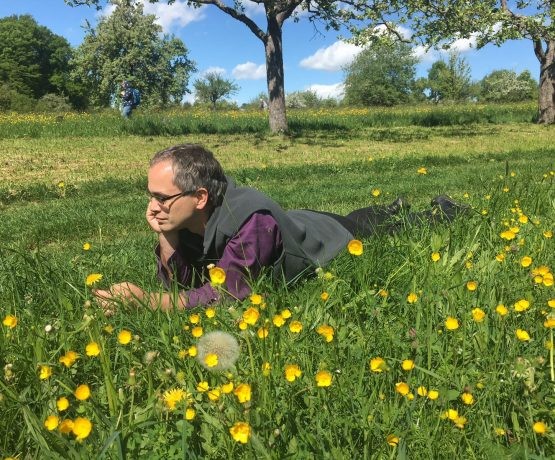

We recently connected with Mark Hancock and have shared our conversation below.
Mark, thanks for taking the time to share your stories with us today We’d love to hear stories from your time in school/training/etc.
I did my 3 year residency in Family Medicine in Albuquerque, New Mexico. It was in many ways the perfect program for me. The hardest part of the entire training was the first 2 months on inpatient wards. We worked in a multi-layered team. There was the team of medical students, the residents and interns, and the attending physicians. I started out so slow and out of place- learning the system took a lot of time for me. I appreciated that the rest of my team was not impatient, but I still felt like I didn’t understand how it all worked. We would start very early in the morning around 5am doing “pre-rounds” where I would gather the vitals, med changes, new orders, overnight report from the nurses, and do an examine and speak with the 3-5 patients I was responsible for. Then, we would all meet with the attending and hear about new admissions and then round on all of our patients. Then we would try to get all the numerous tasks done to take care of everyone. Every third day was my turn to admit patients- and that meant a 30 hour shift. I felt so slow and inept that I really questioned if I was cut out to be a doctor. The medical students were ten times more efficient than I was!
It was in the middle of my 2nd month of inpatient wards that something just clicked- I realized the overall goal of inpatient medicine. I had to plan the patient’s course from even the minute I was hearing about them from the ER doctor. I began enjoying the hardest block of the rotation and I really was grateful to one of the new attendings who was a wonderful teacher- and he also had a quirky sense of humor.
I really enjoyed the hospital- it was all about teamwork- there were people who were could help sort out really tough and complicated problems- and it was my job to coordinate that smoothly.
I was eventually elected chief my third year and went on to work as a hospitalist! I remember carrying over 30 patients and thinking back to when I could not even carry 3 patients.
Another anecdote is from the training in Anthroposophic integrative medicine I did in Stuttgart Germany at the Filderklinik. I was so impressed seeing a public hospital that had the nuts and bolts of conventional medicine, but also had integrative elements like movement therapy, painting therapy, music therapy, as well as nurses trained to do herbal compresses and doctors trained in using integrative therapies. It dawned on me it was a natural evolution of working in a team- and seeing and treating the patient in a completely holistic way. Wonderful!
Mark, love having you share your insights with us. Before we ask you more questions, maybe you can take a moment to introduce yourself to our readers who might have missed our earlier conversations?
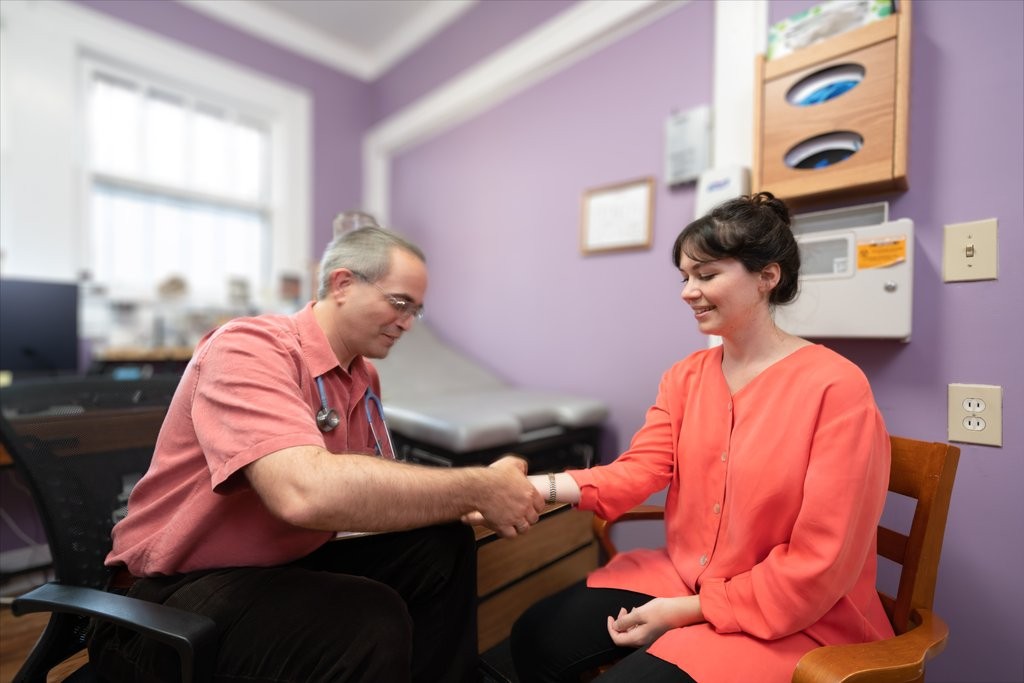
I am a family medicine physician who got inspired about integrative medicine. I think that people above all should have autonomy in their health care choices- and most want to have natural options and someone who has researched those in their condition. I also think that the strides conventional medicine has taken are important so having a background as a fully trained medical doctor is important. So our clinic as it is now has myself and 3 nurse practitioners as well as an integrative oncologist working there. We have a membership model and offer both primary care and have an integrative oncology part to the practice too. We offer nutritional intravenous infusions like vitamin C and B vitamins, as well as botanical therapies like curcumin, resveratrol, and my specialty- mistletoe. Mistletoe has been used for over 100 years as an adjunctive therapy in oncology. I currently work with a non profit organization to train US based providers on how to integrate this wonderful therapy into their practice. I authored a book with our faculty on mistletoe and this coming year we look forward to visiting europe where the integrative hospitals and mistletoe production facilities are located.
Our team is completed by a wonderful art therapist/facilitator and a movement therapist trained in Eurythmy therapy. We also offer herbal compresses such as ginger compresses over the kidneys and adrenal glands.
I’m most happy and proud that we can help people in the hours of greatest need- and often give them hope and a way to help where there wasn’t much hope before.
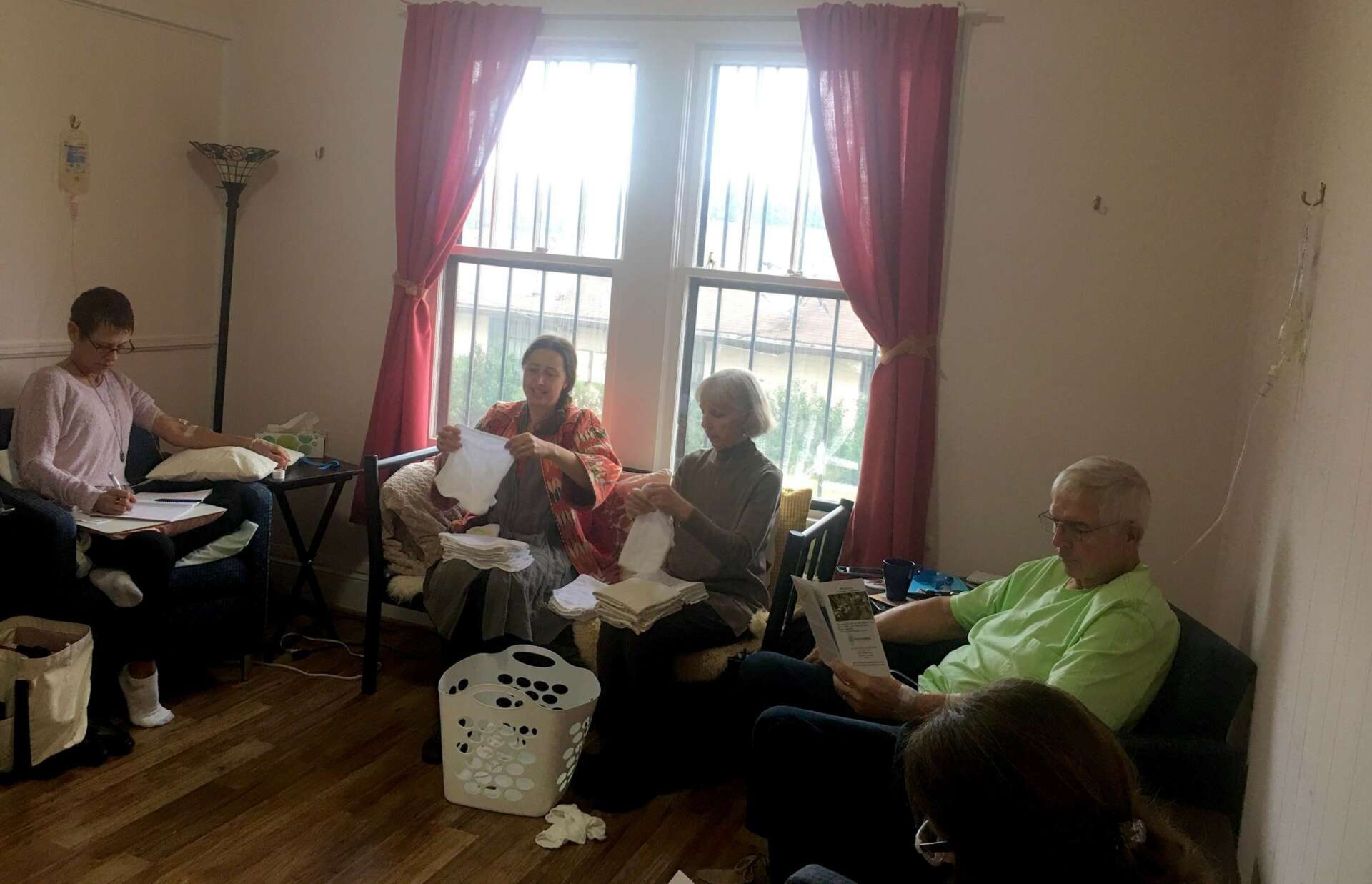
For instance we work with a lot of folks doing chemotherapy. Understanding what the side effects can be, and also having tools like integrative remedies and strategic fasting to minimize side effects and maximize results is something so important for patients- and all too often not discussed at all.
If you could go back, would you choose the same profession, specialty, etc.?
I would. I have thought about it a lot- many parts of my job would be easier if I were a specialist oncologist. But this would mean not having a primary care practice and I would miss that balance. And I feel like I am a born mediator- I know some very good open minded oncologists so I feel that I can still help coordinate care for my patients.
I also feel that family medicine had a lot of heart in the training and I am grateful for that.
I would definitely still want to be a doctor. My second profession would be a farmer or a botanist- I really love being with plants.
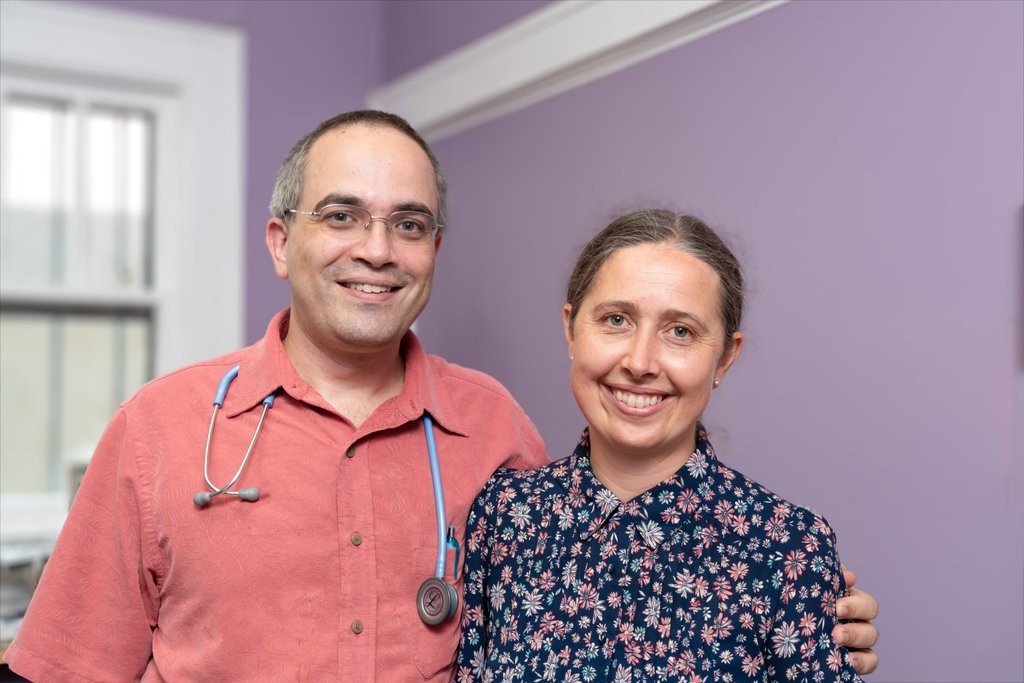
What’s a lesson you had to unlearn and what’s the backstory?
Not to ever write a patient off- with any fiber of my being.
I had a very sick patient with head and neck cancer come to my practice. He had diffuse metastatic disease and was cachectic- where the cancer was burning far more calories than his regular metabolism. Unfortunately he had tried literally everything from the conventional side of medicine. Surgery, radiation, chemotherapy, and immunotherapy. His doctors had told him to get his affairs in order- that they could not do anything more for him. He was too weak, and lived too far to do infusions of mistletoe- he could only do smaller subcutaneous injections.
I received a call from his wife a couple months after he established. Initially my heart sank- but she said that they just needed a refill- he was doing somewhat better. This pattern has continued- I can proudly say over the last 6 years. He came in to visit and I did not recognize him because he looked so healthy and had muscle and weight on him again.
Too often in medicine we as doctors are trained not to believe in anything but the routine outcomes we have heard or read about. That anything else is a fantasy. No- unfortunately miraculous outcomes do not occur every time but I have had to unlearn the imprinted cynicism of conventional training. Otherwise I am not being fair to my patients. Every patient can have something work in an unexpected and life altering way.
Contact Info: