

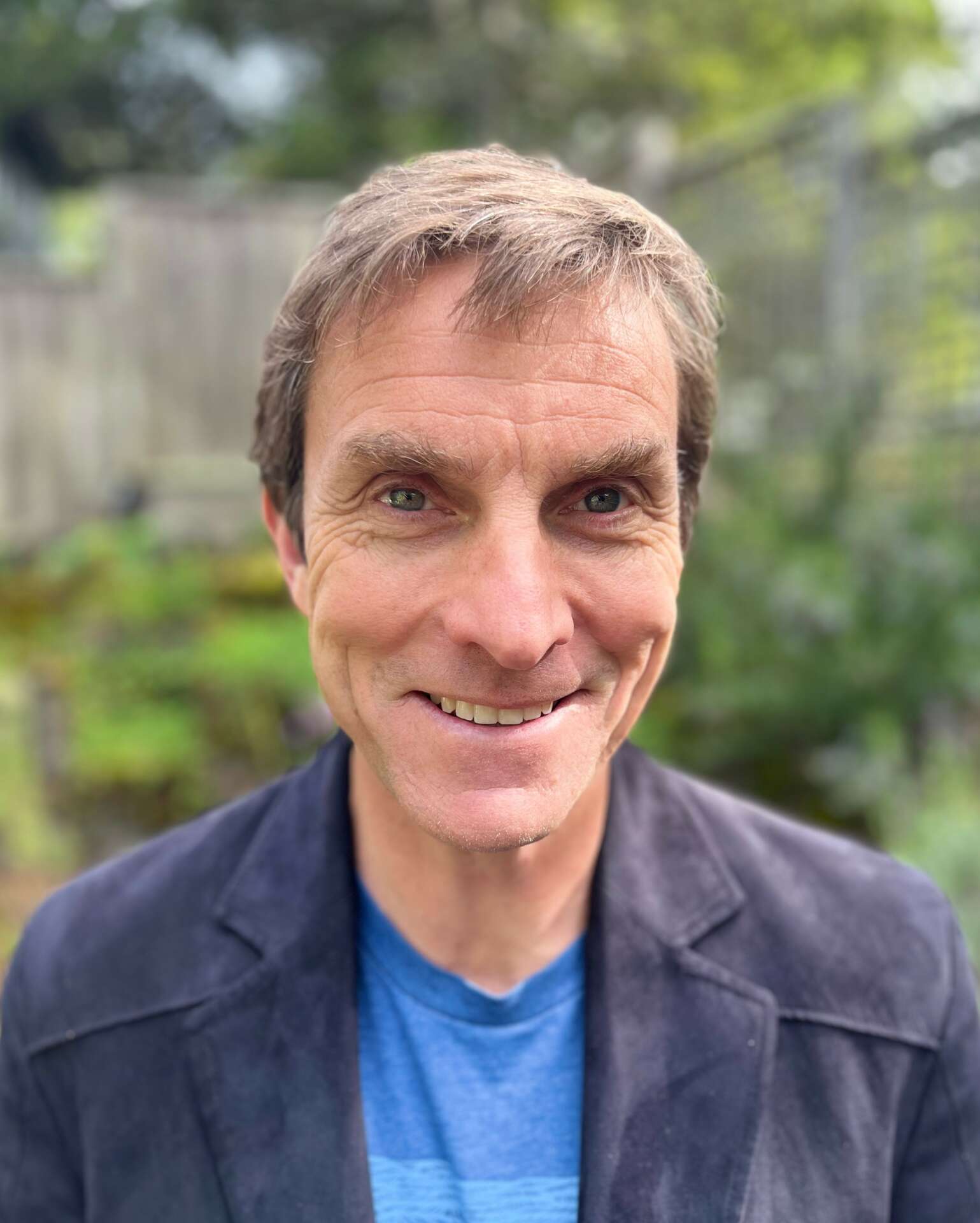

Alright – so today we’ve got the honor of introducing you to Mark Fiore. We think you’ll enjoy our conversation, we’ve shared it below.
Mark, thanks for taking the time to share your stories with us today We’d love to hear about when you first realized that you wanted to pursue a creative path professionally.
It was a lifetime ago when my initial “ah-ha” moment happened during my 9th-grade English class.
Thanks to a good teacher, I found out that a few strange people actually make a career out of being a political cartoonist.
In Vern Sohlberg’s class, every once in a while, he would let us do anything we wanted during the class period — you could write a story, a poem, song lyrics or draw a picture — as long as we were quiet and had something to show for it by the time the bell rang.
I did an optimistic drawing of a smiling kid sitting under a tree as disassembled nuclear bombs were trucked past. (This was in the mid-1980s, told you it was a lifetime ago!)
Mr. Sohlberg said, “you know, that’s a political cartoon, some people make a living doing that.”
From that point on, I was determined to be one of those people.
At that point, the job of political cartoonist was largely unchanged since the 1800s.
Little did I know, the profession would undergo earthshaking changes continually from the moment I decided to join the weird and uncommon collection of scribblers.
From recessions to the advent of the internet to the rise of social media, fickle algorithms and Russian election meddling, this previously slow and monkish career has been embroiled in nothing but change and turmoil since the day I started.


Great, appreciate you sharing that with us. Before we ask you to share more of your insights, can you take a moment to introduce yourself and how you got to where you are today to our readers.
From my earliest days in school, I’ve always been the kid in class who could draw.
Maybe not expertly or perfectly, but I could make them laugh.
I was a cartoonist from the start.
First I wanted to draw cartoons for the comics pages in the newspaper, then I wanted to “make Bugs Bunny” and create cartoons for television.
But that would require a huge studio or living in Los Angeles, something I didn’t want to do.
Then, after my lightbulb moment in Mr. Sohlberg’s class, I became obsessed with political cartoons.
You could draw cartoons AND make a point about what was going on in the world? Sign me up!
For years I focused on drawing traditional political cartoons for newspapers, freelancing cartoons to publications across California and the rest of the country.
From the Los Angeles Times and Sacramento Bee to The Washington Post, my work was opening doors and being seen by actual newspaper readers!
My heroes were the political cartoonists who came before me and were still working at the time, guys like Paul Conrad and Pat Oliphant.
They were amazing artists and pointed political commentators who could savagely skewer corrupt and inept politicians, often with a healthy dose of humor.
Then, along came a thing they called the World Wide Web.
You probably know what came next: newspapers gave up their classified ad revenue to Craigslist and lost their lucrative display ad revenue when they gave their work away for free on the internet.
Cue the first of many depressing and downward-trending newspaper cycles.
Meanwhile, I had been dabbling in animation — all by myself, without any Hollywood studio necessary — using a thing called Macromedia Flash.
It was a second lightbulb moment: I could animate my political cartoons!
I then began to self-syndicate my political animation to online news sites that were in their infancy.
Business was good and my work was one of the only things that moved on the web in this pre-YouTube era.
Now I could incorporate my other heroes from the world of animation into my work.
Just as my attempts to ape the style of Pat Oliphant resulted in a style that became my own, I could now bring in my animation influences from Chuck Jones to Jay Ward.
I was off and running.
But throughout all of this, it has never been about my drawing abilities or the technical bells and whistles I may use.
It is about the message.
Now I use motion capture to animate characters in a fraction of the time it would have taken years ago and have been building my own AI model to create backgrounds in my style.
The technology and tools will always advance, but the most important part of the entire equation is what I’m trying to say.
That’s what it boils down to: what does the cartoon SAY?
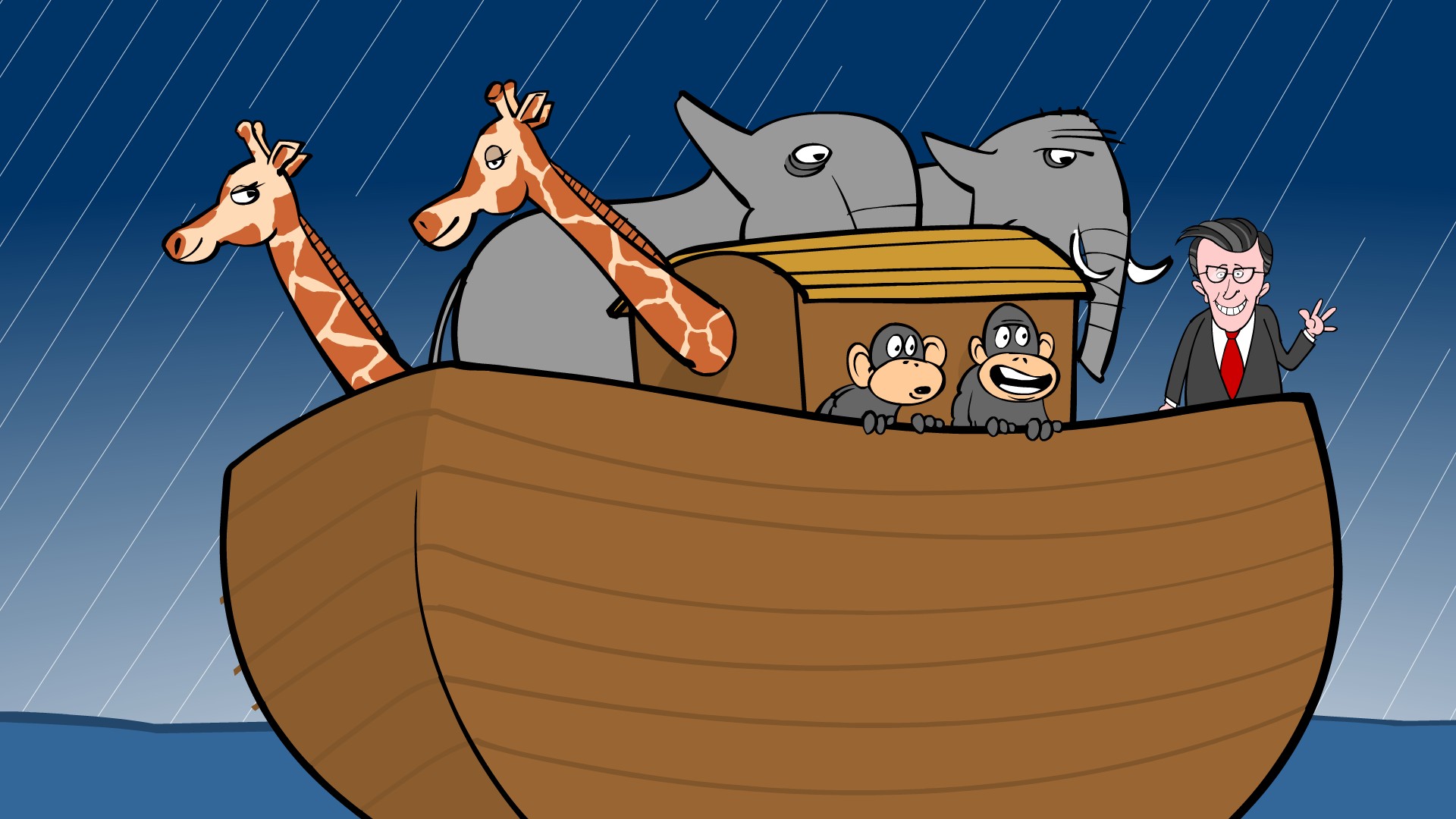
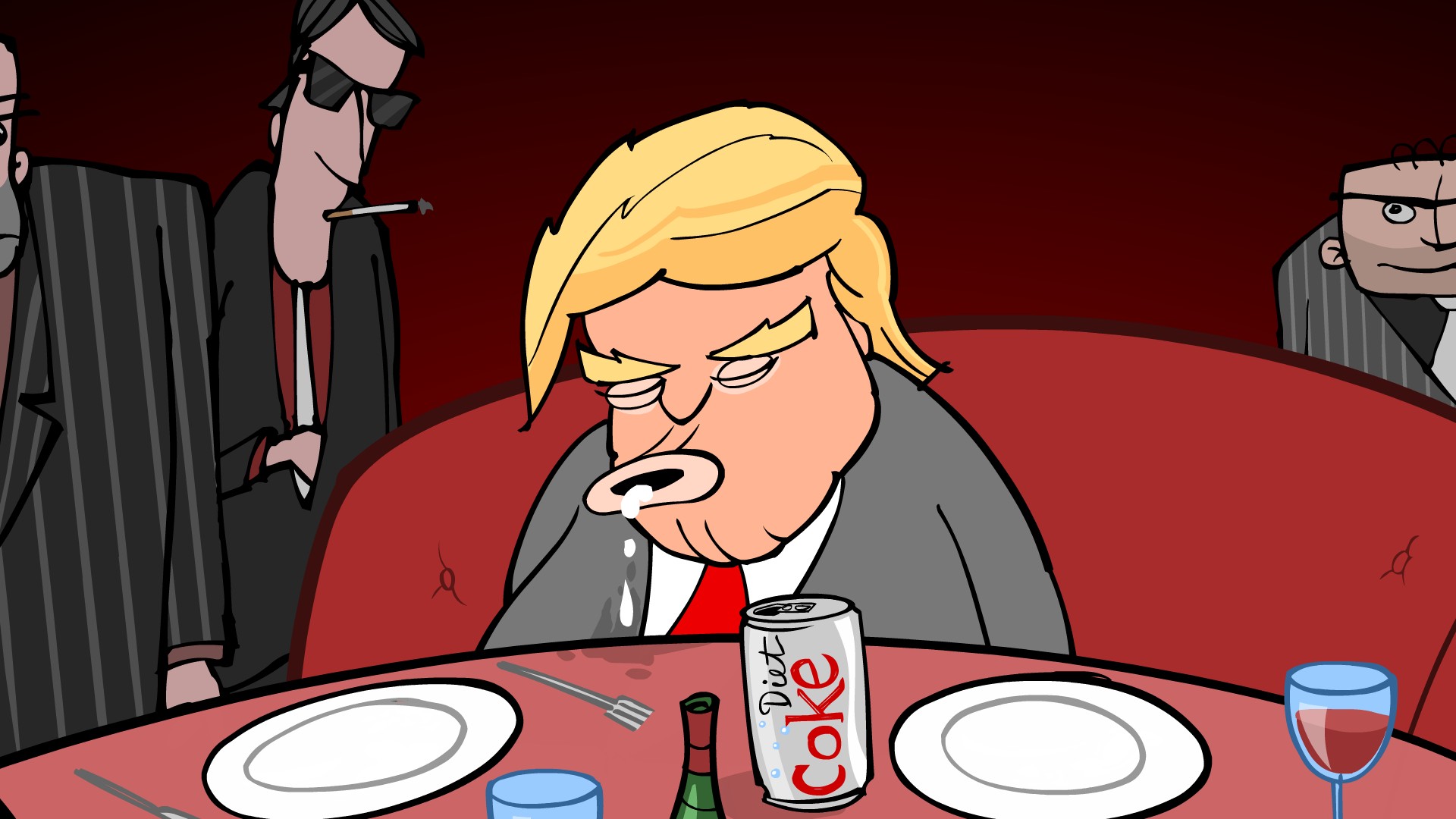
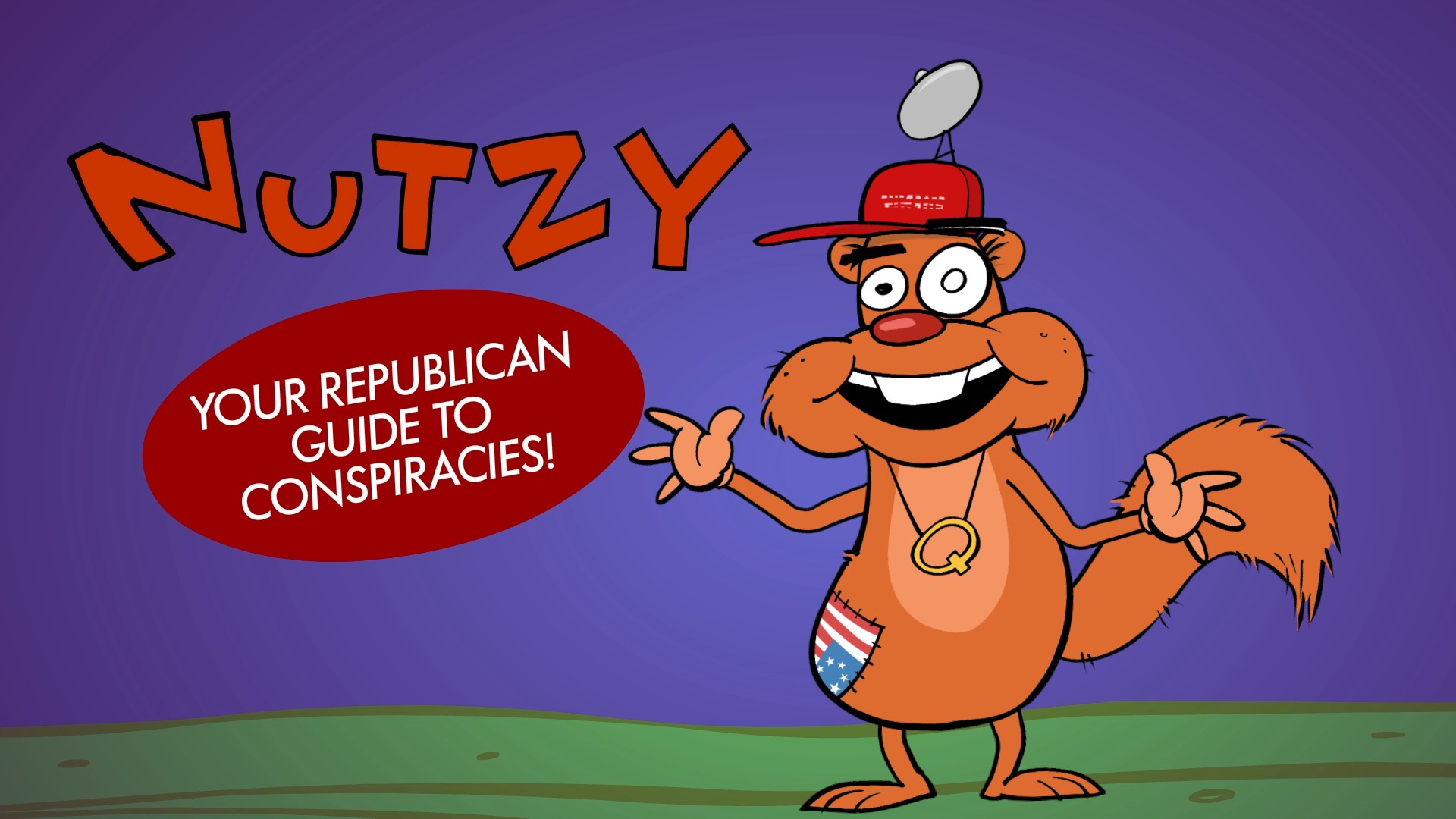
Amid all the changes, today I create political animation and have built a boutique social impact messaging studio specializing in animated shorts and cartoons.
And it still all comes down to what the cartoons say.
Can you share a story from your journey that illustrates your resilience?
In the world of journalism in the United States, the Pulitzer Prize is the top award.
It’s kind of like a golden ticket in that people are more likely to answer your calls or emails. (But is of course no guarantee to any sort of long-term business success.)
After creating political animation and successfully selling my work to some big name online news outlets on a regular basis, I submitted my work to the Pulitzer Prize committee.
A few days later, they called me back saying they didn’t accept animated work and asked if they should destroy my entry or send it back. (I chose the destroy option.)
It was disheartening and frustrating, but I went about my business and just kept doing my thing.
I continued to submit my work every year for about five years, and every year I would get the same call.
It became kind of a “fuck you” entry for me, I just wanted them to see it and have to call me and throw it away.
Then one year I won.
I guess you might call that resilience or determination, but there was also a good helping of passive-aggressive stick-to-it-iveness thrown in the mix.


Can you tell us about a time you’ve had to pivot?
I feel like I’ve been pivoting over my entire career.
Being a visual satirist is not the most stable profession there is, and the days of the political cartoonist ensconced in his wood-paneled office are long gone.
And that’s a good thing, I think my work would have calcified long ago had I really achieved what I thought was the stable, lifetime brass ring of a staff newspaper job.
I pivoted from going for that staff job to self-syndicating my traditional newspaper political cartoons.
Then I pivoted from that to political animation, distributing to online news sites.
More recently, as the world of online news has largely imploded, I’ve partially pivoted to crowdfunding.
All the while, I’ve built a business doing social impact messaging that specializes in animated shorts.
Currently, I’m expanding that business since it seems to be a much more vibrant place to create important, impactful art.
So much of journalism appears to be withering and fearful of actually saying something that may be controversial in the slightest.
It all comes down to creating cartoons that say something.
Which makes for pivot upon pivot . . .
Contact Info:
-
Website: http://www.markfiore.
com -
Substack: http://markfiore.
substack.com -
Patreon: https://www.patreon.
com/markfiore
-
Instagram: https://www.
instagram.com/markfiore/
-
Twitter: https://twitter.com/
markfiore
-
Youtube: http://youtube.com/
markfiore
Image Credits
-Mark Fiore www.MarkFiore.com