

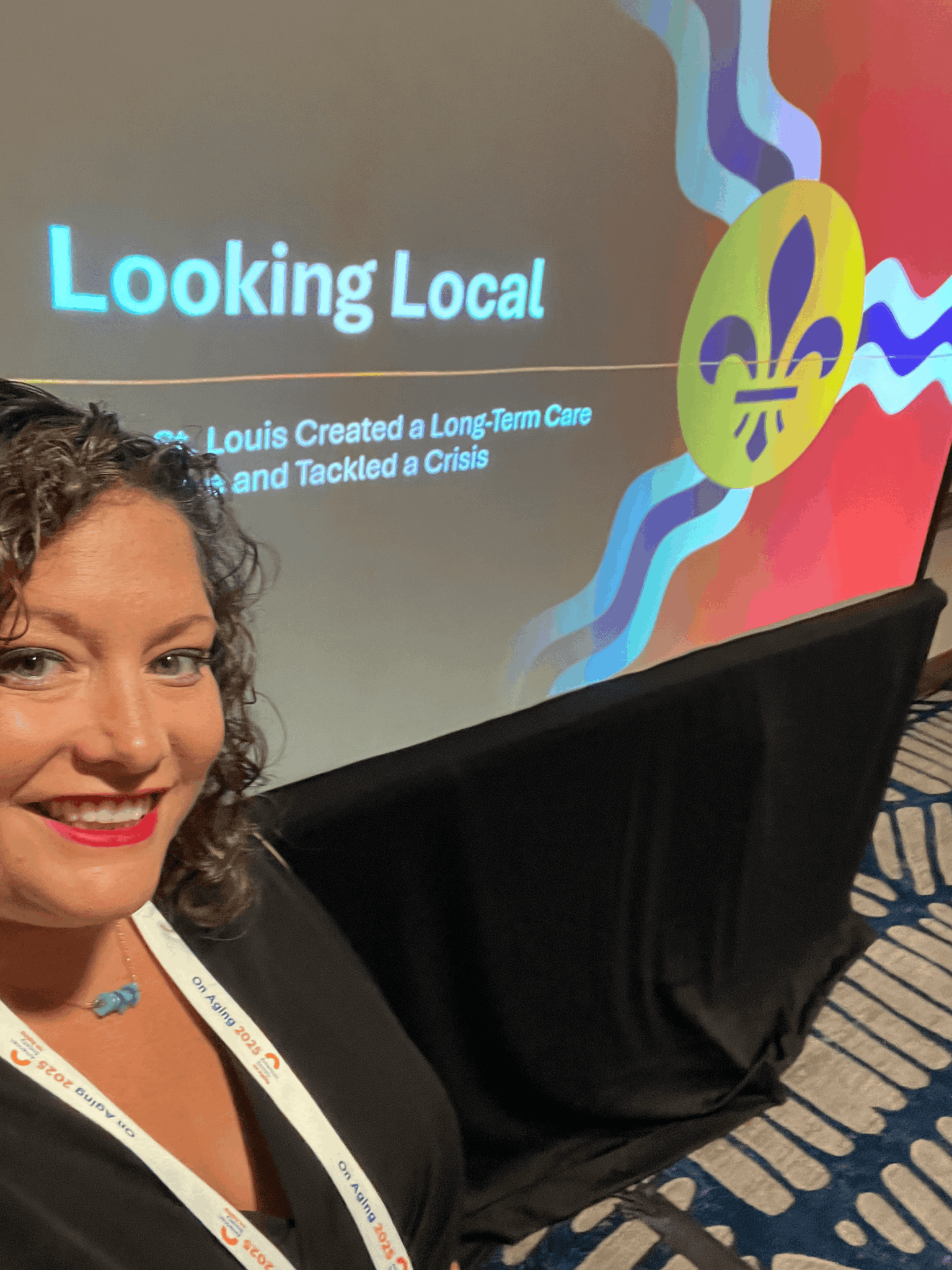

We caught up with the brilliant and insightful Marjorie Moore a few weeks ago and have shared our conversation below.
Marjorie, appreciate you joining us today. We’d love to hear the story behind how you got your first job in field that you currently practice in.
I took a really roundabout way into the nonprofit world of aging and disabilities.
Before TikTok and Facebook, before everyone had a video camera in their pocket, I majored in Broadcasting, and I had dreamed of working on commercial and music video sets and eventually becoming a producer. That all changed the summer before my senior year when I interned at a music video production house in Nashville. It was an awesome summer, I got to help pick the photo art for a Keith Urban album, I served a biscuit to Toby Keith on the set of the Who’s Your Daddy video, and I learned that the life balance that came with the gig work I would have to do for many years was not compatible with the life I saw for myself.
After that, I took classes that specialized in public relations and learned to flex those muscles. When I began applying for jobs, my mom sent me a clipping from the local paper that simply said, “Market radio station for blind to nursing home.” The job was near enough to my hometown and intriguing enough, so I applied.
I later found out that the organization was MindsEye. I got the role going to local nursing homes, talking to residents and staff, and encouraging people to use the services we provided free of charge, which involved volunteers reading local and national magazines, newspapers, and books over the air for people with low vision. I’d also be managing over 150 volunteer readers. Most of all, it was a radio station, so I’d be able to use my degree!
On my first day, I was so excited to get started. I met the Program Director, John Weidlich. He had been at the station for nearly 30 years. Something was different about John, and by noon, I realized that he was completely and totally blind and had been since birth. The way John moved through the station and operated the control board seamlessly had fooled me, but when he pulled out a stack of papers filled with Braille and started reading from them, I figured it out. It was the beginning of a great working relationship and friendship that lasted until his death several years ago.
Marjorie, love having you share your insights with us. Before we ask you more questions, maybe you can take a moment to introduce yourself to our readers who might have missed our earlier conversations?
I continued working at MindsEye for almost 16 years. I stayed in that first role for a few years, and we had almost 250 volunteers before I left. Eventually, I took on fundraising and outreach, and when my boss left for another opportunity, the board hired me as the Executive Director.
During that time, I developed an interest in the intersection of aging and disability. MindsEye served mostly older blind people who lost their sight later in life due to things like macular degeneration, diabetic retinopathy, glaucoma, and cataracts. These listeners thought of themselves in a completely different way from blind people like John, who were born or became blind in youth. It made me realize we had to market things differently, speak differently about the mission, and be different. I learned more about assistive technology and the fantastic things we could give back to people, but was disappointed because of the learning curve required to access them. I’m glad that today, developers consider their end users’ experience more.
The other thing I became deeply interested in was nonprofit leadership. I took in as much as I could online and through meetings with peers. Around that time, podcasts started booming. We had been experimenting with the way we delivered MindsEye’s programming to listeners, starting to stream on our website, on devices, really anywhere we could find to give listeners options. And we started airing some shows as podcasts. Listeners with technological skills appreciated that they could pick-up the paper at any time of day, just like everyone else. I missed broadcasting myself and started a podcast called 501Crossroads, which was about nonprofit management and fundraising with a friend of mine, Natalie Jablonski, who was the Executive Director of another local nonprofit at the time. It was exciting to see us gain traction, get invited to speak at events, and share our experiences in the world.
Eventually, I left MindsEye, but in my next role, I missed working with older adults. When a mentor mentioned that the Executive Director role at VOYCE was open, I jumped at the chance to apply. When I went to meet the board, I saw two former MindsEye volunteers on the other side of the table, and I knew this was a great fit.
Currently, I serve as Executive Director of VOYCE, where we advocate for quality long-term care across eastern Missouri. Through services such as ombudsman visits, caregiver education, and a toll-free information and assistance line called VOYCEconnect, we help families navigate the often complex world of aging services. I’m back in podcasting again and am the co-host of the podcast We’re at the Age, which supports people in the “sandwich generation” caring for both children and aging parents.
We also engage in extensive advocacy work and coalition-building efforts. Things are so challenging in long-term care right now. I recently gave a presentation at the American Society on Aging’s Conference about the work we did in St. Louis City to improve things, which culminated just before the largest nursing home in the city closed with just a few hours’ notice. 170 residents were moved on December 15, 2023 with nothing but what they were wearing, some without coats and shoes. We partnered with the St. Louis City Senior Fund, St. Louis Area Agency on Aging, and so many other amazing organizations to get residents the basics that were cruelly left behind and later stolen during the move. I was proud that VOYCE and I could be part of the movement that aimed to make things right for older adults.
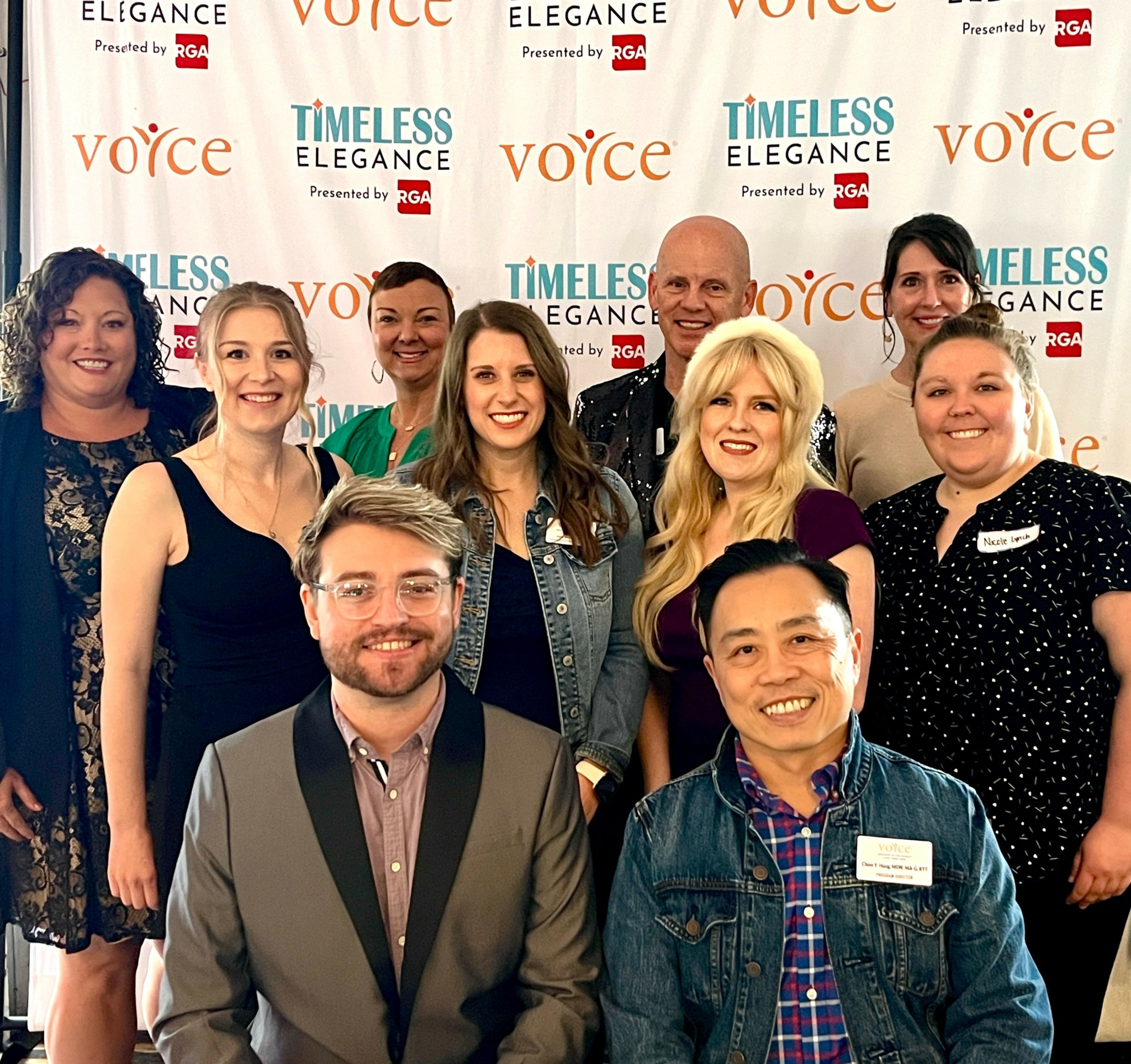
At VOYCE, we’re always trying to find ways to make sure that older adults are staying front and center in the community’s minds and hearts, whether that’s in our educational work, our newest fundraiser- an Older Adult Fashion Show called Timeless Elegance, or our Project Holiday Cheer where we work with the community to create and deliver 50,000 cards to nursing home residents each year. I was honored to recently share Project Holiday Cheer on the Kelly Clarkson Show!
I love that in my role, I’m able to blend strategy and the financial side of the nonprofit world with heart—combining policy knowledge and nonprofit management with authentic communication and storytelling. I’m most proud of the work I’ve done to amplify the voices of long-term care residents, especially during crises like COVID, facility closures, or systemic failures.
If there’s one thing I want people to know about my work, it’s this: Aging touches everyone. Whether through advocacy, education, or direct support, I help individuals and communities face that reality with clarity, compassion, and strength.
Other than training/knowledge, what do you think is most helpful for succeeding in your field?
In the nonprofit world and in the aging and disability world, beyond training and knowledge, I believe the most important key to success is simply being good to people. Whether it’s volunteers, donors, staff, clients, or community partners, relationships are everything. Despite the considerable effect that social isolation has on all of us, our community is more interconnected than it seems, and it’s amazing how often people from past roles or collaborations reappear in meaningful ways.
We’re all part of a larger ecosystem, and I find myself regularly connecting clients or colleagues with others in my network doing incredible work—and they do the same for me. Former team members often continue to champion our mission long after they’ve moved on, which speaks volumes about the value of treating people well.
Just recently, I was able to send a resource on elder abuse to a former colleague who’s now making waves in the public health world. And she’s sharing some amazing learning opportunities for my current team. That kind of ongoing support and shared growth is what makes this work so rewarding. When we invest in relationships with authenticity and generosity, everyone rises.
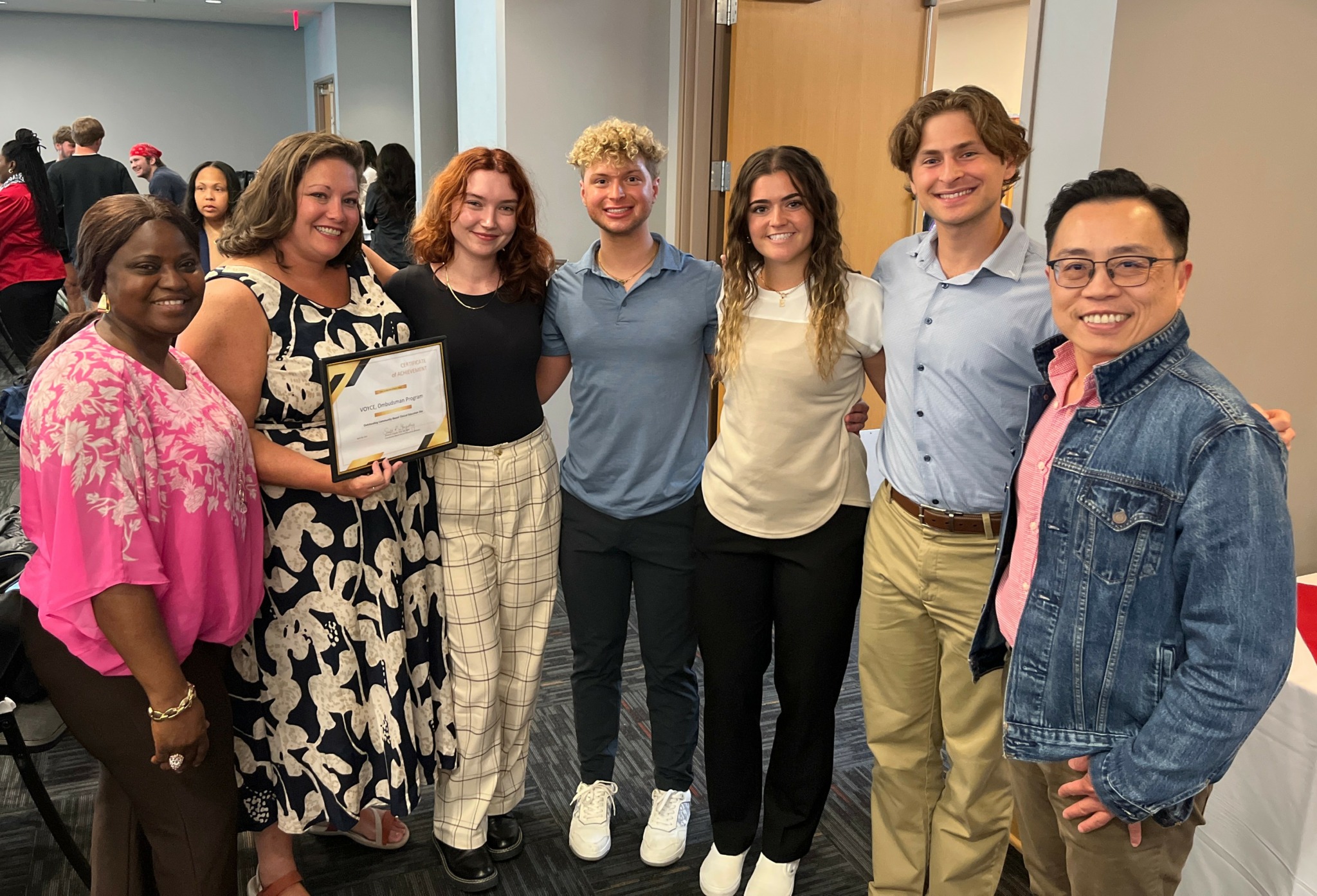
I also think that building up young people, especially interns and students, is one of the most fun things I get to do. VOYCE has worked with numerous students, and one group I particularly enjoy working with is the UMSL Nursing Program. We have five nursing students working with us for a year to help them understand community services. And we hope to get them excited about working with older adults. We were proud to be named their Outstanding Community-Based Clinical Education site this year, but even more proud that they’re going out into the healthcare world with a deeper understanding of the needs of older adults and the challenges in nursing homes that only they can fix as nurses.
How do you keep your team’s morale high?
Listen to your team. Genuinely value their contributions. Say thank you often.
I build my teams by ensuring that everyone has skills that I don’t possess. There are so many skills you need to build an effective nonprofit and service; one person can’t do it effectively. It really requires you to look at yourself and find your blind spots and gaps, and make sure those are filled first. With every hire, you fill the gaps on your team. Then the hard part- letting good people do the things they’re good at and staying out of the way.
I have a desire to be in the work with my team, but I realize that they are so much better at that than I’ll ever be. What they really need is someone with my skills to advocate for them so they can do what they need to do. I’m so grateful to be in a position where we get to work together like that.
And this might sound really surprising, but be sure to build your team members up so they’re ready for their next role. I’m never sure if that next role will be with me or someone else. However, one of the things I’m most proud of is that three people who once worked for me are now my peers as executive directors or leaders of other organizations.
Contact Info:
- Website: https://www.voycestl.org
- Instagram: https://www.instagram.com/voycestl
- Facebook: https://www.facebook.com/voycestl
- Linkedin: https://www.linkedin.com/in/marjorie-moore/
- Youtube: https://www.youtube.com/user/VOYCESTL

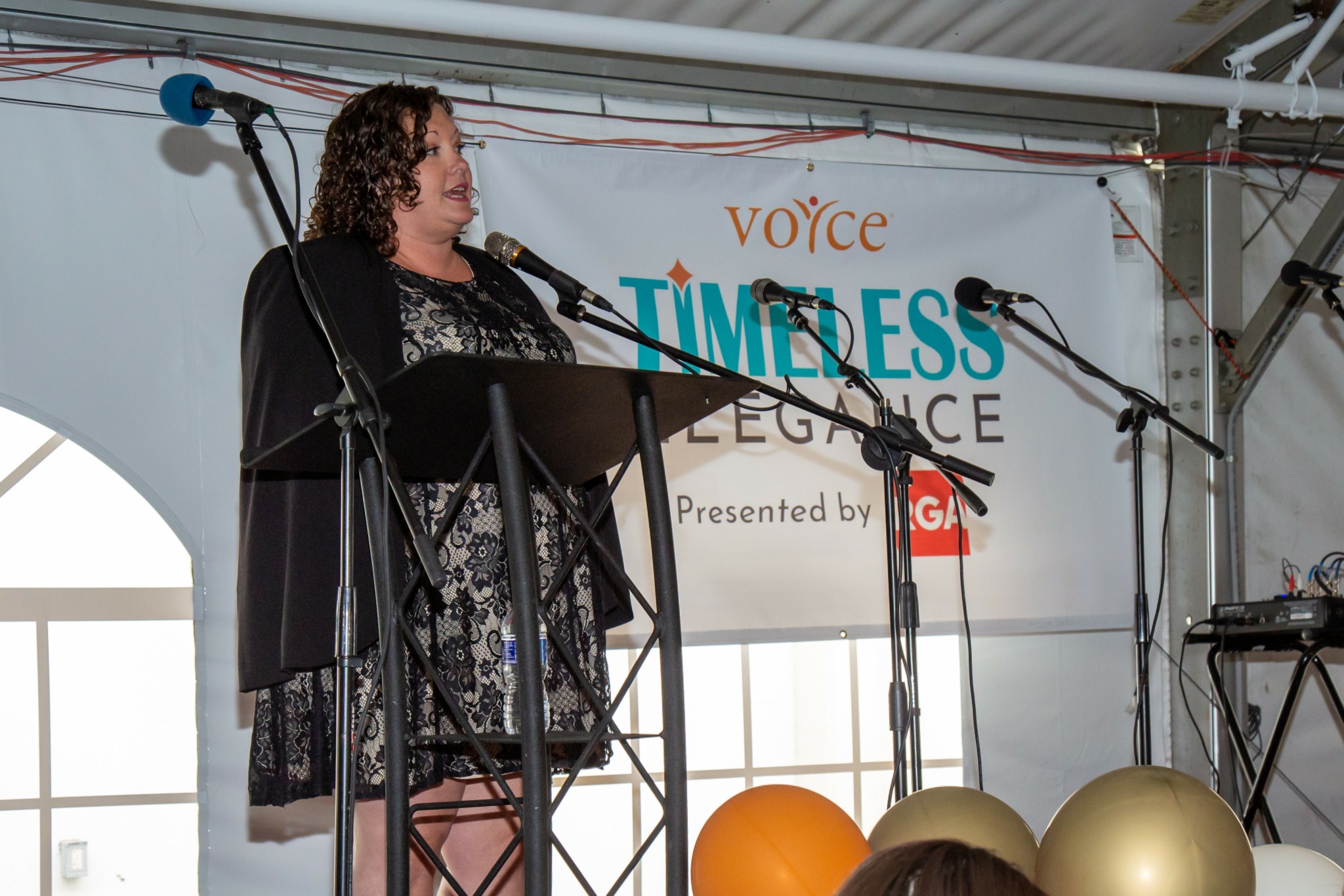
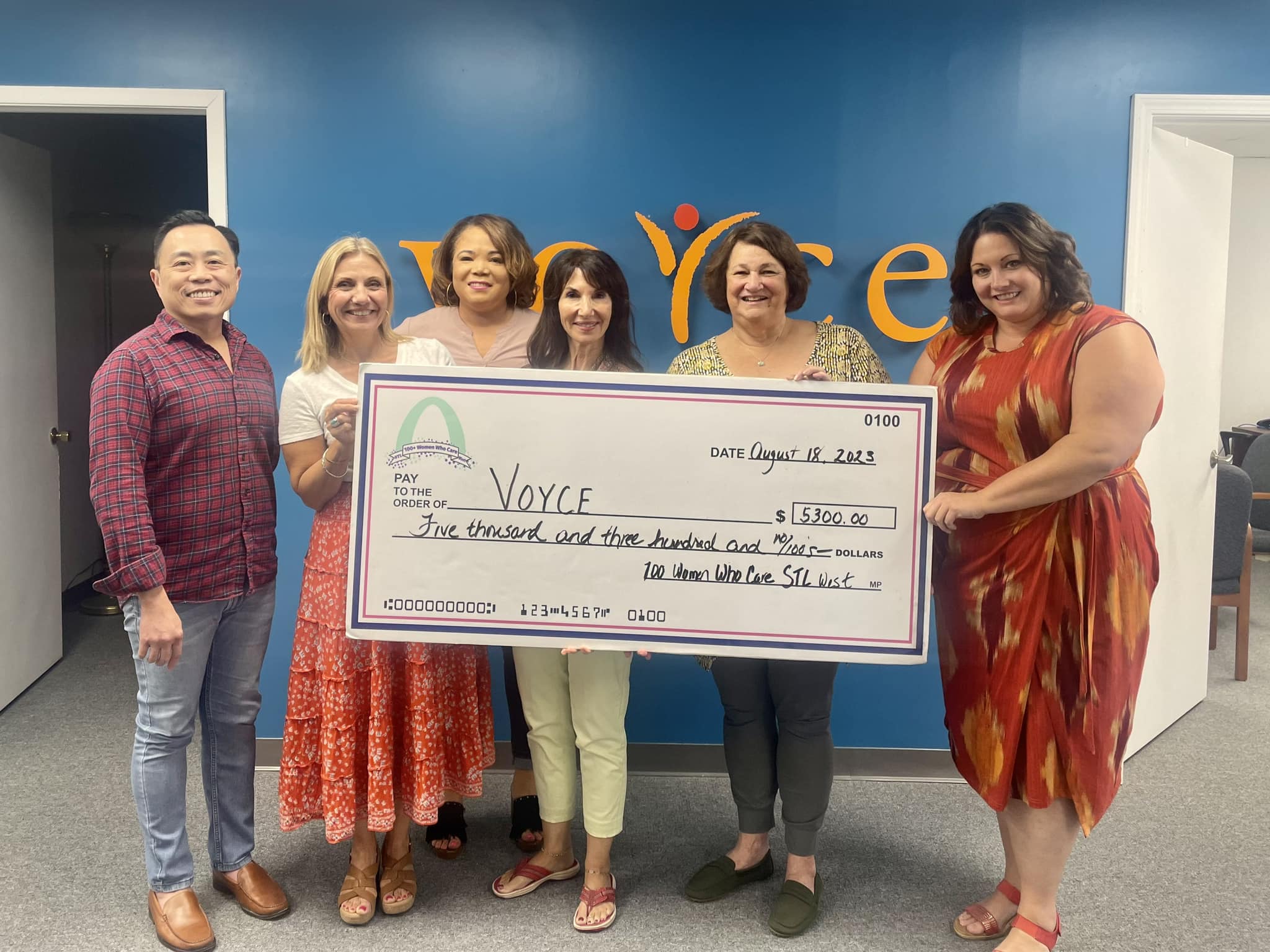
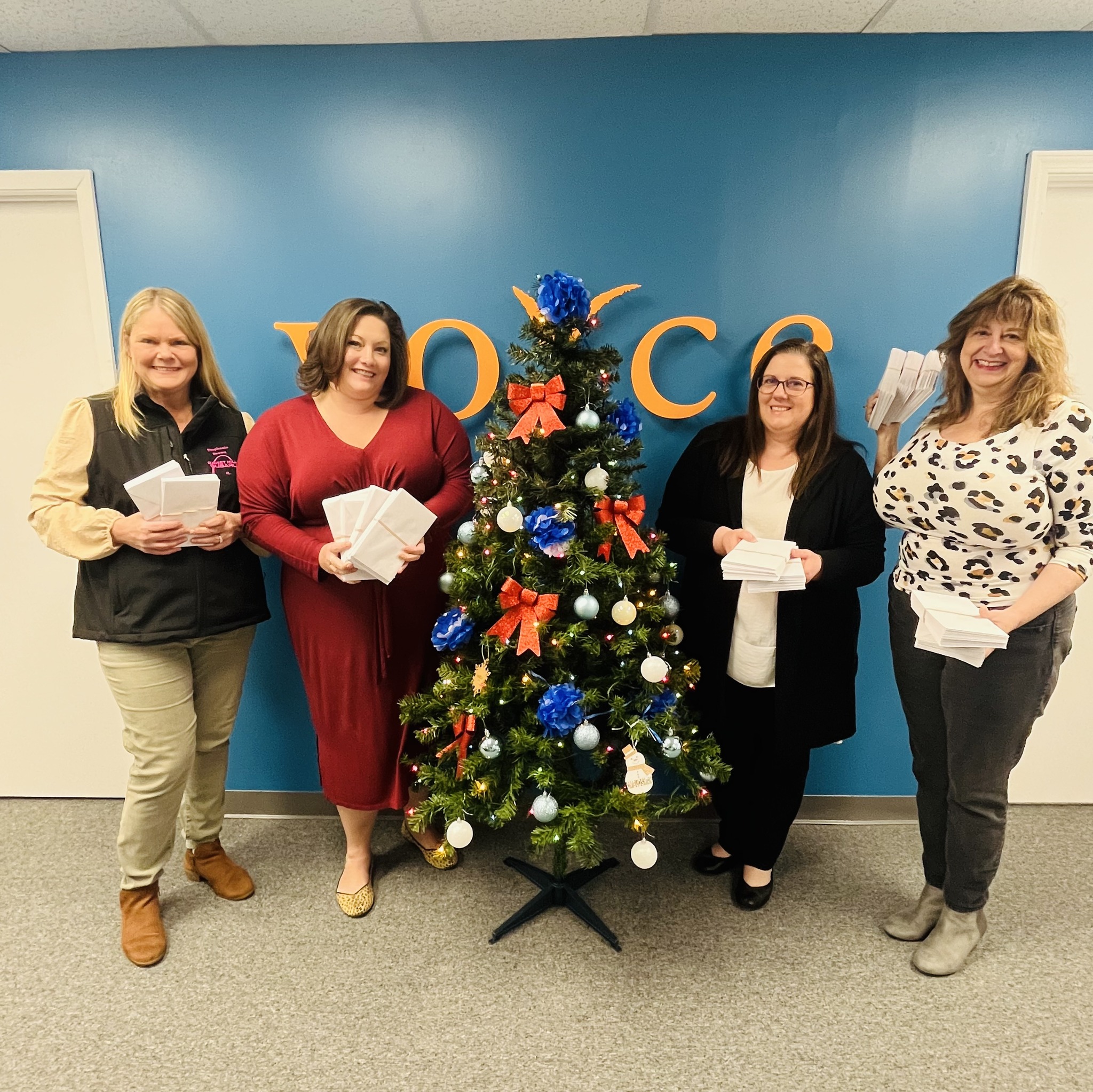
Image Credits
VOYCE & JuneBugPhoto-STL.com