
Alright – so today we’ve got the honor of introducing you to Marina KOKUSH. We think you’ll enjoy our conversation, we’ve shared it below.
Marina, thanks for taking the time to share your stories with us today What’s the best or worst investment you’ve made (either in terms of time or money)? (Note, these responses are only intended as entertainment and shouldn’t be construed as investment advice)
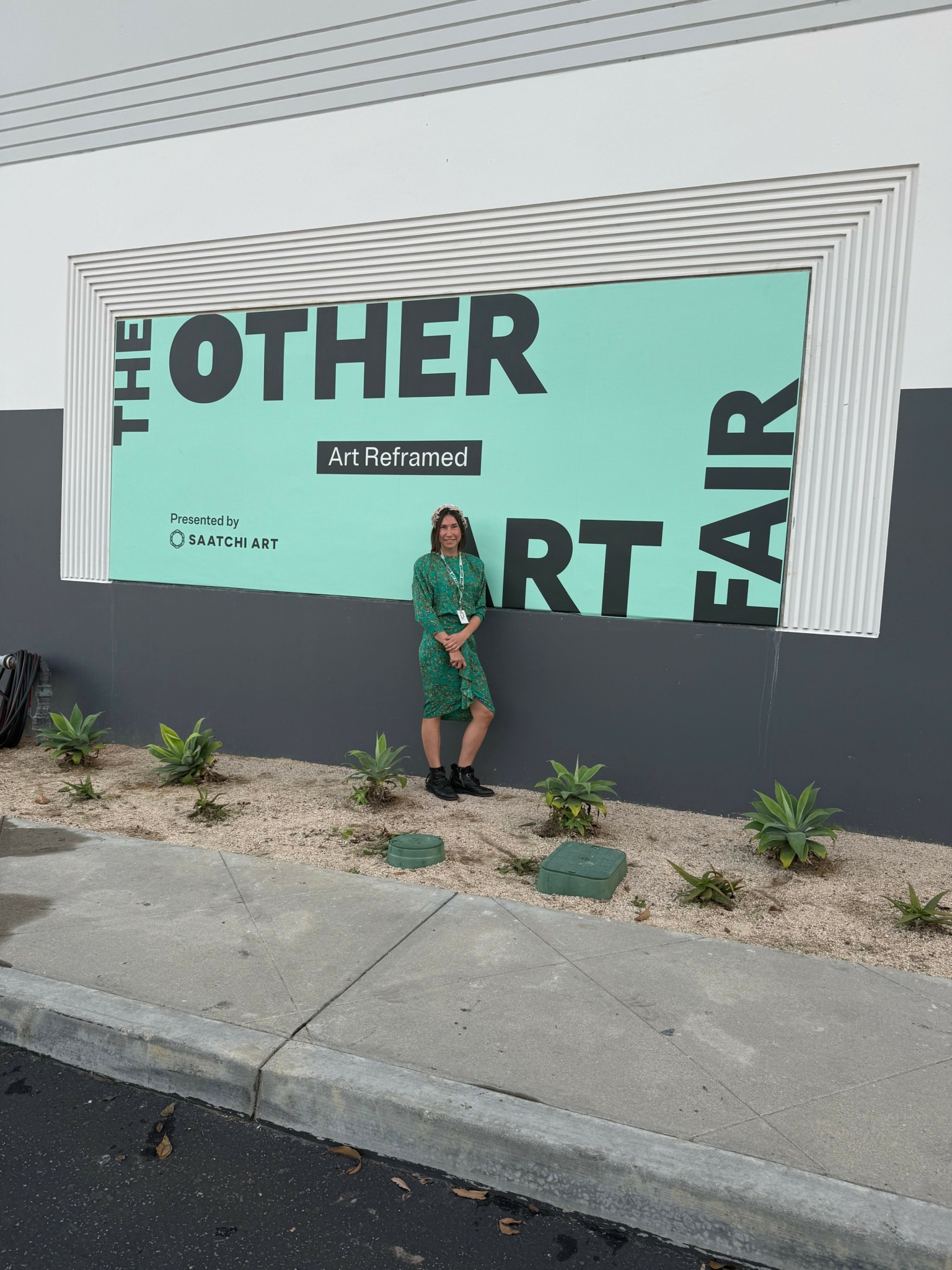
Honestly, my best investment was signing up for The Other Art Fair in Los Angeles — even though it started out feeling like a mistake.
At the time, I was thinking a lot about how to take my art to the next level. I was browsing online art marketplaces and ended up on Saatchi Art’s site. Pure coincidence — I saw it was the very last day to apply for The Other Art Fair. I laughed to myself and thought, well, that would be a funny story if I actually did this. So I submitted an application with four of my sculptures.
Right at the end of the form, I saw the part about paying for a booth. My immediate reaction was: No way. But I’d already put in all that effort filling out the application, so I just hit “apply” and moved on with my life, fully expecting nothing to come of it.
About a month later, I got an email saying I was accepted. My first thought? There’s no way I’m doing this. Then I started thinking: maybe I should see it as an investment. I’d get to meet real people, see how they react to my work, maybe even sell something. There was just one tiny problem: I didn’t have enough pieces to fill a booth.
What followed was probably the most intense creative sprint of my life. I had less than two months and ended up producing more work than I ever had in such a short period. It was exhausting and amazing all at once.
Fast forward to the show: I sold eight pieces. The booth fee paid off, I made money on top of it — but more importantly, I walked away with real confidence in my art. That part, completely priceless.
Marina, before we move on to more of these sorts of questions, can you take some time to bring our readers up to speed on you and what you do?
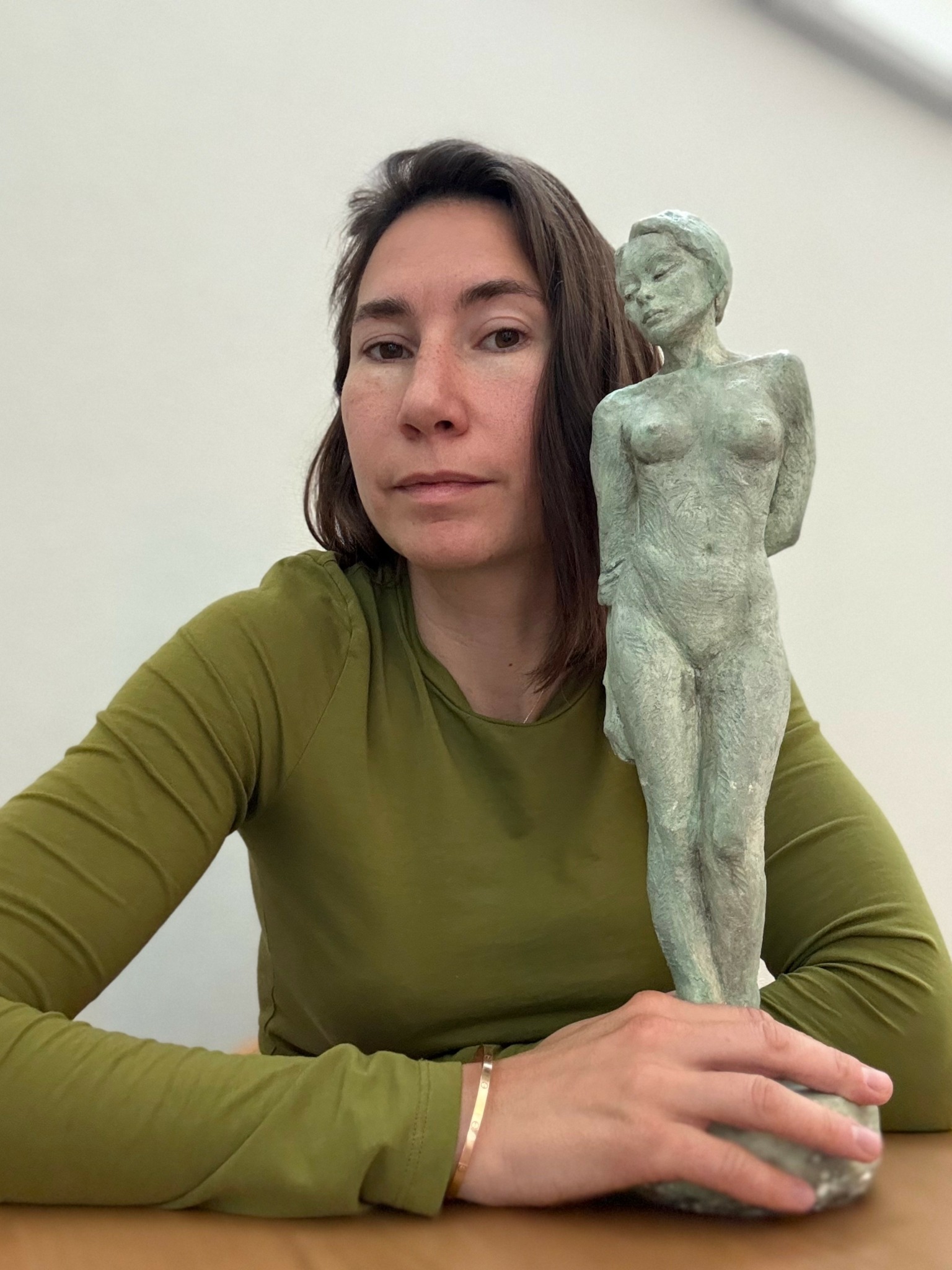
I’m a sculptor with Russian and French roots, and I studied fine arts in both Paris and Los Angeles. My creative journey has been shaped by movement between cultures, languages, and ways of seeing — and I think that shows up in how I approach form and expression.
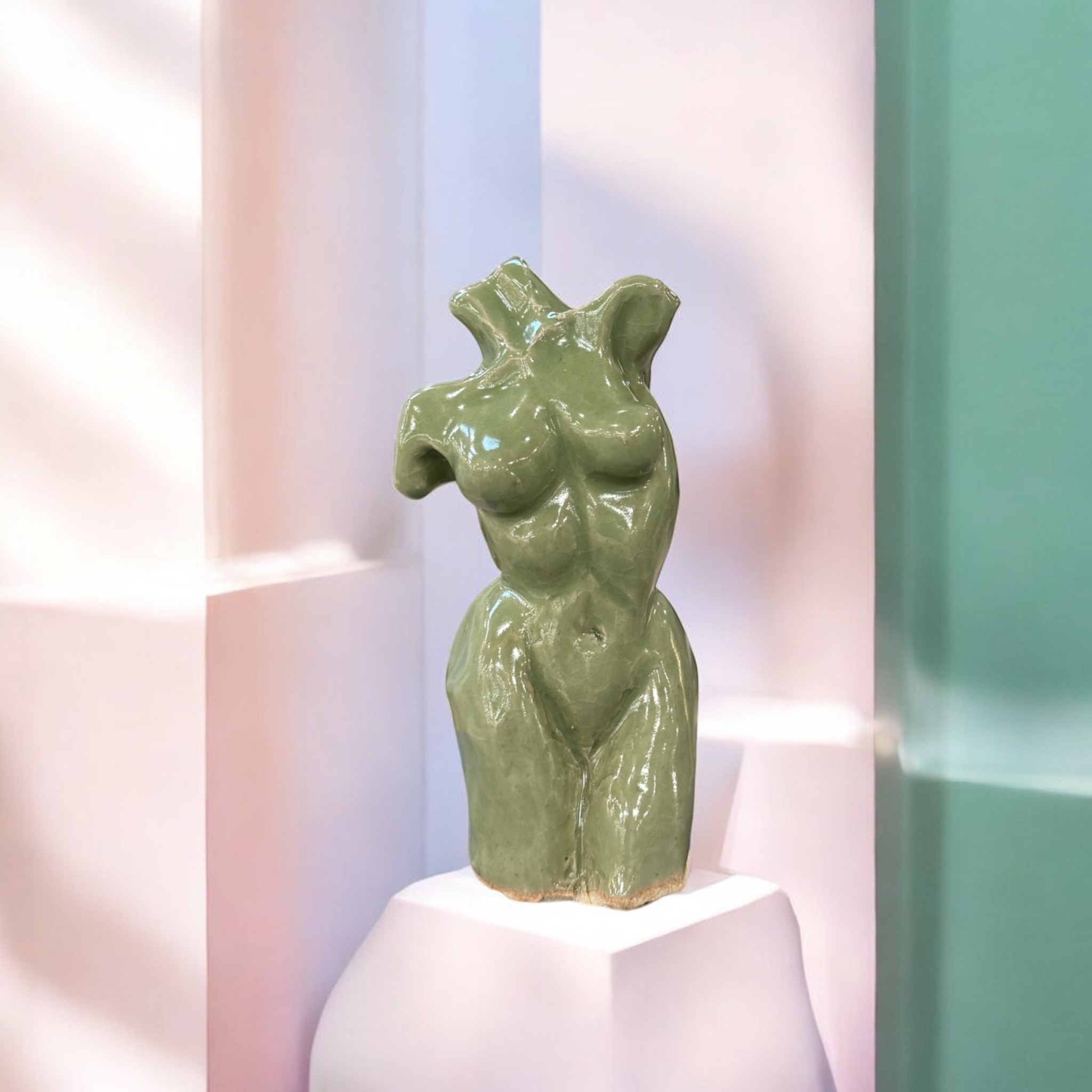
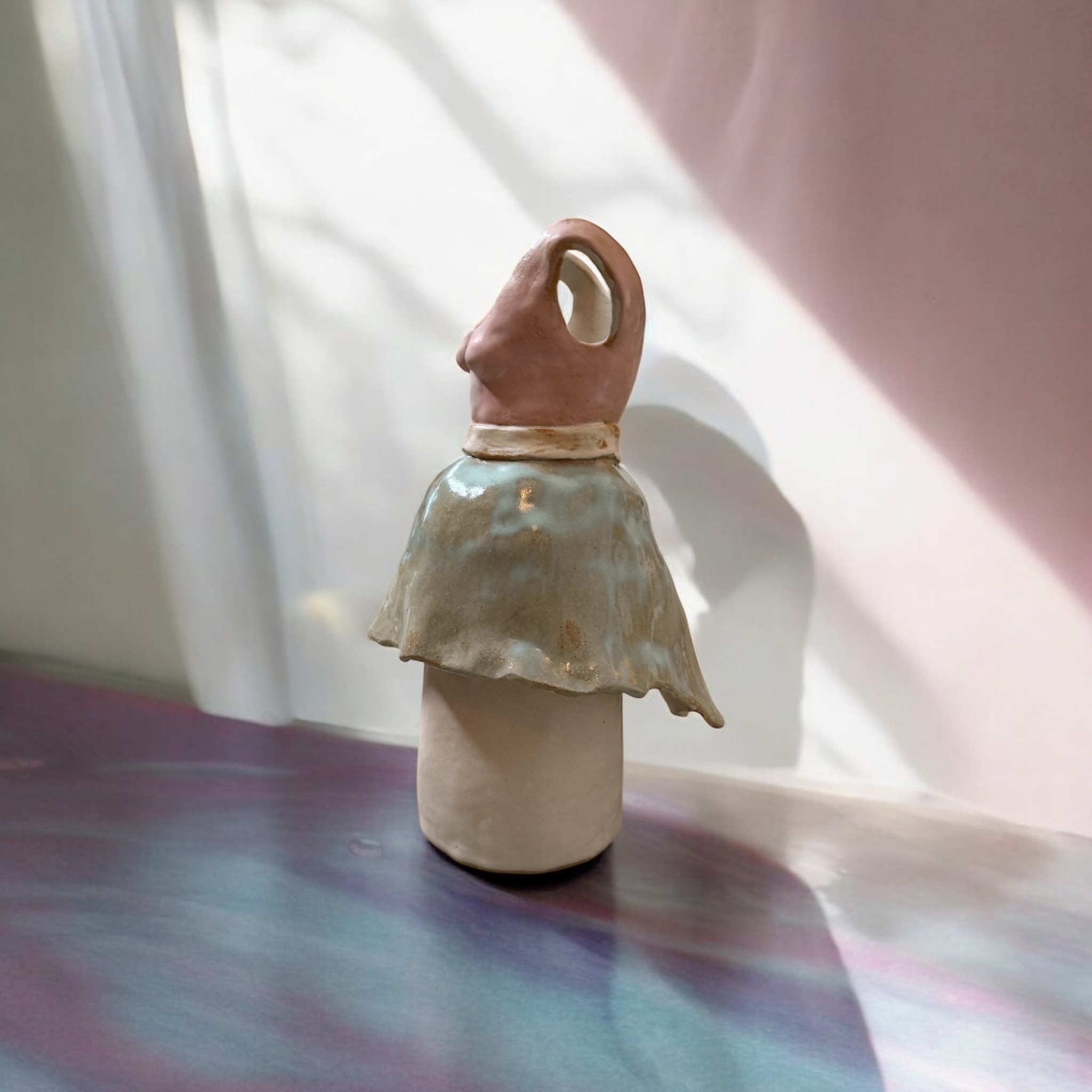
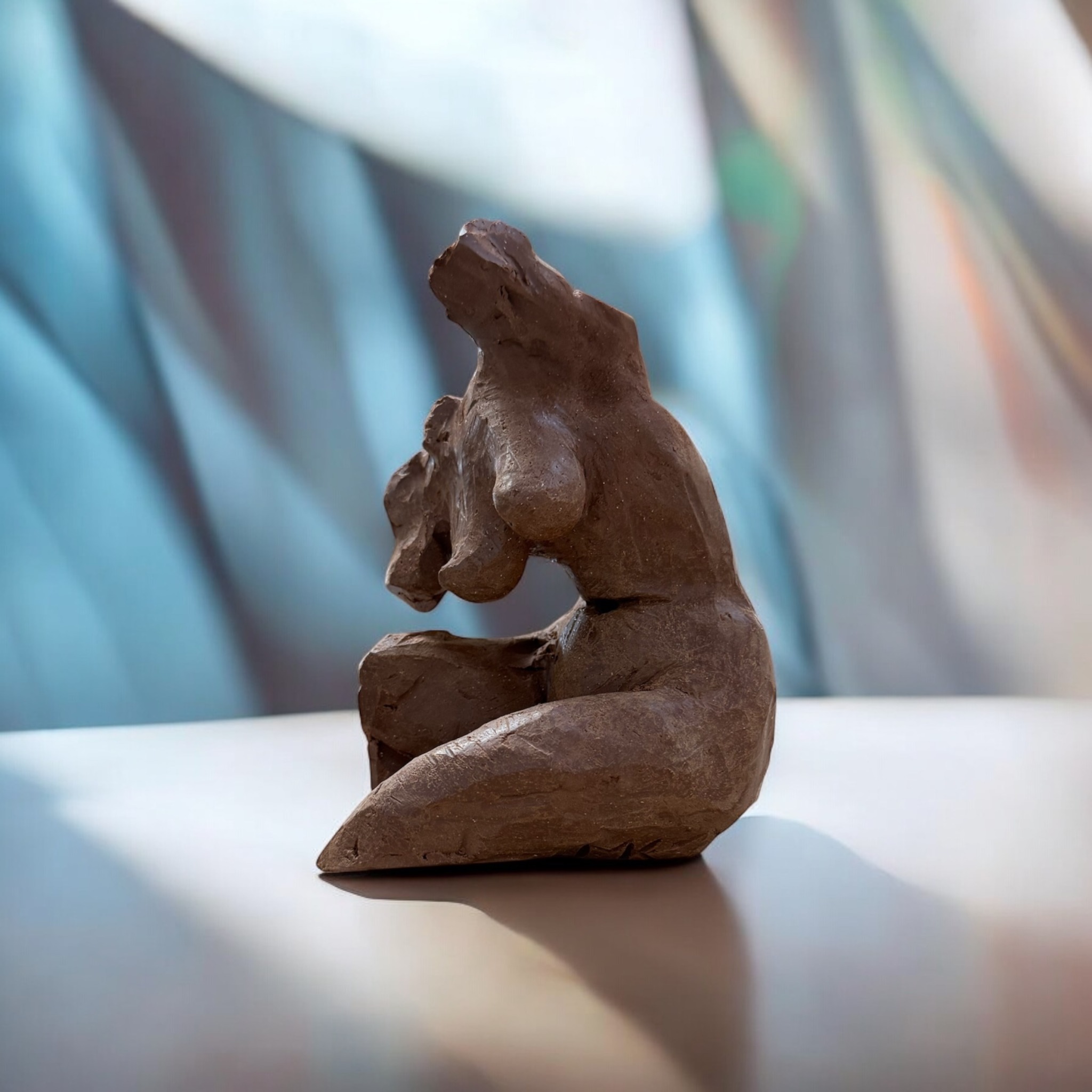
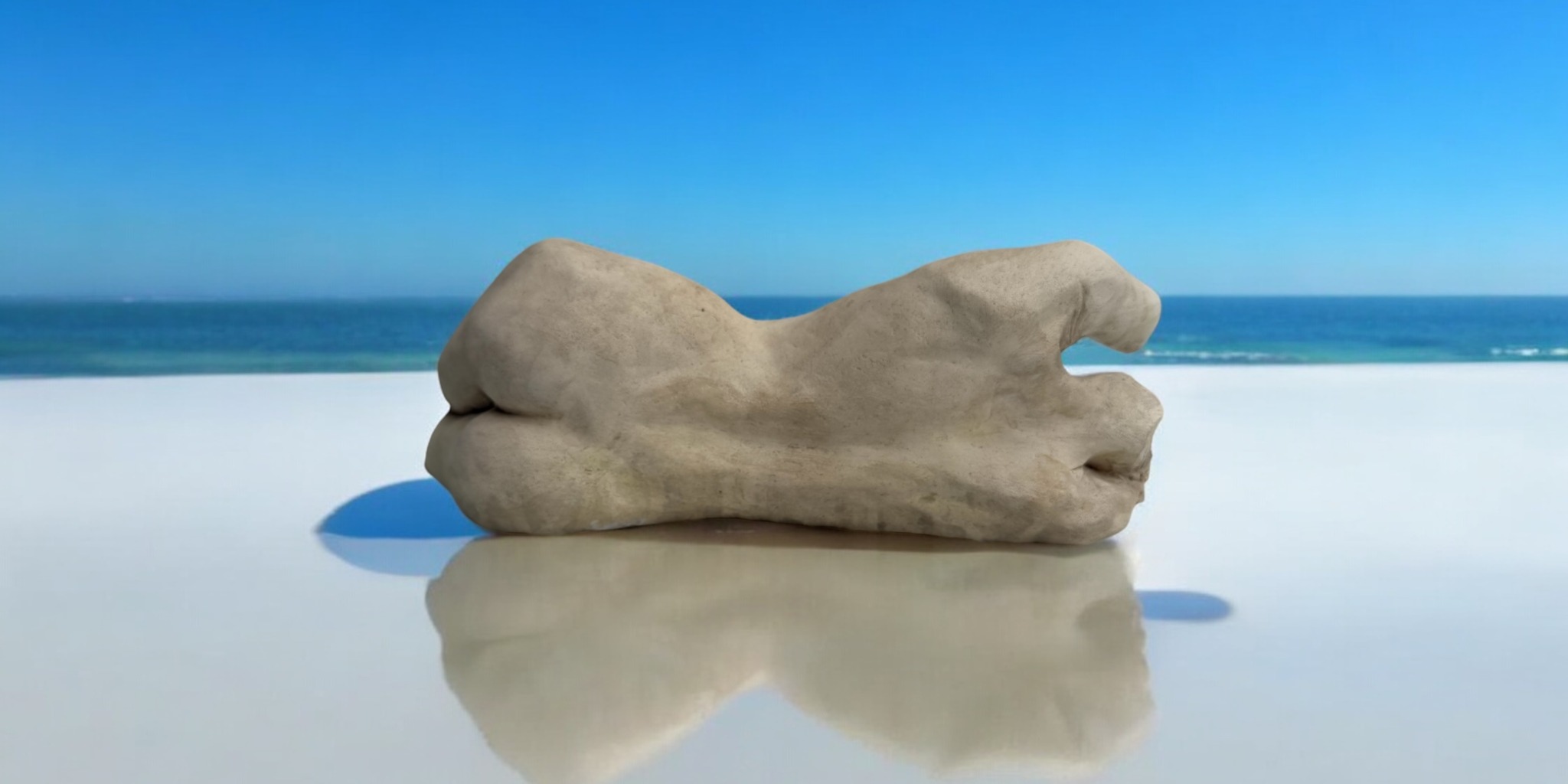
My work is deeply inspired by the female form. I see the body not just as a subject, but as a powerful language — one that speaks of identity, emotion, and transformation. I’m constantly impressed and inspired by how the female body can be both perfect and imperfect, and still hold so much beauty. Its ability to change, to give life, to carry, to break, to heal, and bounce back — it’s extraordinary. That complexity is what I try to capture in my sculptures and functional pieces.
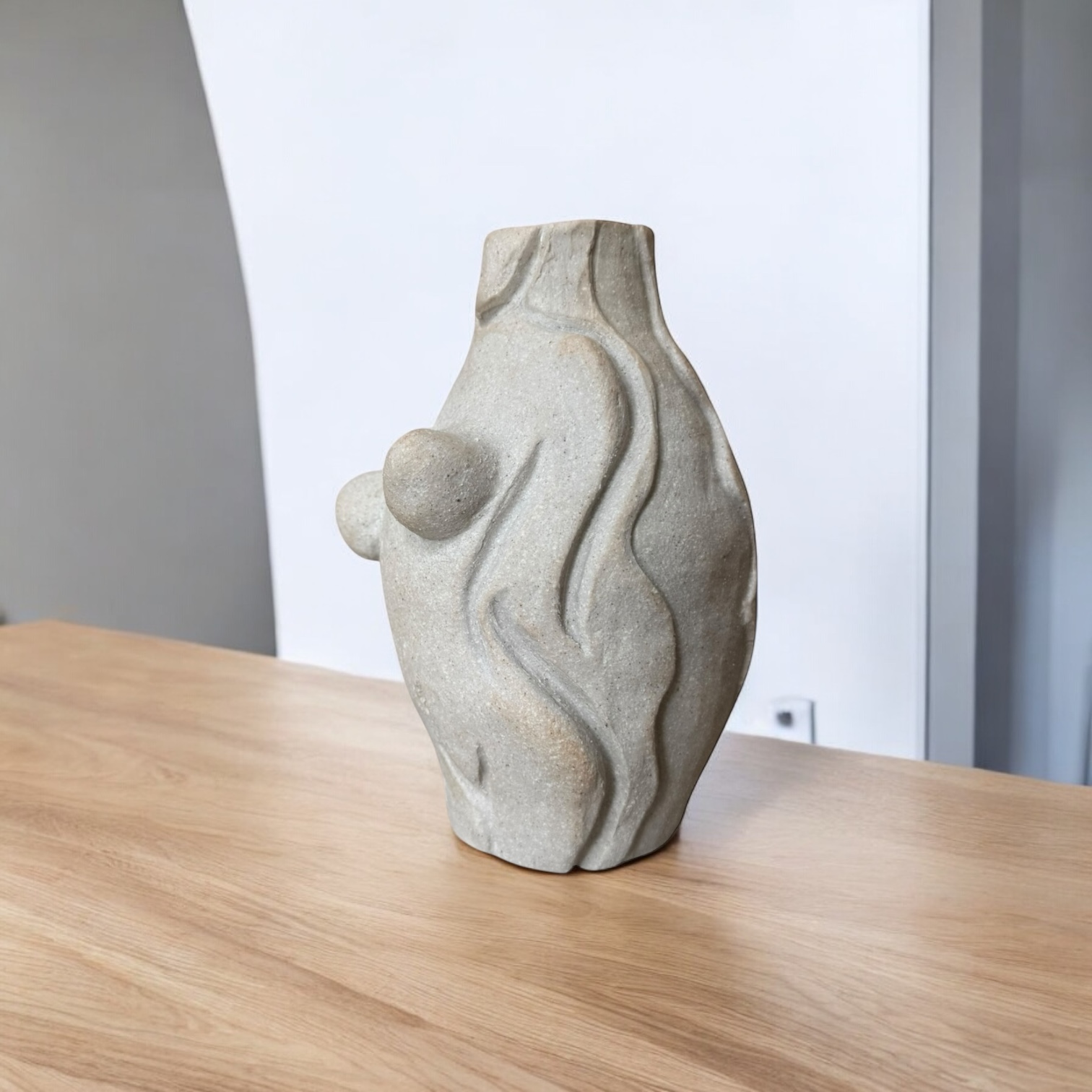
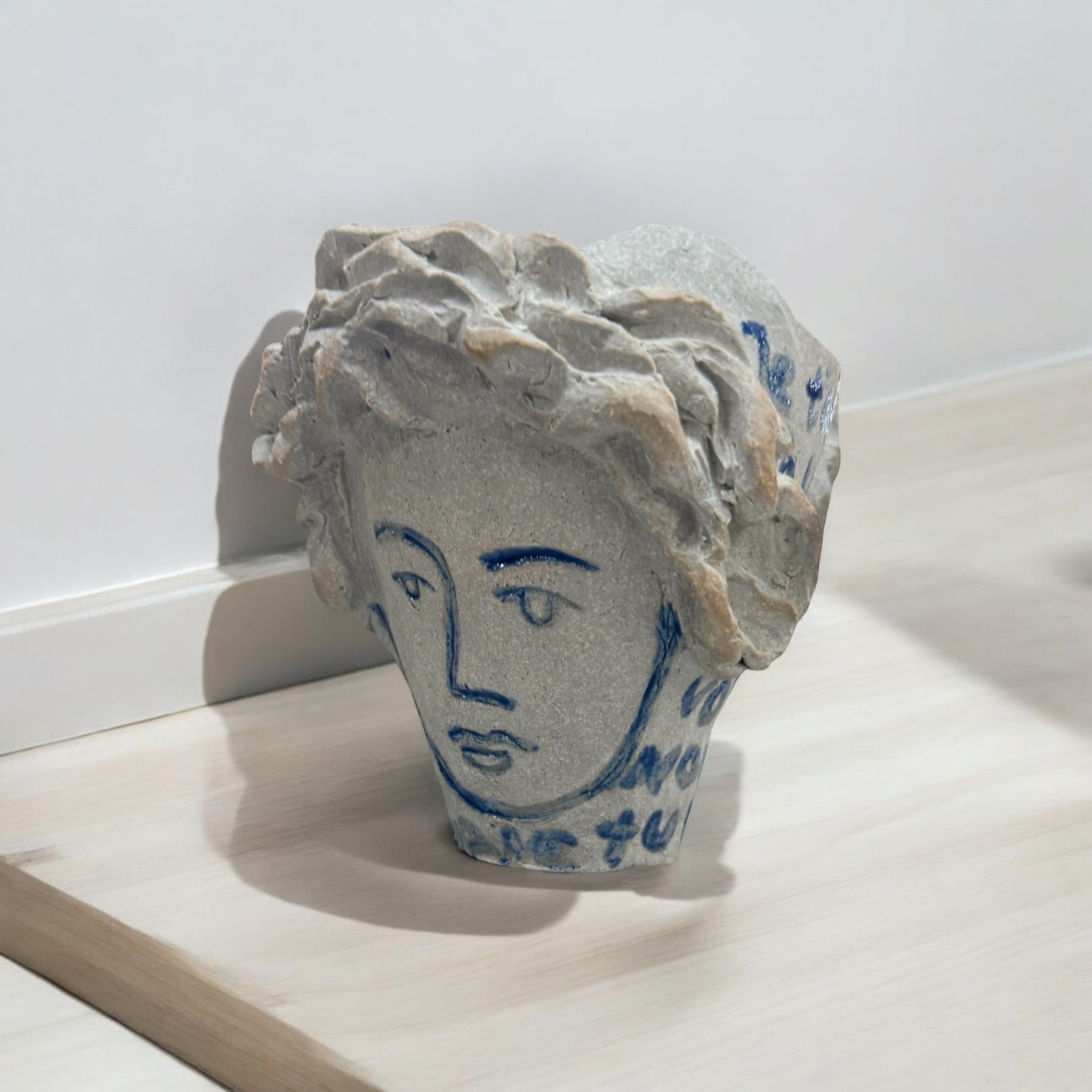
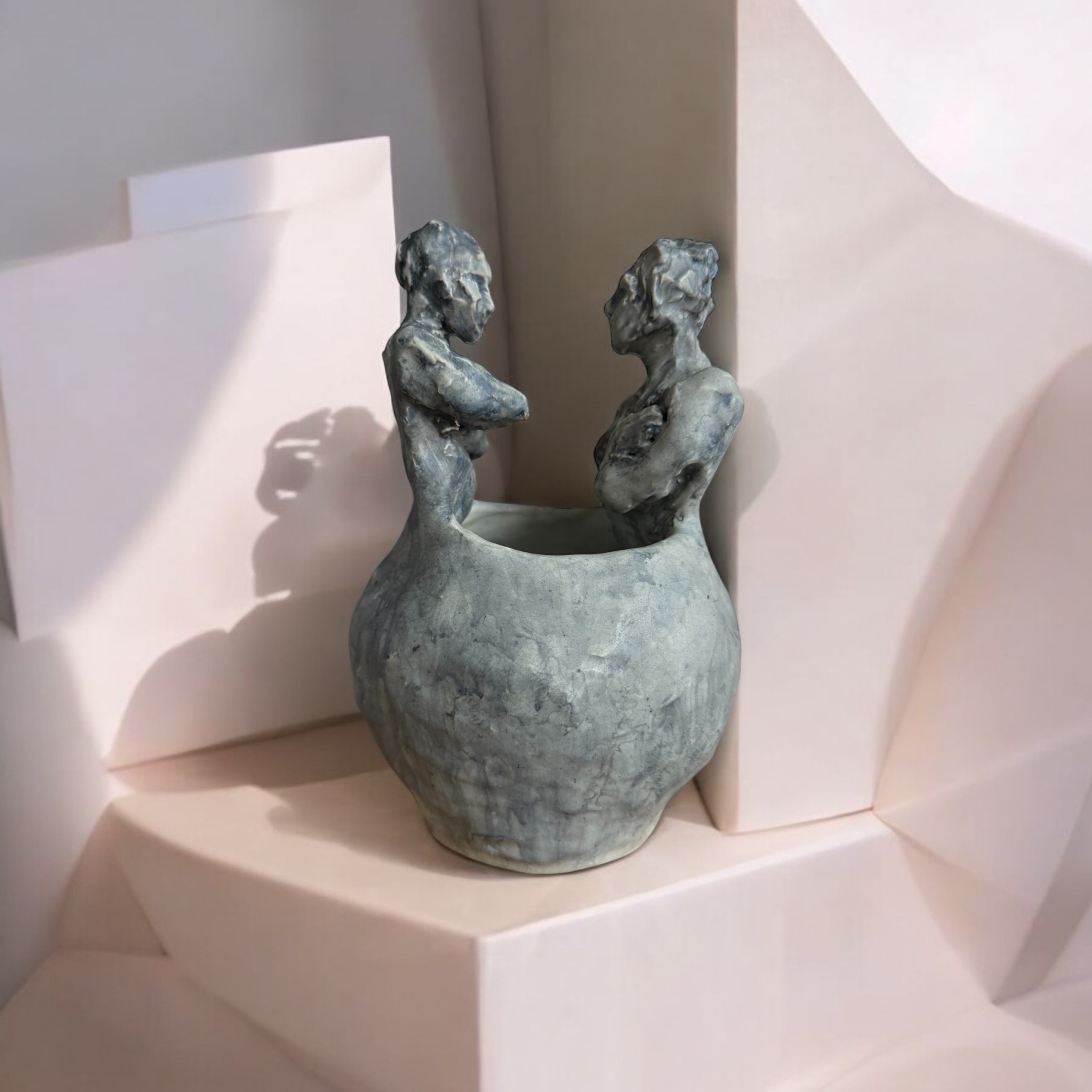
Clay is my main medium, and I’m drawn to textures and imperfections that feel raw and alive. Whether I’m creating a purely sculptural piece or something functional, like a vessel, I approach each form as a kind of character — something that holds a story, or at least a feeling.
I’m less interested in perfection and more drawn to honesty — to the marks of the hand, the asymmetries, the sense of movement frozen in time.
Learning and unlearning are both critical parts of growth – can you share a story of a time when you had to unlearn a lesson?
One lesson I had to unlearn was what I thought I knew about the human body. When I was taking live drawing classes, one of the first things they drilled into us was: stop drawing what your brain thinks it sees. Forget the idea that the arms are always the same length or that eyes sit perfectly halfway down the head. In certain poses, a leg might look dramatically shorter than the other, or a shoulder might disappear entirely. You have to train your eyes to follow shapes, volumes, angles — not assumptions.
Then I moved into sculpture… and quickly realized that while that same lesson sort of applies, it doesn’t fully translate. Yes, I still have to look closely and sculpt the volumes and shapes rather than body parts. But unlike in a drawing, I can’t make one leg noticeably shorter than the other just because of perspective — it’s a 3D object now! If I do that in clay, the figure ends up looking like it’s had a very rough day. So I’ve had to find a new balance: still letting go of what I think I know, but also respecting the realities of the form. It’s a humbling — and sometimes funny — shift.
For you, what’s the most rewarding aspect of being a creative?
For me, the most rewarding part is that very simple, almost magical moment: an hour ago, there was nothing — and now there’s a sculpture. And I actually made it. But what’s even better is when someone looks at the piece and sees or feels the same thing I did, without me having to explain anything. That kind of unspoken understanding feels pretty special.
Contact Info: