



We’re excited to introduce you to the always interesting and insightful Marin Solace. We hope you’ll enjoy our conversation with Marin below.
Marin, thanks for taking the time to share your stories with us today Before we get into specifics, let’s talk about success more generally. What do you think it takes to be successful?
Success, in my opinion, comes from a combination many key factors. These have worked for me, though I recognize that everyone’s journey is unique. But for me, the pillars of success are: a clear mission or goal, ambition, action, and education.
A Clear Mission, with a goal, and peers to guide you.
Success requires direction and the right people to guide me. Without a clear mission or goal, it’s easy to get lost or distracted. Knowing exactly what you want to achieve and why gives you a map to follow. I wish I knew what it meant when you heard someone say “it not what you know, but who you know” surrounding myself with peers who had ambitious goals, were educated and ambitious got me to where I am now.
Ambition and speaking of your ambition
Ambition for me, is something you either have or you don’t—it’s intrinsic. It’s that internal drive that pushes you to reach for more, to go beyond what’s comfortable, and to take risks. Ambition doesn’t always come from external validation or rewards—it comes from a place within you that says, “I can do more and in my case maybe a little or (A LOT) of “This is good enough, I can do better”. Speaking these ambitions into reality is just as important. Before I signed up to go back to school and actually started I told EVERYONE about my goal. When my self doubt came to light I had that extra push to follow through.
I’ve met countless people who have potential but lack ambition. They want success, but they don’t push themselves hard enough to get there. Ambition has always been non-negotiable. While I am juggling our business, my family, and life’s challenges, many people around me questioned how I could handle it all. But my ambition to build something meaningful and achieve my goals was what kept me going—even when the going got tough.
Action
I believe that real action creates real change. It’s one thing to dream, plan, or talk about something, but it’s another to actually put the work in and take action. Without consistent, deliberate action, nothing happens. I am currently in a program called Leadership Kitsap and one of the first things they taught us was,
Positive Action > Desired Reaction > Positive Results
Do I take breaks? Or slack off, OF COURSE! But I wasn’t waiting around for the “perfect moment” or for everything to align perfectly. I took action in small, incremental steps, and that momentum created results. Action may not always lead to success immediately, but it’s the only thing that will bring you closer to your goals.
Education
I firmly believe that education, whether formal or informal, is essential to success. I spent a lot of years learning the hard way, making mistakes (losing money) and figuring things out as I went. But now, at 31, with a two-year-old, a job, and community obligations I’m going back to school to pursue my bachelor’s degree in Organizational Leadership and Business Management. This decision isn’t just about the degree; it’s about committing to continuous learning and growth. The more you learn, the better equipped you are to handle challenges, innovate, and stay ahead. I also should confess that well I am able to execute a lot in my professional life, my literacy in speaking, writing and math is lacking. I want to be at the same level as my peers. I see how valuable structured education can be. I’m learning more than I ever imagined through Rotary and Leadership Kitsap.
Story portion,
At 23, I landed a restaurant manager position in Seattle—a job I was somewhat qualified for, but one that I definitely wasn’t fully prepared for. I had the basic experience, but I lacked the business smarts and leadership skills needed to truly excel in that role. I remember feeling a bit out of my depth, but I also felt a fire inside me to make it work. I knew I had the drive, and I was determined to learn, no matter how hard the road ahead looked.
The first few years were tough. I worked relentlessly—long hours, difficult customers, constant problems to solve, and decisions to make that were bigger than anything I had dealt with before. I made plenty of mistakes along the way, and there were times I doubted myself, but I never let those moments define me. I had one goal in mind: to succeed. And to do that, I poured my energy into learning every aspect of the business, from managing staff to optimizing operations and improving customer experience.
Through four years of grueling work and relentless ambition, I began to understand the ins and outs of the business. I developed the leadership skills I once lacked, and with that came greater responsibility and trust from my superiors. My ability to lead my team, make tough decisions, and keep the business running smoothly earned me respect, but more importantly, it earned me opportunities. Slowly, my role evolved from manager to partner, and then, in a twist I hadn’t expected, I eventually became an actual business owner.
I can’t deny that I got a little help along the way mentors, partners, and people who believed in me when I was still figuring things out. But at the end of the day, it was my hard work, relentless ambition, and commitment to growth that got me to where I am today. Becoming a business owner was never handed to me—it was something I earned through sheer dedication and the belief that no matter how unqualified I may have felt at the start, I could figure it out if I kept pushing forward.
Looking back, those four years taught me one of the most important lessons of all: Success isn’t about having all the qualifications at the start. It’s about putting in the work, learning from every experience, and never giving up on the goal, no matter how big or daunting it seems.
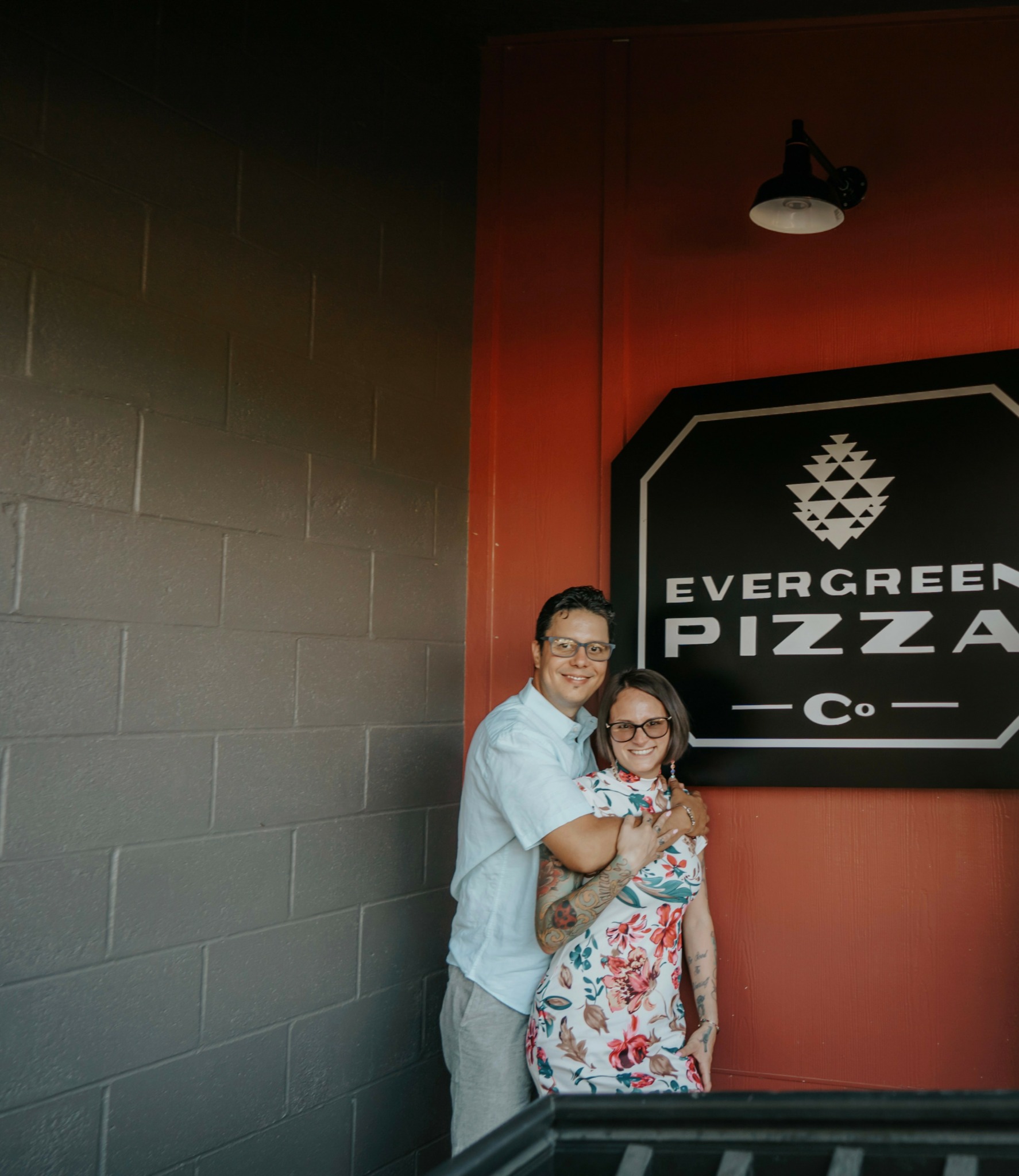
Marin, love having you share your insights with us. Before we ask you more questions, maybe you can take a moment to introduce yourself to our readers who might have missed our earlier conversations?
I’ve always been passionate about having a good time, and over the last 10 years, I’ve built my expertise in this space. My journey into the restaurant industry was pretty typical—I needed a job, and serving made good money.
But to really understand how I ended up in this industry, I have to share a bit of my past. At 18, I was arrested for selling drugs. I had been an active drug user in my early teens, and I went down the wrong path following the wrong people, making bad choices, and just losing my way. When I went into a drug treatment program, still choosing to make terrible choices I made my way to Washington’s Corrections Center for Women from 19-21. Upon release I ran into an old friend who offered me a server position at the place where he was working.
The restaurant industry has always been known for giving second chances, for taking in “misfits” and people who may not have a traditional background. Not everyone can handle the chaos of serving it’s 10,000 tasks happening all at once while guests are right in front of you but I loved it. I loved taking care of people and making their night special. I loved learning about food, wine, and cocktails. I thrived in the fast-paced environment, and the camaraderie of going out together after work made it even better.
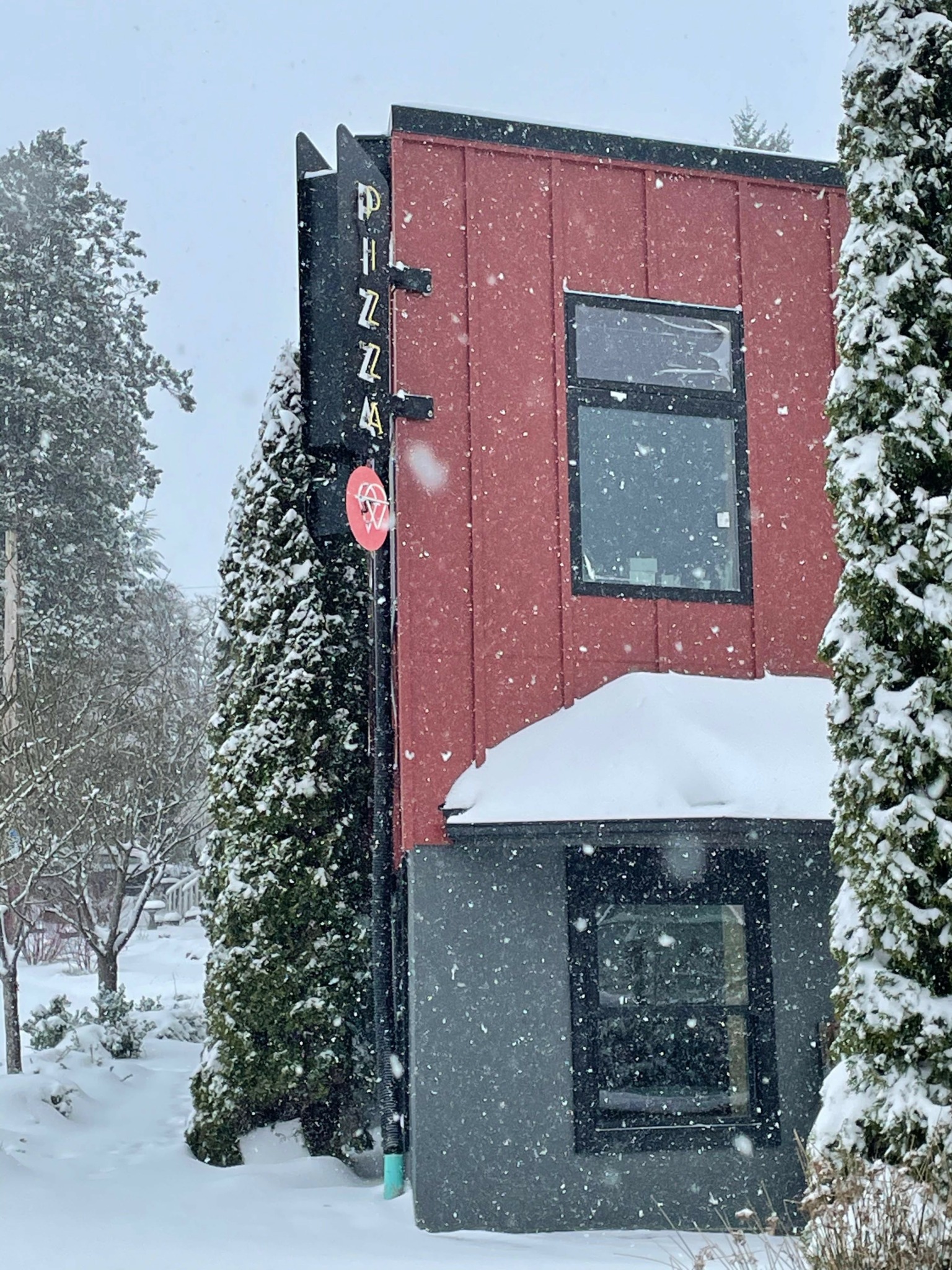
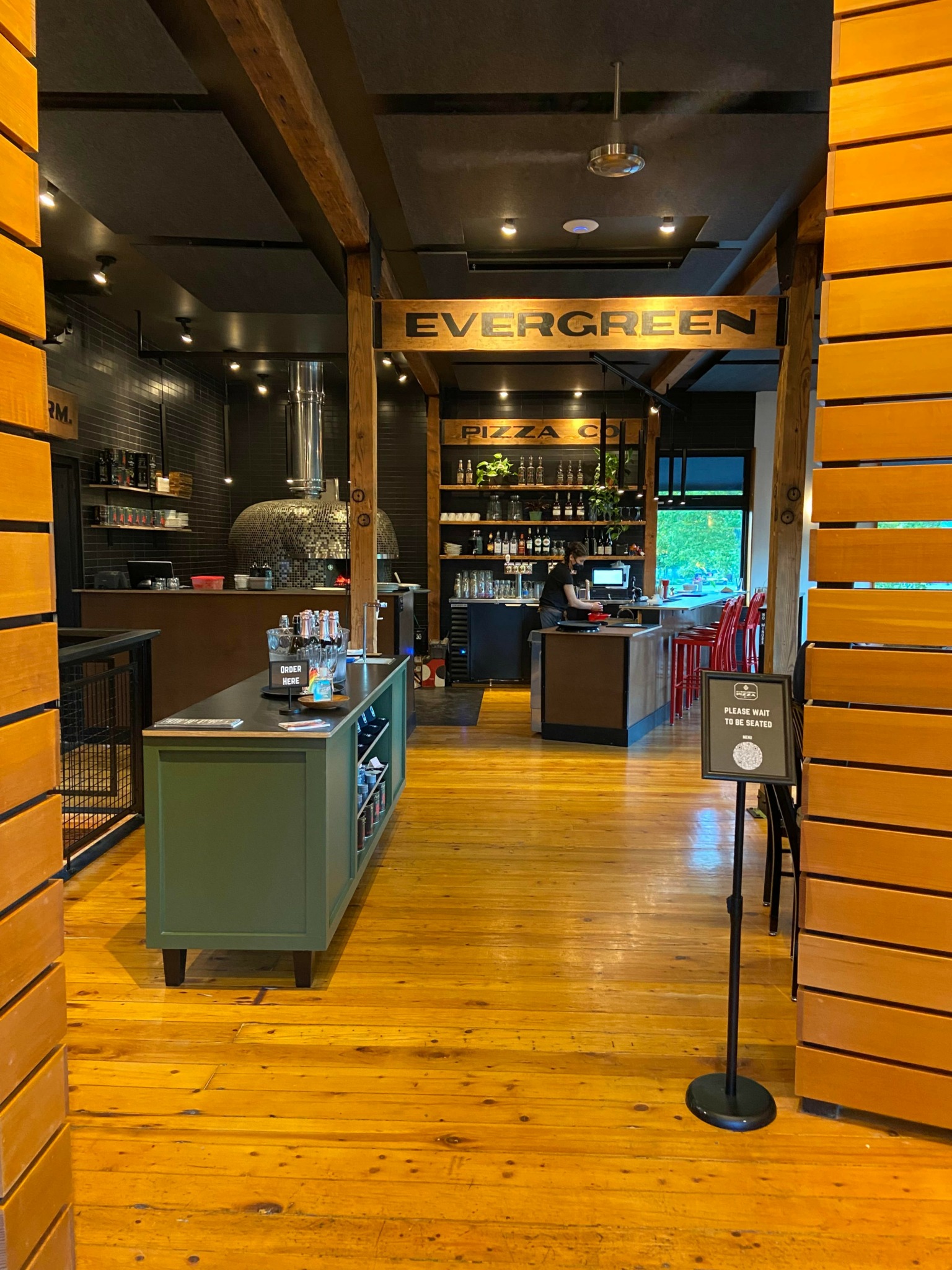
After a few years of serving, I was offered my first big opportunity in Seattle. I was 23, and in a position I definitely wasn’t fully prepared for. But thankfully, the man who hired me saw something in me—ambition and maybe he thought I was cute. Now, at 31, I am still with my partner and I’m a part owner of Evergreen Pizza in Bremerton, Washington.
Along the way, I knew I wanted to excel at management and leadership, so I’ve spent the last 7 years learning these skills. One of the biggest challenges in the restaurant industry is hiring and I’ve managed to successfully address that issue at our restaurant. Hiring is every restaurant owner’s nightmare, but we believe in hiring for the person, not just their experience. This has created a culture of trust, a willingness to learn, and overall success in our team.
In the future, I hope to start my own consulting practice to help other business owners through the learning process of what it means to be a good leader and how to hire managers who can lead their teams effectively.
Being a business owner has also given me the opportunity to really connect with my community and understand their needs. Through Rotary, I’ve been able to give back, using my expertise in event planning and leadership. This year marks my second year planning a fundraiser called The Wild Game Dinner. This event raises around $50,000 annually for local community programs, including the YMCA, scholarships, and leadership programs for high school students. It’s an incredibly fulfilling experience to give back and see the direct impact on our community.
Any advice for managing a team?
Managing a team and maintaining high morale is all about treating people like you truly care about them, because, honestly, that’s the only way to build a healthy, thriving team. When people feel respected, valued, and seen as individuals, they’re much more likely to show up with their best selves and contribute to the success of the team. This means not just being a good boss, but being a leader who actively listens, supports, and fosters a sense of belonging.
One of the most important things I’ve learned in managing teams is that clear boundaries are essential. When expectations are set from the beginning—whether it’s about work hours, responsibilities, or how to treat each other—it helps avoid confusion and prevents unnecessary stress. People want to know where they stand, and when those boundaries are clear and fair, it creates a sense of security. This allows them to focus on their work and not worry about the unknowns that can often cause anxiety or conflict in a team.
Another key piece is hiring the right people and building a team that trusts each other. When trust is established from the outset, you don’t have to micromanage, and there’s less concern about whether people enjoy their jobs. A team that trusts each other can operate with more autonomy, knowing they have each other’s backs. This leads to a collaborative environment where people are more willing to go above and beyond for each other and the team as a whole.
If you treat your team members with respect, set clear boundaries, and cultivate trust within the group, you’ll find that morale naturally stays high. People are more likely to feel engaged, motivated, and proud of the work they’re doing, not just because they like the job itself, but because they feel supported and valued as individuals.
Ultimately, it’s about creating an environment where people want to succeed—not just for themselves, but for their colleagues, because they genuinely care about each other and the shared goal.
Are there any books, videos or other content that you feel have meaningfully impacted your thinking?
The true turning point in my entrepreneurial and leadership journey came through my involvement with Rotary. The Rotary Club has opened up countless doors for me—not just professionally, but personally. Through Rotary, I’ve connected with a network of like-minded individuals who are deeply committed to giving back to the community. Their leadership and commitment to service have been a constant source of inspiration.
One of the biggest lessons I’ve learned through Rotary is the importance of being part of something bigger than yourself. Giving back to your community is essential—not just for the growth of your business, but for your own personal development. The relationships I’ve built through Rotary have not only expanded my business network, but they’ve also made me a better, more compassionate leader. I’ve learned the value of collaboration, empathy, and understanding diverse perspectives.
Being involved in community projects, such as organizing fundraising events or supporting local initiatives, has given me a sense of purpose and fulfillment that transcends the day-to-day grind of business ownership. The more I give, the more I learn and grow. Rotary has taught me that leadership is about service—helping others, whether it’s through mentorship, volunteering, or simply offering a helping hand, has been one of the most rewarding aspects of my journey.
Even if Rotary isn’t your thing, I truly believe that being involved in your community is essential. It can be easy to focus solely on running a business or climbing the corporate ladder, but the real growth comes from creating meaningful connections, supporting your local community, and using your skills and resources to help others. This has not only shaped my approach to business but has also made me a more well-rounded, purpose-driven individual.
In short, being part of a community and giving back has had a lasting impact on me as a person and a business owner. Whether through Rotary or other avenues, it’s a powerful way to expand your leadership abilities, build meaningful relationships, and make a positive difference that extends far beyond your business.
Service above self
Contact Info:
- Website: https://www.evergreenpizzaco.com
- Instagram: marinsolace – evergreenpizzaco
Image Credits
None needed