

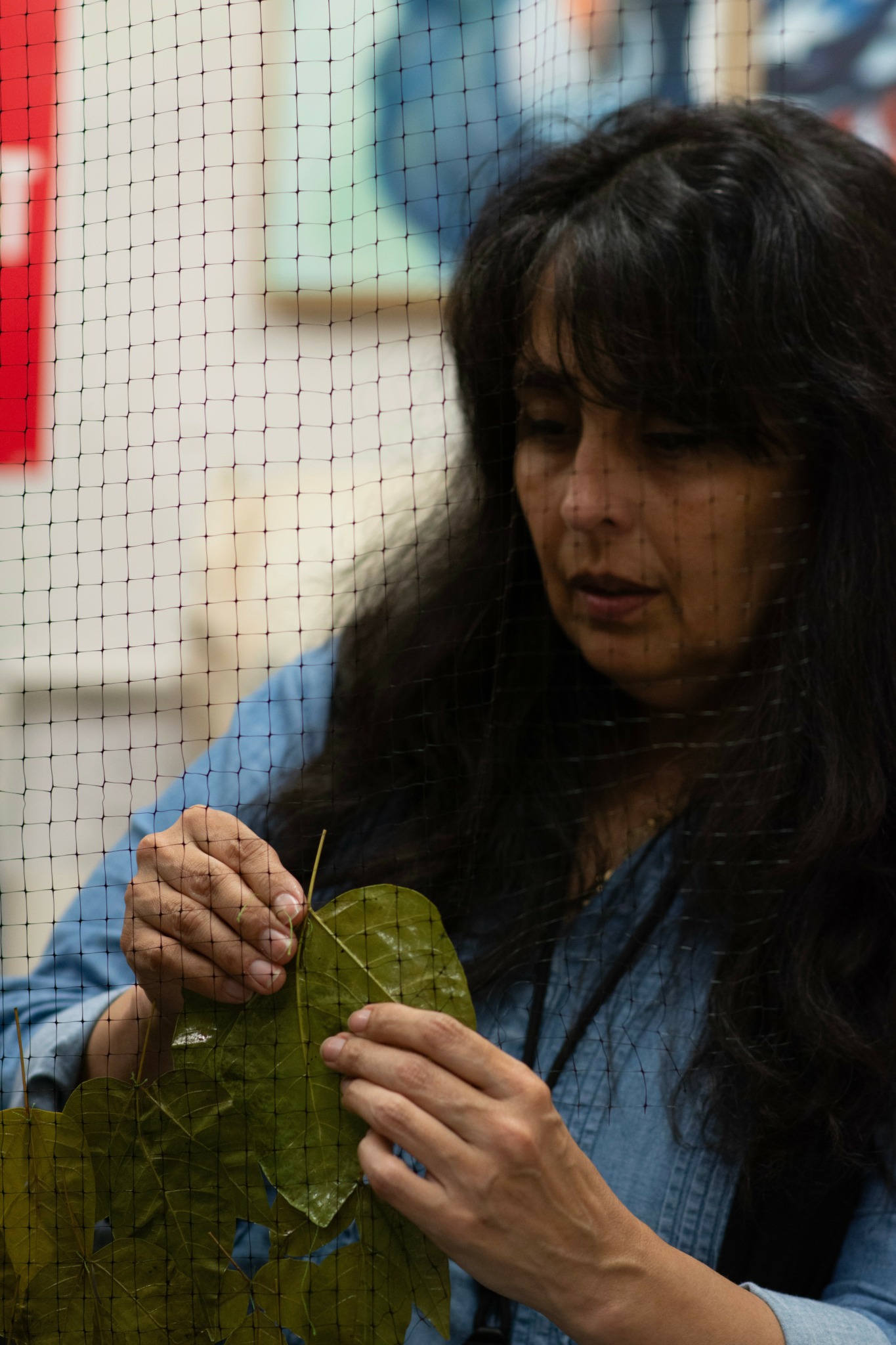

We were lucky to catch up with Marielena Ferrer recently and have shared our conversation below.
Marielena, looking forward to hearing all of your stories today. Did you always know you wanted to pursue a creative or artistic career? When did you first know?
I think I always wanted to follow a creative path, even if I didn’t realize it at first. That changed right before the pandemic. I was attending community college to improve my English, learn American history, and finish my sociology degree. My friend Lara invited me to a figure drawing session, and I was instantly hooked. I signed up for the only evening art elective available—Introduction to Drawing—since I worked full-time during the day.
I excelled in that class, and my instructor encouraged me to join the Fine Arts program. She even spoke with the coordinator, convinced him I was ready, and I was accepted.
Art had always been part of my private world. I grew up in a single-parent, working-class, and very creative family. We didn’t have much, so we made most of the gifts we gave. That taught me craftsmanship and creativity early on. Making art was also how I coped with life’s struggles and, at times, earned a little extra income. But pursuing a Fine Arts degree had never crossed my mind—until then.
One day, a drawing assignment about a “current event” pushed me to create my first openly political piece. It was displayed in a campus hallway, and within 24 hours, it disappeared. When I realized my work had been vandalized, I felt exposed and shaken. But something unexpected happened: students rallied, faculty organized discussions, and my response—a manifesto I posted where my drawing had been—became a catalyst for dialogue.
That’s when I understood: art is powerful.
After years of working for social causes, I had never seen anything move people so quickly or deeply. From that moment on, I knew—I wanted to be an artist.
Marielena, love having you share your insights with us. Before we ask you more questions, maybe you can take a moment to introduce yourself to our readers who might have missed our earlier conversations?
I am an artist, educator, and community builder drawn to the stories that often go unheard. My work lives at the intersection of art, social reflection, and care — exploring how people navigate belonging, displacement, and resilience. I have a soft spot for the underdogs, those who move quietly through the world, adapting, surviving, transforming. Much of my art is guided by empathy — by a desire to understand what happens at the edges of visibility, and how creativity can restore a sense of agency and connection.
My award-winning project, Broken Monarchs, best embodies my direction as an artist. Using monarch butterflies as a metaphor for the fragility and resilience of the more than five thousand migrant children separated from their parents under the Trump-Pence administration’s “zero-tolerance policy,” the project examines how beauty and symbolism can mobilize empathy and civic awareness. The installation — a swarm of hand-printed paper butterflies, each torn around the edges and clustered like monarchs overwintering in Mexico — evokes both collective strength and the violence of separation. Developed through workshops based on the U.N. High Commission for Refugees’ community-protection framework, Broken Monarchs merges art, activism, and education to spark dialogue about migration and human rights.
As an immigrant myself, I believe in cultivating forms of everyday activism to contest social exclusion. My practice seeks to create spaces — in classrooms, studios, and public life — where small, sincere exchanges can shift perceptions and awaken empathy. These quiet, human interactions often become the first steps toward social and political engagement.
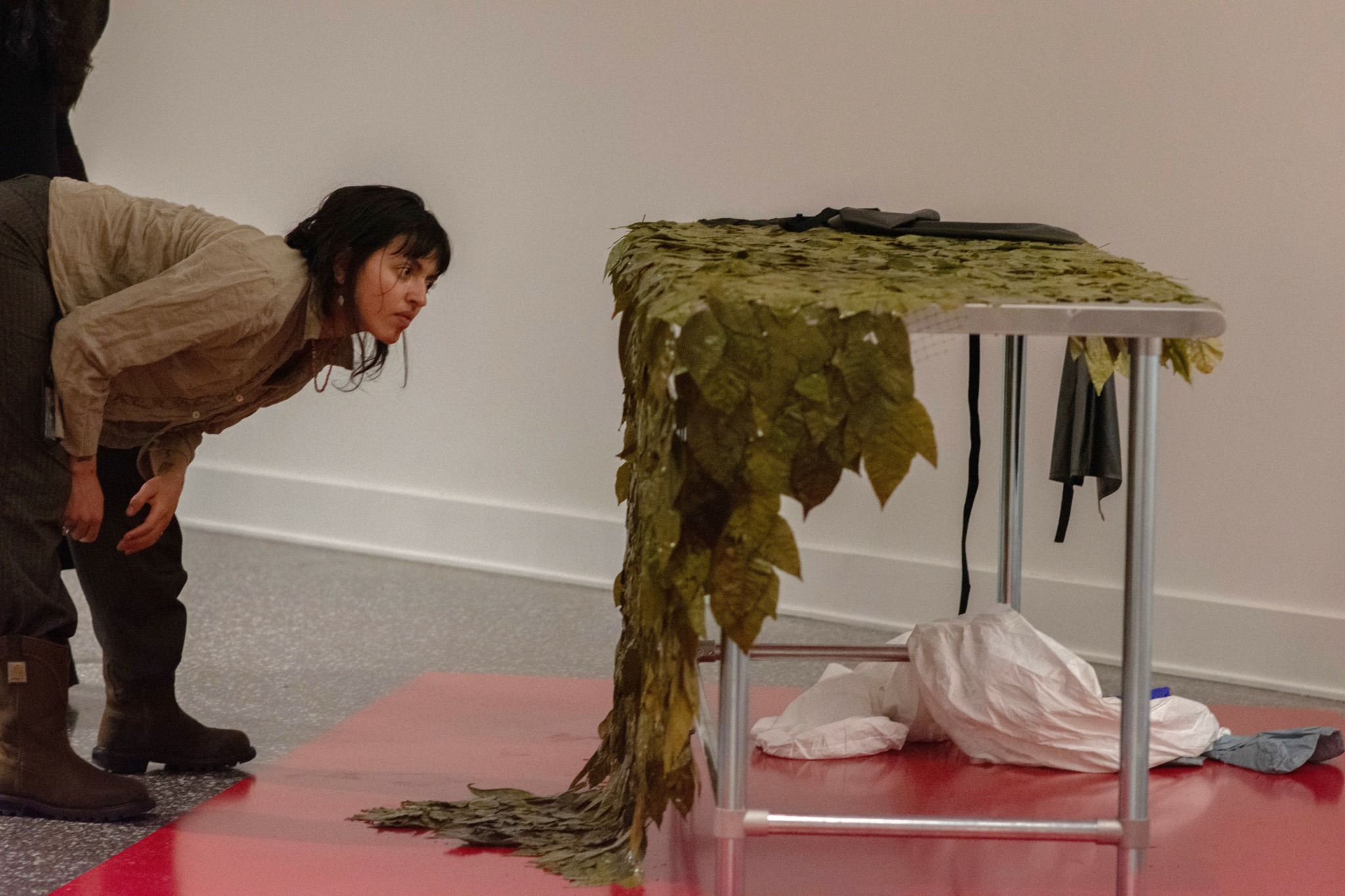
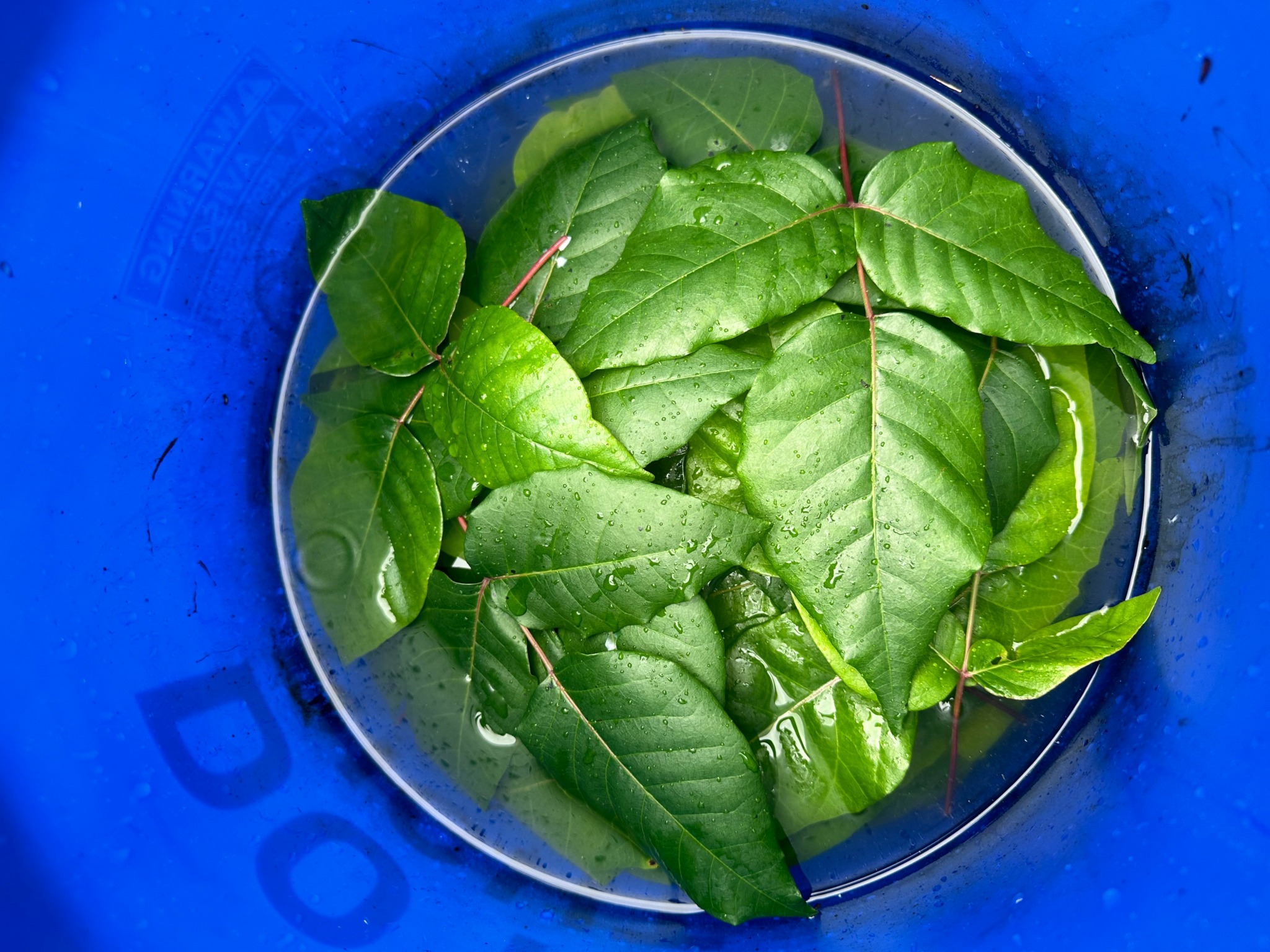
My ongoing research, at arm’s length extends these concerns into the natural world. Using poison ivy as both subject and metaphor, I examine how fear and exclusion shape our relationships — not only with people, but with the environments we inhabit. Like migrants or outsiders, poison ivy is often vilified, its presence tolerated only at a distance. Through sculpture, installation, and participatory actions, at arm’s length invites reflection on proximity, care, and coexistence, urging us to reconsider what we deem “toxic” or unworthy of compassion.
Across all my work, I aim to hold space for repair and reimagining — for beauty born from discomfort and for voices that rarely get to lead the conversation. I believe art can shift how we see each other, and in that subtle transformation lies the potential for change.

Is there a particular goal or mission driving your creative journey?
The mission driving my creative journey is to use art as a bridge for empathy, reflection, and social transformation. Through my work, I strive to give visibility to overlooked stories and to challenge systems of exclusion — whether social, political, or ecological. I see art as a form of care and a tool for connection, capable of awakening understanding where words often fail. My goal is to create spaces where people can pause, feel, and question — where beauty, discomfort, and dialogue coexist — and where new ways of seeing and being together can begin to take root.
For you, what’s the most rewarding aspect of being a creative?
For me, the most rewarding aspect of being an artist is witnessing that “now I get it” moment — the subtle yet powerful body reaction people have when something in my work suddenly connects. I love seeing that pause, that brief silence when the message lands. It’s in that space of realization — followed by the questions, reflections, and stories people share — that I feel art’s true purpose unfold.
Contact Info:
- Instagram: @marielena.ferrer

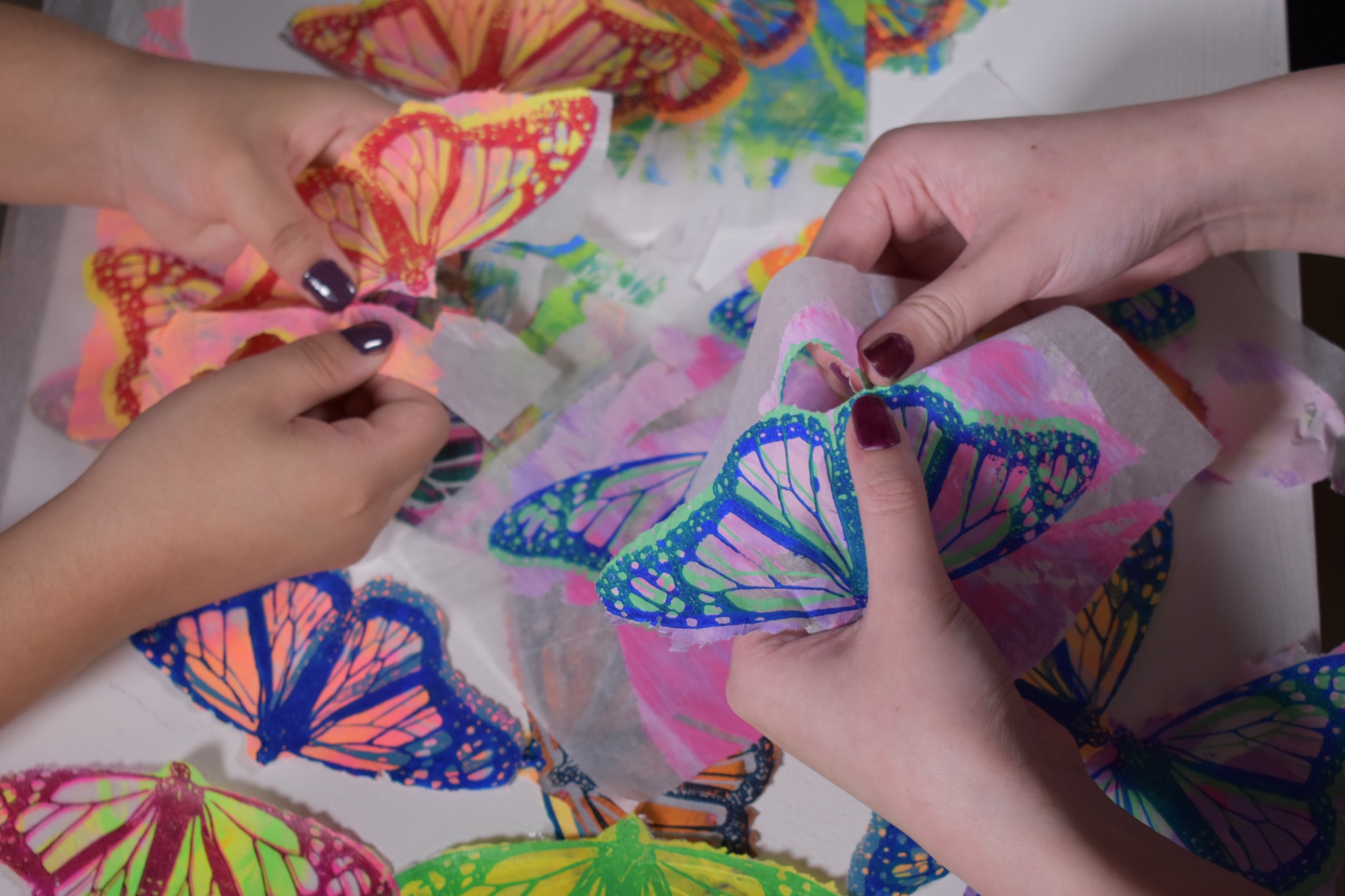

Image Credits
Samantha G. Ferrer
Maxine Leu
Marielena Ferrer