

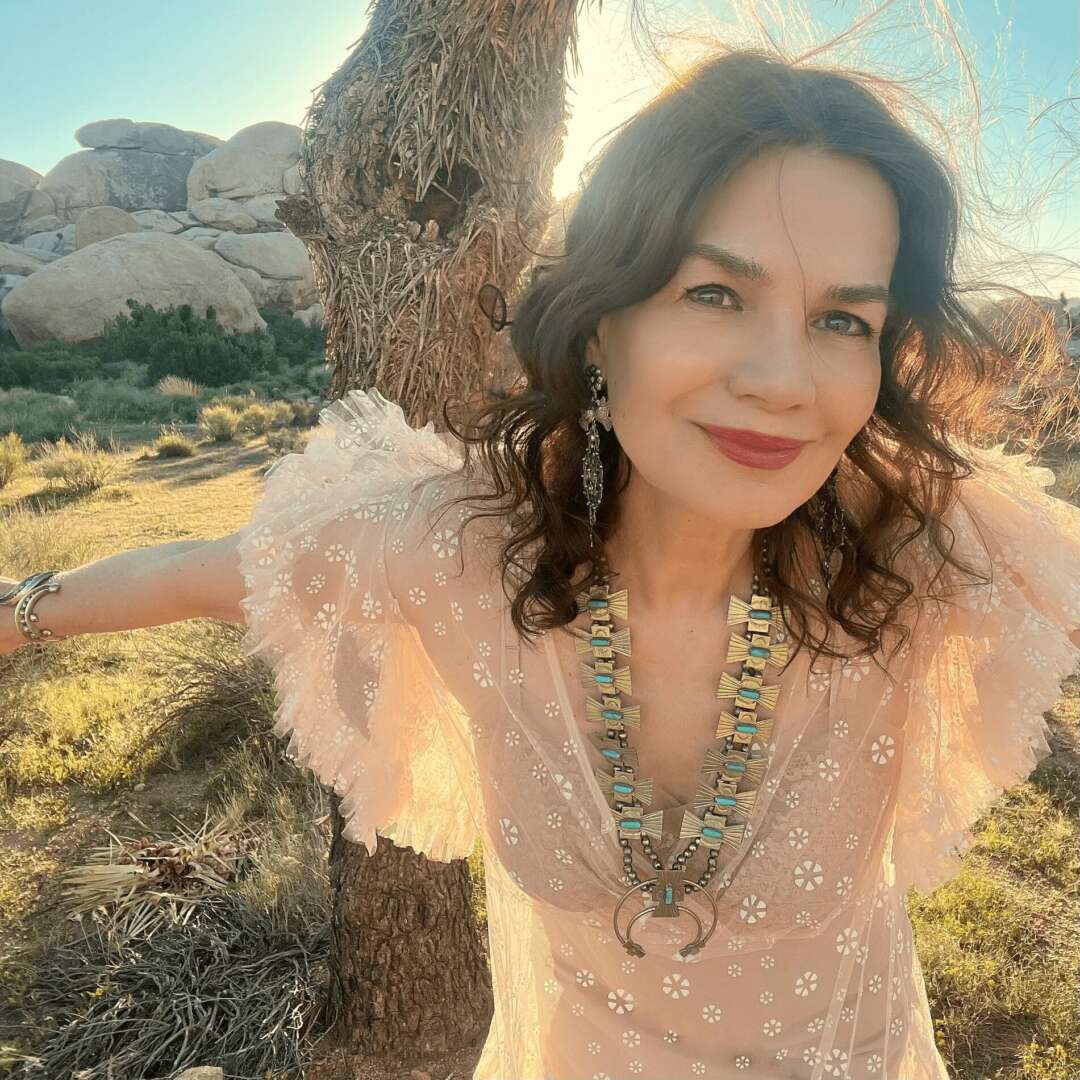

We’re excited to introduce you to the always interesting and insightful Marie Laurin. We hope you’ll enjoy our conversation with Marie below.
Marie, appreciate you joining us today. It’s always helpful to hear about times when someone’s had to take a risk – how did they think through the decision, why did they take the risk, and what ended up happening. We’d love to hear about a risk you’ve taken.
The Uncanny Journey
When my daughter Clara Gabrielle and I first announced our decision to create a psychological horror film, people thought we were foolish. As actors with no experience behind the camera, the odds were stacked against us. However, the allure of storytelling from a different perspective was too enticing to ignore and gleefully we took the plunge, oblivious to the challenges ahead of us.
Inspired by my years working as a counselor with abused youth, “The Uncanny” explored the harrowing effect of trauma and the resiliency of the human spirit. Ultimately, after countless late-night brainstorming sessions, our ideas merged into a cohesive, haunting story. The process was painstakingly slow, filled with moments of self-doubt and frustration. Yet, the excitement of crafting our own story kept us going.
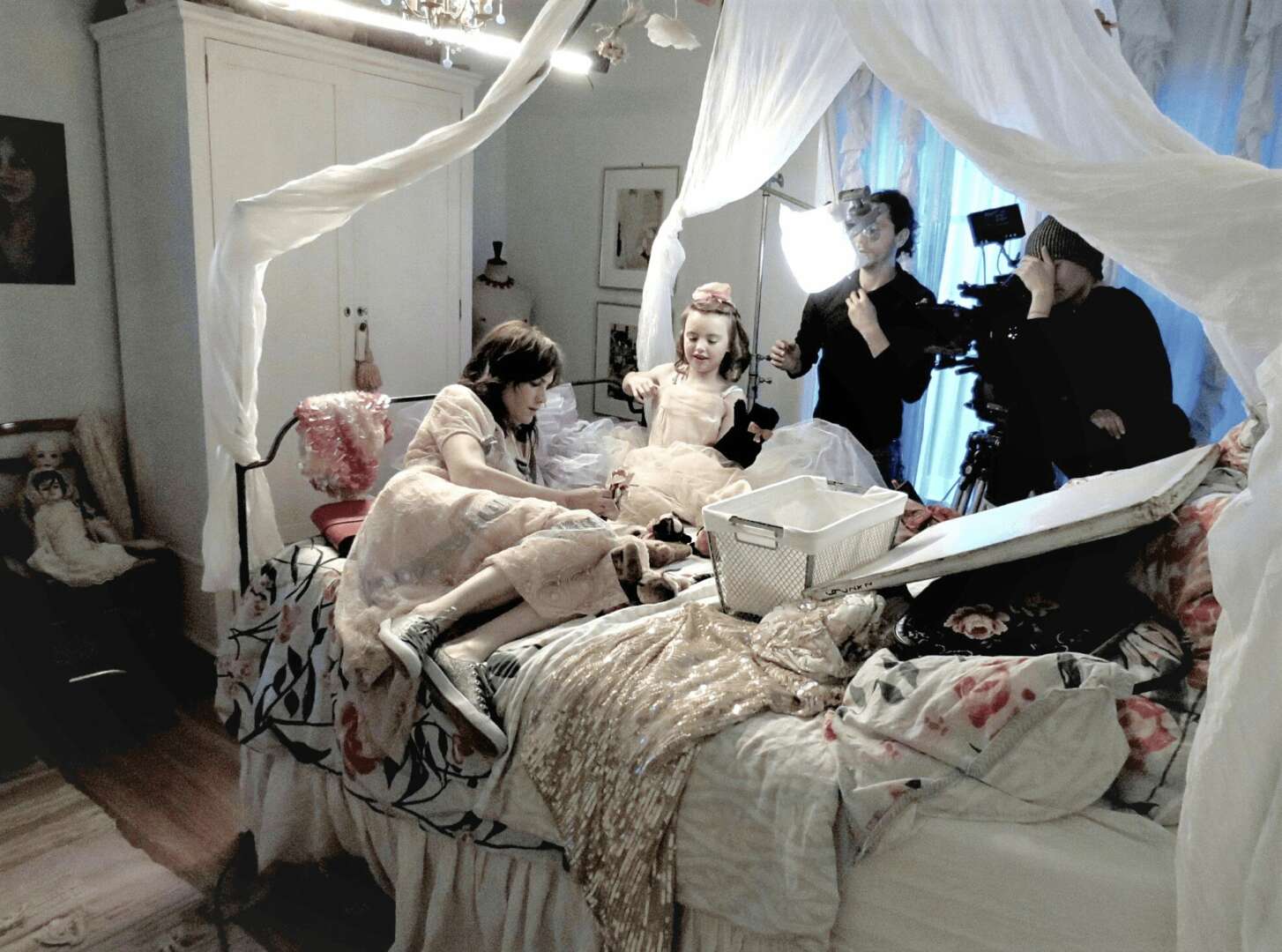
The physical and emotional toll was immense. Many evenings were spent debating over creative differences, only to be followed by days of grueling work on set. Every scene was a battle, demanding meticulous attention to detail. Blood, sweat, and tears were spilled, sometimes quite literally. The pressure was relentless, and there were moments when giving up seemed like the easier option.
In the midst of post production, the world was hit by the COVID-19 pandemic, “The Uncanny” came to a grinding halt, and uncertainty loomed over our project. However, being so close to the finish line, we refused to let the virus kill our dream. We adapted, finding innovative ways to continue our work. Thankfully, the delay, though frustrating, provided us with a renewed perspective and with more time to refine our vision.
Despite the challenges, there were also many moments of exhilaration. Witnessing our ideas come to life, frame by frame, was a surreal experience. The camaraderie that developed among our team of talented creatives was unparalleled. We learned from each other, pushing our boundaries and discovering new facets of our capabilities.
Personally, I grew immensely through this journey. The collaborative nature of filmmaking taught me the importance of perseverance, and humility. It also deepened the bond I shared with my daughter. Working together on “The Uncanny” allowed us to understand each other on a profound level. We celebrated our victories and consoled each other during setbacks, emerging from the experience with a stronger relationship.
It took five years of relentless dedication for our “crazy dream” to be completed. Since 2023, “The Uncanny” has been traveling the world, earning accolades on the international festival circuit. And every time I sit with an audience, I am reminded how it stands as a testament to collaborative work, true grit and the belief that passion can overcome inexperience.
“Whatever you can do, or dream you can, begin it. Boldness has genius, power and magic in it.” — Goethe
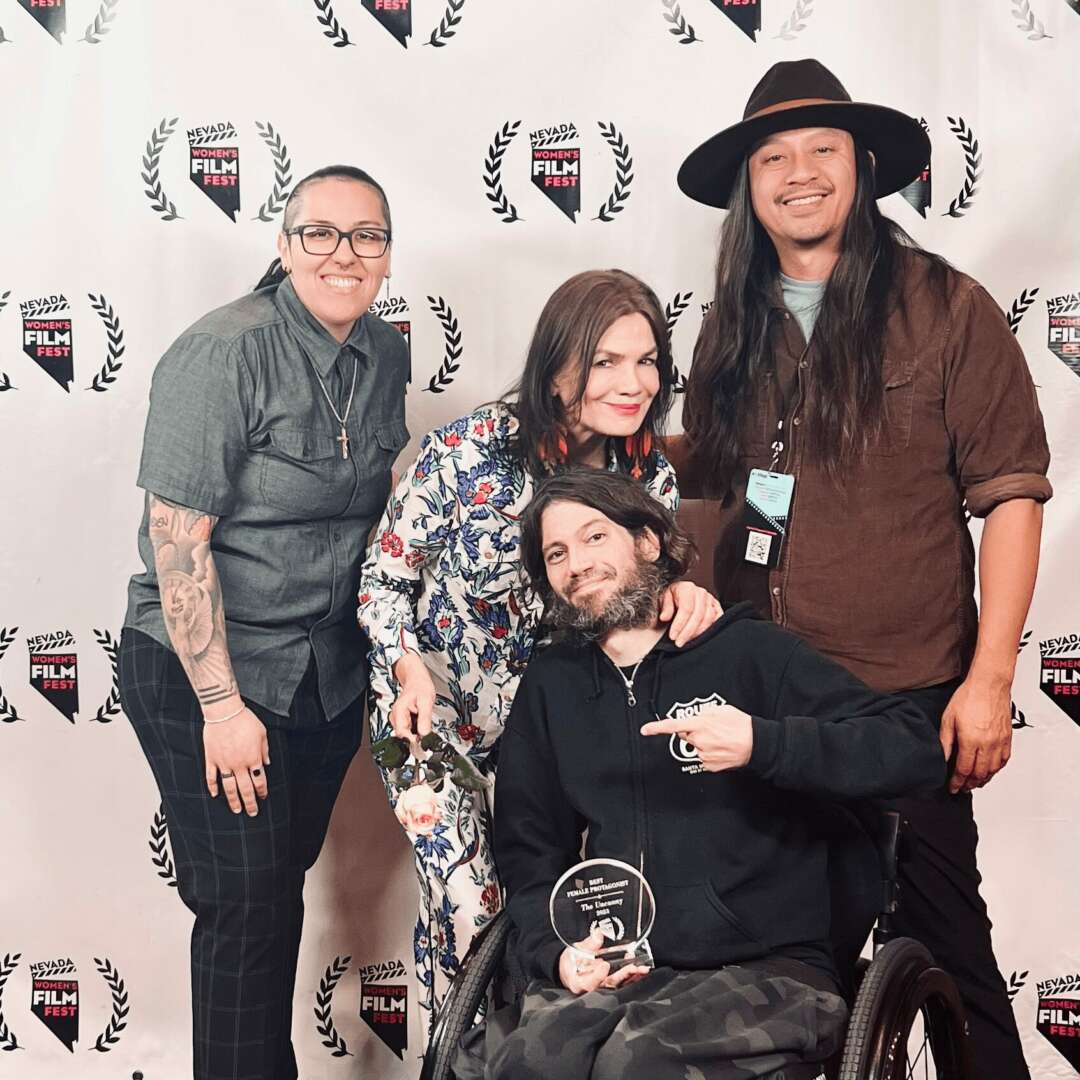
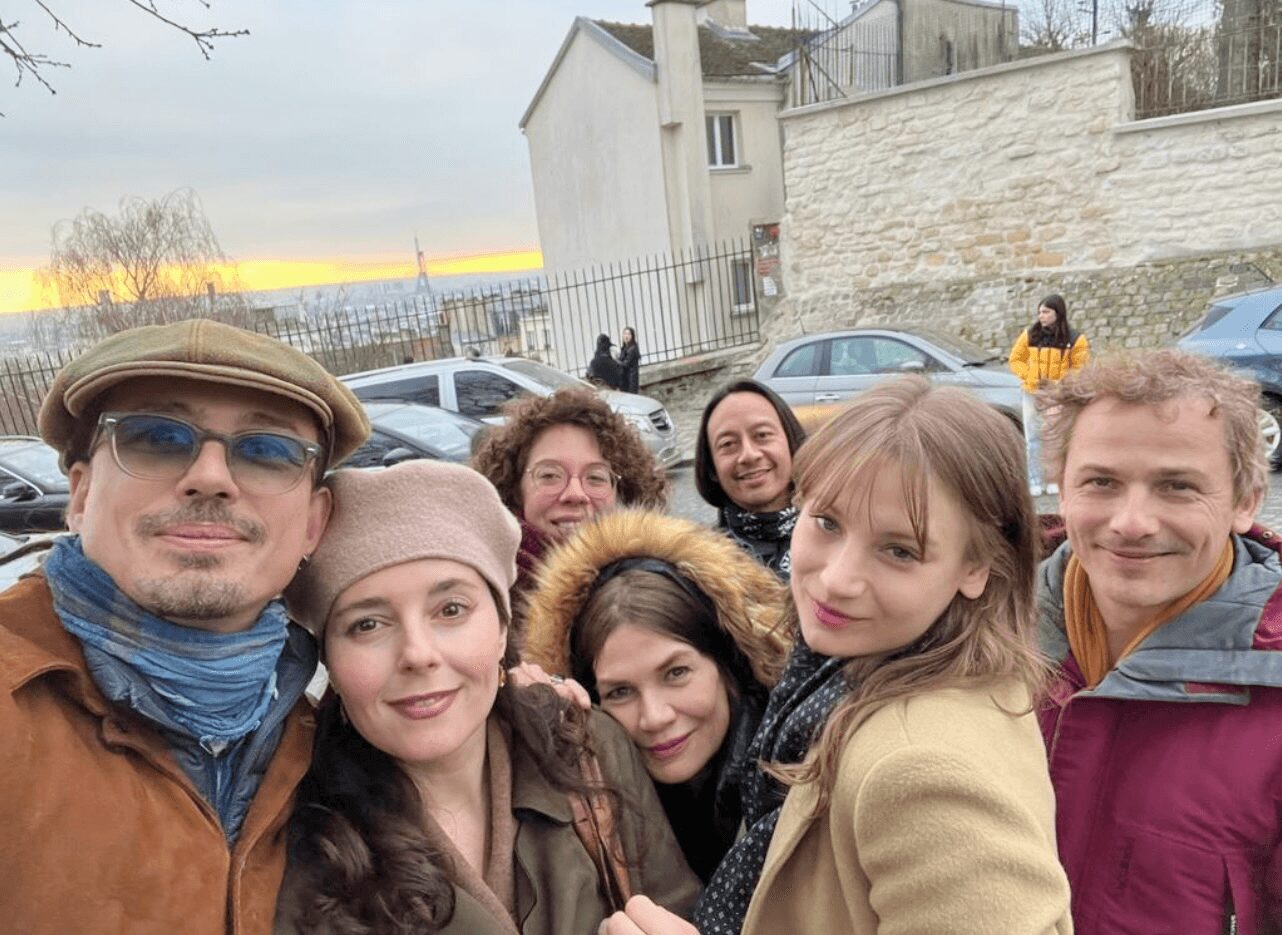
As always, we appreciate you sharing your insights and we’ve got a few more questions for you, but before we get to all of that can you take a minute to introduce yourself and give our readers some of your back background and context?
Born and raised in Quebec City, my passion for the arts manifested at an early age in the most delightful way. I convinced my family to binge on Jello Pudding so they could collect enough box tops to mail-order a puppet theater. Despite the woefully inadequate production values of that early foray into show business, the seed was planted. In the early 80s, after graduating from USC, I set out for Hollywood to luckily found myself sharing the screen with luminaries such as John Ritter, Steve Railsback, Klaus Kinski, Burt Reynolds, and, memorably, Harry Dean Stanton in a David Lynch production.
After a whirlwind of roles, life took a turn. As a single mother in search of a reliable payday, I had to reluctantly step away from acting to dedicate the next twenty years to being a mental health counselor for abused children. These experiences in the trenches gave me a profound outlook on humanity and a heart full of stories yearning to be told.
Years later, inspired by how fleeting life could be following my father’s funeral, I decided to reignite my childhood passion. Undeterred by the challenges of a middle aged woman reentering the dream factory, I enrolled in a filmmaking master class under the guidance of James Franco. The curriculum required for the students to write, produce, direct, and act in a film set in an asylum circa 1878. The result was the indie feature “Dark Hours: Roxana,”.
In 2017, Brazilian filmmaker Stefania Vasconcellos extended an invitation to my daughter and I to join her as co-screenwriters on the feature “The French Teacher.” Under Stefania’s direction, I also played the lead, gracefully shifting between French and English throughout the narrative. The film garnered acclaim, winning Best Artistic Direction in 2019 at the Edera Film Festival in Italy.
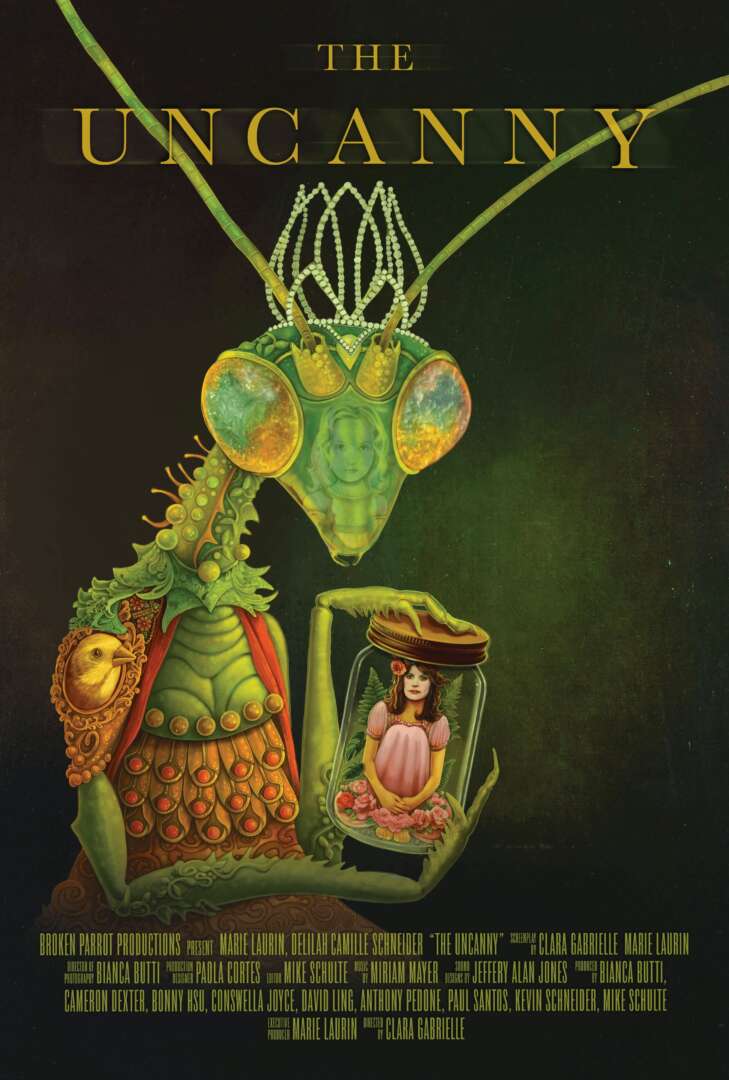
Seven years ago, my daughter Clara and I embarked on our most personal project yet: “The Uncanny.” Inspired by my work in residential treatment facilities and Clara’s struggle with depression, this supernatural psychological thriller took us years to complete. The journey was intense and demanding, but the result is a hauntingly beautiful film whith has been winning awards and capturing hearts.
My story is one of resilience, creativity, and an unyielding passion for the arts. From puppet theaters to Hollywood sets, from counseling rooms to film festivals, it is a testament to the power of following one’s dreams, no matter where they lead.
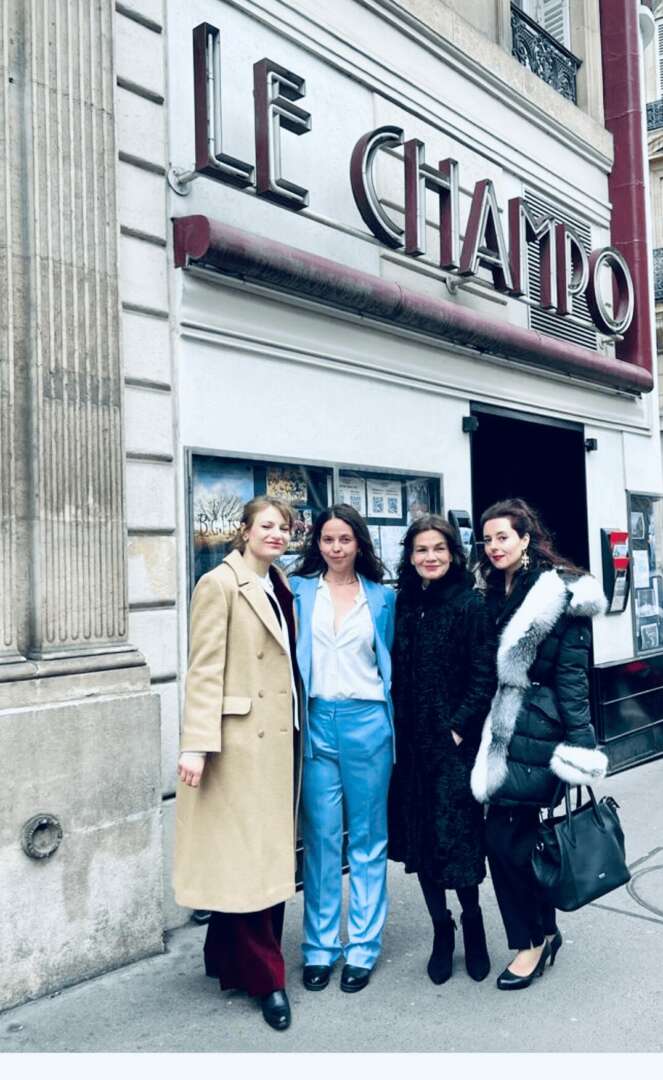
Is there a particular goal or mission driving your creative journey?
I am particularly fond of the following quote by Lucian Freud, the English painter and grandson of Sigmund Freud: “The task of the artist is to make the human being uncomfortable.” This resonates deeply with me because art has the profound capacity to delve into the recesses of our minds, uncovering thoughts and desires that often remain buried beneath the surface.
By being a creative, I find immense value in this exploration, as it not only allows for personal introspection but also serves as a tool to impact others—to provoke them to question and wonder.
As a filmmaker, my work is driven by a desire to confront and explore challenging themes, particularly those surrounding mental health and the often-taboo subjects associated with it. The stigmas and misconceptions surrounding mental health are vast, and through my work, I aim to shed light on these issues, encouraging a deeper understanding and empathy. Additionally, I am deeply concerned with the corruption within the foster care system, where vulnerable children are frequently re-victimized by the very system meant to protect them. This injustice is a recurring theme in my storytelling, as I believe it is crucial to raise awareness and incite change by giving a voice to the voiceless.
I strive to create content that does not provide all the answers but instead leaves the audience with open-ended narratives. This approach allows viewers to engage with the material on a personal level, pondering and discussing the themes long after the credits roll. By leaving certain aspects open to interpretation, I hope to foster dialogue and reflection, encouraging the audience to confront their own beliefs and assumptions.
Ultimately, my goal is to create content that challenges, provokes, and inspires. By making the audience uncomfortable, I believe we can spark important conversations and drive meaningful change.
What do you find most rewarding about being a creative?
As a filmmaker, the journey from having a mere thought for a storyline to watching it unfold on the big screen is nothing short of exhilarating. It begins with a spark of inspiration, a fleeting idea that you quickly jot down on paper. This initial concept gradually evolves into a full-fledged screenplay, a blueprint of your vision. The excitement intensifies as a cast and crew are assembled, each member bringing their unique interpretation and creativity to the project. Their input transforms your written words into living, breathing scenes.
The process doesn’t stop there. Once filming is complete, the story enters post-production, where it is further refined through editing, music, and sound engineering. Each element adds a new layer, enhancing the narrative and emotional impact. Finally, seeing the finished product is an unparalleled experience. It’s akin to witnessing a piece of your soul materialize before your eyes, a culmination of countless hours of hard work and collaboration.
In many ways, making a movie is remarkably similar to giving birth. Just as a child begins as an idea, a movie starts as a concept germinating within you. This idea grows and evolves, and despite all your planning and preparation, you can never be entirely sure of the outcome. Will it be everything you hoped for? Will it resonate with audiences? These uncertainties mirror the anxieties of expecting parents.
Once the film is completed, it takes on a life of its own. Much like a child, it is influenced by the experiences and perceptions of those who interact with it. Audiences bring their perspectives, critics offer their analyses, and over time, the film’s impact and legacy are shaped by these interactions. The creative process, much like parenthood, is a journey filled with anticipation, unpredictability, and ultimately, profound fulfillment.
Contact Info:
- Website: https://theuncannymovie.com
- Instagram: https://www.instagram.com/mariejlaurin/
- Facebook: https://www.facebook.com/marie.laurin.31/
- Youtube: https://www.youtube.com/watch?v=n9fdrUNrAuw
- Other: https://www.facebook.com/TheUncannyMovie/
https://www.instagram.com/the_uncanny_movie/
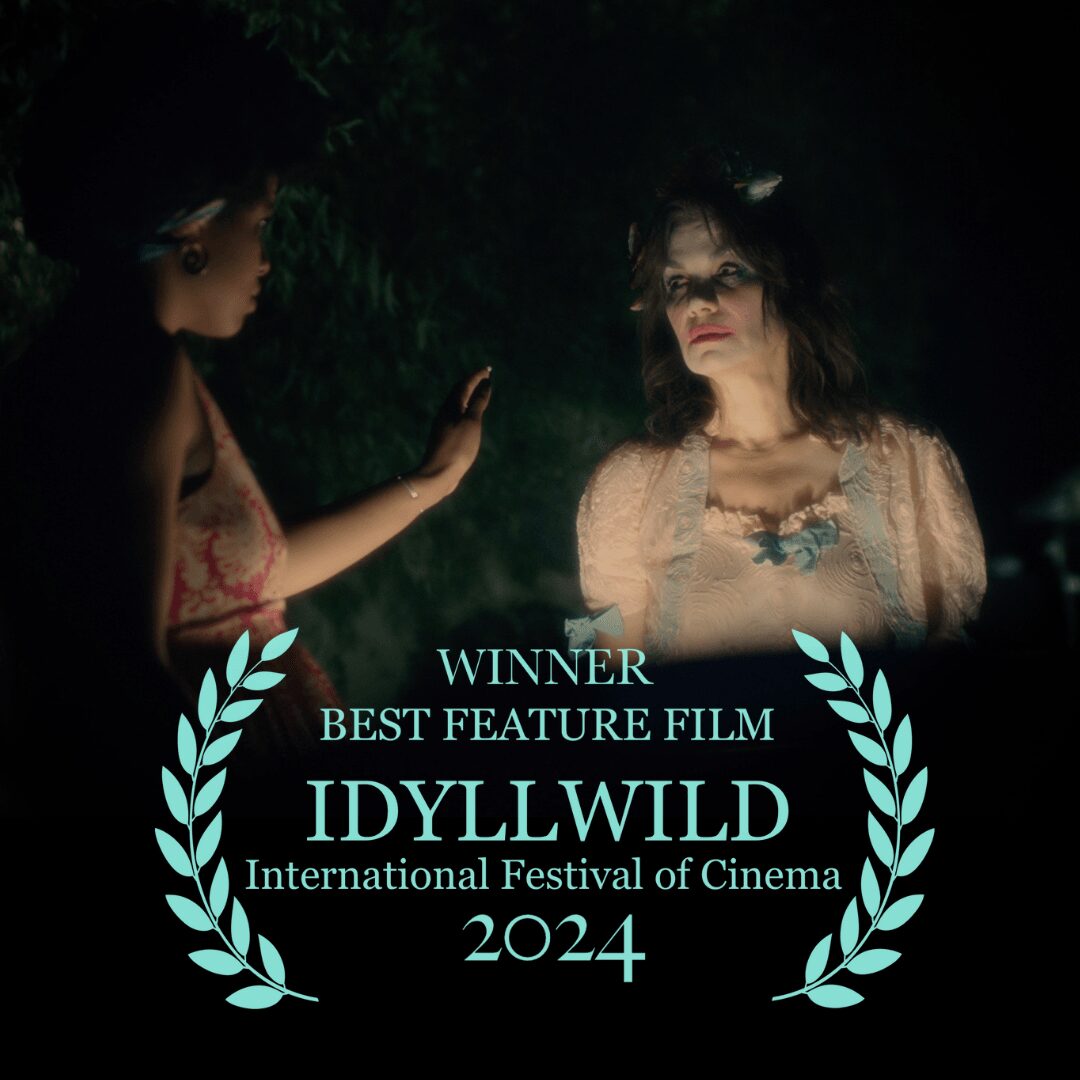
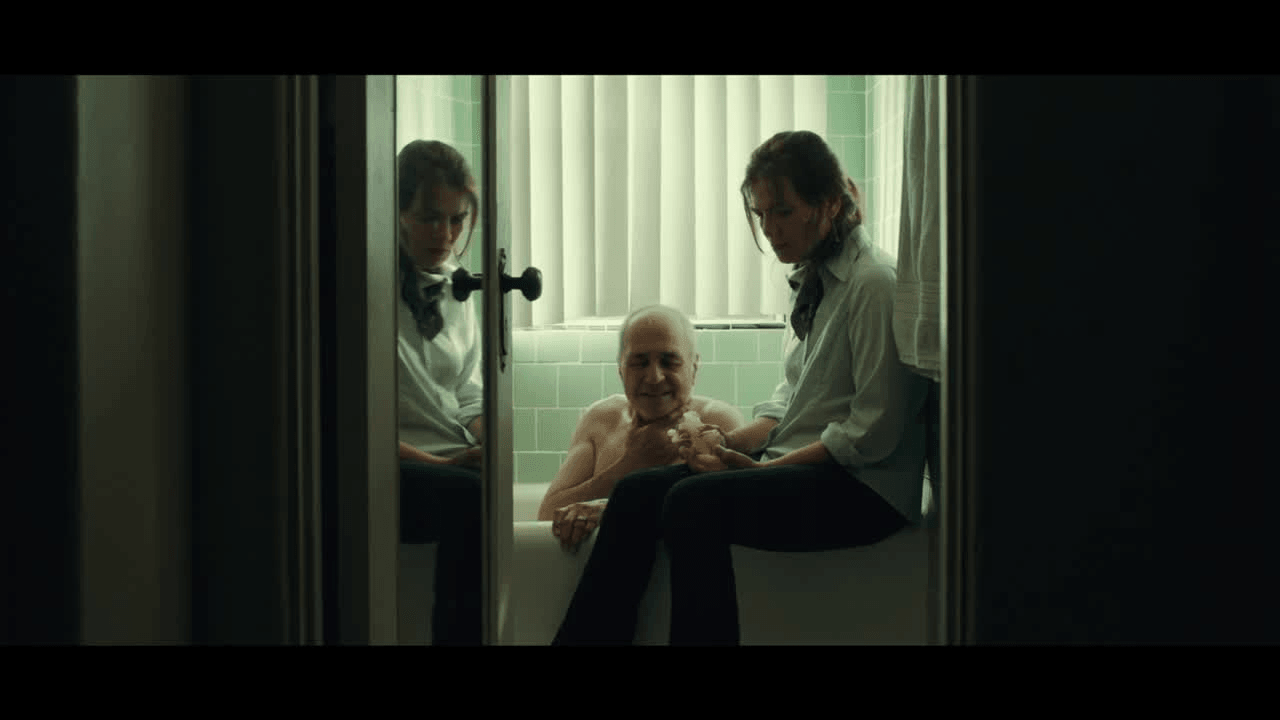
Image Credits
All the photos are selfies or screen shot which I own except for 5th pic: The Uncanny “behind the scenes” shot , taken by set photographer Marianne Grégoire
8th pic: Screen shot from The French Teacher – dir, Stefania Vasconcellos