

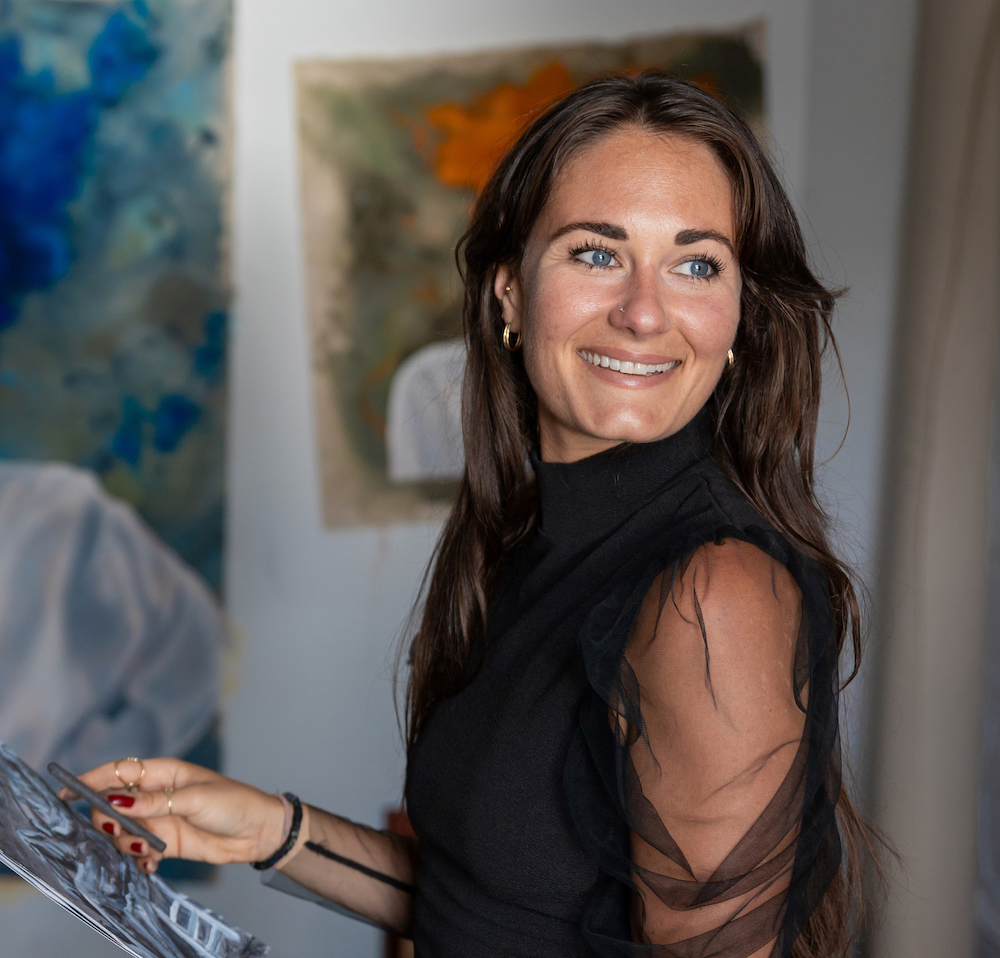

We’re excited to introduce you to the always interesting and insightful Marie-Chloe Duval. We hope you’ll enjoy our conversation with Marie-Chloe below.
Marie-Chloe, looking forward to hearing all of your stories today. We’d love to hear about when you first realized that you wanted to pursue a creative path professionally.
The first time I knew I wanted to pursue a creative path professionally was during my master’s degree in criminology in Montreal. I was deeply immersed in research, systems, and theories of human behavior, but I felt something missing—an entire emotional dimension that analysis alone couldn’t hold. One night, after a long day studying social deviance, I picked up a small set of acrylic paints simply to clear my mind. What came out was raw, instinctive, and startlingly honest in a way my academic writing never was.
That moment became a quiet rupture. I realized I wasn’t just painting to decompress—I was translating the same questions that drove my research, but through intuition, gesture, and image. I began painting at night, then between classes, then every spare moment until it became undeniable: this wasn’t a hobby; it was the language I had been missing.
I decided to take a “gap year” before beginning my PhD—my director kindly let me postpone the program. That one year became ten. In that decade, painting transformed from a curiosity into a full professional practice. I exhibited, built a studio life, and eventually committed fully by returning to school to complete both a BFA and an MFA in fine arts.
What began as a spontaneous moment with a paintbrush became the turning point that reshaped my entire life.
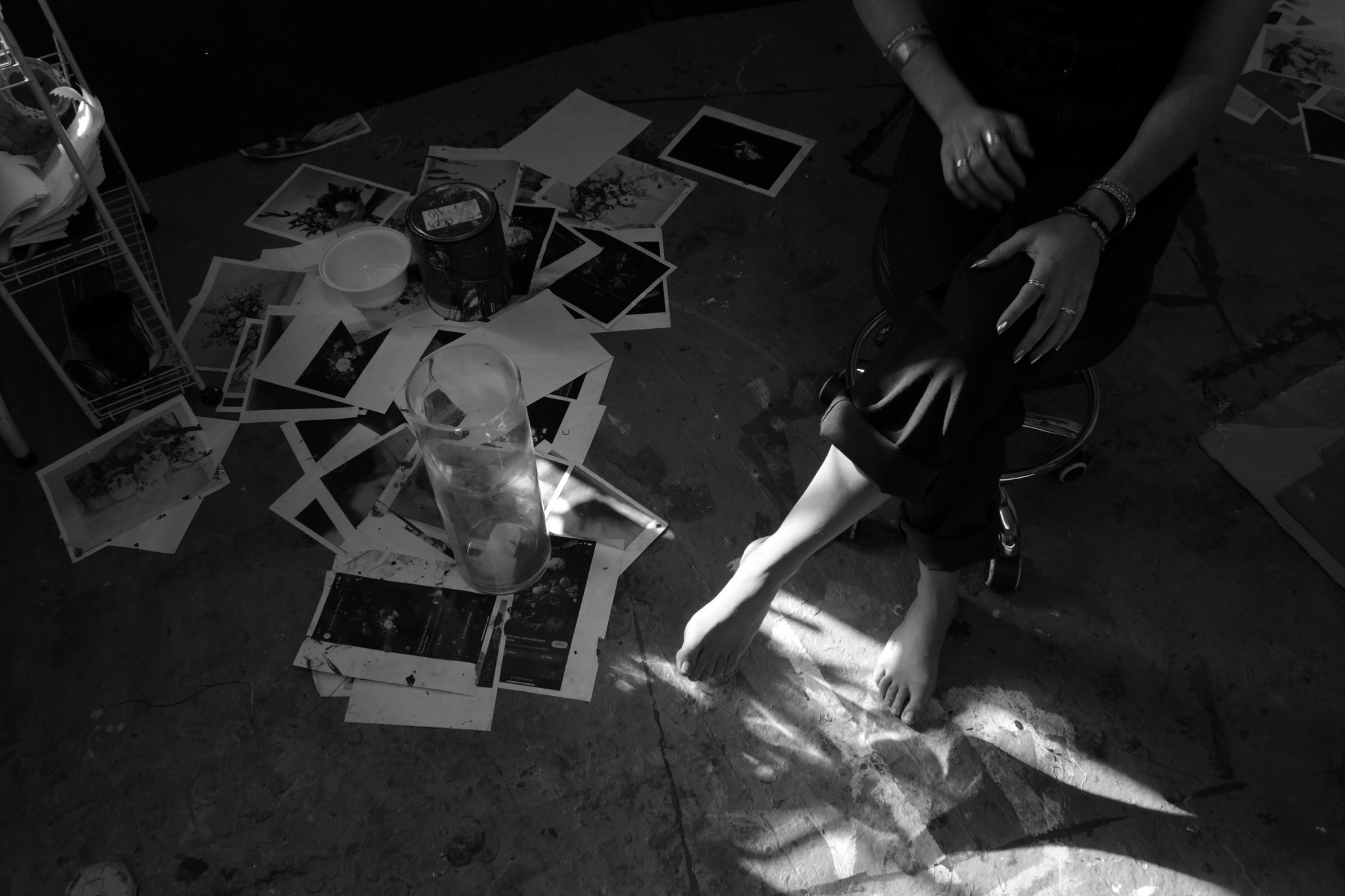
Awesome – so before we get into the rest of our questions, can you briefly introduce yourself to our readers.
I come from a world of systems, structures, and human behavior—a world where understanding people meant studying them through data, patterns, and theories. My foundation in criminology trained me to look beneath the surface of society, to notice the invisible frameworks shaping how we move, relate, and exist alongside one another. Over time, that analytical way of seeing naturally merged with a more intuitive, visual language, and what emerged is the practice I carry today.
My work focuses on the hidden architecture of human ties—the emotional, psychological, and societal structures that bind us, shape us, and sometimes restrict us. I explore the places where the organic meets the constructed, where movement meets stillness, where the layers of life reveal themselves through gesture, form, and absence. Whether through painting, drawing, printmaking, sculpture, or integrating poetry and sound, my goal is always to make visible what usually lives beneath perception.
What I offer—whether to collectors, institutions, students, or the public—is not just an image, but an exploration. My works invite viewers to pause and trace the complexities of their own relationships, memories, and emotional landscapes. People often tell me that my figures feel like thoughts in motion, or like fragments of themselves suspended between clarity and dissolution. That ability to resonate deeply, without dictating a narrative, is something I consider central to my practice.
What sets me apart is the combination of analytical rigor and emotional openness. My criminology background grounds my work in research and observation, while my fine arts training gives me the tools to express these ideas through form, texture, color, and abstraction. I’ve spent the last decade building a professional studio practice, completing a BFA and MFA, exhibiting internationally, teaching, volunteering, and creating work that strives to bridge disciplines and worlds.
What I’m most proud of is the path itself: the courage to reshape my life, to move countries, to trust in a visual language that didn’t exist for me years ago. I’m proud that my art now creates moments of connection—between strangers, communities, or even between a viewer and themselves. I want people to know that my work comes from a place of deep curiosity and care, and that every piece holds layers of research, memory, and lived experience.
Ultimately, my practice is about understanding the human condition—not through theories or statistics, but through the emotional architectures we carry within us. My hope is that my work offers a space where people can feel seen, grounded, and connected, even in the quietest or most fragmented parts of themselves.
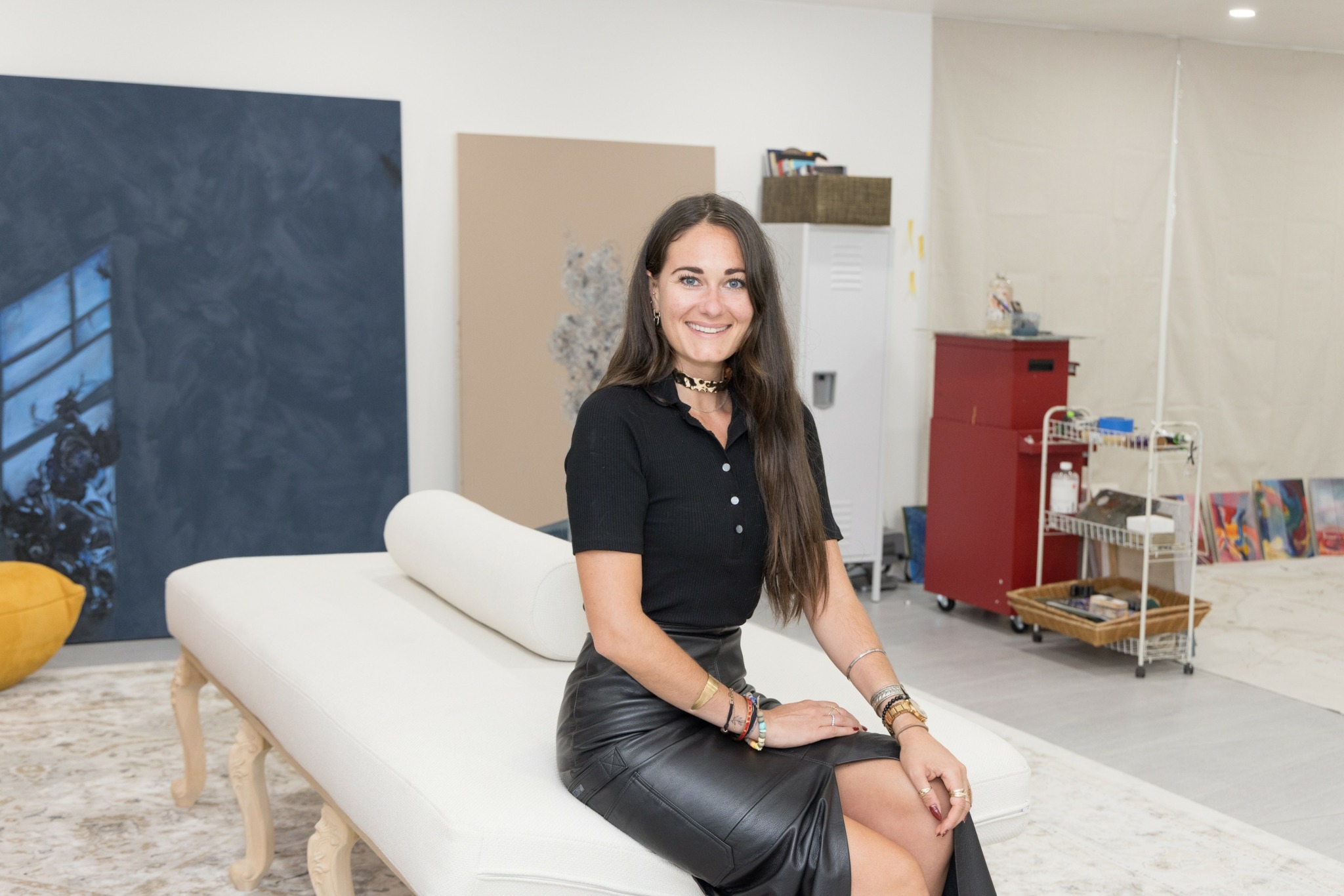
What’s the most rewarding aspect of being a creative in your experience?
For me, the most rewarding part of being an artist is the freedom to live a life I consciously choose—a life built around observing, feeling, and translating the world as I experience it. My practice lets me live fully and attentively, to play, to explore, and to connect with people in ways that feel deeply meaningful. There’s a quiet magic in creating something that didn’t exist before, something that can hold emotion, reflection, and humanity all at once. That creative alchemy is what keeps me grounded, inspired, and grateful every day.

Is there something you think non-creatives will struggle to understand about your journey as a creative?
I think one of the hardest things for non-creatives to grasp is just how much devotion, uncertainty, and daily risk-taking live behind the passion they see. Every artwork carries years of research, experimentation, failed attempts, and the kind of quiet persistence that rarely makes it into the public eye. Choosing this path means constantly recommitting to it, even when it feels daunting or unstable—yet that same challenge is also what makes it profoundly rewarding. It’s a life built on convinction, discipline, and a belief in the value of creating something meaningful, even when the outcome isn’t guaranteed.
Contact Info:
- Website: https://www.mcduval.com/en/
- Instagram: https://www.instagram.com/duval.art/


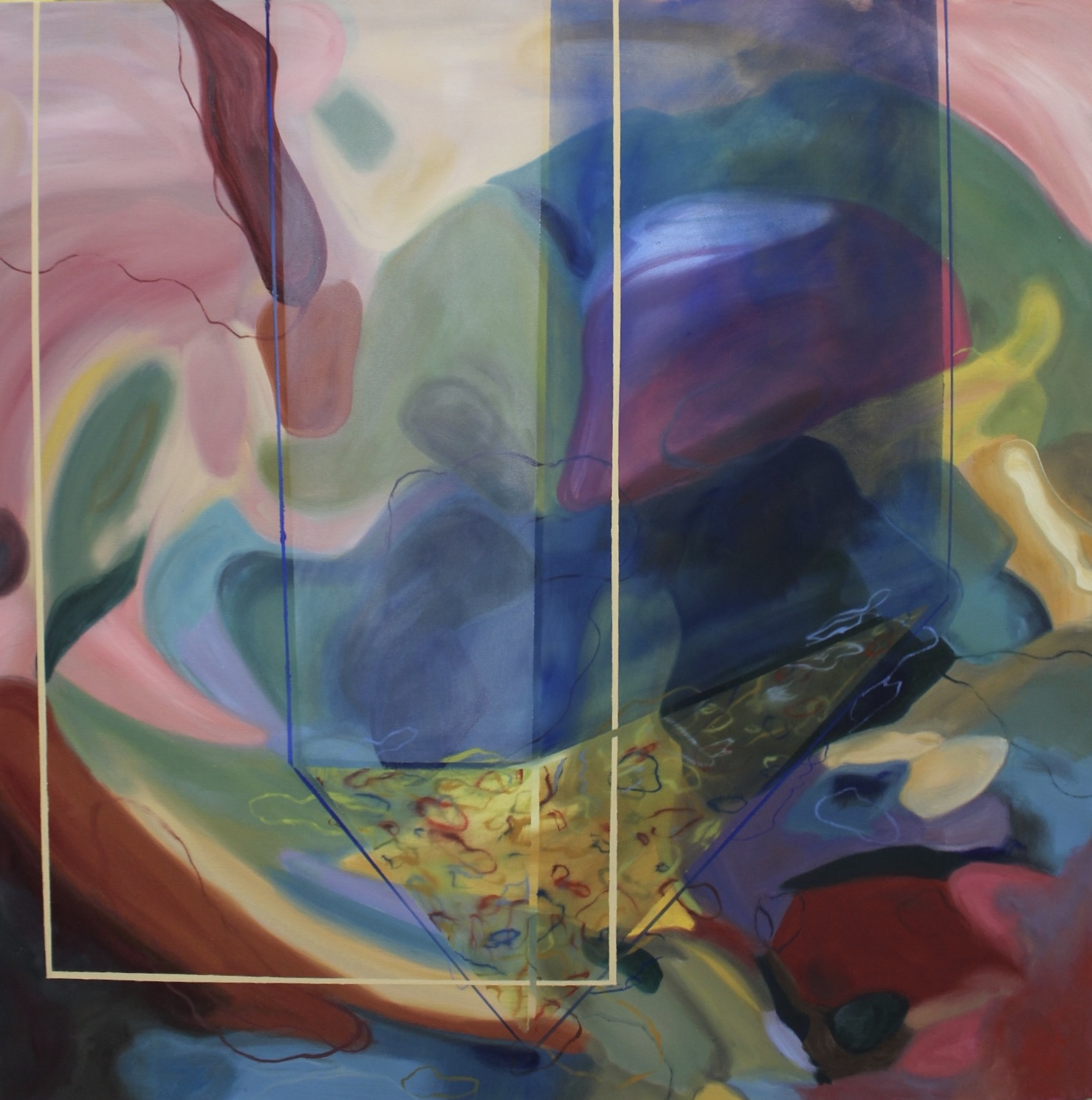
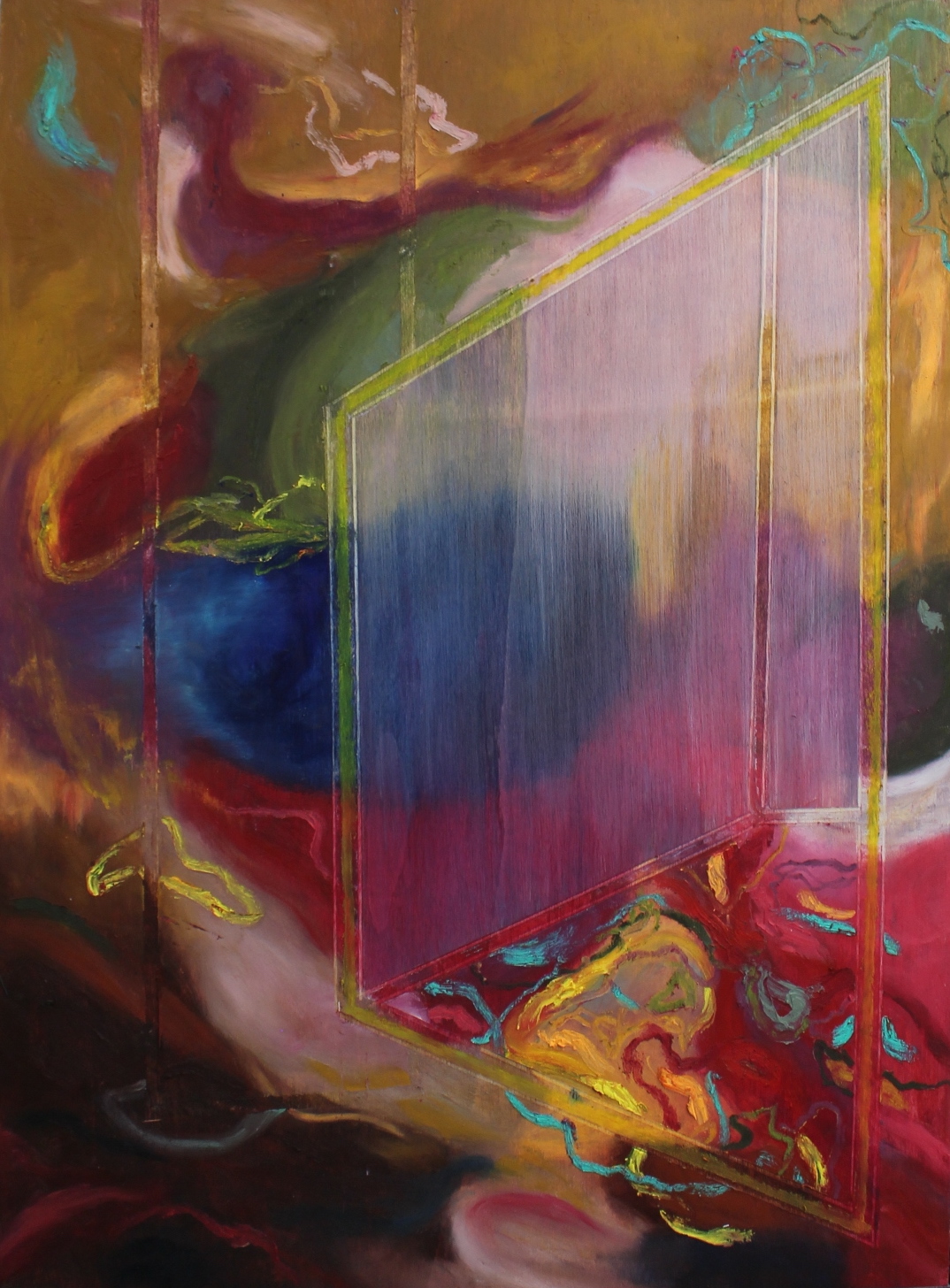
Image Credits
Black and white: Keith SHelby and Murphy
Doorway: Roland Fritz
Seated leather skirt: Daniel Steven
Works: Personal images, Duval