
We were lucky to catch up with Mariana Ocejo recently and have shared our conversation below.
Mariana, thanks for joining us, excited to have you contributing your stories and insights. Learning the craft is often a unique journey from every creative – we’d love to hear about your journey and if knowing what you know now, you would have done anything differently to speed up the learning process.
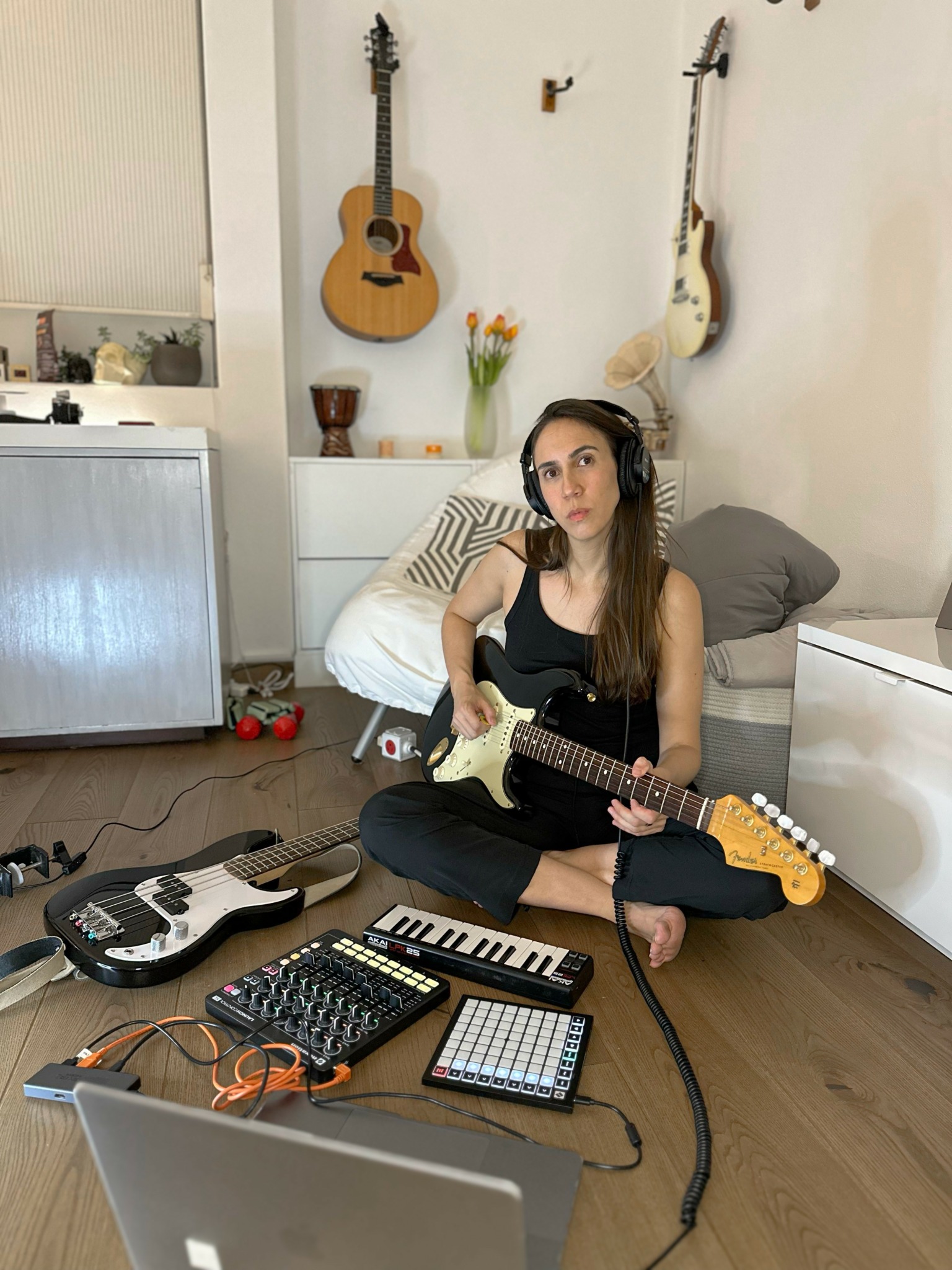
I’ve always been very creative and curious, and for as long as I can remember I’ve loved art, whether it was painting, drawing, or collaging. Even though I didn’t study graphic design formally and instead majored in music business and later marketing, I always found myself drawn back to visual arts. I taught myself Photoshop and Illustrator through YouTube, and I learned design by closely analyzing it, being observant, and volunteering to create logos and flyers for friends. From there, everything I know has come from YouTube tutorials, online courses, experimentation, and a lot of trial and error.
Looking back, maybe majoring in graphic design from the start could have sped up my learning, but I also believe everything happens for a reason; my background in marketing helps me understand what people respond to, and music has always been another creative influence.The most essential skills have been mastering the Adobe Suite as hard skills, and developing self-learning as a soft skill, since that’s what has kept me growing and evolving. Honestly, I don’t feel like I faced any major obstacles. Today we have so much information at our fingertips that if you put your mind to it, you can learn almost anything online.
Mariana, before we move on to more of these sorts of questions, can you take some time to bring our readers up to speed on you and what you do?
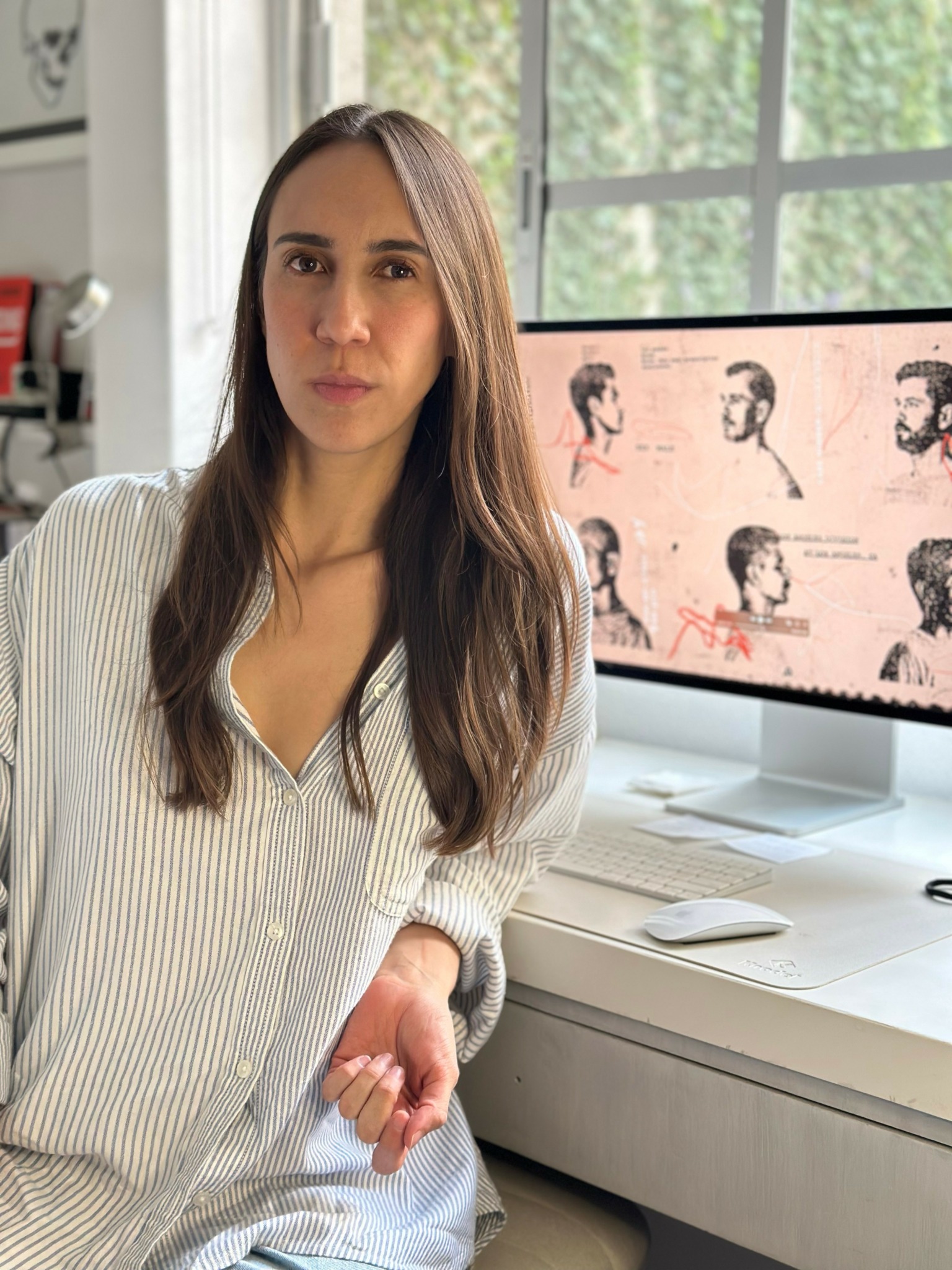
I’m Mariana “Mara” Ocejo, a visual artist and designer with a love for blending analog art with digital tools.
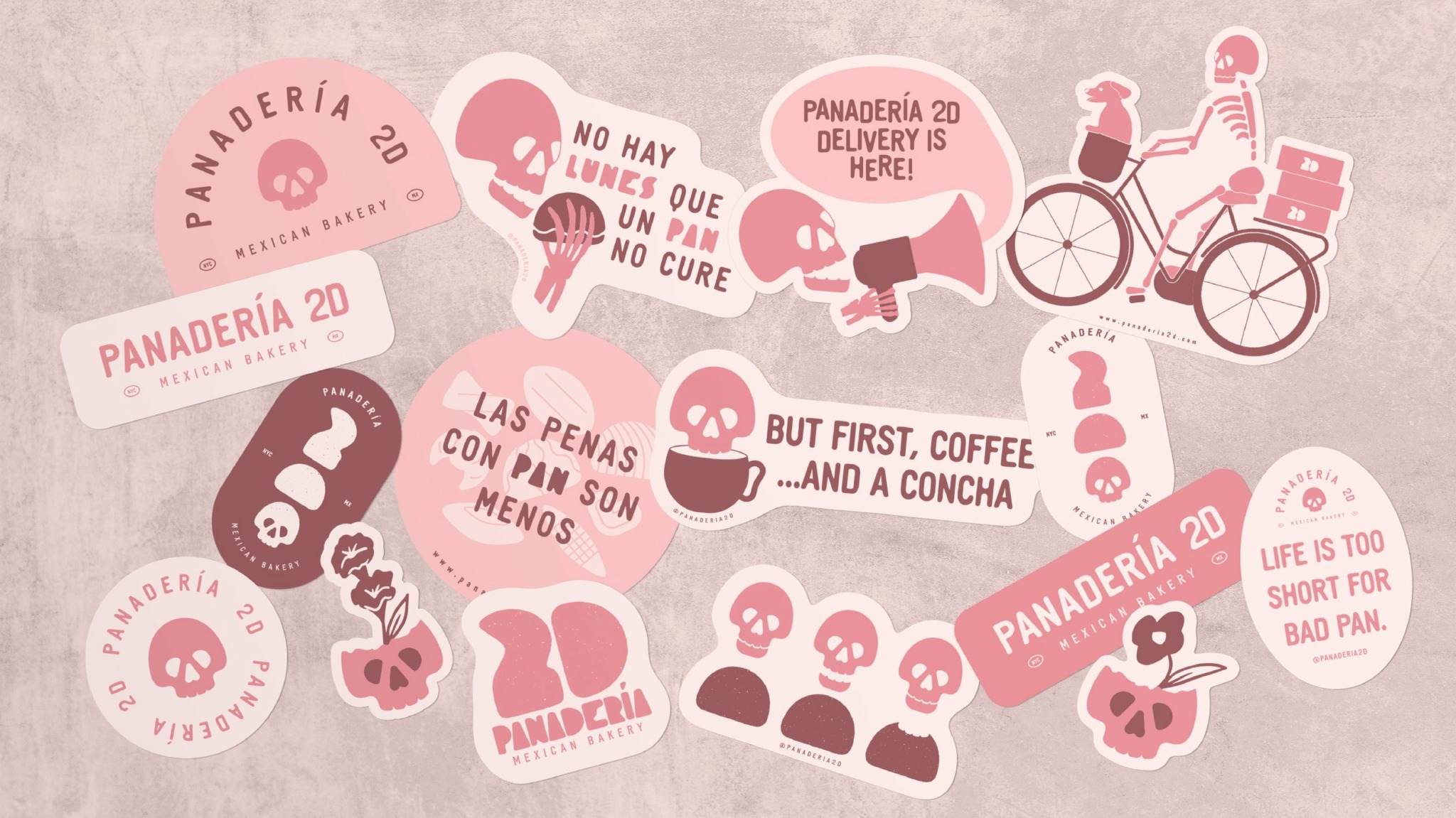
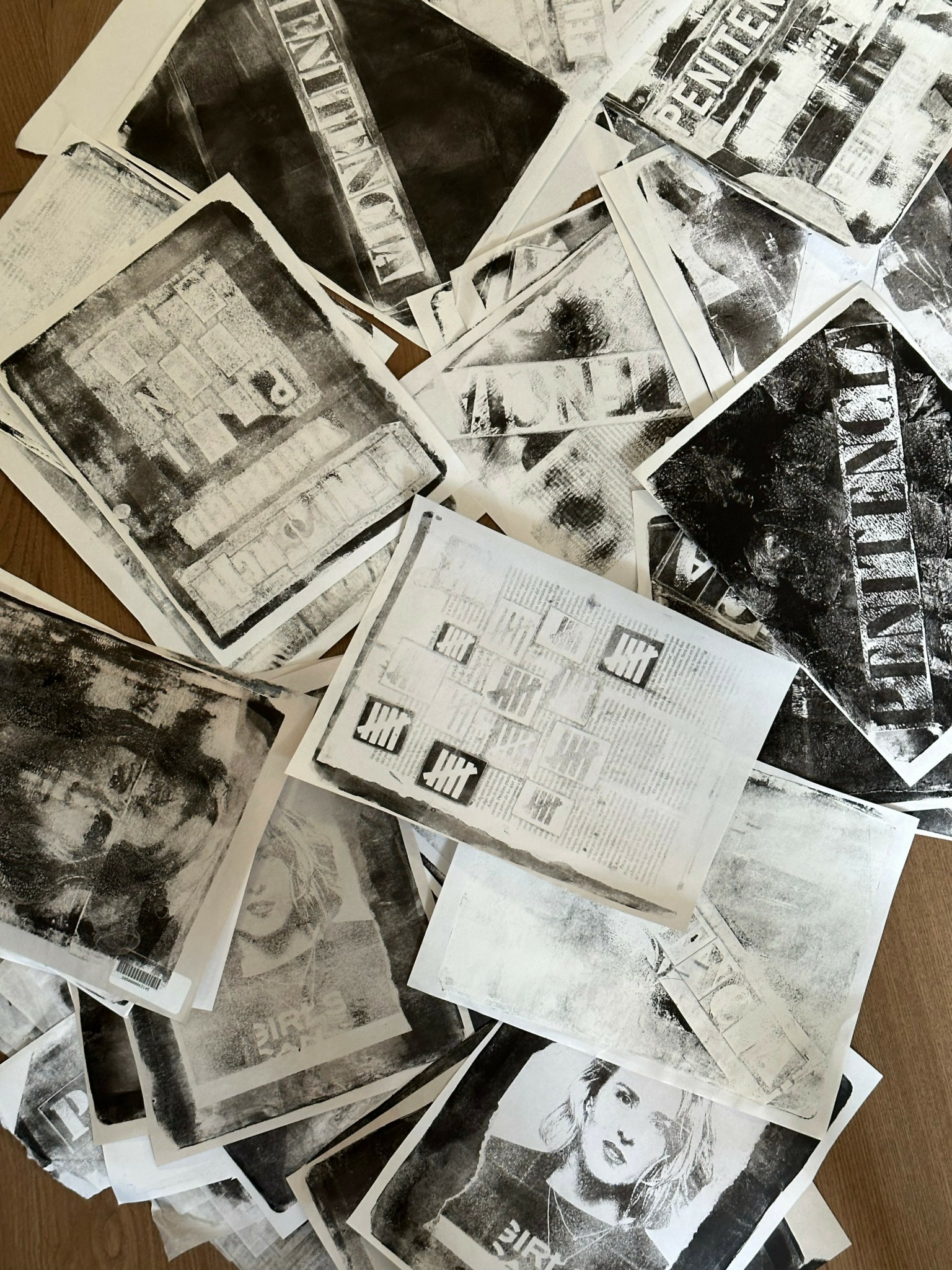
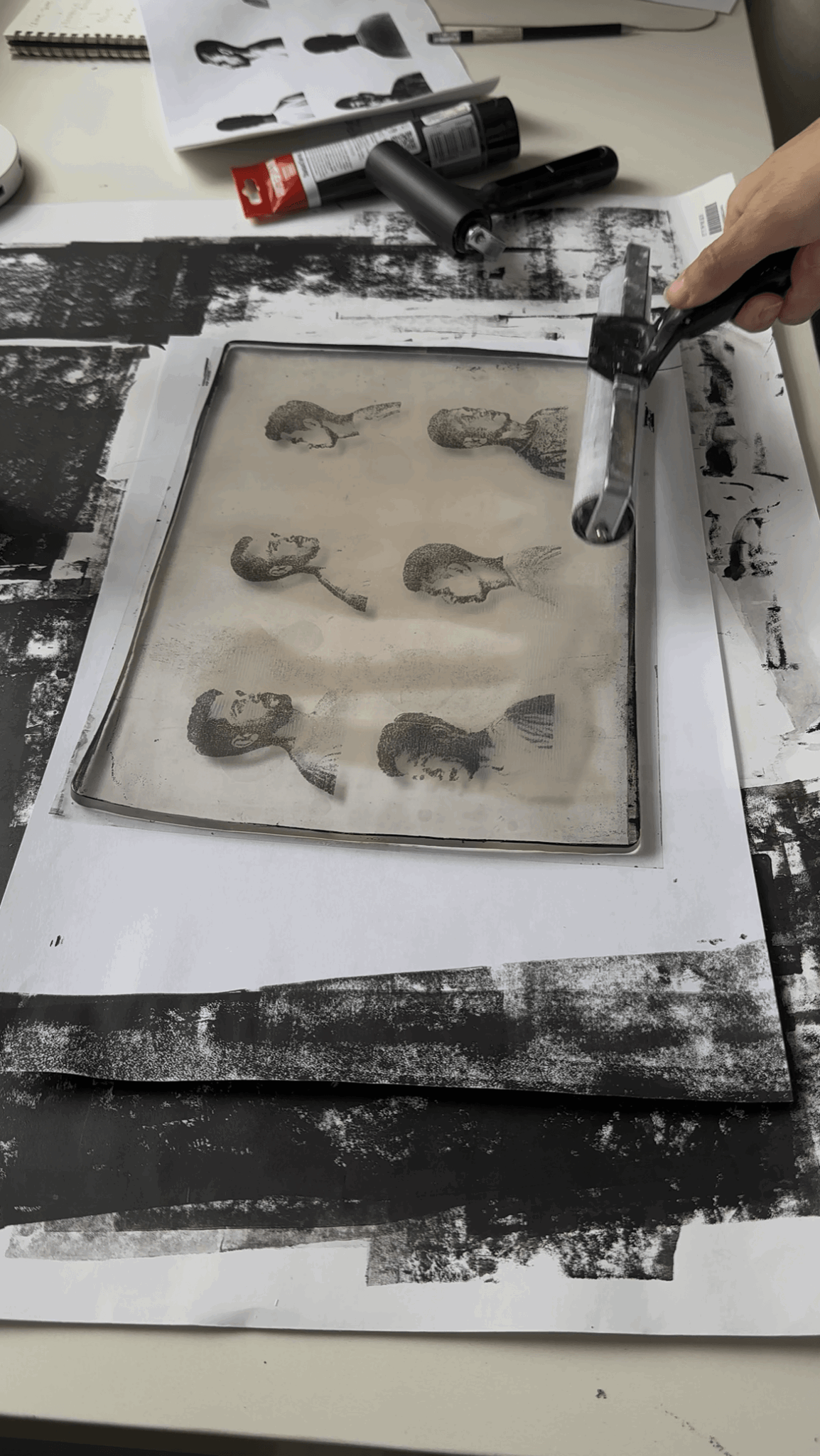
I help brands, publications, and creative projects communicate in ways that feel both original and memorable. My work ranges from full brand identities and editorial illustrations to motion graphics and opening sequences for podcasts and media projects. Clients often come to me because they want their work to stand out, and I do that by combining unexpected techniques such as collage, screen printing, or gelli plate prints with digital design. That mix gives my work a tactile and human quality that is hard to replicate.
What sets me apart is the way I approach design with both an artistic and strategic lens. Thanks to my background in marketing, I do not only think about aesthetics. I also think about what resonates with people, what makes them stop scrolling, and what makes a story stick. My goal is to create work that looks good but also means something.
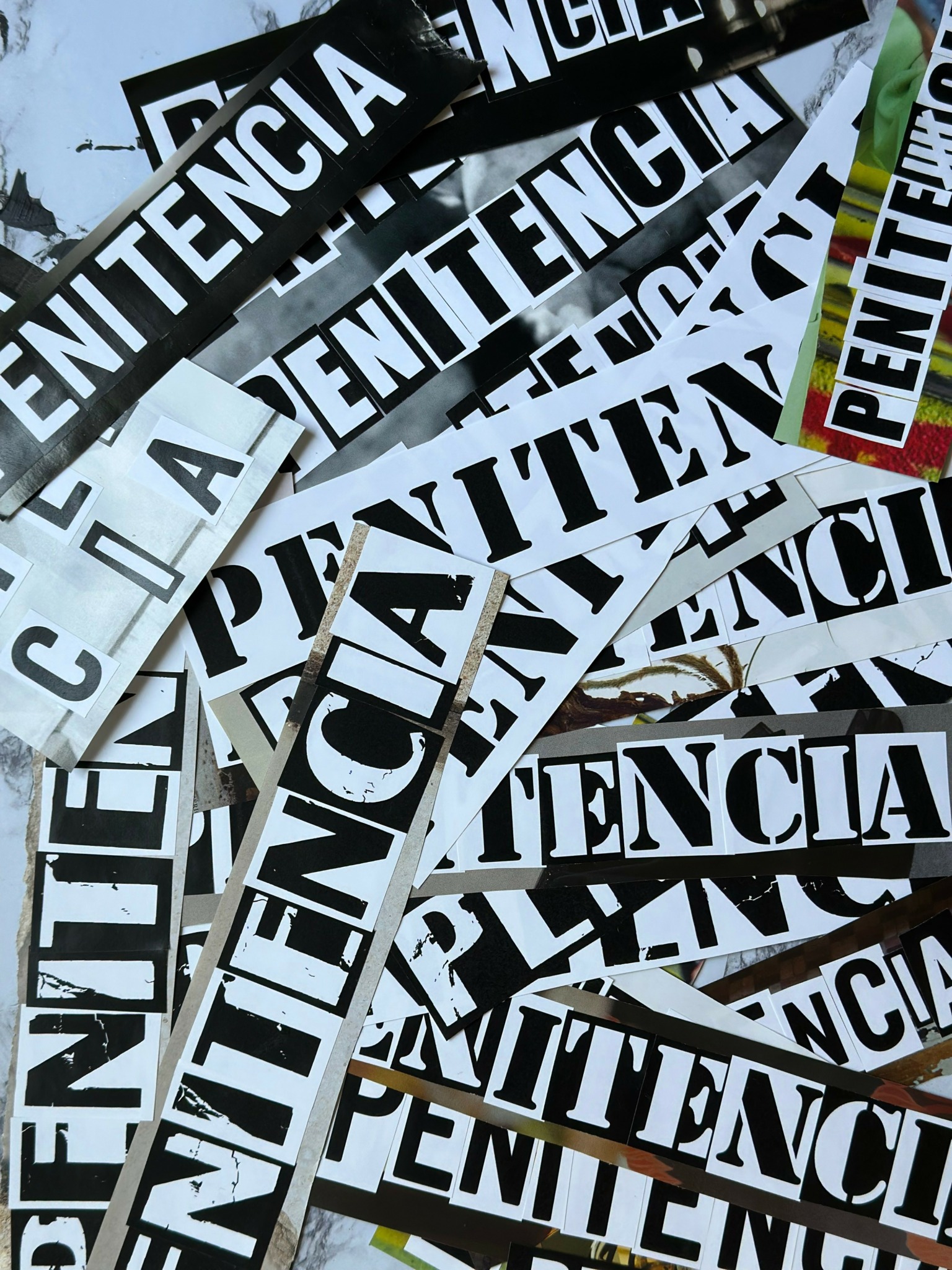
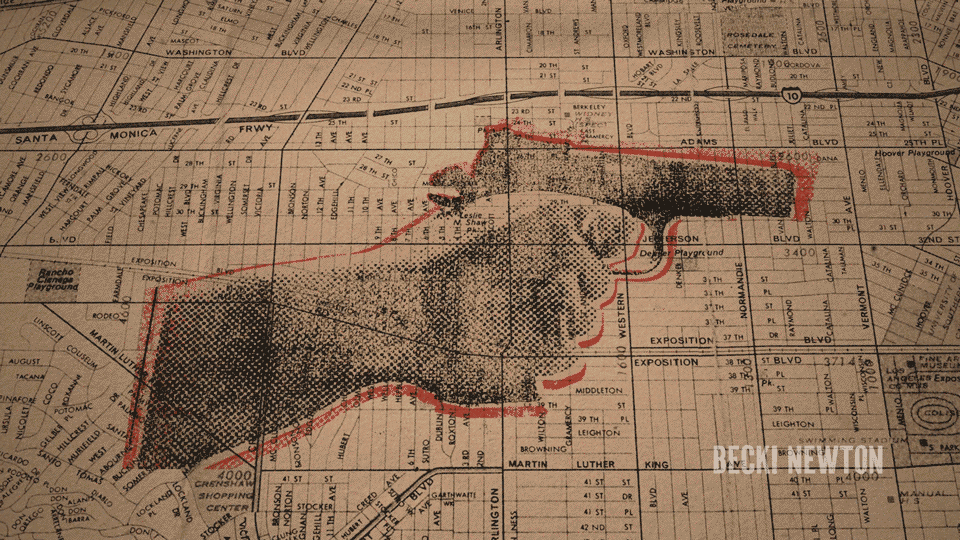
I’m most proud of the projects where I’ve been able to build something from the ground up and see it make an impact. A great example is the podcast Penitencia, where I designed the full visual identity, created the illustrations, and developed the opening sequence with original music. That project was especially meaningful because it reached people on a deeper level and even received recognition from a renowned magazine. To be honest, I even cried a little, happy tears, when I read the comments online. Seeing how much it resonated with others reminded me why I love what I do and how powerful visual storytelling can be. For me, it represents how curiosity and experimentation have shaped my path, allowing me to create work that connects with people in ways I never imagined when I first started.
Any insights you can share with us about how you built up your social media presence?
I first started by posting simple videos of my collage process, but most of them didn’t get much traction. Things only began to take off when I dedicated more time to filming and editing. For me, it all comes back to marketing, you have to put yourself in the audience’s shoes. If you were scrolling, would you stop and watch the whole video? That’s the mindset I bring to creating content.
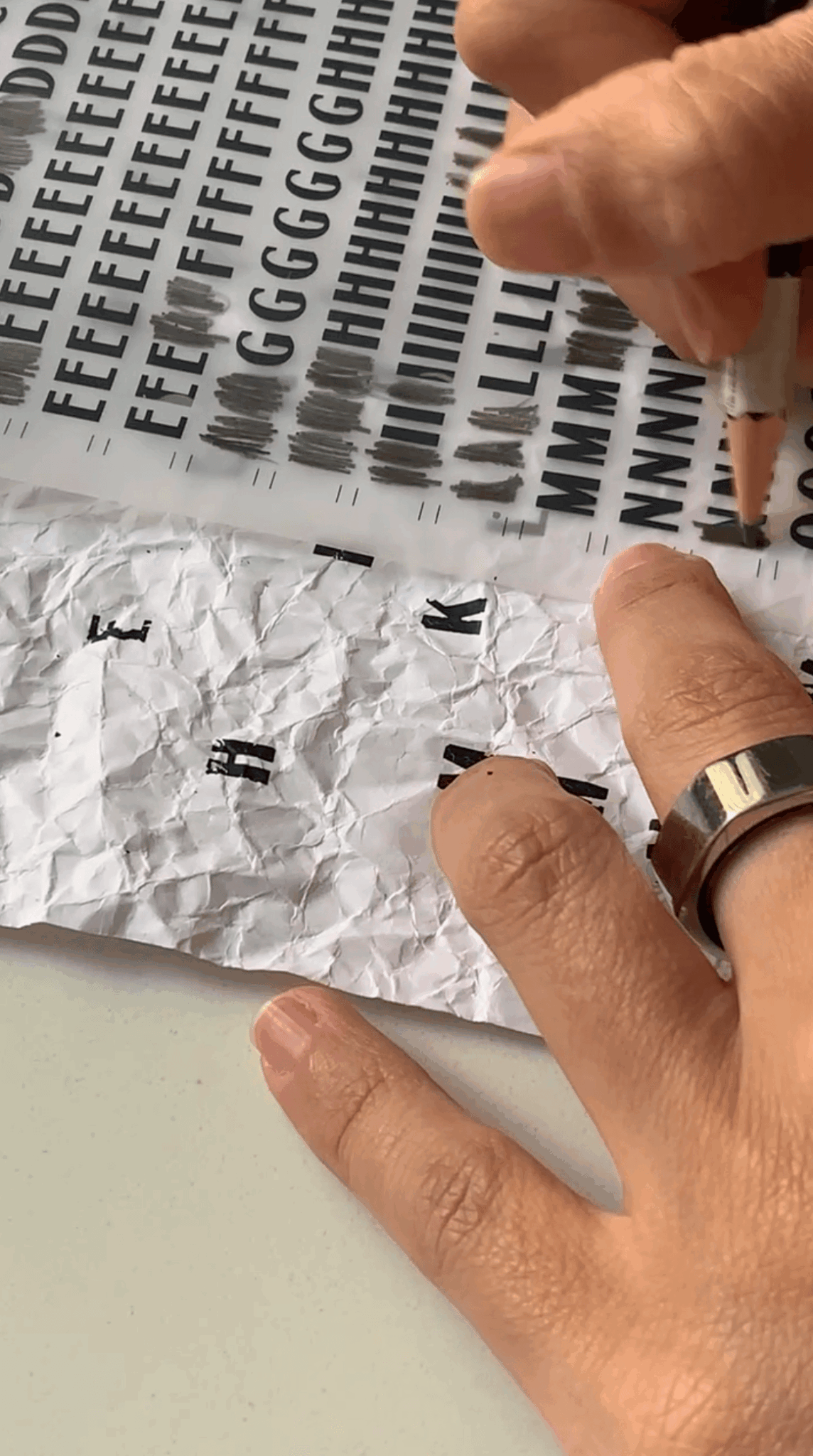
The first video that really gained momentum was one where I showed the process of designing the entire visual identity for the Penitencia podcast. There are plenty of designers sharing their process, so I knew I had to make mine stand out. My approach of mixing analog and digital techniques already gives me something unique, and presenting that in a compelling way kept viewers watching. Later, I began incorporating sound design, which the audience loved, and from there I just kept building.
I’ve always prioritized quality over quantity. I don’t post every day, not even every week, but when I do share something it’s thoughtful and polished. Filming and editing my videos takes a lot of time, but that level of care is what makes my work stand out and has helped me build a decent following over time.
Can you tell us about what’s worked well for you in terms of growing your clientele?
The most effective strategy for growing my clientele has been a mix of word of mouth and consistently sharing my work online. Many of my projects have come through referrals from past clients who were happy with the results, but I’d say about 90% of my opportunities now come through social media. It’s a powerful tool, but it requires dedication, it’s basically a second job. What makes it worth it is that it allows me to share not only the final product but also the behind the scenes process, giving people a more personal connection to my work. They get to see the thought I put into every project, which helps build trust and sets me apart.
Contact Info:
- Website: https://www.maraocejo.com
- Instagram: @maraocejo
- Linkedin: https://www.linkedin.com/in/mariana-ocejo
- Other: Tiktok @maraocejo