


We were lucky to catch up with Mariah Moyer recently and have shared our conversation below.
Hi Mariah, thanks for joining us today. Was there a moment in your career that meaningfully altered your trajectory? If so, we’d love to hear the backstory.
There was a moment that shifted the entire direction of my professional life, and it happened while I was suspended in the air…literally!
I was a few months into my aerial hoop training, working through a sequence that required deep shoulder stability and trust in my own body. Midway through the skill, I felt a familiar twinge in my shoulder. It wasn’t dramatic, just a small warning sign, but it stopped me in a deeper way. I suddenly recognized that same pattern in so many dancers and aerialists around me: pushing through discomfort, modifying silently, or avoiding skills altogether because something “just didn’t feel right.”
What struck me wasn’t the discomfort itself, it was the realization that almost no one in the room had access to a physical therapist who truly understood what their body was doing in the air.
At that moment, it clicked that performing artists were training at high levels with limited support, and that I could bridge that gap. I understood the language of movement and artistry, but I also had the clinical foundation to help people stay healthy, strong, and creative in their bodies. That aerial class became the moment I stopped seeing physical therapy as a general profession and started seeing it as a way to protect, elevate, and empower the artists and athletes who move the way I move.
It changed everything that followed—my clinical training choices, the programs I designed, and eventually the community of aerialists, athletes, and active adults I now work with in Atlanta. It pushed me to treat movement as expression, not just biomechanics; to focus on longevity instead of injury alone; and to help people build trust in their bodies again.
That small shoulder twinge in mid-air became a defining clarity: I wasn’t meant to just be a physical therapist. I was meant to be a physical therapist for movers, performers, and artists—people whose bodies are their craft.
And that purpose continues to guide every class I teach, every patient I meet, and every space I show up in today.

Awesome – so before we get into the rest of our questions, can you briefly introduce yourself to our readers.
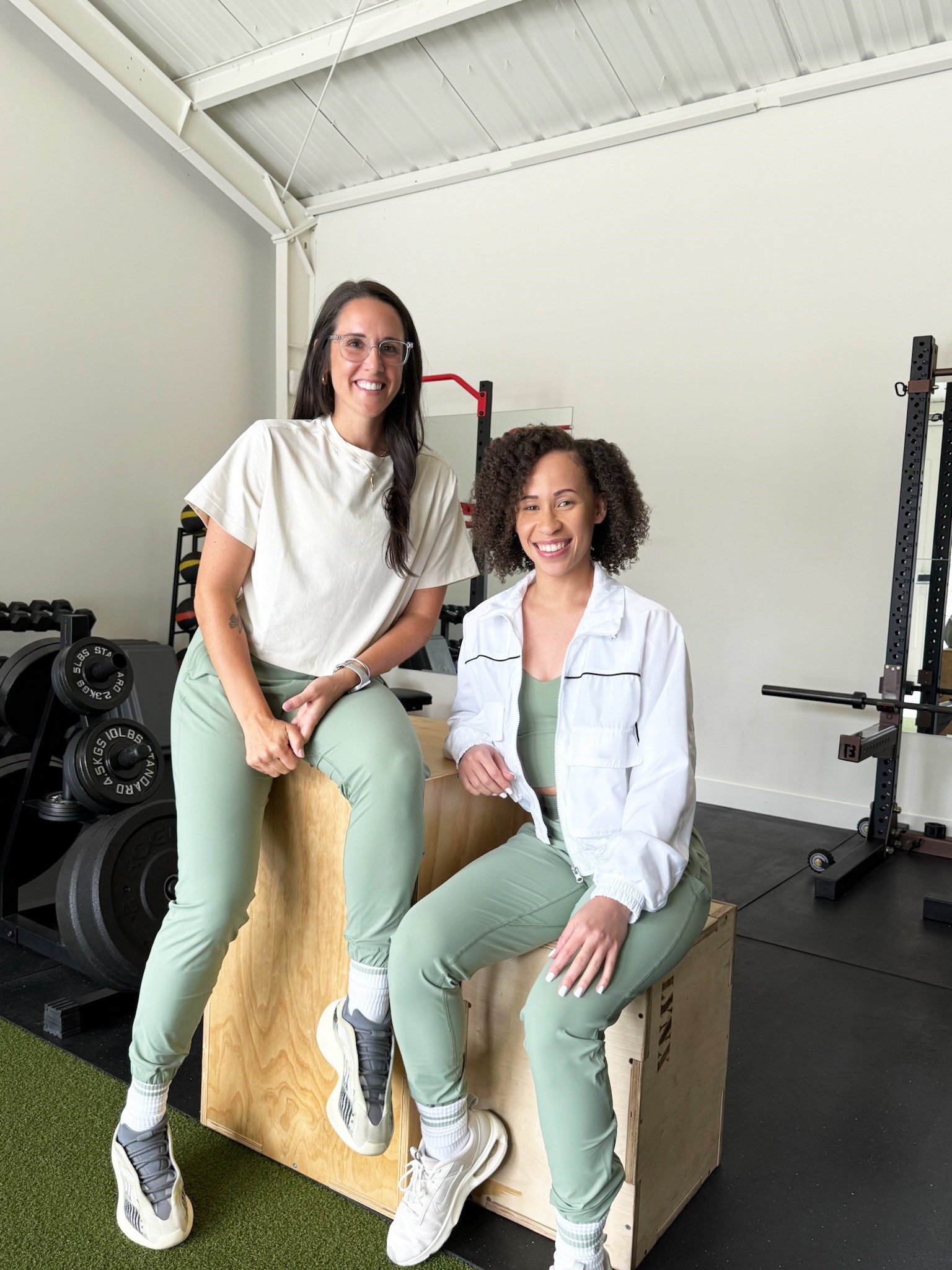
My name is Mariah Moyer, and I’m a Doctor of Physical Therapy, movement educator, and aerial dance instructor based in Atlanta, GA. My work lives at the intersection of artistry, athleticism, and evidence-based rehabilitation. I help athletes, performing artists, and active adults stay strong, recover well, and feel deeply connected to their bodies again.
I originally entered the world of movement through dance and cheerleading, long before I pursued physical therapy. That foundation eventually led me to aerial arts—where training, creativity, and athleticism collide. It was during my own aerial journey that I realized how many performers were navigating injuries alone or modifying through pain because they didn’t have access to clinicians who understood their craft. That gap pulled me into physical therapy with a clear purpose: to serve movers who use their bodies to create, express, perform, work, and live fully.
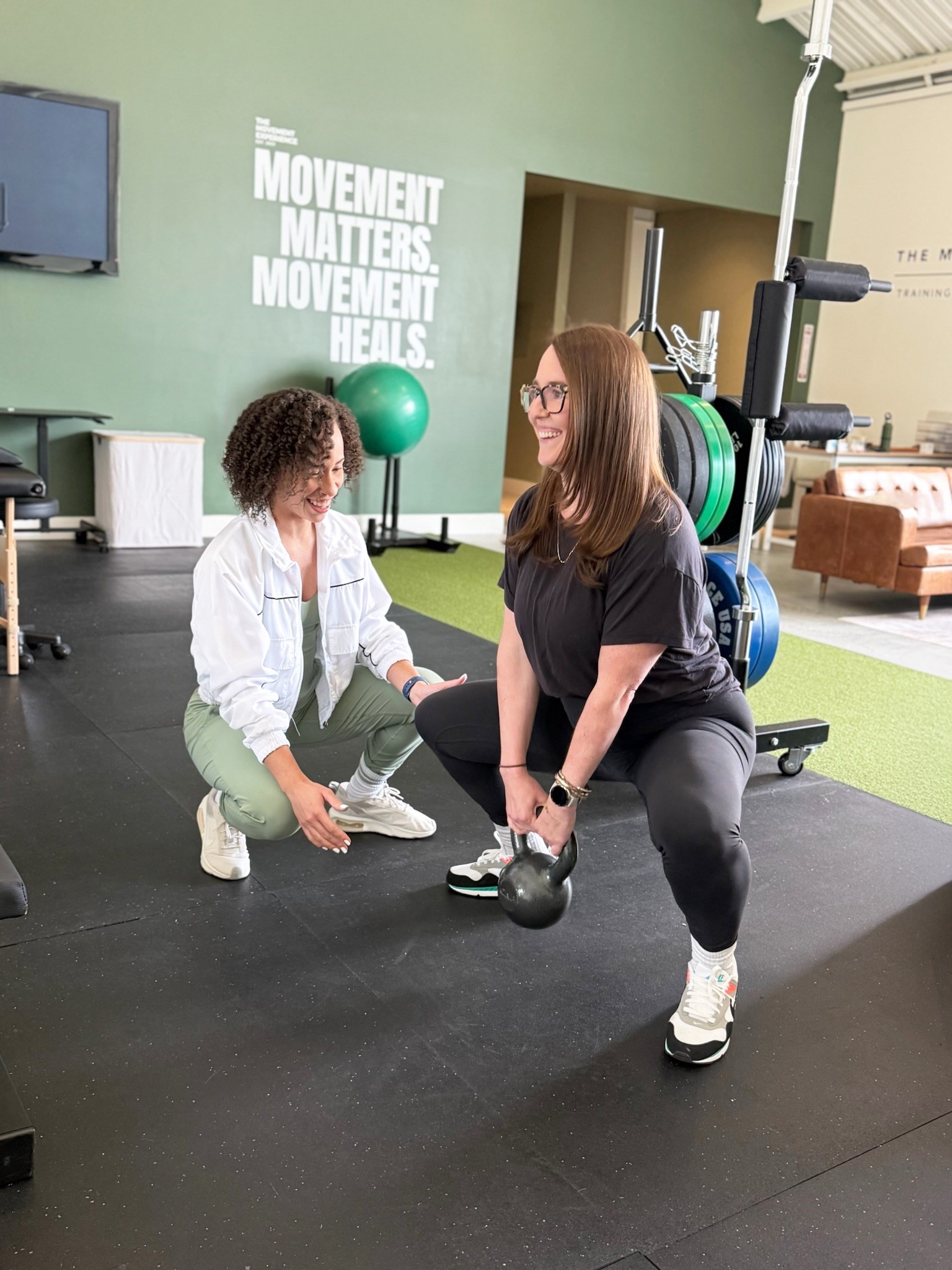
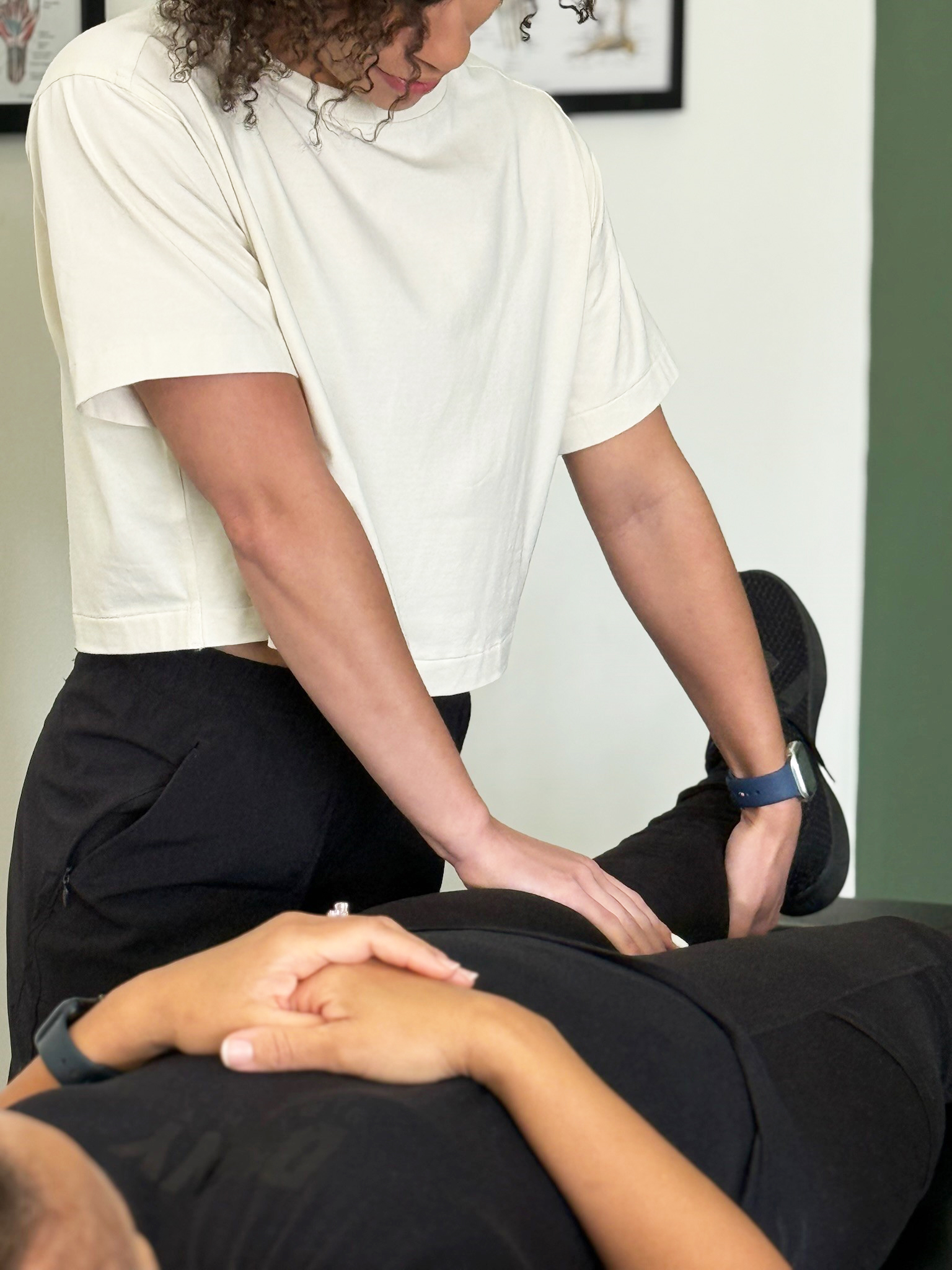
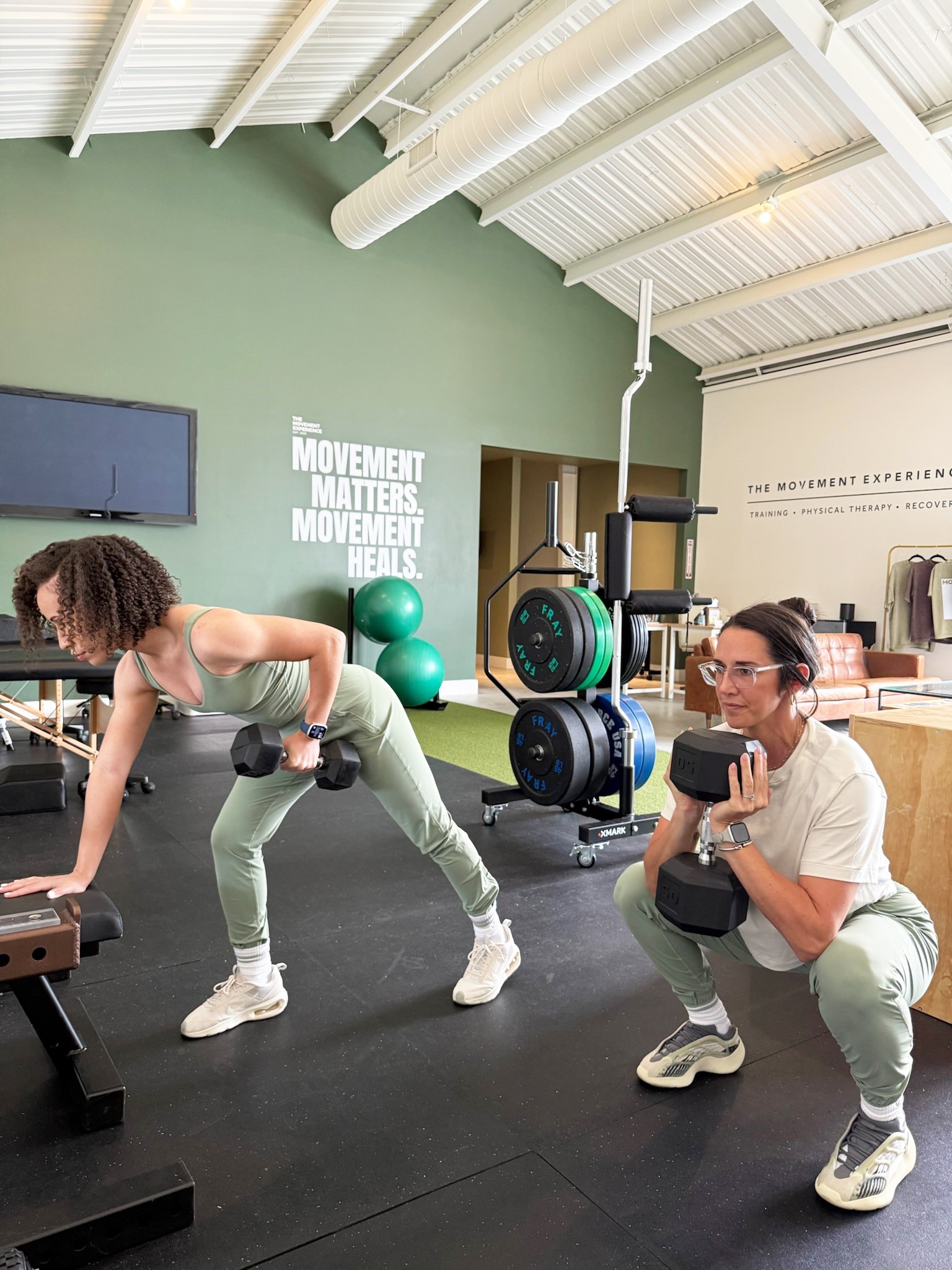
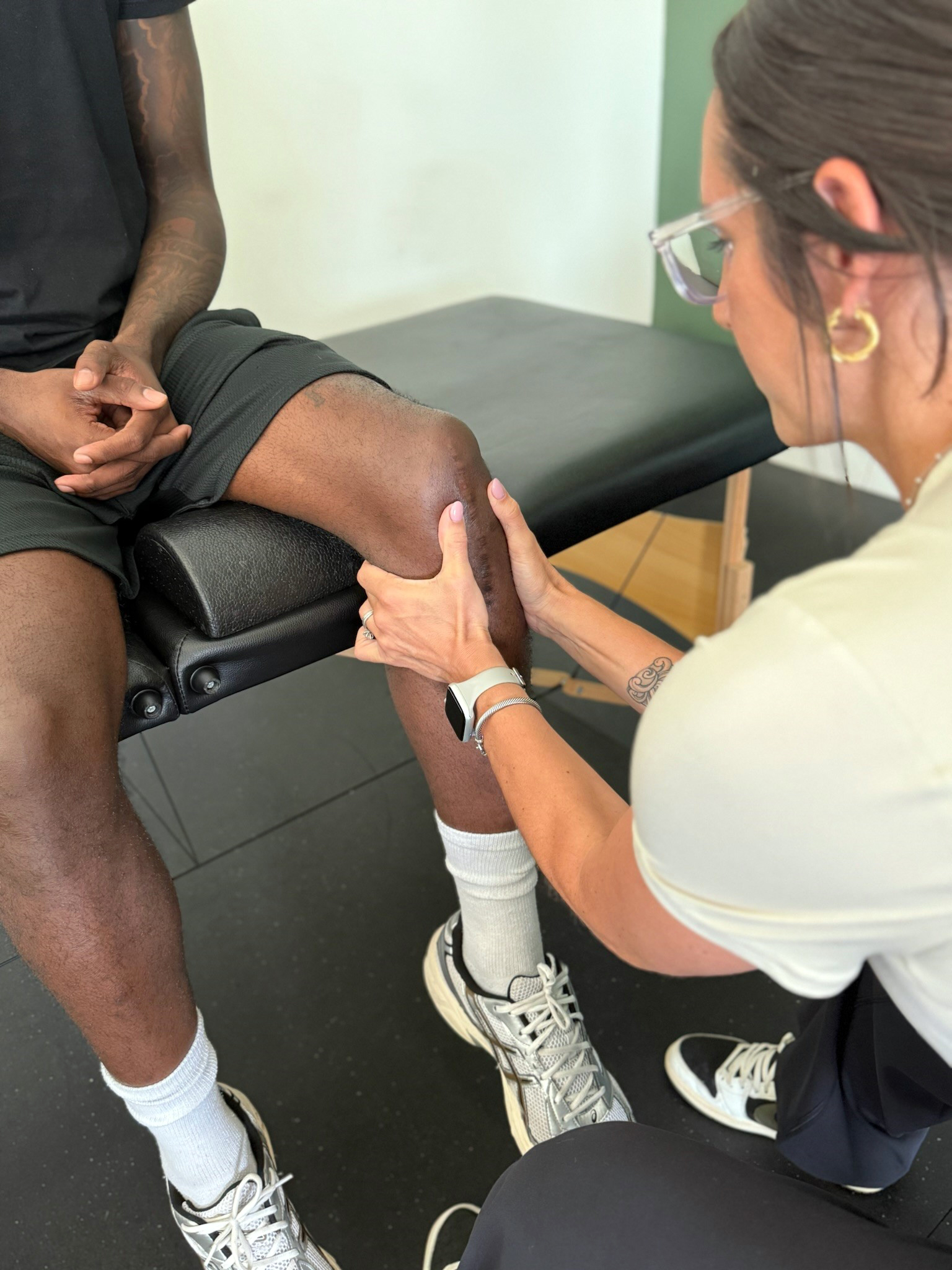
Today, I practice at The Movement Experience in Atlanta, where I blend orthopedic physical therapy, strength and conditioning, assisted stretching, and performance training. I also teach aerial dance classes at Pink Dance and Aerial Studios, and lead community-based recovery and injury-prevention services through events, workshops, and local partnerships. From run clubs to corporate wellness events to dance studios, my goal is always the same—to make movement accessible, empowering, and sustainable.
The services I provide are designed to support the whole mover:
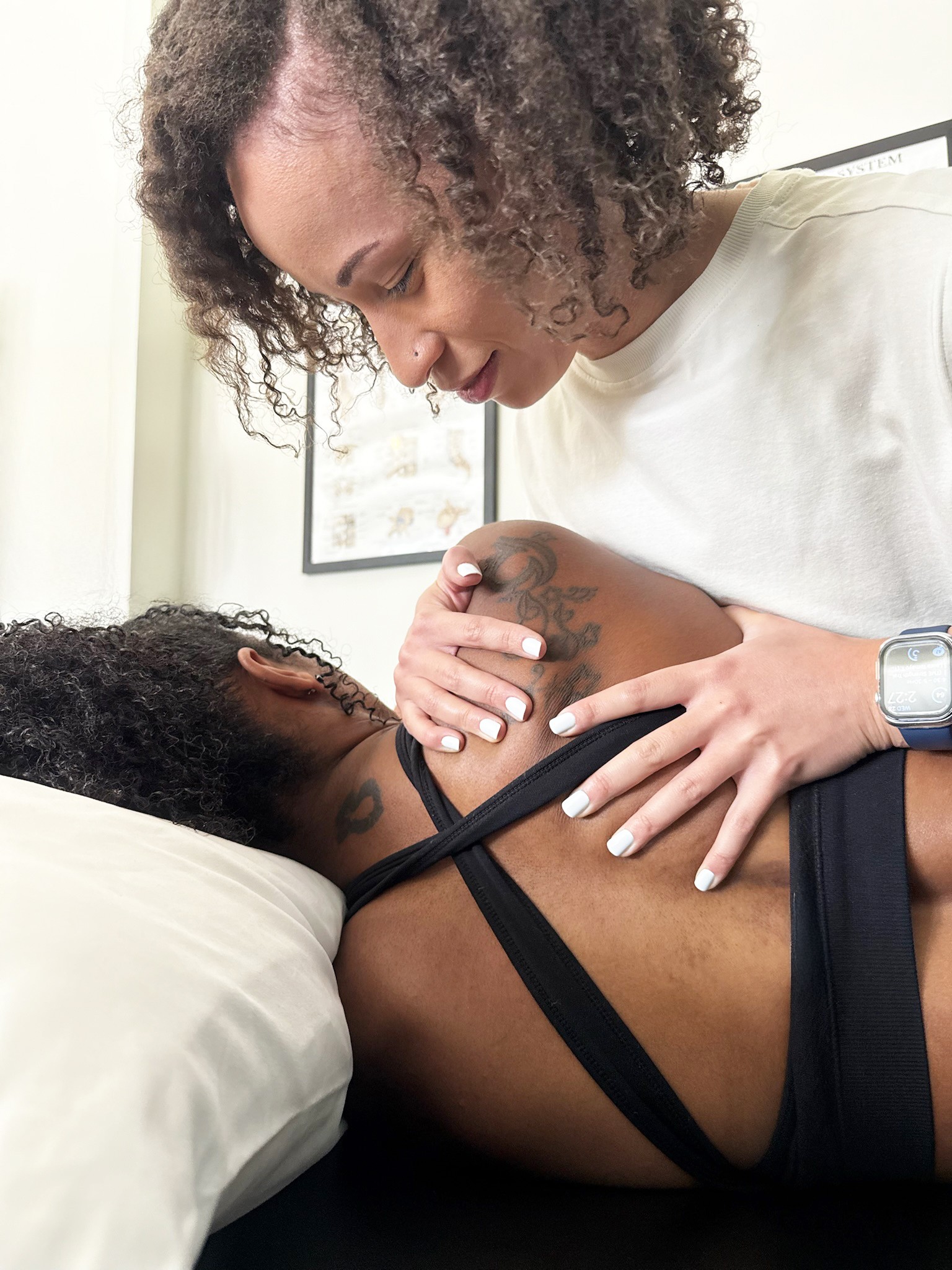
– Physical Therapy – helping clients reduce pain, restore mobility, and return to the activities they love
– Strength & Conditioning – progressive programming for clients who want to build strength, prevent injury, and unlock new skills
– Recovery Services – assisted stretching and compression therapy to help clients recover faster and move better
– Workshops, classes, and community events – education and hands-on training for local wellness and exercise communities
What sets my work apart is the experience I bring as both a clinician and a mover. I don’t just look at bodies through a medical lens; I look at them through a movement lens. I understand the nuance of performing arts training, the demands of running and strength work, and the emotional experience of feeling limited by your own body. My approach is collaborative, educational, and patient-centered. I want people to leave sessions not just feeling better, but understanding why they feel better and how they can stay strong long-term.
I’m most proud of the community I’ve been able to build—one grounded in inclusivity, empowerment, and a genuine belief that movement is for everyone. Whether I’m treating a patient, coaching an athlete, or guiding someone through their first aerial skill, my mission is always to help people feel confident, capable, and connected to their bodies.
For anyone getting to know me or my work, I want them to understand this: I believe movement is medicine, and your body is meant to feel strong and supported. You don’t have to navigate injury or performance alone—there’s a place for you here, and I’m honored to help you take that next step.
Let’s talk about resilience next – do you have a story you can share with us?
One of the most defining examples of resilience in my journey came during the years right after college, when I felt completely unsure of what my professional path should be. I knew I loved movement, creativity, and working with people, but I didn’t yet see a clear career that connected all of those passions. It was an uncomfortable place to be—watching friends begin careers while I was still searching for something that felt meaningful.
Instead of rushing into the wrong path, I allowed myself to explore. I taught, I danced, I instructed aerial classes, and I immersed myself in the fitness world. Those years were full of uncertainty, but they were also full of growth. I kept pushing forward, trusting that if I stayed engaged with the things I loved—movement, teaching, community—I would eventually find where I belonged.
That trust ultimately led me to shadow a physical therapist who genuinely loved their work. Seeing how they blended movement science, teaching, and human connection was the moment something clicked for me. For the first time, I saw a career that didn’t require me to choose between my passions—it allowed me to merge them. I could teach, support people, analyze movement, and help others feel strong in their bodies.
Going back to school after years away, navigating the rigorous academic demands, and embracing a new identity as a clinician required another layer of resilience. But because the path felt aligned, I pushed through with determination and purpose.
Today, when I look back, I’m grateful for those years of searching. They taught me patience, self-trust, and the importance of staying connected to what lights me up—even when the next step isn’t clear yet. That period of uncertainty became the foundation for a career that I genuinely love, and it continues to remind me that resilience often looks like staying open, staying curious, and believing that clarity will come with time.
How’d you build such a strong reputation within your market?
The most effective strategy for growing my clientele has been showing up consistently in the communities I genuinely care about, not just as a physical therapist, but as an educator, mover, and support system. Because my work lives at the intersection of fitness, performing arts, and wellness, I’ve found that people connect with me most when they see me actively involved in the spaces they inhabit.
A lot of my growth has come from community events: run clubs, local fitness studios, aerial and dance spaces, and corporate wellness experiences. Offering free movement screens, recovery sessions, or brief consultations at these events has allowed people to experience my approach in real time — and that builds trust far more quickly than any advertisement ever could. When someone feels seen, heard, and supported in just a few minutes, they’re much more likely to follow up and continue their journey with you.
Social media has played a role too, but not in a typical “marketing” way. I use it to educate, share injury-prevention tips, break down movement concepts, and give people a sense of my personality and teaching style. Many clients have told me they booked with me because they felt like they already knew me before stepping into the clinic.
Ultimately, what has grown my clientele the most is being approachable, accessible, and authentically invested in helping people move better. When you show up with intention, offer value without expectation, and make people feel supported in their bodies, the right clients find their way to you — and they stay.
Contact Info:
- Website: https://themovementexperience.com
- Instagram: @doubledpt
- Linkedin: https://www.linkedin.com/in/mariah-moyer-pt-dpt-b9974668/
- Yelp: https://www.yelp.com/biz/the-movement-experience-atlanta
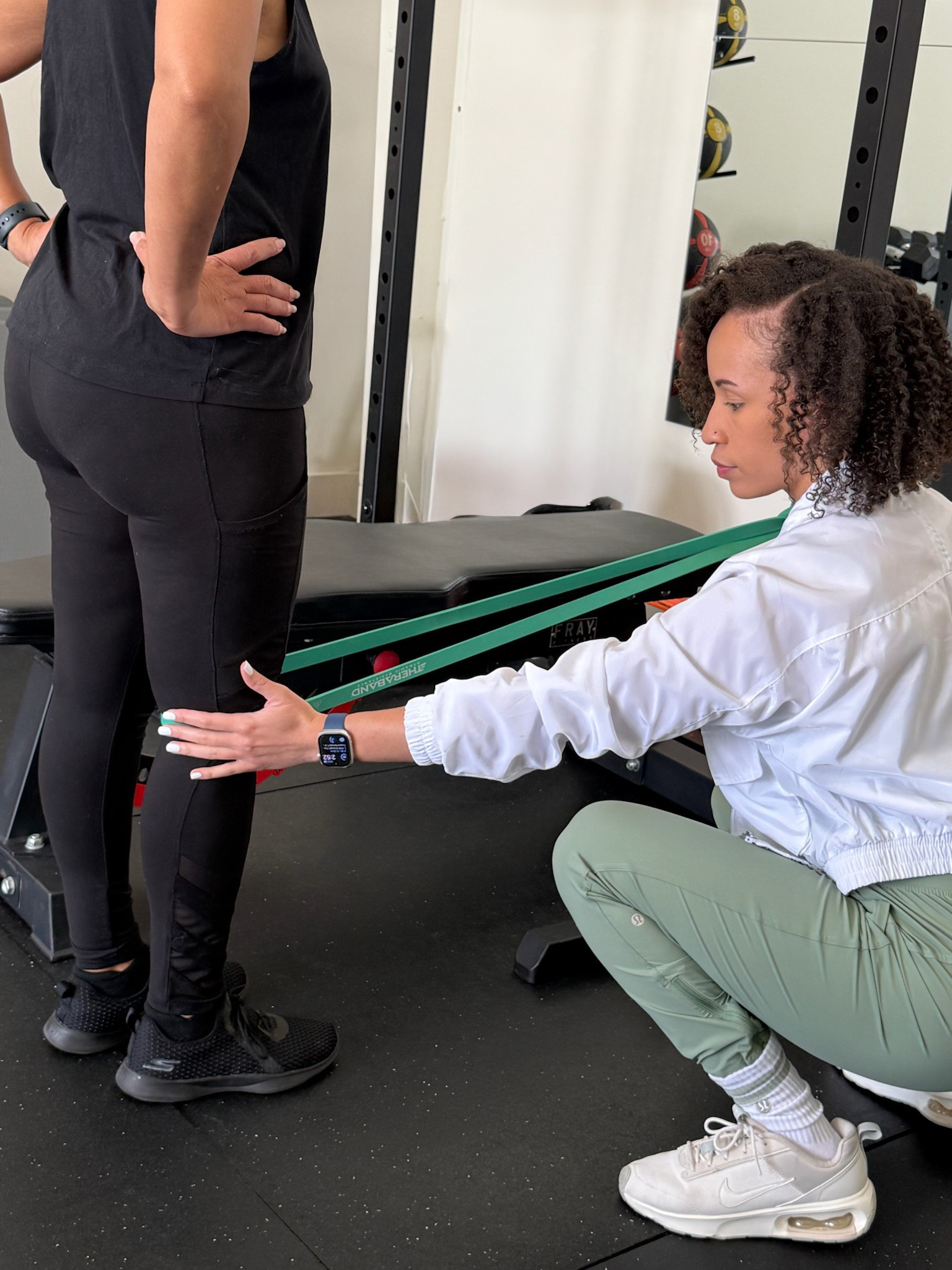
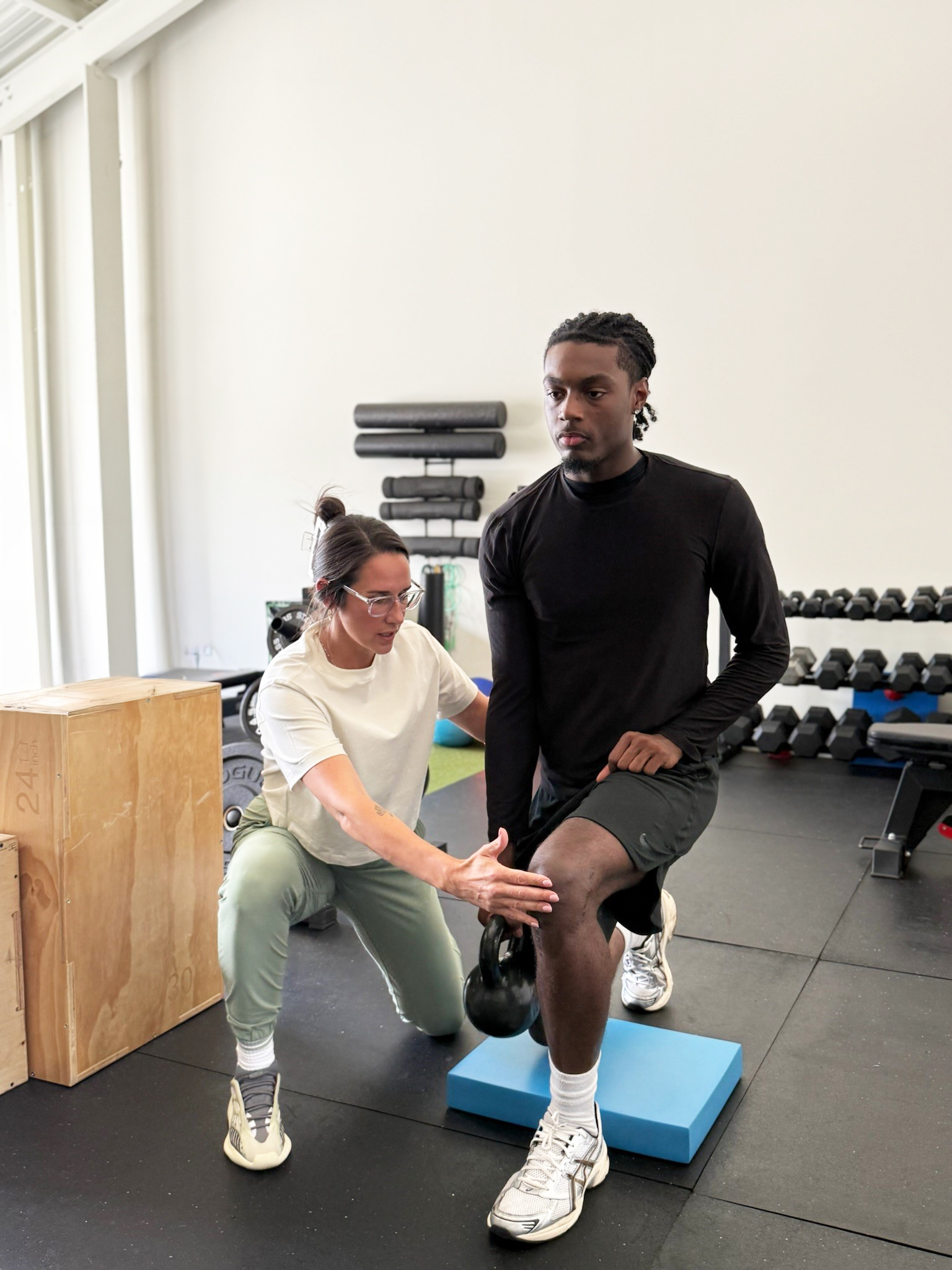
Image Credits
The Movement Experience, LLC