



We’re excited to introduce you to the always interesting and insightful Maria Gall. We hope you’ll enjoy our conversation with Maria below.
Maria, looking forward to hearing all of your stories today. Learning the craft is often a unique journey from every creative – we’d love to hear about your journey and if knowing what you know now, you would have done anything differently to speed up the learning process.
I grew up being photographed and recorded by my parents. They were adamant about recording my sister and I since we moved around a lot and didn’t live near relatives. They wanted to remember the places we had lived and share the memories my extended family had missed. But I went through a long “awkward phase” as a teenager and young adult. I didn’t want to be in front of the camera anymore and didn’t want to be recorded because I didn’t like the way I looked. I decided that I would rather be the one behind the camera instead.
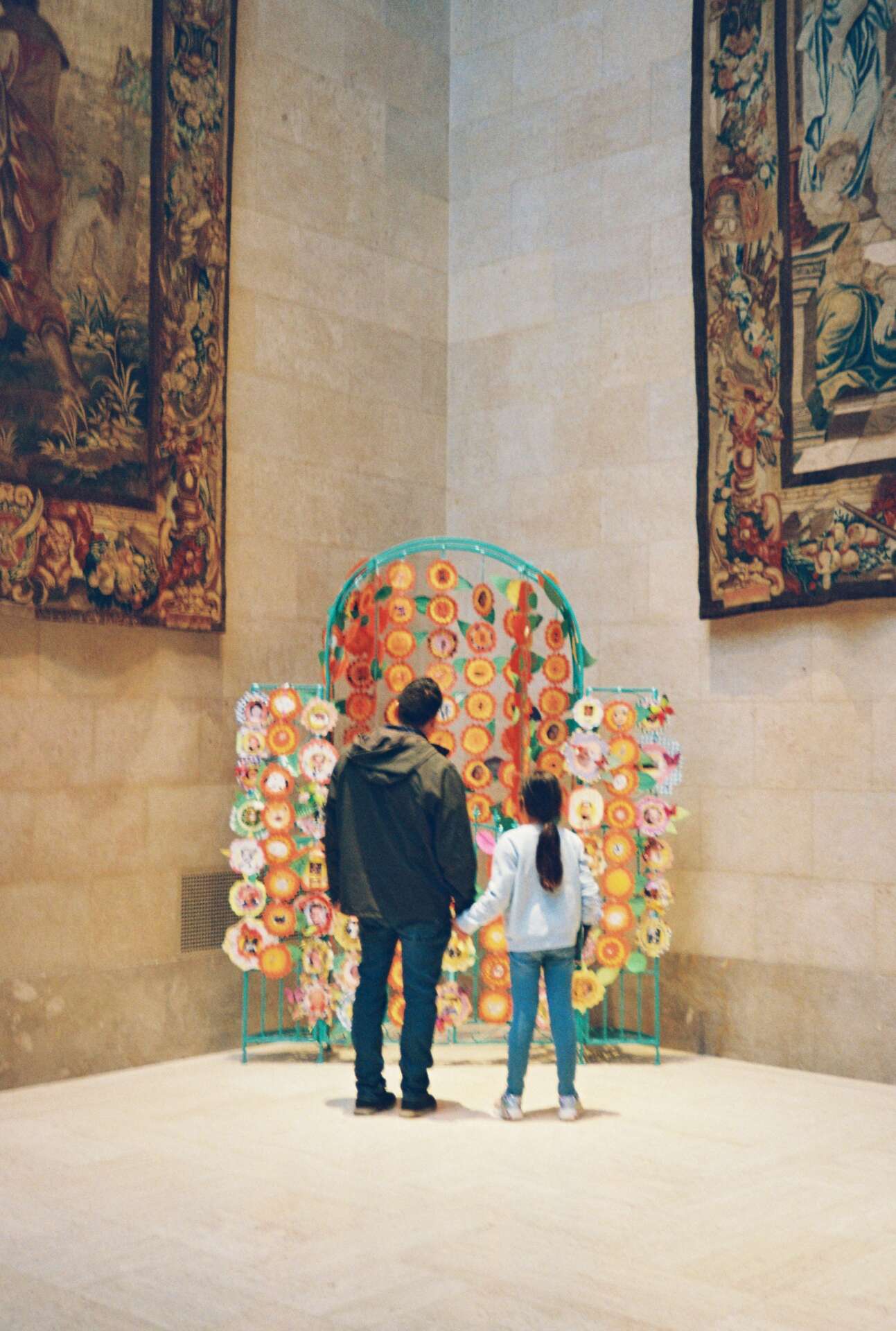
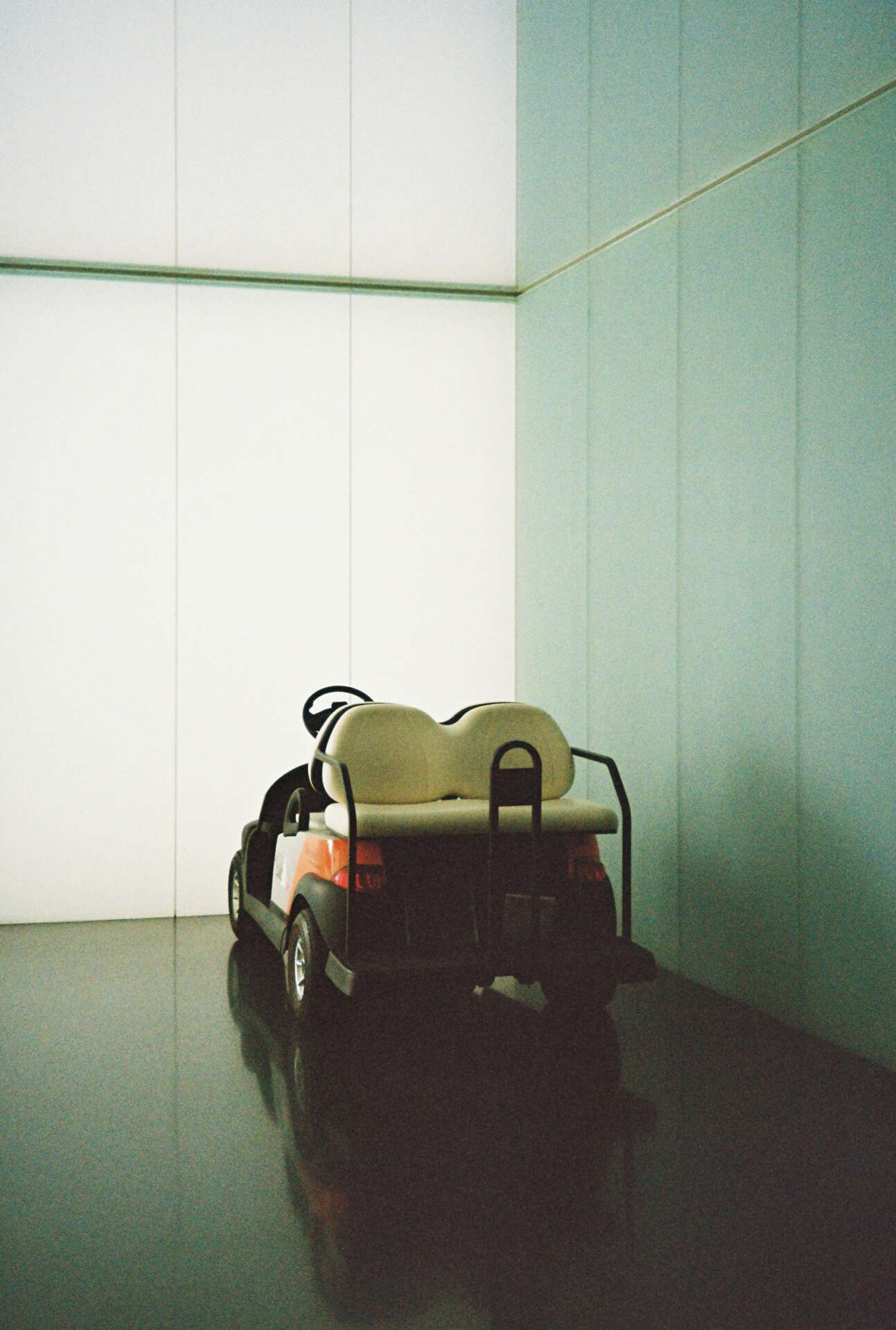
I learned how to take photos on a DSLR in high school yearbook and did some work with a camera in college. But I didn’t take any photography classes. My schedule was too full. So six years ago, I decided to teach myself how to use a film SLR and bought a Pentax K1000. I remember loading film into a camera from when I was young, but getting the hang of reading the light meter and understanding what all the different numbers meant took me a while.
I must have spent hours on YouTube watching instructional videos and reading the manual for the camera. I didn’t become completely comfortable shooting until about a year and a half later. There are still times when I realize that I’ve forgotten to adjust the shutter speed or the ISO. It’s all a part of shooting fully manual. I think I enjoy the images more when I use a manual camera. It shows me that I’ve been able to master my gear and can trust that something will turn out even if I mess up somewhere throughout the roll. It’s the most satisfying feeling when you hold up the developed roll and see the shot you were hoping for.
Awesome – so before we get into the rest of our questions, can you briefly introduce yourself to our readers.
I’ve been living in the Kansas City area for almost 18 years, but I was born in Pensacola, Florida. My dad was a Marine for 26 years and my mom is originally from Guatemala. My younger sister and I are only 15 months apart and have experienced so much together through our many moves.
My Bachelor’s degree is in graphic design with a minor in marketing, but I didn’t want to work in an office. It took me a few years to find where I’m at now, but that’s what fueled my interest for photography. I’ve loved taking pictures for many years. It was one of my ways of creating art since I’m not great at drawing or painting. Film photography has been my primary form of creativity for the last five years.
It’s been interesting to be a petite woman in a male-dominated field. I don’t make much, if anything, from the photos I take, but it’s rare to find another woman who uses film as their main media. That’s why I love working where I do, because I get to see the other women and girls dropping off film.
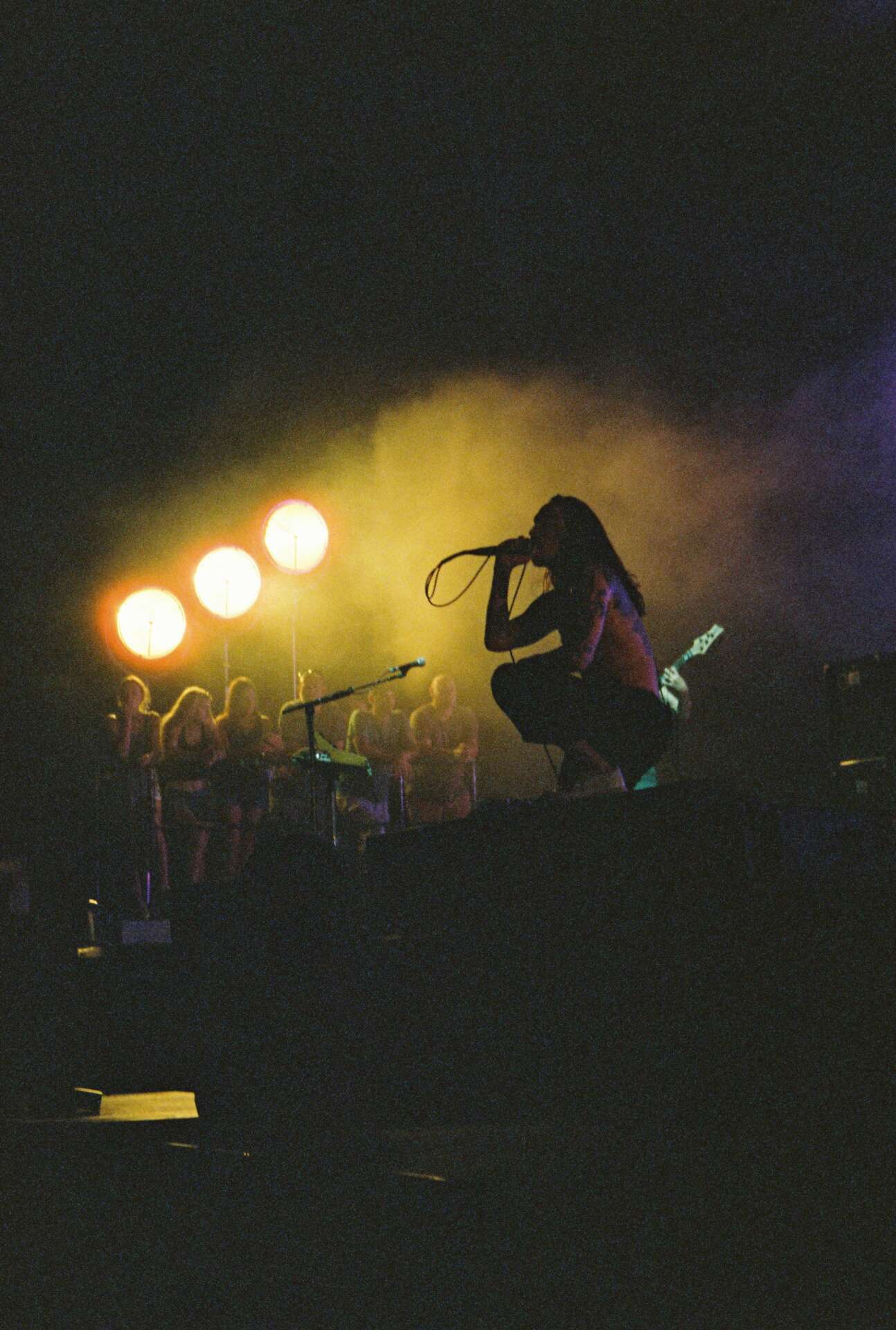
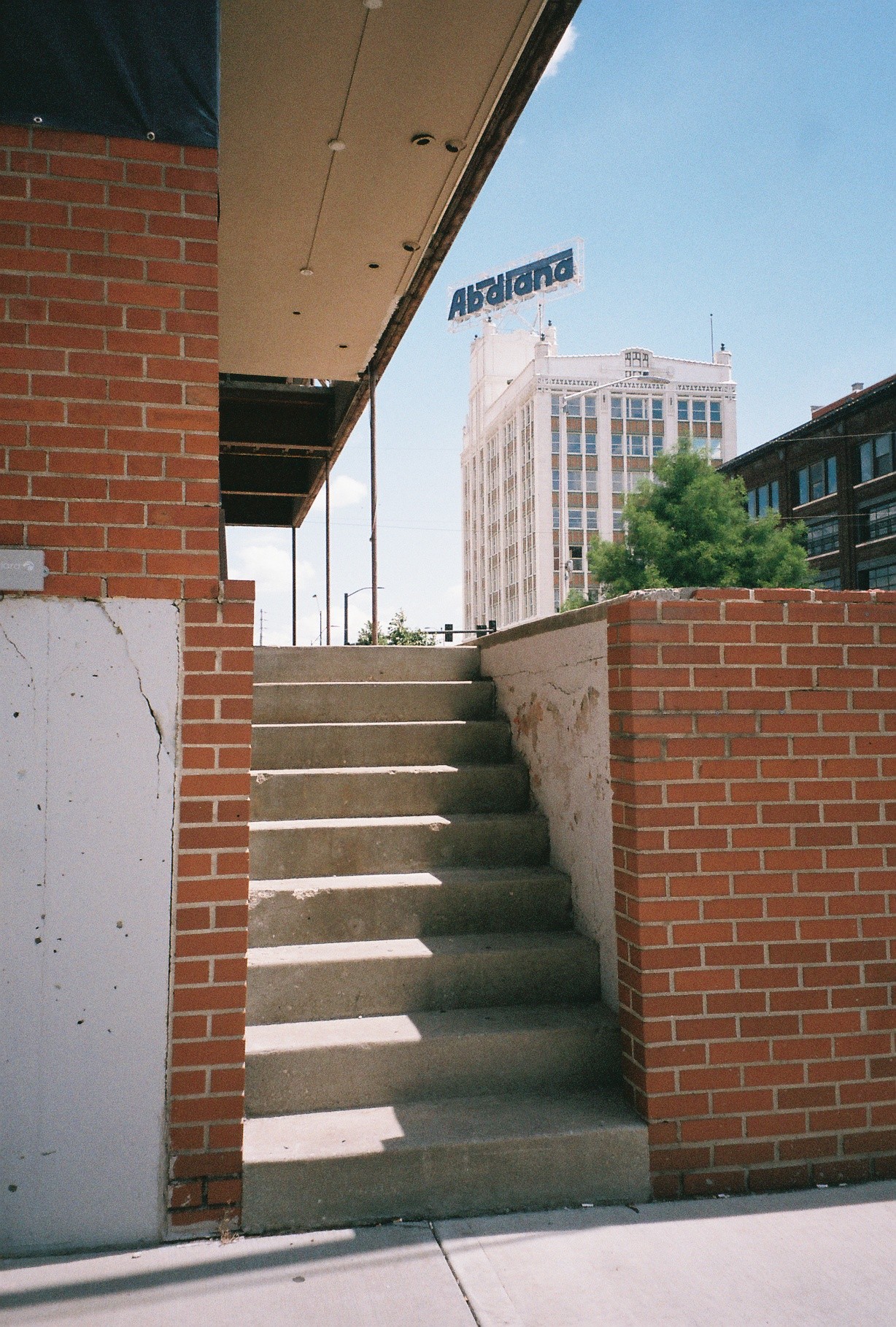
I’m a girl who loves Pride and Prejudice, cottage-core, and victorian art styles. I also listen to hard rock, watch sports, and enjoy car shows. I definitely think my interests have influenced my style of photography. I appreciate shots that look like a painting of the countryside, but I also get excited about capturing a dynamic concert shot. I have a wide range of interests and my photography isn’t locked down to one style on purpose. Why limit myself?


Looking back, are there any resources you wish you knew about earlier in your creative journey?
I wish I had access to a darkroom when I was learning photography and even now. I learned how to use Photoshop 17 years ago, but I had no idea what some of the terms like “dodge” and “burn” meant. Why did they choose those words? If I had been able to develop my own film and make prints in a darkroom, I would’ve been able to learn Photoshop more intuitively. I might have been able to understand how my decisions while taking a shot translates to what it’ll look like in developing.
Do you think there is something that non-creatives might struggle to understand about your journey as a creative? Maybe you can shed some light?
At work, I hear, “Can’t you just Photoshop it?” I understand people hear that name a lot, but might never have seen the program. It’s a program I’ve been working with for 17 years. There are many buttons, adjustments, layers, and it takes those years to understand what is required for job.
It’s like someone who can draw or paint. They’ve spent many years practicing their craft. I wouldn’t go to a welder and say, “Can’t you just weld that one spot?” They are seen as someone who is a master craftsman when they have the same amount of practice and years of experience in their craft. Both are necessary for the human experience.
There have always been artists. There have always been builders. There always will be.
Contact Info:
- Instagram: @my_maria92