


We were lucky to catch up with Margo Redfern recently and have shared our conversation below.
Margo, thanks for taking the time to share your stories with us today Can you talk to us about a risk you’ve taken – walk us through the story?
Farming is, by nature, an outrageous risk. You wager time, sweat, and your savings against weather, pests, markets, and luck. The average farmer in America is now over 60, and only about 13% of farms survive on farm income alone. Each year, we lose roughly 2,000 acres of farmland per day nationwide—an entire landscape slipping quietly away. And yet, regenerative farming feels like choosing hope in the middle of that uncertainty. Instead of forcing the land to obey, we work with it, trusting cover crops, compost, grazing animals, and patient stewardship to rebuild what’s been depleted.
It’s an act of belief: that soil can rebound, that water can return, that biodiversity can re-establish itself, that communities still care where their meals originate. Every seed we drop into the ground is a vote for a future we may never fully see. Every pasture rotation is a tiny—but determined—defiance against collapse. Regenerative farming says: Yes, the odds are wild… but the land is still willing if we are.
In a profession built on uncertainty, tending the earth this way is the bravest, most optimistic thing we do.
As always, we appreciate you sharing your insights and we’ve got a few more questions for you, but before we get to all of that can you take a minute to introduce yourself and give our readers some of your back background and context?
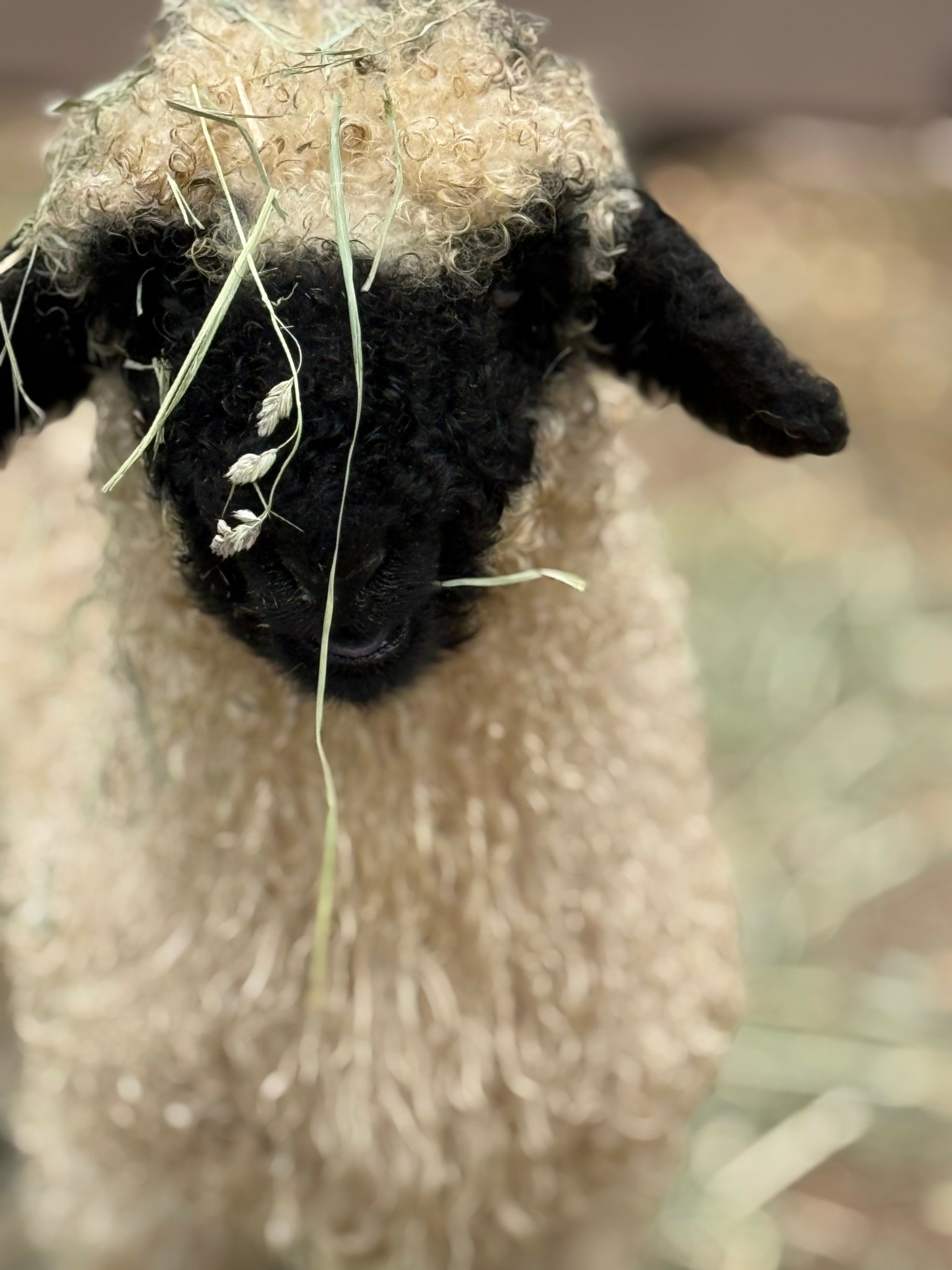
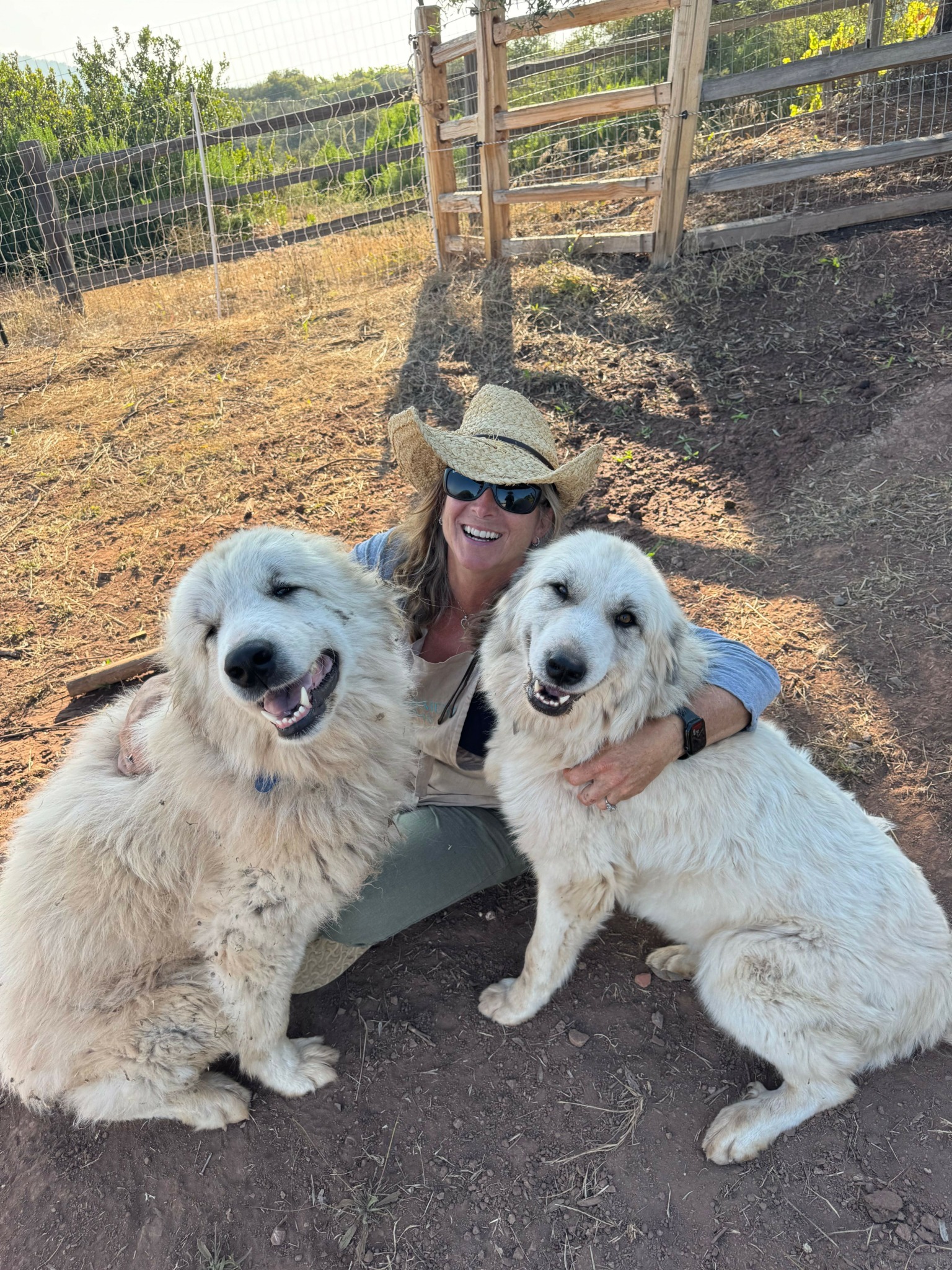
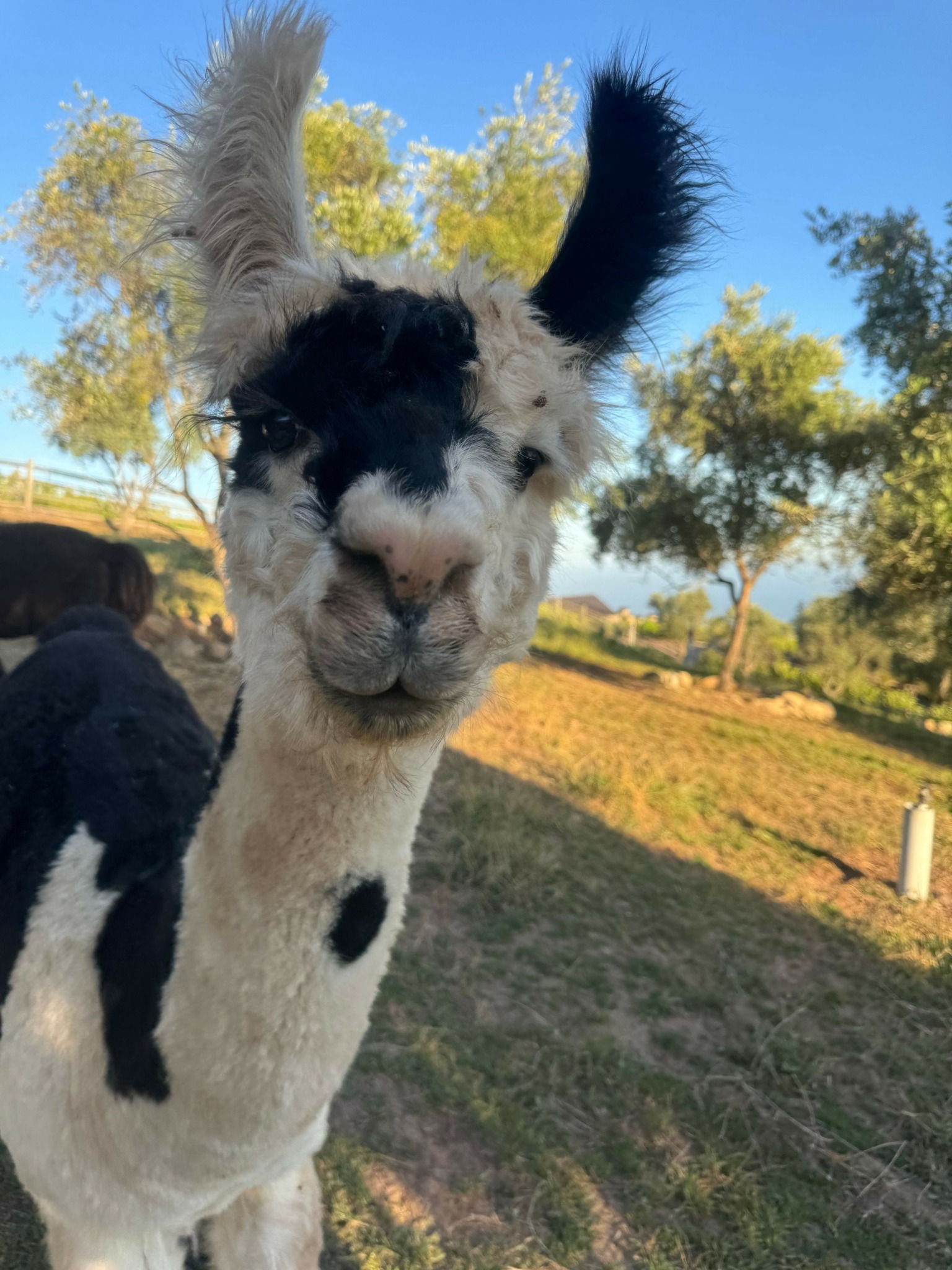
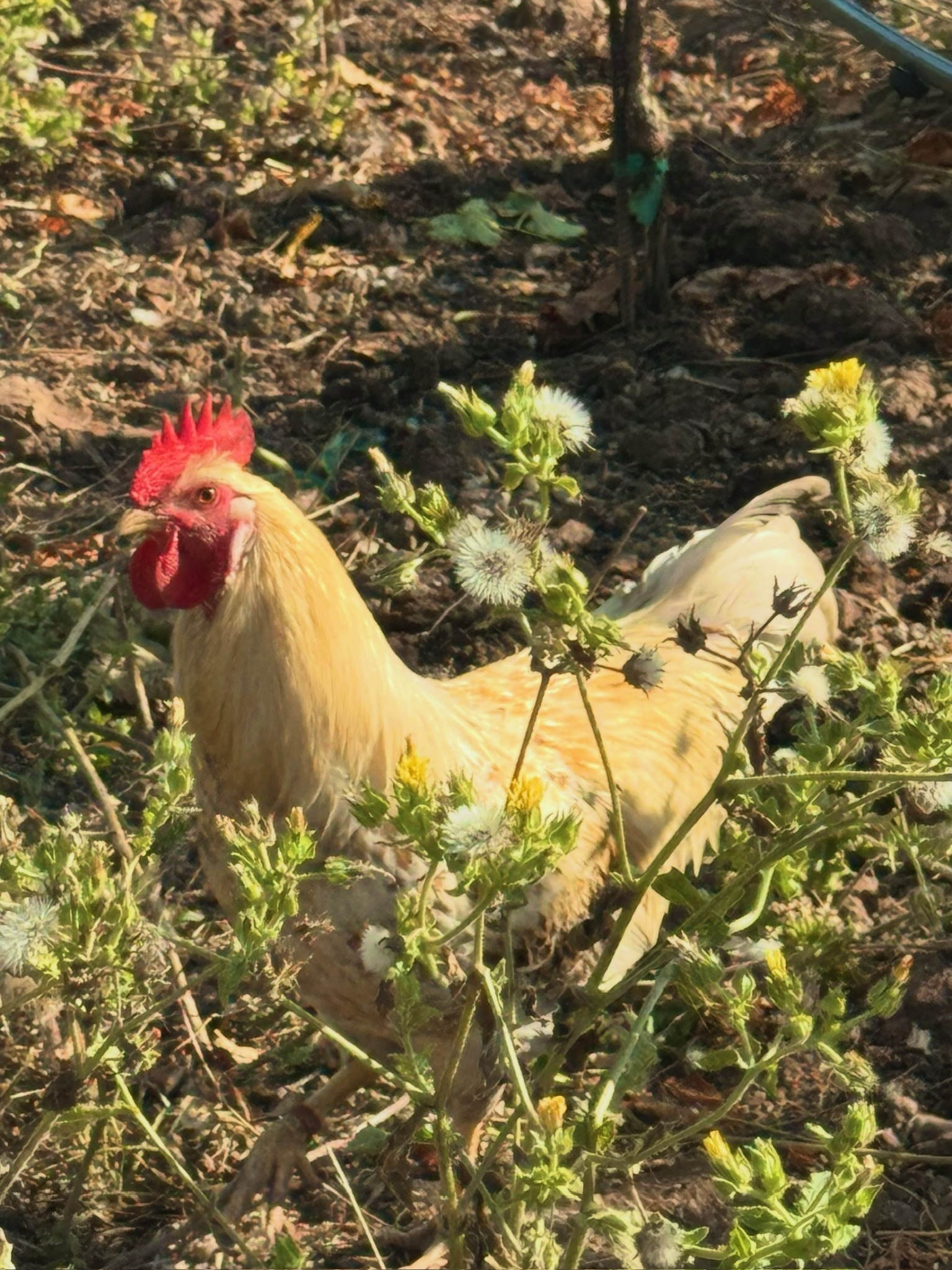
I came to farming the way many people come to their true calling—sideways, curiously, and with no idea how much it would change me. What began as a desire to grow better food for my family and help with climate change grew into Wanderment Farms: a 56-acre regenerative farm that blends agriculture, ecology, education, hospitality, and creativity. We grow a wide array of vegetables, fruit, flowers, herbs, olives, wine grapes, and even specialty coffee, all supported by rotational grazing from our sheep, goats, cows, chickens, and the world’s most opinionated miniature donkeys.
Our work centers on regenerative farming, which means healing soil, increasing biodiversity, and producing nutrient-dense food while improving the land year after year. We offer curated home-delivery produce boxes, seasonal flower bouquets, farm tours, educational programs, and one-of-a-kind experiences through our new Artist/Chef-in-Residence program.
The problems we solve are both practical and emotional: we reconnect people to real food, real farmers, and real landscapes at a time when most meals feel disconnected from their origins. What sets us apart is our willingness to be both serious and whimsical—deeply committed to soil science and carbon capture, but equally committed to joy, beauty, and community.
What I’m most proud of is that the farm feels alive. Visitors tell us it feels like stepping into a story—and that’s exactly what I hope to share.
How’d you build such a strong reputation within your market?
I think our reputation has grown because people can feel that Wanderment Farms is built with intention, transparency, and a genuine love for what we do. We don’t try to be everything to everyone—we simply show up as ourselves, grow the best food we can, treat the land with respect, and invite people into that process. The farm isn’t a performance; it’s a living, breathing place, and I think our community responds to that authenticity.
Consistency has played a huge role. Whether it’s our curated produce boxes, our flower bouquets, our farm tours, or our educational programs, people know they’ll receive quality, honesty, and a little bit of magic. Word of mouth has been our strongest marketing tool—when someone opens a box of just-harvested produce or spends an afternoon wandering the fields, they tend to tell their friends.
Our regenerative approach also sets us apart. People are hungry for food that nourishes both body and ecosystem, and they see that we hold ourselves to a high standard. But just as important is the sense of joy woven into everything we do. Farming is serious work, but it should also be beautiful, hopeful, and shared. I think that combination built our reputation more than anything else.
How’d you think through whether to sell directly on your own site or through a platform like Amazon, Etsy, Cratejoy, etc.
Yes, we sell online, and we run our entire storefront through Shopify. It gives us the flexibility to offer weekly produce subscriptions, flower bouquets, farm events, and seasonal add-ons all in one place. We chose Shopify because it’s reliable, easy for customers to navigate, and integrates beautifully with our delivery logistics, email communication, and inventory tracking. However, I will say that it was at times frustrating to set up. It is very cookie cutter out of the box, but anything beyond that takes real wherewithall to make it bend to your will
I do like that it allows us to tell the story of the farm visually—people can see what’s growing, what’s coming in their box, and what experiences are happening on the land. Most importantly, it lets us stay focused on farming while the technology quietly supports everything behind the scenes.
Contact Info:
- Website: https://wandermentfarms.com
- Instagram: wandermentfarms
- Facebook: wandermentfarms
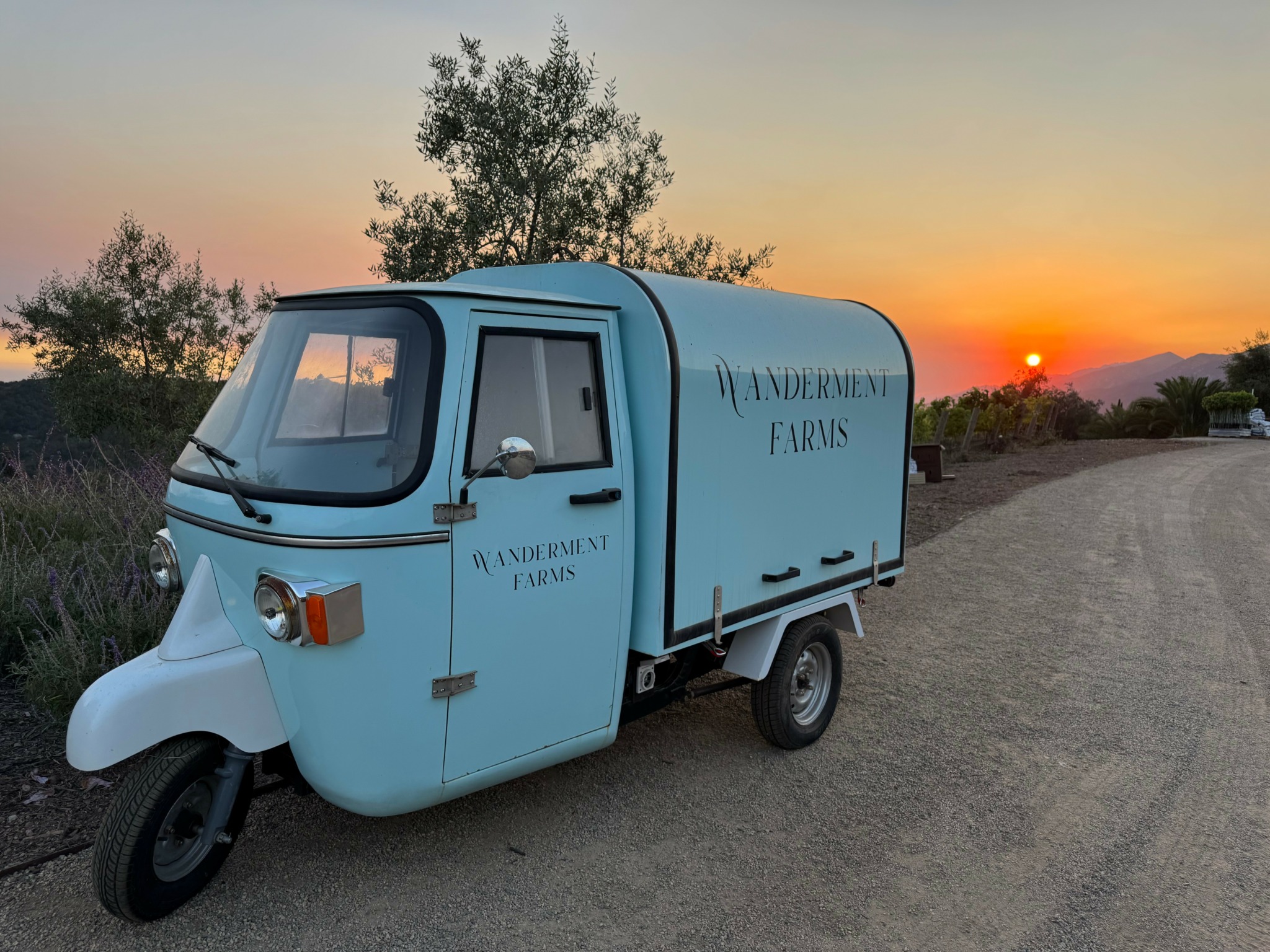
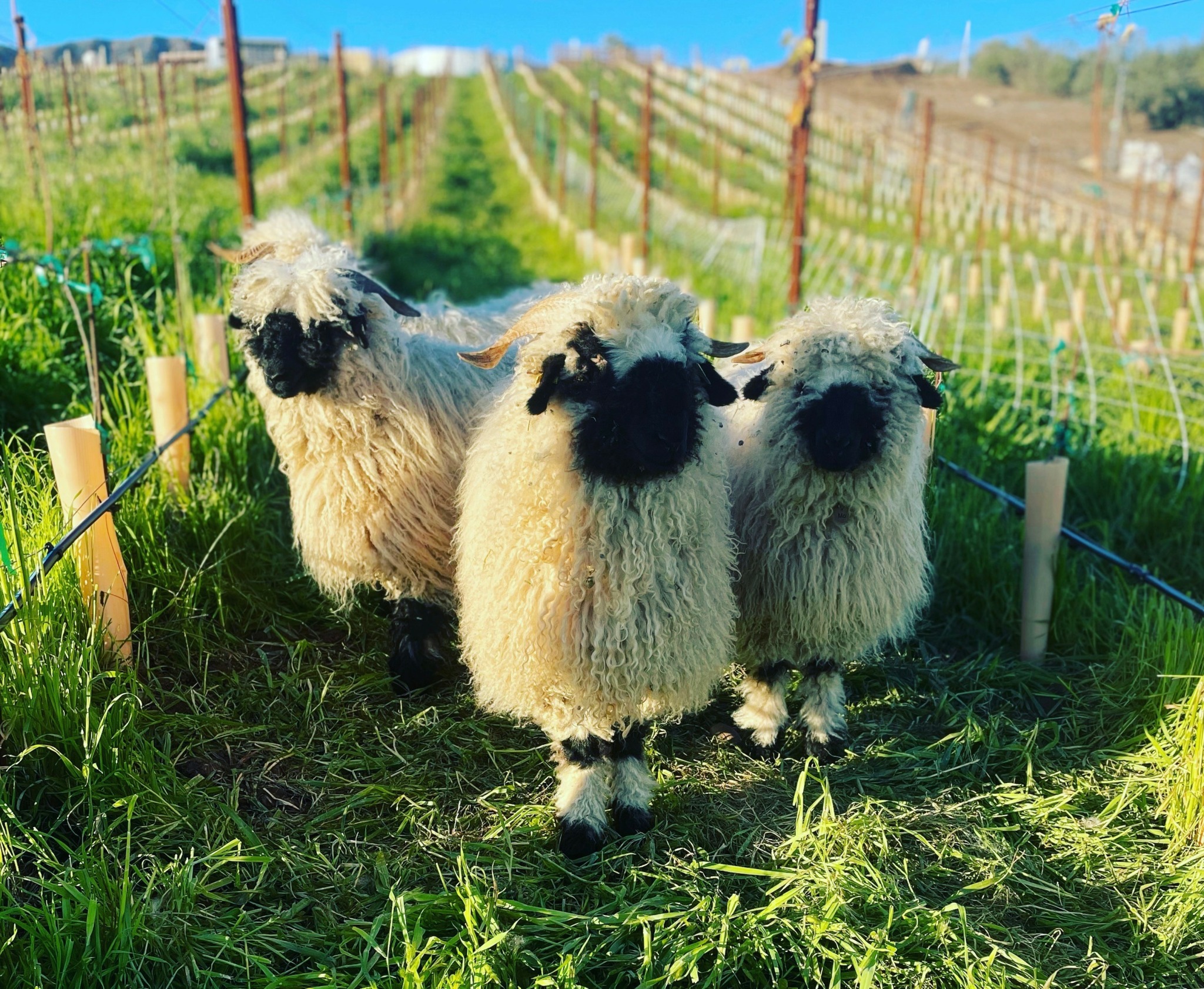
Image Credits
I took them