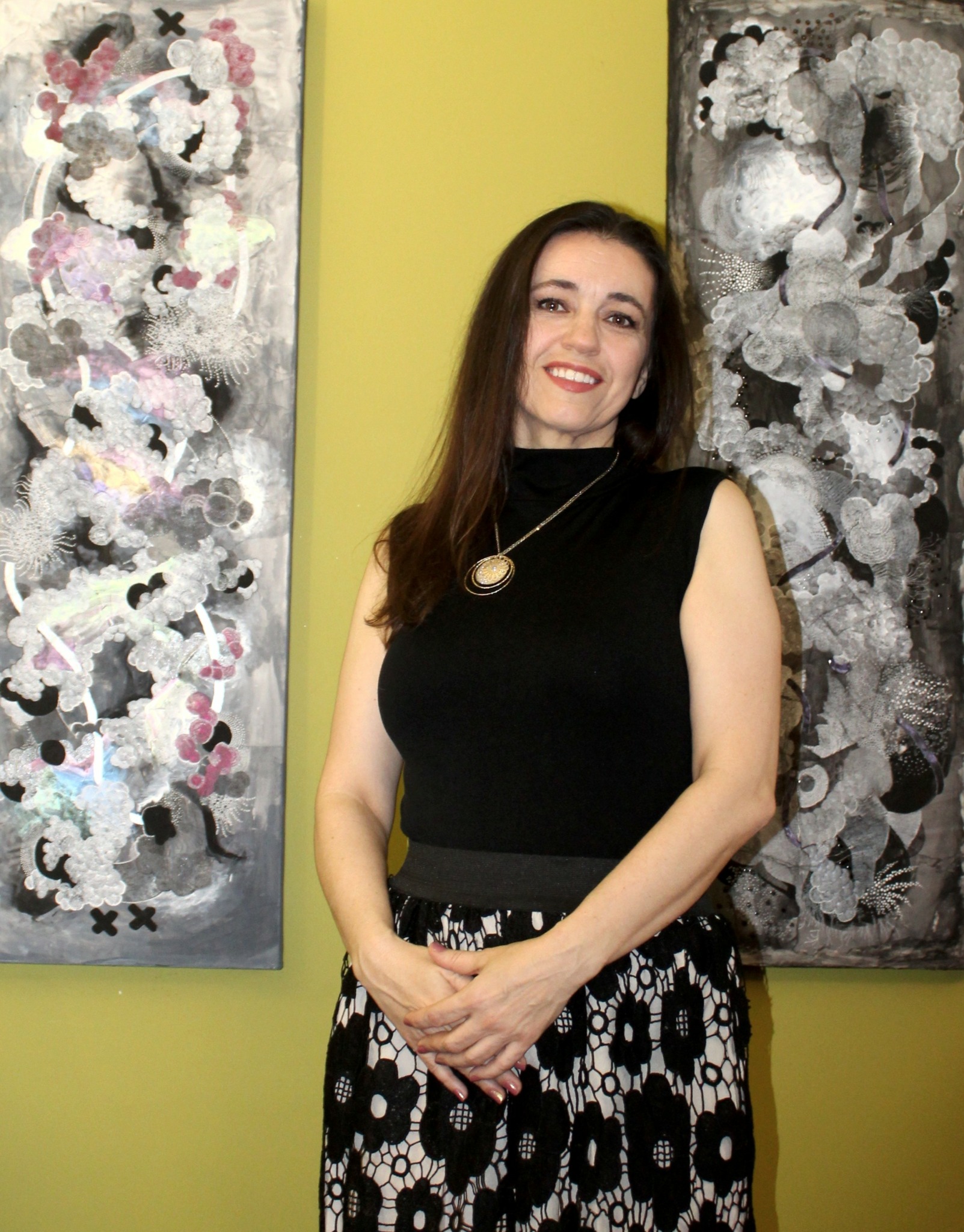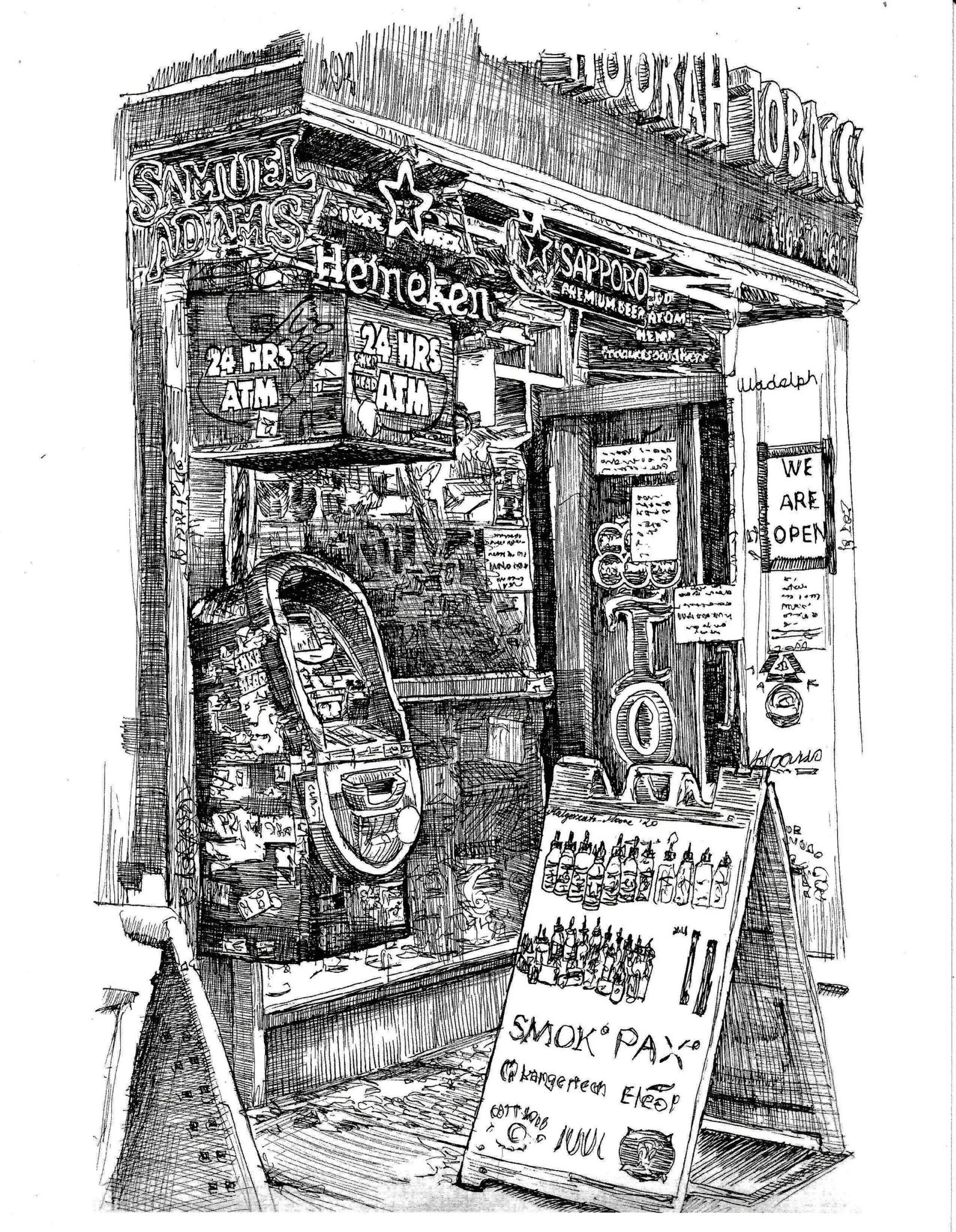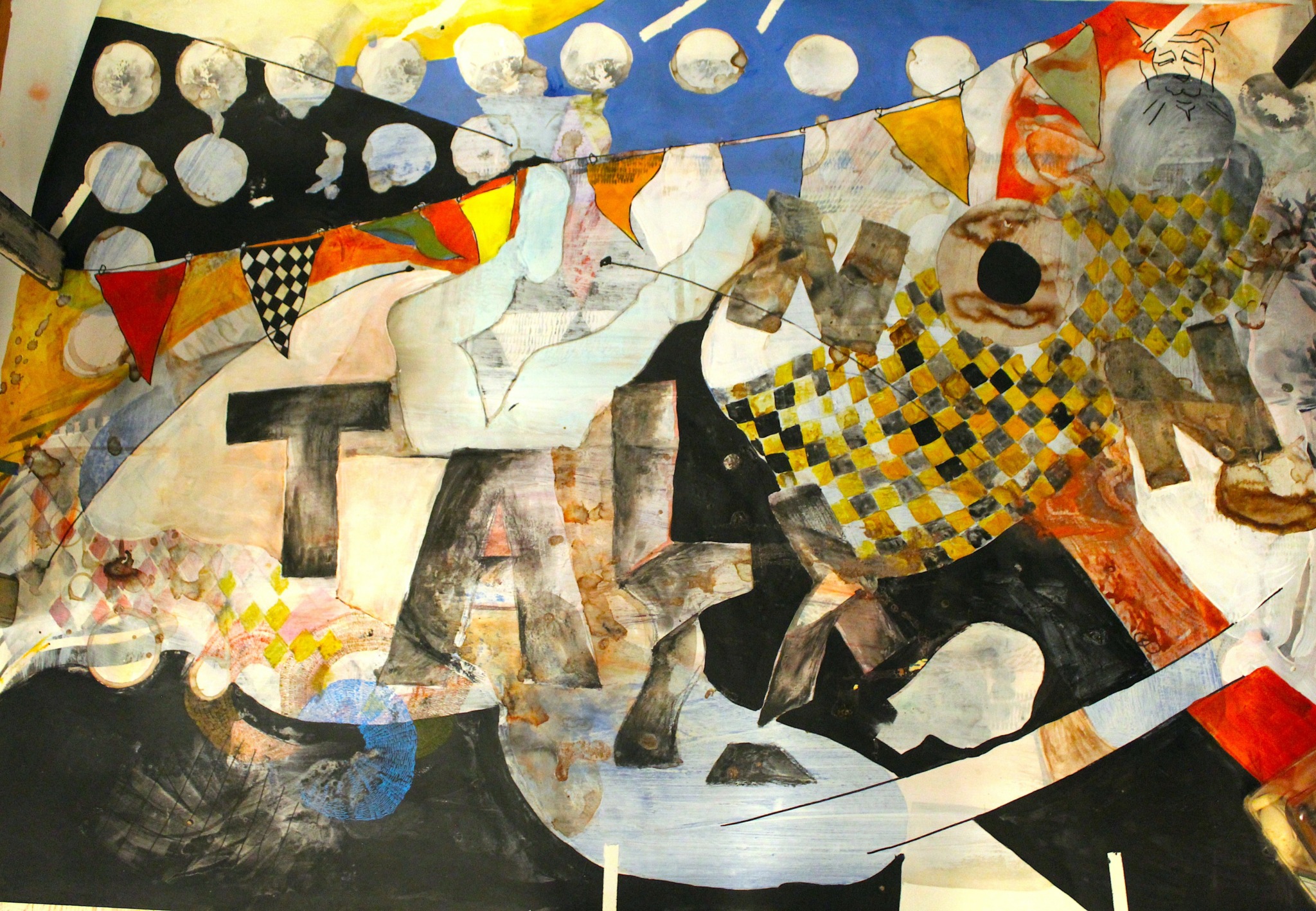

We were lucky to catch up with Margo Moore recently and have shared our conversation below.
Hi Margo, thanks for joining us today. Learning the craft is often a unique journey from every creative – we’d love to hear about your journey and if knowing what you know now, you would have done anything differently to speed up the learning process.
Learning to create art is not something that can be taught through a single course or program. In fact, I don’t consider myself to have fully “learned” art yet—it’s an ongoing journey, one that evolves daily. It’s a lifelong pursuit, a practice. That said, I was fortunate to have had supportive parents who nurtured my interest in the arts, and I also had the privilege of attending an arts-focused high school and college. I also chose friends and partners who were arts-minded and that has shaped my learning a lot.
There’s a clear advantage to formal art education. Being part of an academic environment exposes you to a community of like-minded individuals, diverse influences, and constructive critique that encourages you to detach emotionally from your work. It’s mostly through formal education that artists learn to think in such way and view art more objectively. In addition, the study of art history provides a broader context for understanding your own artistic practice. While it’s possible to be a self-taught artist, I believe formal education offers valuable opportunities that can shape an artist’s development in ways that being solitary in practice might lack.
Art, in my view, is a discipline that requires more than just talent. Talent is merely the starting point. The real work comes from continuous practice, dedication, and discipline. Art is hard work—demanding, challenging work—but it is through consistent effort and embracing failure that one improves. I’ve learned through experience, by doing the work and learning from the many mistakes. Listening to my teachers, peers, and mentors has been invaluable, but the true lessons come from the relentless process of learning the tools and creating.
Looking back, I wouldn’t rush the process. If I could offer advice to young artists, it would be to keep creating and trust that your work will naturally evolve. Art, like the artist, matures over time. I’ve observed many young artists who get pigeonholed into a particular style early on and, while this recognition can bring success, it can also limit their growth. They may find themselves trapped in a cycle of repetition, expected to produce more of the same. This can lead to a kind of artistic stasis, where curators and galleries define the artist instead of the artist discovering themselves. So, my advice is to take the time necessary to develop at your own pace, letting your work grow organically through your own discipline and exploration. Let the art discover what art is.
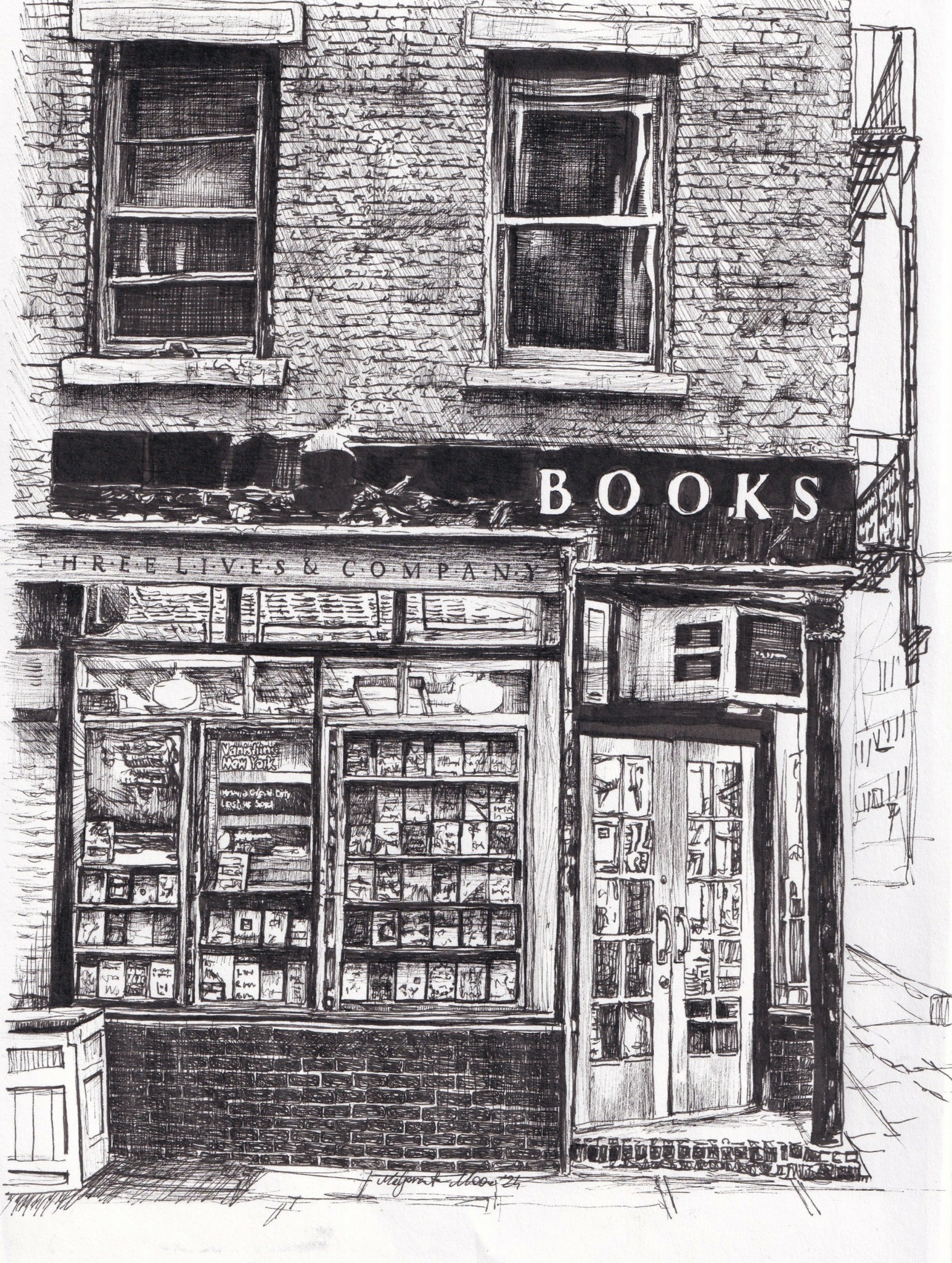
The thing that has always stood in the way of learning more for me is lack of time. Even though I devote a good amount of time to art making, it is always too little and never enough. I try solving this obstacle by working on different projects depending on my circumstance. So, for example, when I am on the train en route to work, I work on smaller drawings and sketches that will later be incorporated into a larger piece. Or I compose my book on my phone and jot down notes depending on the day. On my daily one-hour break I have a continuous project of panel drawings for my graphic novel that keeps growing with every lunch. And while watching TV at home, I have 3 drawing projects on average around my table that I can pick up at any time. And so on. So, plan and split your work however works for you. There are no excuses for lack of time.
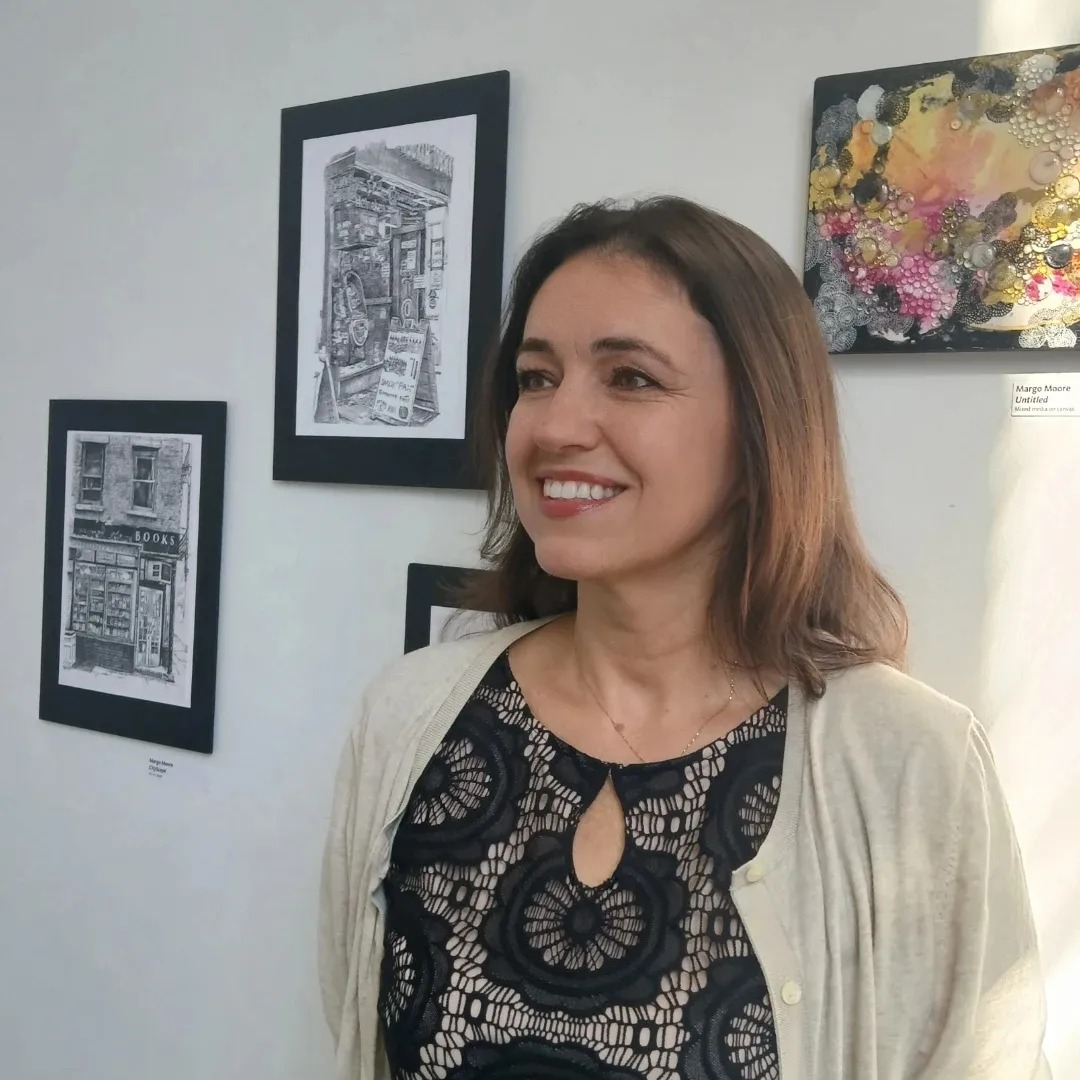
Great, appreciate you sharing that with us. Before we ask you to share more of your insights, can you take a moment to introduce yourself and how you got to where you are today to our readers.
I’m an artist with a unique path—one that blends creativity with community engagement. While I initially thought I wanted to be an art teacher, my experiences as a substitute teacher in public schools, combined with conversations with my college peers, led me to pivot in a new direction. I pursued a Master’s degree in Library Science and have since worked in the library field while continuing to cultivate my art practice. This balance has allowed me to keep art at the forefront of my life, integrating it seamlessly with my professional work.
As a librarian, I’ve found that my role goes far beyond managing books. My focus is on visual literacy, which has allowed me to engage with my community in dynamic and meaningful ways. Through the library, I’ve been able to facilitate art shows, teach workshops in portraiture and printmaking, and collaborate with local artists, curators, and galleries. These experiences have not only expanded my artistic journey but also helped me reach a wider audience, including opportunities to exhibit my work in the Harlem arts scene.
One of the things I’m most proud of is the way my library career has informed and enhanced my art. The relationships I’ve built and the exposure I’ve gained through my library work have been invaluable. It has opened doors I never anticipated and has allowed me to teach, share, and grow as an artist in ways that would have been difficult without this unique intersection of library work and creativity.
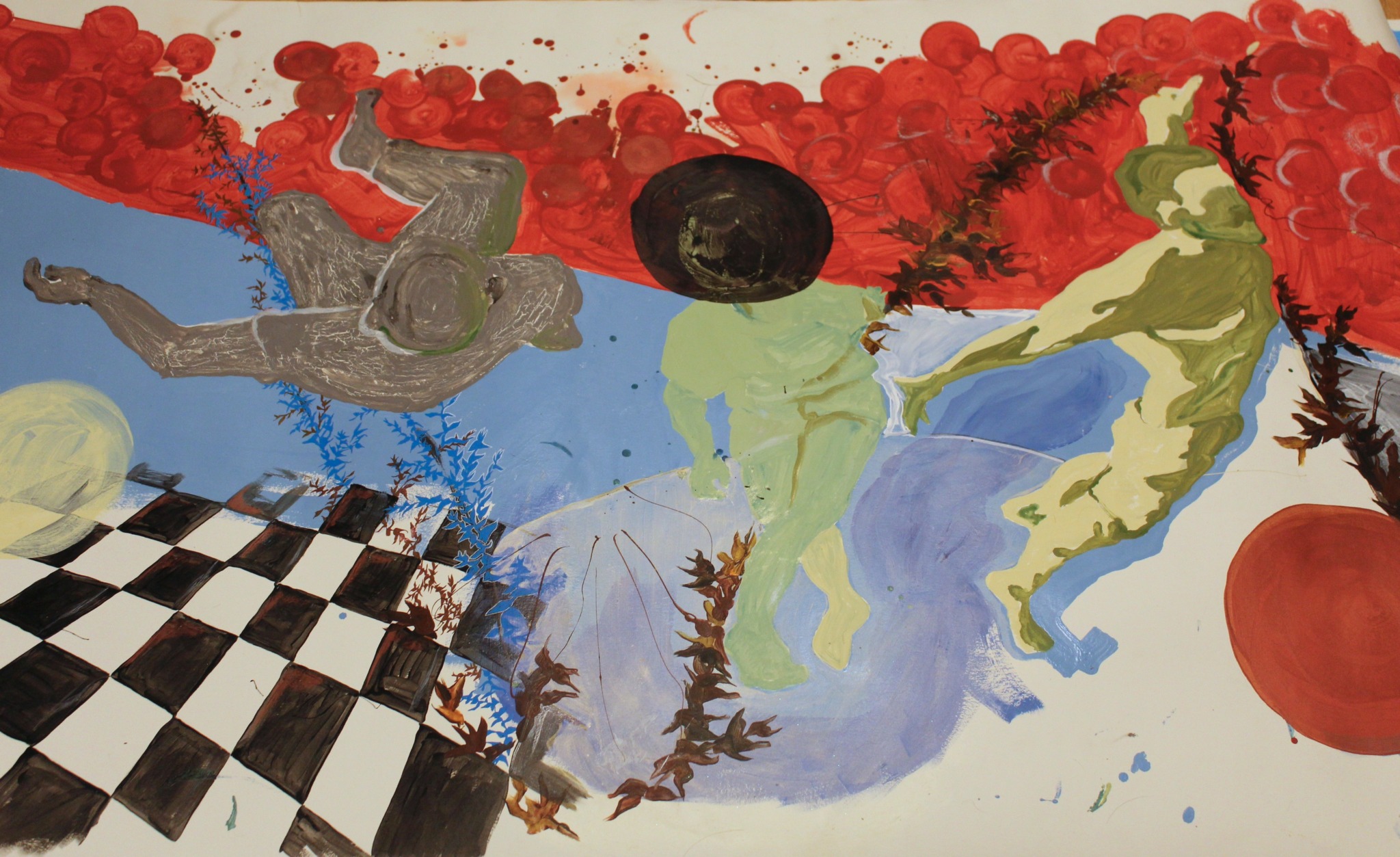
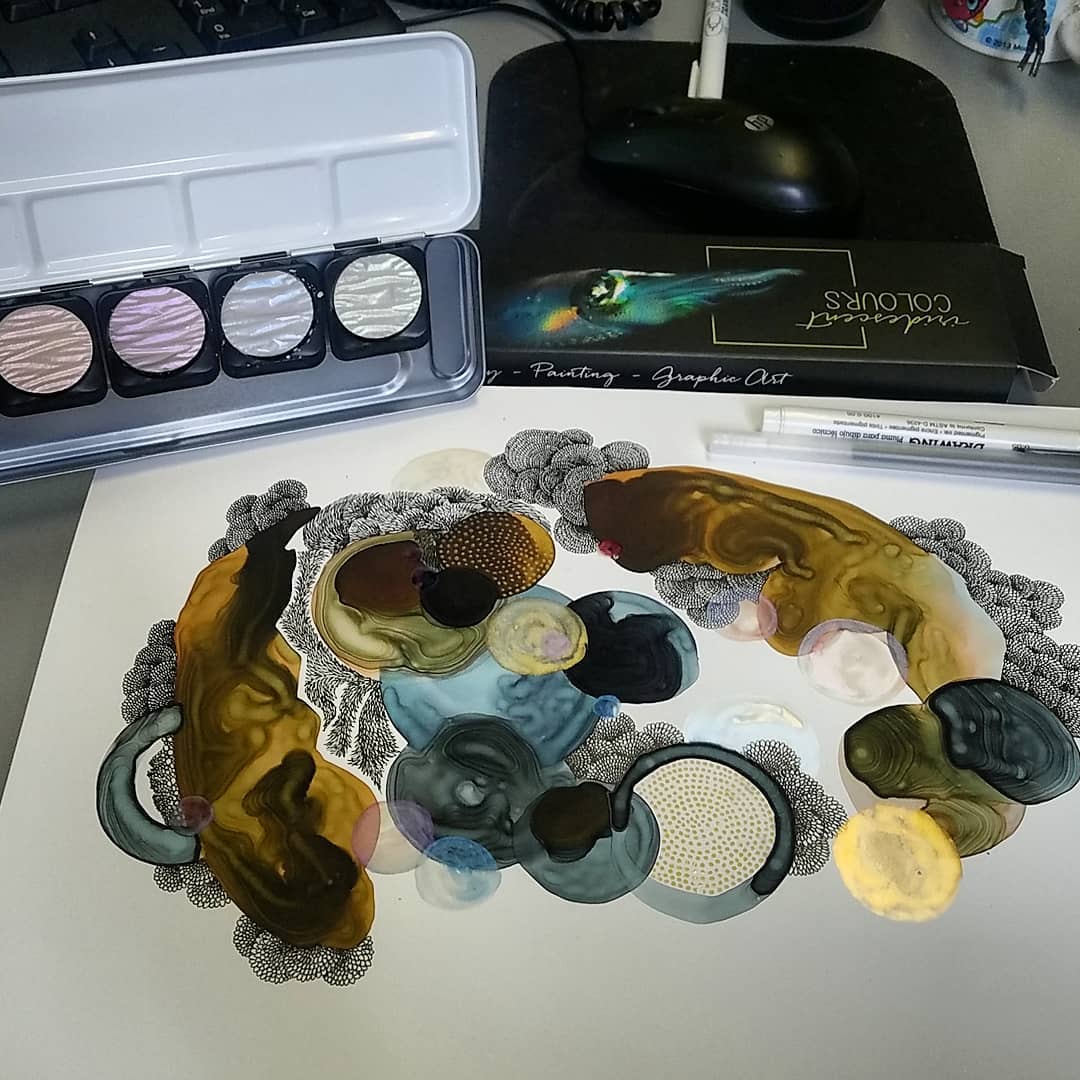
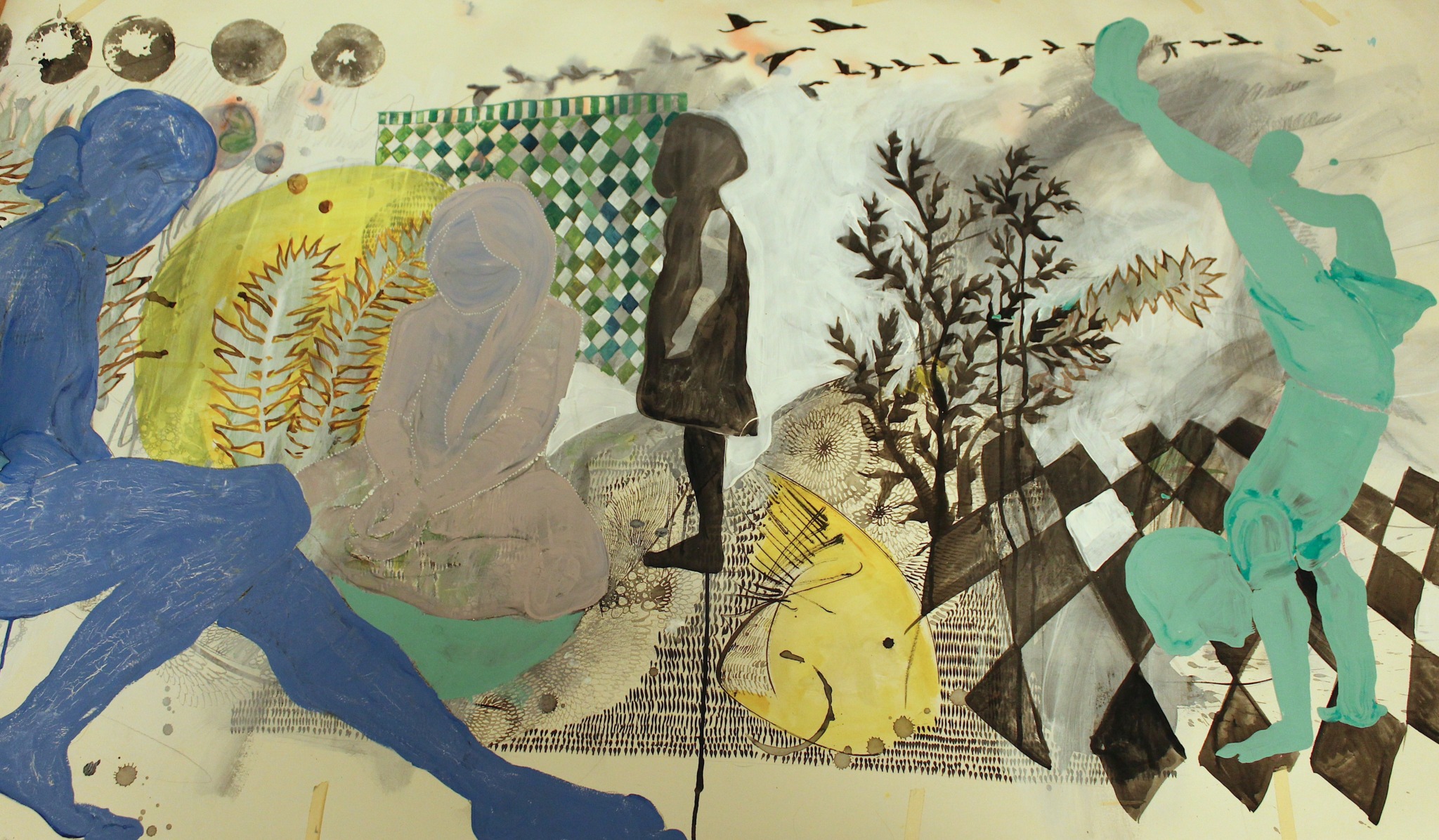
My artistic practice spans various mediums, and I’m most known for my work with circles—hundreds, sometimes thousands, of them. What started as a personal exploration has grown into a body of work exhibited both locally and internationally. However, I feel this phase is coming to a close, and a new chapter is beginning. I’ve been delving deeper into figurative work, inspired by years of attending life figure drawing sessions in the city. I’m exploring a new visual language that blends abstraction with figuration, painting the sensation of how I see the figures around me. This new direction is about capturing a feeling, not just an image, and pushing the boundaries of space, depth, and surface in ways that haven’t been explored before.
In addition to my visual work, I’m also in the process of finishing a graphic novel—a deeply personal story told from a child’s perspective about growing up in a Communist country. This has been my most challenging and rewarding project to date. I’m also writing another book, a reflection on life in New York City through the eyes of a woman navigating the chaos and beauty of daily life, through the wild and the mundane.
I’m most proud of my discipline and my unwavering commitment to both my library career and my art practice. These two passions inform each other in unexpected ways, and I’ve found a sense of agency and urgency in both areas. I continue to surprise myself with what I create and how it evolves, and I’m grateful for the community of artists, curators, and organizations that support my growth.
What sets me apart is the combination of my artistic and library backgrounds, which allows me to provide a rich, multidimensional experience for my community and audience. Through my work, I bridge the worlds of art and visual literacy, creating spaces where creativity thrives and where people can engage with art in new and meaningful ways. My art is about more than just aesthetics—it’s about pushing boundaries, embracing change, and telling stories that matter.
To potential clients, followers, and fans, I want you to know that my work is driven by a sense of urgency and passion. I create with the belief that art is a lifelong process of discovery, and I’m always evolving. I’m proud of what I’ve accomplished, but I’m even more excited about what’s to come. I’m stepping into a new phase, and I invite you to join me on this journey of exploration and growth. I’m entering a space where I can paint not only the figures themselves but the sensation of how I see them—simple and idiotic things, with a new sense of abstraction and figuration that hasn’t been explored before. It’s a new visual language, a space where I can combine the two and move away from political messages or trendy statements. My paintings are becoming about painting itself—about immediacy, surface depth, and the experience of simply creating.
This shift feels significant, like shedding old layers of myself. It’s a moment of stepping into a new dream, acknowledging that I don’t know everything, and that’s perfectly fine. In fact, I’m proud of that. I’m proud of my discipline, my sense of urgency, my books, and my unwavering commitment to making art. It continues to surprise and nurture me in ways I never could have predicted.
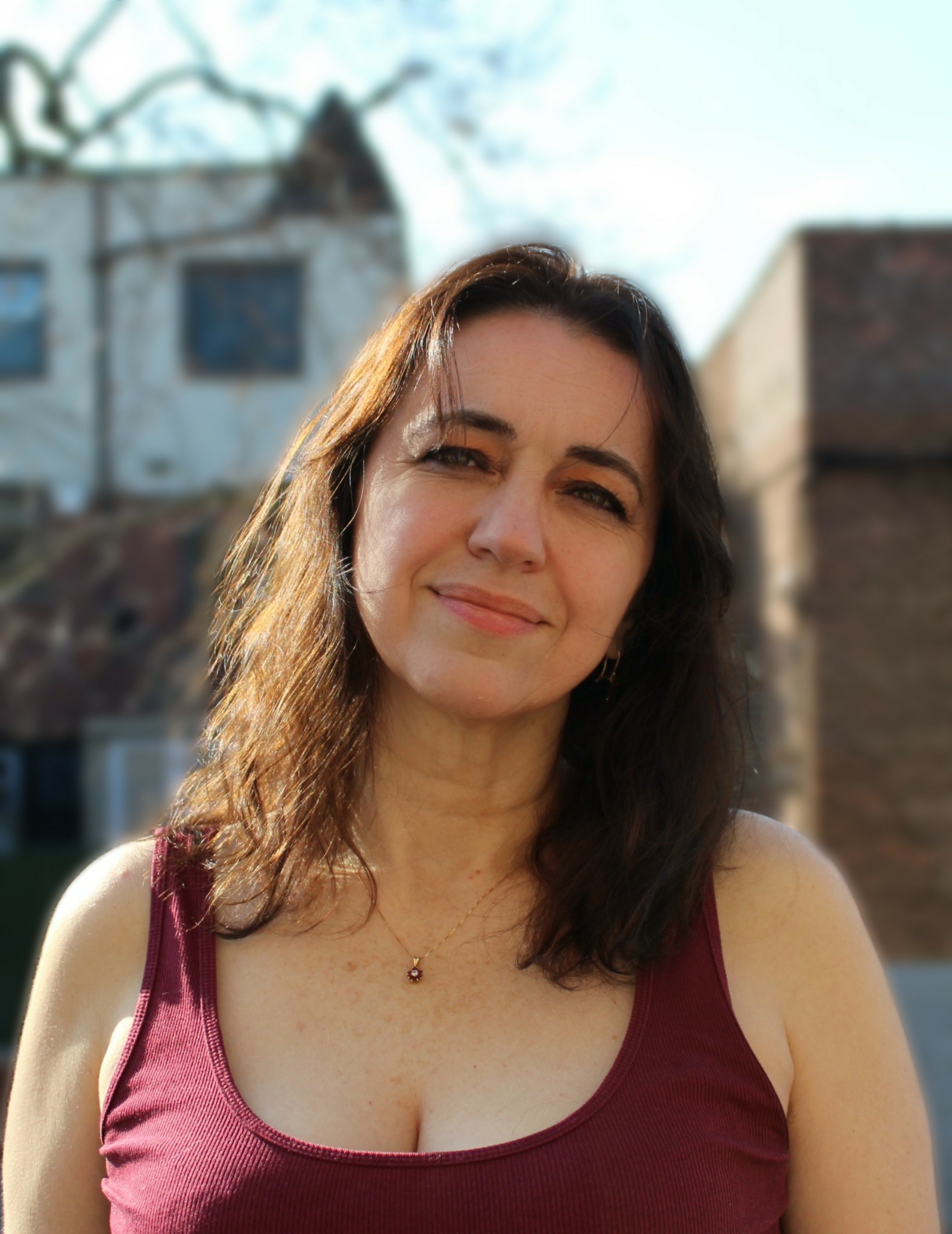
Can you share a story from your journey that illustrates your resilience?
Resilience is the proverbial middle name of the character from my upcoming graphic novel. The little girl in the story is living in a grey, broken world among broken families, neighbors and buildings. Yet, her curious mindset makes that world into a sort of play thing as she navigates the bleak and somber life with wide eyes and humor. I carried that with me when I arrived in America as a young teenager and re-learned a world then through a series of life’s dreary events I relearned again and again with the same curiosity and play all the way to today. Life will not always have a happy ending. It can be dispiriting, but that doesn’t mean that we ourselves need to be so dull. It is our own mindset that will carry us or bury us.
What do you find most rewarding about being a creative?
For centuries, religions have understood, and now science confirms, that gratitude and selfless giving are powerful sources of contentment, joy, and fulfillment.
The opposite, being ingratitude and selfishness. They are deeply harmful, leading to isolation, anxiety, and a sense of emptiness. Without empathy and generosity, we lose meaningful connections and purpose, while a selfish society breeds mistrust and conflict. When we focus solely on ourselves, disregarding the well-being of others, we isolate ourselves from meaningful connections and hinder our ability to experience true joy and purpose.
For me, the most rewarding aspect of being a creative is sharing it with others. While I seek more private time to create my paintings and write my books, it is not in isolation that I see. What feeds me is being allowed to share my work and my talent with those who want to experience it. It moves me when I can show others what they themselves are capable of doing. When I can convince another that they have it in them to make that work or show them that they can draw that portrait, that’s what makes it rewarding for me. That, in turn, builds a community and propels me to do more of such ventures.
Contact Info:
- Website: https://margoartstudio.carrd.co/
- Instagram: https://www.instagram.com/margo_art_studio/