

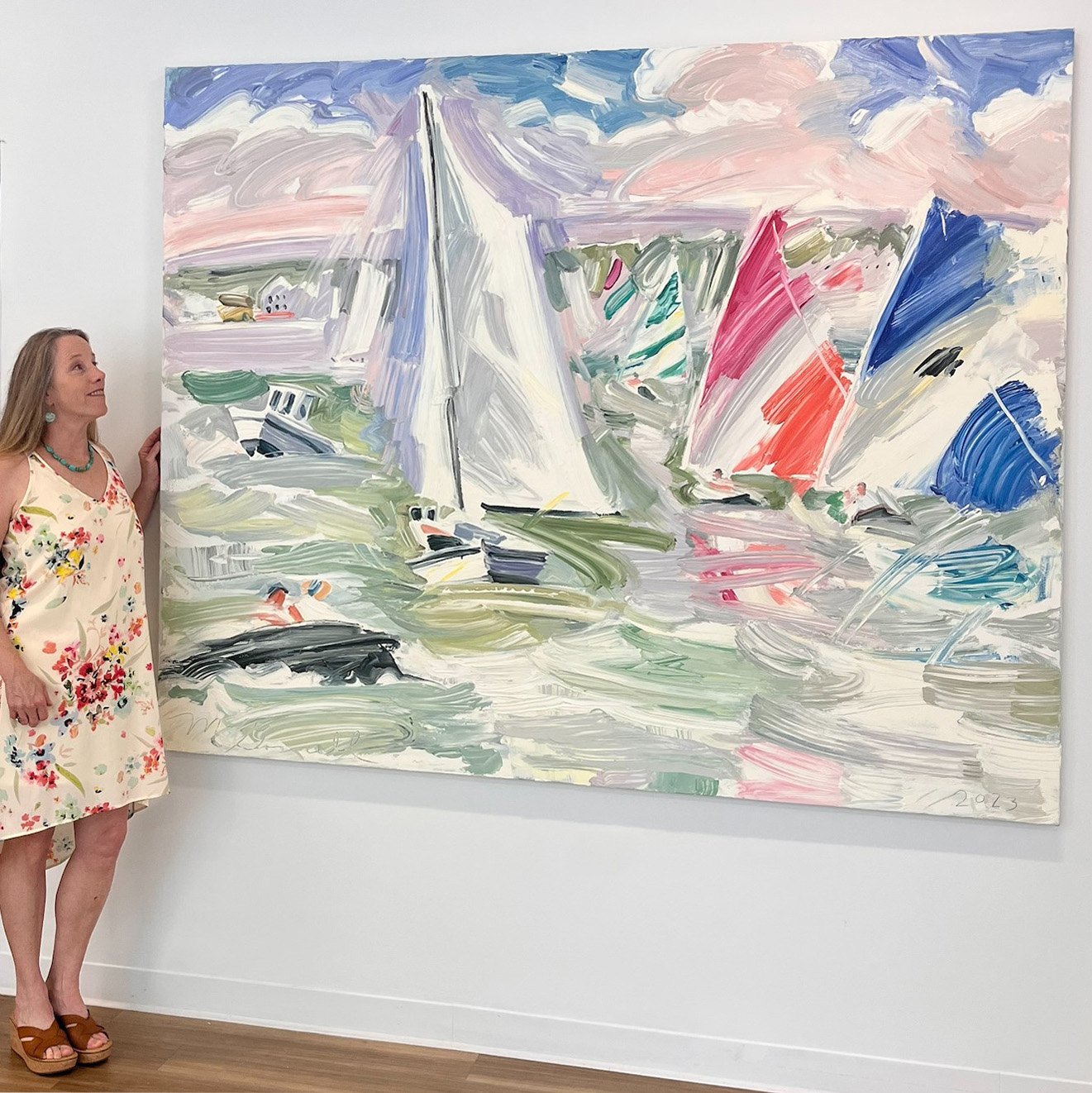

We caught up with the brilliant and insightful Margery Gosnell-Qua a few weeks ago and have shared our conversation below.
Alright, Margery thanks for taking the time to share your stories and insights with us today. Can you talk to us about how you learned to do what you do?
After completing a BFA in Painting at Syracuse University, I decided to diversify my background and balance it out by studying biology at Stony Brook University. That led to a job as a naturalist, teaching children about ecology at Caumsett State Park. As a naturalist, I learned to see diversity in plants, birds, and animals and the seasons. That has informed my artwork ever since. I had an artistic breakthrough while I was in graduate school at Pratt Institute in Brooklyn. Pratt offered a combined Master of Fine Art in Painting and a Master of Science in Art History. I chose to study painting and art history together because I wanted to learn from my favorite artists. I spent a summer in Italy studying painting in Tuscany and Art History in Venice.
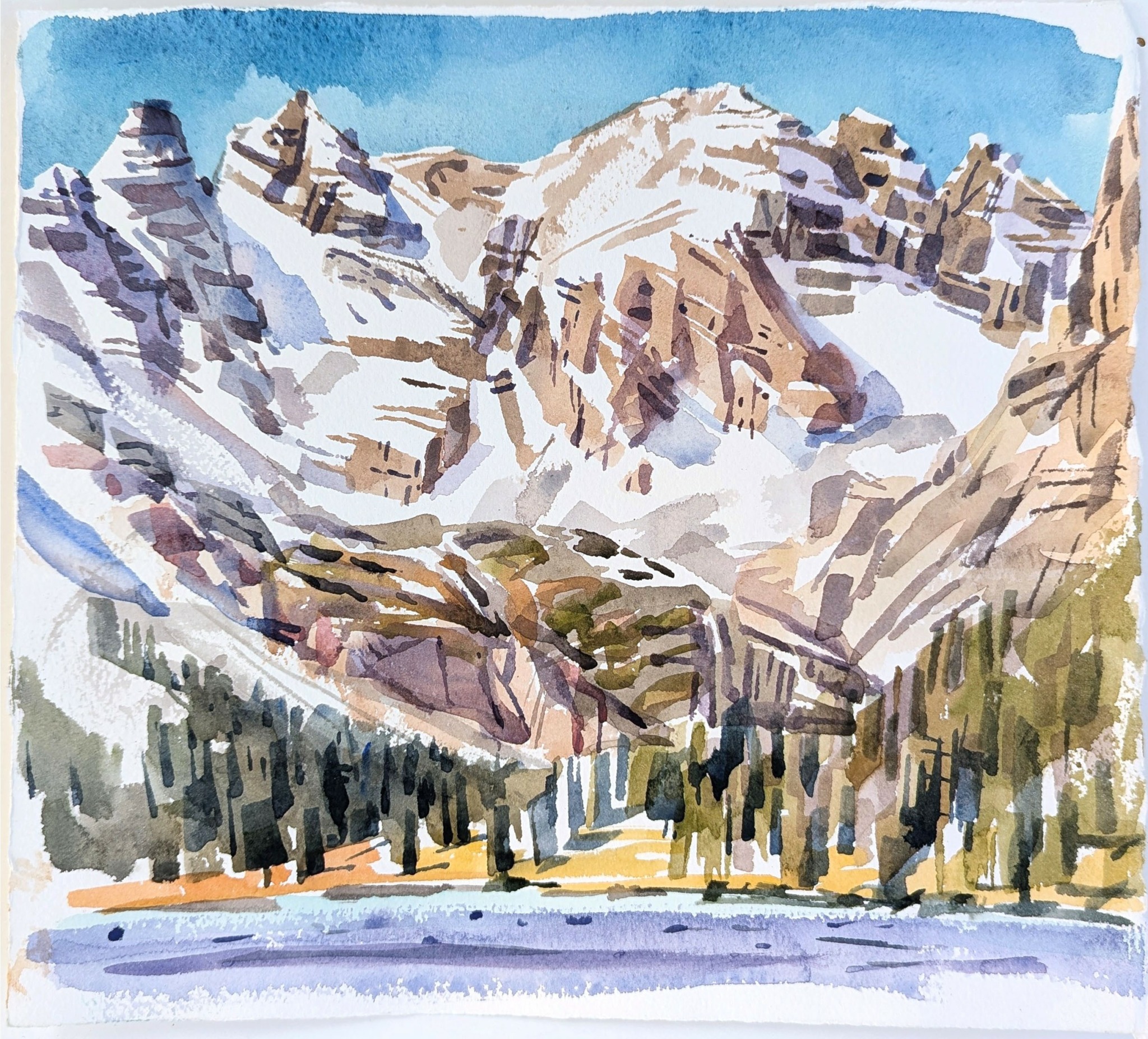
I wanted to deepen my understanding of color and expand my grasp of abstraction. I was assigned to write about the painting of a retired Pratt Professor, Mary Buckley. By chance or by design I found that Mary lived in Huntington, fifteen minutes from where I was living at the time. Mary had developed the Color, Light and Design class at Pratt. She became an artistic spiritual guide for me. She would look at my paintings and see what I needed. I was very literal back then, very attached to looking at the object I was painting. Mary set me free. Today, I work from studies and memory. I paint watercolors on location. It’s a first encounter, where I’m evaluating all that I’m seeing, what shapes, what colors. It can’t be done from a photograph because everything we experience in the 3D world is steeped in changing light and multi-sensory motion. Temperature, wind, sounds, aromas, our scanning eyes, it’s a cacophony that trickles into the work from the subconscious and is stored in the watercolor study. This study triggers the memory, and at times opens a flood gate to past memories.
A study can precipitate 20 works in one series. When one can paint what one sees, painting what one senses becomes a wonderful challenge. Think of how vivid a dream can be. All that information is there stored in the subconscious. It’s a wonder of the human mind, and it just comes as I work and recognize my experience in the work. For my art history thesis, I studied the theories of 2D Design that Paul Klee recorded while teaching at the Bauhaus. Learning the visual language of what color, line, shape, volume, placement, and the illusions of the 3rd dimension can do is the key. The musician has seven notes. An artist has abstract elements.
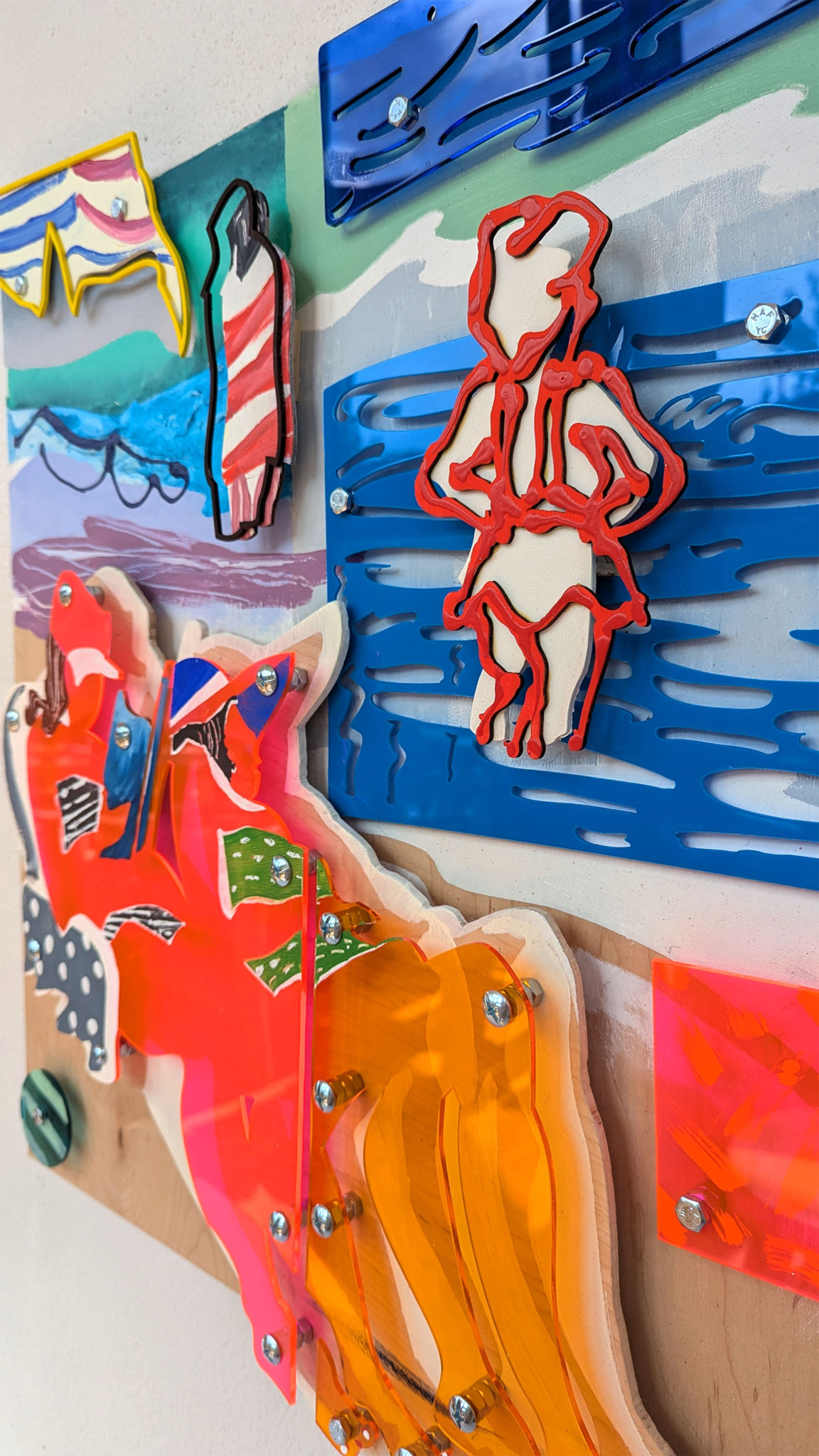
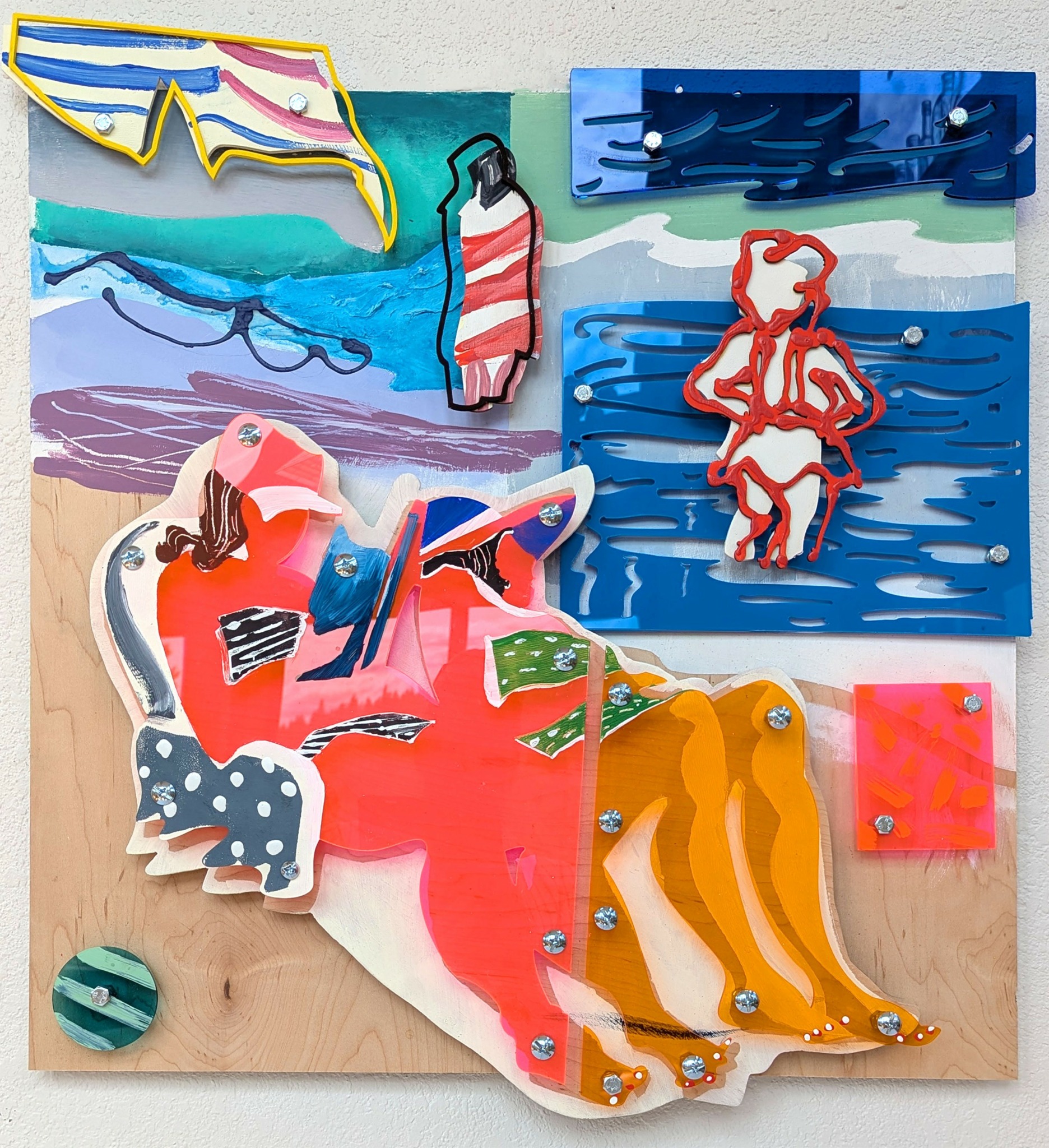
One learns new tools as needed. I had an idea to create digital collages, so I learned to re-work a painting in Photoshop, importing color gradients and drawing on a pressure sensitive tablet. I found compositions within compositions. This helped me move elements around and fill sectioned areas with pattern. I began to see the elements as cutout shapes. So, I took a class at Anderson Ranch Arts Center in Colorado with Damien Davis. I learned to vectorize shapes in Illustrator to prepare them to be fabricated into cutouts so that I could construct sculptural relief works. Ideas lead the way to new learning.
Margery, before we move on to more of these sorts of questions, can you take some time to bring our readers up to speed on you and what you do?
My father was a talented artist, specializing in pen and ink drawing. He fostered my love for art. I must have been nine years old when we went to see a major Van Gogh exhibit which I believe was at the Brooklyn Museum. He brought me to see a Richard Diebenkorn exhibit that had a great impact on me. I can’t piece together exactly where it was, but it must have been the 1977 exhibition at the Whitney Museum, which means I was fifteen. Every summer while we were out east, we would go to the Westhampton Beach art fair. I adored that. There was an artist who painted patterned black and white city scenes on scraps of marble moldings. They were magic. I was transfixed. There was no doubt in my mind that I would become an artist.
Just after receiving my degrees at Pratt, I became a mother of high energy twin boys. They are now 27 years old. Women artists know the profound effect that becoming a mother has on one’s work. They are in every brushstroke I paint. When my boys were two years old, I painted them while they were playing in their “jolly jumper” and baby swing. We were always together, me drawing and them playing. All the while, I made sure to show them that they were more important than whatever I was working on. As they grew, I embraced and integrated their activities with my art making. I painted studies of them while they took sailing lessons at Tiana Bay, and I painted a series called, “Sailing Lesson.” They worked as ocean lifeguards for six years, and I painted the beach environment with the guards watching over the public. This caused an ongoing series of imagery, as it tapped into my life’s accumulated experiences of living near the shore. It has grown in different directions and media. It’s exciting, and it can be surprising, but one has an obligation to follow an idea wherever it may lead. An unresolved idea tugs at my psyche until I surrender. It’s easier to simply follow it and bring it into form. Otherwise, the pathway of ideas gets clogged, and I can’t get to the next project. I painted one of my largest works, Labor Day at Jetty 4, oil on canvas, 66 x 82 in., from a small 11 x 14 in. watercolor study. I was in disbelief that I was being led to paint it on such a scale. Then I asked…. why not? And off I went. Now it is one of my favorite works from my Beach Series.
I’ve taught art and art history at Suffolk County Community College (SCCC) for over 25 years. In 1998, I was hired to teach Art Appreciation at Suffolk County Community College. It’s a combined studio and art history class. Having my dual degrees was important. Later, I taught 2D Design, Renaissance to Impressionism, Modern Art, Drawing, Painting and Color Theory. Finding abstract phenomena while conducting group critiques has added to the development of my artists eye.
In 2005, I was recruited to be the curator of the SCCC Eastern Campus art gallery. I visited artists’ studios, wrote press releases, and received a view into the creative minds of some of the most talented artists on the East End. One of my favorite encounters was with Bill King for his exhibit, “In the Artist’s Studio.” His studio was filled with riotous characters that he sculpted in all materials, textures, and patterns. The NYT wrote an article about Bill and his exhibit. Another exhibit I loved working on was “Eric Dever: A Thousand Nows.” I saw Eric’s work in Chelsea at Berry Campbell Gallery. His colorful, nature-inspired works harken to his experiences in Montauk, his Watermill garden, and his origins in California. Helen Harrison interviewed him during his reception. Hector Leonardi’s ethereal exhibit “The language of Color,” was another favorite. Hector had been an assistant to colorist Josef Albers while at Yale. I’ve never had paintings affect me the way Hector’s did. The color, the abstraction drew me in as I would work at a desk across from the gallery. I would be pulled to look closer, and before I realized it, I was five inches away trying to understand what I was seeing and feeling. It was like being transported to a spring forest, something akin to what Robert Frost described in his poem, “Nature’s First Green is Gold.”
It’s helpful to have been on both sides of the curator relationship. My work is being represented by Clic in Saint Barth. In 2019, our boys moved to Colorado, and my husband and I were missing them. So, we rented a friend’s house in St. Barth. Not knowing what to expect, we found that the house was perched up on a hill with a tremendous view of the harbor below. Overjoyed, I was up with the sun painting the view every morning for three weeks. The founder of Clic visited my studio back in NY and curated my St. Barth works for their gallery on the island.
Another great exhibiting relationship I had was with Birnam Wood in East Hampton. I had sent out a mailing advertising a local exhibit and Birnamwood sent a curator to my studio. She selected work for their gallery. Within two weeks they sold a painting, and eventually I became one of their top selling artists. Additionally, I have had a longstanding exhibit relationship with my dear friends at Fitzgerald Gallery in Westhampton Beach. One can always see my work there.
Today, I am in a free phase of life. I’m teaching online, and my husband is a retired teacher. We divide our time between Colorado and Westhampton Beach. I bring my studio with me. I joke saying that I’m on a continuous artist retreat. Every place we’ve been is beautiful. In Colorado I painted near Red Rocks National Park, Rocky Mountain National Park, and the Indian Peaks region. It snowed in September up in the mountains at 10,000’. I painted an amphitheater of snowy peaks over Long Lake in Brainard Recreation Area. This winter we are living in Westhampton Beach by the bay. The light and color on the water is magnetic. I run from window to window longing to paint it. It’s a magnificent show.
Are there any books, videos, essays or other resources that have significantly impacted your management and entrepreneurial thinking and philosophy?
Learning about other artists and how they succeeded is important. The one characteristic successful artists have in common is an unwavering committed to their artistic vision, no matter how outlandish it might be. We just lost the great architect, Frank Gehry. The faith he must have had in his vision to design Guggenheim Bilbao and so many of his projects.
I voraciously seek out artist biographies. They are exciting storis of how artists overcame adversity and persisted…. Matisse managed to continue painting through two world wars, his daughter had been held captive by the Nazis. He created his monumental cutouts and designed a chapel after he had multiple major surgeries and was wheelchair bound. I’m reading Monet’s biography for the second time, Monet, The Restless Vision, by Wullschlager. Monet began painting his mural size waterlilies for France when he was 74 and worked on them until his death twelve years later. He worked hard all his life. Ninth Street Women by Gabriel is as much about Abstract Expressionism as it is about societal control over women … Van Gogh, A Life by Naifeh and White is a must read: a special needs adult in and out of asylums, who struggled to be accepted, while instrumental to the evolution of art in Europe.
Are there any resources you wish you knew about earlier in your creative journey?
In 2009, I participated in a professional development program for artists that was sponsored by the New York Foundation for the Arts. I had to apply and be accepted. It was designed for artists in rural areas of NYS who did not have the New York City art scene near by to help them make connections in their career. The most important lessons I learned were:
1) Develop a mailing list with professionals you wish you knew: gallerists, writers, designers, press personnel, artist’s, curators, museums. Don’t be shy, use this list to get the word out when you have an exhibit or event.
2) Whenever you have an exhibit, no matter how small, even in your studio, write a press release, send a mass mailing (snail mail helps too), have a party/reception, use all social media platforms you are comfortable with. Every accomplishment is a chance to show the world what you do. Treat each opportunity like you are exhibiting at the MOMA.
3) Keep I touch with other artists and supporters. One needs moral support, especially as ideas get bigger, and time in the studio is more intense and demanding. Remember, you are not alone, and what you do is important.
Contact Info:
- Website: https://www.margerygosnellqua.com
- Instagram: @margerygosnellqua
- Facebook: Margery Gosnell-Qua
- Youtube: Margery Gosnell-Qua
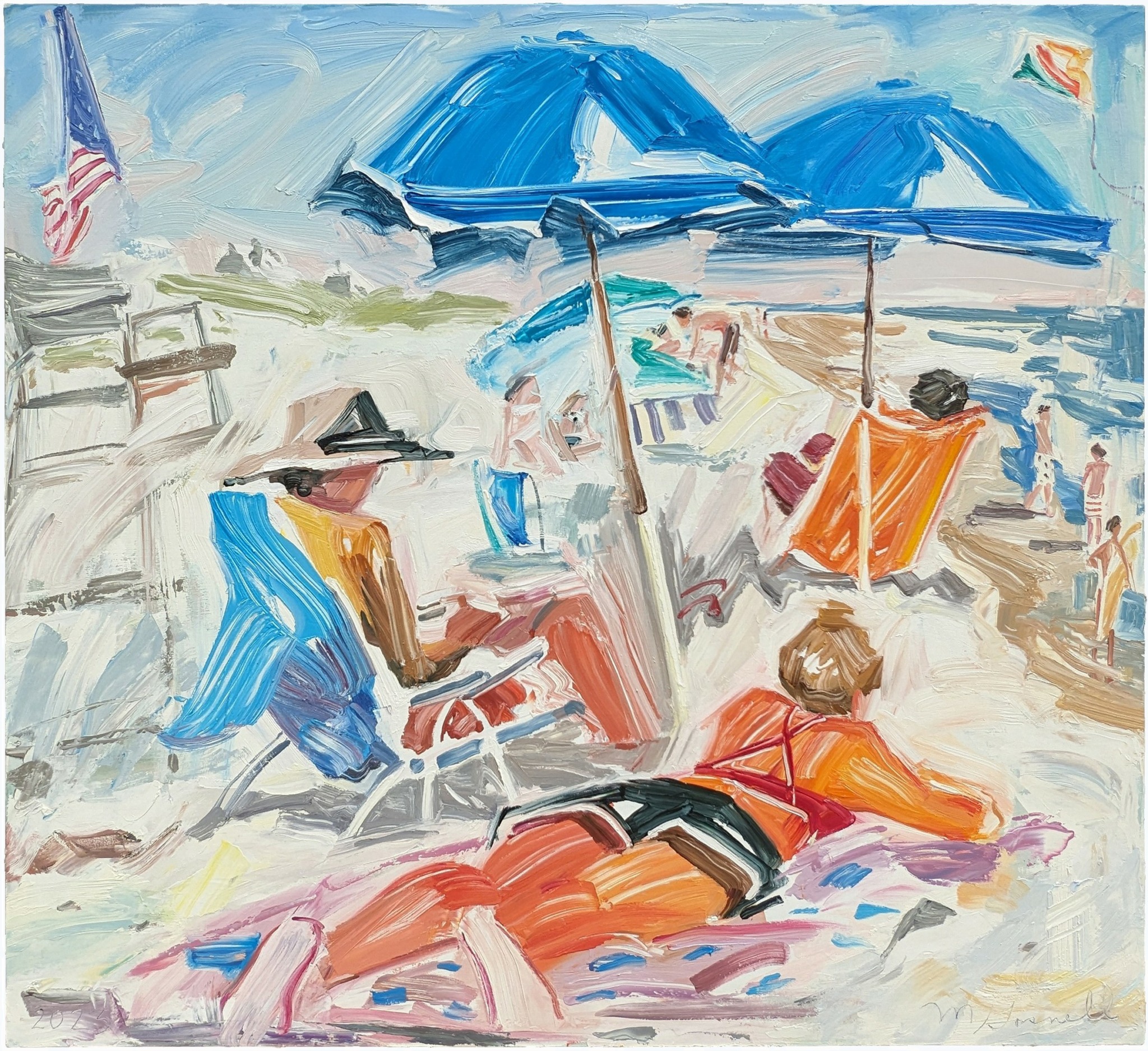
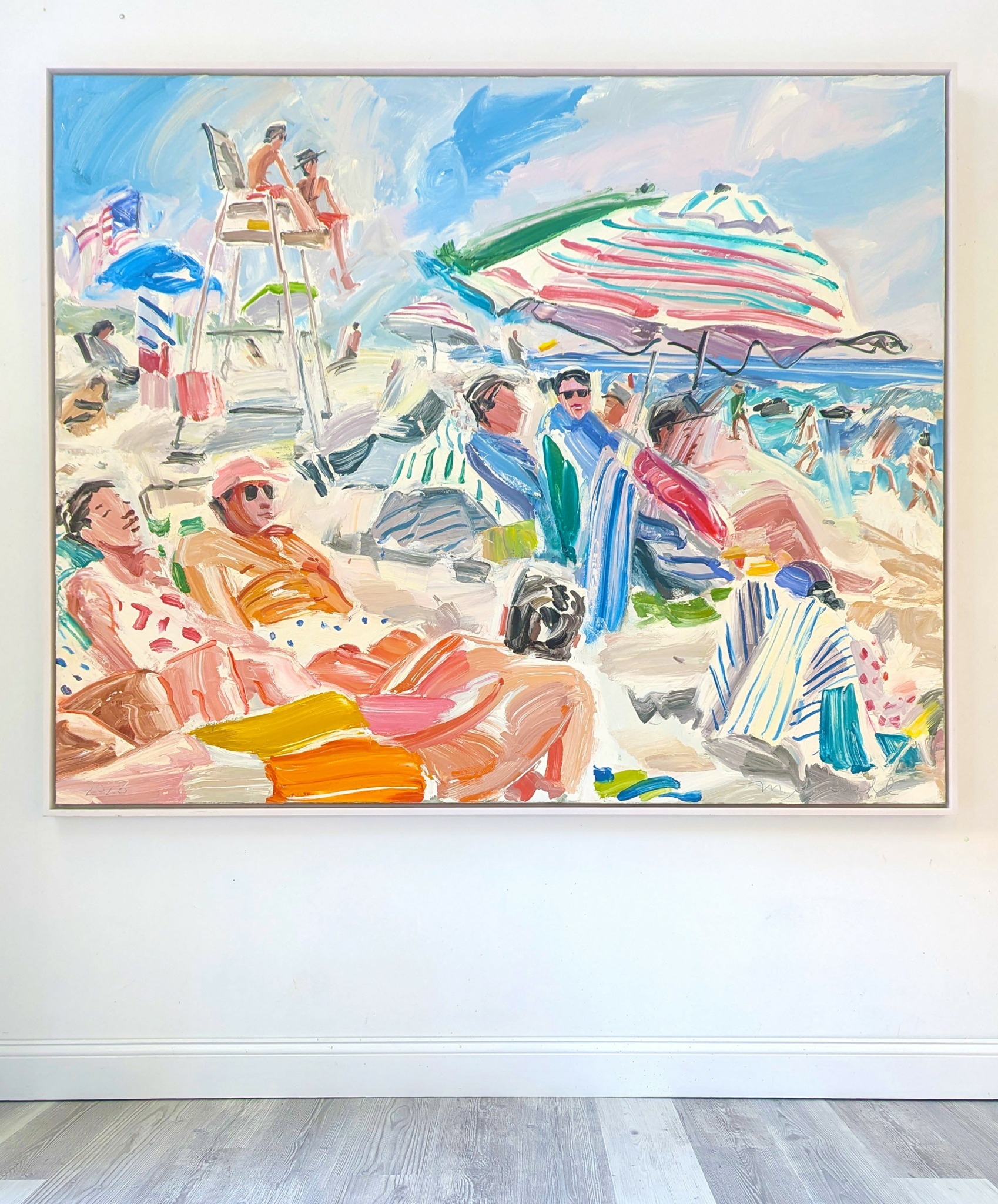
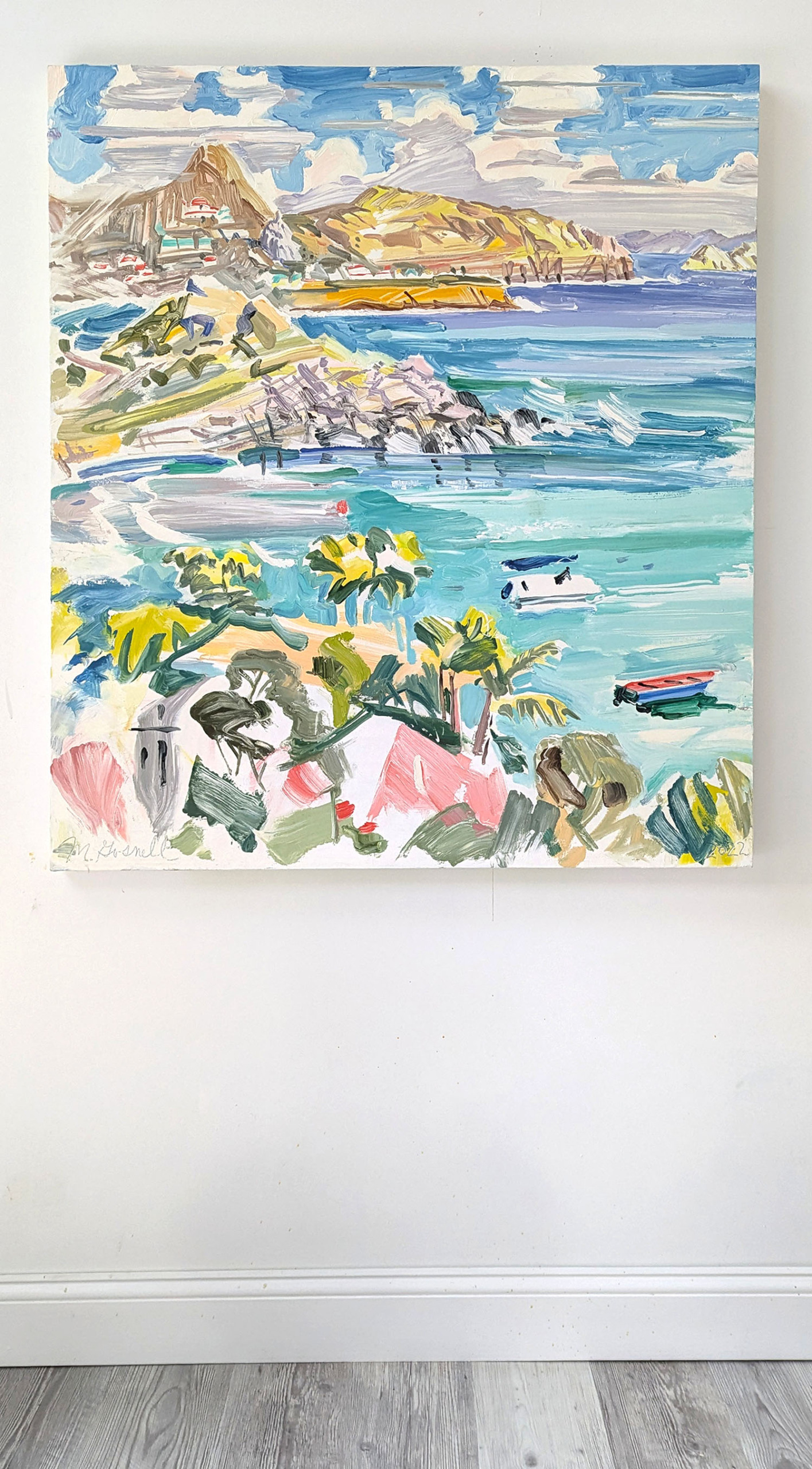
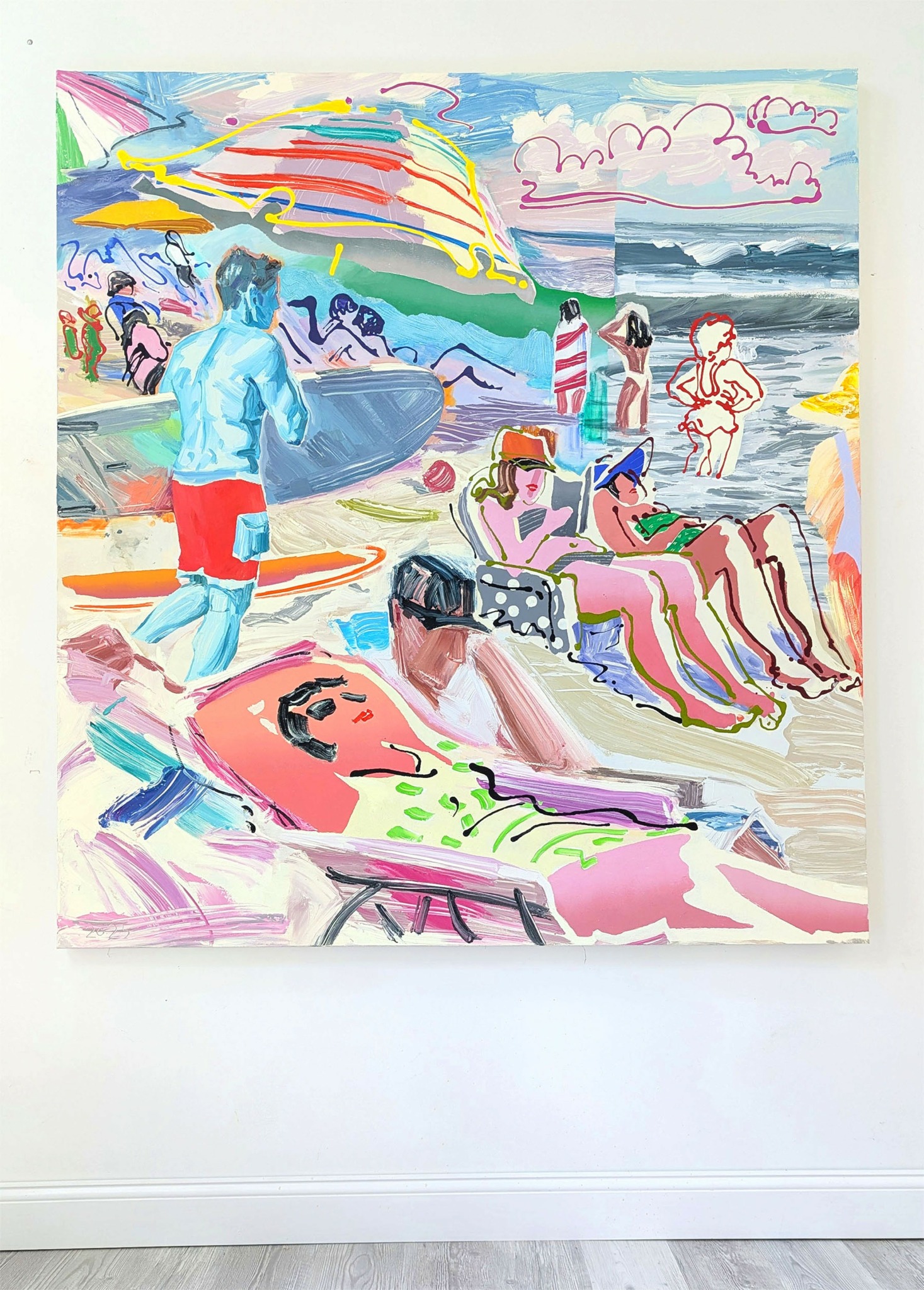
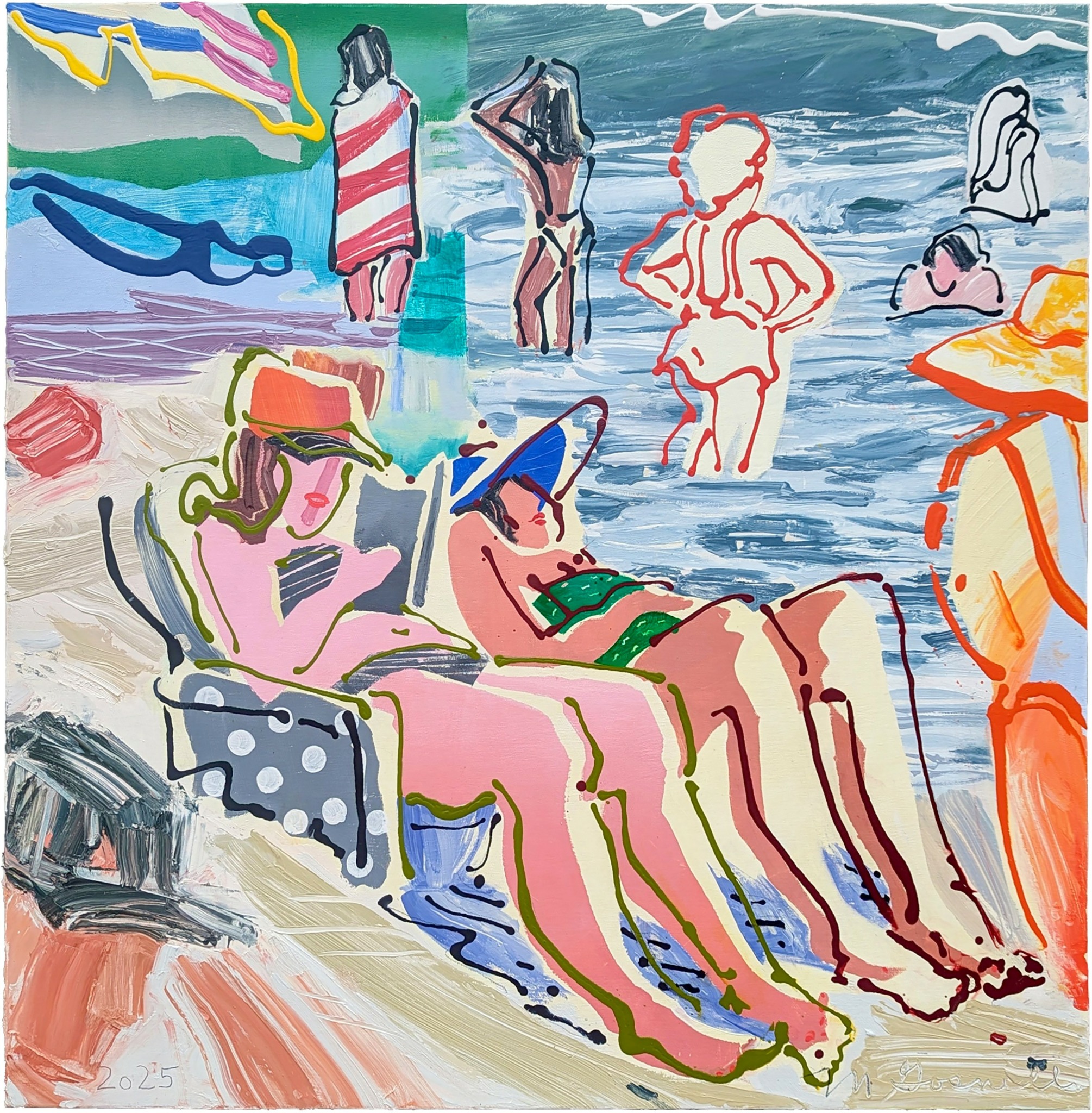
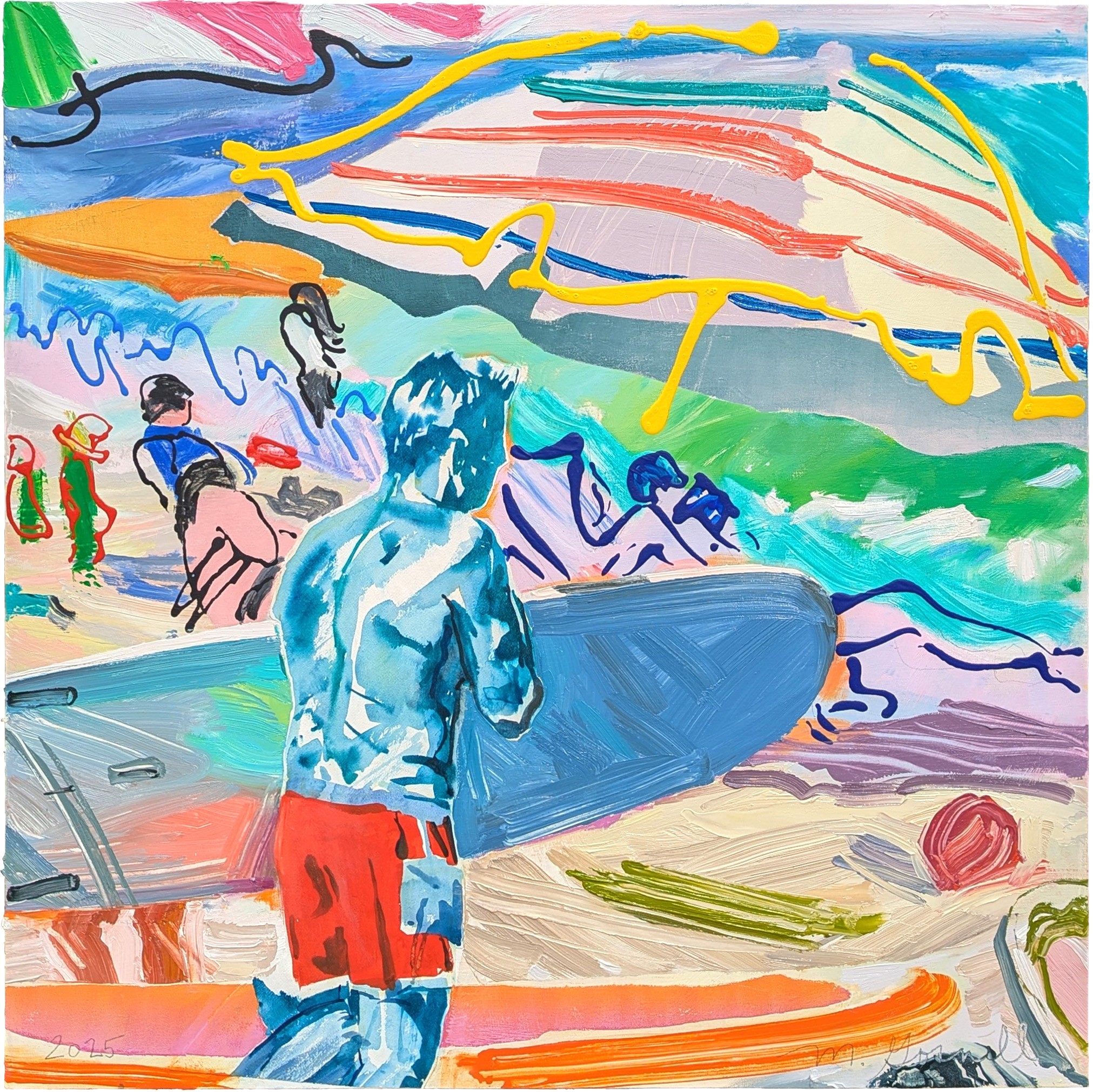
Image Credits
Melissa Rose is the photographer for me with the large sailboats painting. I am the photographer for all of the other photos.