

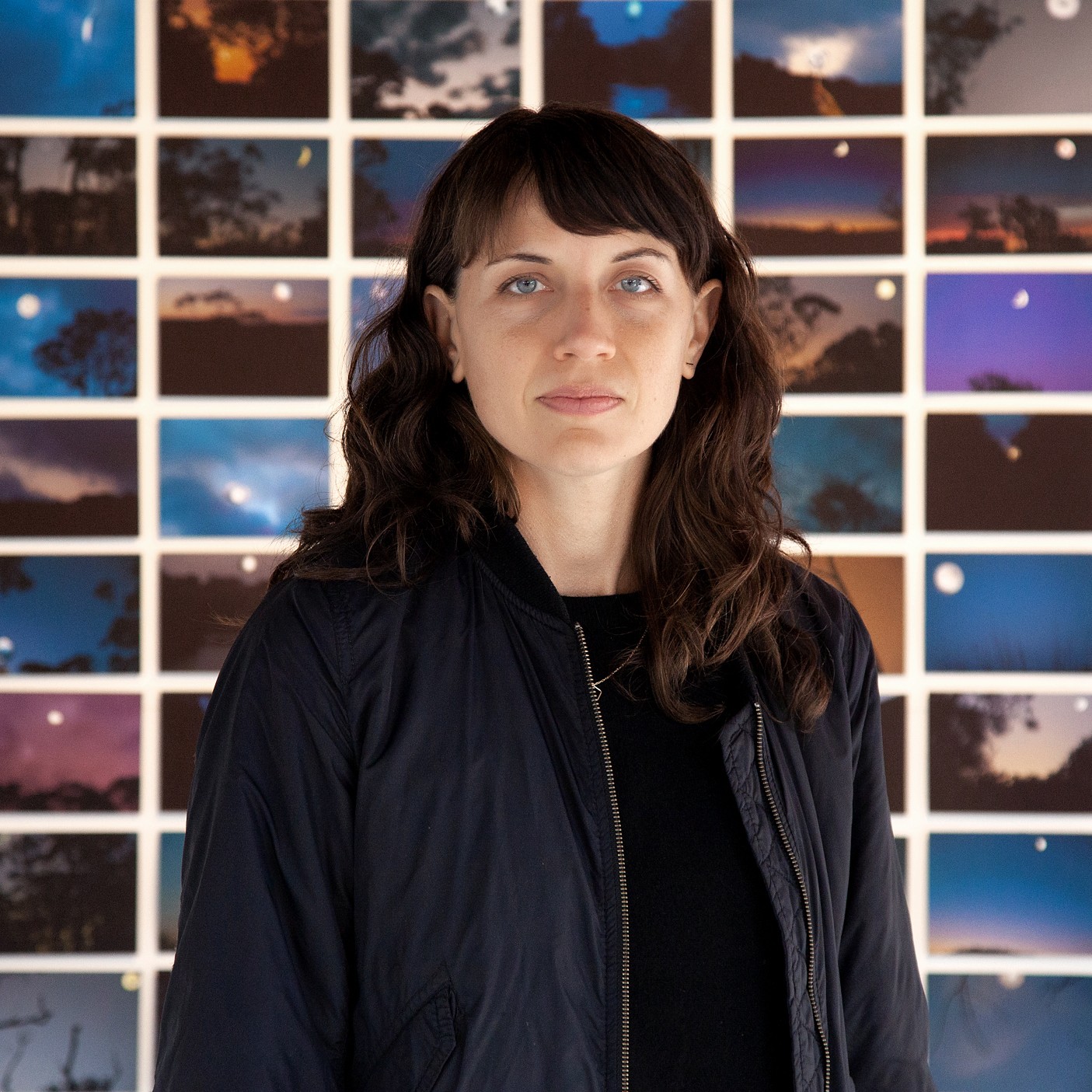

We caught up with the brilliant and insightful Margeaux Walter a few weeks ago and have shared our conversation below.
Margeaux, looking forward to hearing all of your stories today. Can you talk to us about a project that’s meant a lot to you?
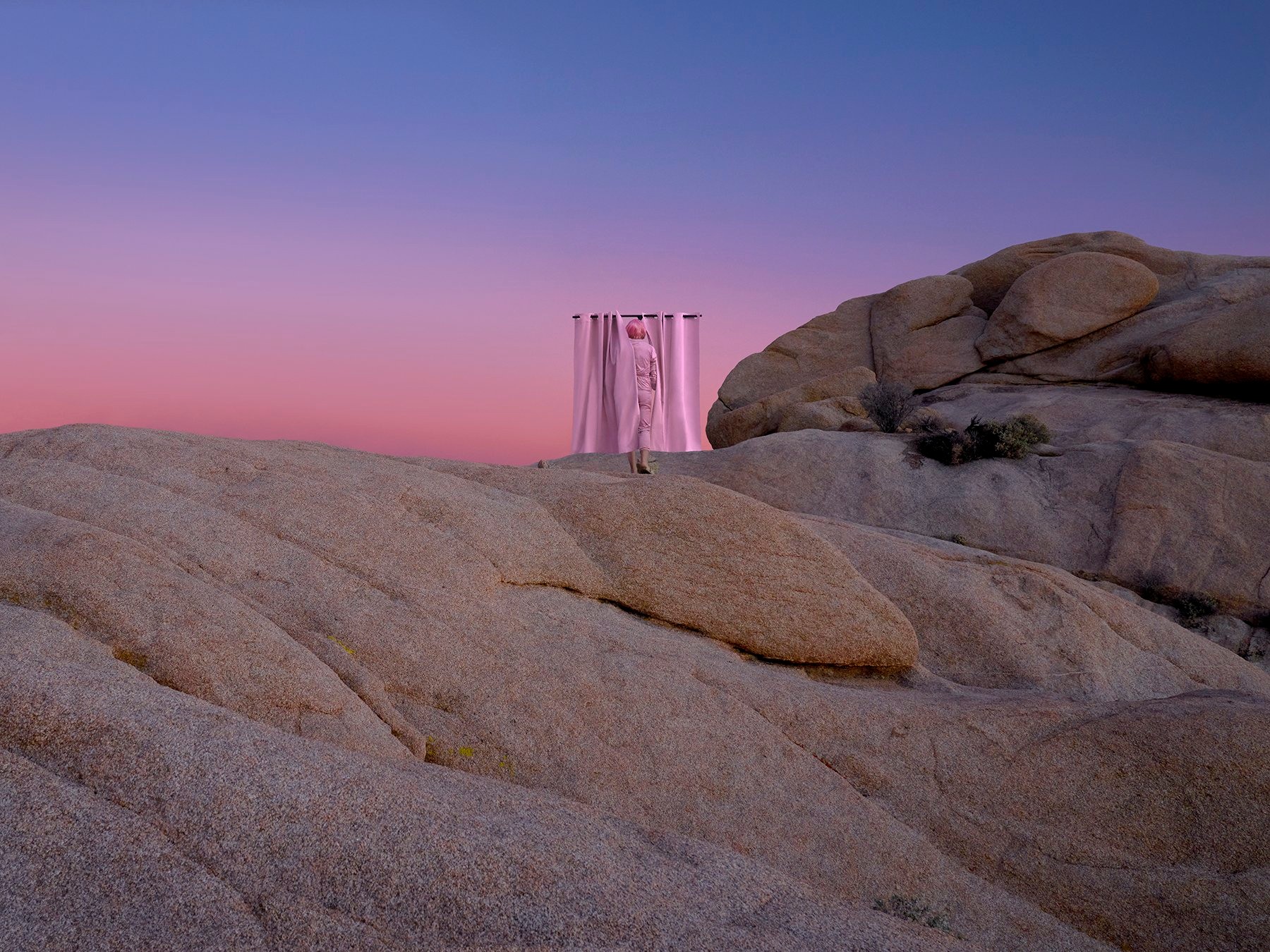
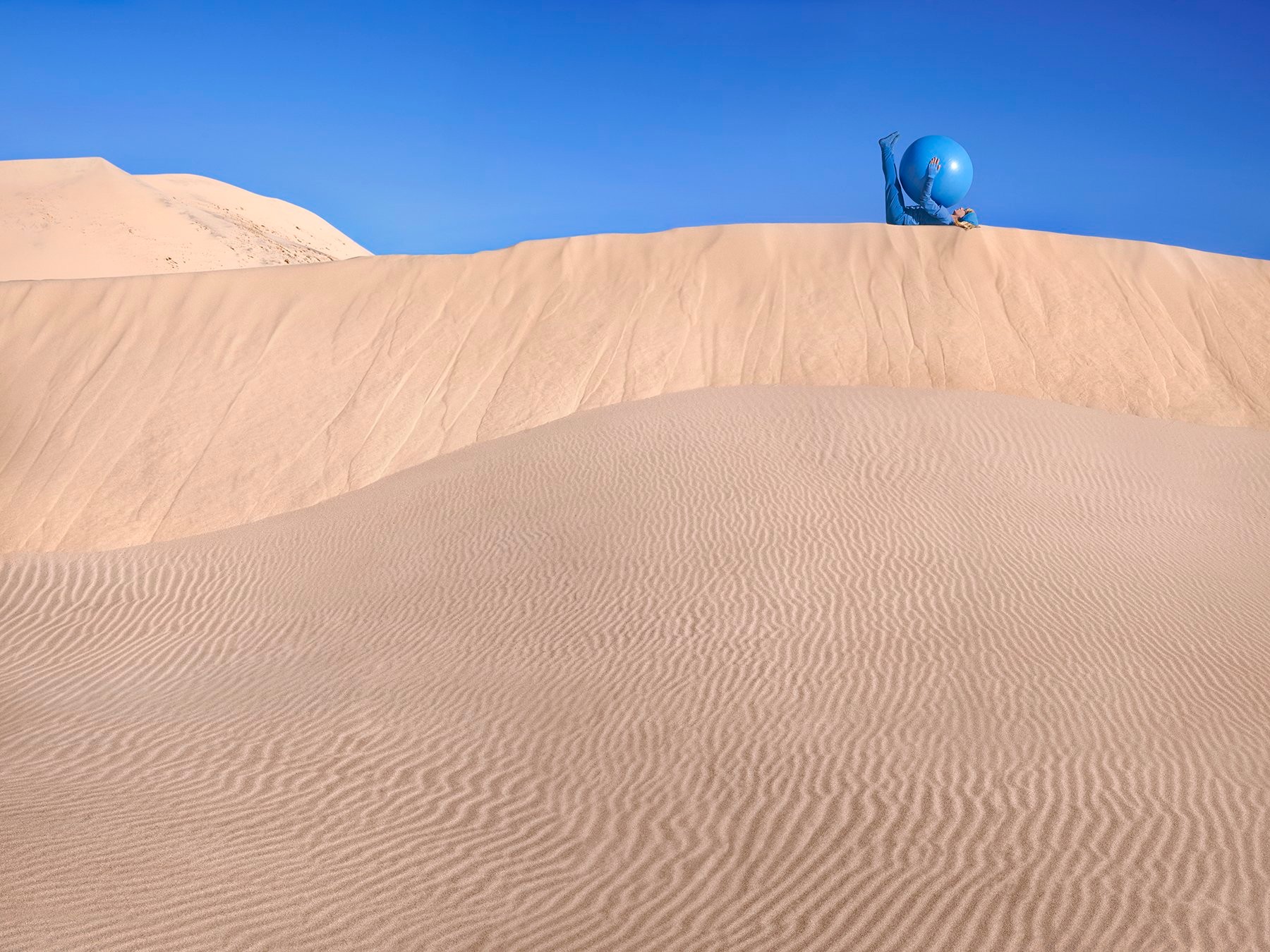
I recently completed a performative photography project called “Don’t Be a Square.” This project started in 2019 because I was thinking about ways to depict a disconnection with the landscape in reference to climate change. I see the Anthropocene age (era of human life) as a glitch in time; it is so short in the greater timeline of all life, and yet has caused so much havoc. To create these images I been staging site-specific interventions in the landscape that when seen through a camera lens disrupt the landscape much like a glitch in the image. In my performative photographs, this glitch can be seen as a pixel, a cubicle, or a portal, yet there is a glimpse of the humanity that is both camouflaged into the land and completely disconnected from it. I use my own body and sets I build in dialogue with the landscape to create these images. In doing so, I am able to experience both a deep connection with the land and at the same time a disconnect. I see an inherent cultural disassociation with the environment as directly linked to climate change, and this is what I hope to highlight through these images.
This project has been an important one for me, because I have been able to travel to environmentally sensitive areas and use my work to learn more about climate changes, and then share them in a visual way. In creating art, I aim to engage with viewers on the practice of seeing – challenging them to question not only what they are seeing, but how they see it. Using camouflage tactics to garner a second glance with my images, I intend to train viewers to look more than once at their surrounding environments, and, subsequently, to viscerally understand the landscapes that we are losing.
Margeaux, before we move on to more of these sorts of questions, can you take some time to bring our readers up to speed on you and what you do?
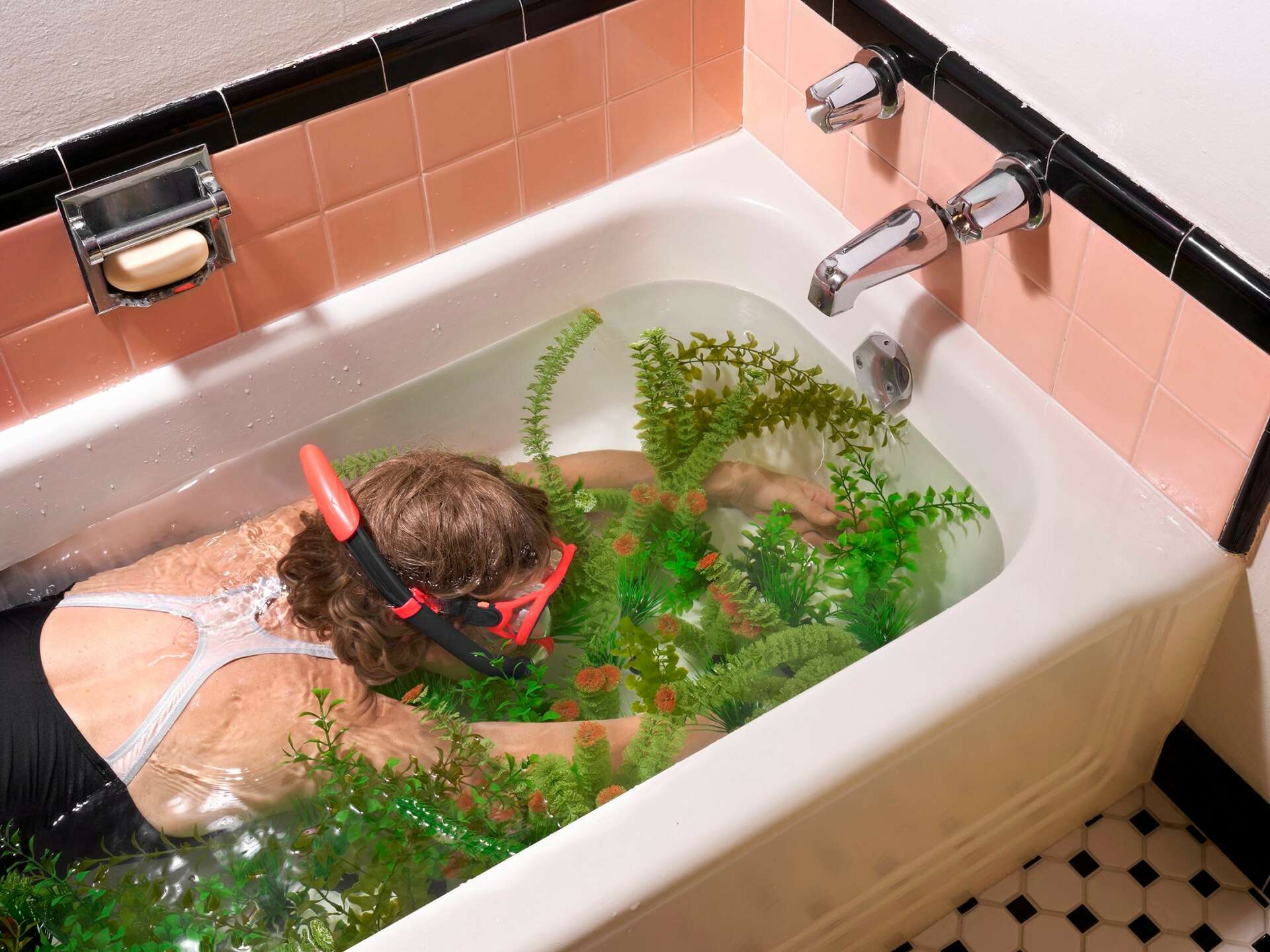
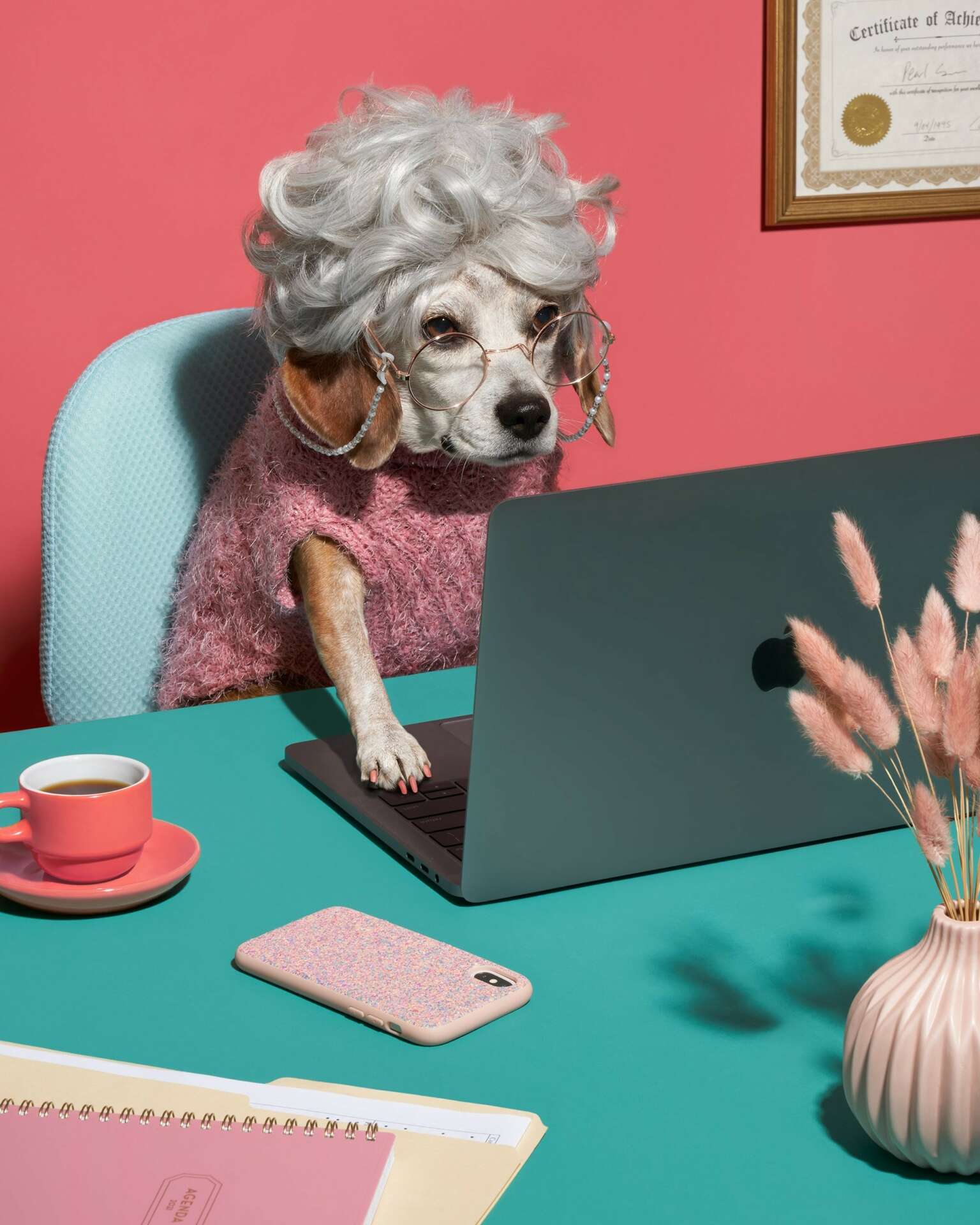
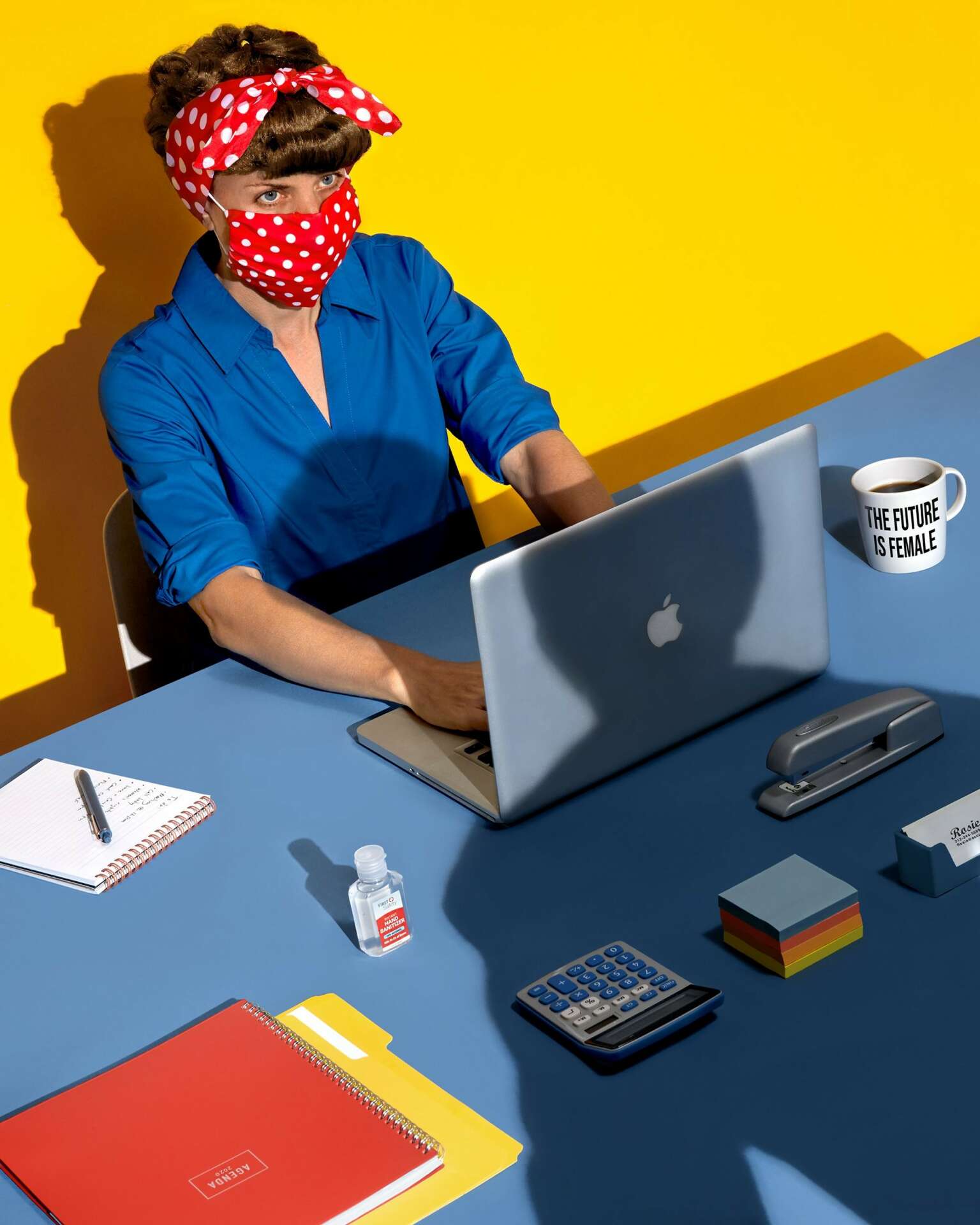
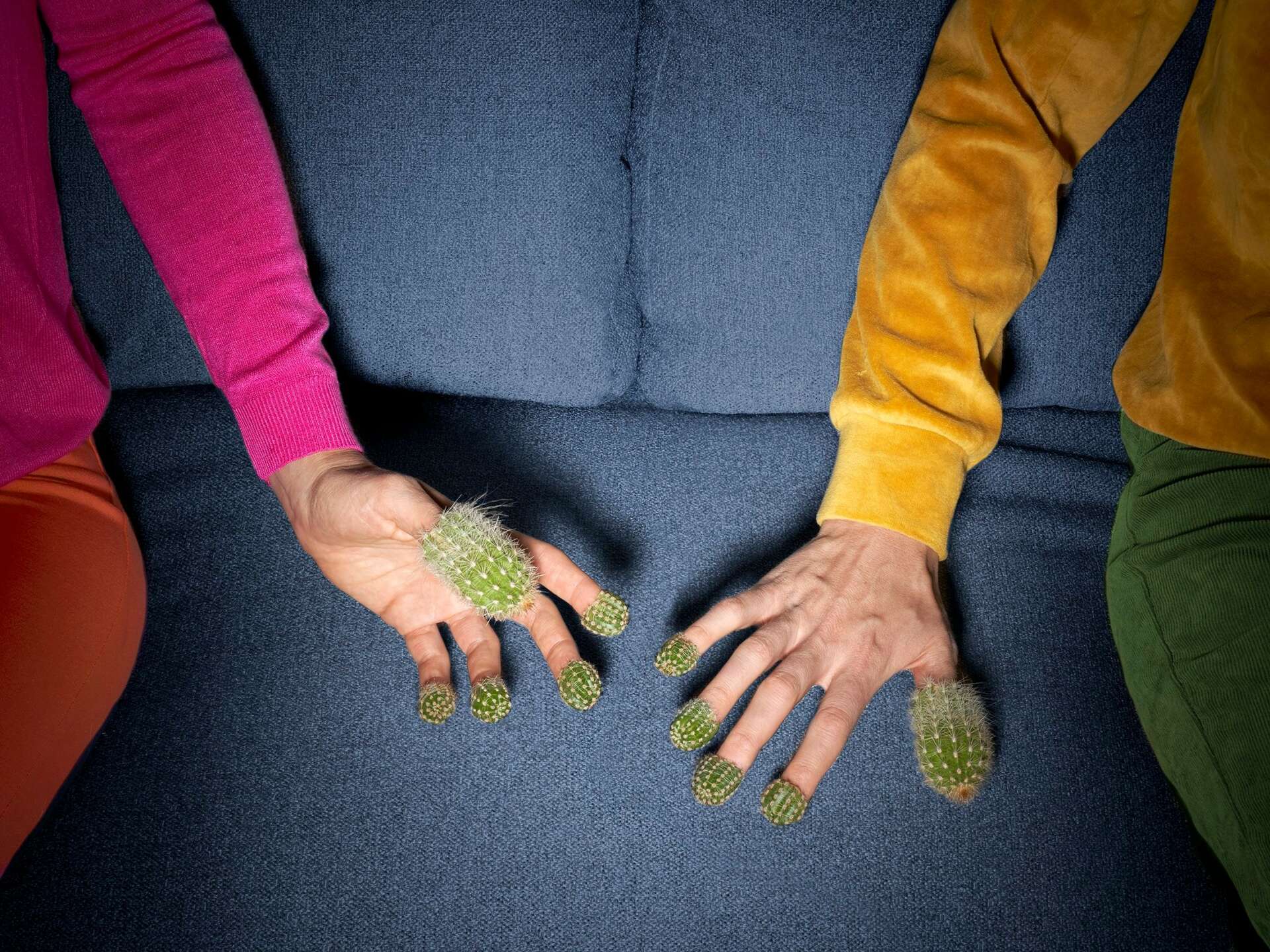
I knew that I wanted to be a photographer the second I got my hands on my dad’s 35mm Ricoh camera when I was 12. Even at a young age I was never very interested in documenting my life or capturing moments through the camera. I wanted to create an image or a scenario that did not actually exists. In my earliest photographs I would find ways to distort my reality by photographing through glass objects, hand coloring, double exposures and so forth. I was then lucky enough to go to college for photography which is when I discovered that I could use my own body, sets and costuming to build any image I wanted. Since then this is what I have been doing. I work in and out of the studio, creating immersive scenes from scratch or blending them into the natural environment. My practice includes my own artwork as well as photography for commercial and editorial clients. My images are all conceptually based- using color, surrealism, humor and specific propping to represent an idea. One of my favorites is a column that I do for the NYTimes every other week called ‘Work Friend.’ It’s a business advice column, and I am given the reader generated questions and then the freedom to come up with a photograph that represents their concerns. The result is often a personified animal, ridiculous office scenario, or a playful still-life. Overall I create layered conceptual images that reveal more and more unexpected elements the longer one looks at them.
How about pivoting – can you share the story of a time you’ve had to pivot?
I am from a family of doctors, and when I announced that I was going to art school, it was not received very well. I actually applied to NYU without telling my parents that I was going to be in the photography department until I arrived. Though I knew I wanted to be a photographer, throughout college I was struggling with the idea of how I was going to make a living and becoming progressively more nervous. In order to support myself I ended up taking a job at a graphic design firm where I worked full-time for 6 years. Because of my schedule I had very little time to make my own work, but I still did as much as I could at night and on weekends. Once I saved enough money I took and very large risk, quit my job and invested everything I had into my art. I have heard the phrase ‘ invest in your art’ many many times, and after doing so I stand by that. It is never worth it to pursue something that you do not love, and this is something I hope that other creatives understand. It wasn’t an easy transition but I eventually figured out that I could freelance and not have to work a job that interfered with my passion, but instead supplemented it.
What’s the most rewarding aspect of being a creative in your experience?
Creating images, artwork, visual vignettes is the best way that I know to understand my surroundings. It is a way for me to express my own ideas, thoughts and emotions, but also a form of visual communication that can spread ideas in a format that is hopefully more digestible to other visual viewers than words. I create my images with certain ideas in mind, but once they are in public, viewers can bring their own experiences to the images and create new meanings – this to me is the most beautiful and rewarding part of art.
Contact Info:
- Website: https://www.margeauxwalter.com/
- Instagram: https://www.instagram.com/margeauxwalter/
- Linkedin: https://www.linkedin.com/in/margeauxwalter/
Image Credits
All images © Margeaux Walter