

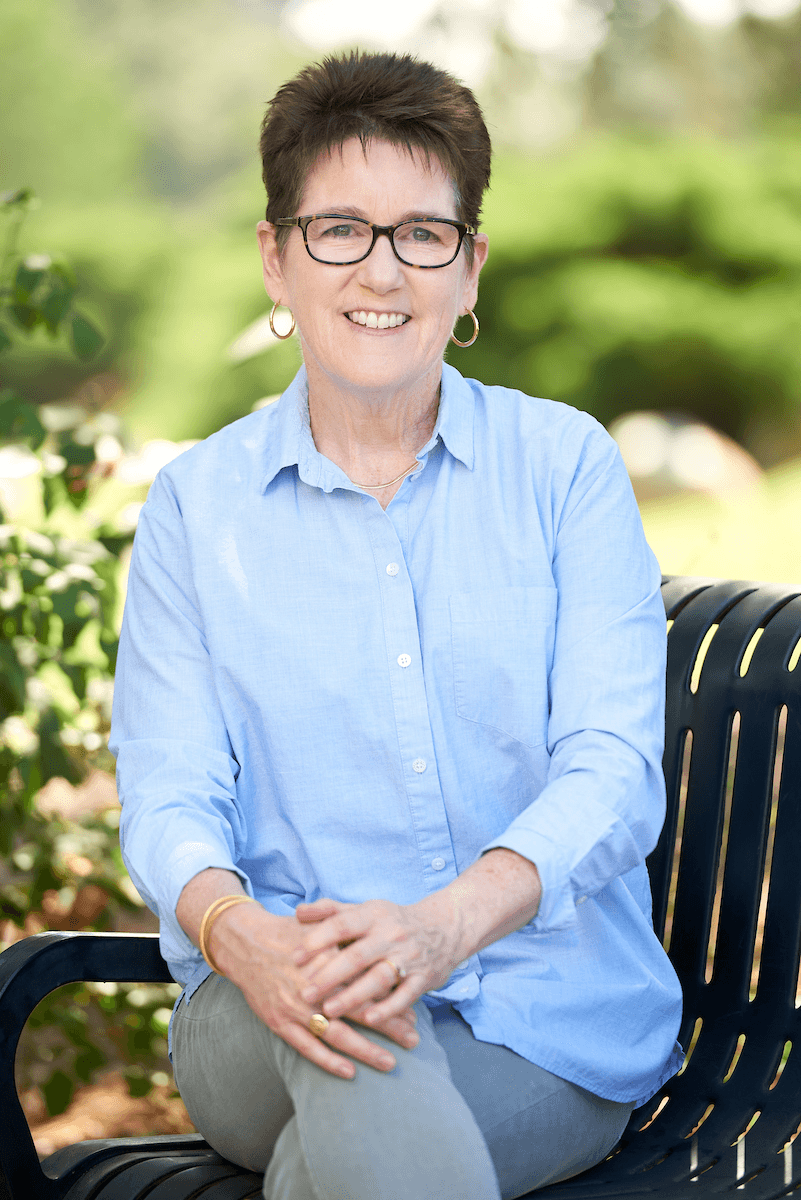

We were lucky to catch up with Margaret Anne Kean recently and have shared our conversation below.
Hi Margaret Anne, thanks for joining us today. How did you learn to do what you do? Knowing what you know now, what could you have done to speed up your learning process? What skills do you think were most essential? What obstacles stood in the way of learning more?
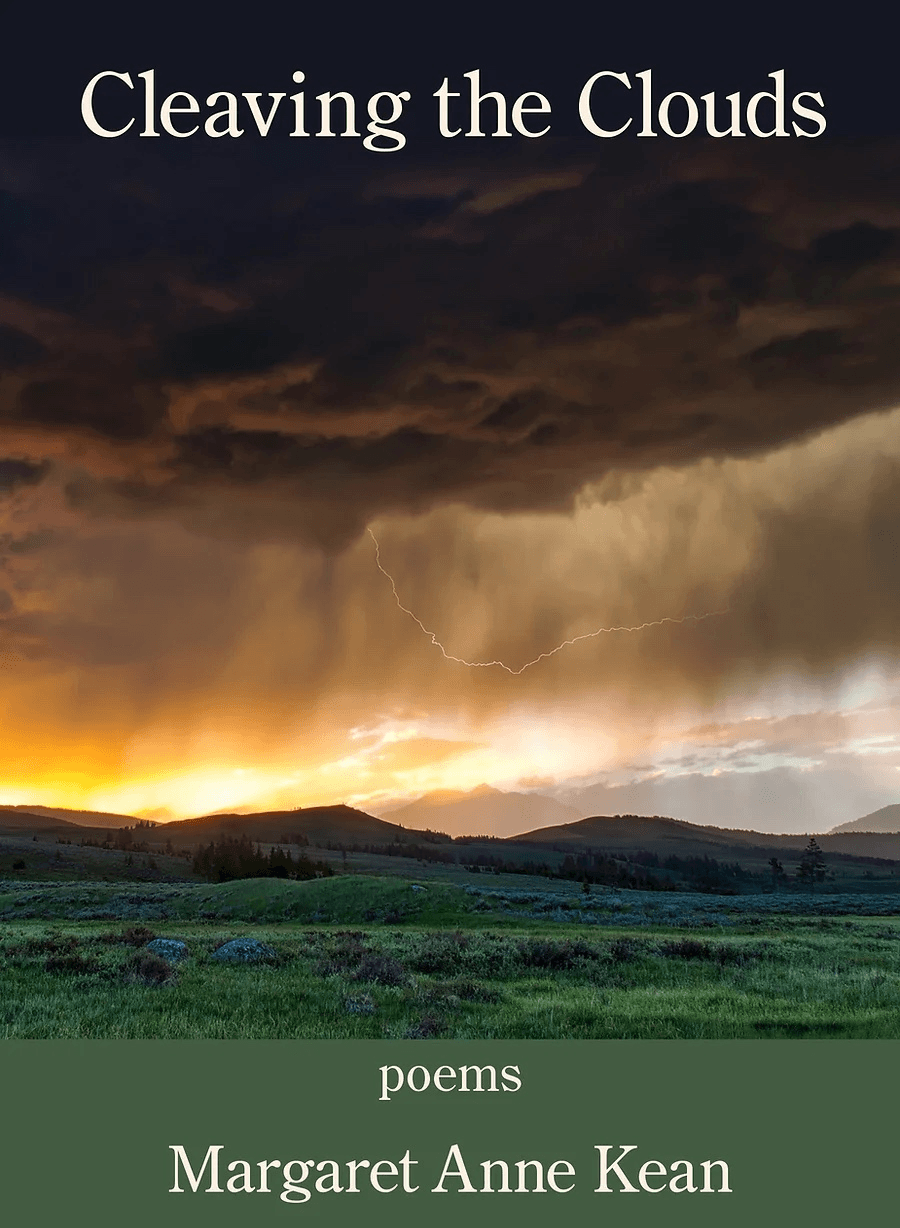
I came to poetry later in life. After studying literature in college, I pursued other careers but always held a desire to write poetry “one day when I retire.” At age 57, while looking at my New Year’s resolutions, I decided I couldn’t wait any longer. After consulting writer friends, the first thing I did was begin to read the works of a wide range of contemporary poets. I then joined an on-line writing group, attended Idyllwild Writer’s Week (a week-long summer workshop) and participated in a quarterly writer’s workshop at the local junior college. The next summer I again returned to Idyllwild where I studied with Victoria Chang. She gave me another list of authors to read, as well as a better understanding of the basic tools for writing and reading poetry. Three years after starting to read and write poetry, I began work toward an MFA in Creative Writing/Poetry. When I graduated two years later in December 2020, I had read over 80 poetry books, written a draft manuscript, researched the tanka form, written lesson plans for a poetry section for 10th grade, and learned about translation. In November 2023, my first chapbook of poems, Cleaving the Clouds, was published by Kelsay Books. I continue to learn and grow my craft by reading a lot of poetry, memoirs, essays and history; reading books on craft; attending workshops like Napa Valley Writers’ Conference & Kenyon Review’s On-line Winter Workshop; writing reviews of other poets’ books; doing generative writing with my writing group on a monthly basis and always working on writing and revising my own poems.
The only way I could have sped up the learning process was to start earlier in life, and to have read poetry all throughout those years post-college. One of the essential elements for pursuing creative writing is patience. It takes time – years even – to grow the craft. It is only by keeping at it consistently, experimenting and exposing oneself to a variety of other writers from around the globe, that one’s own craft gets better and better. Reading a broad array of writers is essential to one’s growth in skill and substance.
I have continued to work a full-time job in a different field. I’ve used my evenings and one day of each weekend, to focus on my writing. I look forward to retirement in the future, when I’ll have more time to pursue this passion of mine full-time.
Margaret Anne, before we move on to more of these sorts of questions, can you take some time to bring our readers up to speed on you and what you do?
I was born and raised in Southern California, attended Scripps College in Claremont and have worked in two different professions: public relations, and fundraising/non-profit management. I am very happy with what I privately call my third career: writing poetry. I have a life-long love of learning and I know poetry will be a passion I pursue as long as I am alive.
I am proud of how I made the conscious decision in January 2016 to learn how to write, and have continued to work on my craft in the years since then, while still working full-time as a fundraiser at a university. My first book, Cleaving the Clouds, was published in November 2023 by Kelsay Books (also available on Amazon). These poems grew out of the grief I felt when I lost both of my parents in December 2020. It explores what it was like to be present with them as Mom entered into Hospice due to cancer metastases and Dad declined due to dementia and COVID.
What I love about poetry is that it gives room for us to express the deep longings and fears common to all of us. Poetic forms and the musicality of words allow the grieving of senseless violence, the celebration of the life force within jazz rhythms and the honoring of a life fading before our eyes. Poetry is a way to capture the extraordinary mystery of the ordinary, everyday lives that we are given.
As a recent breast cancer survivor, my writing currently explores that experience. I also write about the beauty of the natural world and how the bees, butterflies, mockingbirds and crows of my neighborhood demonstrate resilience, tenacity and grace. I continue to be interested in how we each choose to see and interact with our memories, our family as well as the natural and global world.
I am in awe of poets who can use language to capture what happens in our brains and in our hearts when we notice egrets walking slowly along the beach after low tide, patiently lifting their long legs as they search for sustenance. I read Mary Oliver’s poem “The Ponds” and know my imperfections to be acknowledged and accepted. Jane Kenyon’s “Walking Alone in Late Winter” captures the complexity of relationships. As a former choral singer, I am stunned, and find myself holding my breath, while reading W.S. Merwin’s “Weinrich’s Hand.” And as I grow older, I am moved deeply by Merwin’s “Dew Light.” I want my own writing to move someone as I’ve been moved.
What do you find most rewarding about being a creative?
My life has been greatly enriched by the community of other creatives and writers I’ve been privileged to meet in real time and virtually. Whether writing or collaborating with other creatives, studying with them, hearing their work read at a bookstore, or reading their words in the privacy of my own home, my knowledge and understanding of the world has broadened. I am more aware of the diversity of thought and life experiences than I was before I started writing. I also have become more connected to my own voice. That continues to satisfy and heal.
Is there something you think non-creatives will struggle to understand about your journey as a creative? Maybe you can provide some insight – you never know who might benefit from the enlightenment.
Most people I know avoid poetry because the only exposure they’ve had was in school, and they found it was (frankly) boring or filled with old-fashioned language and rhymes that contrasted vastly to the way they communicate. Even today, sometimes poetry can be obscure and unintelligible. However, what draws me to continue to read and write it, is the desire I have to ground myself in the richness of language that captures both the details and the meaning of what we care about the most, with the least amount of words. I’d encourage people to read a variety of poets. There are so many different voices and ways of expression. Not every poet speaks to me, just like I may not find a novel interesting that my friends rave about. But by checking books out of the library or looking up poets on-line, I’d bet people will find someone whose words move them. Ultimately, poets are trying to make sense of the world, which is a common experience for all of us.
Poetry forces us to slow down, and I think that mindfulness is much needed in our society. Unlike reading a novel where we can (if we are honest with ourselves) skip a line or two and still stay within the arc of the narrative, every line of poetry demands our full attention. It is also an oral art and I hope more people will speak it out loud to hear its music and to allow the meaning of the words to sink into their consciousness.
Contact Info:
- Website: https://www.margaretannekeanpoet.com/
- Instagram: margaretakean
- Linkedin: https://www.linkedin.com/in/margaret-kean-40032829/
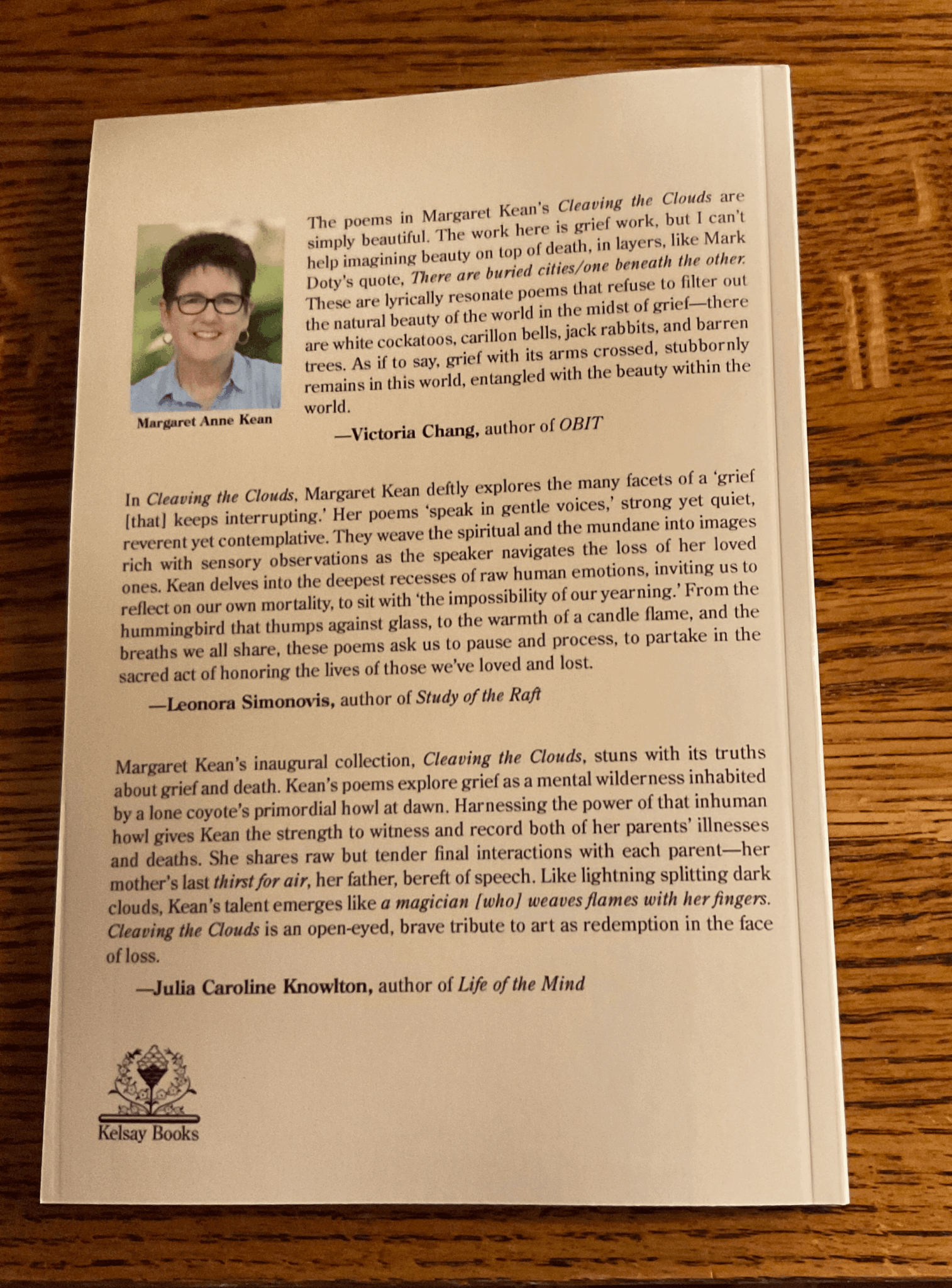
Image Credits
Chris Flynn (author photo)
Book cover image by David Mark, “Fields and Clouds” by Pixaby