

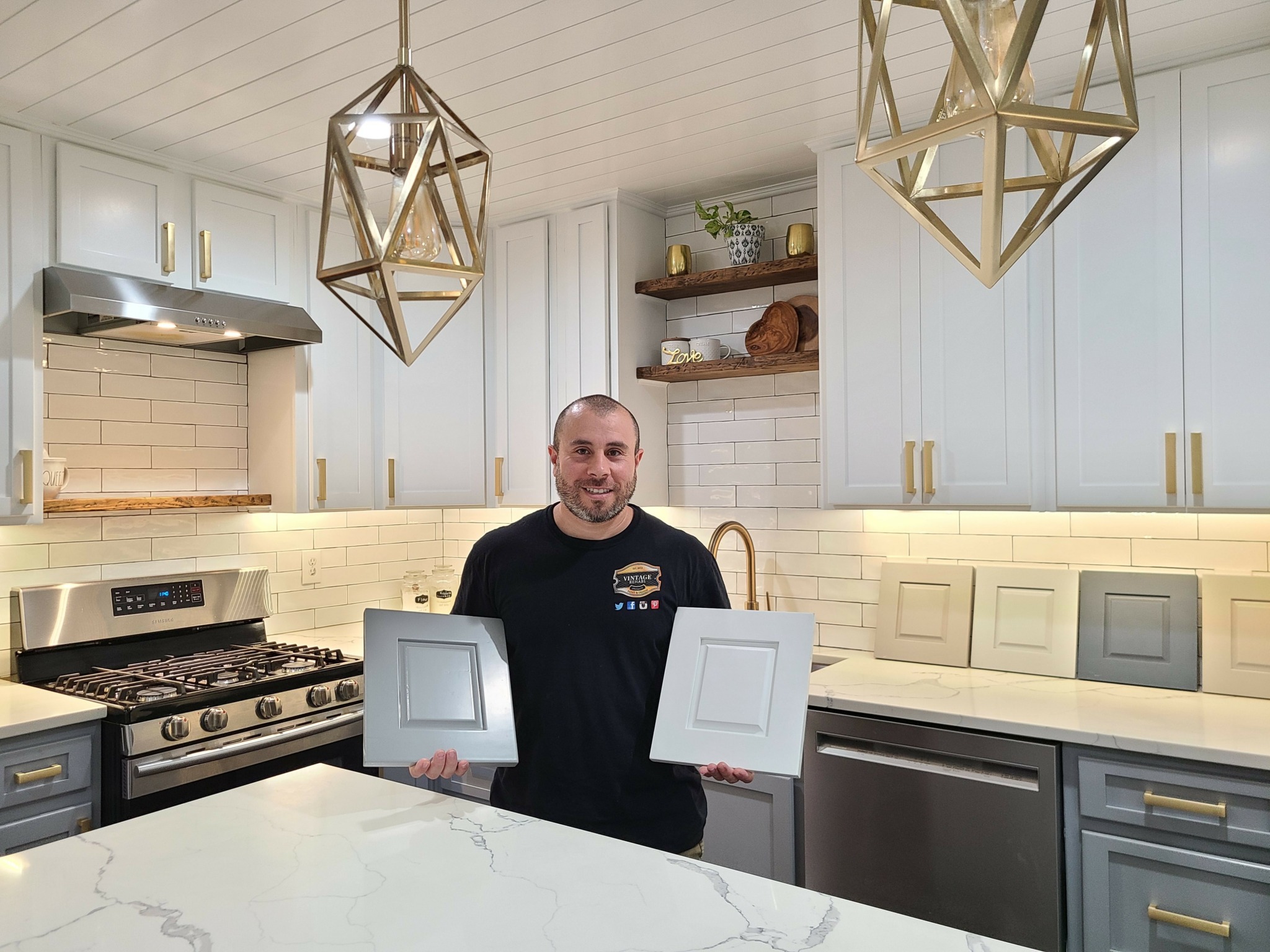

Alright – so today we’ve got the honor of introducing you to Marcos Rodriguez. We think you’ll enjoy our conversation, we’ve shared it below.
Alright, Marcos thanks for taking the time to share your stories and insights with us today. We’d love to have you retell us the story behind how you came up with the idea for your business, I think our audience would really enjoy hearing the backstory.
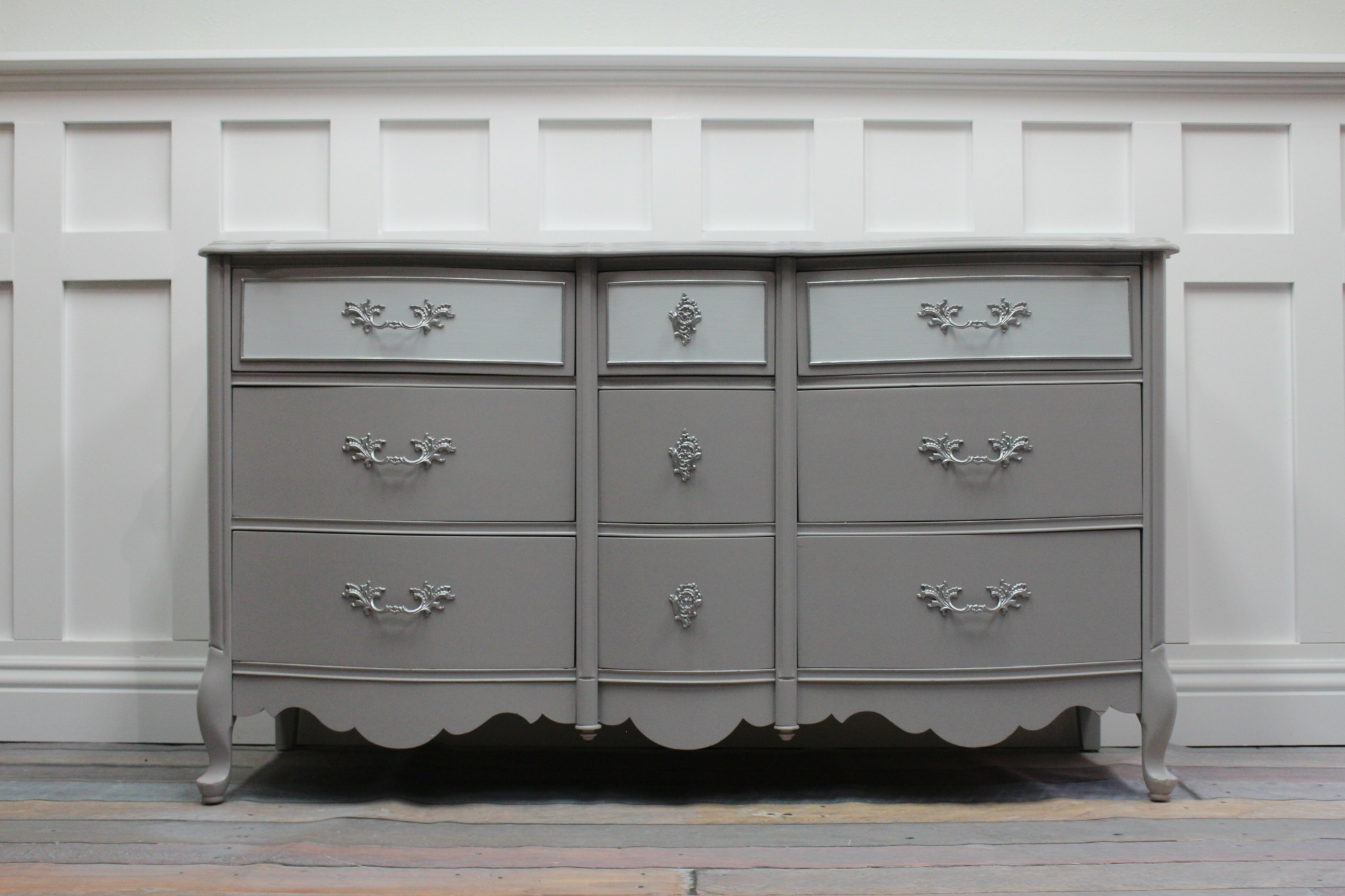
I started Vintage Rehabs, LLC in 2013 as a small hobby, painting old furniture to resell in Southern California. One day, my wife and I were watching a show about furniture flipping, and I turned to her and said, “I can do that.” From there, we began hunting for pieces at flea markets, on Craigslist, and anywhere else we could find quality old furniture.
I worked full‑time during the day and painted at night and on weekends. Before long, we were selling a significant amount of furniture and eventually shipping pieces all over the United States.
Everything changed the day I delivered a furniture piece to a customer and she asked if I could paint her kitchen cabinets. After two years of painting furniture, we took on our first kitchen—and the profit was noticeably higher. That experience pushed me to focus on delivering the highest quality possible and to start advertising specifically for cabinet painting.
We sold quite a bit furniture that it funded our family’s move to Atlanta, Georgia. Furniture flipping paid for everything—our moving trailer, our down payment on our new home—so all the hard work truly paid off.
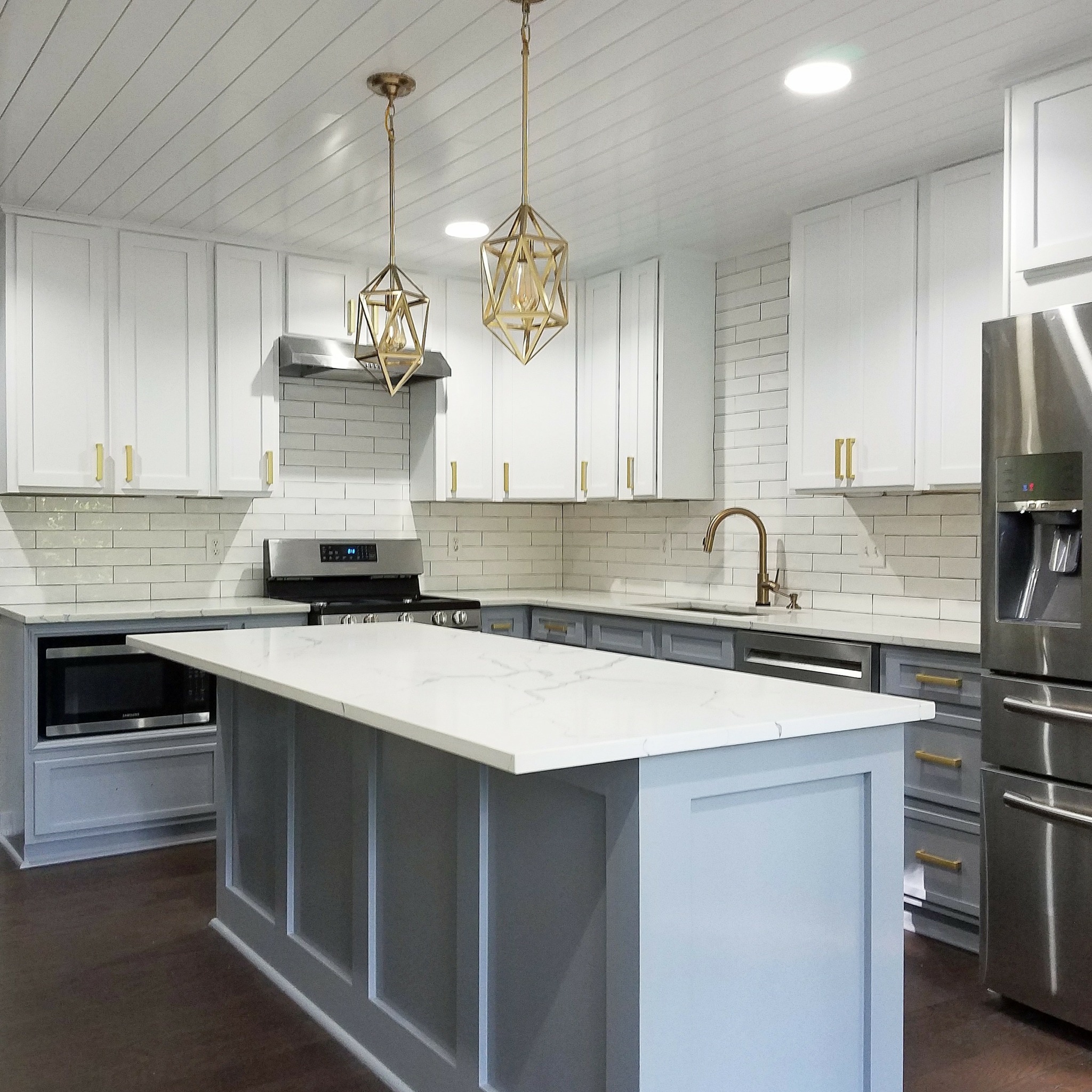
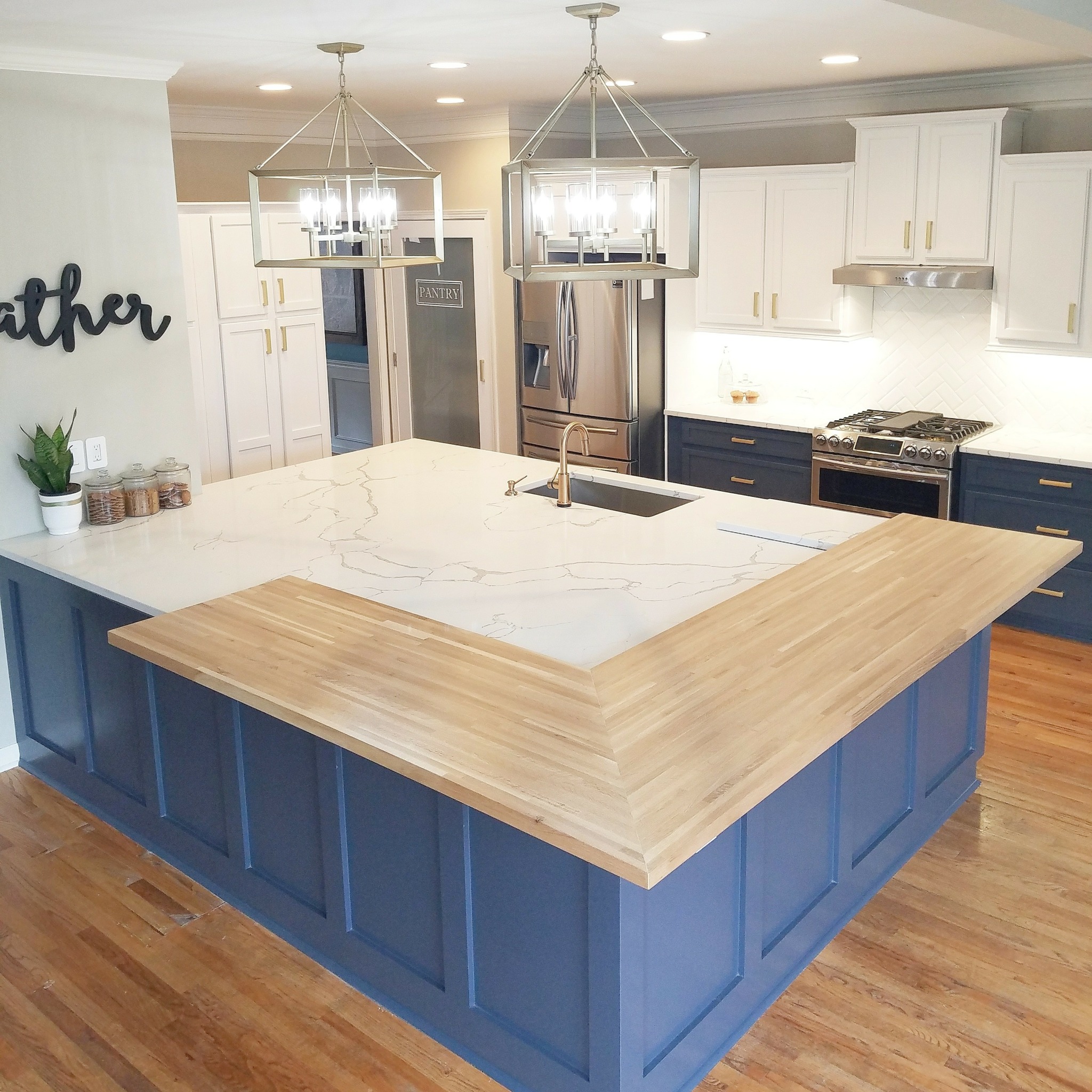
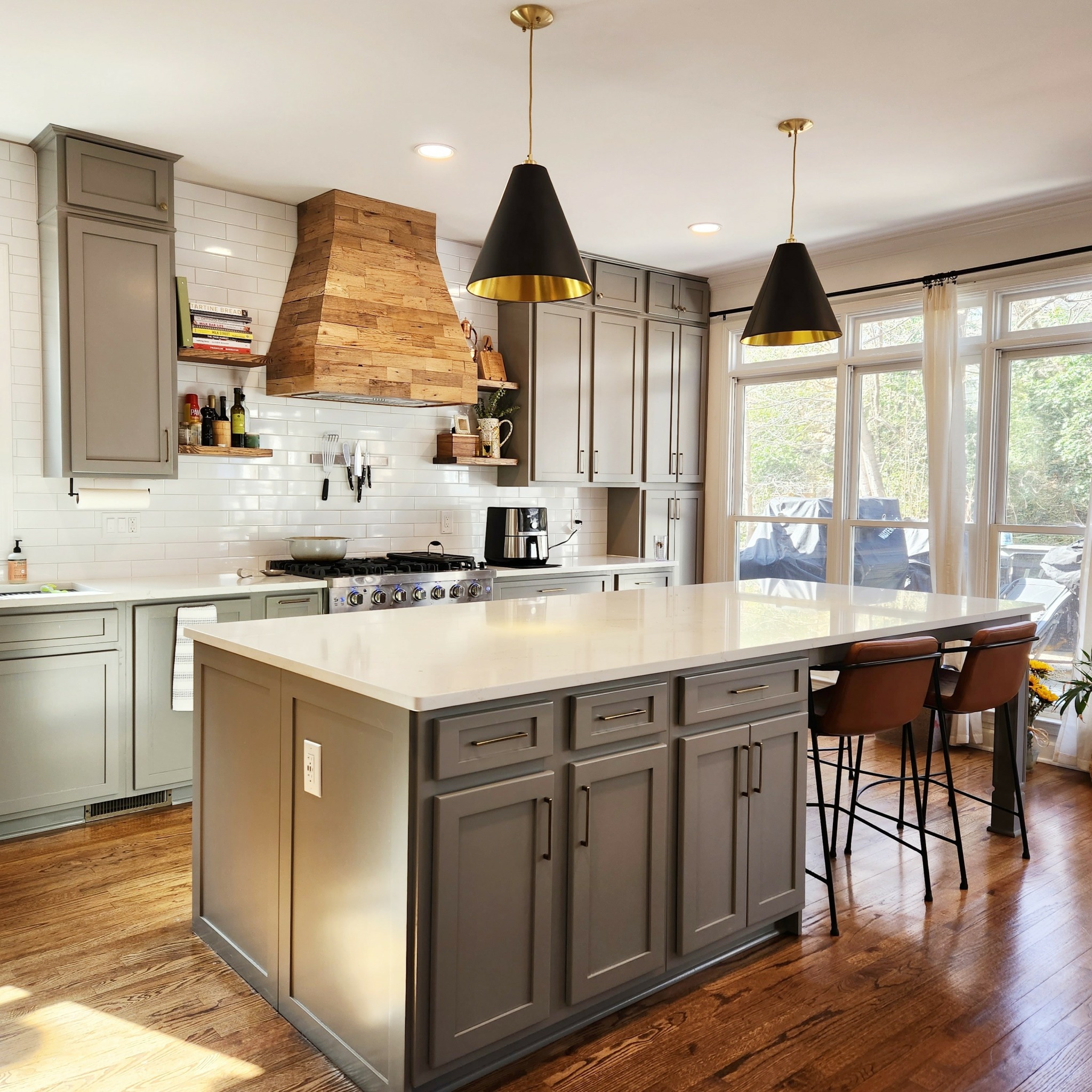
Once in Atlanta, we shifted our focus entirely to kitchen renovations. Our projects grew quickly, and we added services like backsplash installation, tile work, painting, and custom islands. Soon, we were booked up to a year in advance. We spent about six years renovating kitchens, and the business allowed us to purchase our first investment property… then another, and another. That eventually led us into flipping homes, where we discovered the profits were higher—though so were the risks.
As our business evolved, the name Vintage Rehabs continued to fit perfectly, because we were rehabbing everything—vintage furniture, kitchens, and eventually entire homes. And now, in 2025, after starting with nothing more than a $50 French Provincial dresser, we’ve retired in Thailand at the age of 43. It’s been an incredible journey.
Great, appreciate you sharing that with us. Before we ask you to share more of your insights, can you take a moment to introduce yourself and how you got to where you are today to our readers.
I got into this business at the age of 30 while still working a corporate job. What started as a simple hobby—painting custom vintage furniture and making a few extra dollars—turned into something far bigger than I ever imagined. I never would have believed that one piece of furniture would eventually allow my family and me to retire 13 years later and own 11 properties.
Over 14 years, my business shifted three different times. I started with furniture, learned new techniques, and grew that side of the business. After a few years, another door opened: kitchen cabinet painting. As demand grew, I slowly expanded my services to include tile backsplashes, custom islands, interior painting, electrical work, countertops, and full kitchen renovations.
While we were saving money, yet another opportunity appeared—real estate investing. We had no idea what we were doing, and no one was willing to teach us. Still, we took a chance and bought our first property in 2019. From there, we grew our portfolio to 12 properties and eventually generated enough income to retire at age 43.
One of the biggest lessons I learned is that people are willing to pay more for quality. I involved clients in every part of the design process and built trust by asking for only a small $250 deposit upfront. I covered everything else until the project was complete. This made customers feel like I was their partner—and that I had something to lose if I didn’t deliver.
Every day, I updated clients on what was completed and what to expect next. I also never booked overlapping projects. That allowed me to be onsite full‑time, working side by side with my crew from 8 to 5. Customers appreciated that the same person who gave the estimate was the one showing up daily—not a stranger they’d never met. That level of trust and consistency helped the business grow to the point where clients were waiting up to a year for a renovation.
Clear estimates, a small upfront deposit, working alongside my team, and daily communication allowed me to grow entirely through word of mouth—without spending a dollar on advertising.
The best advice I can offer is this: find something you enjoy, learn everything about it, become obsessed with it, and figure out how to turn it into income. But don’t cling to one idea forever. You have to be willing to let one idea die so another can grow. That’s how your business stays alive, relevant, and successful.
We’d love to hear a story of resilience from your journey.
When you start a side hustle, no one is there to help you in the beginning—because no one else believes in your idea the way you do. Maybe your partner will help once in a while, but most of the time, it’s all on you.
When I started my furniture‑painting side hustle, I quickly realized I needed inventory if I wanted to sell more than one piece at a time. These dressers were heavy, and I had to figure out how to load them onto my truck by myself. During my corporate job, I would search online for dressers and drive out on my lunch break to pick them up. I’d come back to work with a dresser sitting in the back of my truck, finish my shift, go home, unload it, start prepping, painting, photographing, and posting it for sale on Craigslist or Facebook.
I gave up weekends and time with family because I had a vision of what this could become. No one else can see your vision but you. That’s why you have to keep moving forward, even when people doubt you or don’t understand what you’re building. Success comes from pushing through anyway.
Any advice for managing a team?
To keep a strong team around you, you have to pay your employees well—including your subcontractors. For example, when my electrician gave me an estimate for adding recessed lighting, I never tried to lowball him. I knew he would do excellent work and that he’d be happy to take on the job if he was paid what he asked for. A little negotiating is fine, as long as they don’t feel taken advantage of.
And here’s the reality: if there’s ever an electrical issue, he’ll come back and fix it without hesitation. But do you think an electrician you lowballed would return to help you? Probably not. Then you’re stuck scrambling to find someone else to repair the problem, which looks terrible from the client’s point of view.
It’s much harder to find a happy employee who truly enjoys their work than an unhappy one who’s only there for a paycheck—and the difference shows in the quality of the job.
Paying my team a fair salary, paying subcontractors what they requested (as long as it wasn’t unreasonable), paying them on time, and never trying to cheat anyone is what helped me attract more customers. Because of that, my team always prioritized my projects over contractors who paid late or constantly tried to negotiate everything down.
It’s also extremely important to have a business savings account with a few thousand dollars in it. I can’t tell you how many contractors beg clients for an advance just to buy unexpected materials. I always requested a small deposit of $250–$500 from the client, mainly to gauge how serious they were about starting the project. That deposit simply secured their spot on the schedule—nothing more.
Everything else—materials, paint, payroll, and even unexpected mistakes—was paid out of the business savings. I didn’t cover custom items the client specifically requested, but for everything else, I paid out of pocket until the project was complete. This is why I only took on one project at a time, and most of the time we could finish a kitchen in one to two weeks. I never overlapped projects and I always delivered on time.
Taking care of your people is the number one rule if you want your business to succeed.
Contact Info:
- Instagram: https://www.instagram.com/vintagerehabs?igsh=MTduZGFqa3R1MWUxaw%3D%3D&utm_source=qr
- Other: Recently retired so I don’t keep up with social media. But our Instagram is still up if you wanted to take a look.
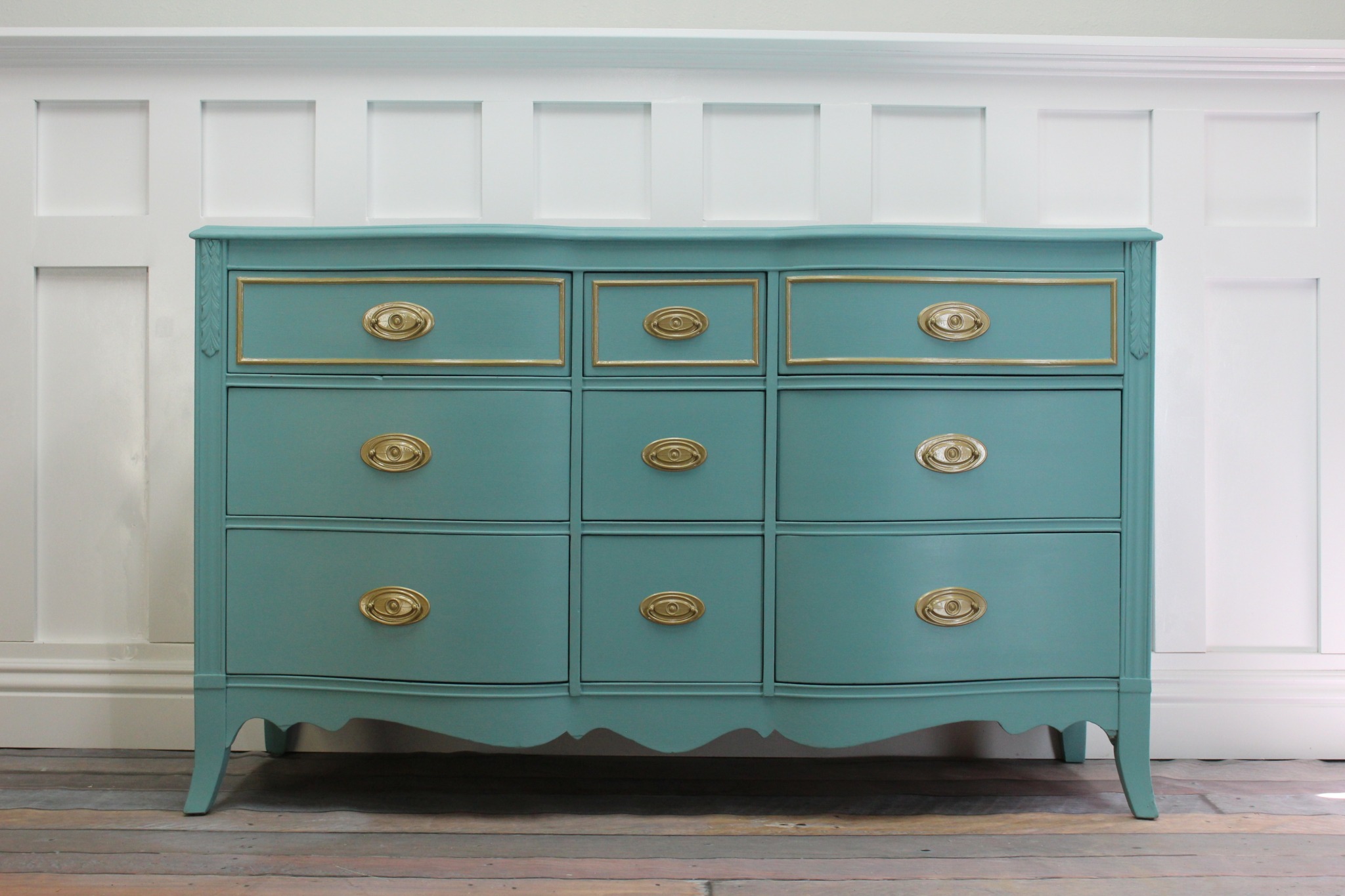
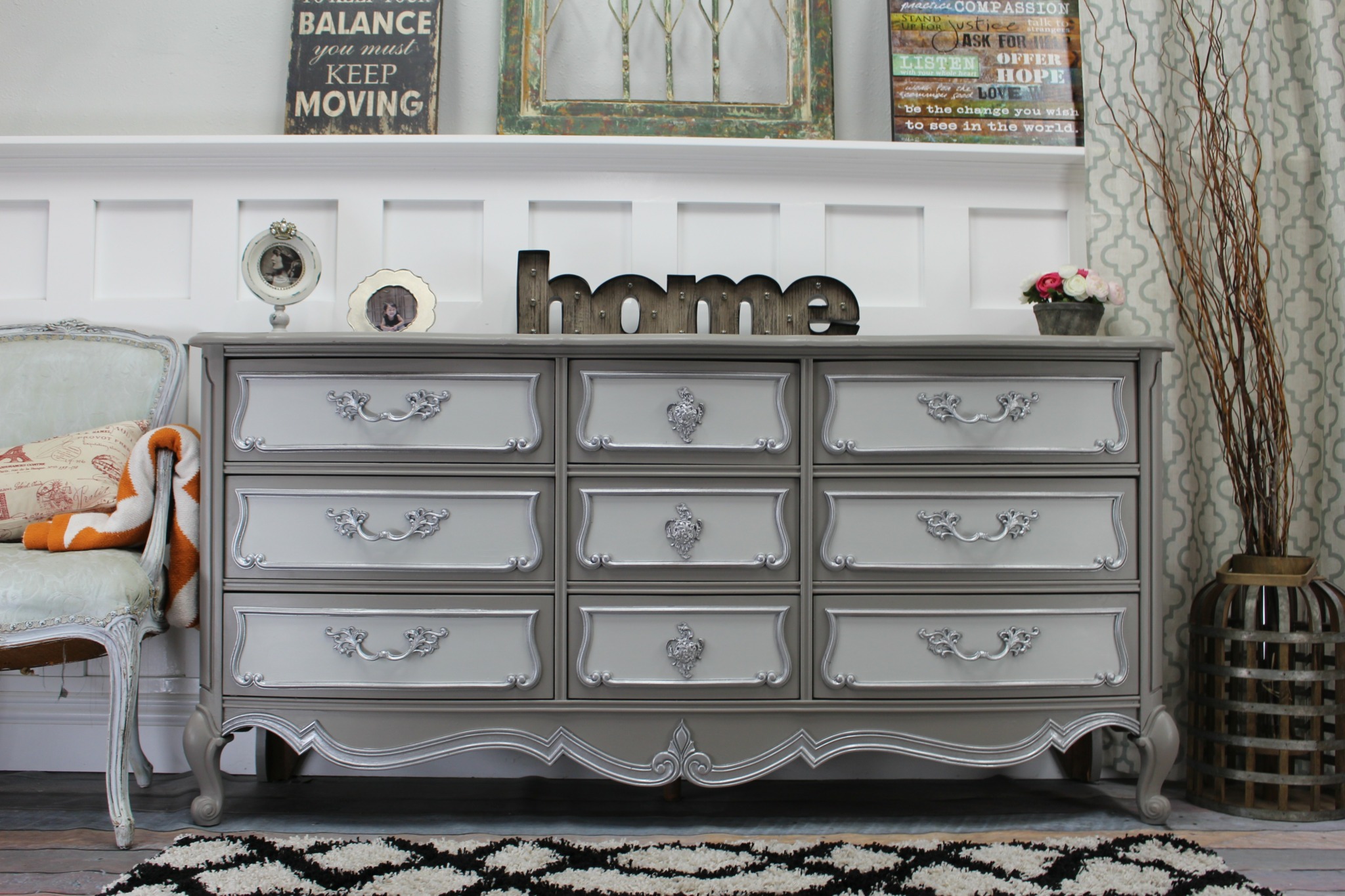
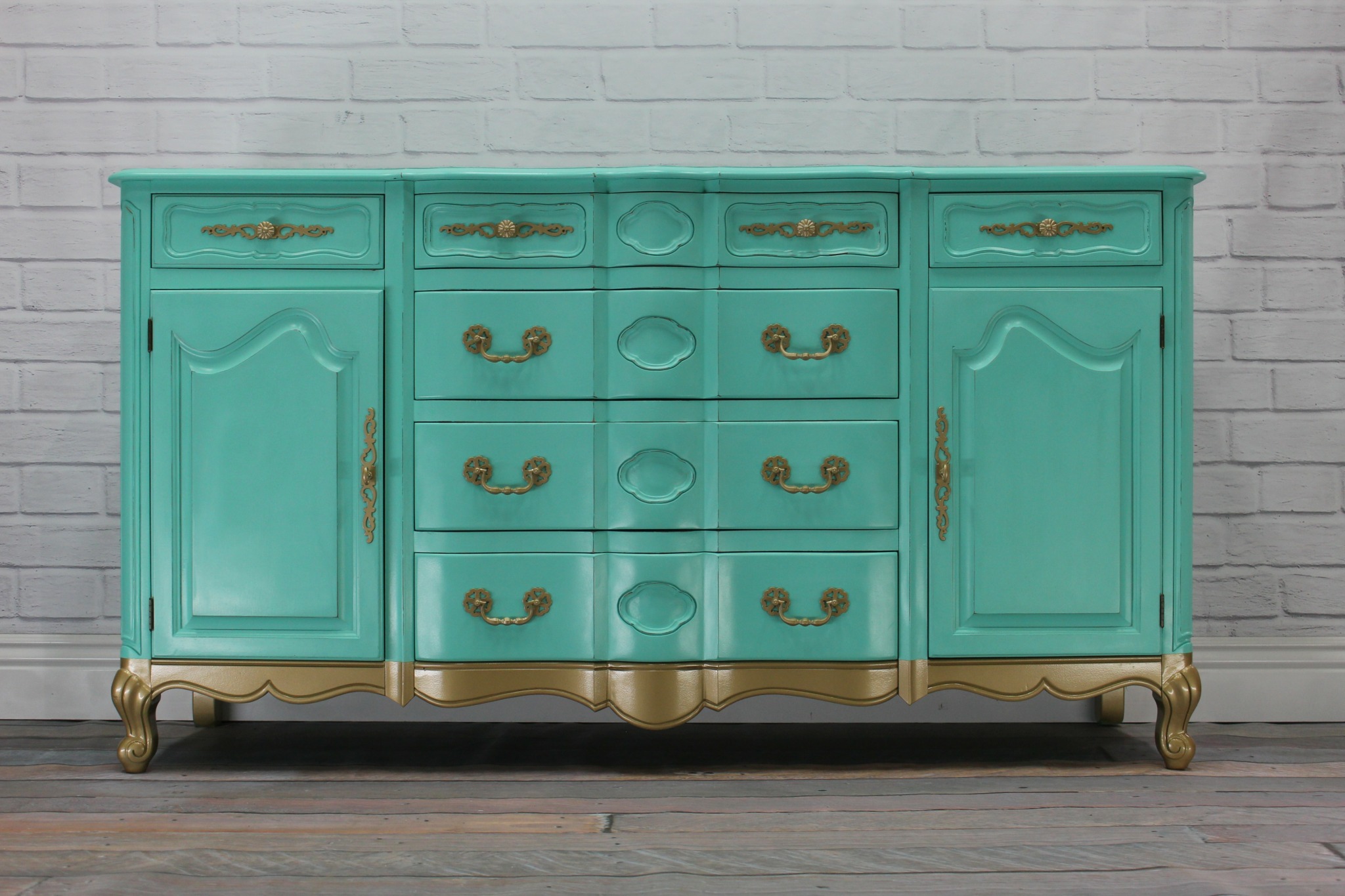
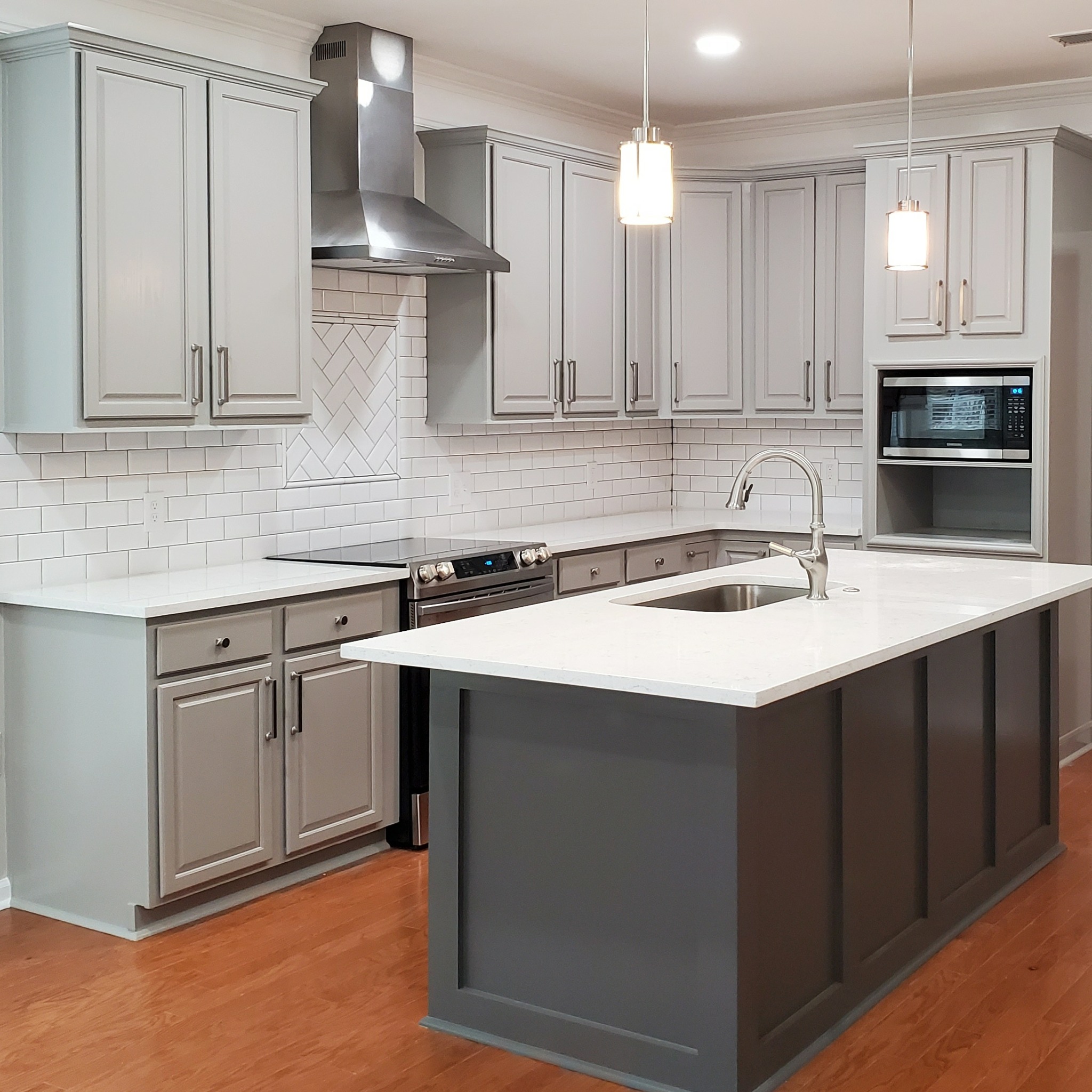
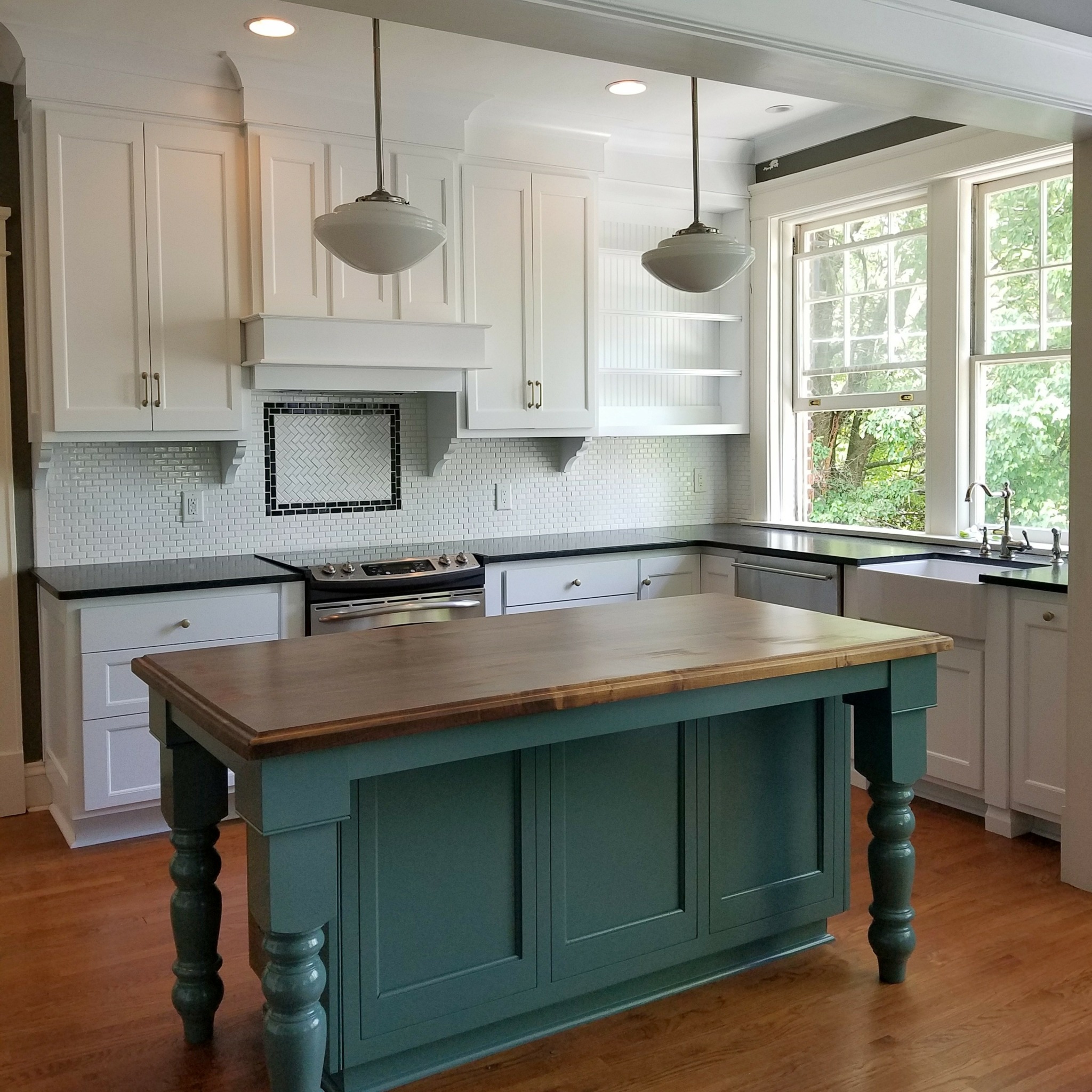
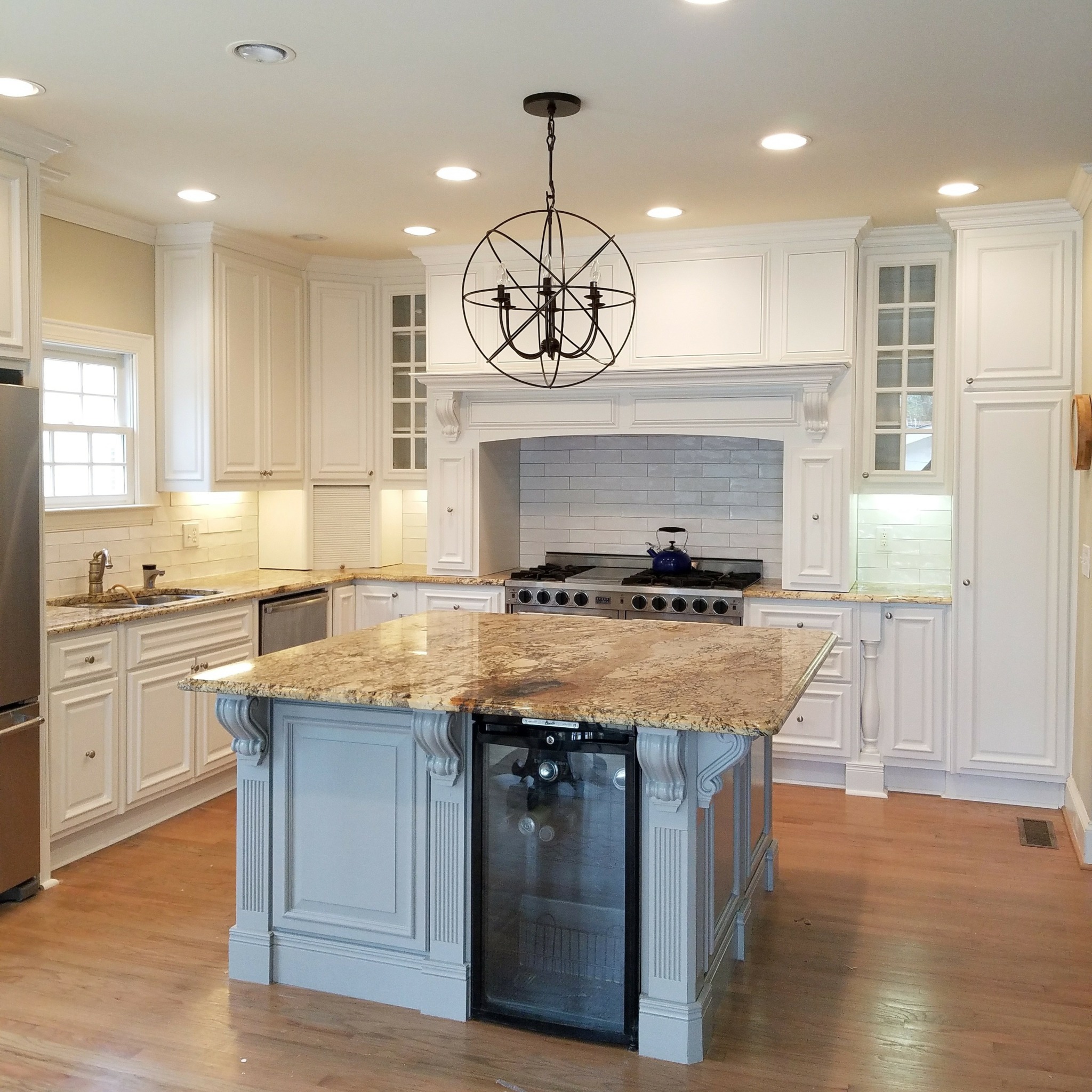
Image Credits
Vintage Rehabs, LLC