

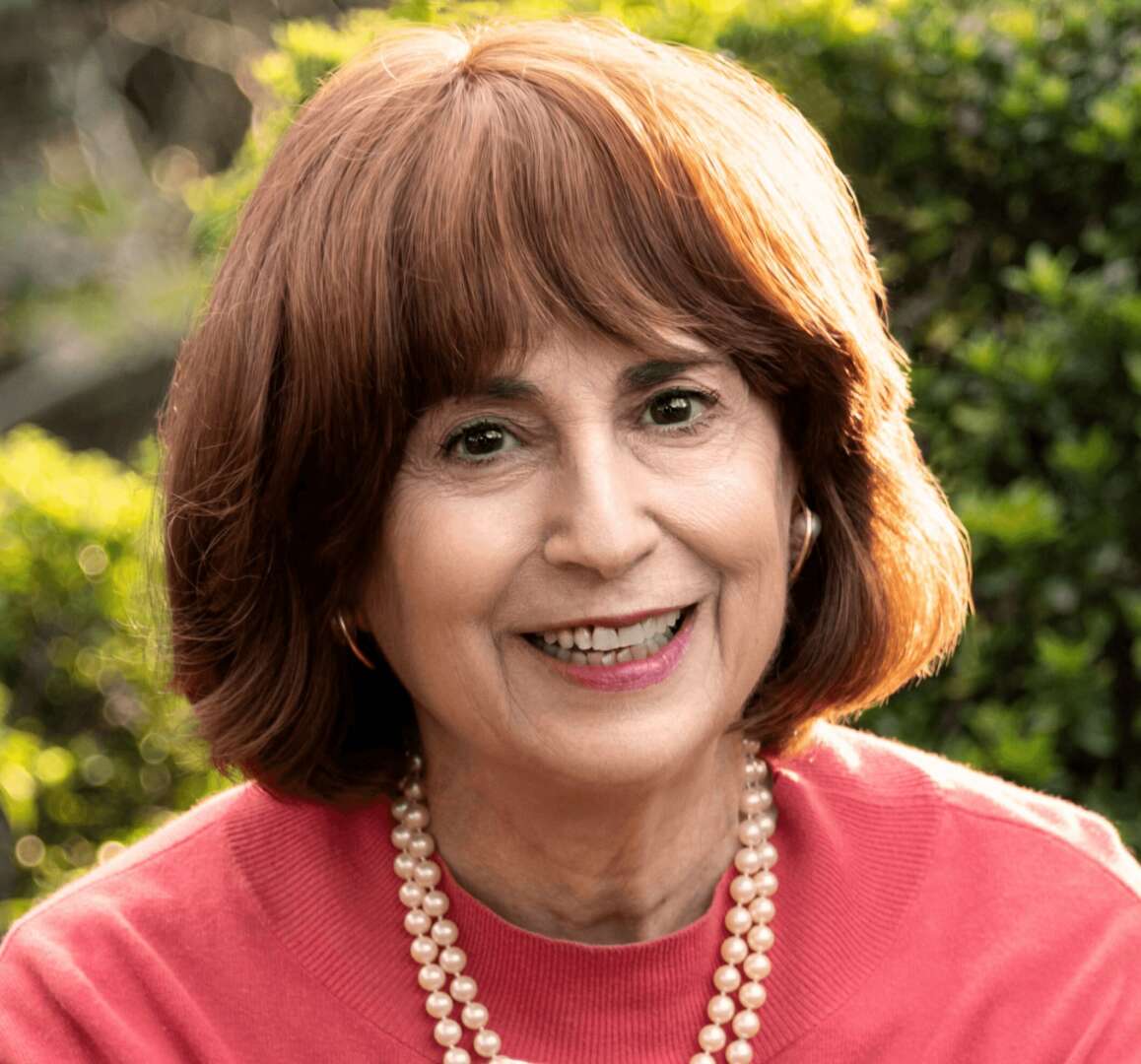

We caught up with the brilliant and insightful Marcia Naomi Berger a few weeks ago and have shared our conversation below.
Marcia Naomi, appreciate you joining us today. We love heartwarming stories – do you have a heartwarming story from your career to share?
I’ll share two heartwarming stories:
The first one is about how I finally became happily married after dating and having going-nowhere relationships for over two decades. During that time I was a licensed clinical social worker and gained expertise as a marriage counselor and couples therapist. Yet, in my personal life, I was commitment-phobic for a long time. But deep down inside, I knew I wanted marriage. With the help of good therapy, and wonderful mentors, I began to trust that I could succeed at marriage. It helped also that when I first met my husband-to-be, I thought he was too young for me. So, I relaxed and didn’t try to impress him; I liked being with him, and he liked my natural self. After a few dates, I learned he was only four and a half years younger than me. We recently celebrated our 36th wedding anniversary.
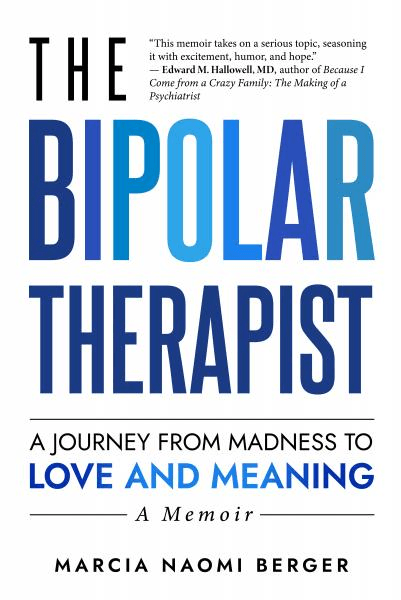
My second heartwarming story is about how I came to write The Bipolar Therapist: A Journey from Madness to Love and Meaning. You can read about that below, where I write about my journey that illustrates resilience.
As always, we appreciate you sharing your insights and we’ve got a few more questions for you, but before we get to all of that can you take a minute to introduce yourself and give our readers some of your back background and context?
My parents divorced when I was thirteen, which is how I eventually became a marriage expert. I was heartbroken then, but over time, I made it my business to learn how to create a good marriage. Some of my couple therapy clients and coworkers became my marriage mentors.
The wife of a couple I saw over time for therapy at an alcoholism treatment center said, “You must think we’re doing terribly.” I did not feel that way at all. I was so impressed by their love and commitment I became teary. I told them their relationship was much better than the one I’d seen of my parents while growing up.
When we’re raised without role models for a good relationship, we may expect marriage to be either a fairytale-like, effortless, happily-ever-after experience—or a disaster.
Other mentors helped me gain more realistic expectations of marriage. Mary, a married woman in her twenties, and I were social workers in San Francisco’s Child Welfare Department. She told me, “You don’t marry a prince; you make him one by how you treat him.”
When I was the executive director of a family service agency, a board member, Lucy, said, “I’m not in love with my husband; I’m very fond of him.” That was quite a message for me. I’d been “in love” more than once, but that was more about the excitement and fantasy that I’d be happy forever with this uncommitted person with whom, in reality, we were not compatible for a lifelong relationship. Chemistry counts, but we need deep caring, fondness, trustworthiness, and compatible values and interests to create a lasting, fulfilling union.
Another colleague, Steve, said to me privately after consenting to his wife about something he differed about, “I’d rather stay married than be right.” I learned from him to accept differences, live with them, and work around them when possible. And there will always be differences!
Can you share a story from your journey that illustrates your resilience?
My bipolar disorder was my shameful secret for decades. When I launched my memoir, The Bipolar Therapist: From Madness to Love and Meaning, in May, 2024, it felt like a coming-out even because I kept my psychiatric history a secret for so long. I tried to write this book around twenty years ago but stopped because I didn’t feel safe sharing my story.
The Bipolar Therapist focuses on about fifteen years of my life, starting with the events that preceded my first psychiatric hospitalization when I was 29. I was a senior psychiatric social worker employed at an alcoholism treatment center in San Francisco. On the way to attend my sister’s wedding in Rockaway, New York, where I grew up, I began acting strangely during the trip. I believed I had special powers and could heal people by looking at them. During the flight’s layover in Chicago, while walking around the airport, “I healed” people whose path crossed mine when I sensed their emotional pain.
I stayed at my mother’s house in Rockaway, where my mind kept racing. After a couple of sleepless nights, my strange behavior escalated to the point where, instead of attending my sister’s wedding, I ran into the street screaming. An ambulance took me to a psychiatric hospital, which was a snake pit.
Like most patients there, I was doped up with antipsychotic medication, which kept us quiet and barely conscious.
I thought the whole thing was a fluke, but a year later, I became psychotic again and at work. I spent a few days at Langley Porter Neuropsychiatric Hospital in San Francisco. A psychologist there gave me a test. He said it confirmed I was manic depressive, which is now called bipolar disorder. He said I should start taking lithium or my career would be ruined. I didn’t believe him and said this hospitalization happened because I’d been under a lot of stress about a relationship with a man who disappointed me. I discharged myself AMA (against medical advice) and went back to work. Some formerly respectful stigmatized and harassed me after having witnessed my manic episode.
A dear friend ghosted me, and another one kept her distance. So, I learned to be secretive about my bipolar disorder. Why share that part of my private life with someone I might never see again who might gossip about me?
I finally started taking lithium, which was then the drug of choice for manic depression. But because some people taking it experienced terrible side effects, it’s no longer prescribed routines and has been replaced regularly with other medications to manage bipolar illness.
Meanwhile, I continued to work in the alcoholism treatment center, which was a toxic environment softened by two loyal, supportive colleagues. Until ironically, I was recruited to work in the psych ward at San Francisco General Hospital, where I told no one about my psychiatric history. I thrived there and was honored with a clinical faculty appointment at the University of California San Francisco School of Medicine.
But my cover was nearly blown when a new patient arrived on the psych ward where I worked. He and I had a nice rapport as patients at Langley Porter and played ping pong there. “I remember you,” he said. “Don’t you remember me?” I pretended he was mistaking me for someone else. I’m not proud of myself for doing that, but it felt like survival for me.
It makes sense that after holding a secret for so long, I’d hesitate to publish a book that exposed my shameful secret to the world.
Psychiatrists agree that the stigma around bipolar illness has decreased since then. But they say there’s still a long way to go. I yearn for a time when people with mental illness will receive the kind of compassion, acceptance, and respect that people with a physical illness are likely to receive.
So, I put my draft for my memoir aside. Meanwhile, I published self-help books about marriage and dating in 2014 and 2021, Marriage Meetings for Lasting Love:30 Minutes a Week to the Relationship You’ve Always Wanted, and Marriage Minded: An A to Z Dating Guide for Lasting Love.
About twenty years after that first start, with some trepidation, I finally published The Bipolar Therapist. I hope this book helps mentally ill people know they are not alone and that others have experienced similar difficulties. No one should be defined by a psychiatric diagnosis. They should be viewed as multifaceted people who, like everyone else, have strengths to contribute to the world.
A recent FaceTime chat helped me feel a bit safer about sharing what I thought for a long time was my shameful secret. My husband handed me his phone so I could join a FaceTime chat with Jim, Jack, and Steve.
We’ve known Jim socially for over thirty years. We’ve seen Jack, a friendly man who tended to ask the same people repeatedly, “How are You?” and often at our synagogue. I didn’t remember Steve, but he said we’d met on a blind date as singles around forty years ago.
After some small talk, I mentioned today’s book launch event.
“What’s your book about?” Jim asked.
“It’s a memoir,“ I said, thinking that’s enough to share.
“What’s the title?” asked Steve.
Uh, oh.
I took a deep breath. “The Bipolar Therapist: A Journey from Madness to Love and Meaning,” I said, feeling like I’d just confessed and expecting harsh judgments. What happened next surprised me.
I couldn’t read Jim; he looked blank and said nothing.
Barely missing a beat, Steve said, “I’m OCD” (obsessive-compulsive disorder) and named several of his medical conditions for which he takes twelve different pills daily.
Without specifying the nature of his mental illness, Jack commented on the “stupid conservatorship” they put him on.
I felt relieved, almost joyous, to have people act like what had been my shameful secret was no big deal.
By writing The Bipolar Therapist, I’ve begun to release my shame. I no longer want mental illness to be something to hide behind or be ridiculed for. If someone shuns or judges me negatively for having had a mental illness, I want to realize that that’s their problem, not mine.
I’ve been “coming out” to other people lately. Some say “I had no idea.”
A friend told me a story that gives me hope for a future where more people with mental illness will feel okay about opening up. A mutual acquaintance, I’ll call Ken, was diagnosed schizophrenic a long time ago. Now in his sixties, he’s led a full life. He’s married, raised a son, and owned a successful courier service business. He saved enough to buy two homes, one of which he rents to a tenant, for retirement income. Ken says he still hears voices but has learned to ignore them.
Ken sat beside a stranger at a dinner party. After some small talk, his new acquaintance said,
“I’m a psychiatrist.
“I’m a schizophrenic,” Ken countered.
That sounded like a joke with a good punchline.
If only we could all share our psychiatric labels so quickly and confidently. I long for the day this will happen. I’m grateful to all for helping us move toward that time by sharing their stories.
The focus of my memoir is on living with bipolar disorder and its consequences. It also describes my past dysfunctional dating pattern and my relationship with my mother, including my estrangement from her, and reveals some spiritual experiences.
By writing The Bipolar Therapist, I hope to contribute to the movement to decrease stigmatizing mentally ill people and increase understanding, compassion, and respect for them.
Contact Info:
- Website: www.marcianaomiberger.com, www.marriagemeetings.com, www.marriagemaven.com
- Instagram: https://www.instagram.com/p/C8FV-q1v4LY/
- Twitter: @marriagemav
- Youtube: https://www.youtube.com/@marcianaomiberger
- Other: https://prbythebook.com/experts/marcia-naomi-berger/https://www.instagram.com/p/C8FV-q1v4LY/
https://www.instagram.com/p/C7cLWhvA3Ww/
https://www.instagram.com/p/C7blgoRgYtC/
https://www.instagram.com/p/C7o70EZpY6N/
https://www.instagram.com/p/C8FV-q1v4LY/
https://www.instagram.com/p/C7kICCrvxWx/
https://www.instagram.com/p/C7mIaM7Azul/
https://www.instagram.com/p/C64Q81nLLGB/
https://www.instagram.com/p/C7pLeXERMbP/
https://www.instagram.com/p/C7uygv_An6r/
https://www.instagram.com/p/C7qEAssAKmL/
https://www.instagram.com/p/C70NrlfvNzg/
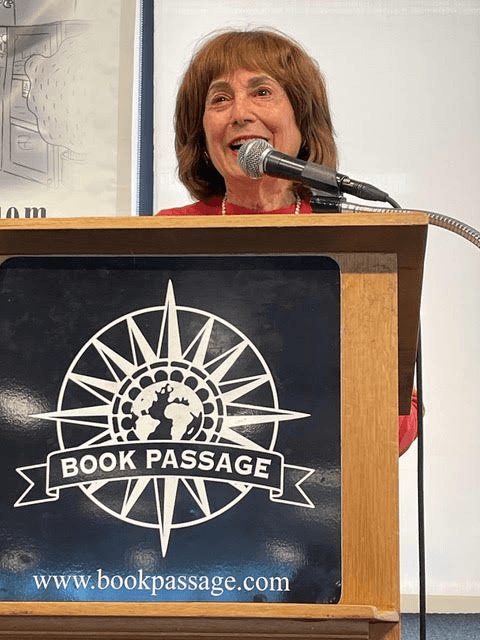
Image Credits
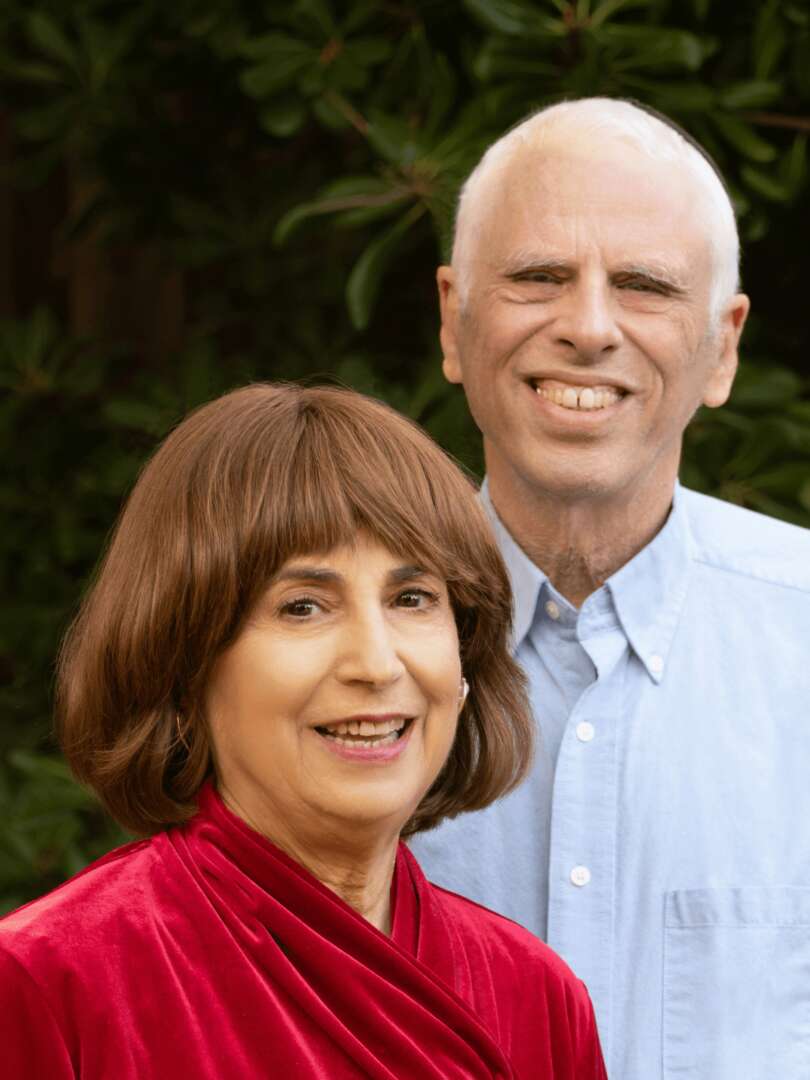
Patty Spinks took my headshot and the photo of my husband David and me.