

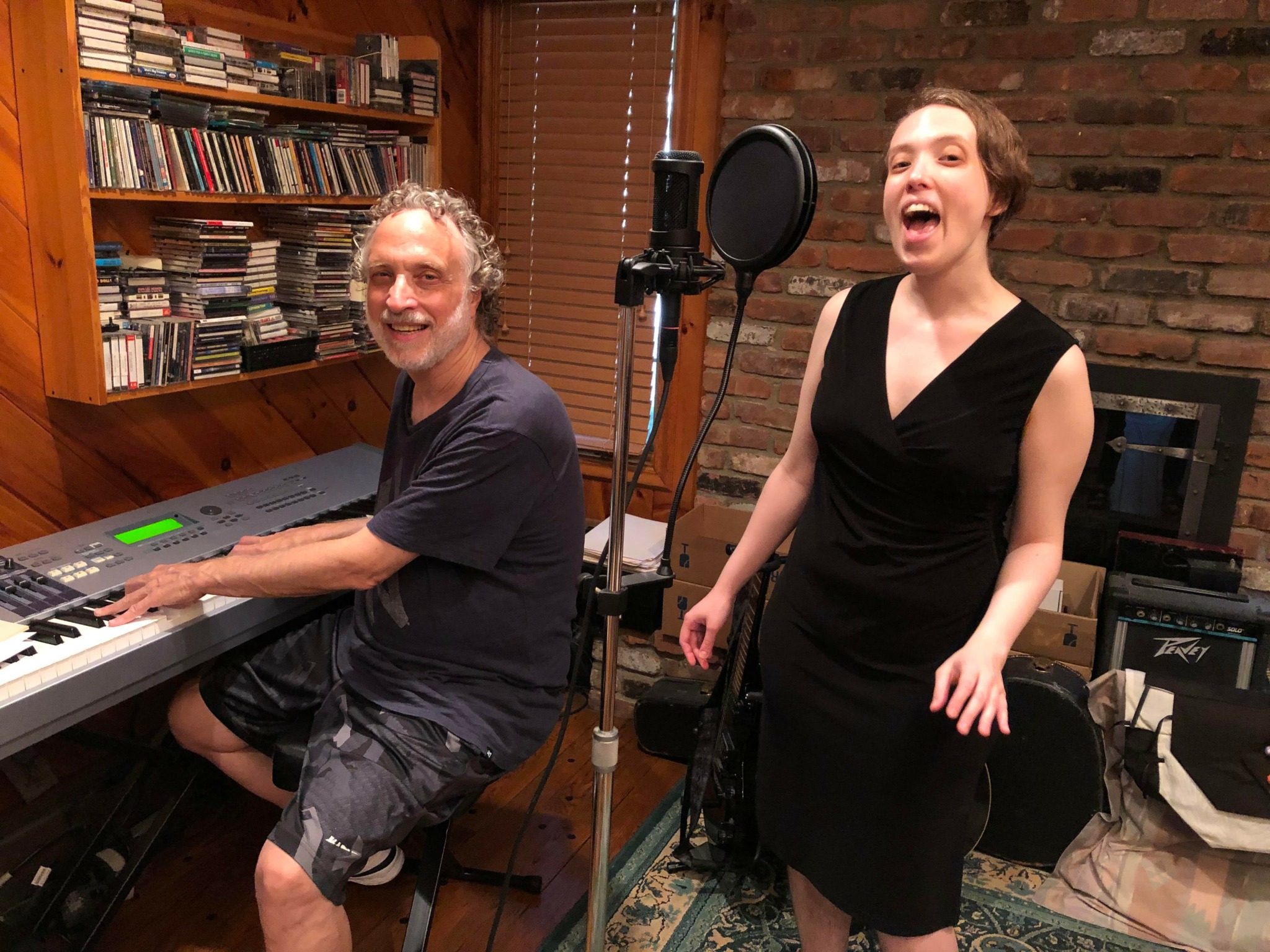

We caught up with the brilliant and insightful Marc Gordon a few weeks ago and have shared our conversation below.
Hi Marc, thanks for joining us today. Learning the craft is often a unique journey from every creative – we’d love to hear about your journey and if knowing what you know now, you would have done anything differently to speed up the learning process.
I have a fairly demanding day job as a neurologist, Alzheimer’s disease researcher, and medical school professor, that I still find to be intriguing, engaging, and gratifying. That said, going back to high school, I have maintained an interest in playing music with family and friends, making low-fi home recordings originally on 1/4 inch reel-to-reel tape and later on multi-track cassette tape. Our impromptu bands mostly recorded covers and a few original instrumental compositions that were never distributed.
My epiphany about songwriting came around 12 years ago when I was reading a novel by Nicholson Baker called The Anthologist. The protagonist (Paul) is a poet who is struggling to write an introduction to an anthology of rhyming poetry. He writes about how the traditional description of meter in poetry fails to take into account musical attributes such as implied rests. Paul goes on to buy some home recording equipment so that he can compose and record his own songs. As I was reading this, I thought, “Hey, I could do that!”
This realization came at a fortunate time in history, when music production and recording technology became much more accessible. This allowed me to overcome my limitations as an instrumentalist, not having to perform in real time, and enabling me to weave individual tracks into a composite of whatever I could imagine. I am grateful that my daughter Rebecca, who has the voice of an angel, was able to bring my lyrics to life on many of my songs. I also realized that you do not need a recording contract with a label to produce your own CDs, and streaming platforms allow you to make your music available to people throughout the world. It’s cool to find out that someone has listened to one of your songs in Sri Lanka or Kazakhstan.
To quote Frank Zappa, “A mind is like a parachute. It does not work if it is not open.” Each song is an individual puzzle to be solved. I have needed to learn different skills as I went along, and I have carried that knowledge forward with each successive project. Overall, I think my production skills have gradually become more sophisticated. I have released 4 albums and around 50 songs over the past 10 years. It is my hope that each song succeeds on its own terms.

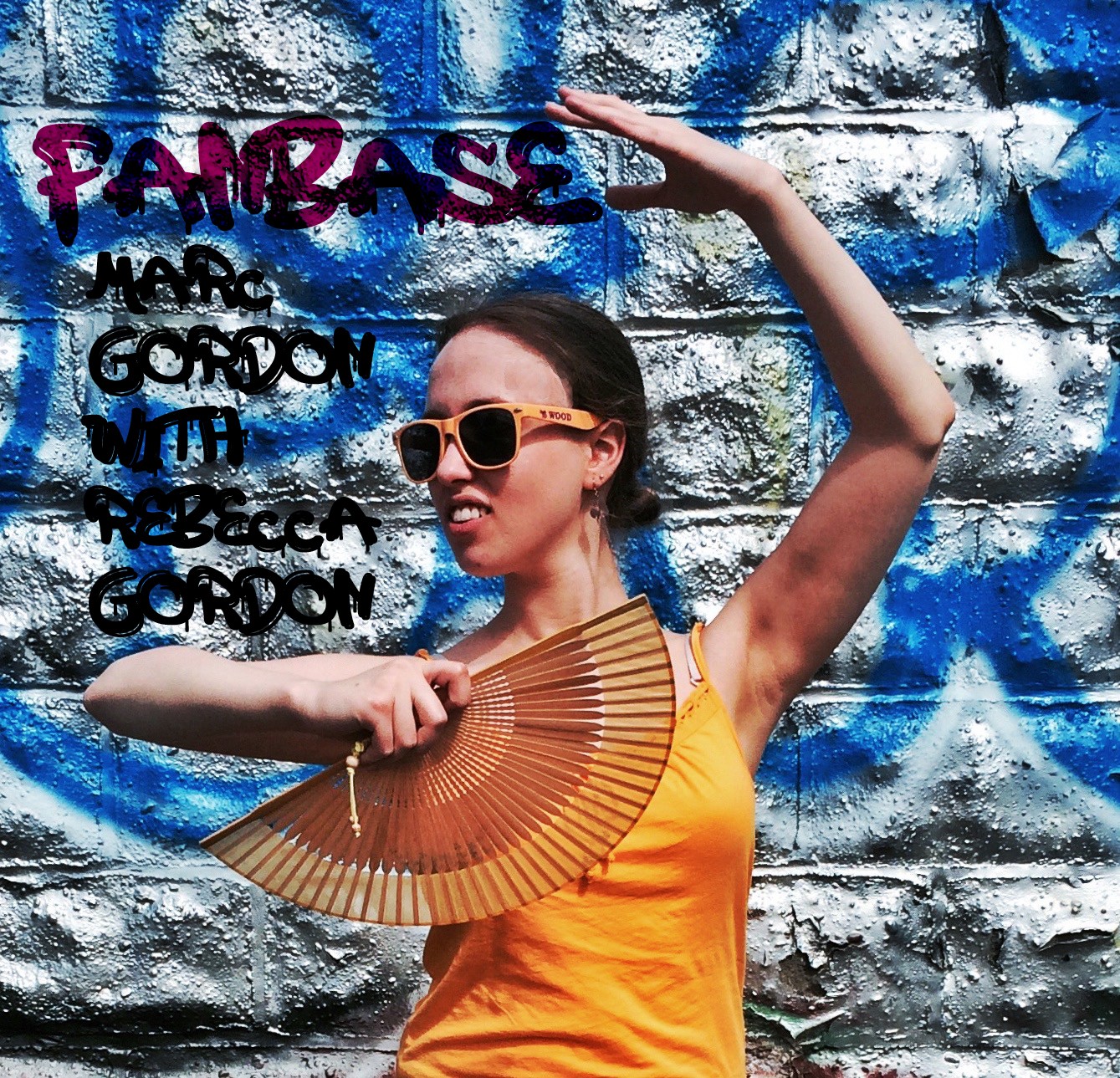
Marc, love having you share your insights with us. Before we ask you more questions, maybe you can take a moment to introduce yourself to our readers who might have missed our earlier conversations?
I have already addressed how I got here in my response to the previous question. Now I will try to figure out where exactly “here” is. As I sardonically expressed in my song Antisocial Media, “If you don’t have a GPS you don’t know where you are.” I have always struggled to put a label on my “brand”. Some descriptors that come to mind are eclectic, genre-bending, and darkly humorous. Each song is unique, with various musical influences including folk, jazz, blues, soul, and country, as well as a musette waltz. I often blend genres together, such as a montuno piano solo in the middle of an upbeat folky tune about zombies on wheels (The Driving Dead).
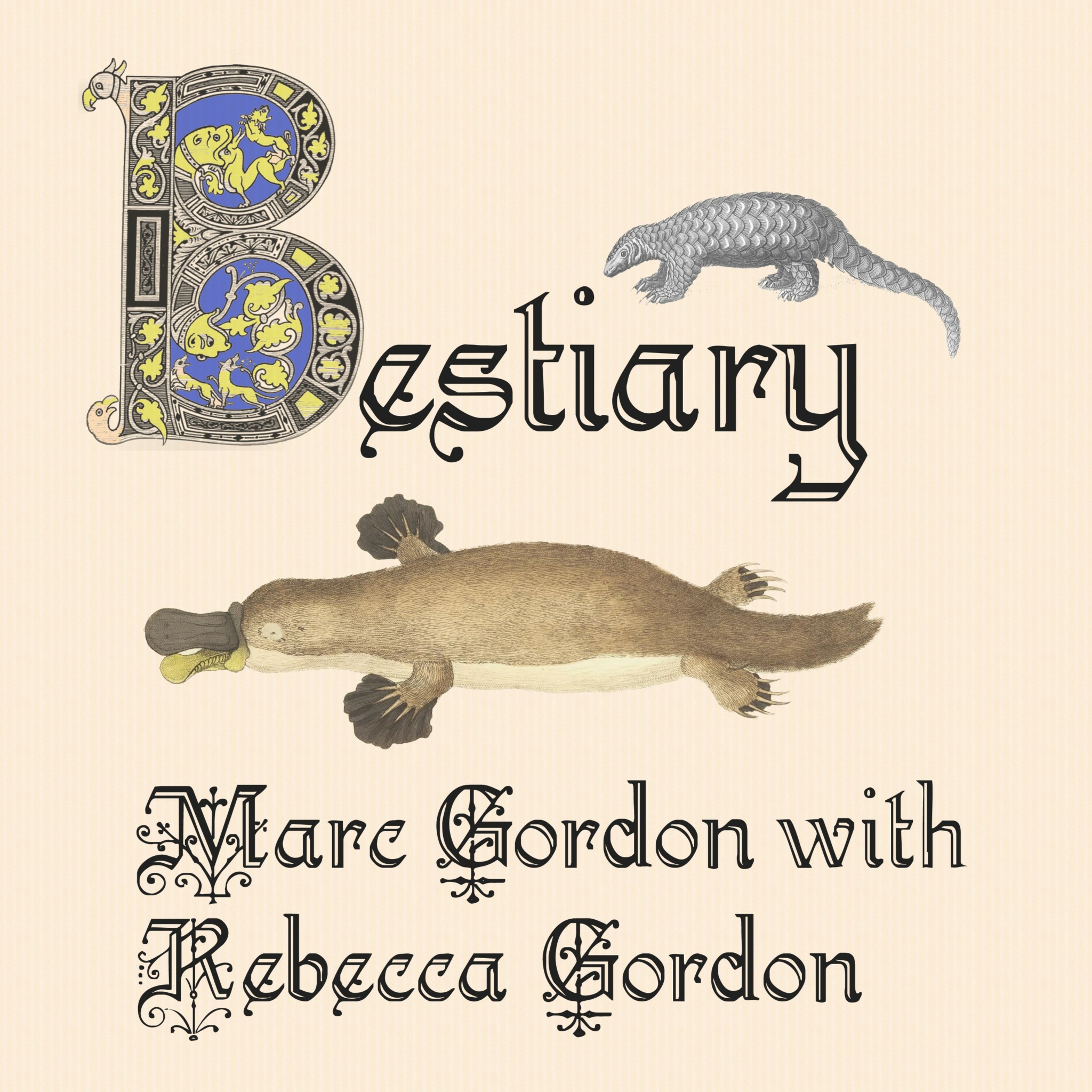
I take the greatest pride in my lyrics. I aspire to write songs that are articulate, informative, and witty. I aim for rhymes that are surprising. I have set challenges for myself to write songs in Spanish (La Flecha de Zenón) and French (À la Recherche des Têtes Perdues) and then to translate the lyrics into English while both conveying the meaning and conserving the rhyme scheme. The subjects and formats of my songs are manifold. The Ballad of Anthony “The Moron” Mirabella is an 8-stanza limerick about a former Providence mafioso. The narrator of The Turing Test is a sentient artificial intelligence. Other songs have addressed topics such as censorship (Swing Banned), unusual animals (Bestiary), and the JFK assassination (I’m Jack Ruby). A recurring theme has been lighthearted songs about the ultimate buzzkill of mortality (e.g., A Fatal Misadventure, Somebody Call a Doctor, and Spoiler Alert!).
But don’t take my word for it. You can judge for yourself and stream all the songs for free, with lyrics and notes included, at:
https://gordonsongs.com

For you, what’s the most rewarding aspect of being a creative?
I have always preferred the term “songwriter” to “recording artist” because it seems to be a more factual and less aggrandized description of what I do, If it is your ambition is to become rich and famous from the art that you produce, you should recognize that the odds are heavily stacked against you. Nonetheless, if you do not become the next Taylor Swift, I don’t think you should regard yourself as a failure. I think it is essential to not be so intimidated by the elusive prospect of fame and fortune that it interferes with your creative process. For me, rewarding doesn’t translate into monetization. I feel that the urge to create is an irresistible impulse. It is rewarding for me to enjoy listening to a song I composed, performed, and recorded, and to be able to share it with people I know, as well as with people I have never met.
To cite the closing of my song Hyperbole:
Be who you are,
not an ideal.
Don’t be a star.
Just try to be real.
Do what you can,
not what you would.
The best is the enemy of good.

How about pivoting – can you share the story of a time you’ve had to pivot?
This pertains to my decision to go to medical school. Although I was a science geek in high school, I became entranced by the Humanities in college, majoring in English, and then going on to obtain a Master’s degree in Media Studies. I worked for a publishing company for a couple of years while trying to figure out what I wanted to do for the rest of my life. I considered medicine, but I was daunted by the prospect of needing two years to complete post-bac pre-med courses, followed by another four years of medical school, and the concern that I would be 32 years old by the time I got my MD degree. Then I realized that I would be 32 years old at that time whether or not I went to medical school. It was the second-best decision I ever made. (The best decision I ever made was to get married to my wife Suzanne.)
Contact Info:
- Website: https://gordonsongs.com
- Youtube: https://music.youtube.com/channel/UCpO1T26sIXnOurkOm4gZ12g
- Other: Spotify:
Apple Music:
https://music.apple.com/us/artist/marc-gordon/362959260
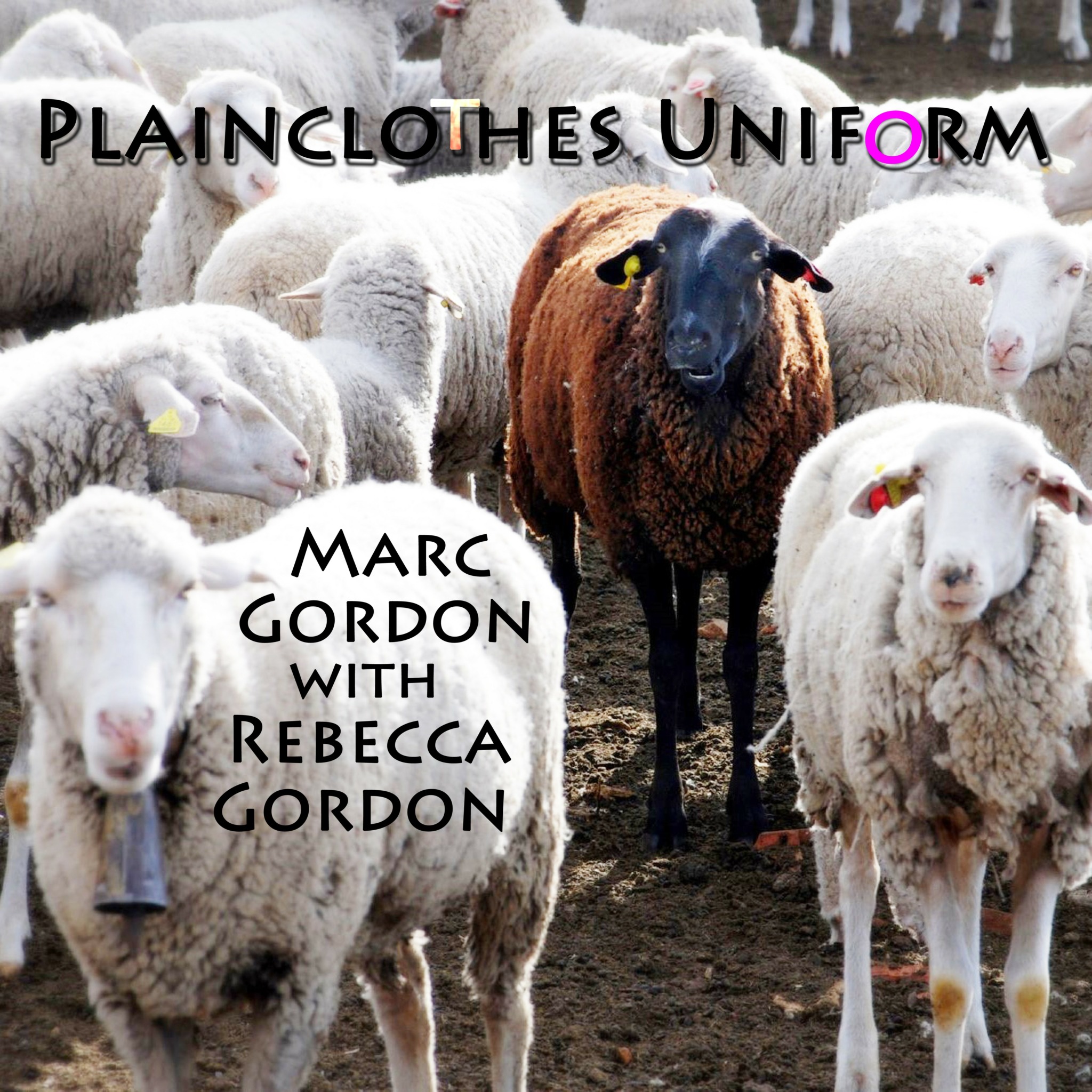
Image Credits
Suzanne Gordon, Nola Gordon, Bec Weiss-Horowitz, Jesus Solana