

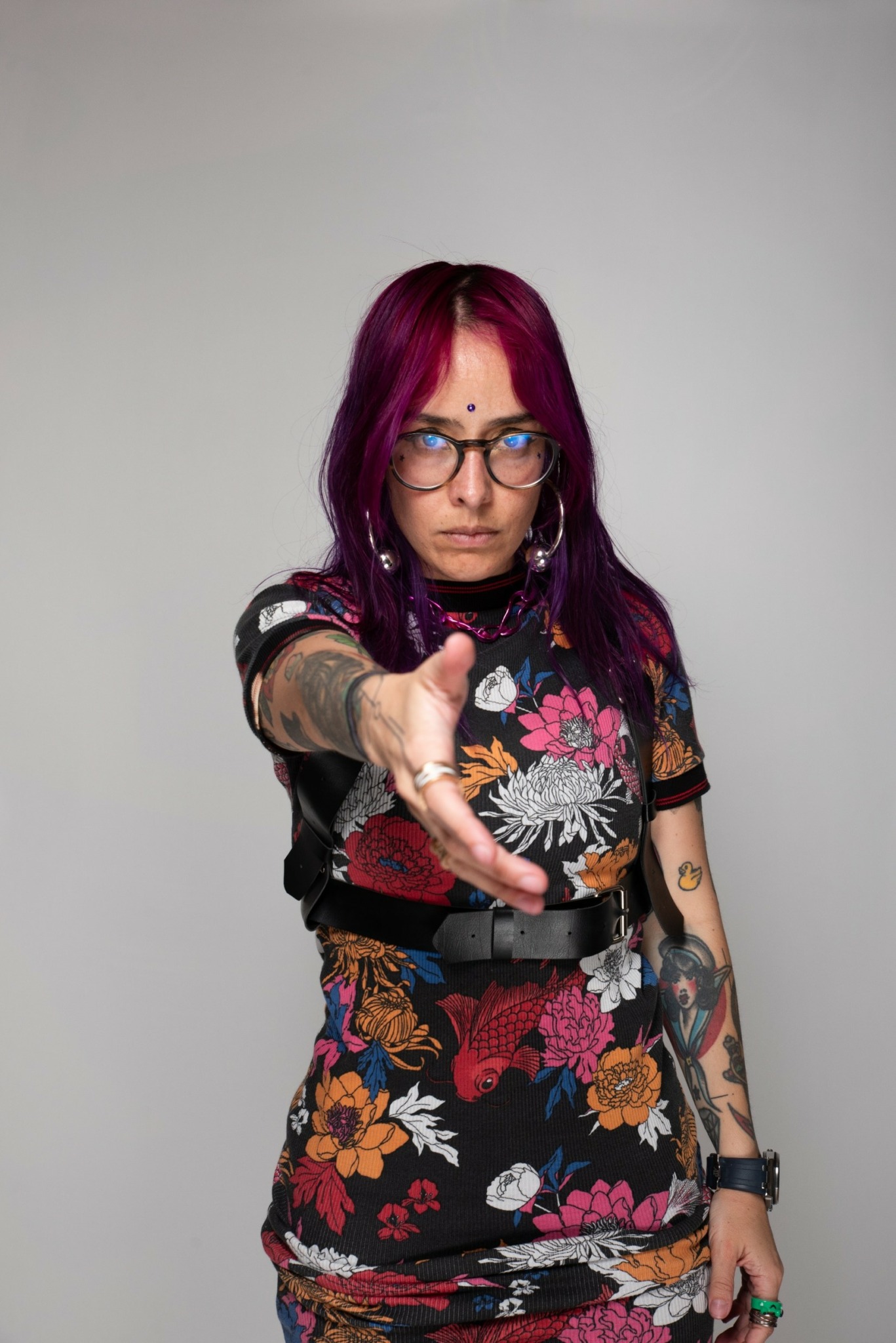

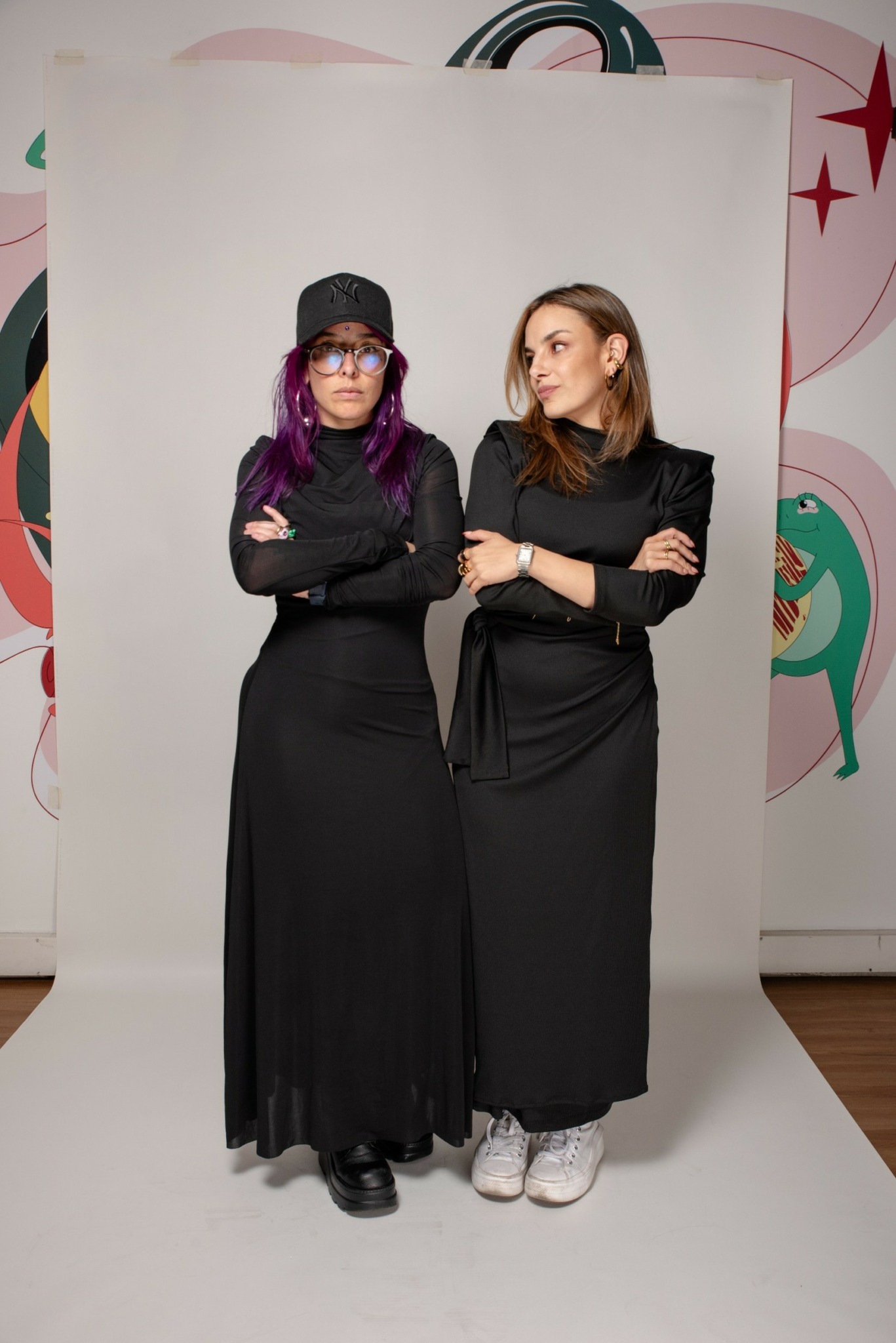
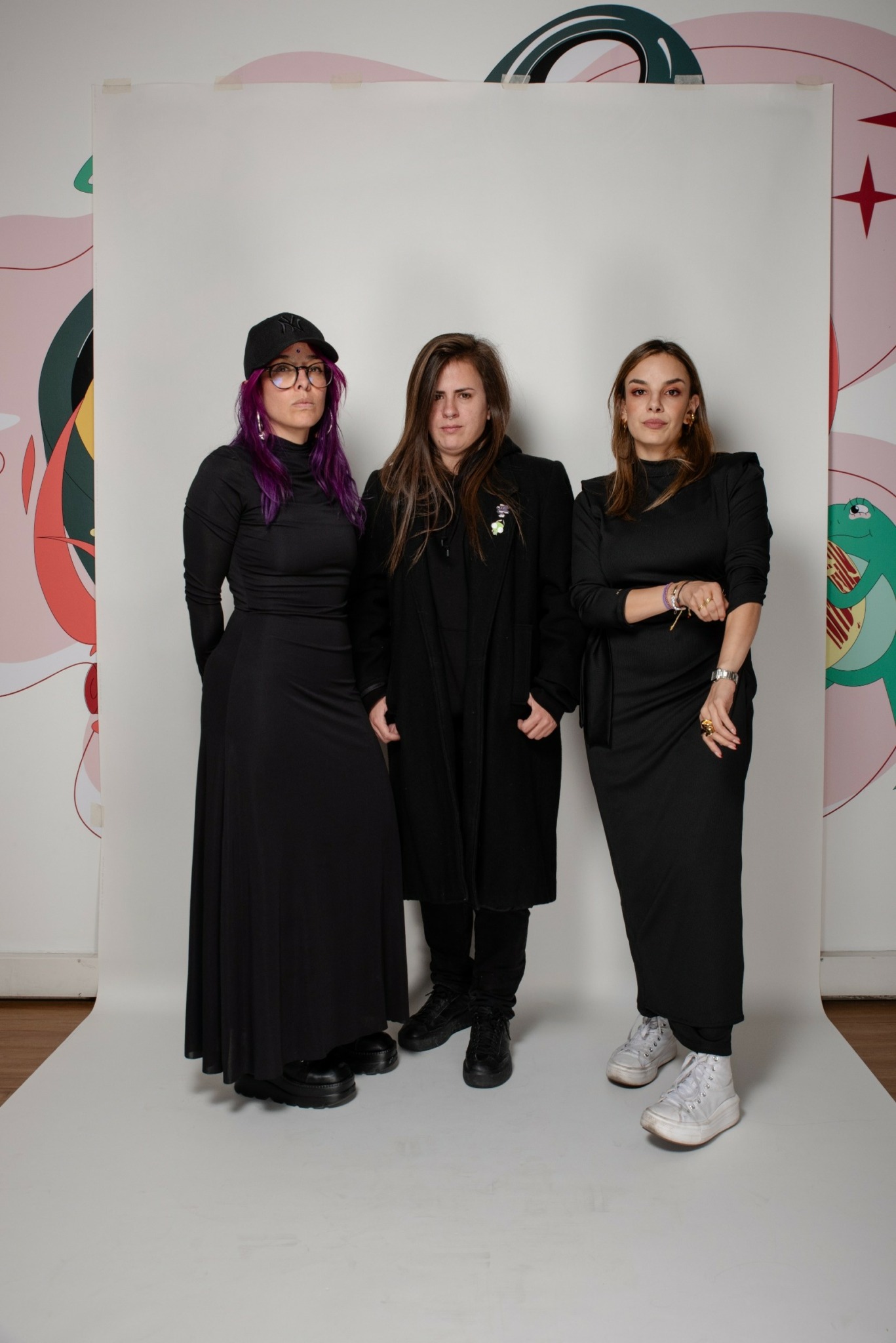
We recently connected with Manuela Villegas and have shared our conversation below.
Alright, Manuela thanks for taking the time to share your stories and insights with us today. One of the things we most admire about small businesses is their ability to diverge from the corporate/industry standard. Is there something that you or your brand do that differs from the industry standard? We’d love to hear about it as well as any stories you might have that illustrate how or why this difference matters.
What sets us apart from the rest of the industry is that we’re not a lifelong agency. What we aim to be is a transitional agency—agents of chaos, if you will.
When you think about corporate growth, the default assumption is that balance is the most important factor in shaping and sizing growth, in managing numbers, and so on. But when we look at the growth curve, it’s never continuous. It must have dips, peaks, and fluctuations.
This company was founded to challenge a bit of the Latin American context, which often emphasizes servitude, compliance, and meeting expectations. What we strive for is a methodology rooted in experimentation—knowing we’re going to fail, knowing we’re going to make mistakes. But within a short time frame, we focus on understanding those mistakes and optimizing the process from there.
What makes us different from the industry standard is this: exponential growth doesn’t come from awards, victories, or showcasing success. Our know-how is born out of failure. While many companies might share similar frameworks, their mistakes are entirely unique, and those mistakes build scientific and structural thinking in completely different ways.
So, what makes us different? We embrace failure. We love it.
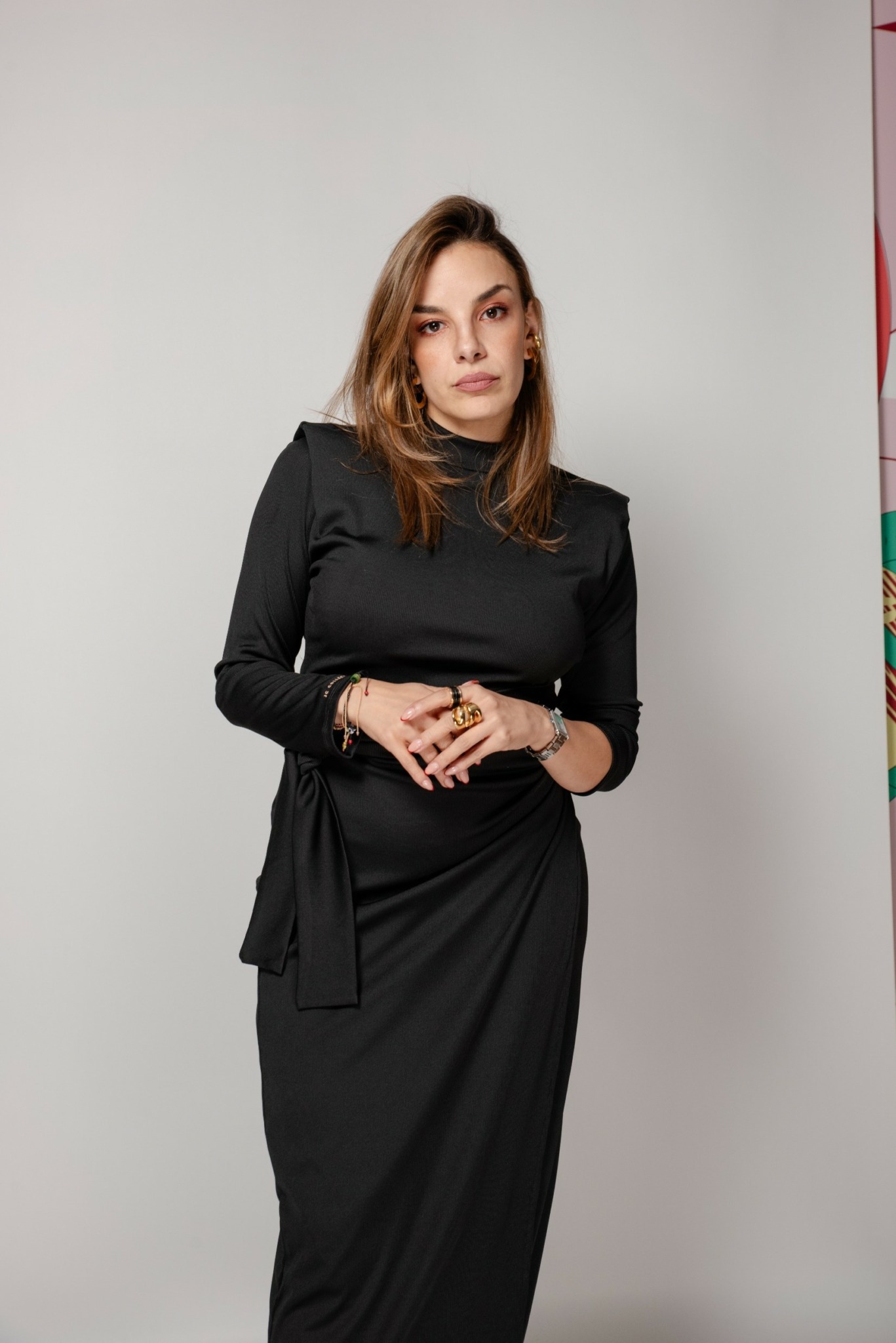

Awesome – so before we get into the rest of our questions, can you briefly introduce yourself to our readers.
Well, I’m a high-performance athlete, and what I fundamentally strive for is order and discipline in everything I do. What sets me apart is that I’m not chasing wealth, trying to become a millionaire, or pursuing any of those typical industry goals. What I seek is to find a methodology that works universally for companies while also being tailor-made for each individual, empowering them to develop it on their own.
Having an advertising agency is just an excuse to test which frameworks might be interesting for different industries. Having clients, students, and other collaborators allows me to explore the nuances within people, their work, or within broader markets—understanding where you can push, where you can’t, and how to create something impactful.
What do I want my followers, clients, and others to think of me? I want them to see an alternative: a director who is entirely different. I want to show them that with discipline, hard work, and without excess luxury, you can achieve great things. It’s about recognizing that the higher purpose goes far beyond microeconomic contexts that could hinder decision-making or leave a legacy for the world.
How did I get into the industry? I’m an advertiser. I studied for this. I’m one of those people who pursued this path intentionally. I’m both an advertiser and an anthropologist, and I’ve only worked at an advertising agency once. I didn’t stumble into this industry by accident. I knew from the start that I was either going to become a strong creative director or lead a company.
Every step of my career, every impulse, everything I do is driven by my goal. So much so that I think I love my company more than anything else. That’s why all my relationships and friendships have ended—because for me, the most important thing is work. This is what matters most to me, and as for the rest of the world, they can take it or leave it.


Can you share one of your favorite marketing or sales stories?
The story starts because I had a pretty serious illness, and I was undergoing a very strong medical treatment. Some people would say it’s impossible to work while on such treatment. While I was getting treated, I couldn’t even get out of bed because I was vomiting so much. But still, I kept managing my company and everything else.
One Wednesday, at 6:30 pm, I had been talking to this client for about a year, a year and a half, because he was a $1 million-a-month client. I had been flirting with the idea of working with him, but my energy wasn’t enough. Still, I kept pushing forward. That Wednesday at 6:30 pm, the client told me he wanted to work with me. I had just finished my treatment, and all I could do was vomit. Despite everything, I got up, called my sister, and told her: “We’re going to celebrate, no matter what. We’re celebrating.”
The first thing that came to my mind was: “Let’s get a tattoo!” So, at 7:00 pm, in Bogotá, Colombia, right after a therapy session where the hair usually falls out and I was vomiting non-stop, we headed straight to the first sketchy tattoo shop we found in downtown Bogotá. We got there and asked the three tattoo artists who were about to leave if they could give me a tattoo, but I didn’t know what I wanted. So, the three of them decided that they’d give me a tattoo in the middle of my back, and they chose the design. It’s a rockabilly tattoo—of a demon vomiting dollars in the middle of my back. It’s the most hideous tattoo I have and the most painful one of my life because I was so sick that day. The tattoo took three hours, during which I vomited, cried, cried, vomited, vomited, and vomited some more. That’s how I celebrated.
Three months later, the client went bankrupt and left me with a debt of X amount of dollars, and I ended up with this ugly tattoo and a $250,000 tax debt.
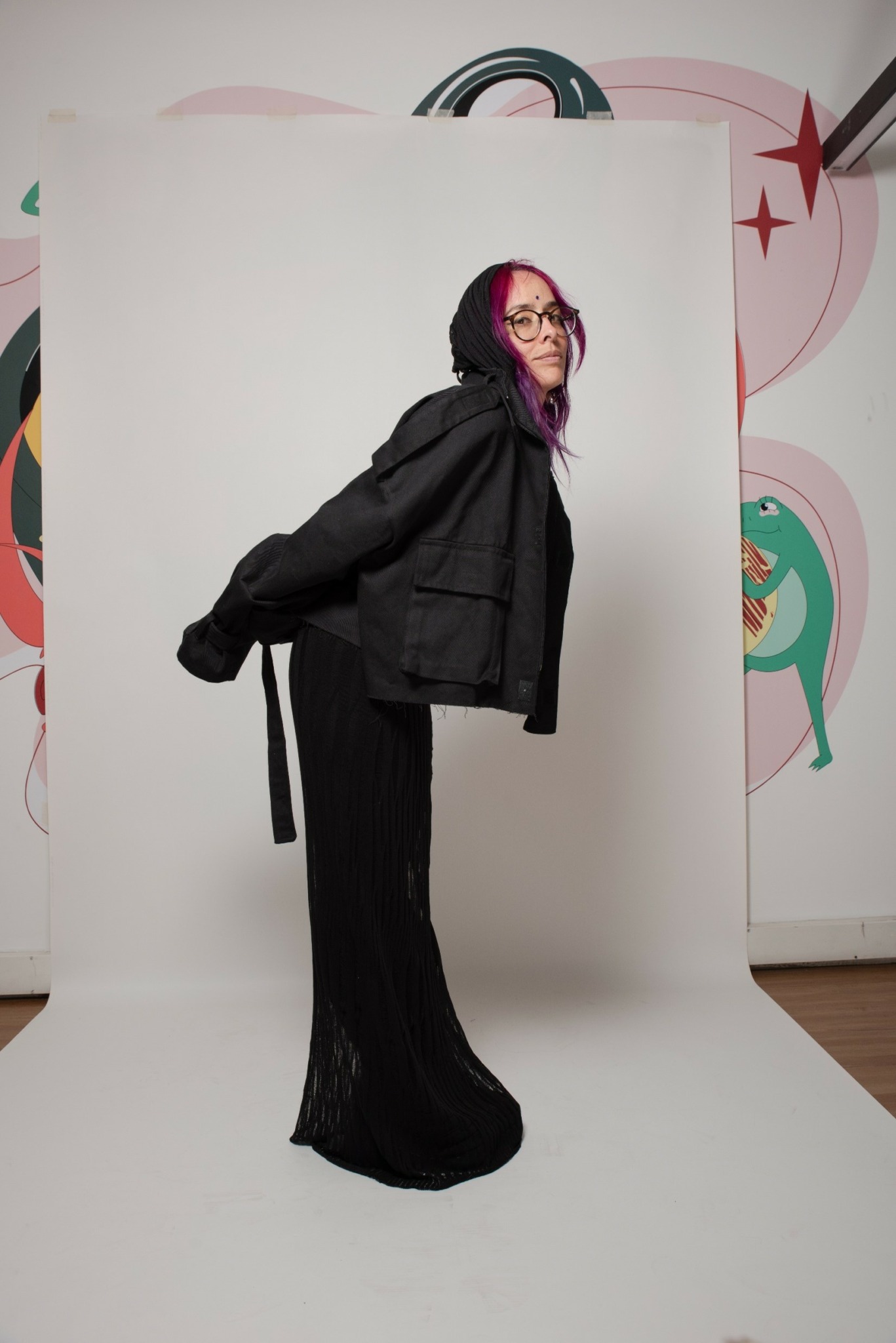
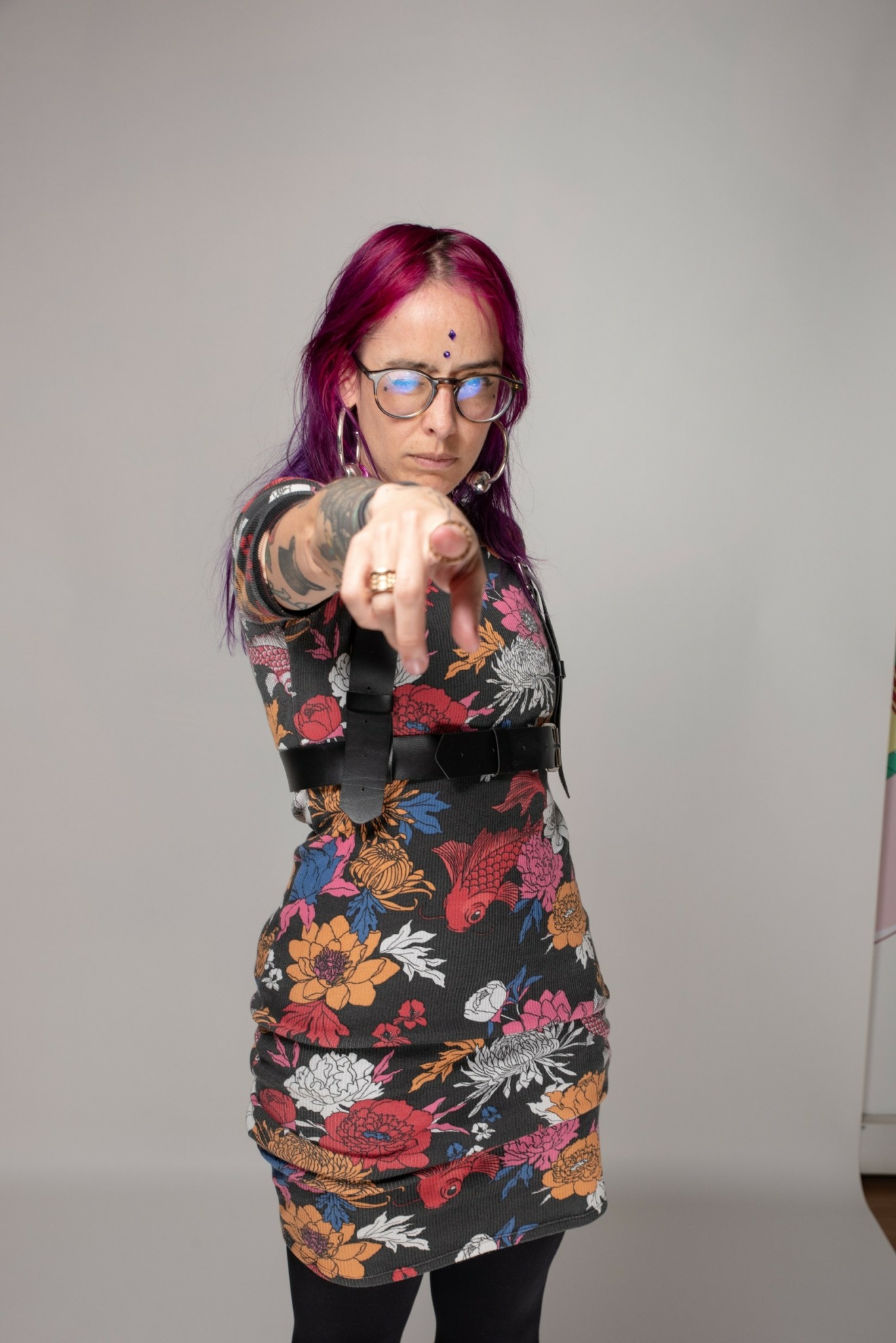
Can you tell us about what’s worked well for you in terms of growing your clientele?
The most effective strategy for growing your client base is the Personal Brand strategy. What this strategy does is create identification with your future buyer. And how do you create that identification? Well, if you feel proud of your product, that person might gain the confidence to buy from you.
If someone wants to grow their sales quickly, they should use face marketing to create a connection with their target group, starting with family and friends—those followers you already have on social media—and then scale it up to the rest of the audience. It’s like word of mouth or a well-told, structured, and methodized piece of gossip that helps you grow fast. If you combine the performance of what you want from your product with your personal life, you’re going to hit it big.
Contact Info:
- Website: https://www.yessiragency.com/
- Instagram: https://www.instagram.com/manuelavillegas/
- Facebook: https://www.facebook.com/ManuelaVillegasJ/?locale=es_LA
- Linkedin: https://www.linkedin.com/in/manuelavillegas/en?original_referer=https%3A%2F%2Fwww.google.com%2F
- Twitter: https://x.com/Manuelavillegas/
- Youtube: https://www.youtube.com/@manuelavillegas
- Other: https://www.tiktok.com/@manuelavillegasjaramillo?lang=es
Image Credits
Luis Segurola