

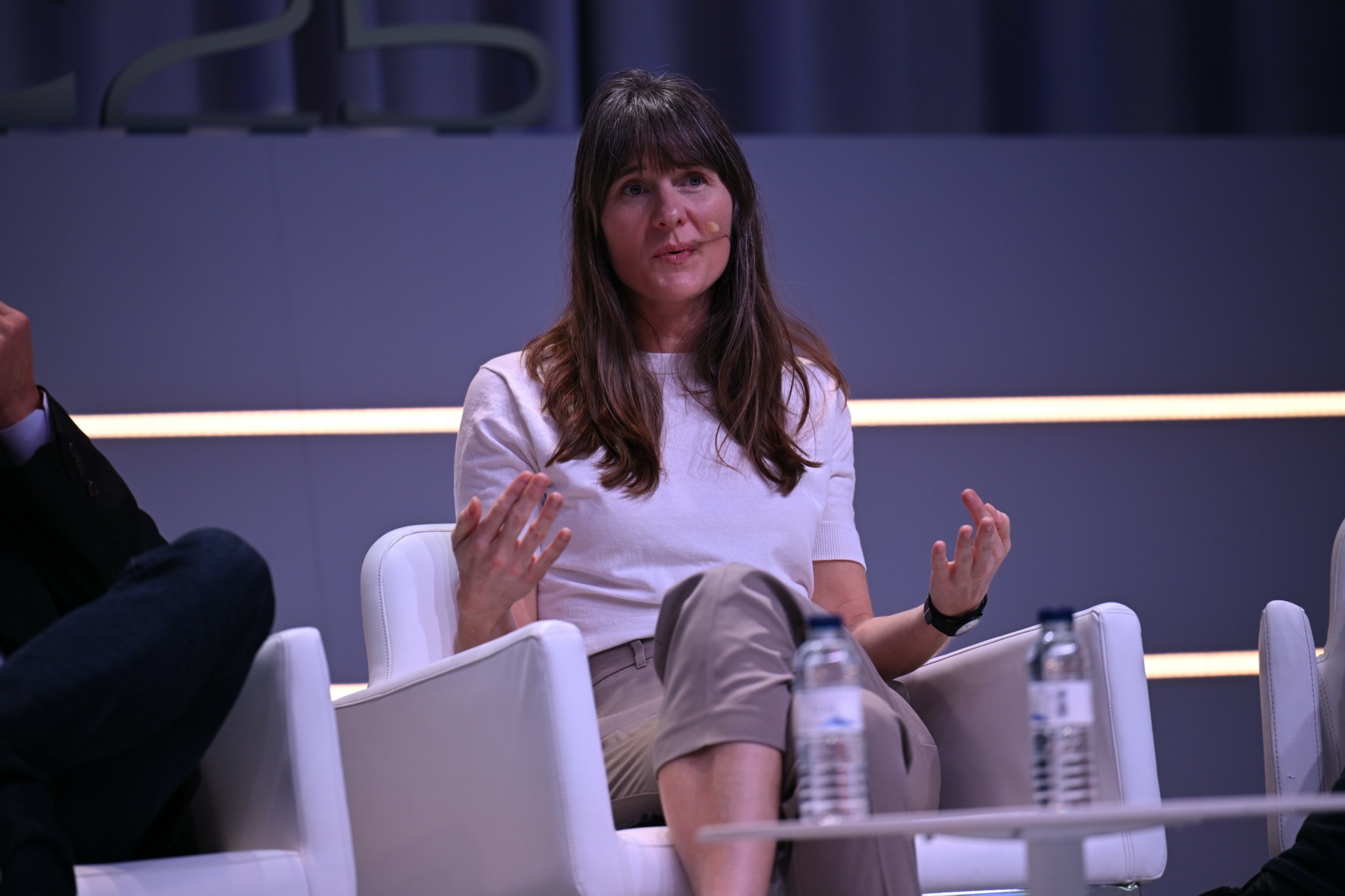

We recently connected with Mallory Knodel and have shared our conversation below.
Mallory, looking forward to hearing all of your stories today. Can you share an important lesson you learned in a prior job that’s helped you in your career afterwards?
Sitting in a makeshift office in a Brooklyn brownstone, my mentor was deep in discussion just a few feet from my desk (as he usually was!) When he hung up, he gave me some great advice, which for me was during a tumultuous time. We were organizing a two-year movement action that would bring 18,000 activists to Detroit, Michigan. I was working as the International Outreach Coordinator for May First/People Link, a small website and email hosting provider in Brooklyn. Almost all of their clients– called “members”– are nonprofits and grassroots organizations in Mexico and the US. It’s a challenge to build a movement because you have to create the largest possible tent under which the most passionate and motivated and marginalized groups and people come together to figure out how to work towards a common goal. The advice was this: “You will be working with the same people your entire career, so build relationships.” As a young activist, all I could see was the task in front of me. And sometimes whatever or whoever was in my way of getting the work done. But my mentor, Alfredo Lopez, was showing me the long view. That person he’d been talking to on the phone was someone he considered an adversary 40 years ago but who today was an ally. That showed me that as a movement our disagreements usually stem from constraints. Those constraints are temporary. If we can wait out the struggle, which is often times as difficult internally than externally, we can build something durable in the long term. So while I”ve had a lot of difficult meetings, conversations, projects or whole years of work– I’ve always considered my fellow activists people who I will still be working with decades from now. It’s an approach that leads to inclusivity and authenticity. And I believe it’s crucial to being in struggle _with_ people, rather than against them.
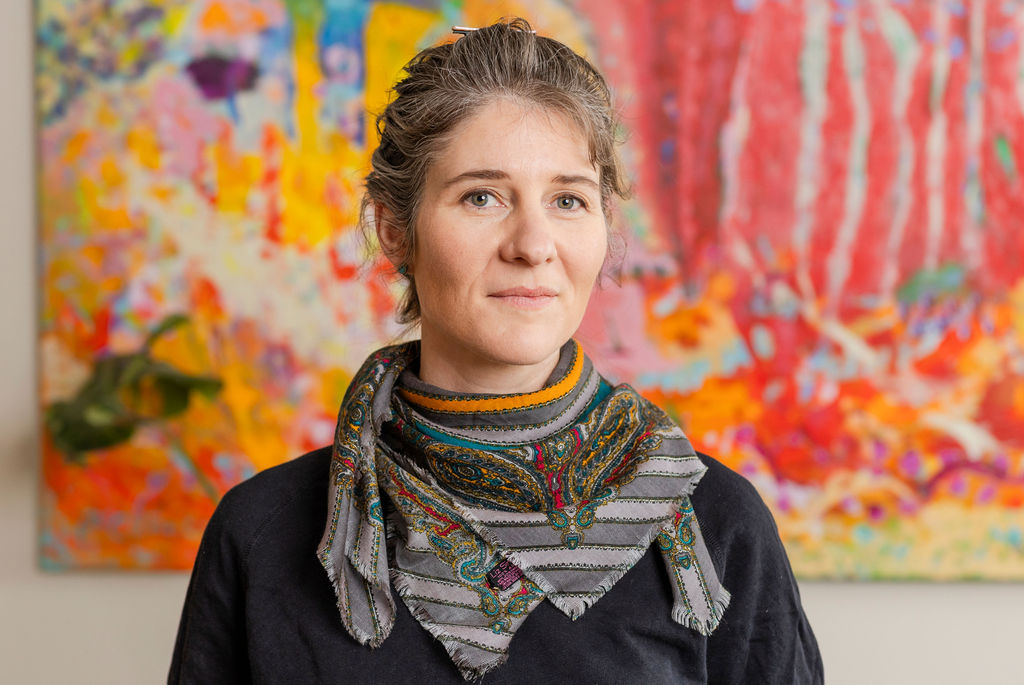
Great, appreciate you sharing that with us. Before we ask you to share more of your insights, can you take a moment to introduce yourself and how you got to where you are today to our readers.
I’m an activist and a technologist who has spent my career working at the intersection of internet governance and human. I came to the field of “tech and society” through social justice, but my training is in the sciences– physics, math, computers. My work is rooted in feminist politics because I believe it’s the best analysis for how digital systems shape power: who gets heard, who gets silenced, who gets protected, and who gets exposed. Feminism defines strategy, too, so I’ve been building safe-space alternatives and pushing to change the status quo.
The global issues at the forefront in tech and society are privacy and surveillance, censorship, digital authoritarianism and the political economy. Social and cultural rights, too, are so important to consider in the digital age.
One tactic that has been effective is to work both inside and outside global technical standards bodies. The “technical community” of internet governance are places where the future of technology quietly gets negotiated through the design of protocols for the internet and emerging technology like AI.
At the same time I am deeply committed to the belief that communities should own and operate their own technology. Feminist tech teaches us that autonomy and care begin with controlling the infrastructure that shapes our lives.
Combining these two tactics into an overall strategy to influence the design, development and deployment of tech is what led me to create Exchange Point (EXP). It’s a feminist tech initiative that blends direct engagement, research, storytelling, and movement strategy to ensure human rights are enabled by tech. We produce the weekly Internet Exchange newsletter, run workshops and consultations with communities around the world, and support networks of technologists, advocates, and policymakers who are pushing back against censorship, surveillance, and digital authoritarianism. EXP isn’t a startup in the Silicon Valley sense — it’s more like an infrastructure project for the movement ecosystem. We help people make sense of the forces shaping the internet and give them the tools, tactics, and insider knowledge to intervene with their expertise and competency in what can be pretty arcane technocractic spaces.
What sets my work apart is that I treat technology as something deeply social and political. I’m as comfortable debugging a protocol issue as I am speaking at the UN Human Rights Council. I think movements need technologists who understand power, and tech spaces need organizers who understand systems — and I try to be a bridge between those worlds.
I’m most proud of the communities I’ve helped bring together: activists, engineers, diplomats, researchers, artists — people who might never otherwise be in the same room, but who share a commitment to building a more feminist, open, and inclusive digital future. If people take one thing away from my work, I hope it’s that tech is not a foregone conclusion. It’s something we all have a hand in shaping, and there’s room for everyone in that effort.

How did you build your audience on social media?
I didn’t build an audience in the traditional “influencer” sense — I built a community with the principles of “tech and society” embedded in our approach. I wanted to walk the talk. I’ve spent over a decade working in global technical standards, like the IETF and W3C, where we’re creating interoperable, user-controlled specifications to counter corporate enclosure. So when I started the Internet Exchange (IX) newsletter we saw ourselves as a proof of concept– open, accessible, portable and not locked into a single platform.
IX grew through the intersections of movements I’m already part of — people working on human rights, feminist tech, encryption, internet governance, and community infrastructure. Instead of “posting for growth,” I shared what I was actually thinking about: how power flows through networks, what’s happening in standards bodies, why feminist analysis is essential for tech, and where the internet is drifting politically and culturally. That honesty and analysis resonated, and people began sharing it organically across the platforms using open social web standards– Mastodon, Ghost, Bluesky, Threads.
Still nascent, the interoperability of the open social web means our audience can follow us anywhere, and communities can gather around ideas instead of algorithms. Building IX this way has made the community more stable, more intentional, and much more interesting. It’s also given us a crucial leg up in standards development: we are “implementers”. This is like being an early adopter– the platforms and protocol designers (sometimes we are the protocol designers) take our advice because we are actually using the tech and working to smooth out the rough edges of interoperability across many heterogeneous online spaces.
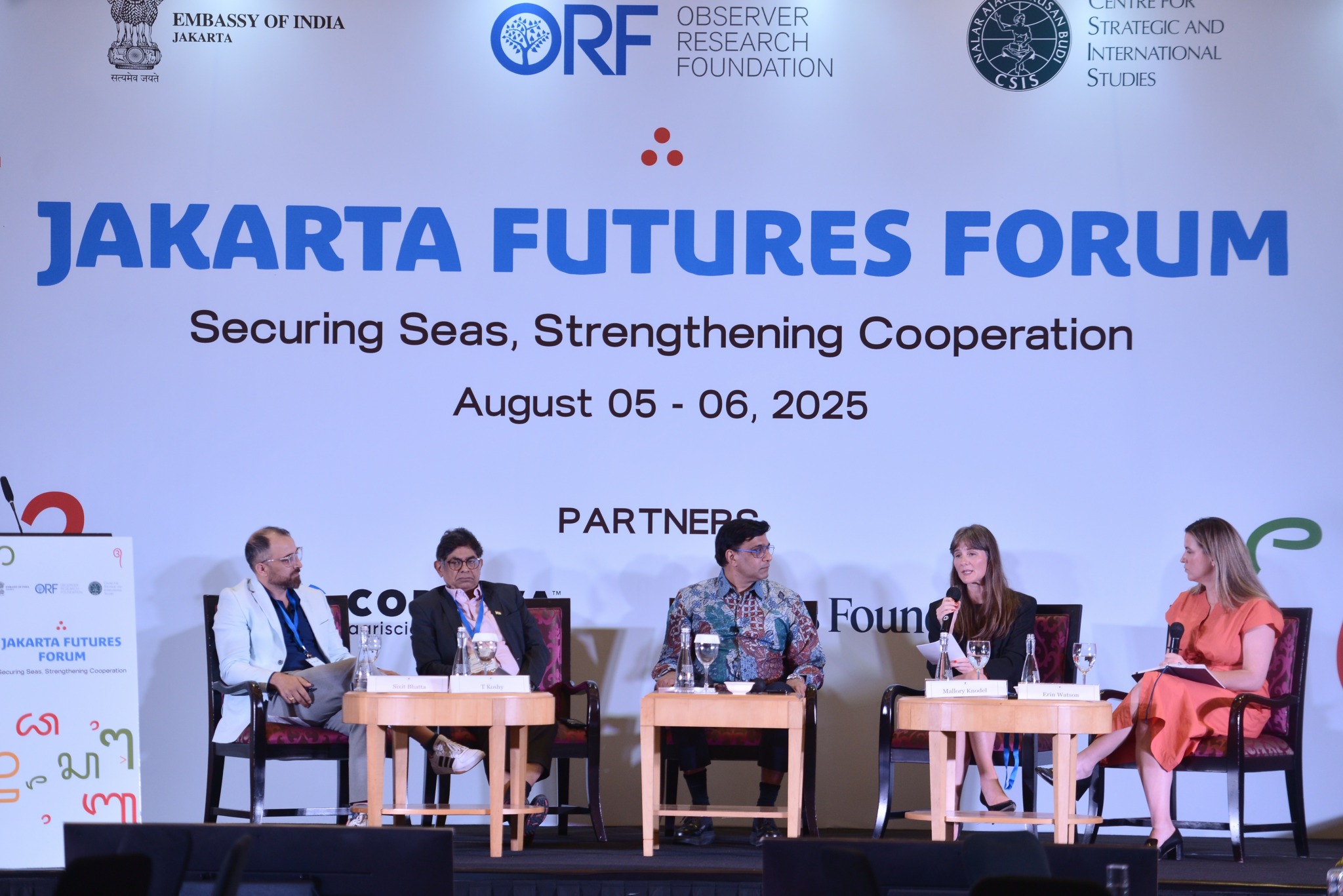
For you, what’s the most rewarding aspect of being a creative?
For me, the most rewarding part of being a creative isn’t the technology itself — it’s the why behind it. I spend a lot of my time in technical spaces that can feel abstract or hyper-specialized, full of jargon and governance models and protocol debates. But underneath all of that is a very human question: for what? Why build movements, why build technology, why build infrastructure? The answer, for me, is joy.
I think of creativity as a way of reclaiming possibility. Whether I’m writing the Internet Exchange newsletter, designing a workshop, or organizing across communities, the creative act is always about making space for people to feel connected, curious, and capable. Tech alone won’t save us — but the social and cultural worlds we build around it can. And those worlds can be joyful, subversive, communal, and alive.
The most rewarding part of my work is when someone tells me that something I wrote or built helped them see the internet — or themselves — differently. That’s the spark. Movements aren’t built on fear or urgency alone; they’re built on the moments when people feel invited into something larger than themselves, something rooted in care, solidarity, and imagination.
So while my tools might look technical, my motivations are entirely human: to create places where people feel possibility again. That’s the joy. That’s the point.
Contact Info:
- Website: https://internet.exchangepoint.tech
- Linkedin: https://linkedin.com/in/internetexchange
- Youtube: https://youtube.com/@cybermallory
- Other: https://techpolicy.social/@mallory
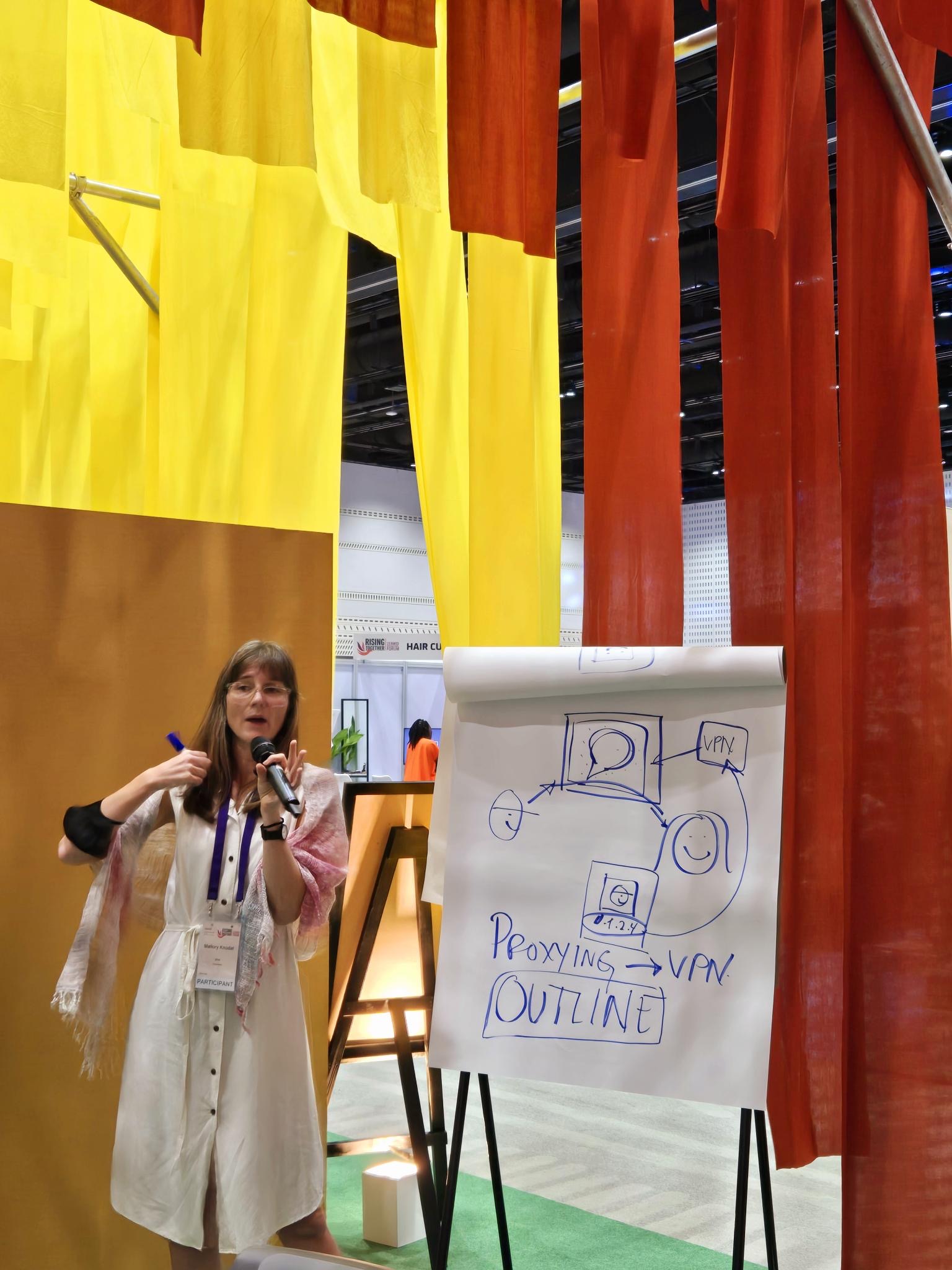
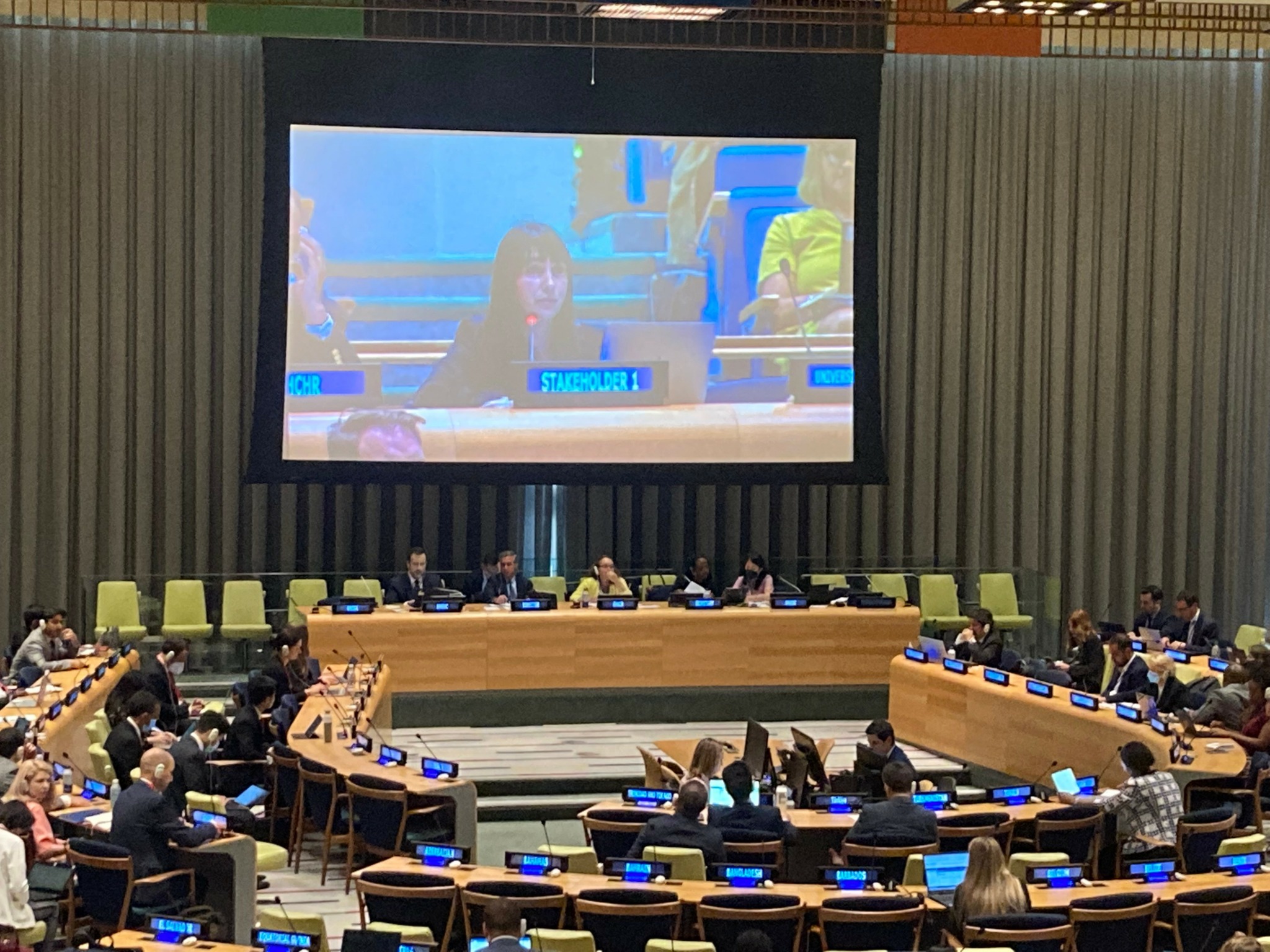
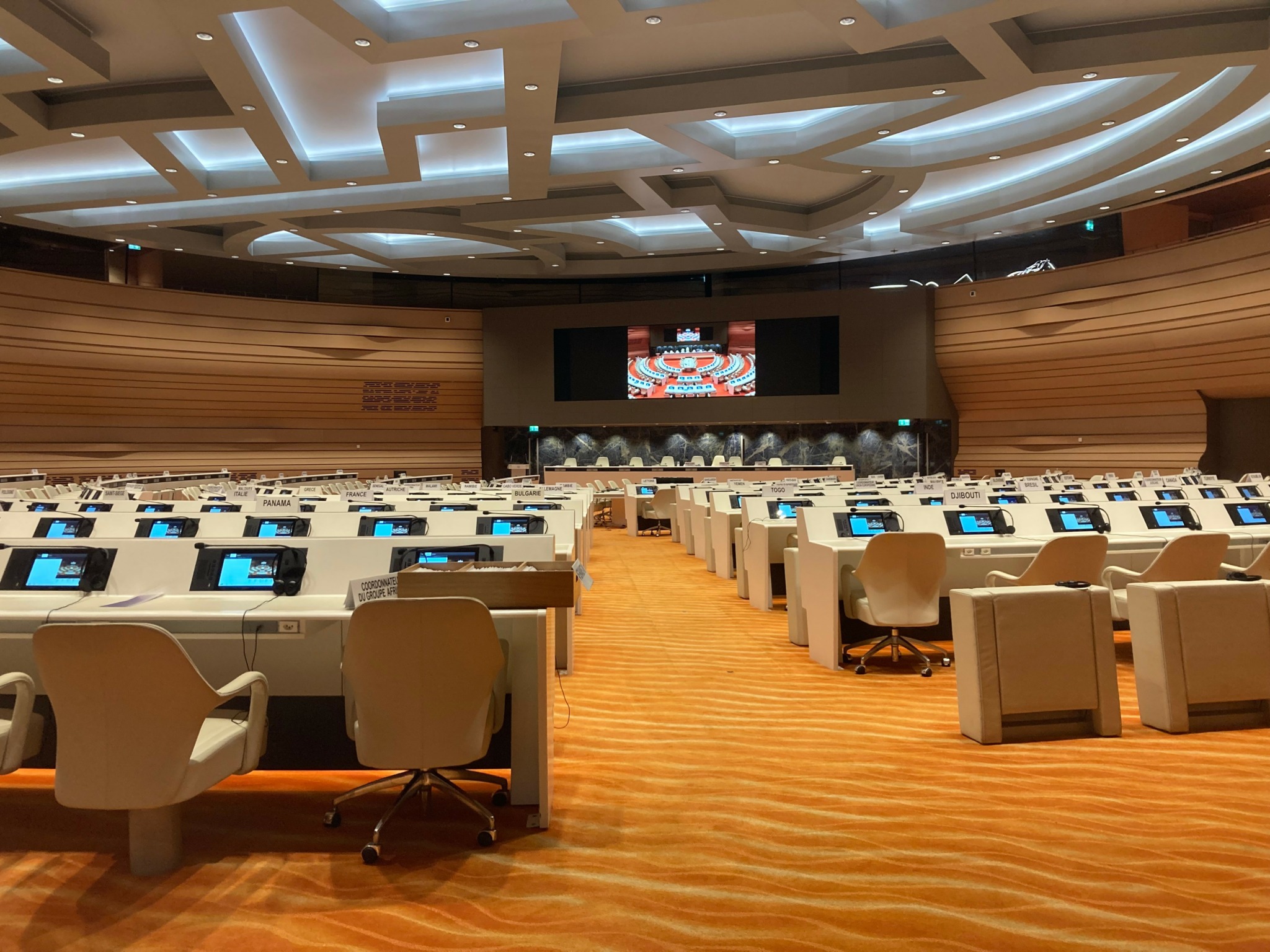
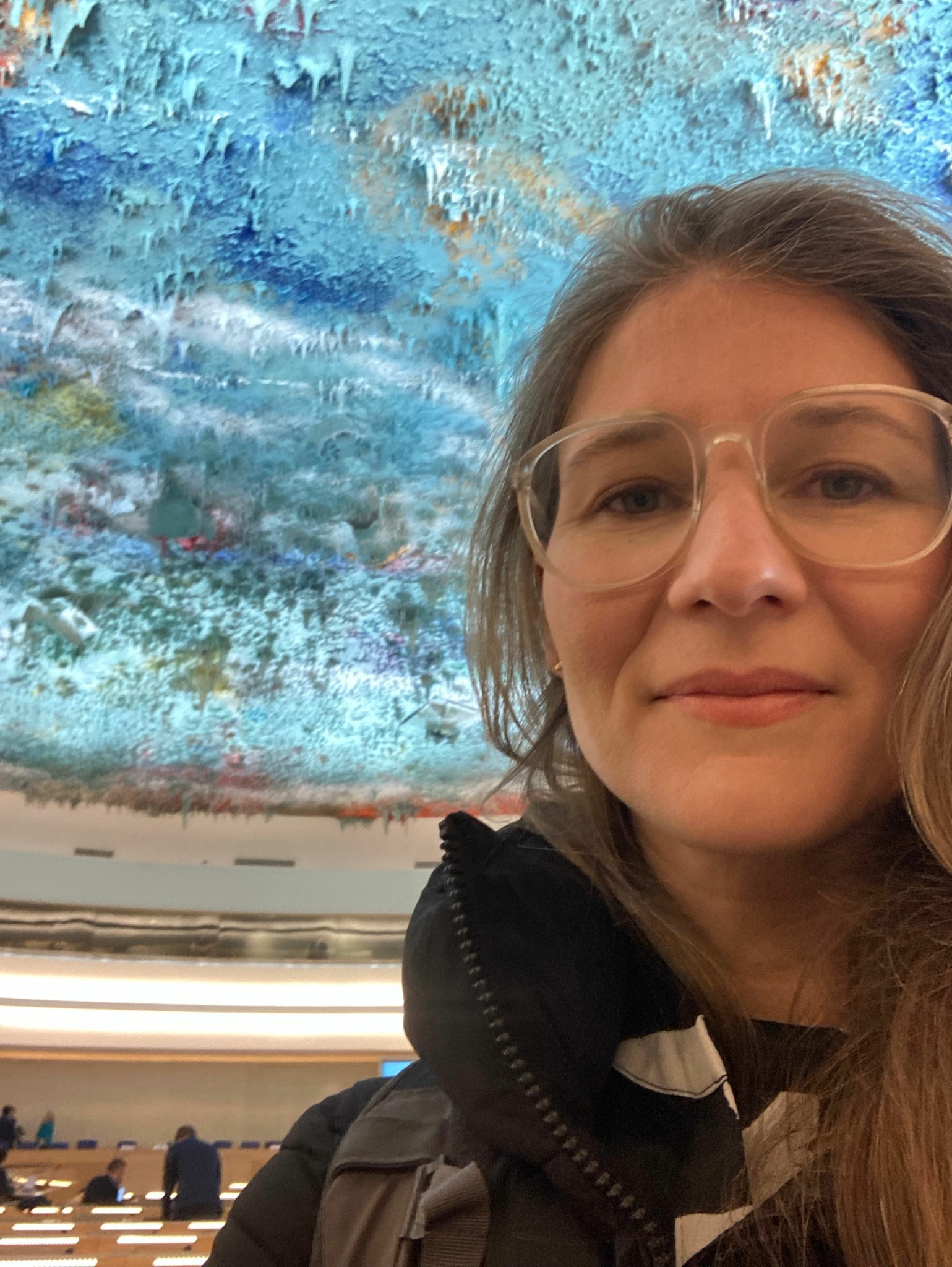
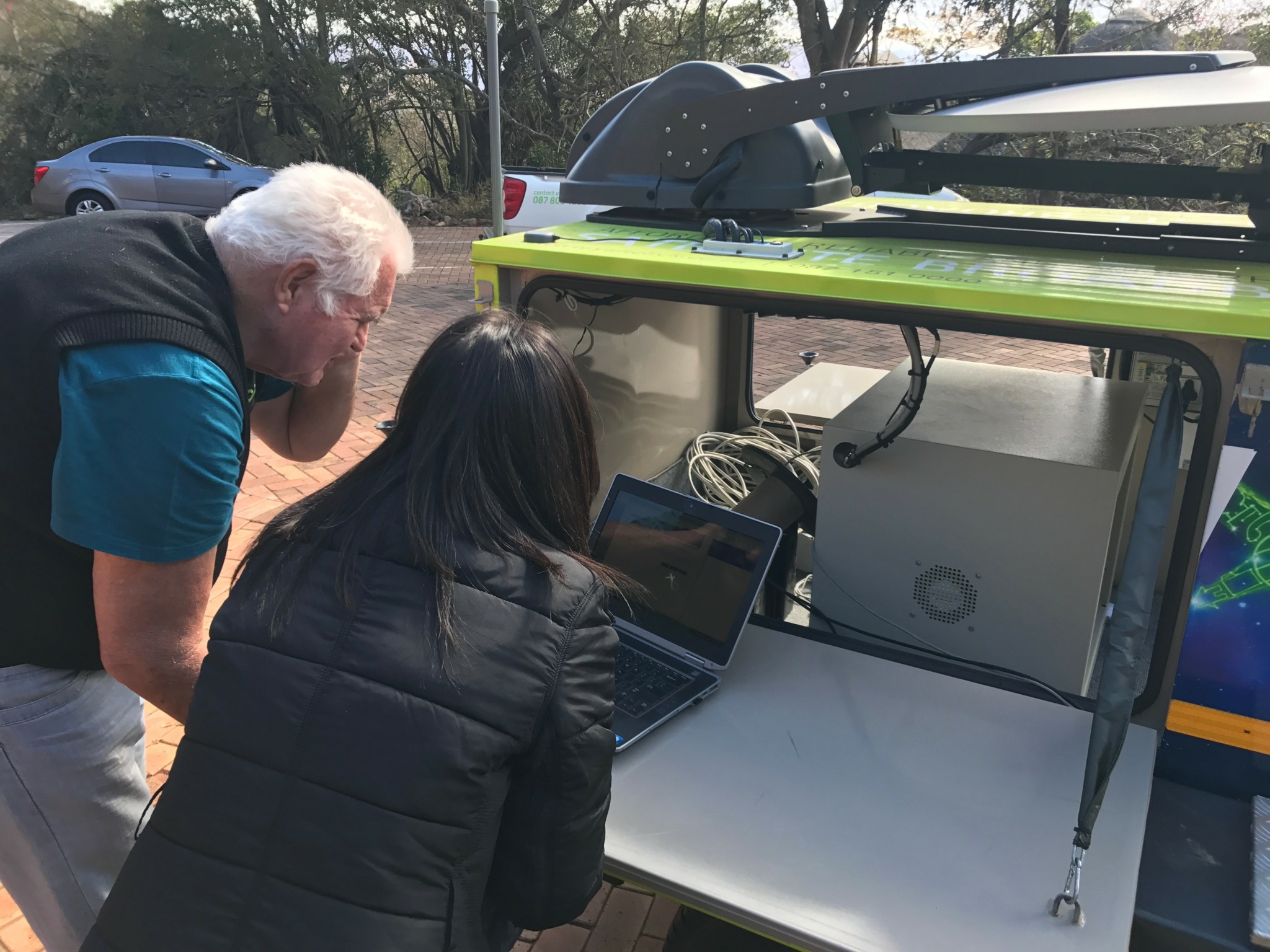
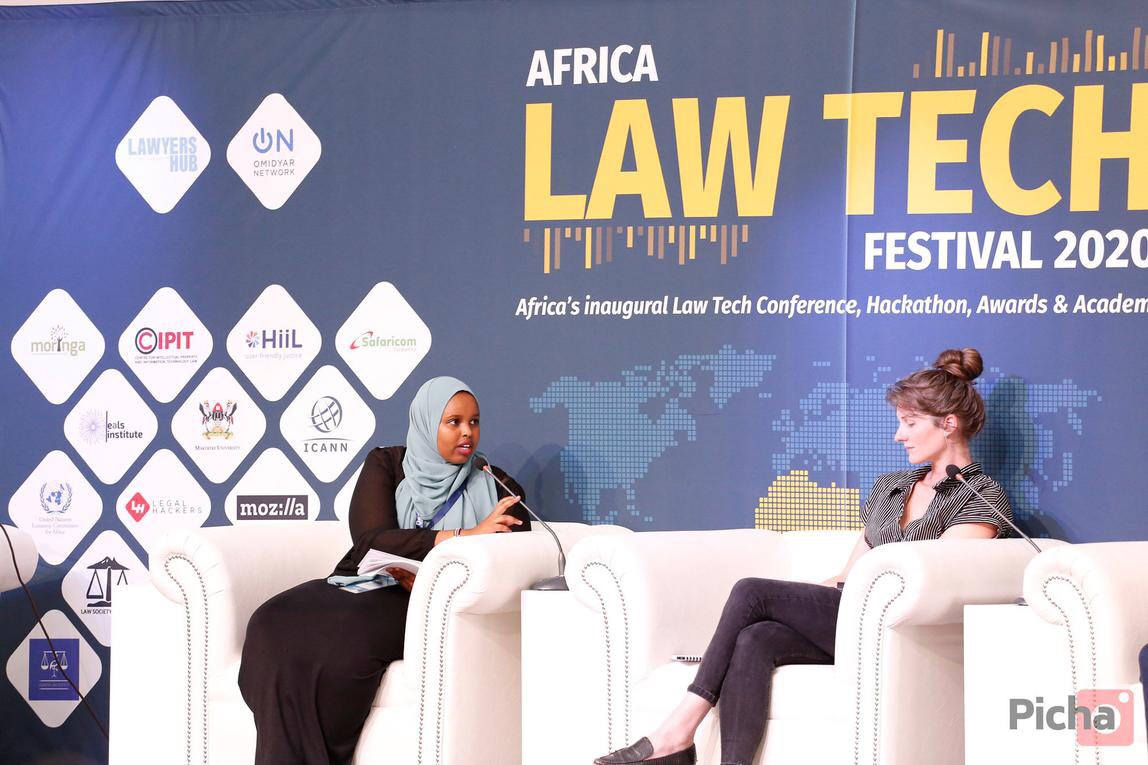
Image Credits
Mallory Knodel (all photos are mine)