



We’re excited to introduce you to the always interesting and insightful Makena Metz. We hope you’ll enjoy our conversation with Makena below.
Hi Makena, thanks for joining us today. Before we get into specifics, let’s talk about success more generally. What do you think it takes to be successful?
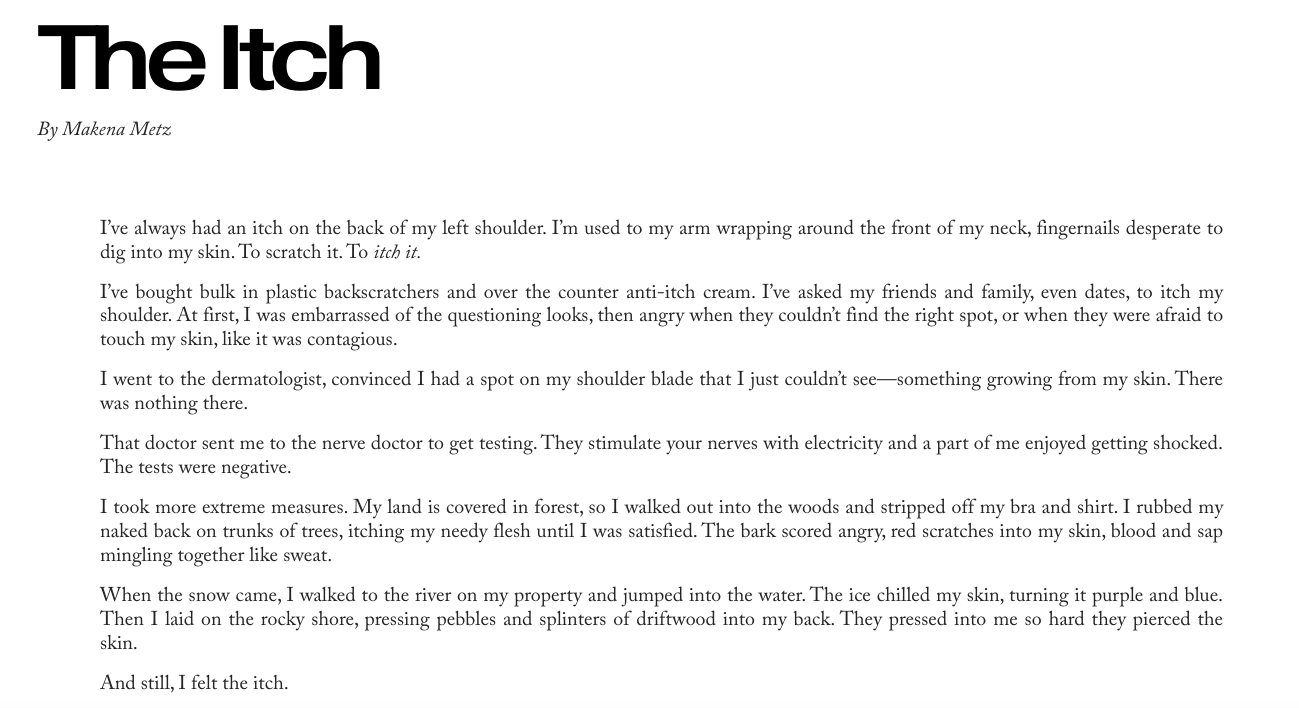
First before I answer this question, let’s define success. There’s creative success, financial success, even emotional success. As a writer, I like to define success as “consistently working.” Whether or not I’m getting paid to do that work is a moot point – for me, success is outlining a pilot, submitting my poetry, polishing a song demo, or editing a short story that’s getting published. If the short story was not getting published, editing it would still be success.
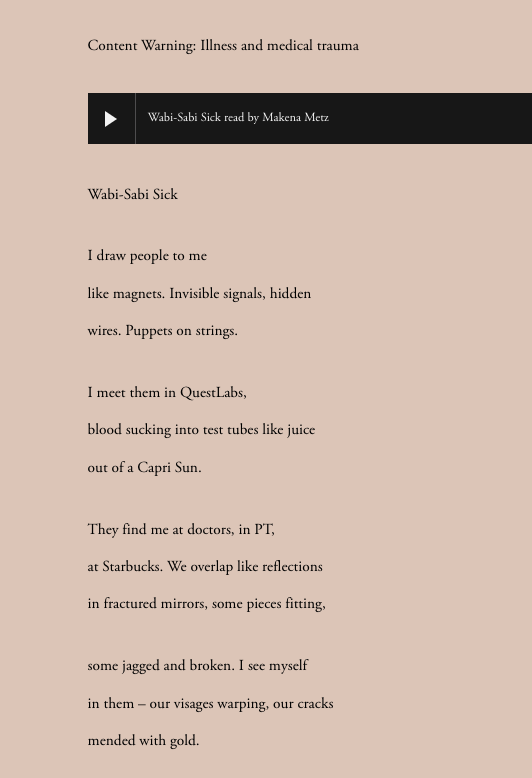
At the end of the day, success is about reframing what is important to you. Society can say success is making money or going viral, but that’s because we live in a product based society where our value is equated to our output. As someone who has chronic fatigue and pain, I had to learn how to reframe my mindset so that my value is equated to my happiness.
A lot of writers are told to “write every day.” It hones the writing muscles and trains you to make good habits so that eventually, you have a finished product. But I prefer the mindset that writers are more than our product. We deserve to have great mental health with our writing practice – so does everyone, no matter what they do. So I like to think of writing as “writing consistently,” which is less ableist than its predecessor anyway. For writers to write consistently, they need to reframe what success looks like. Here’s a few tips for writing successfully:
– Write when you want to write, but write consistently. Make it a habit, but take breaks when you need to.
– Define success for yourself. Is this, 1 word? 1 sentence? 1 chapter at 2k words? Figure out what counts as a “win” for your writing- and celebrate it!
– Do things other than writing! I cannot stress this enough. You need to have hobbies and a life outside of writing, because those experiences are going to inform your work. But also, have fun, because your writing success depends on your emotional state – so if you don’t feed yourself positive experiences, you’re not going to be in a place where you can write.
I developed this view on success by facing many, many rejections. In fact, I have a whole email folder full of them. So by defining my own successes, I take the power away from rejection, and take control of my own emotions to create a better writing/life balance.
Awesome – so before we get into the rest of our questions, can you briefly introduce yourself to our readers.
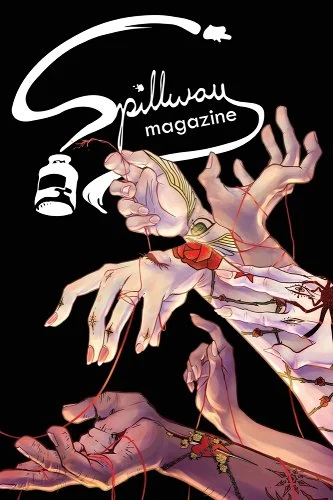
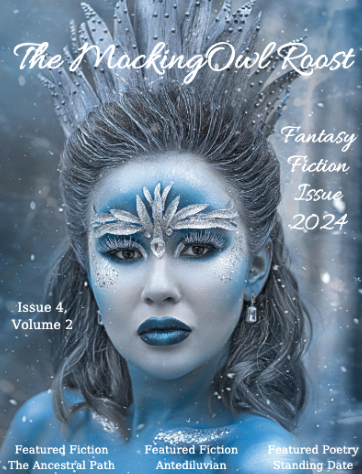
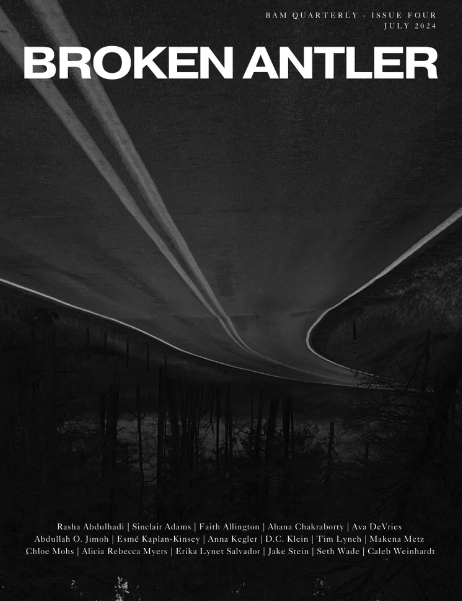
I got into writing through theatre. I was in college for theatre direction and playwriting, but after my Freshman year of college I got sick, and I fell deep into the playwriting hole. Writing plays led me to musical theatre, which led me back to music and songs. It also led me to screenwriting, which led me to writing novels, which led me to writing short stories, poetry, and flash fiction. Through writing, I’ve also learned I have a love for teaching and editing, so now I teach and do freelance coverage and editing.
With writing, I specialize in speculative fiction – so sci-fi, fantasy, and magical realism. I also write really raunchy comedy in the real world (gives me a sometimes needed break from spec fic). I love to write about misfits, weirdos, nerds, and outcasts and love stories about found family, intersectional identities, and people who learn to step into their own power.
As a teacher, I teach writing, sometimes through the lens of fairy tales, adaptation, or even shorts. I recently led a circle for Women in Animation on collaboration and risk taking – I love developing classes that I’ve never taught before. I’d also love to teach an “artists toolkit” class one day, that covers everything an artist might need in their “toolkit” to survive.
As an editor, I do coverage on screenplays and pilots, and offer developmental and copy editing services. I really enjoy getting into the meat of a novel and helping people restructure them and learn more about their characters. As an editor, my main goal is bringing out the author’s vision and clarifying their goals (both bigger picture and on the page). I also know how it feels to be on the other side of the table, so as an artist myself, my experiences and craft give me direction as an editor.
With my services, I am most proud of my brand of kindness, collaboration, and learning. I love teaching people – and I think the mantra “lift while you climb” is extremely important to artists. When working with clients, I always put away my ego and focus on how to make the final product the best it can be.
People can find out more about my pricing at makenametz.com
Is there something you think non-creatives will struggle to understand about your journey as a creative?
There’s a myth in our culture called, “The Starving Artist.” This myth has become so intertwined with the rhetoric surrounding the arts that sometimes it’s hard to see past it. I encourage non-creatives, when they state that all artists must be starving, to consider where your favorite TV show came from. Your favorite music. Your favorite book, or outfit, or decal for your car.
Yes, having a creative career is hard, no doubt about it. All my screenwriter friends have been impacted for the last year, and I keep hearing how longtime writers are leaving the entertainment industry all together. But for many of us, being creative isn’t a choice. For me, there’s not much else I would want to do. Being creative is a part of who I am- it is sometimes challenging to be a writer, but it also makes me extremely happy and self-satisfied. Even if I wasn’t making money (which most days I am not), I would write for myself, if no one else.
For writers, most of us HAVE to write. For me, I write to exhume the overwhemling voices in my mind, to process emotions or conflicts, or to simply have fun. Even if I was stranded on a desert island, I would probably still write.
So yes, sometimes we are “starving artists.” Any creative industry tends to fall in the trend of feast or famine. But artists are so much more than what we make. For me, writing is a calling bigger than financial success. And that’s what I wish non-creatives would understand. Maybe the NEA (for one) would fund more work if they realized it isn’t necessarily about the money. It’s about your work being supported in any way. shape, or form. It’s about putting your work out into the world. It’s about building community – both with artists and the consumers of your art. And having that kind of support? Well, that’s life changing.
Any resources you can share with us that might be helpful to other creatives?
I love books! One of the best ways to learn craft is by reading things in that medium. But here are some amazing print books on craft, plus additional resources, that I love for writers.
TV/FILM:
– Save the Cat by Blake Snyder
– Story by Robert Mckee
– Story Genius by Lisa Cron
– Alternative Scriptwriting: Contemporary Storytelling for the Screen by By Ken Dancyger, Jessie Keyt, and Jeff Rush
PROSE:
– Save the Cat Writes a Novel by Jessica Brody
– The Emotion Thesaurus series by Angela Ackerman and Becca Puglisi
– Steal like an Artist by Austin Kleon
MUSICAL THEATRE/SONGWRITING:
– The Making of a Musical by Lehman Engel
– The Secret Life of the American Musical by Jack Viertel
– The Complete Rhyming Dictionary by Clement Wood
– Writing Better Lyrics by Pat Pattison
POETRY:
– The Sounds of Poetry by Robert Pinsky
– The Poet’s Companion by by Kim Addonizio and Dorianne Laux
There are many amazing websites that can help you submit your work! I wish I’d known about these when I was younger:
TV/FILM
– Coverfly
– The Black List
– International Screenwriters’ Association
– The Creators Society
– Women in Animation (WIA)
– Women in Media (WIM)
– Women in Film (WIF)
THEATRE
– The Dramatists Guild (DGA)
– Maestra Music
– The Playwright Binge
– NYCplaywrights.org
PROSE & POETRY
– Chillsubs.com
– Association of Writers and Writing Programs (AWP)
– Poets.org
MUSIC
– ASCAP
– BMI
– The Alliance for Women Film Composers (AWFC)
– The Society of Composers and Lyricists (the SCL)
Contact Info:
- Website: https://www.makenametz.com/
- Instagram: https://www.instagram.com/makenametz/
- Facebook: https://www.facebook.com/MakenaMetzWrites/
- Linkedin: https://www.linkedin.com/in/makena-metz/
- Twitter: https://twitter.com/MakenaMetz
- Other: https://www.imdb.com/name/nm13933165/?ref_=fn_al_nm_1
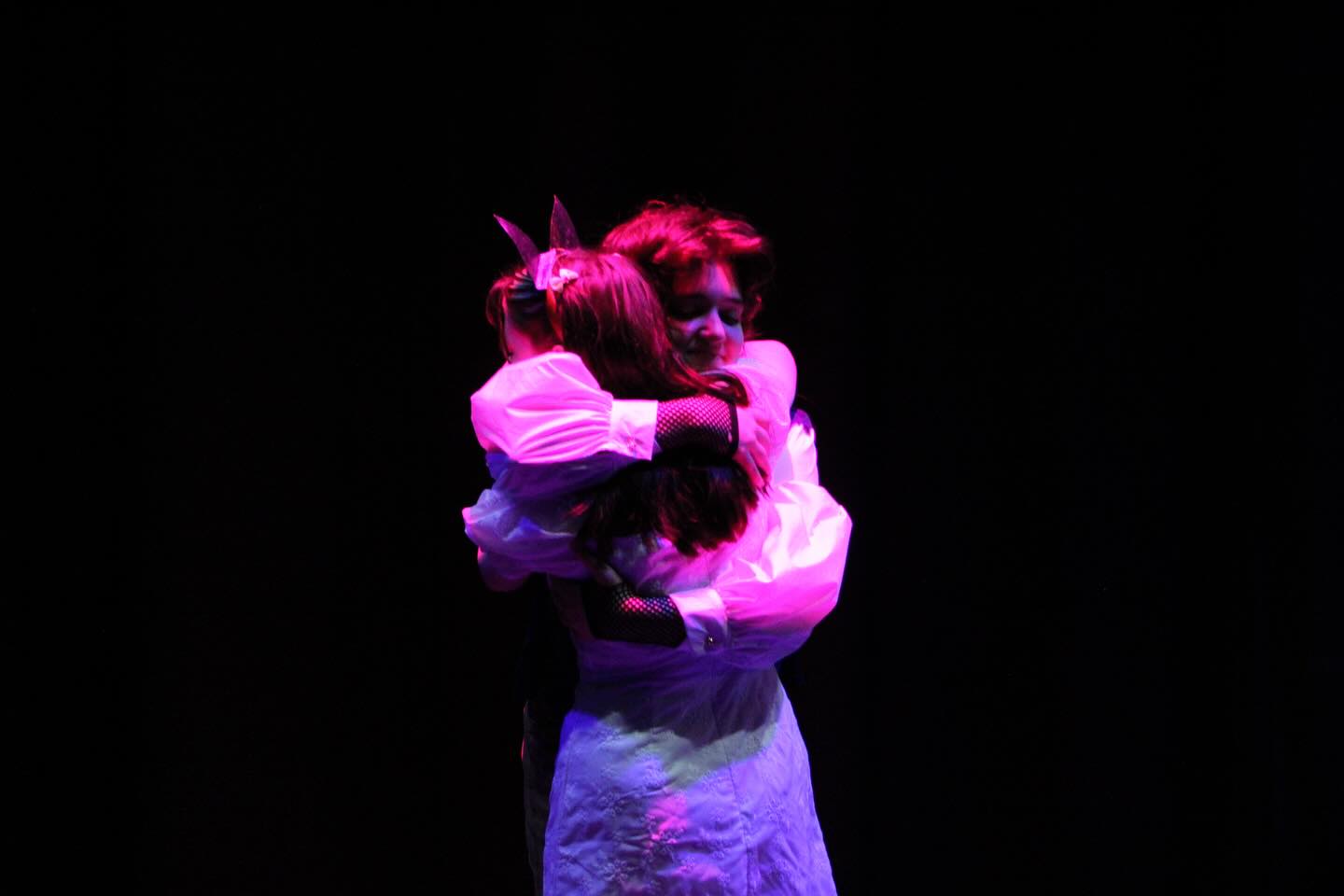
Image Credits
Huebner Headshots
The Johnny Mercer Foundation Songwriting Intensive
Giant Wolf Theatre Company