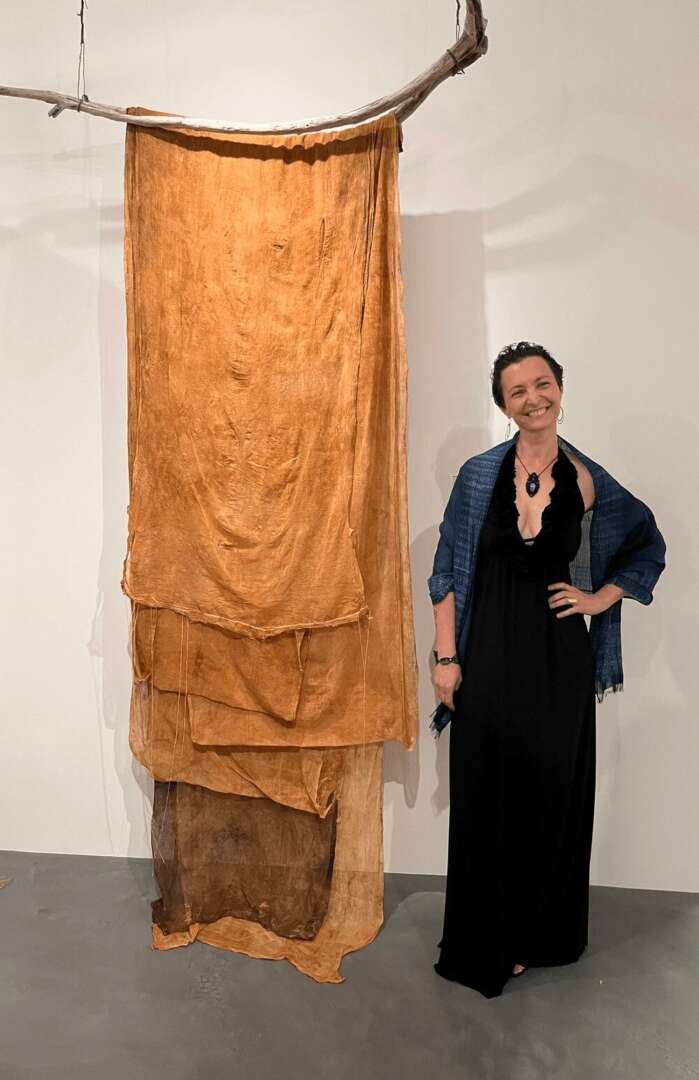

We were lucky to catch up with Maja Sereda recently and have shared our conversation below.
Alright, Maja thanks for taking the time to share your stories and insights with us today. Can you open up about a risk you’ve taken – what it was like taking that risk, why you took the risk and how it turned out?
Personally I view risk as something positive, as a playful investigation of leaping into something unknown. In an unexpected way it has become the golden thread throughout my life. There are a few examples I could illustrate here.
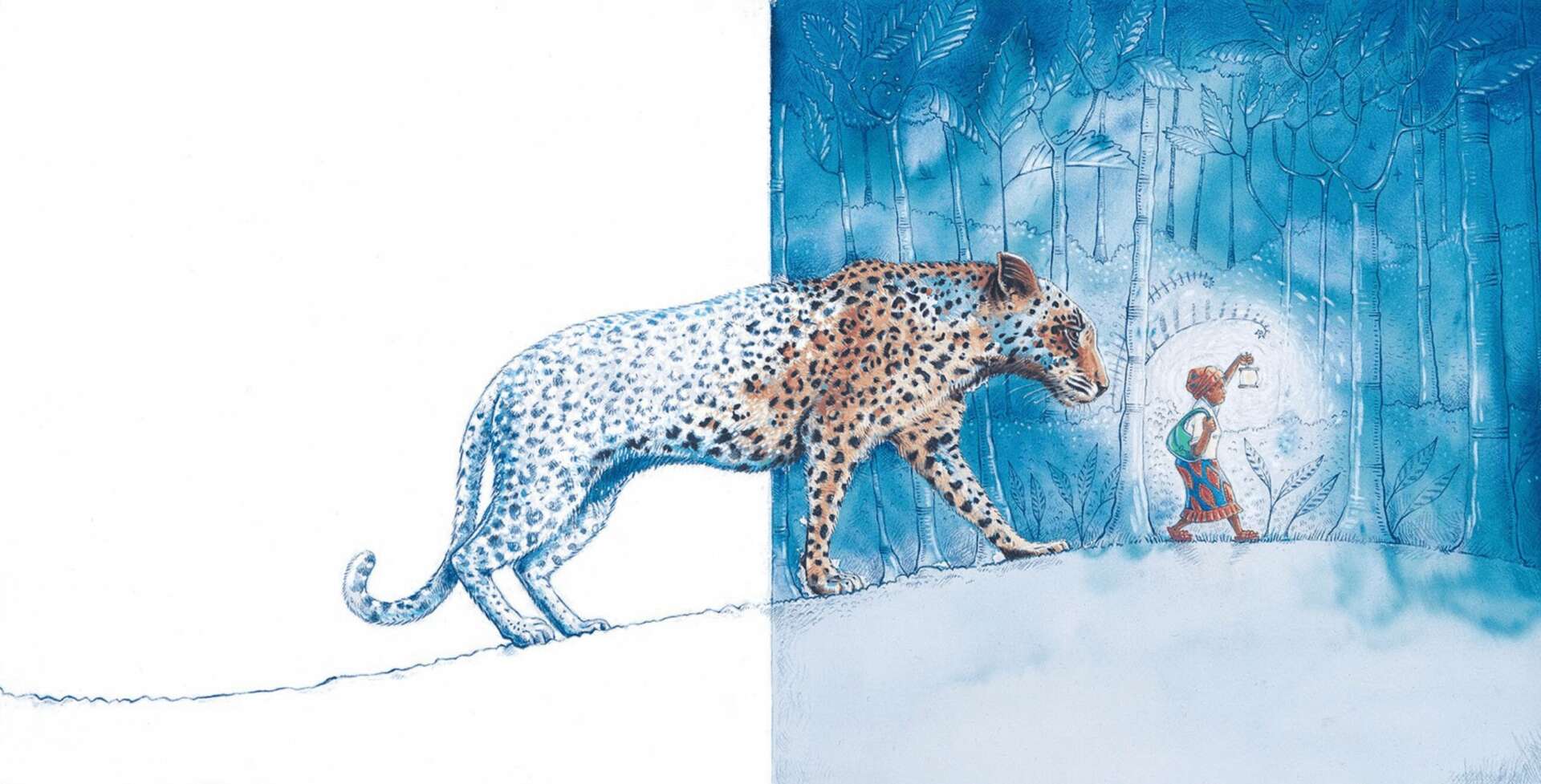
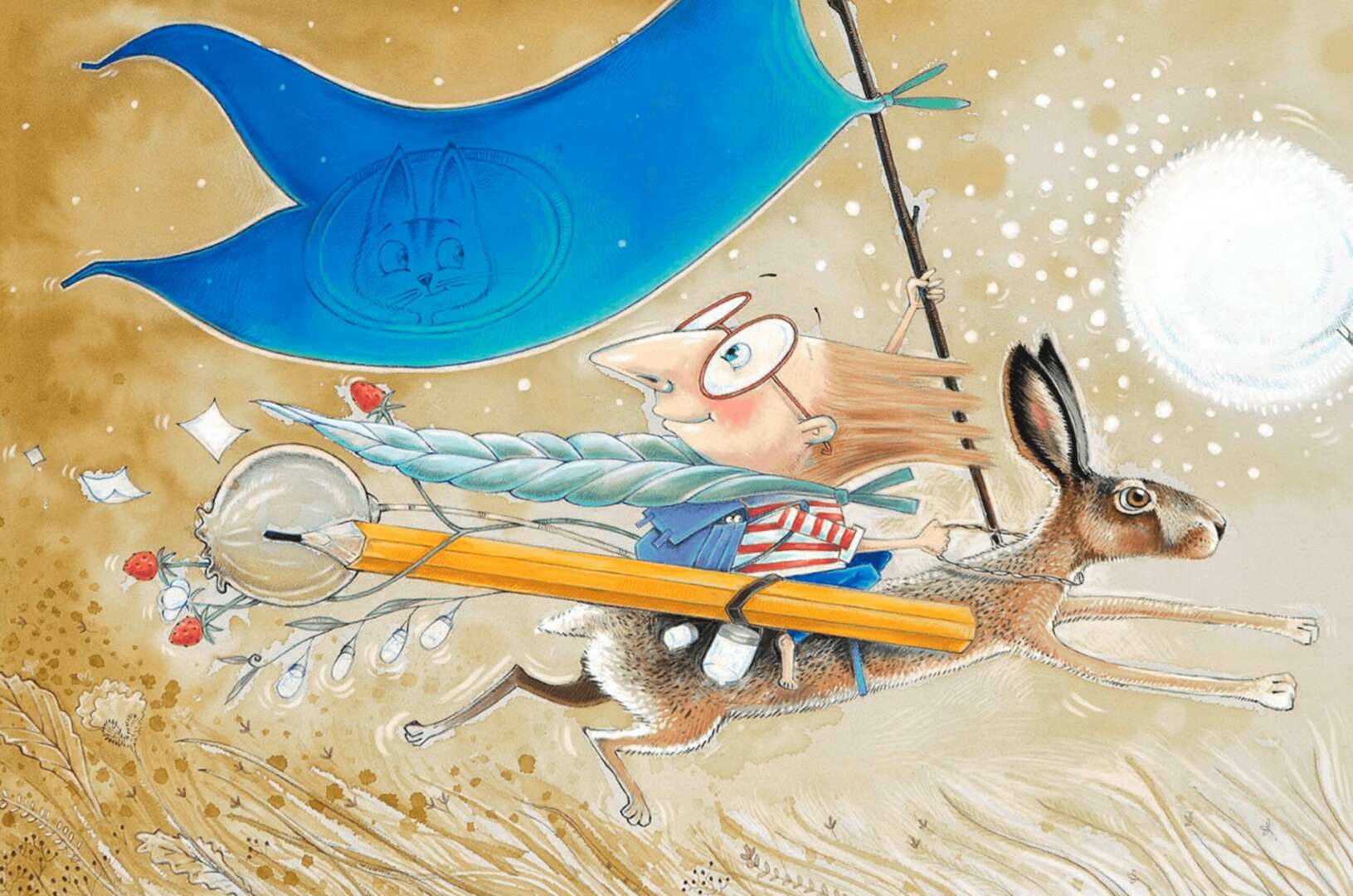
One was launching my children’s picture book career. I was dabbling with a few illustrations already, but a far cry from having a body of work or even a portfolio. I also haven’t studied illustration before. The only thing guiding me was the joy I felt looking at children’s books in the library. Seeing pages full of color and storytelling transported me to another place. I wished I could do something like that. One day I created an illustration titled “Catching Rabbits” for a friend of a family which showed some potential and positive feedback from my peers. The risk I took was sending it out to an editor in South Africa, where I lived at the time. My email was brief, my desires expressed and one illustration sample attached. Within a day I received an email back asking me to pitch for a book, which I did and 2 weeks later was given my first book contract. This single, and in my mind, small risk propelled into over 10 years of children’s picture book illustrations and multiple awards.
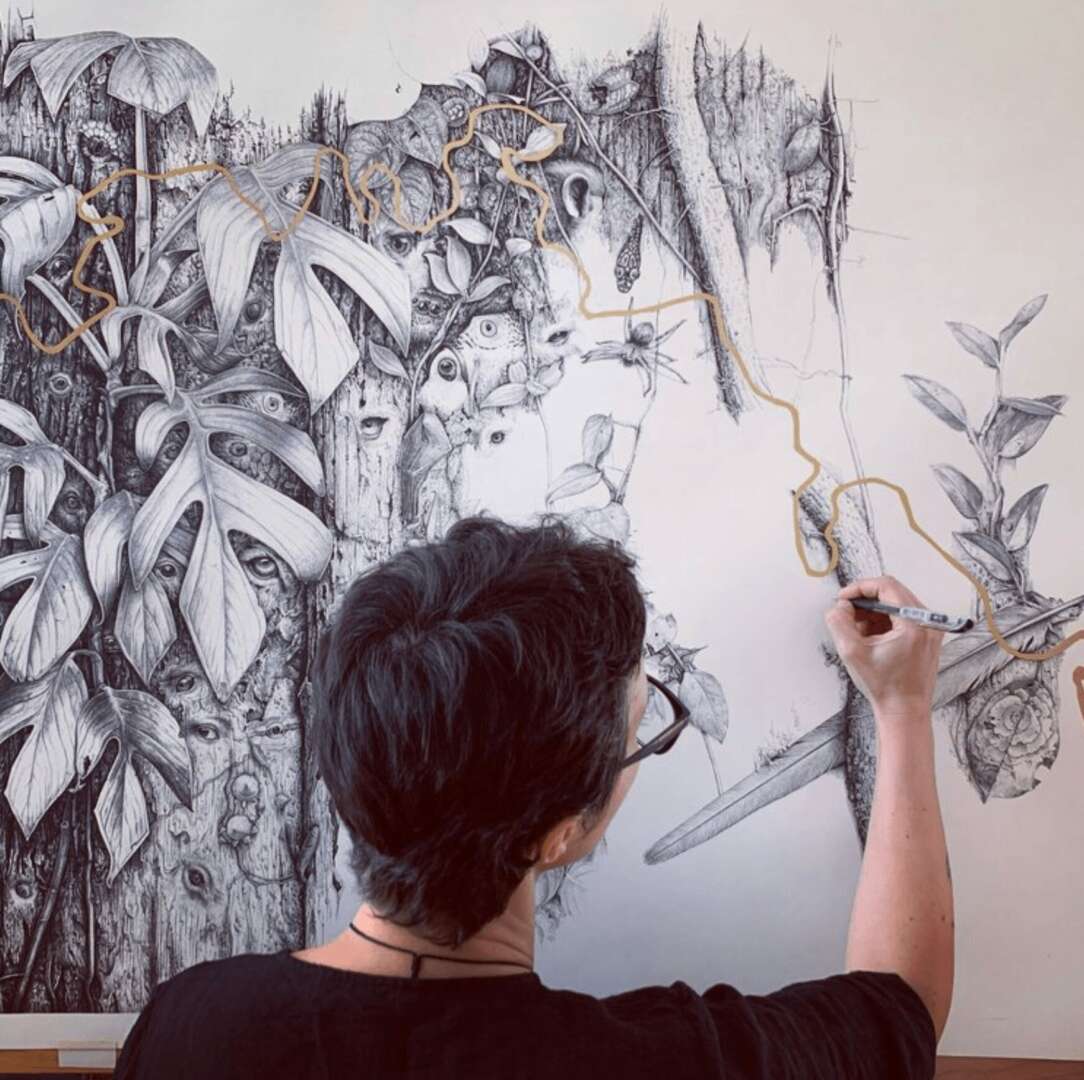
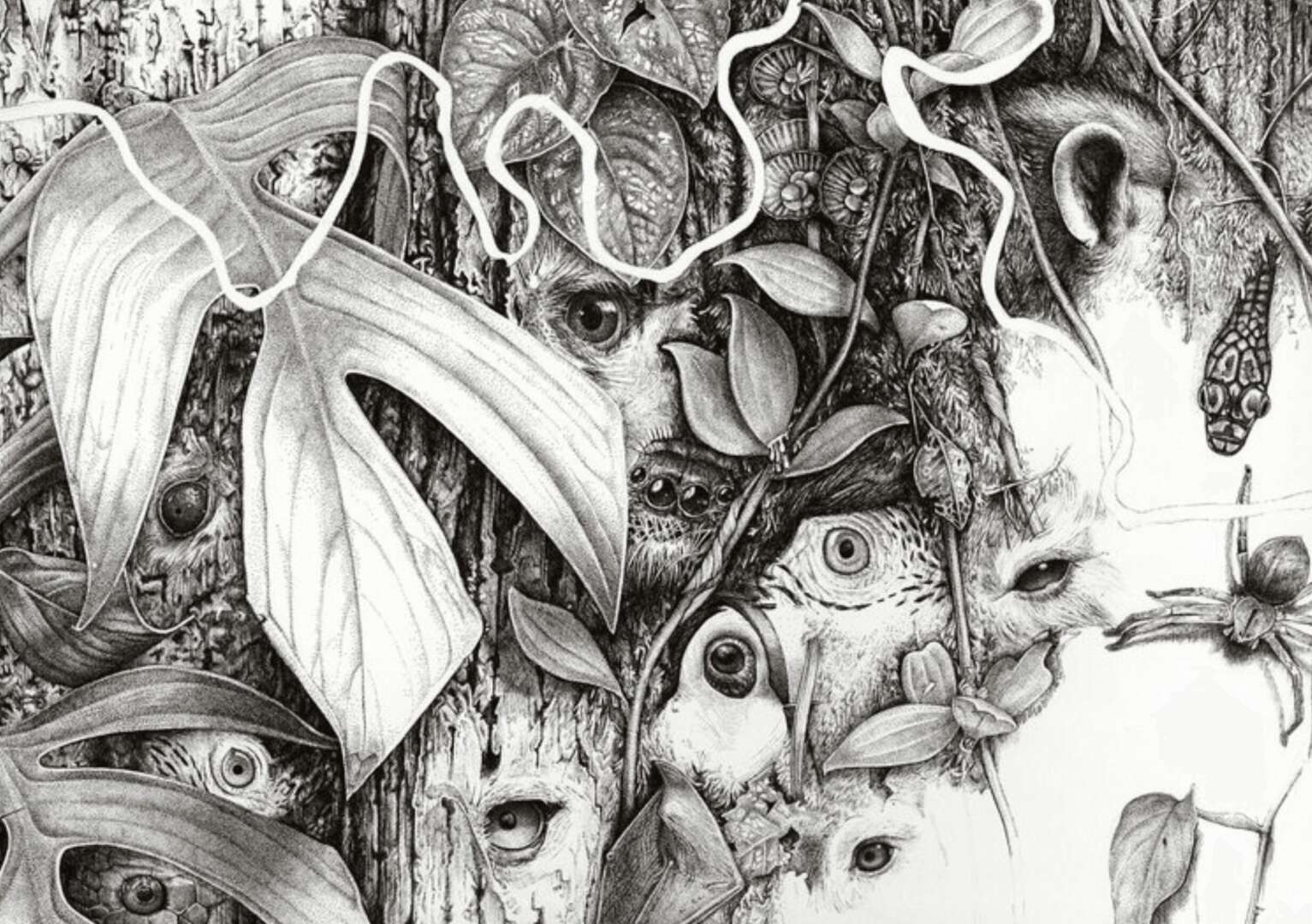
Another example, most recent, was born out of another dream of mine to help protect precarious wildlife habitats, specifically jungles. Even though nature as theme has always ran through out my artworks, I felt I wanted more. I wanted to travel, create, share, tell stories. I was following a number of accounts on Instagram and one really struck a cord, because it showed ancient trees being cut down. I immediately wrote to the person and asked if we could work together. Two days later we got on the phone and started discussing a mutually shared vision. I also reached out to other artists already working on nature conservation projects to find out how they were making it work. Since that first DM, I’m currently on my third research expedition in the Peruvian Amazon Rainforest on the river of Las Piedras in Madge de Dios. The work I’ve created has been shown in two group shows in Seattle and one solo show earlier this year, including multiple workshops on the subject. I find myself still nurturing my project, Guardians of the Jungle, into full fruition. I derive sheer pleasure from diving deep into its abundance, biodiversity and complexity.
Maja, before we move on to more of these sorts of questions, can you take some time to bring our readers up to speed on you and what you do?
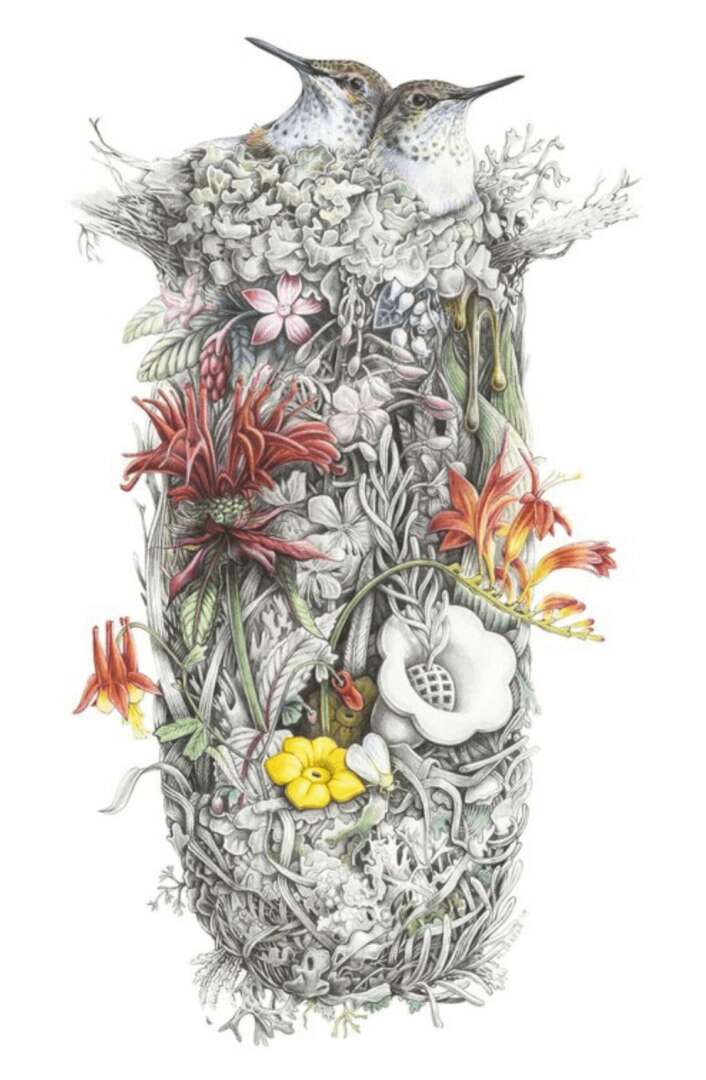
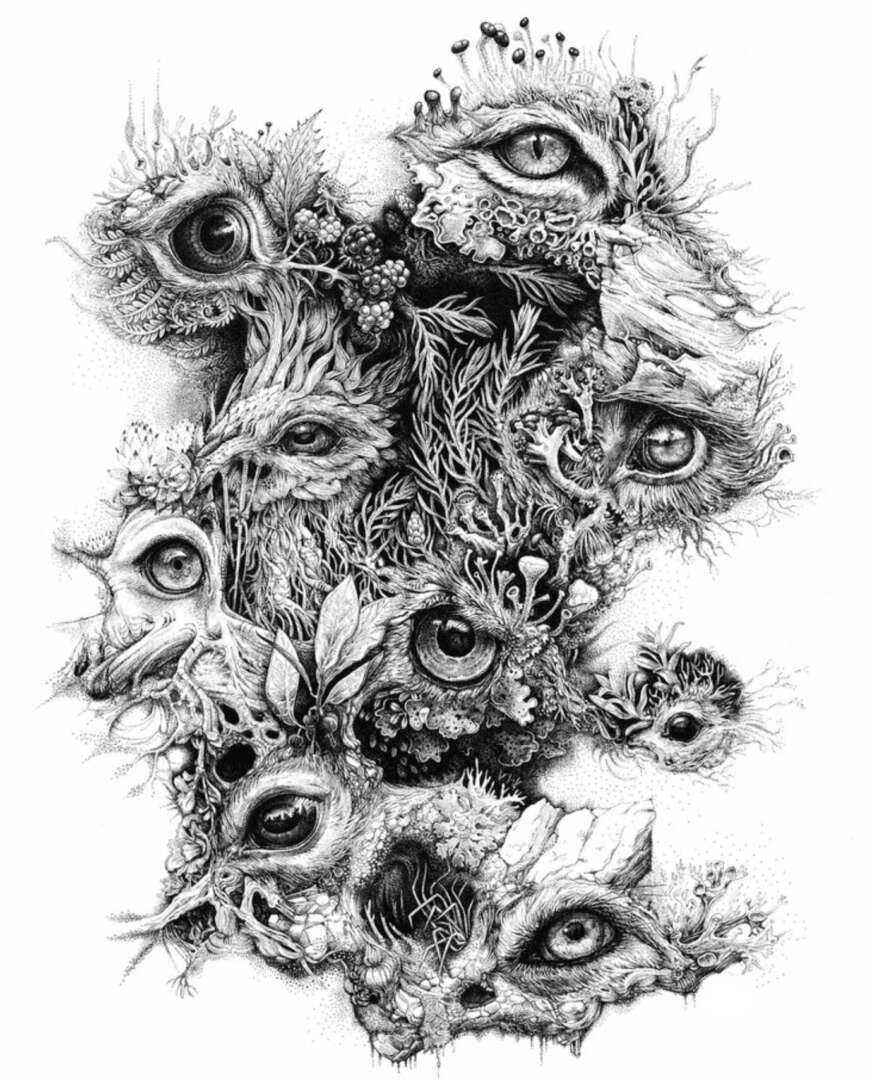
My name is Maja Sereda, I am an artist, activist, teacher and coach. As a multidisciplinary artist I love immersing myself in the world of highly detailed drawings, illustration, abstraction, fiber arts, and writing. Throughout my life, nature has unfailingly been my refuge, a steadfast source of solace, and an anchor for inner peace.
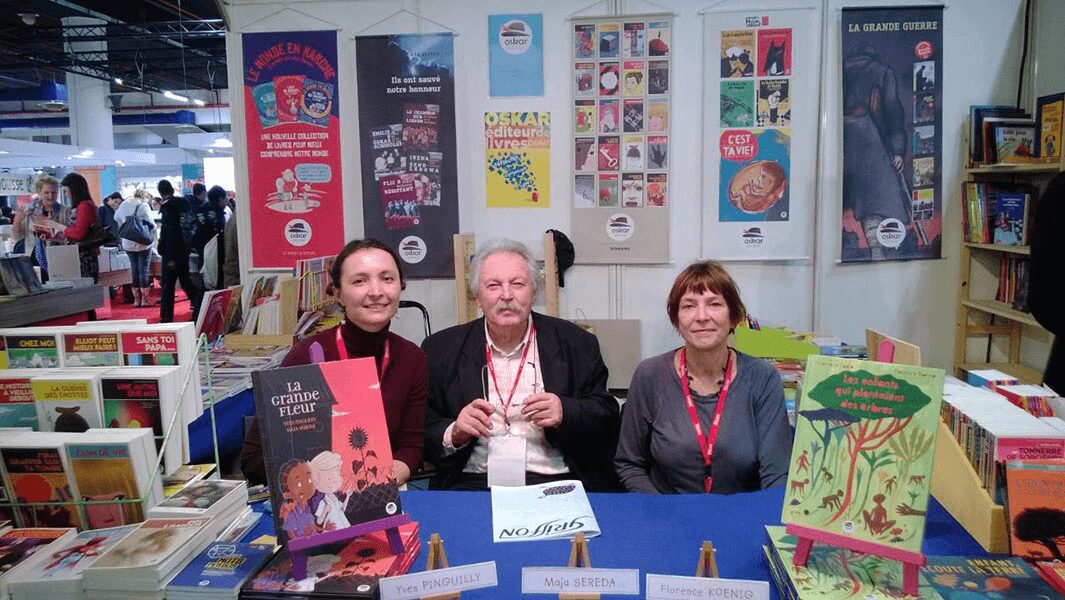
After studying graphic design at University of Pretoria and working as an art director in advertising agencies, both in South Africa and Ireland, I became an award-winning book illustrator. I have illustrated more than 20 books with many major publishers including Penguin Random House, Maskew Miller Longman, Oskar Editeur, Tafelberg & Lapa Publishers. Amongst others, I’ve won the Crystal Kite award in 2011 and the Katrine Harries Award for best illustration for 2010. In 2012, I was also invited to illustrate a book with a French author, Yves Pinguilly titled La Grande Fleur (The Big Flower), followed by an invitation to Salon du Livre fair in Paris, France and then La Reunion, where I showcased my books and led art workshops for children.
After moving to Seattle and with the outbreak of COVID, I began teaching drawing classes online. By investing deeply in my students’ work through highly individualized feedback, research and demonstrations, I nurtured an online community of over 250 artists.
Since founding the Guardians of the Jungle project in 2021, I regularly travel between Seattle and Puerto Maldonado in Peru, making my work more remote. Currently, in partnership with Hoja Nueva, I’m learning about wildlife rehabilitation because it adds depth to my own work and process, as well as speaks to one of my values of working with like-minded people who care about the environment and the importance of rewilding wildlife. While here I’m offering online coaching services to other artists, vibrant passionate individuals, who are inspired by my own story and who are seeking focus, clear purpose and pinch of bravery to go after what their hearts’ desire.
Is there something you think non-creatives will struggle to understand about your journey as a creative?
Being an artist comes with significant financial risk. Each endeavor, project or idea is to some extent a leap into the unknown. You have to put in the work to see where it leads. Some research may be done ahead of time but there is no guidebook, no predictable plan. Each artist needs to find his own way, which is not how many other industries work. Finding your work, voice or calling can take time and therefore cash flow is on a constant rollercoaster. Because, for example, you might be doing well for a period of time and then your audience goes away. Being an artist can lack stability. You need to have a lot of tools in your toolbox to really problem solve and become “successful”. I put success in inverted commas because it can mean many things. Personally I find success to be when I’m able to support myself financially with my art or art related services.
Can you tell us about a time you’ve had to pivot?
After 2008 the world finances took a down turn and it affected my children’s book career. Not at first, but it was slowly dwindling. They book contracts were flowing in but the budgets for the books stayed frozen in time. Eventually it began to feel that my work become a hobby. Awards or verbal praise were not paying my bills and I knew that I had to pivot. When I moved to Seattle I saw this as a perfect opportunity to do just that. It took a little bit of time but I started teaching. At first children and then eventually moved to my happy place with adults. It opened me up to a new revenue stream which became quite fruitful and rewarding.
Contact Info:
- Website: https://majasereda.biz/
- Instagram: @majasereda
- Facebook: https://www.facebook.com/MajaSeredaArt
- Other: https://www.patreon.com/majasereda