
We’re excited to introduce you to the always interesting and insightful Maithili Chaturvedi. We hope you’ll enjoy our conversation with Maithili below.
Maithili, thanks for joining us, excited to have you contributing your stories and insights. Do you think your parents have had a meaningful impact on you and your journey?
The first time I was cognisant of having created an image that was valuable was when I was 4 years old. It was a Sunday morning and my mother was sitting in our home temple in a yellow chiffon saree, her hands rolling string beads as she prayed. I remember pulling out a sketchbook and my new tri-coloured triangle pencil and I began drawing her form as I saw it in the morning light. I looked at the beads and her intricate necklaces and felt myself imitating those patterns. The drawing was pretty terrible. It looked like what you would imagine a 4 year old’s drawing to look like but when I showed it to my mother she smiled extremely wide. She sent me to the post office so that she could act surprised when she received the drawing in the mail. It was a Sunday morning and that was my hair wash day. I held the drawing precariously on the way to the post office so that my wet hair wouldn’t dampen the paper. It was valuable, it had made my mother smile. That’s the point of art for me- for it to function on an aesthetic level but also an emotional one. My parents always fostered that love for art in me and they always encouraged it, despite having only a professional background in finance. They helped me find the language that my voice for art required.
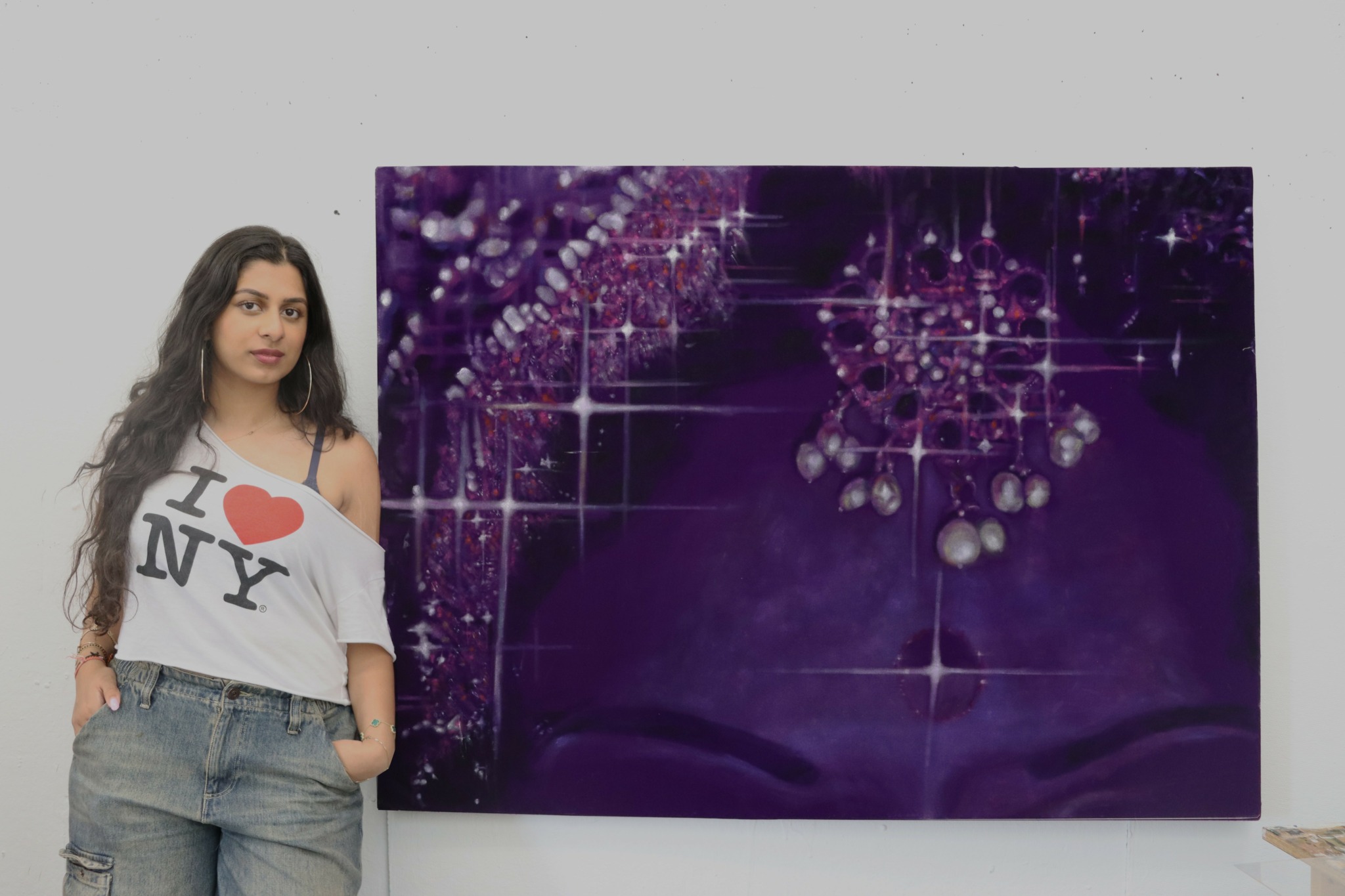
Great, appreciate you sharing that with us. Before we ask you to share more of your insights, can you take a moment to introduce yourself and how you got to where you are today to our readers.
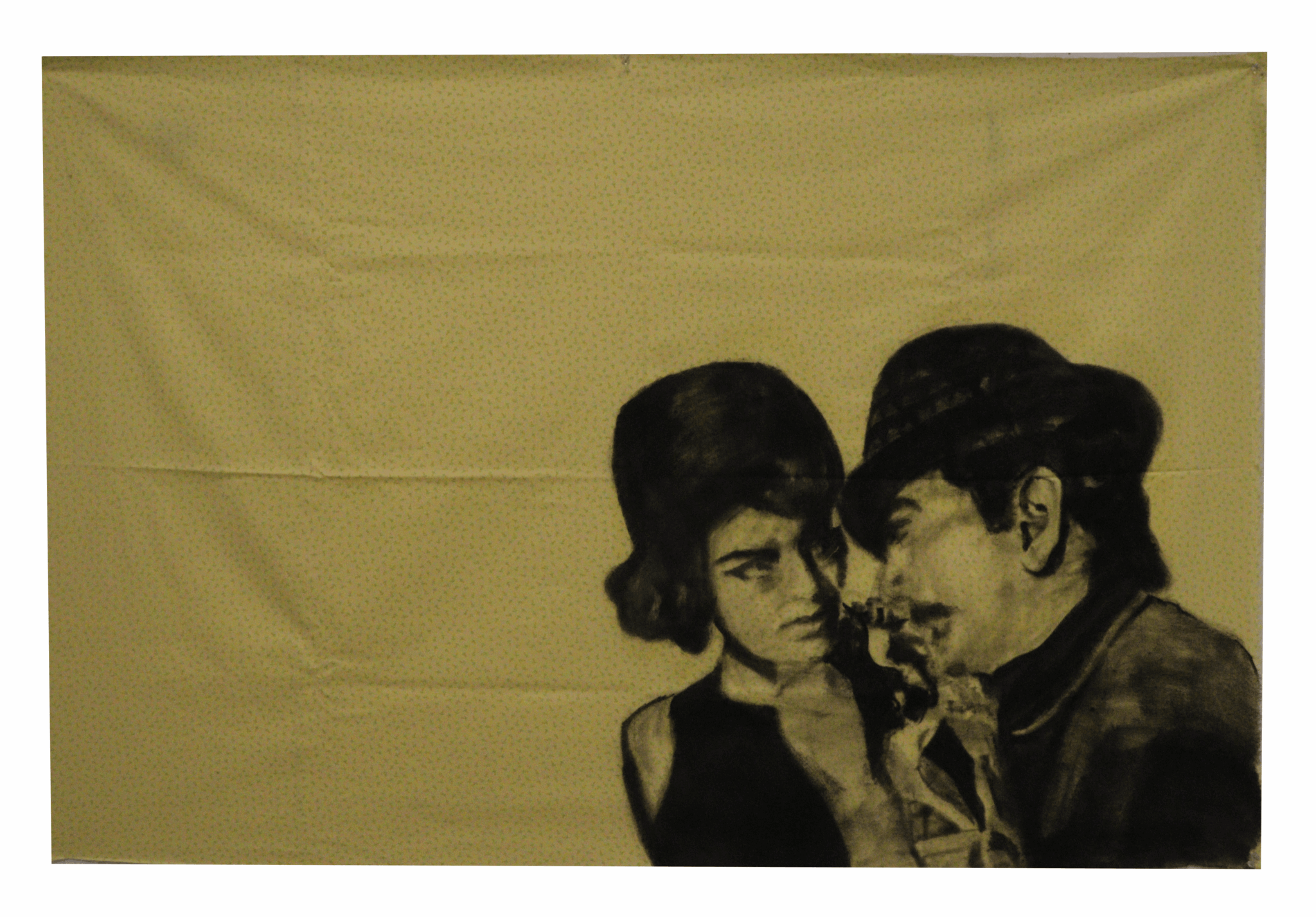
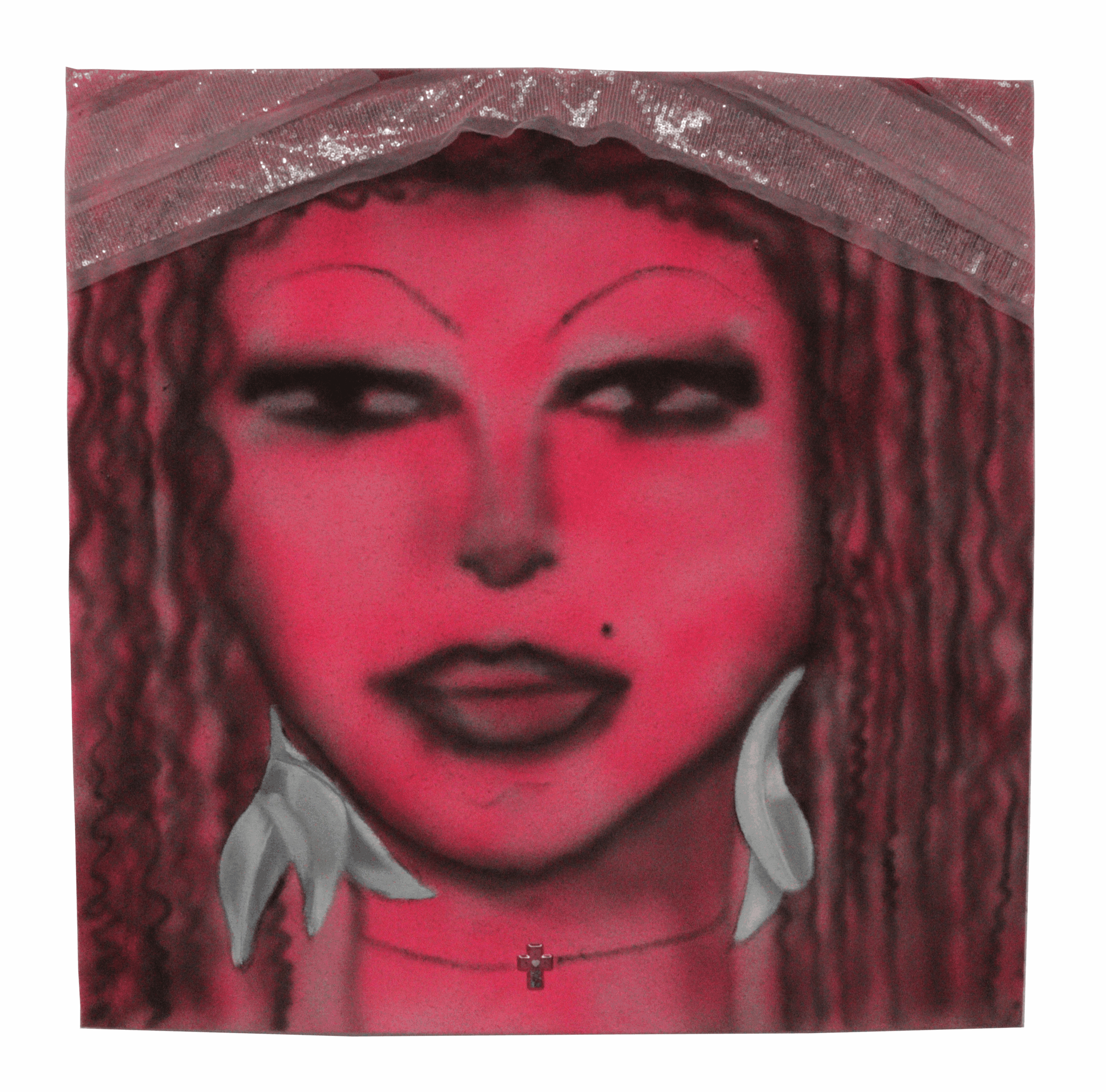
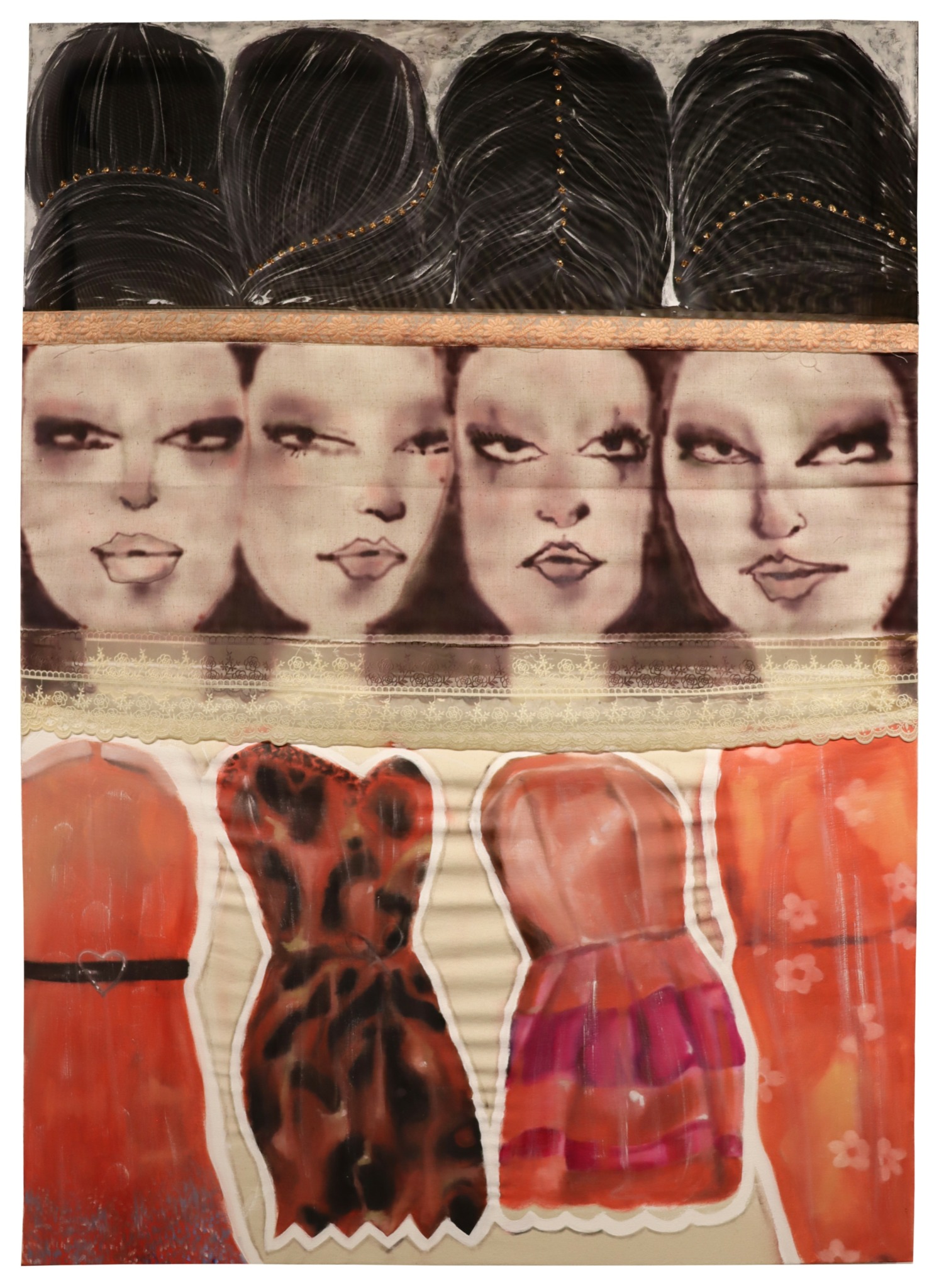
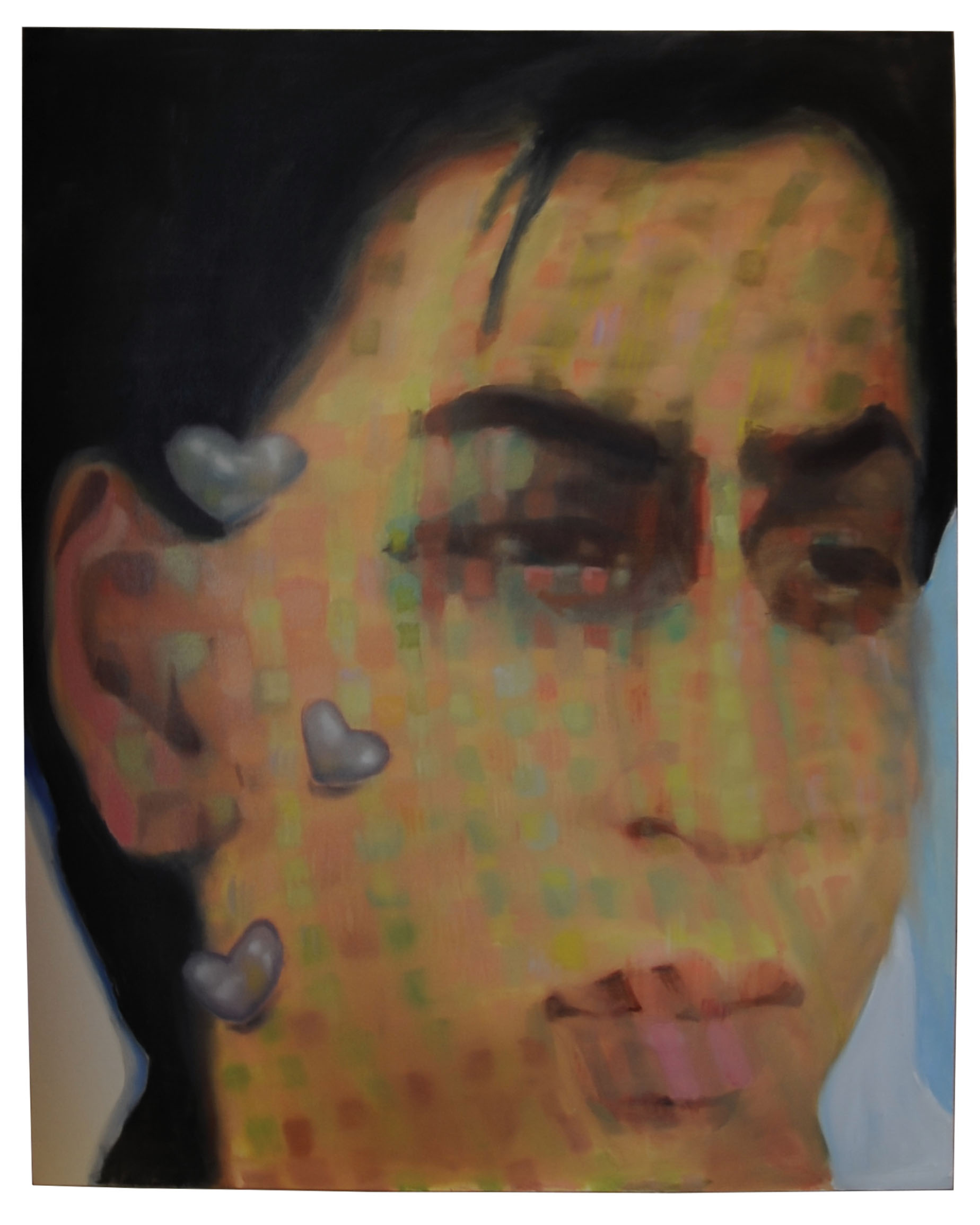
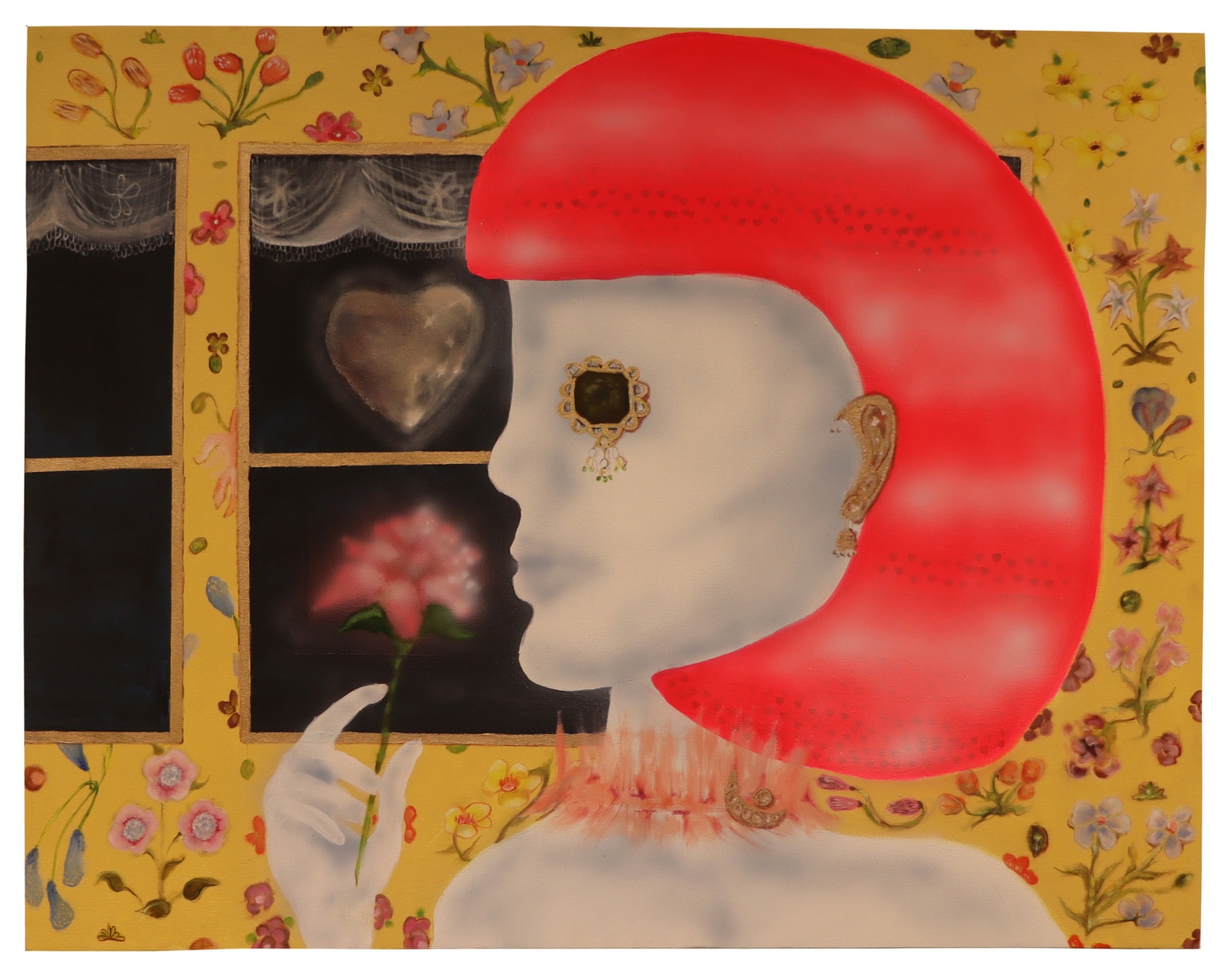
I’m a painter from Mumbai, India and I’m currently pursuing a BFA in Painting at the Rhode Island School of Design. I’m obsessed with the icon of the female in cinema, particularly popular Hindi cinema, or Bollywood. I’m interested in the dichotomy between the inherent performative nature of films and the genuine emotion evident from it. I wish to celebrate its beauty, joy, hysteria, bravado, levity, candour, musicality, and most of all its authenticity. I find agency in femininity and objectification and attempt to navigate an insatiable desire for beauty that exists within me and in the society of Mumbai that I operate in. The interaction between human eyes and digital screens informs the way I paint. The intimate act of accessorisation by myself or as seen by a heroine in a film is how I approach “dressing up” my paintings with paint and material. The ‘femme fatale’ is usually the centre form and image in my paintings. I’m interested in having my work speak to the old, as well as the new. I paint on different fabrics that remind me of costumery or reflect the visual and material culture I grew up with. I want to continue this research on finding humanness (desire, love, joy, and connection) through the constructed confines of film and paint.
Are there any books, videos, essays or other resources that have significantly impacted your management and entrepreneurial thinking and philosophy?
The first time I saw Madhuri Dixit’s graceful dance in ‘Maar Dala’ from ‘Devdas, 2002’ I was left incredibly moved. She wasn’t just wearing the scintillating green anarkali, it wore her. She is able to inhabit such care and grace with her subdued movements yet establishes such dominance with rhythm and power as she spins. There is a particular shot, where she raises a jewel-dripping hand to shroud half of her face, blocking the viewer, but the other half of her face that can be seen is pulling us in, her strong gaze and beautiful adorned eyes luring us in.
It is human nature to be attracted to beautiful things, and I use the same language to attract viewers with my paintings but then present a mirror to them. I think a lot about the ideas of desire and the gender politics of reducing a woman’s worth to just her attire. I find power in that objectification. I like to imbibe a sense of musicality to my pieces, and I am extremely inspired by Sufi literature and song lyrics- particularly the ones allegorising the female icon.
One of my favourite painters is Judith Eisler. The way that she can translate the interaction between screens and is able to communicate vulnerability in films into paint form is beautiful to me. I use films as a tool to make my work accessible, understandable, and emotional.
What do you find most rewarding about being a creative?
For me, the act of painting is like a dance. I’m able to be intimate with this beautiful object that I’m constructing and it’s such a gratifying process for me to push paint into a surface and have it push back emotions, thoughts, and feelings into me. I think of me and my painting as equals in a sense, we have a sort of pedagogical relationship. The language of understanding what my surface needs from me in order for us to create this image together is extremely interesting- almost like a puzzle we’re trying to solve. I use different mark-making, colours, shapes, oil painst, fabrics, gemstones, airbrush, and many more mediums to weave together my stories. I paint because I decide that the beauty I see in this world is important enough to me to record in paint form. Beauty is necessary, beauty is a need, beauty is a desire, beauty is a weapon and beauty is politics.
It’s my way of exploring truths in the world, and to provide an image to philosophies, lyrics, and feelings. My favourite part of finishing a painting is to take a nice photo of it and send it to my family group chat. Watching the heart eye emoji’s pop up under their names is the most rewarding part of the process of painting for me. Their support is unconditional.
Contact Info:
- Website: https://maithilichaturvedi.com
- Instagram: @maithilichaturvedi