



We caught up with the brilliant and insightful Madison Barnett a few weeks ago and have shared our conversation below.
Madison, thanks for joining us, excited to have you contributing your stories and insights. Can you talk to us about how you learned to do what you do?
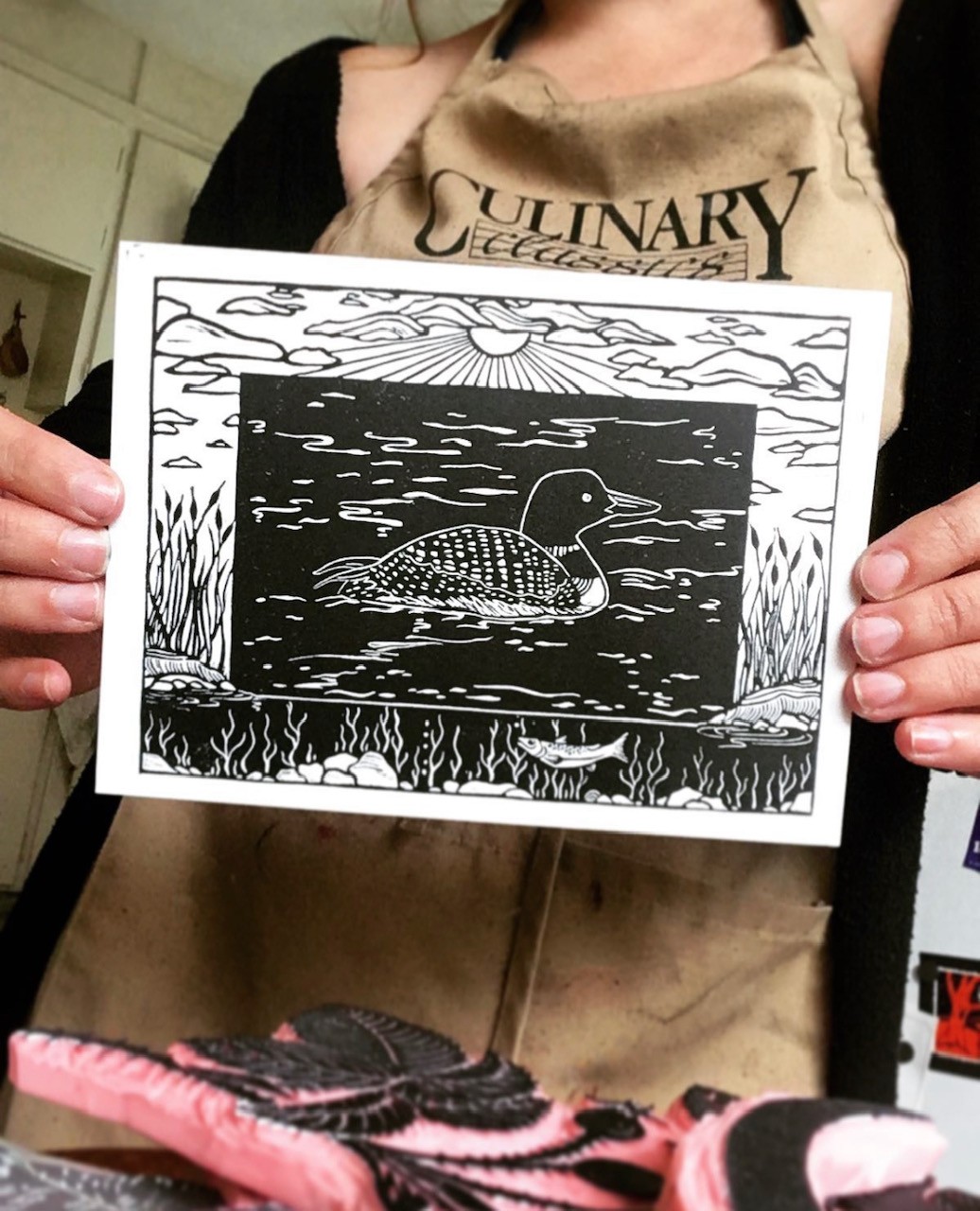
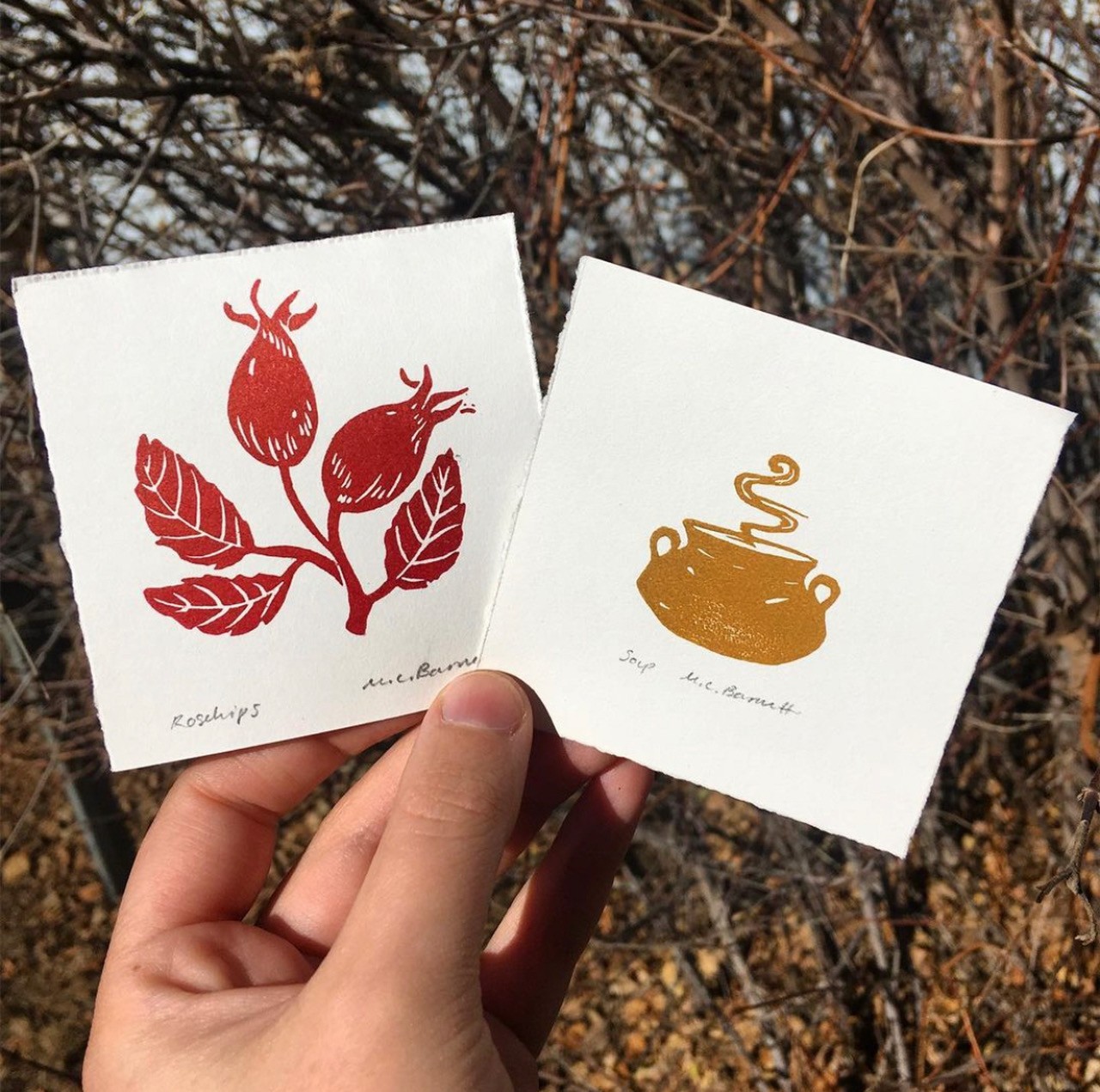
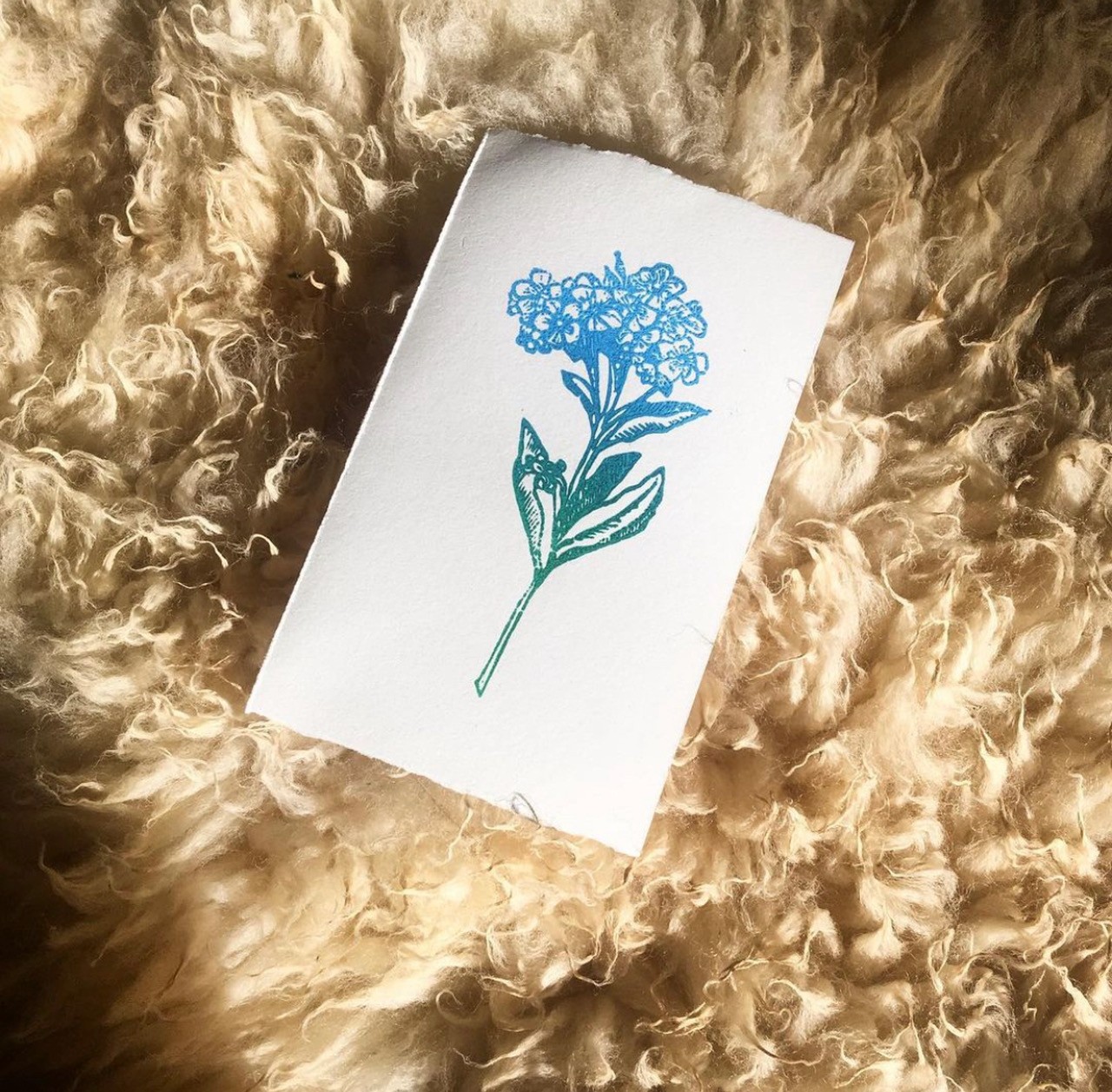
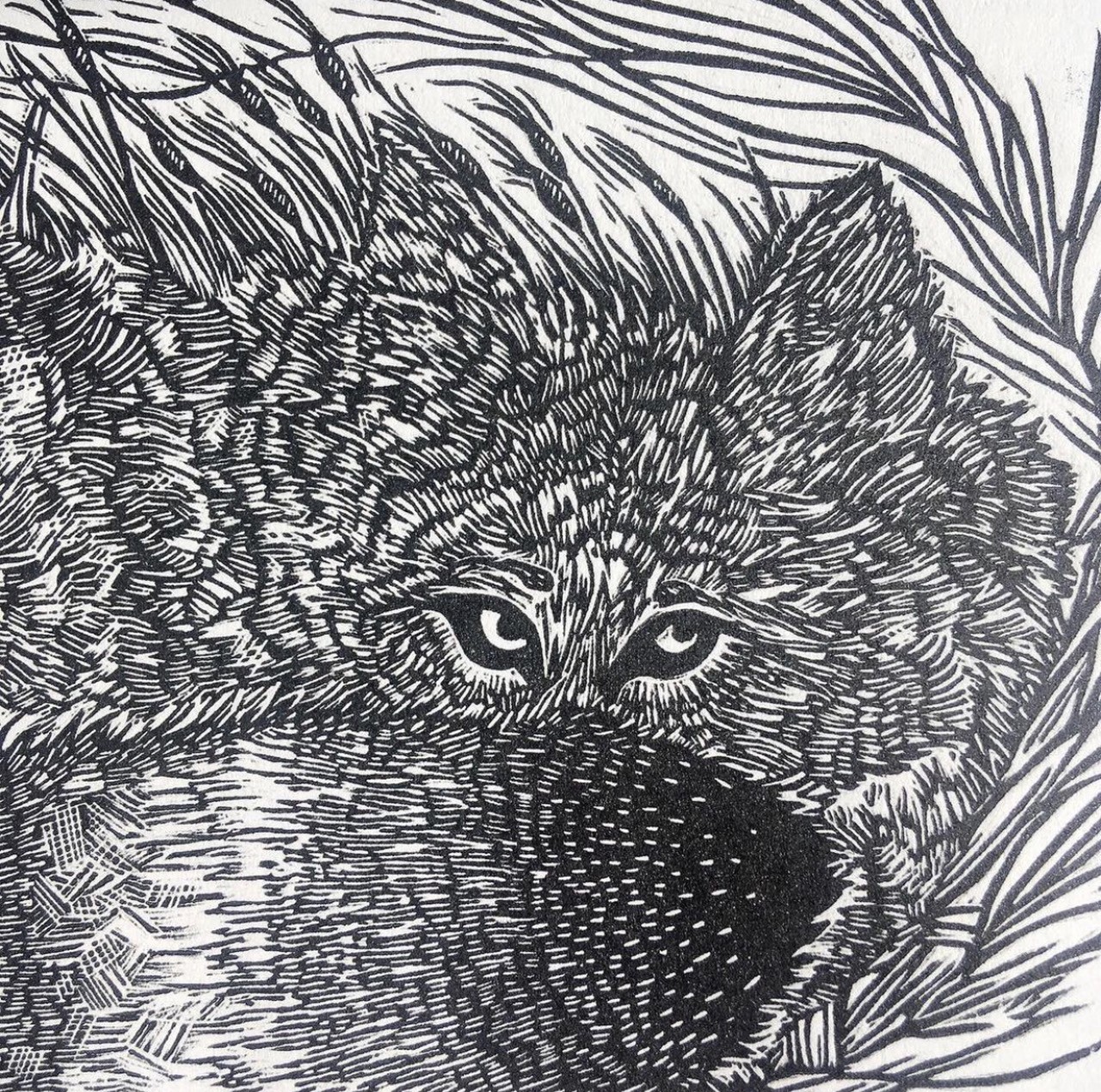
Printmaking is my main medium, specifically linocut, and I love it because it’s full of creative problem solving. There is a lot of beauty in spending hours carving something and slowly releasing an image from a medium. I learned relief printing as a kid, through carving small stamps out of erasers. It wasn’t until I took a printmaking class in high school that I understood that this was part of a greater artistic context. The blessing and the curse of the medium is that something different works for everyone, so I have had to experiment with different methods and materials to see what works best for me. Behind every successful print is a lot of troubleshooting. At some point I was struggling with hand burnishing detailed linoleum blocks, so I contacted a printmaker with a studio in a neighboring town, who was able to let me use her press and give me some useful tips. If I had asked for help sooner it would have saved me a lot of frustration. A lot of limitations in printmaking are access to information and materials. It can be difficult to print specific kinds of blocks without a printing press, which are expensive and hard to come by. Since I have no classic art school education and printmaking is somewhat niche, it can be difficult to find thorough information. Much of my learning has been through trial and error because of this. Though maybe not the most efficient, I do believe experimentation is the best way to learn a craft.
Awesome – so before we get into the rest of our questions, can you briefly introduce yourself to our readers.
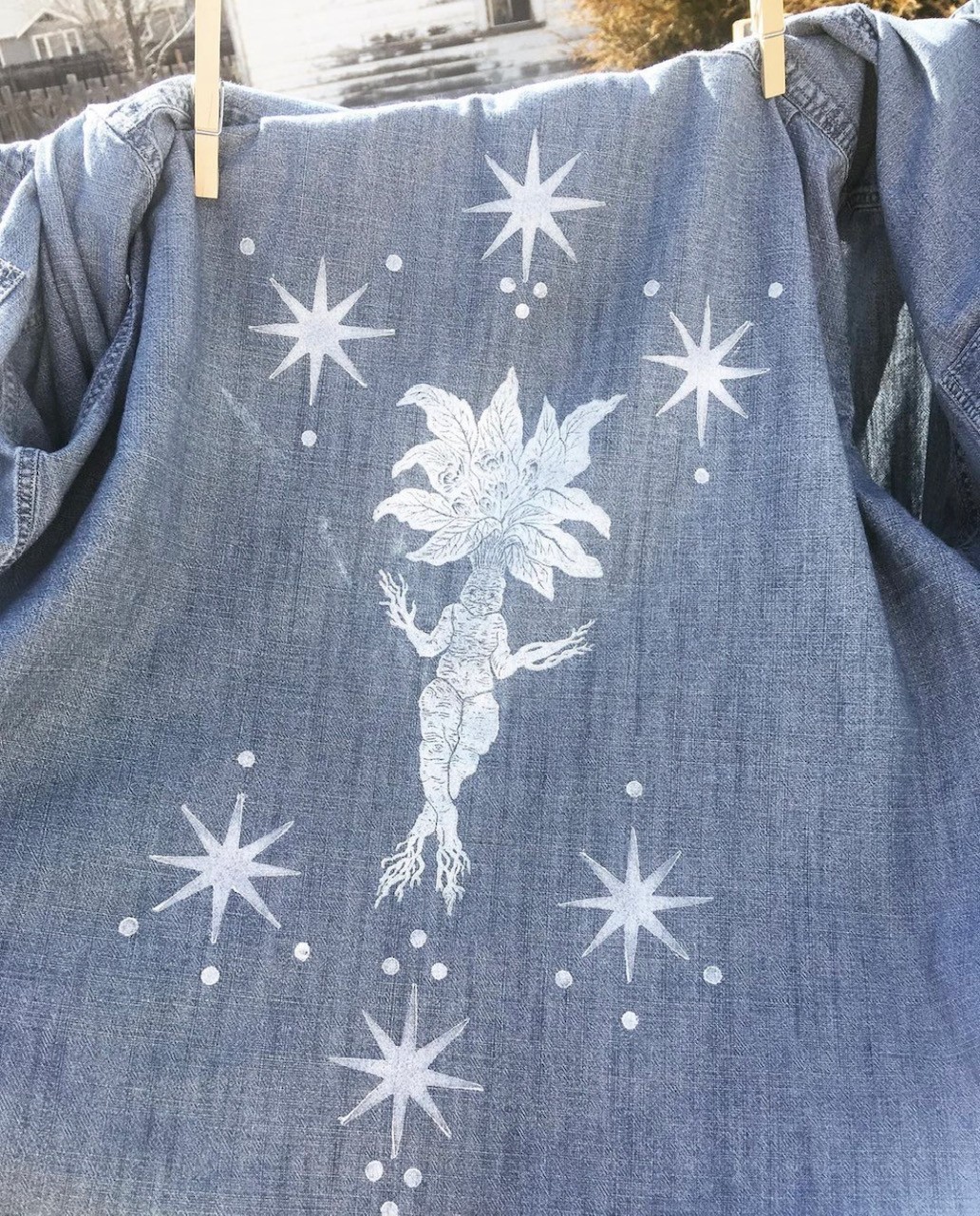
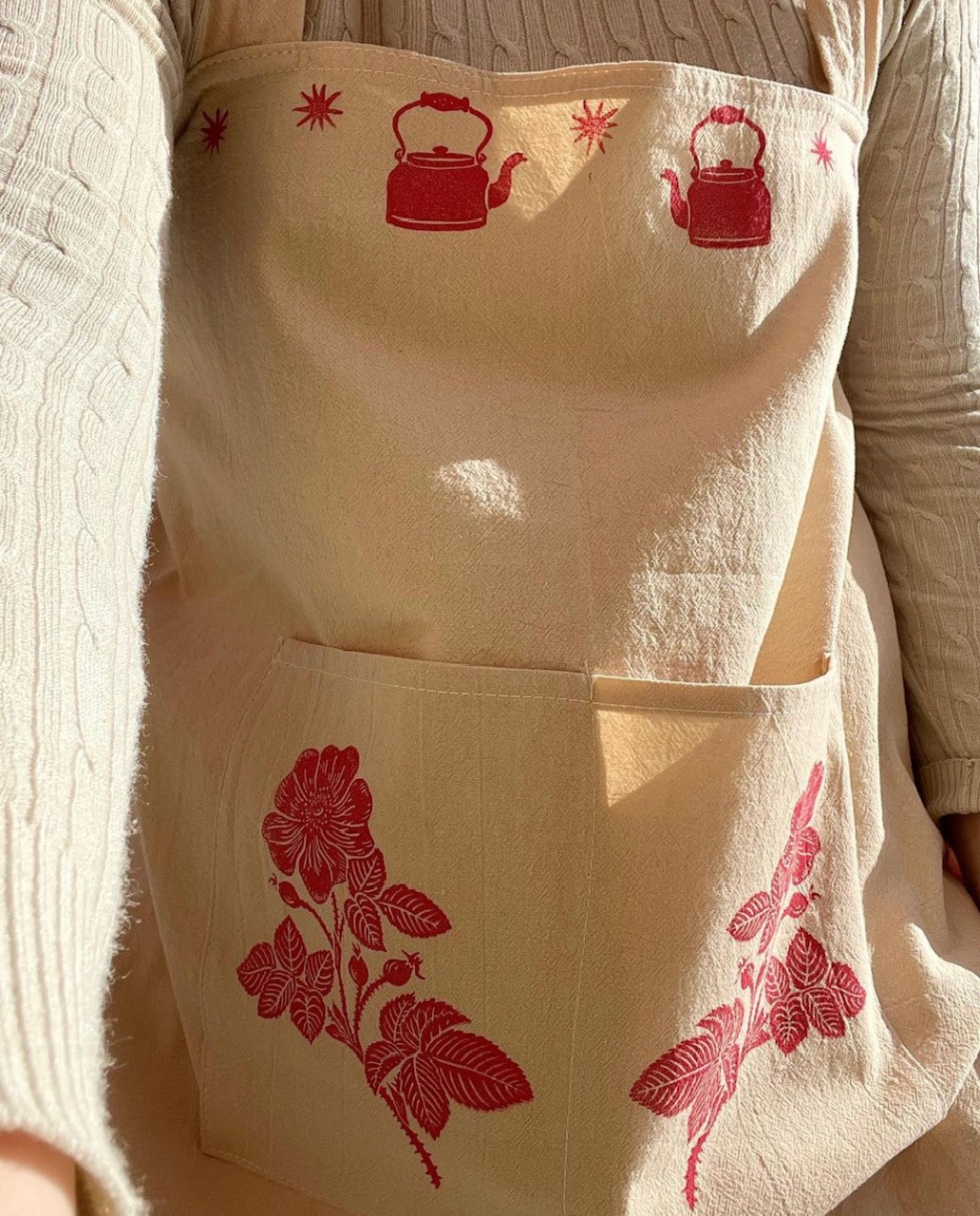
I am a printmaker and multimedia artist based in Colorado. I work primarily in linocut, printing on paper and textiles. I’ve been very slowly learning this art form for most of my life. I started doing this work as a child through carving small stamps out of erasers or soft rubber, to go letterboxing with my family, and have continued learning about the art since. My professional background is in Forestry, which inspires my work, along with themes like folklore, anthropology, and personal synchronicities.
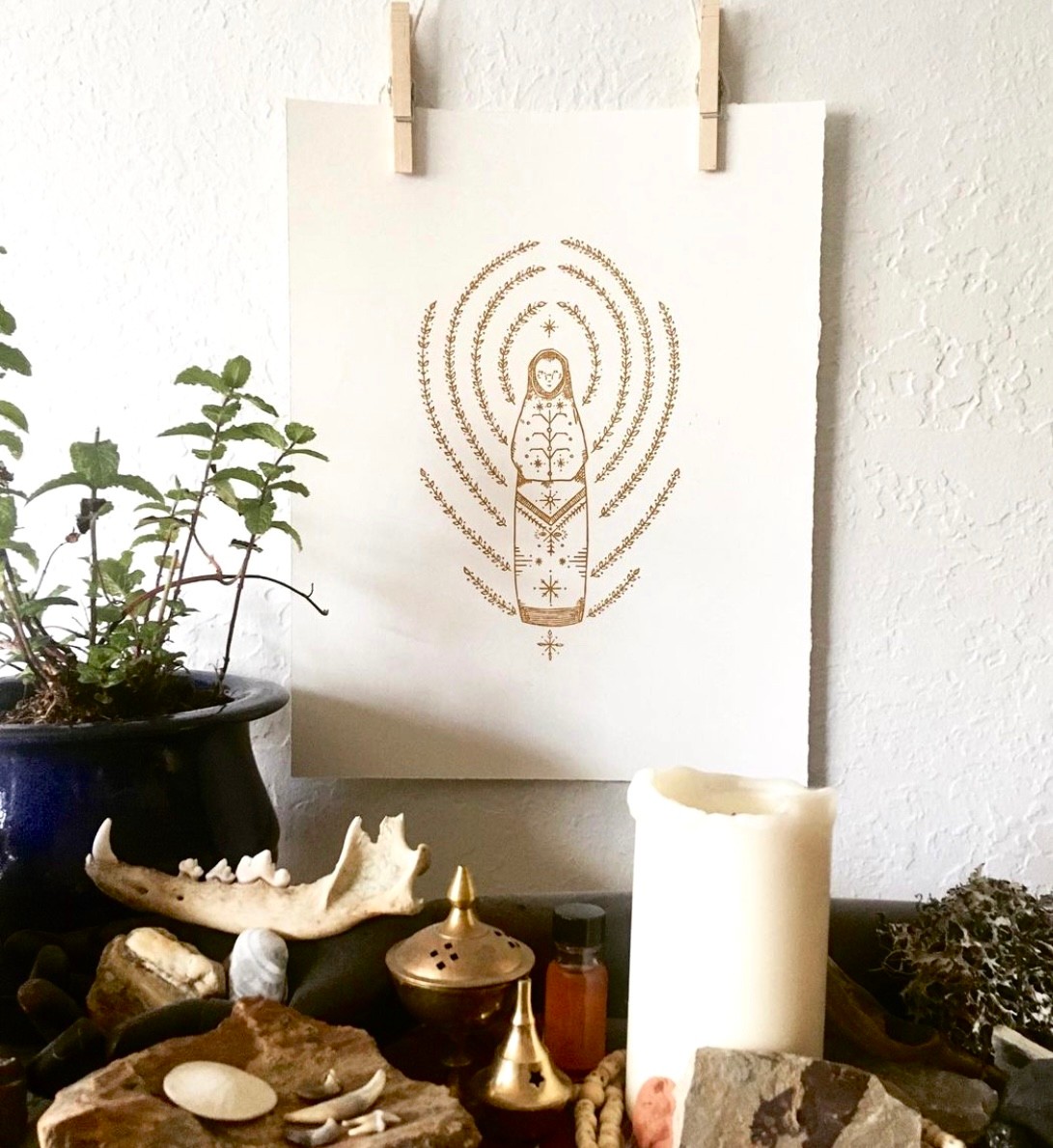
A core theme of my work is intentional adornment of space and body, through prints for home and clothing. I am interested in how art continually enriches our lives, and allows us to introduce our expression of inner selves to the visual tangible plane. Printing on fabric allows me to bring relief printing into the realm of body adornment, as wearable art and an offering to self. When I adorn my body and my surroundings with beautiful things, I see the world as beautiful. Our relationships to ourselves and the world around us is shaped by how we appear, and clothing allows us to project how we feel on the inside outward, so others may see us how we wish to be seen. Adornment is magic at its mundane finest.
On working with personal synchronicities, I like to allow symbols or themes I work with to let themselves be known, and as they do so, they continually reoccur. I consider this synchronicity both magic of creative entities and a trick of the mind. I have created a handful of prints using images of coyotes, inspired by meaningful coyote encounters over a period of years. The Coyote symbolizes a trickster figure and something on the edge of human society. Being canine, so familiar, yet other. I am fascinated by this opportunistic scavenger, and how they interact with human spaces as their habitat becomes increasingly encroached on. They are something all at once hated, beloved, and mythic. Coyote Love Poems, which is the name of my shop and the name I use on social media, is inspired by thinking about the trickster that is love in a period of deep solitude in a wide open prairie, working as a fire lookout. Coyote is the creative trickster and the ecosystem I move within, and Love Poems symbolizes longing.
What’s the most rewarding aspect of being a creative in your experience?
To me, the most exciting part of being a visual artist is that I can make an idea into a tactile reality. I often find myself living inside my head, and struggling to speak my thoughts. I love that art gives us the ability to bring our inner worlds outside, allowing us to set free images and ideas to be felt on a different level, by ourselves and others.
How can we best help foster a strong, supportive environment for artists and creatives?
A big factor that works against creatives is the constant undervaluing of art within our society. Art enriches lives like nothing else, and creating and sharing art is a deep seated human impulse. But if a young person decides to pursue a career in the arts, they are met with comments of “What’s the use?” or “How will you make money doing that?” It is unfortunate that art doesn’t always mix with the capital driven society we live in. There’s a huge lack of any financial safety net within the United States, which hurts everyone, not just artists. Our society is, by and large, overworked and underpaid. Who has time for art in a world like this? I believe that if people were less financially stressed, artists could thrive. Big changes, such universal healthcare, a reasonable minimum wage, a shorter workweek, and affordable housing would go a long way to helping creatives in our society. More attainably, putting more value and funding into community art programs and art in public spaces is a great way some cities have increased appreciation and opportunity for the arts. I would love to continue seeing more of that.
Contact Info:
- Website: mcbarnettstudio.com
- Instagram: https://www.instagram.com/coyotelovepoems/
- Other: https://www.etsy.com/shop/Coyotelovepoems
Image Credits
Madison Barnett