
We were lucky to catch up with Madelyn Flickinger recently and have shared our conversation below.
Madelyn , appreciate you joining us today. Was there a defining moment in your professional career? A moment that changed the trajectory of your career?
I was 12 when I presented to my local hospital in acute liver failure. It was determined that I had Budd Chiari syndrome, meaning I had blood clots in all three of the major veins in my liver. It was an extremely rare presentation for a child. While part of my medical team worked to stabilize my liver, other members looked to try to determine why I had clotted at such a young age. Just a few weeks after my world had come crashing down because of the liver failure, it came crashing down again as a doctor sat my parents and me down to tell us I had blood cancer.
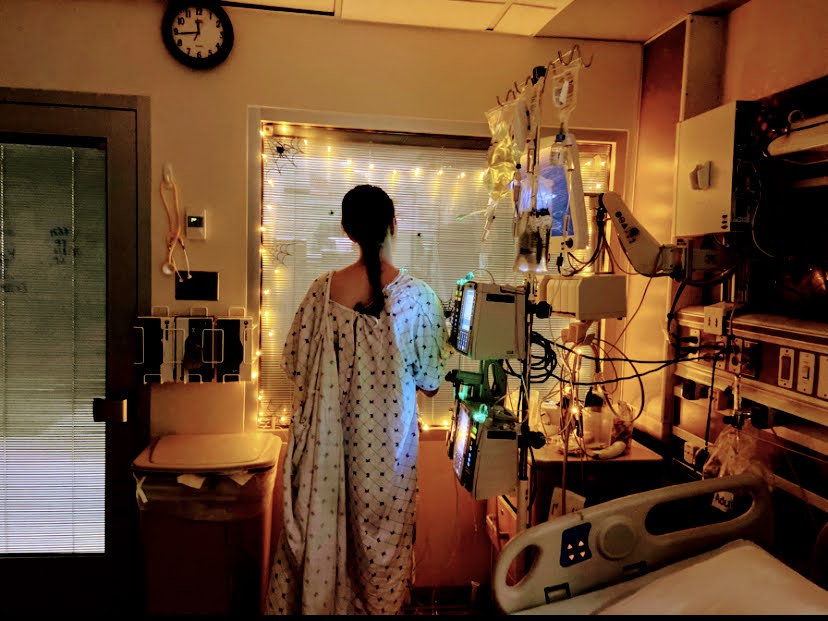
For 5 years, I lived with a temporary fix, managing the end-stage liver disease while receiving oral chemotherapy to control my cancer. We knew to survive, I would ultimately need a liver transplant. Those 5 years were filled with many trials, struggles, pain, and suffering. I sat in waiting rooms constantly; the hospital basically became my second home. It was one of the many times I sat waiting for an appointment with the transplant team that I looked around at the packed waiting room, wondering how there were so many people in the same situation I was in, desperate for a lifesaving organ transplant. That moment sparked two other questions that completely altered the course of my future career. 1. How does the organ donation system work? and 2. What can I do to help all the other people like me?
Overnight, I went from being someone who had no idea what they would do when they grew up to someone determined to make an impact within the medical field. I started to research everything I could about organ donation in the United States. My school projects were all oriented around organ donation, medical education, and improved patient outcomes. I, someone who had never considered a career in medicine prior to being sick, suddenly started to realize I didn’t see myself doing anything but medicine. I started taking every medical science class my high school offered. AP biology, anatomy, genetics and biotechnology, chemistry, and physics. I loved them all.
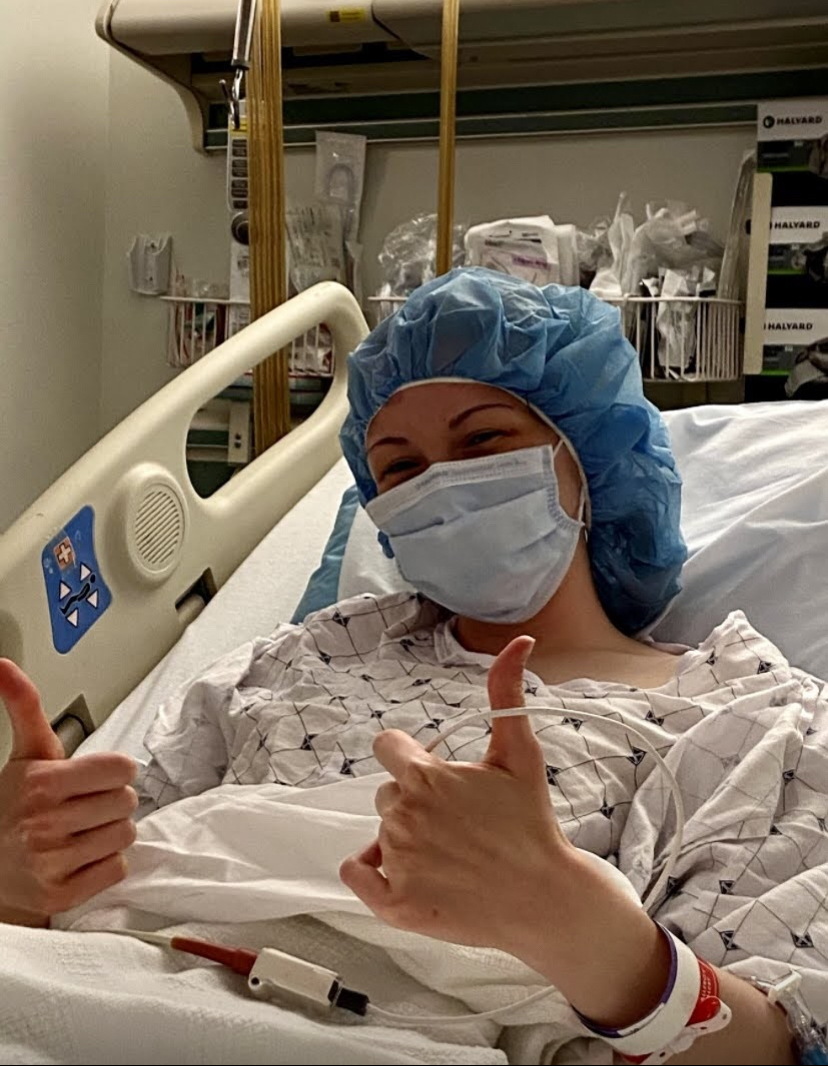
When it came time for me to apply to college, my condition worsened, and I worried I wouldn’t be well enough even to graduate high school, let alone apply and attend college. I had been re-listed on the liver transplant list and was waiting for my second chance at life while limping along in school. COVID hit and shut everything down. Even some transplant centers stopped performing transplants. I was called by mine and told to expect an even longer wait for my lifesaving call. About 2 months later, I woke up to the phone ringing at 7:33 in the morning. My heart raced as my parents answered. A liver was available, I was the primary match, and they expected me to be in surgery by that night.
The following 6 months were the most challenging 6 months of my life. Honestly, the entire transplant and recovery is a blur. However, I had been given new hope! Now a senior in high school I was hopeful that I could now attend my senior year as I recovered since everything had been moved online. I felt strong enough that I started the college application process as well. During the college application process, my current university presented an essay prompt that changed my life. “What are two things you’d hope to accomplish outside of your academics if you were a student at George Mason University?” My situation made this question easy. 1. I wanted to contribute to scientific research. It had kept me alive 5 years before my transplant, given me the gift of life, and overall was fascinating and incredible to think about being apart of lifesaving scientific advancements that could impact other people like it had impacted me. 2. I wanted to increase education about the importance of organ, eye, and tissue donation. I wanted to help the system improve, encourage more people to become registered donors, and overall help eliminate the wait for a lifesaving organ.
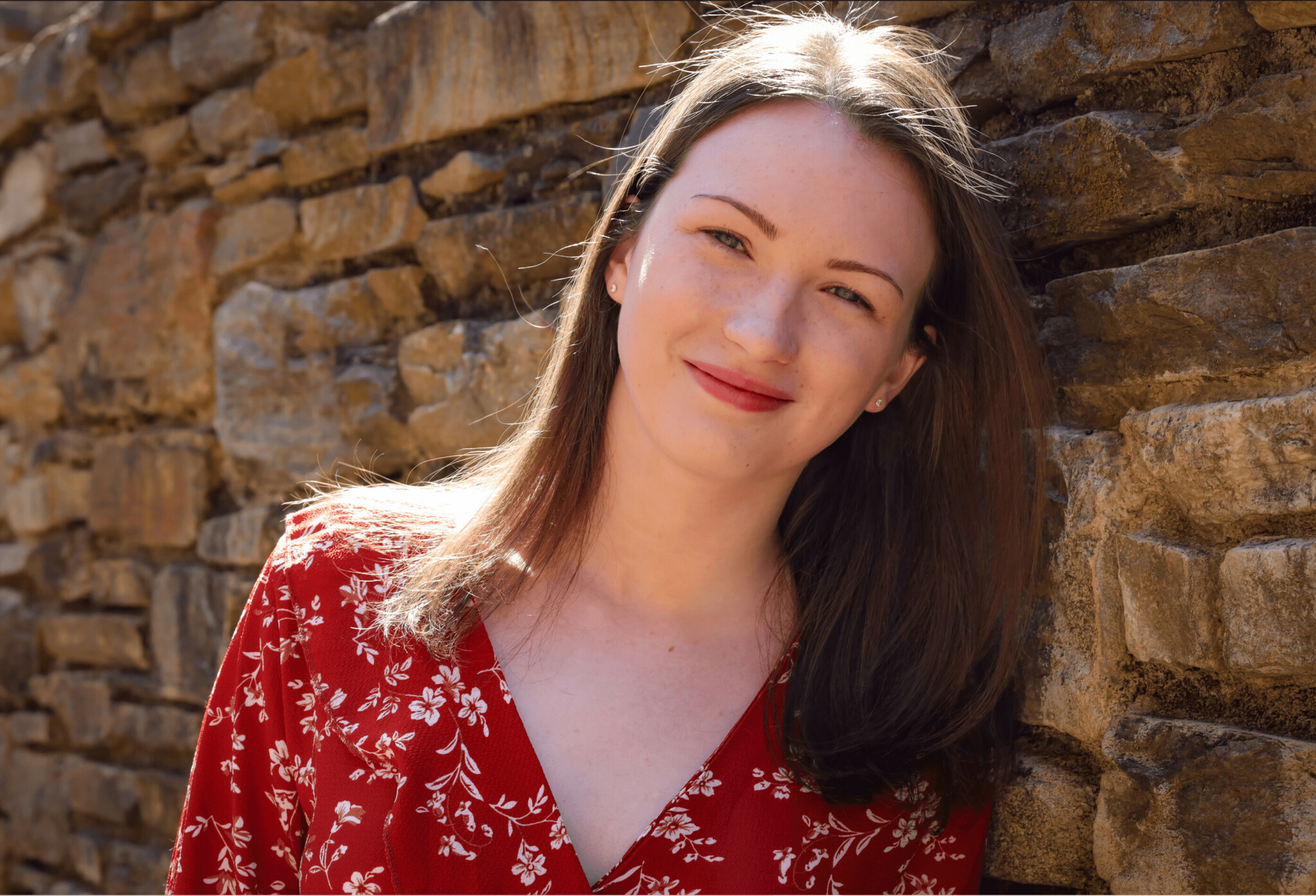
Awesome – so before we get into the rest of our questions, can you briefly introduce yourself to our readers.
My name is Madelyn Flickinger. I am a Molecular Biology and Biotechnology student at George Mason University in Fairfax, Virginia. I am also a chronic blood cancer and liver transplant survivor.
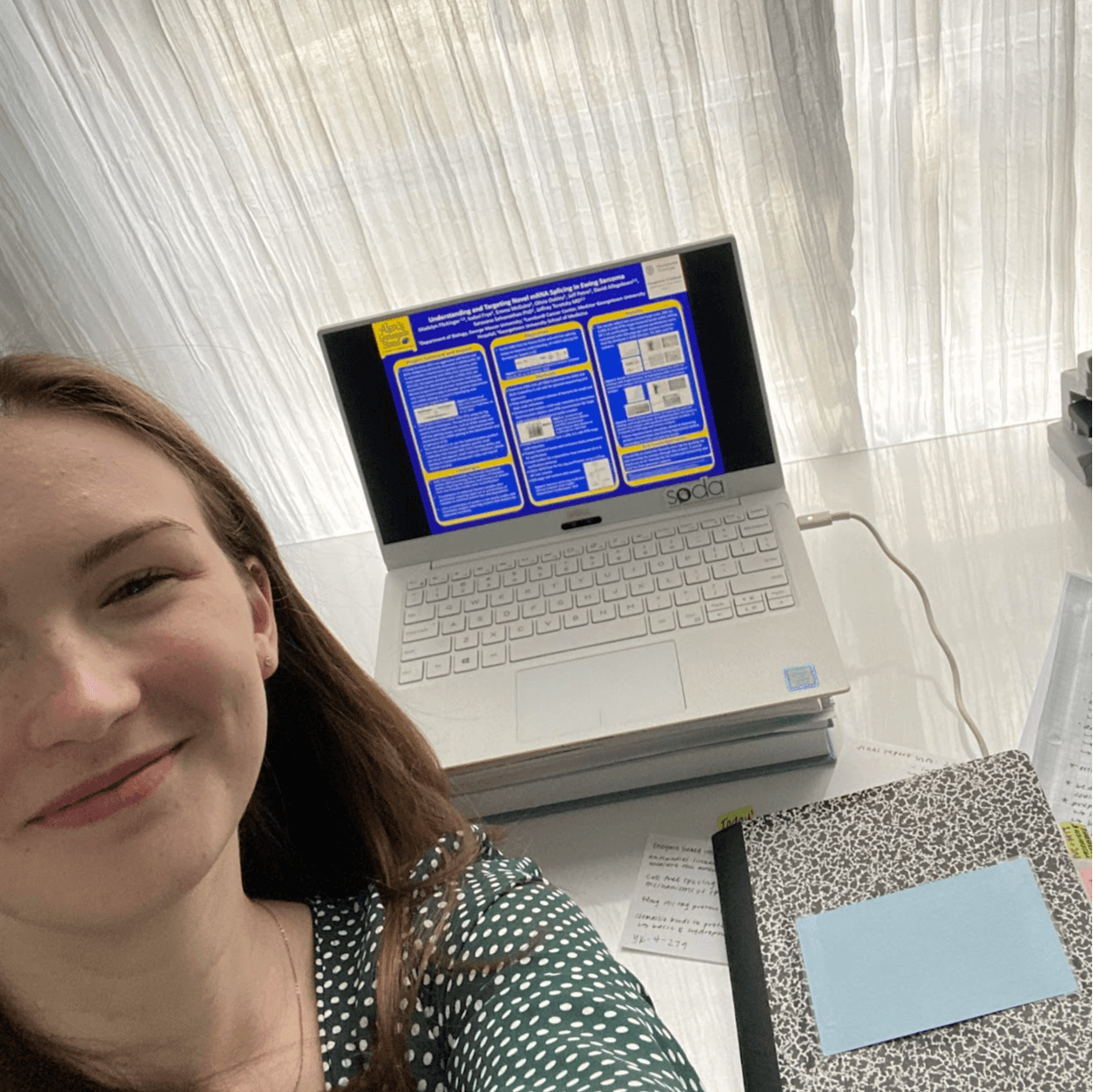
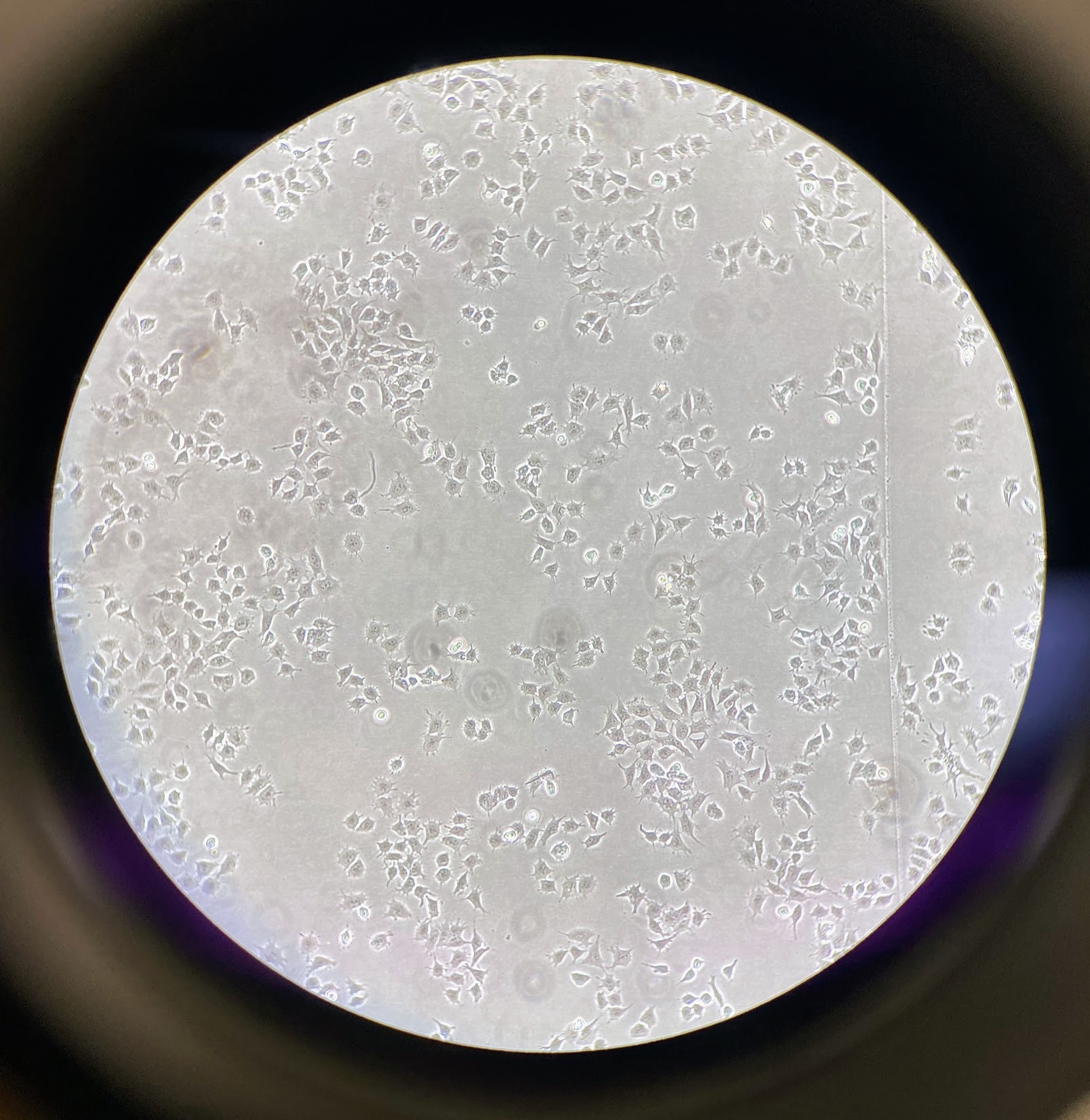
After struggling with my health throughout my teens, I determined I had found my calling in medical sciences. I started an internship at Georgetown University, working in cancer research during my second year in college. I fell in love with bench research and continue to work with the same lab I originally interned at. I specifically work with Ewing Sarcoma. An aggressive bone and soft tissue cancer that primarily impacts adolescents and young adults. My project is working with the protein-protein interactions that lead to altered gene expression. The mission of the lab I work with is to improve the understanding of Ewing Sarcoma and create new therapeutic targets for the disease.
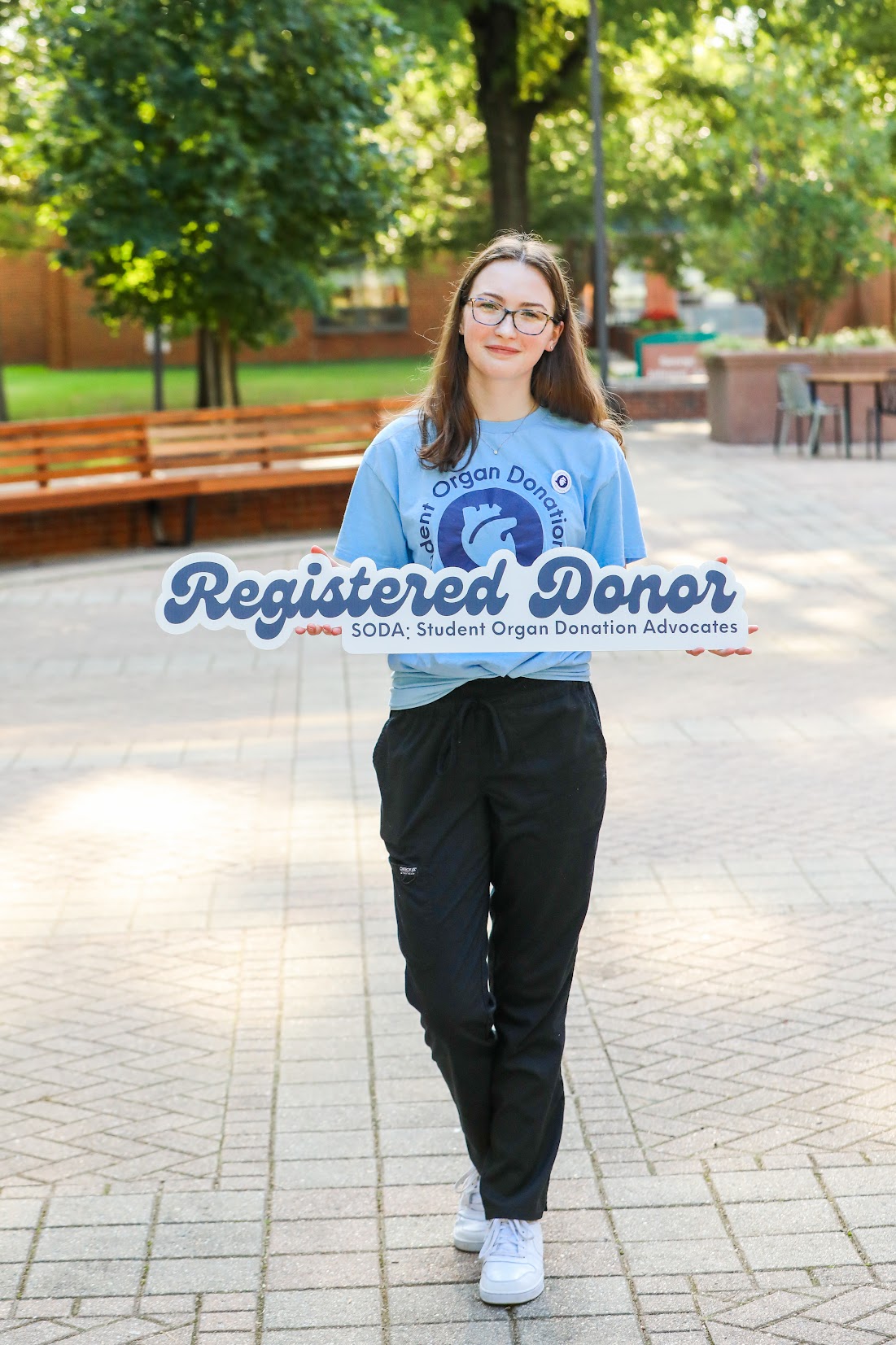
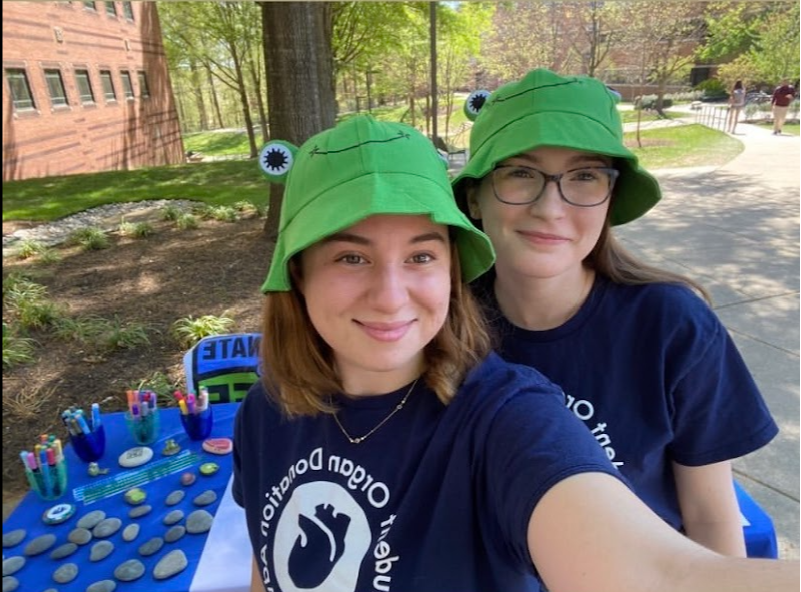
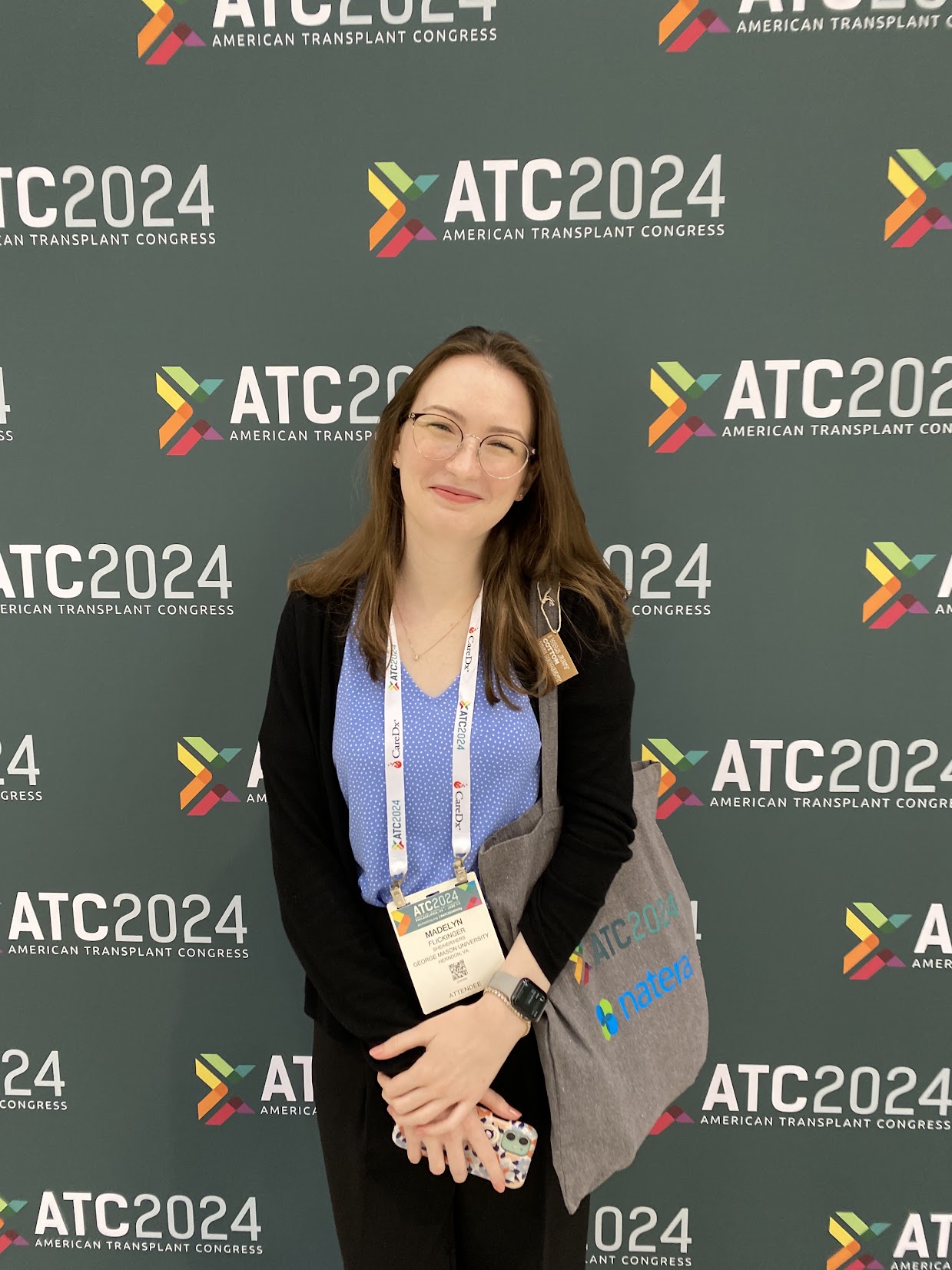
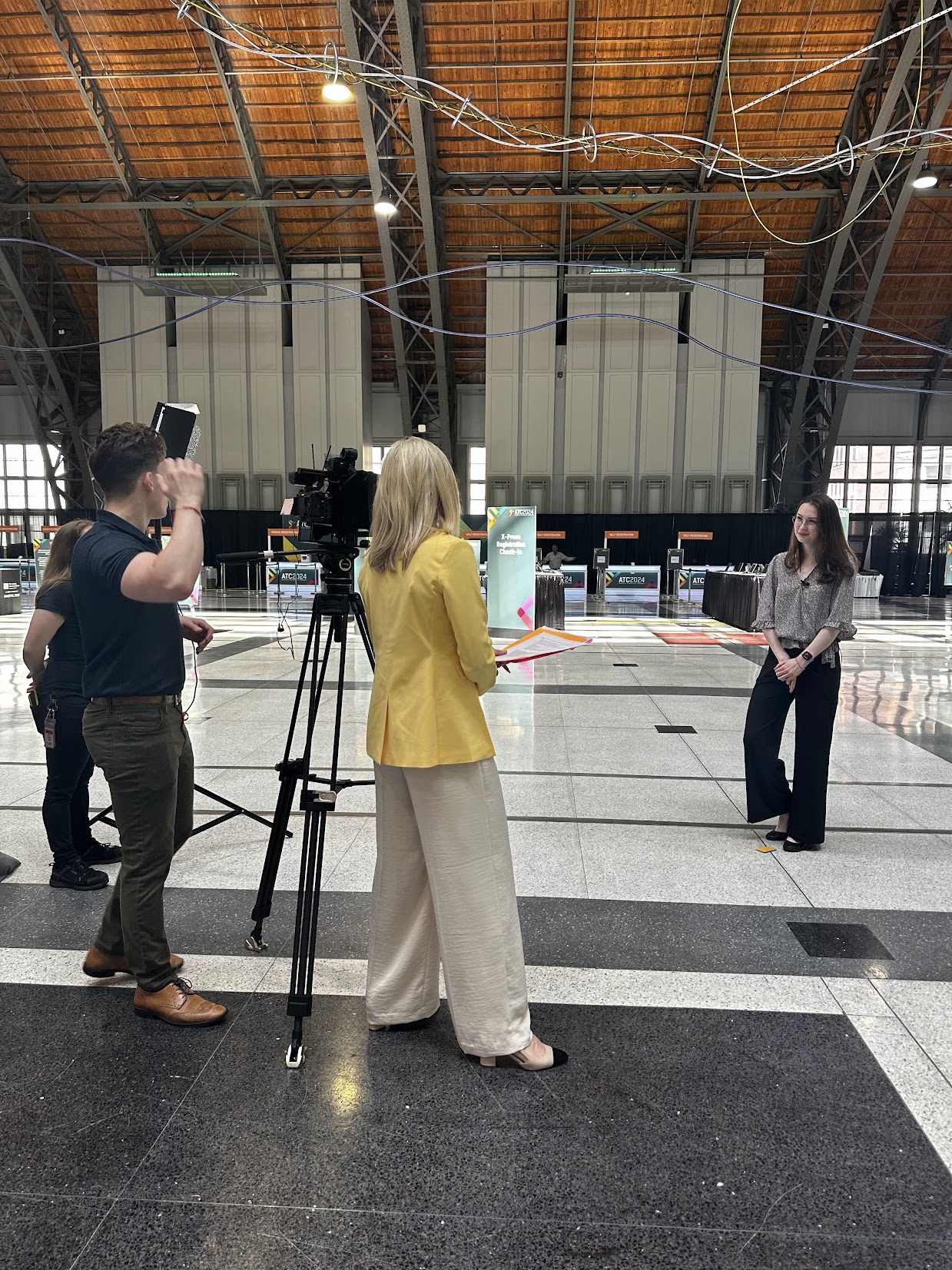
Outside of working on my degree and research, I have a passion for advocacy, specifically within the organ donation and transplantation field. I joined Student Organ Donation Advocates when I was a freshman at GMU. Since then, my role within the transplant community has continued to grow, and I have been so lucky to have the opportunity to raise awareness for the importance of organ, eye, and tissue donation, not just locally but nationally. I also push for improved adolescent and young adult support and resources for transplant patients. I work with the American Society of Transplantation in their Transplant Community Advisory Committee, representing the AYA voice and improving the lives of donors, recipients, and caregivers within the transplant community.
Learning and unlearning are both critical parts of growth – can you share a story of a time when you had to unlearn a lesson?
The quickest and most important lesson I so quickly unlearned was that I had to always have the answer. Growing up in a competitive area grades and success in academics were stressed by my school and peers starting at a very young age. I started to place an unreasonable amount of pressure on myself to try to be as perfect as possible. I’d be extremely upset if I missed a single question during a test or accidentally shared the wrong answer when called on in class. I was under the false impression that if I always had the right answer, I’d always be successful.
My internship taught me within the first week that it wasn’t feasible, nor was it good to only ever have “right” answers. You learn from mistakes. Mistakes and mishaps force you to think differently about your problem. They force you to collaborate with others and ask for help, leading to new points of view and fresh ideas. They remind you that you are human and mistakes are part of all parts of life.
I learned to strive to work my hardest every single day. I want to always be able to walk away from my day, saying, “Today, I did the best I could with what cards were dealt to me.” Mistakes help me do that. I don’t have to be perfect; I have to be willing to learn and adapt.
Training and knowledge matter of course, but beyond that what do you think matters most in terms of succeeding in your field?
The most important thing in succeeding in whatever you do is being true to yourself. You have to have a true passion and want to succeed. Pushing yourself to be miserable in a job or opportunity you hate or don’t feel yourself in isn’t worth it. You live once, and most of us have to work every weekday at least. It is so vital to WANT to be where you are. The best mentors and professionals I look up to never hesitate when you ask them “would you do it all over again?” That doesn’t mean that the road comes without challegnes or roadblocks but it means that despite whatever you come up against you are willing to find a way to reach your goals and better yourself.
Another thing that is beyond important is building connections. None of us are perfect and no one can succeed alone. Find your people. Find mentors to look up to and help guide you, make friends with your colleagues and peers, and reach out to others in and out of your specialty or field if you want to learn more or have a specific project you think could benefit from a multidisciplinary attack. I believe the professional world, especially in medicine, places too much emphasis on competition. Collaboration and communication is what lead to increased education, new ideas, advancements, and more. Be excited about connecting with others who are excited to be who they are. Be confident in yourself, but absolutely be humble and be willing to learn. Not one person knows everything. Egos can kill creativity and collaboration, which leads into my final point…
Be kind. Sincerely, you never know what someone is going through. We get so sucked into being successful and hitting deadlines that we often allow ourselves to be frustrated by tiny things that in the grand scheme of life, do. not. matter. We all get up and go about our day with so much going on behind the scenes that people never see. It isn’t that hard to smile at a stranger or hold open a door for someone. Treat others with the same grace and kindness you’d want someone to show you.
Contact Info:
- Website: https://www.sodanational.org/bio/madelyn-flickinger
- Instagram: madflick02 , newliver4mad
- Linkedin: Madelyn Flickinger