We caught up with the brilliant and insightful Maddie Baker a few weeks ago and have shared our conversation below.
Hi Maddie, thanks for joining us today. What did your parents do right and how has that impacted you in your life and career?
My parents did three things that made possible for me to be a successful artist. First, they let me make a mess. They let me use paint in a carpeted bedroom, despite innumerable stains. They let me have x-acto knives and ink and didn’t bug me too much about what my room looked like. Second, they didn’t shower me with praise. They supported my artwork and would give me art supplies for every birthday and Christmas, but when I would show them a piece I was super proud of, they never gave me excessive praise. They also didn’t give much negative feedback either. It was more, “That’s cool, carry on” type of energy. As an attention hungry child, I am sure what I really wanted was “OH MY GOSH YOU ARE THE NEXT DA VINCI, I LOVE IT!” There have been points where I was irritated that I didn’t get more positive feedback from them. But I think the benefit of quiet support instead of lavish praise was that I developed self satisfaction. I couldn’t rely on them to love my work, so I learned to love it for myself. I have met many young artists who hate most of their work. I manage to genuinely like 95% of the work I put out. Even if I know it isn’t quite right or quite as good as I want it to be, I’m happy. And I think I owe my parents a lot of that.
Third, they didn’t worry too much about me being a starving artist. I know they did worry a little bit, but they didn’t express it often and never stood in my way. In other words, they expected me to work hard and get a college education, but they trusted my choice to follow what I loved and was good at. That has made all the difference.
Great, appreciate you sharing that with us. Before we ask you to share more of your insights, can you take a moment to introduce yourself and how you got to where you are today to our readers.
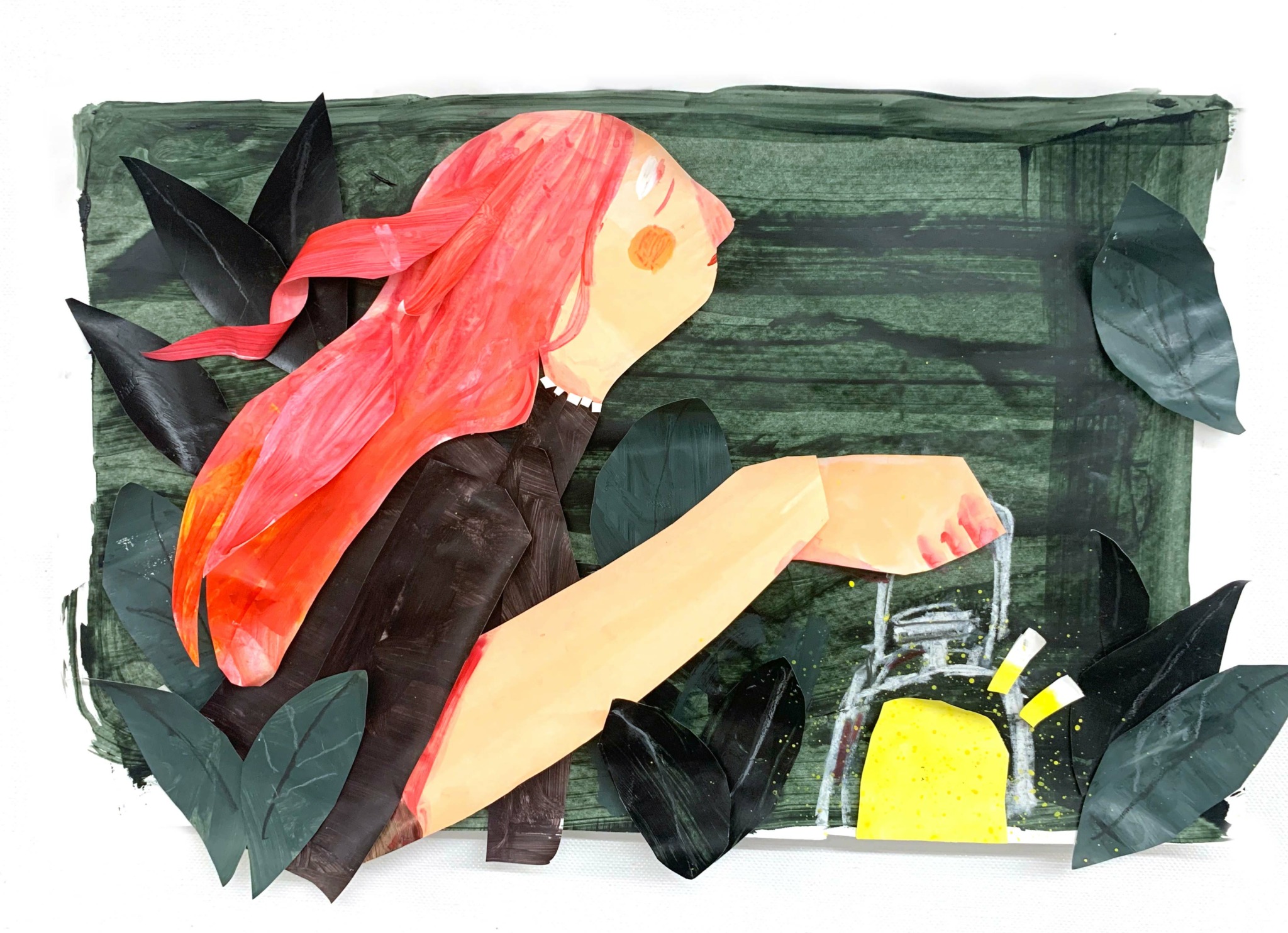
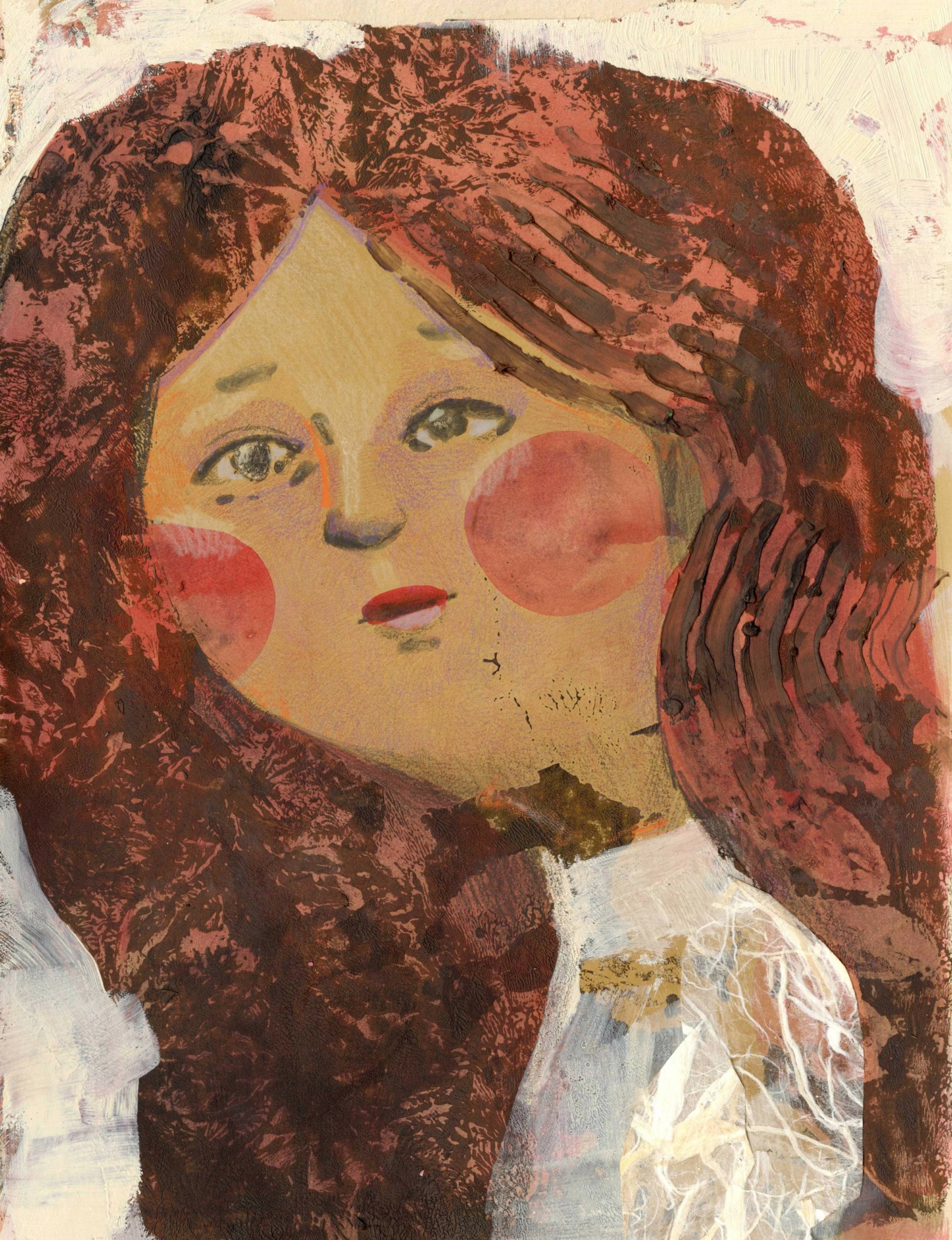
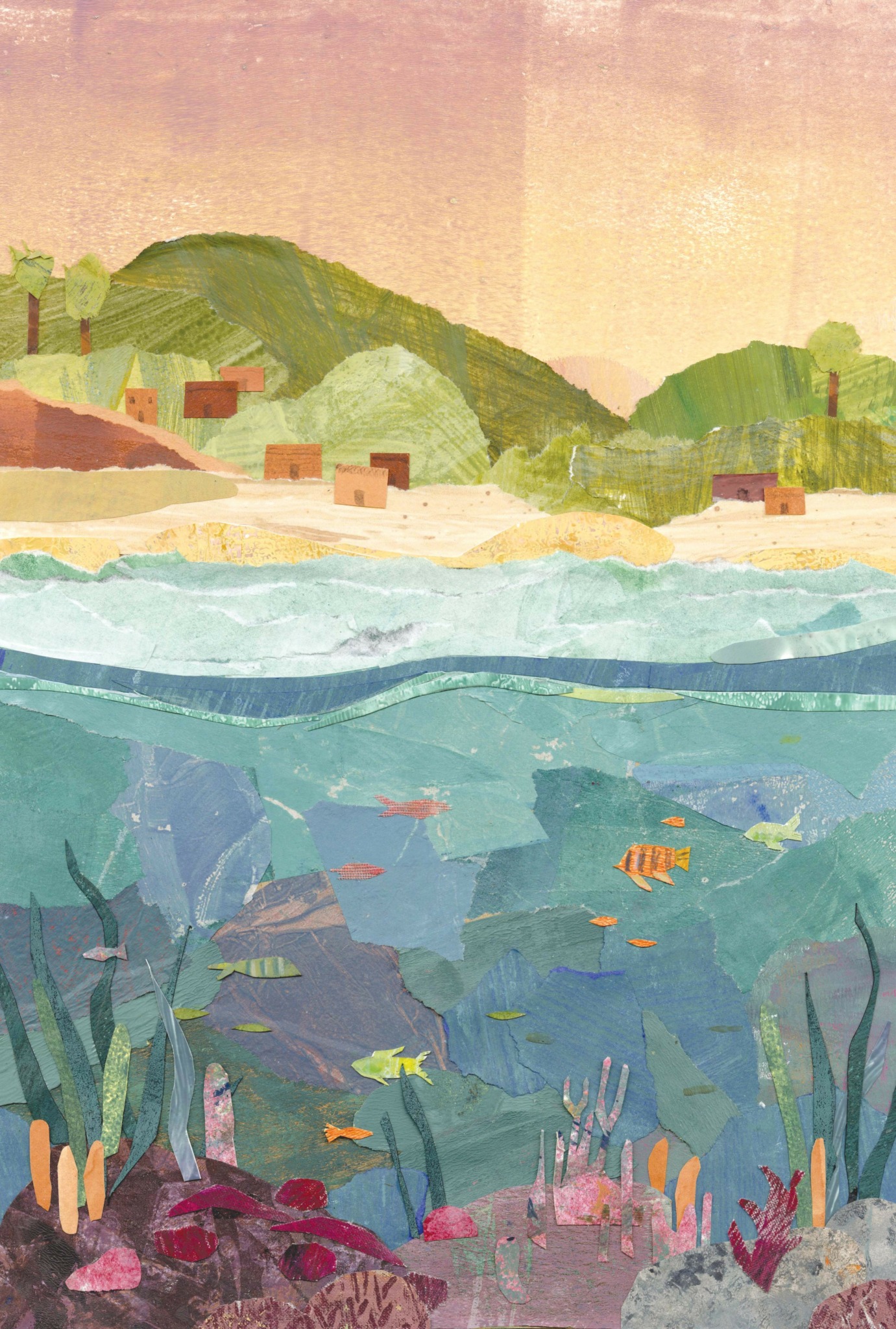
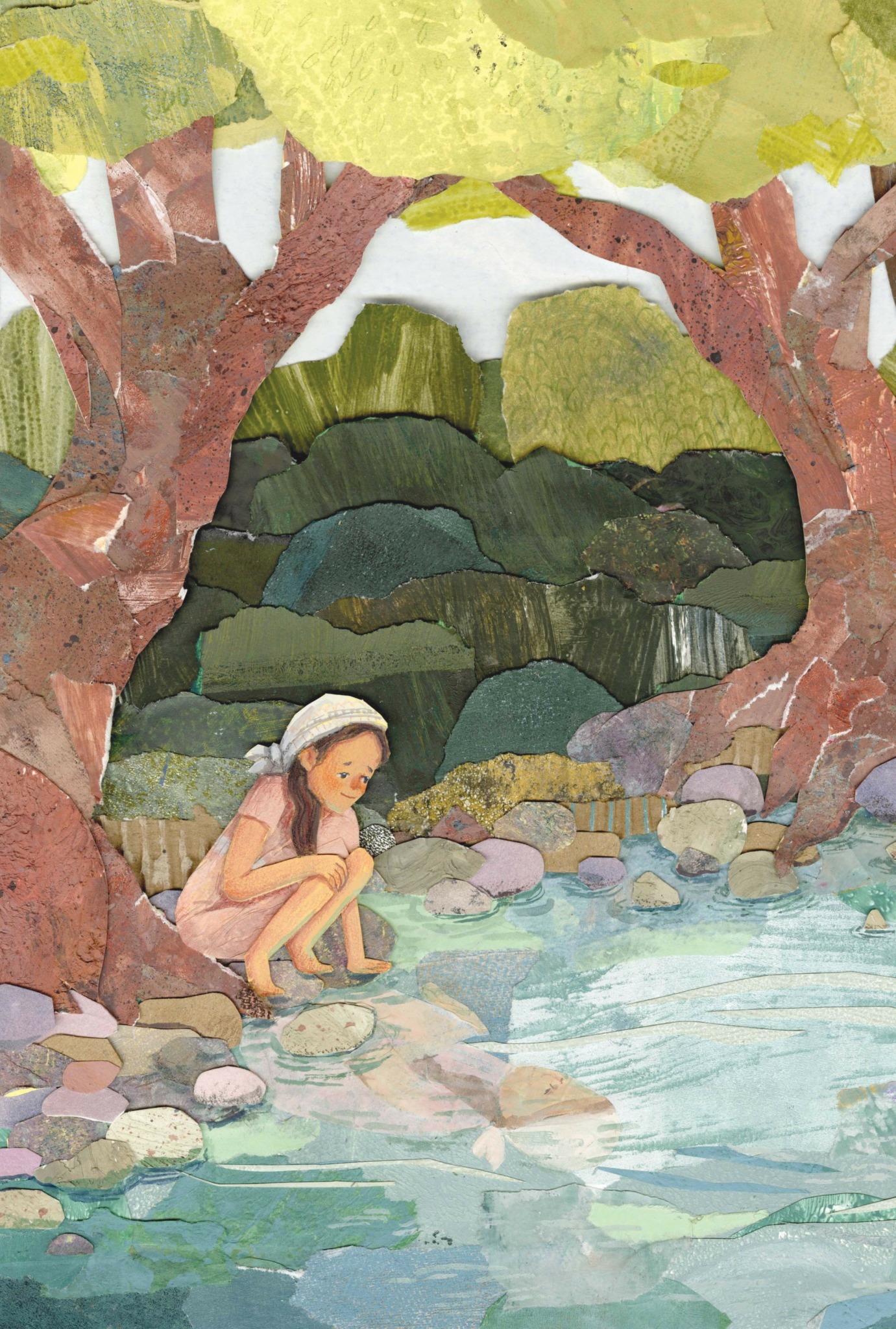
My creative endeavors are a bit like a jar of licorice allsorts. As a kid I loved making my own paint out of things I found in my pantry, drawing princesses, and making birds nests out of mud and sticks. At age 13 my prized skill was arranging aesthetic dessert tables for family parties. In high school I shifted into food photography, watercolors, and mixed media experimentation. By the time I graduated I thought I probably wanted to be an artist, I just wasn’t sure if it would be lucrative enough to make ends meet. Then I discovered illustration. On a tour of Brigham Young University I meandered through a hall where character drawings and concept art were pinned all over the walls. Sparks exploded in my head and from that moment I have never had a plan B. I learned the fundamentals, planned on being a children’s book illustrator, graduated and started freelancing. Almost immediately, the isolation of freelance work hit like a ton of bricks. I began working part time assisting a muralist and fell in love with the community aspect that comes from public facing work and from the camaraderie of working alongside a partner. Next I had the chance to teach drawing at a college and loved working with the students so much that I applied to grad school to open up my opportunities for teaching. I’m now in my second year at the Sam Fox School Illustration and Visual Culture MFA, where I’ve realized that the term “illustrator” might not be quite right after all. I now also feel like a writer, a comic artist, a painter, a teacher, and a researcher. Next year I’ll probably be a few more things.
My practice thrives on iteration and play. I believe in using what you have, playing to your strengths, bringing joy and helping others. My work often focuses on small moments and making little mundane things beautiful, like a friend stopping to pick up a stick she thought you would like on her walk home.
I’m still finding the right homes for where I want my work to live, but in the meantime I’m still making a big mess and leaving room for experimentation.
What can society do to ensure an environment that’s helpful to artists and creatives?
Purchase people focused! You can decorate your home and fill your life with mass produced items from Hobby Lobby all you like, but the odds are that the framed quote above your bathroom will end up at the Goodwill in a few years. Go out in to the community, to the fairs and galleries and the neighborhood events where artists come out of their dens. The odds are you’ll find things that you have never seen before, things that resonate with your soul on a deeper-than-Hobby-Lobby level. Maybe they cost more than you are used to, but consider. The things you really love and connect with aren’t the kinds of things that end up in a garage sale. There is something so special about connecting with real humans who made real, meaningful things that make us light up when we see it. There are lots of other ways too, but this one really blesses everyone in my opinion. It makes artists feel supported and makes our homes feel a little more intimate.
We often hear about learning lessons – but just as important is unlearning lessons. Have you ever had to unlearn a lesson?
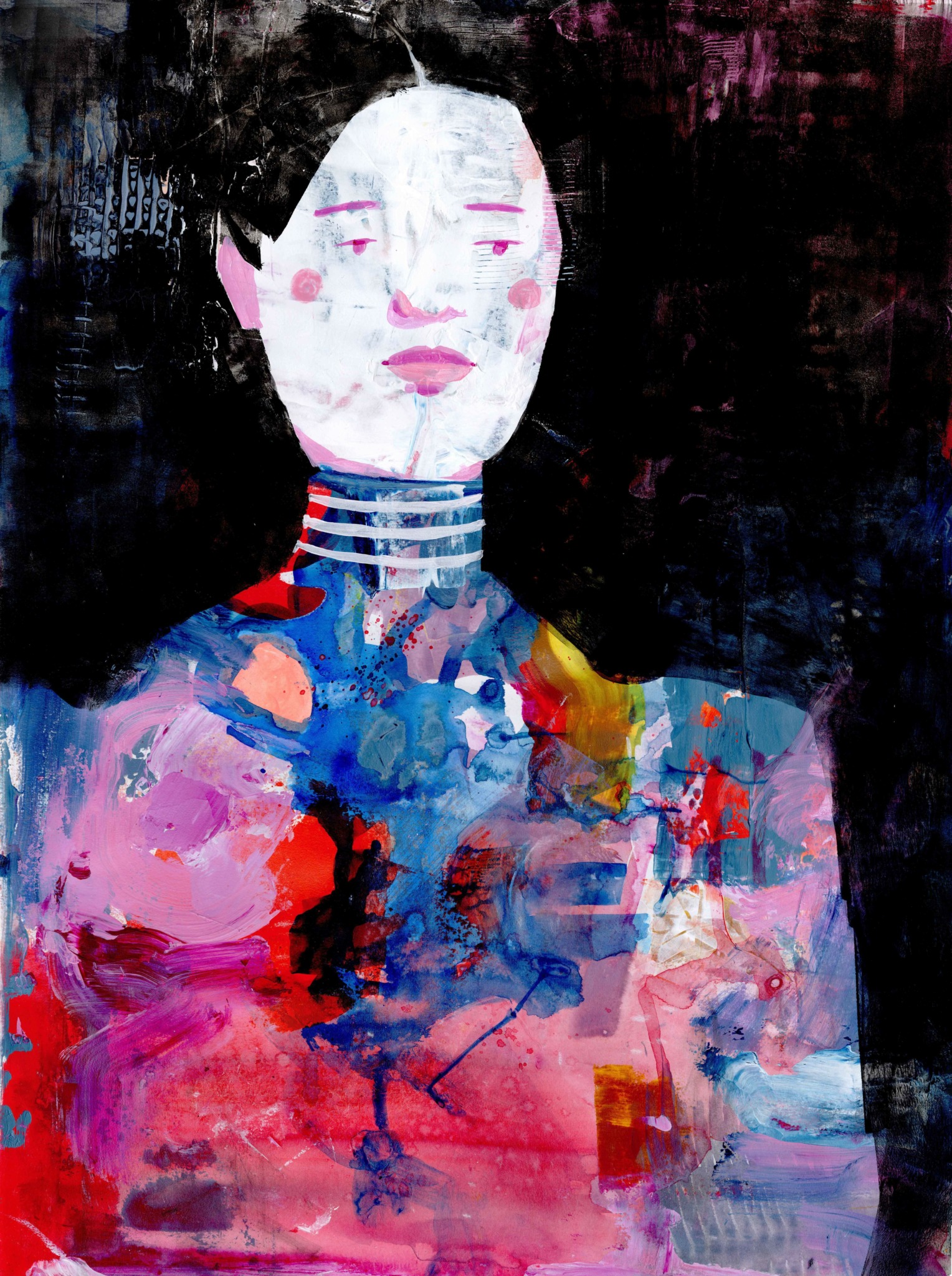
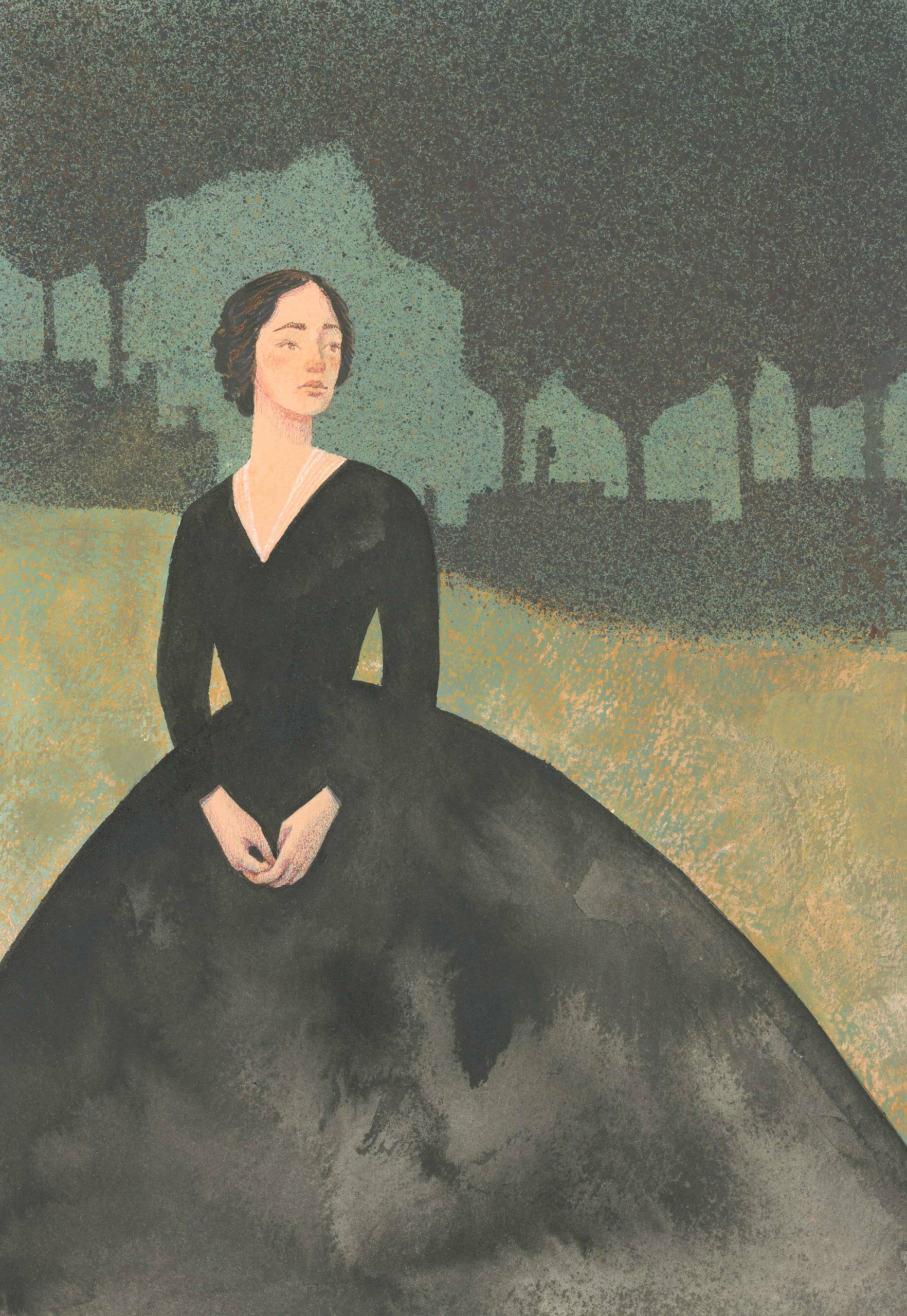
When you learn the fundamentals of drawing and painting and scroll through art accounts online it is extremely easy to fall into the trap of “the more realistic it looks, the better it is.” In school perfection is praised; detail and accuracy are emphasized in critiques instead of critical thinking and intentional decision making. It’s way easier to draw a realistic portrait than it is to make good conceptual decisions. I’m still grateful for the basics I learned, but learning that there are other schools of thought is a game changer. Plus with AI, it’s so easy to churn out “realistic” looking artwork. Why compete with that? It’s much harder to exaggerate shapes wildly, or to say more with less in an illustration. That takes a sharp human brain.
Contact Info:
- Website: https://maddiebakermakes.com
- Instagram: maddiebakermakes