

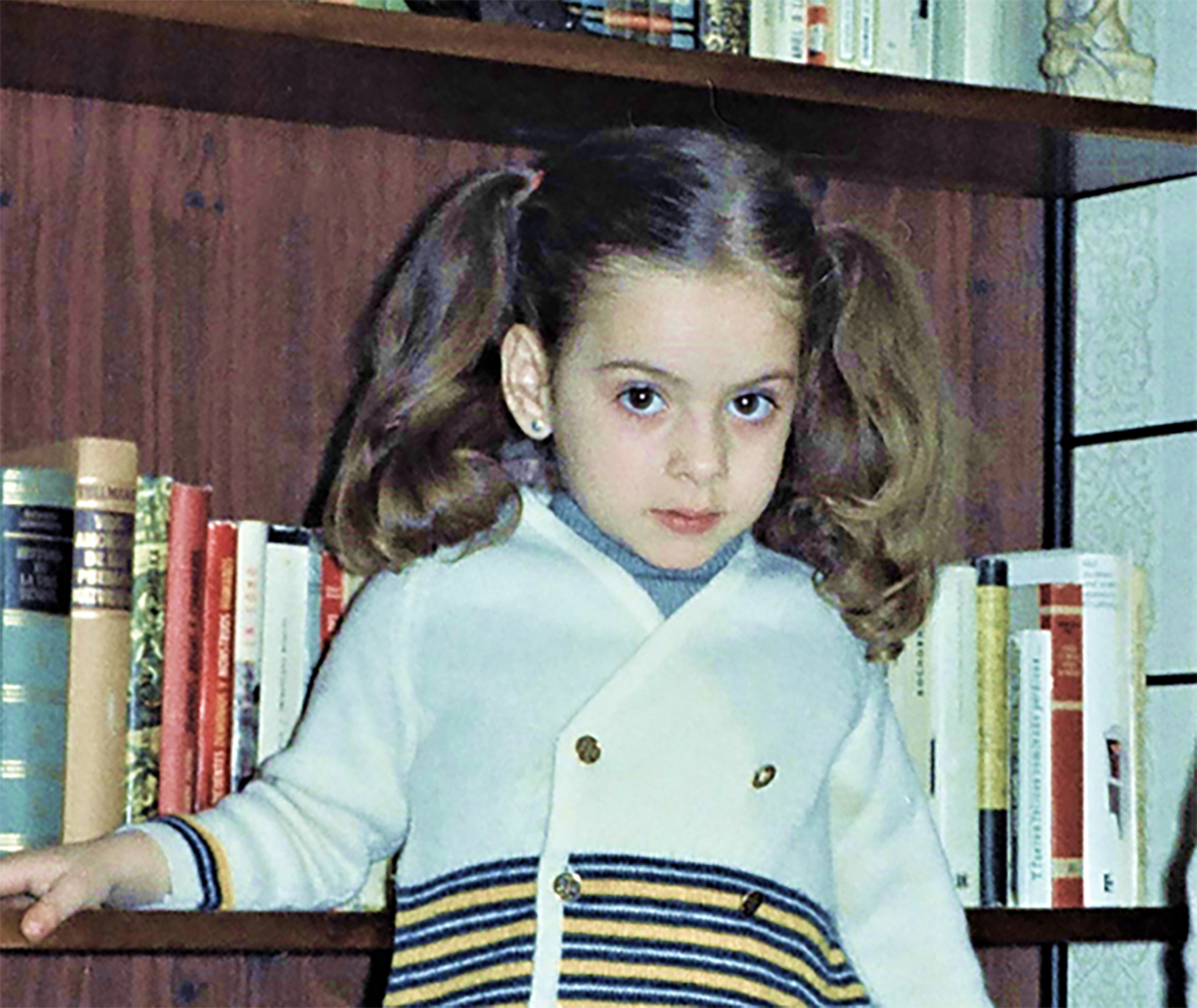

Alright – so today we’ve got the honor of introducing you to Madcollage . We think you’ll enjoy our conversation, we’ve shared it below.
Madcollage , appreciate you joining us today. We’d love to hear about a project that you’ve worked on that’s meant a lot to you.
I just concluded a personal project that has a lot of significance for me. It’s a set of five downloadable guides about collage. They cover issues such as composition, techniques, tools and materials. It took me well over six months to complete, and I’m very pleased that it finally came to fruition.
The idea for these guides came to me because of questions I received through social media. These were the same questions that kept coming up when I used to teach. How do I put together my collage? Where do I start? What do I need to make a collage? Where do you find your images? How do you come up with ideas for collage? What’s the best glue, paper, or cutting tool? I realized that people trying to create collages of their own were having the same issues everywhere.
So, I researched these topics, and I was surprised to discover that there were no resources providing clear answers. I realized that most of the books available were either expensive, narrow in scope, poorly written, or just plain confusing.
I set myself a goal to create a handful of concise, fully illustrated, affordable e-guides that everyone could use no matter their level of proficiency.
First, I organized them into succinct categories. Then, I supplied as much concrete information as possible. I included examples, explanations and resources for each topic. Finally, I tried to make them fun to read. Art terminology can be intimidating, and the objective was to encourage people to make collage, not to dazzle them with knowledge.
I’m happy with the result. I hope everyone has the opportunity to enjoy making collage because it is so beneficial. It is a soothing practice for people who are experiencing difficulties, for instance, because it allows you to express your feelings visually without words. It’s a fantastic tool for self-discovery, and it’s particularly well suited for teens and adults who need an emotional reset. Creativity can definitely put you on the path to healing.
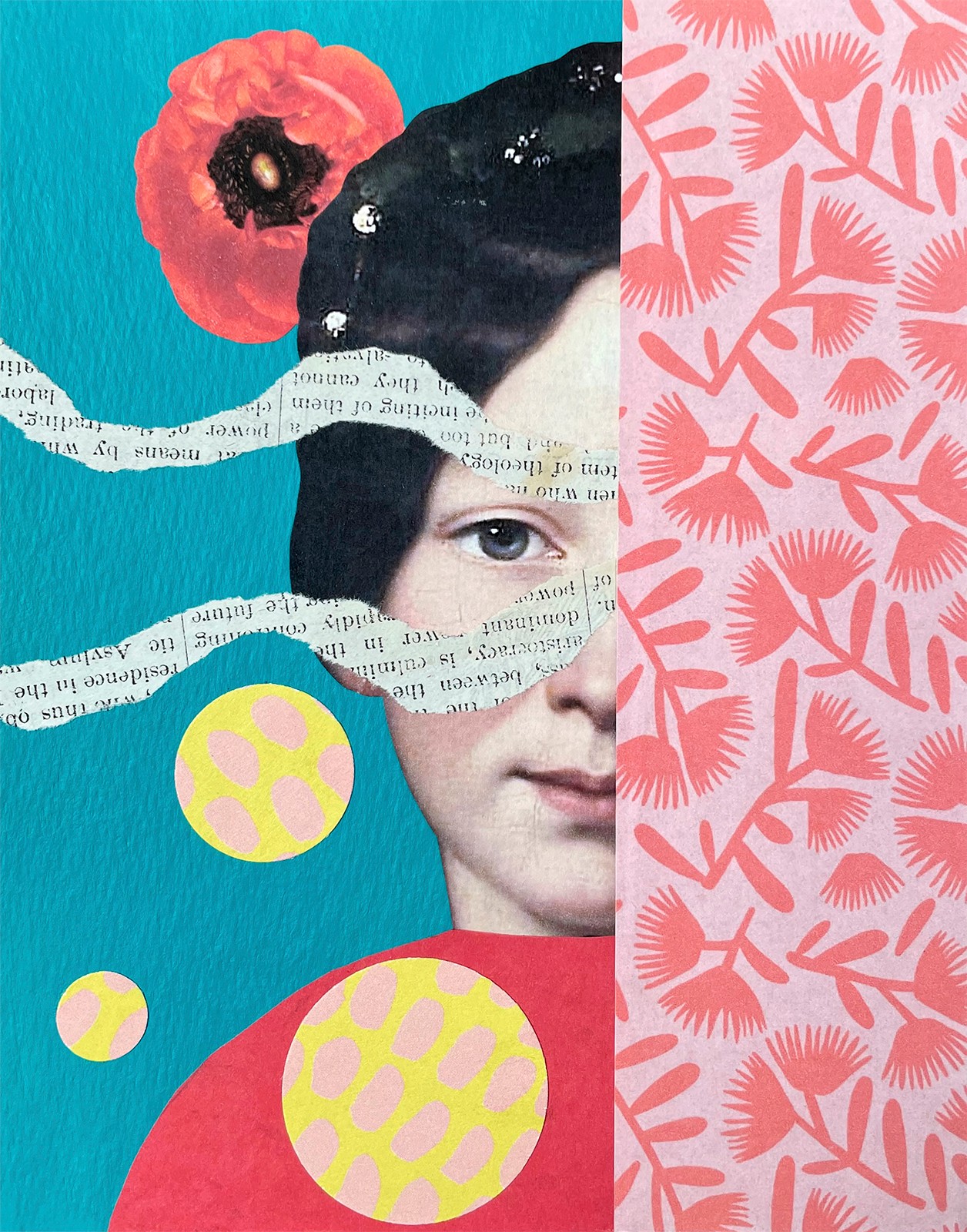
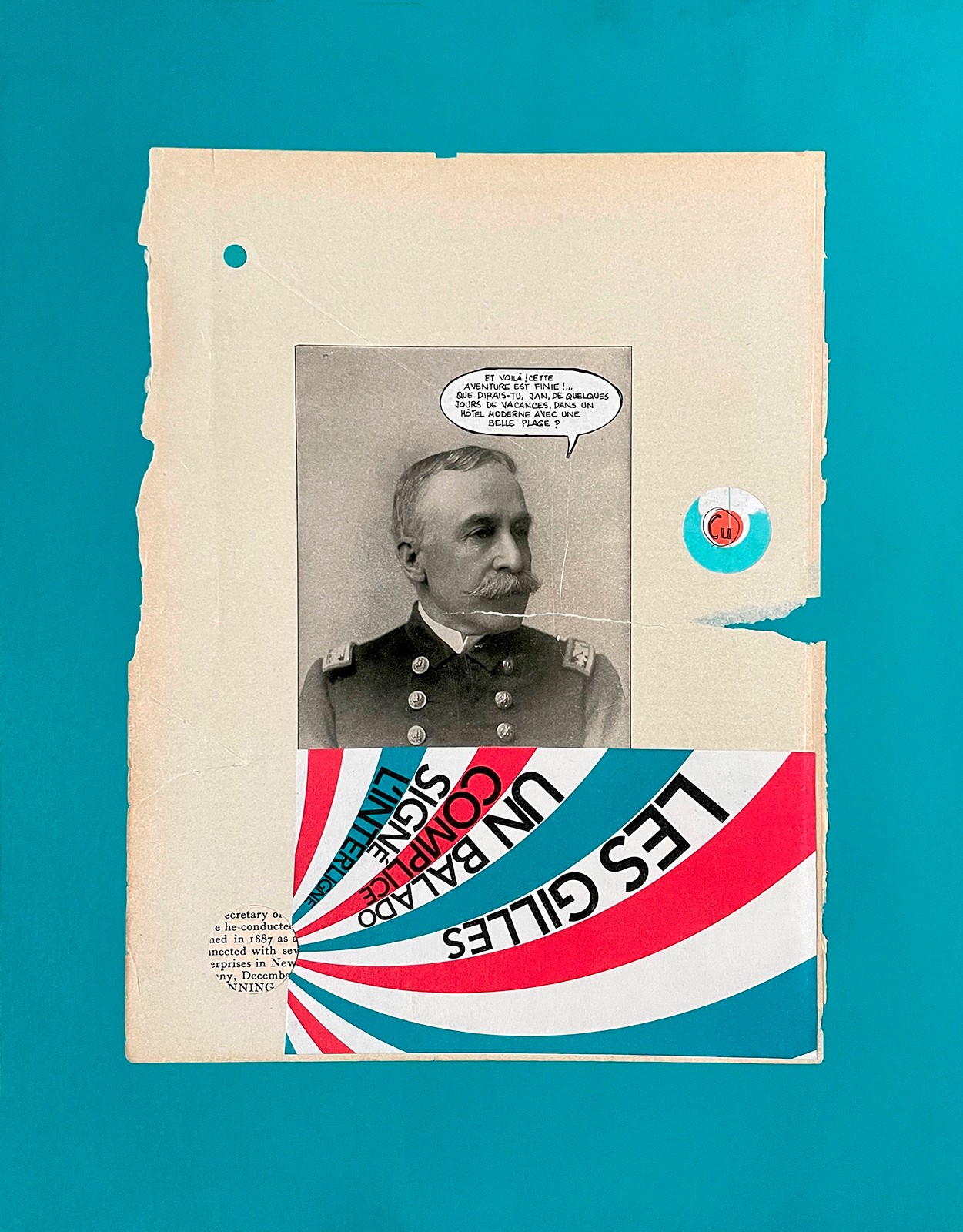
As always, we appreciate you sharing your insights and we’ve got a few more questions for you, but before we get to all of that can you take a minute to introduce yourself and give our readers some of your back background and context?
I was born in Madrid, Spain. I currently live in Vermont. I create traditional cut and paste collages and I don’t use any digital tools.
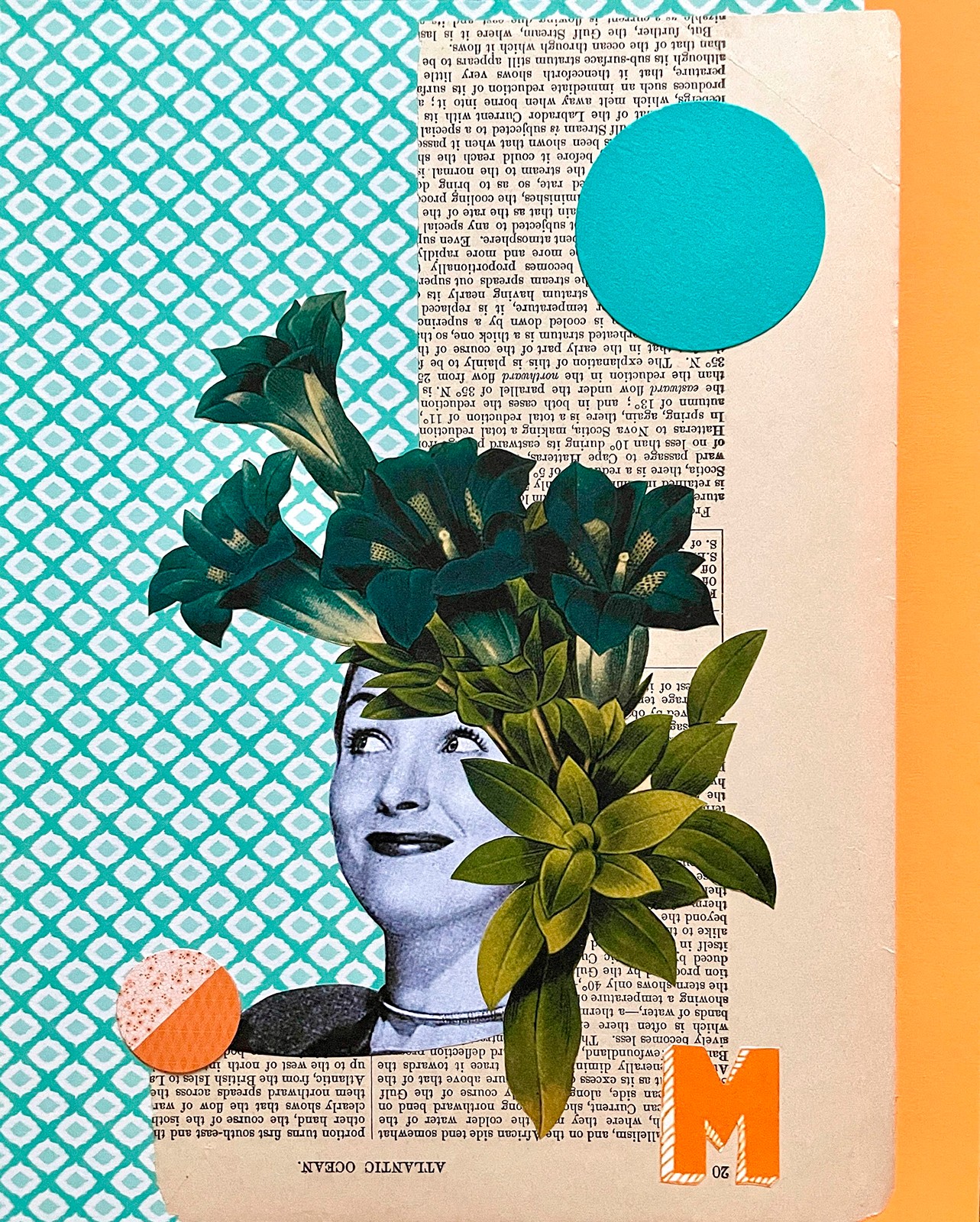
My collage work has been displayed internationally. I’ve participated in exhibitions around the USA, Europe, and Canada. Some of my mixed media collages have been selected for exhibition by the Santa Fe Museum of Fine Arts, the Harwood Museum of Art in Taos, the Arts Center in St. Petersburg, and in the Las Cruces Museum of Art. My originals are in private collections around the world and have been featured in books and magazines.
In college I studied Fine Arts, Art History and Art Education. Initially, I trained as a painter and, ironically, I didn’t learn about collage at university. I started making collage sometime later at a low point in my life when I was unable to make any artwork. It became a life raft of sorts for me. It kept me afloat.
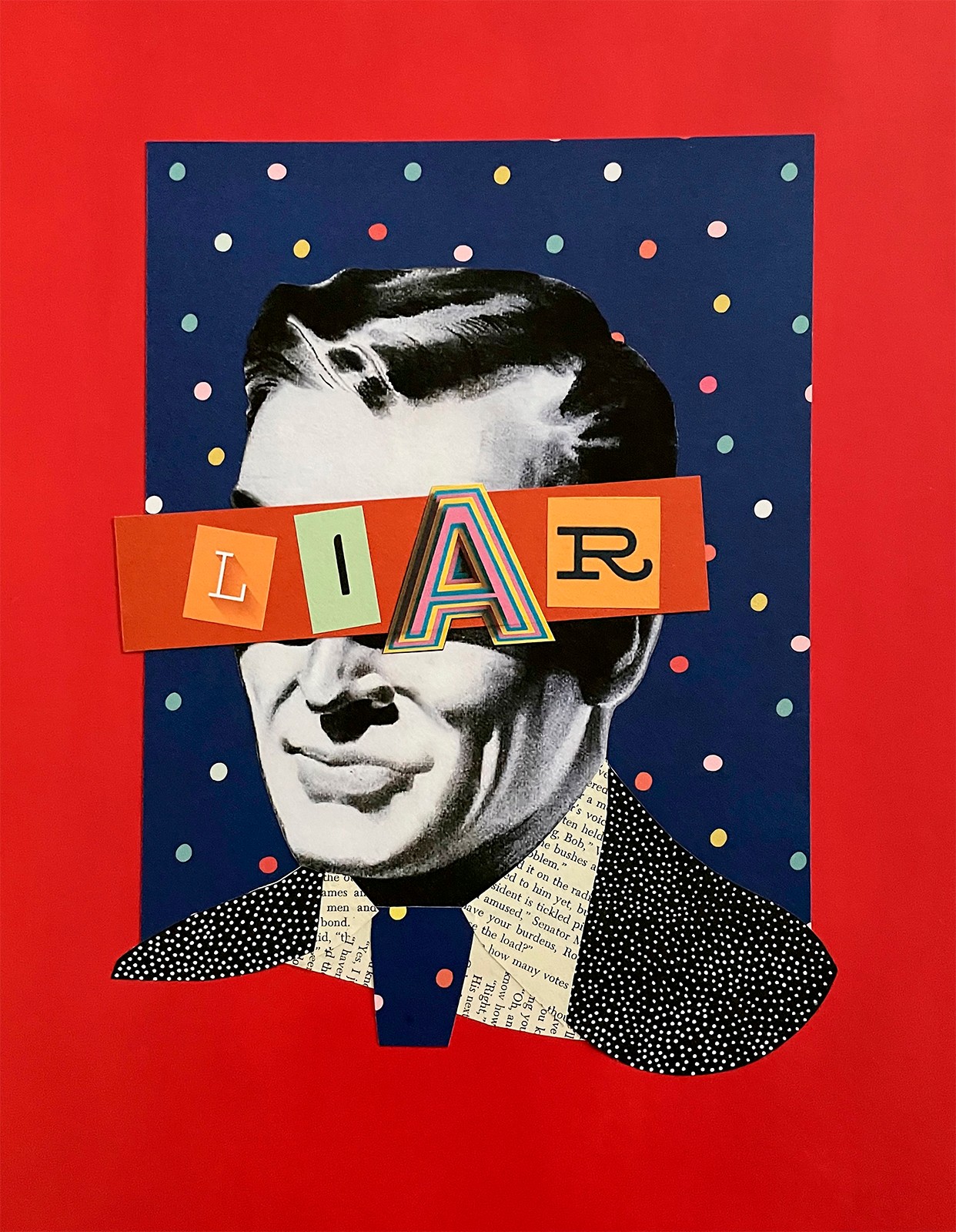
I wouldn’t consider myself a “brand’. I am an example of a solo entrepreneur. I am the single creative force behind Madcollage. It has advantages and disadvantages. For instance, I lack the practical expertise (and the patience) to navigate social media and, I’m afraid, that it is a resource that I don’t fully exploit. I find it extremely taxing and pointless. Occasionally, I get help from my IT person because I am, to be quite blunt, technologically illiterate. Otherwise, everything I do in the studio is experiential, thinking cap type of stuff. I use paper, scissors, adhesives and little else. It’s a very last century practice, but I love it.
My role as a creative has two purposes: connecting and sharing some of my ideas with my clients, and inspiring others to also be creative themselves through collage making. I think both aspects are therapeutic in different ways. I’m grateful when people appreciate my collage work, but I also want to compel people to spend some time creating their own collages. I think collage encourages self-reflection, which is very rare nowadays, and it’s a healthy practice for body and mind.
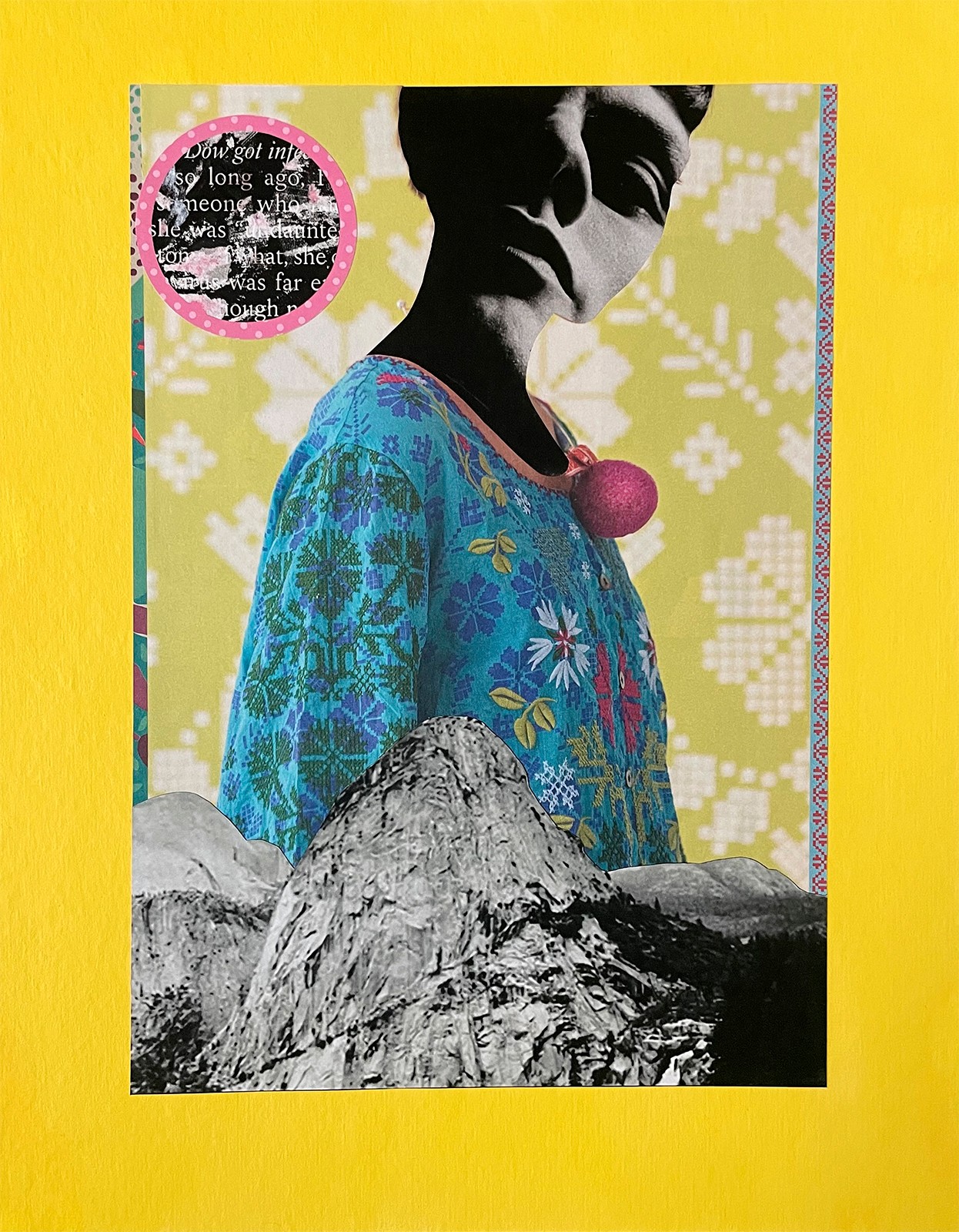
Are there any resources you wish you knew about earlier in your creative journey?
I would have loved to find a real mentor. Kind of a humble but helpful skipper with experience. I am not referring to the social media “gurus” I see these days on Instagram or Facebook peddling formulas for success. That is not mentoring. It is marketing in disguise. It lacks the very essence of mentoring, which is helping someone grow and improve their craft because you believe in them. It also lacks generosity of spirit. I despise it. I think the notion of mentorship is tainted now and it has turned into a virtue signaling, self-promoting transactional activity.
Other than that, I would have liked better health and more stability, but that’s the way the cookie crumbles. You can’t always have what you want or even need.
In your view, what can society to do to best support artists, creatives and a thriving creative ecosystem?
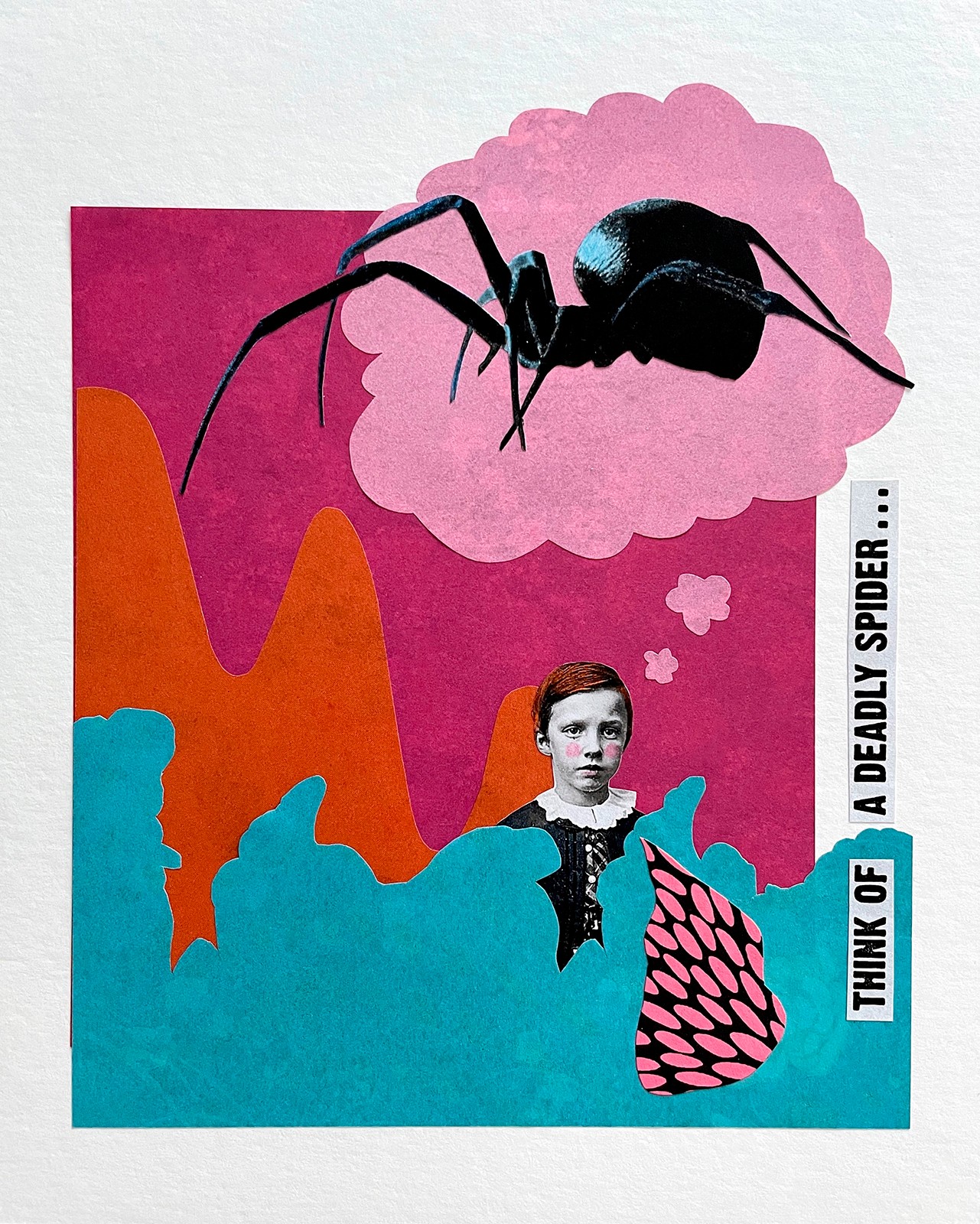
This is a complex issue, but I think the obvious thing is the most effective: buy art directly from artists. It doesn’t take much effort to support an artist. I think about it in terms of priorities, and I believe most everyone can help.
If you have any discretionary expenses, say for instance a large Starbucks latte three or four times a week, you can occasionally redirect that money to purchase a small artwork. It’s a mutually beneficial situation: the artist can devote more of his or her time to making art, and you acquire a beautiful, non-perishable item that will bring you more joy than a sugary drink. Everybody wins except for the monstrous multinational corporation.
Of course, there’s much to be said about a society that doesn’t value its creative members. In my view, that is an underdeveloped society with a weak core. Disrespecting artists is a sign of societal decline.
I also think that the art world is a faithful reflection of the rest of society. Creatives do not live in a vacuum. Within the art world there are a few behemoths perched at the top that command the spotlight. Then there are “toadies” who embrace the idea of being exploited in return for benefits and a degree of influence. Lastly, you find the anonymous makers.
When the resources are insufficient, the more modest suffer the most and it can get pretty ugly. As much as people who fit nicely into the system would love everyone to think of it as a benevolent, embracing community (which is a word that gets thrown around a lot), it is a dog-eat-dog world at the very bottom of this art pyramid scheme.
How can an individual make a difference? Again, buy from artists with small businesses. Those with no gallery representation. Cut out the middle person and make sure that the creative gets fairly compensated for their work.
Contact Info:
- Website: https://www.madcollage.com/
- Instagram: https://www.instagram.com/lovemadcollage/
- Facebook: https://www.facebook.com/lovemadcollage
- Other: https://www.madcollage.com/guides
Image Credits
All artwork handmade by Madcollage. Photographed by the artist. Artwork titles are: Cheeky Distracted Giant Liar Man of War Shine Through Tears