Alright – so today we’ve got the honor of introducing you to Lyra Nalan. We think you’ll enjoy our conversation, we’ve shared it below.
Lyra , appreciate you joining us today. We’d love to hear about a project that you’ve worked on that’s meant a lot to you.
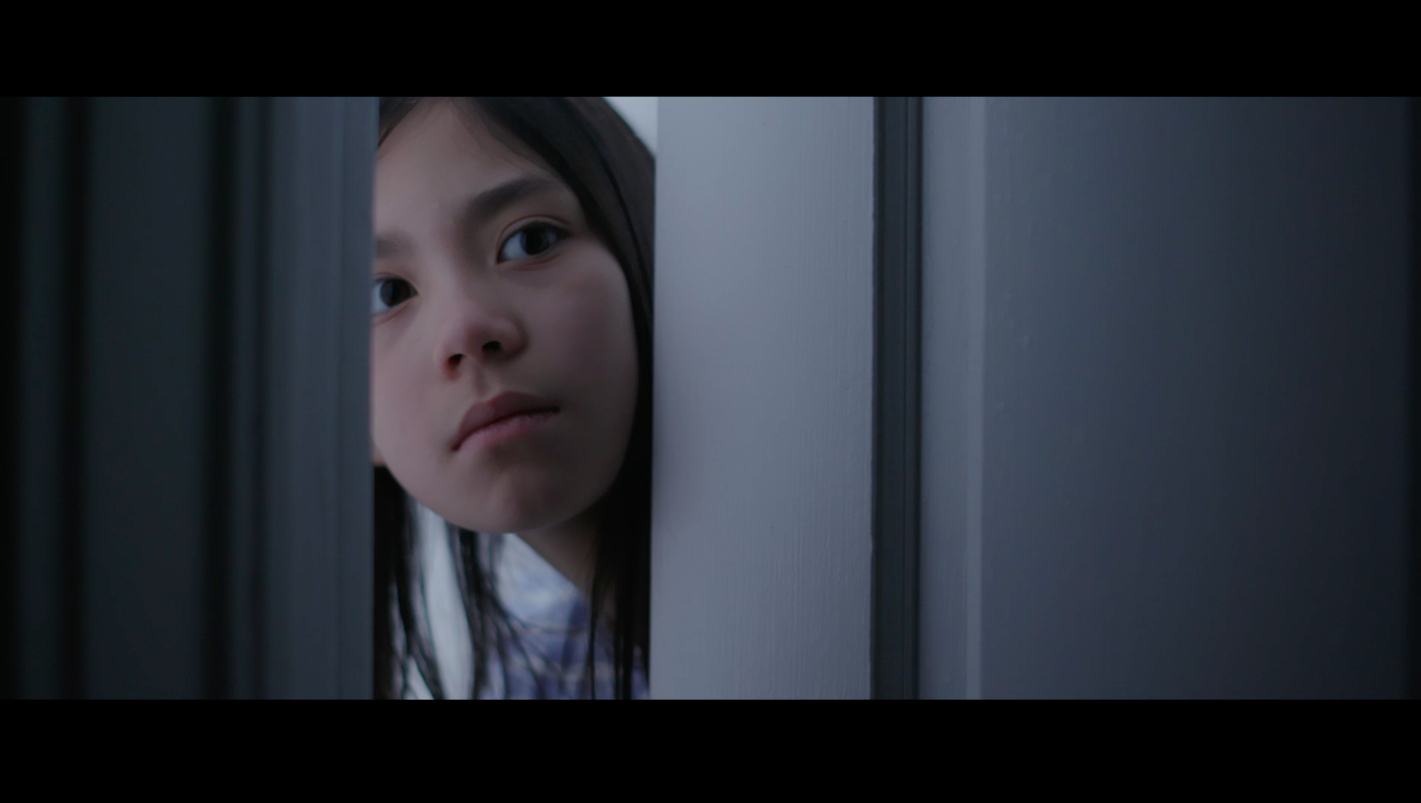
One of the most meaningful projects I’ve worked on is my stage play, “Paper Dream”. This journey began in 2017 during a college class on immigration history, where I first learned about Angel Island, the main entry point for Asian immigrants from 1910 to 1940. I was shocked to discover that unlike Ellis Island, which restricted but did not exclude European immigrants, Angel Island enforced policies under the Chinese Exclusion Act (1882–1943) that targeted Asians, particularly Chinese immigrants. Cases involving Chinese immigrants were heavily scrutinized, with harsh interrogations designed to expose fraud, such as the use of “paper son” identities. As a result, Angel Island had one of the highest rejection rates for Chinese immigrants. As a Chinese immigrant myself, I was struck by my own ignorance of this history and felt a responsibility to explore it further. My research began with books like Erika Lee’s Angel Island: Immigrant Gateway to America and Island: Poetry and History of Chinese Immigrants on Angel Island. I then watched documentaries, conducted interviews, and visited the reconstructed Angel Island Immigration Station, now part of Angel Island State Park. I was deeply moved by the hand-carved Chinese calligraphy on the barracks walls—poems expressing sorrow, anger, resilience, homesickness, and hope. These voices from the past resonated powerfully with me.
I realized there were so many stories to tell and so many ways to tell them. Where should I begin? I knew I wanted to focus on the experiences of women detainees, to explore class dynamics among these women, to incorporate the poems into the storytelling, and to delve into the ghosts and spirits of the island. Initially, I envisioned the play as an ensemble piece. However, as the story developed, I found myself drawn to a mother-daughter narrative. The protagonist is a prideful woman from an aristocratic background whose family has been ruined at the onset of the Sino-Japanese War, forcing her to immigrate as a refugee. She brings her stepdaughter, an 11-year-old who is quick to pick up new words and customs while testing the limits of her strict guardian. Alongside them are a working-class woman who acts as the group’s glue and a former courtesan dreaming of a fresh beginning in the new land. Everyone harbors secrets, and each secret could cost them their lives. The play is ultimately a tragedy, exploring the haunting and destructive force of prejudice. Through Paper Dream, I hope to offer a feminist interpretation of the American Dream shaped by generational sacrifice.
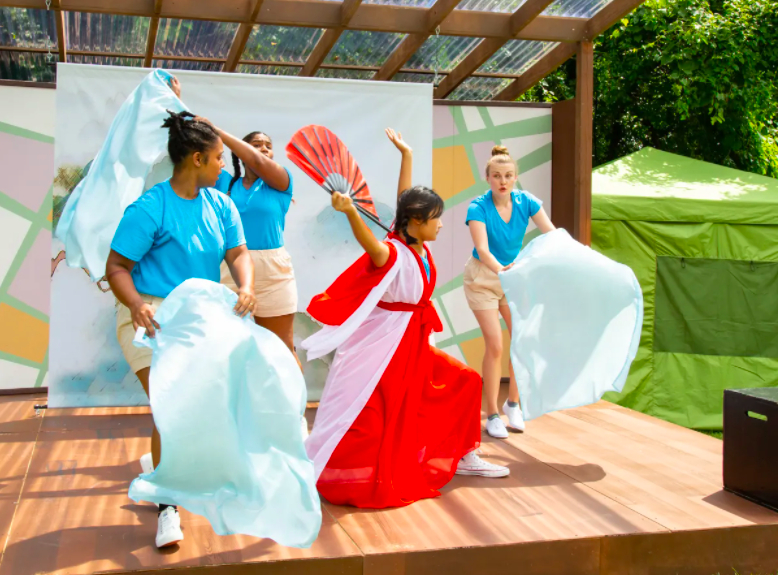
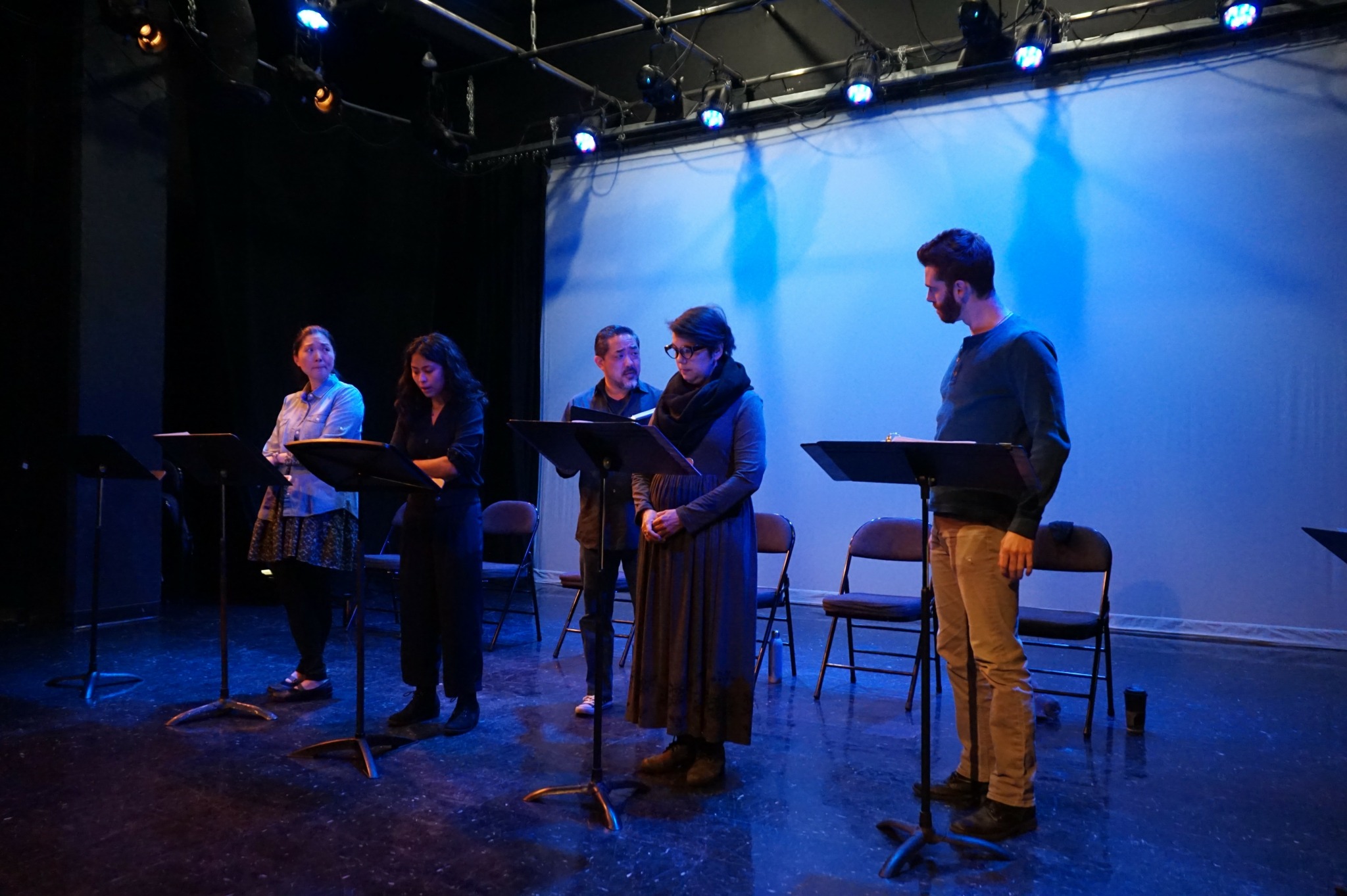
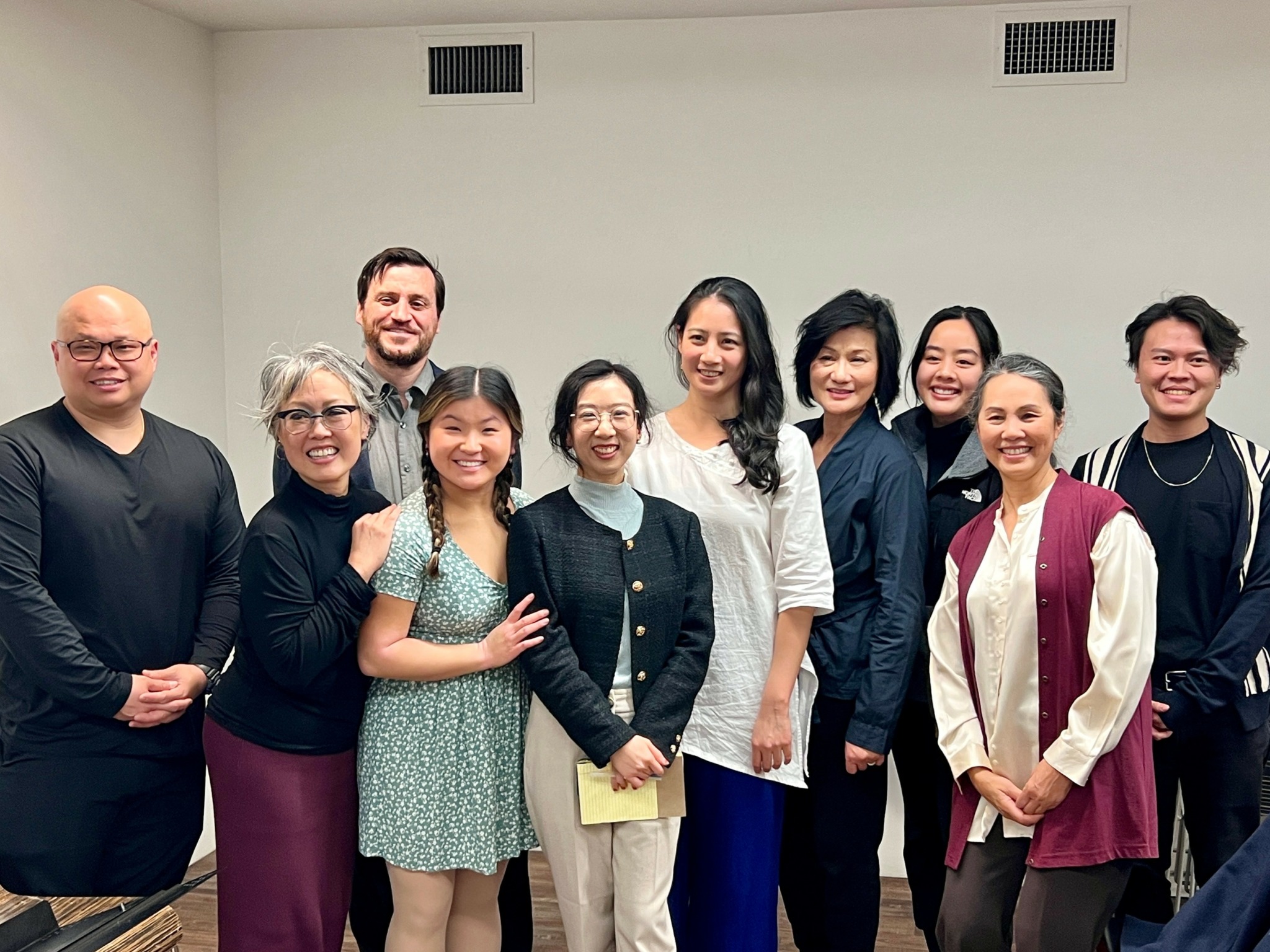
Paper Dream has connected me with incredible actors, directors, theaters, universities, and cultural institutions across the country. Listing everyone who has helped shape this story would take pages. I am especially grateful to director Helen Young, Desdemona Chiang, and Nina Zoie Lam for supporting my voice and introducing me to their local AAPI communities. The play has benefited from development opportunities with Silk Road Rising Theatre, Spooky Action Theatre, Avant Bard Theatre, Three Cats Productions, Broken Bell Read, Western Washington University, Miranda Theatre, and Cherry Lane Theatre. Most recently, I had the privilege of working with Nina to present a reading at the Museum of Chinese in America in celebration of Women’s History Month. We were thrilled to see the play spark meaningful conversations about a history that is too often overlooked. I hope Paper Dream will continue to reach new audiences, serve as a platform for healing and understanding, and honor the stories of those who came before us.
Lyra , before we move on to more of these sorts of questions, can you take some time to bring our readers up to speed on you and what you do?
Hi there! I am a Brooklyn-based multimedia femme storyteller originally from China. My works explore the impacts of social engineering on individual agency through cultural and political lenses, centering on the female experience and Asian lives. I hold an MFA in Writing for the Screen and Stage from Northwestern University, and trained as a bookwriter at the BMI Lehman Engel Musical Theatre Workshop. My work has garnered recognition, including the Kennedy Center’s Judith Royer Excellence in Playwriting Award and nominations for the L. Arnold Weissberger New Play Award, the Susan Smith Blackburn Prize, and NNPN’s Smith Prize for Political Theatre; finalist for the New Harmony Project, Playwrights’ Center Core Apprenticeship, ReImagine TYA competition, Rorshach Theatre Magic In Rough Spaces, semi-finalist for O’Neill National Playwrights Conference, Seven Devils Conference, and second rounder for Austin Film Festival. As a first-generation immigrant artist and descendant of a lineage of border-crossing expatriate writers in the U.S., my experiences elevate and amplify my work across various mediums, including playwriting, screenwriting, filmmaking, TV, Game, E-learning, and teaching. I’ve worked on film and mini-series adaptation projects with Tapas and Crazy Maple Studio, and created educational scripts for Houghton Mifflin Harcourt. I’m available for writing assignments, commissions, and creative consulting on your latest scripted project.
What’s the most rewarding aspect of being a creative in your experience?
For me, the most rewarding aspect of being an artist is the ability to express myself fully—to heal, process emotions, and make sense of dreams and nightmares through creativity. It is a deeply personal journey that allows me to grow and evolve with every piece I create. Beyond that, it is the connection with others that truly fuels my passion. Whether it is starting a dialogue, bringing awareness to social issues, or sparking change, the opportunity to resonate with someone else’s experiences or perspectives through art is profoundly meaningful. It is not just about self-expression; it is about creating bridges between people and inspiring action or understanding in the world.
In your view, what can society to do to best support artists, creatives and a thriving creative ecosystem?
In my view, the best thing society can do to support artists and foster a thriving creative ecosystem is to fund art and pay artists fairly! Art is often undervalued despite its profound impact on culture, mental health, and social progress. By investing in grants, residencies, and accessible funding programs, society can provide the financial stability artists need to focus on their craft. It is also important to recognize the value of art itself—not just as entertainment but as a vital force that shapes our lives and the world around us. By supporting art education, offering affordable spaces for creation and performance, and promoting fair, transparent compensation, society can create an environment where creativity is not only encouraged but celebrated as essential.
Contact Info:
- Website: https://lyranalan.com
- Instagram: lyranalan