

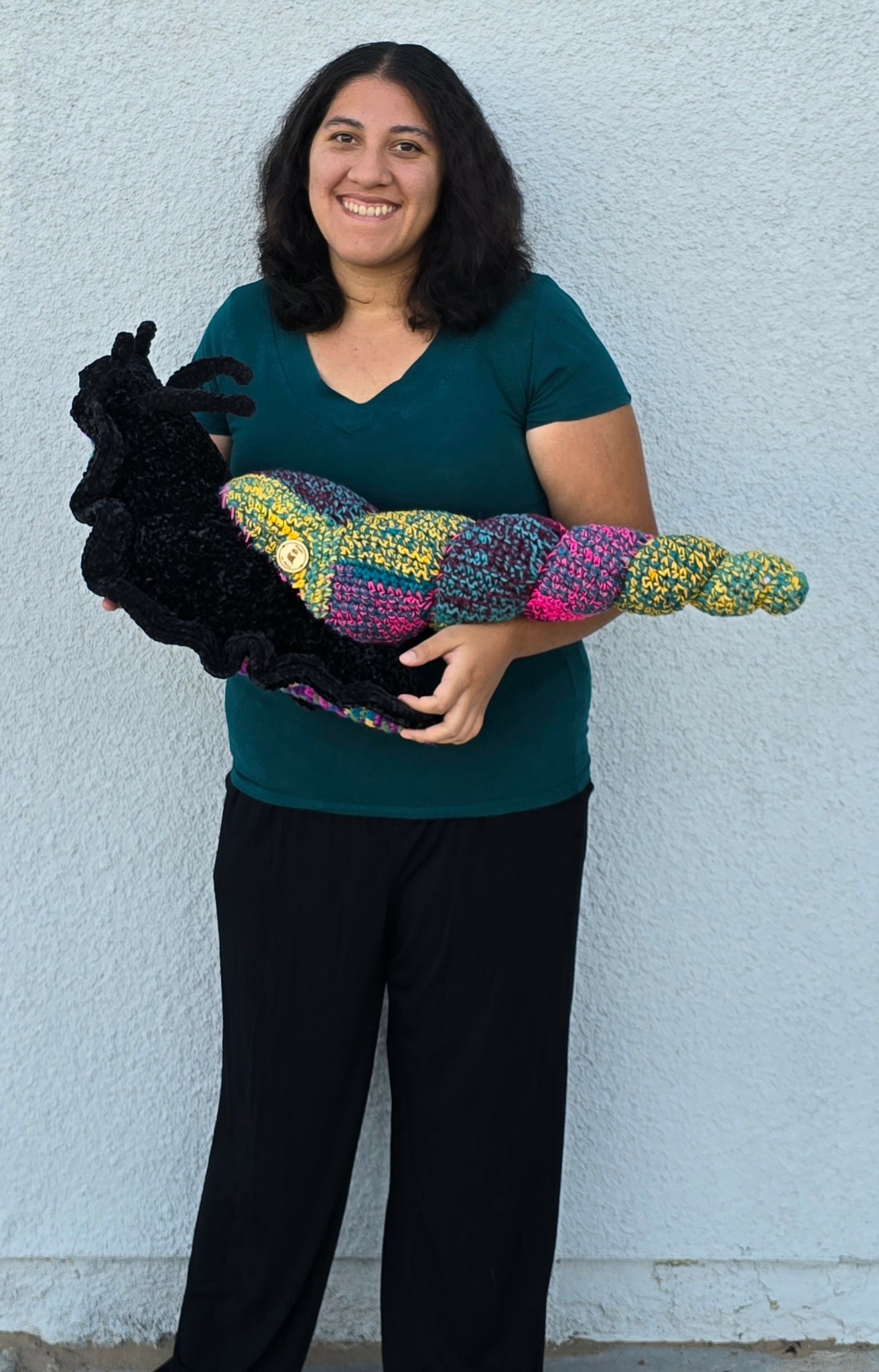

We recently connected with Lynh Macias and have shared our conversation below.
Lynh , thanks for taking the time to share your stories with us today Let’s start with what makes profitability in your industry a challenge – what would you say is the biggest challenge?
One of the biggest challenges to profitability is the ability to be taken seriously. As a fiber artist (crochet) I find myself constantly having to defend the thought process behind pricing my work. Crochet is as skill that is seen as a hobby and people tend to feel entitled to your craft. When I go to events I find people that can’t afford my items to downplay what I create by telling me how they know at least five people that also crochet. What people don’t understand, just like other products scaled from luxury to affordable the manufacture has to account for all cost that go into making the products for me one of the most important machines that I must maintain in order to do my craft for the foreseeable future are my hands. Just like any machine hands have a limited life span and unlike machines I can’t show up to a parts store to get replacements. For most people that look at crochet they might just look at it as a toy or a piece of clothing, but for the individual working on it its hours of their lives and health.
As always, we appreciate you sharing your insights and we’ve got a few more questions for you, but before we get to all of that can you take a minute to introduce yourself and give our readers some of your back background and context?
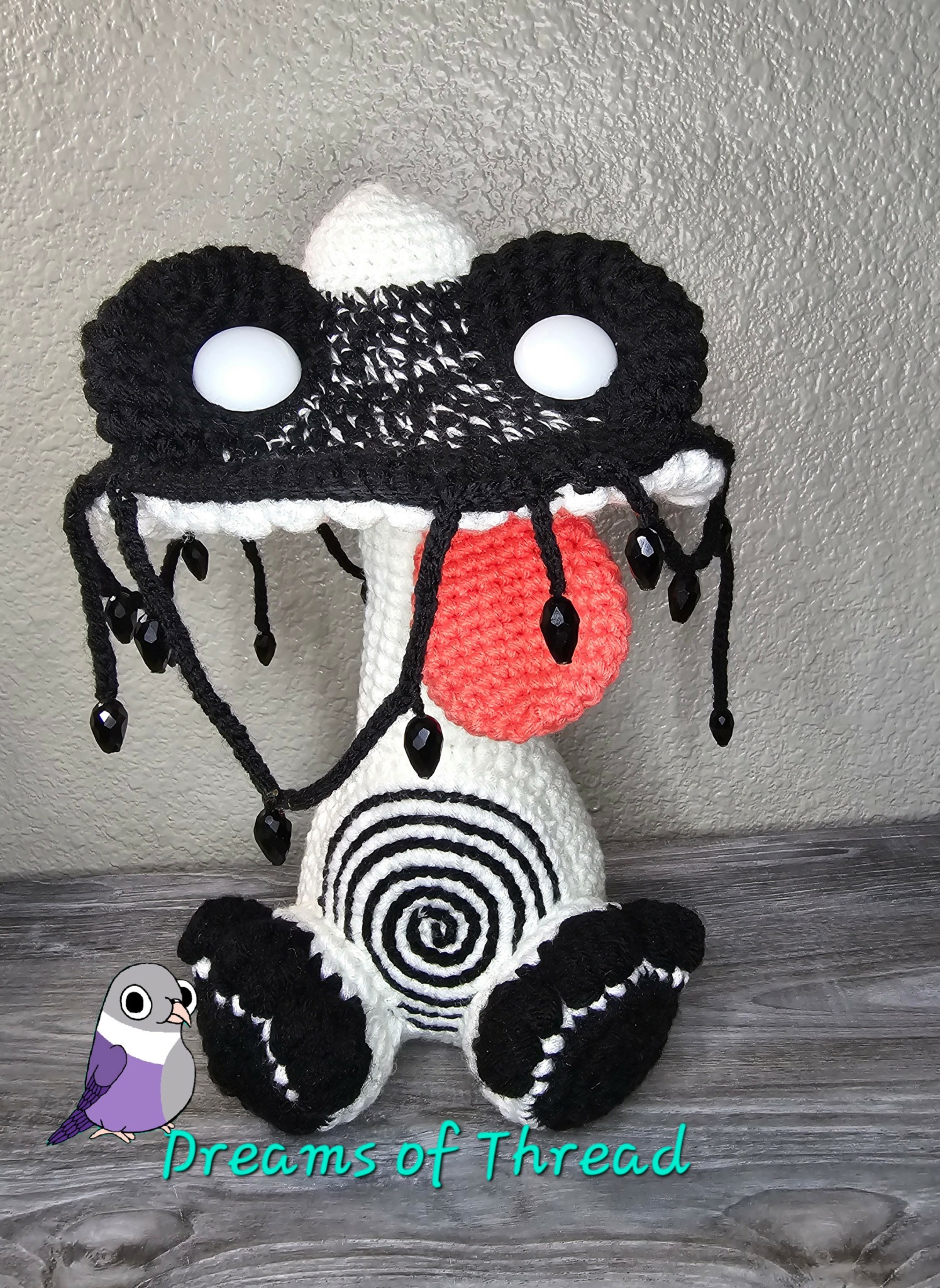
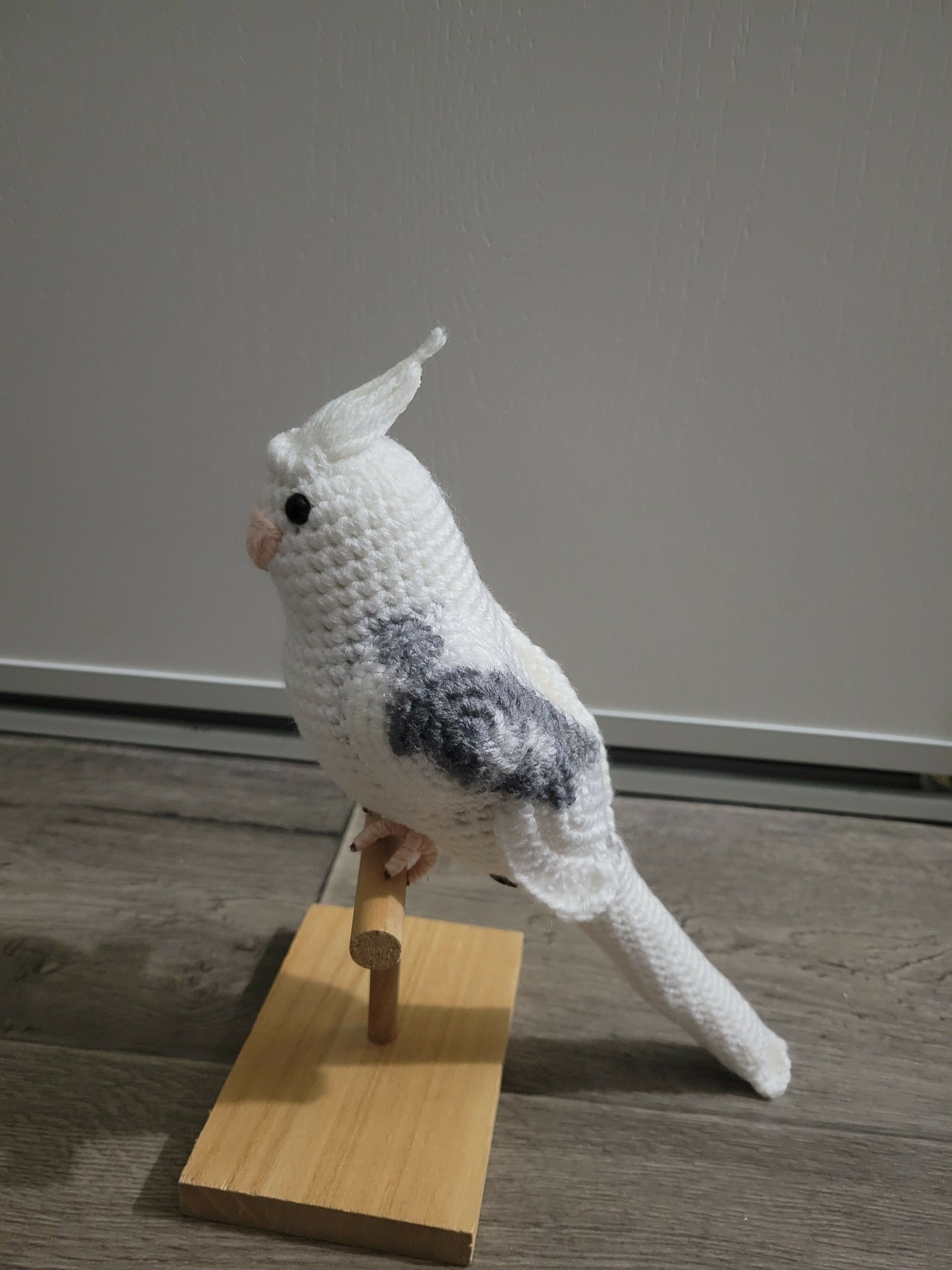
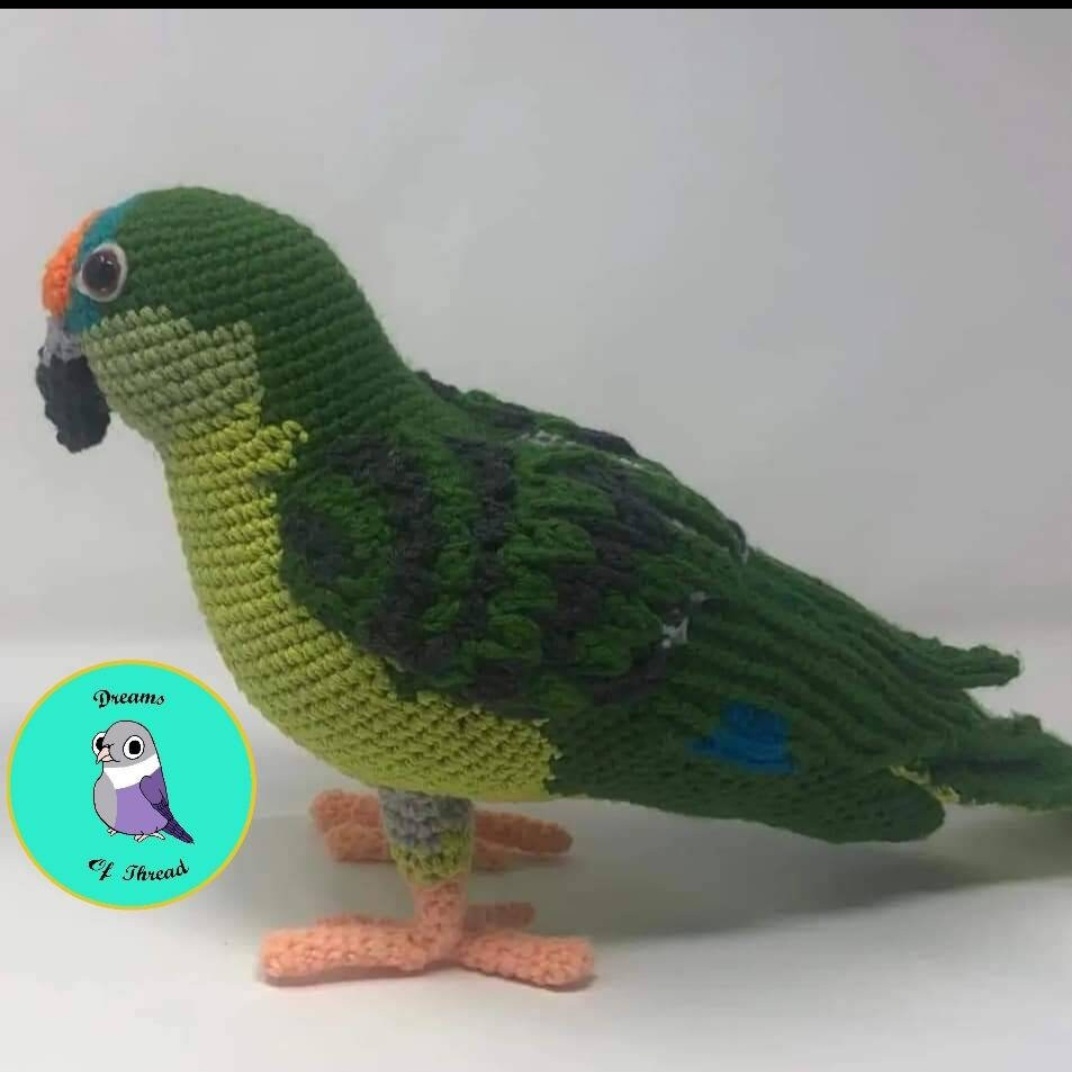
I fell in love with crochet from a young age, I saw my female relatives bond over different forms of fiber arts, I saw the community that it created between them and I wanted to feel like I was apart of my family. The person I admired the most was my grandma she would create table runners and and bedspreads with the most elaborate pictures and I’d find myself getting lost in the imagines. I worked on creating a simple chain from the age of 3 until I was 8 not learning any other skill, for me it was very frustrating but they told me if I didn’t learn the fundamental stitch it wouldn’t matter what I could do. I wanted to learn just a skill so I went to my mom for help and she switched me to knitting, which was frustrating to learn, but she told me it would be way easier to learn knitting and transition to crochet rather than the other way around. The older I became I understood the ability to profit form doing something that not many people could do. For me having that knowledge meant that I always had an out and as an individual that doesn’t like to feel trapped having an out was very important for me. I worked with my mom for most of my school career building what I called my empire, I found myself telling my clients that their was no limit to their imagination and what they asked I would deliver. I hide behind my mom and gave her all the credit for my success as a young entrepreneur because I felt embarrassed about what I wanted for myself. While my peers wanted to take over businesses and go to the best schools, I wanted to be happy which was always the wrong answer. After many disappointments I took a hiatus from my craft until I was 20 and had given birth to my son. When I saw him for the first time I realized I wanted to be there for every moment of his life and returning to my regular job was not an option for me, so I took the dive and took ownership of my social pages, I rebranded and began from the beginning. This time I didn’t just want to make anything I wanted to leave people speechless so I began to focus on detail to make my items realist. Every time I work with a client I hope to bring compassion and make their wildest dreams a reality. Working as a realistic fiber artist I find my clients tend to commission me to make replicas of their beloved pets that have passed and I take that very serious I hope every finished piece gives people a sliver of happiness.
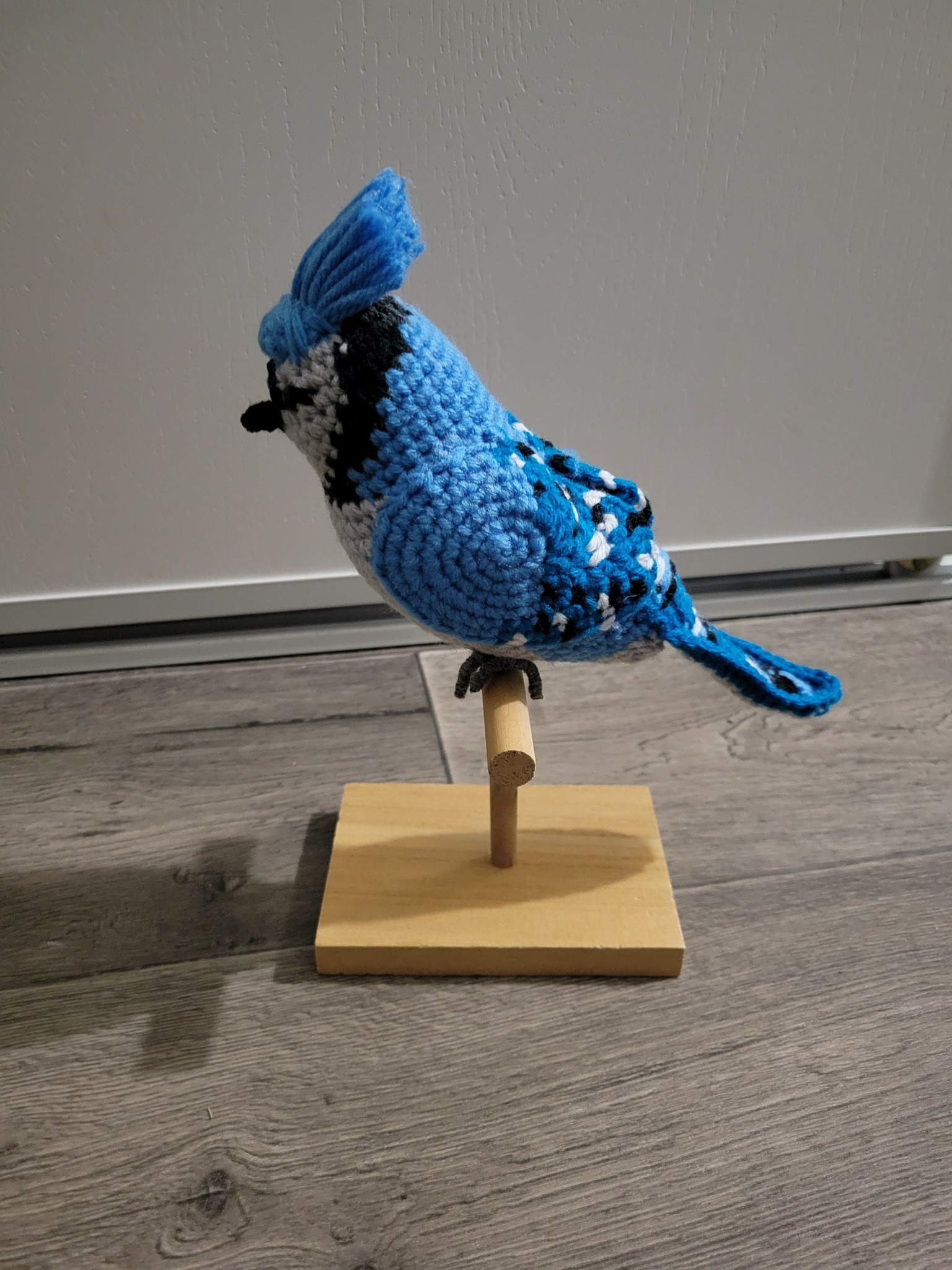
We’d love to hear your thoughts about selling platforms like Amazon/Etsy vs selling on your own site.
I currently sell on Etsy, I will start with the pros since its easy to find a reason to not like a platform such as Etsy. Etsy offers the cheapest and easiest point of entry for individuals that want to turn their hobby or skills into a business. The platform handle clients information in a secure manner that is in regulation with the FTC, which is something you need to understand when processing personal clients information. They also making accounting for your business easier by keeping a detailed break down of your sales, as well as processing tax for every state individually. when it comes to uploading listings the platform also creates a streamline process to upload the information that will help your items sell. They offer a good supply of information for elevating your shop, if you sign up for the workshops and read the articles they send out. The cons in my opinion have to be the need to offer free shipping to allow your store to be picked up by the algorithm, There is a huge learning curve to learn how to stand out in a market place that has a saturation in the handmade field. The metrics they place for their “Star seller” badge can be the cause of unnecessary anxiety for small creators and can be unattainable for a entry level market place, with little if any true change if you do meet Star Seller.
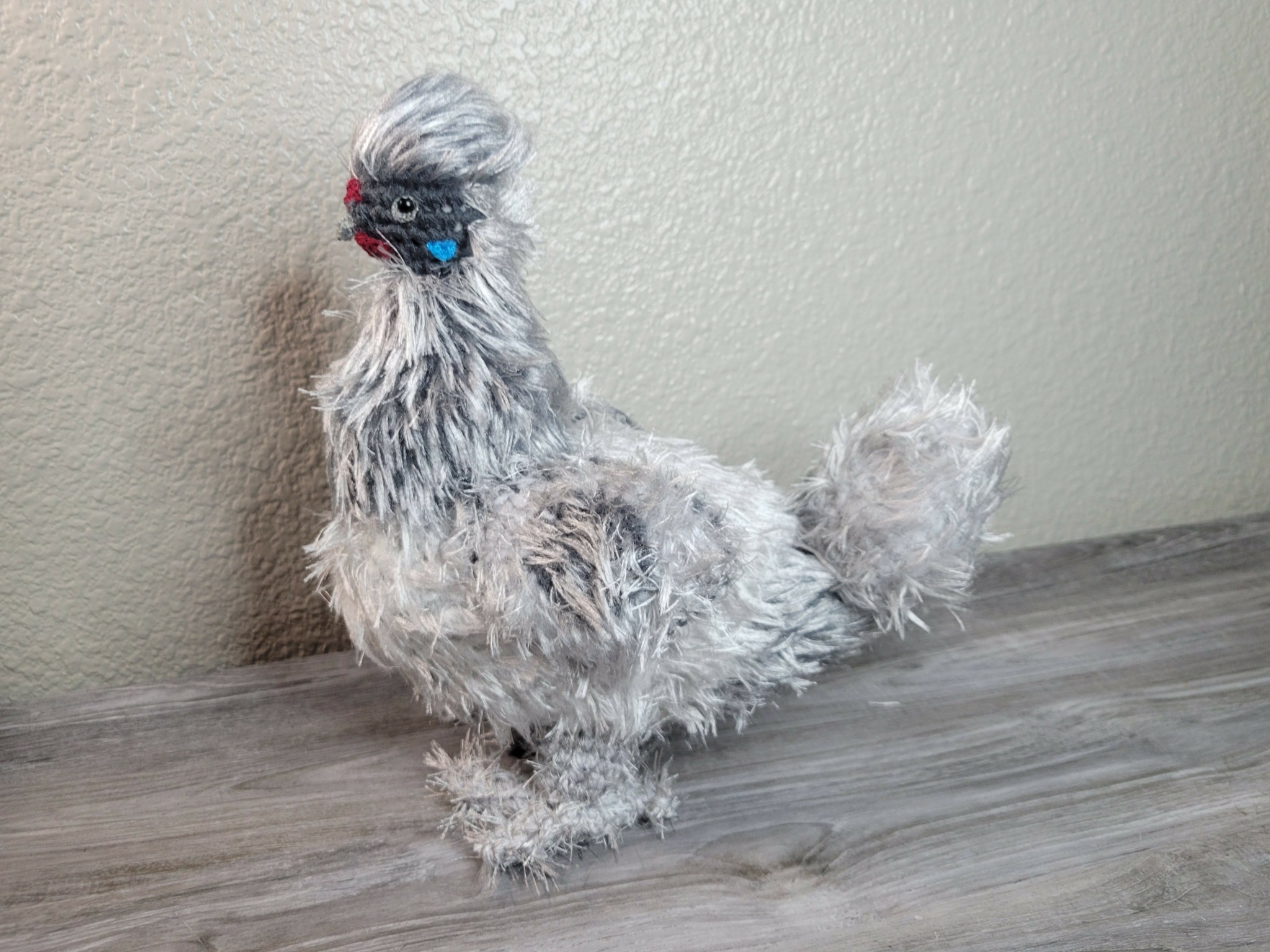
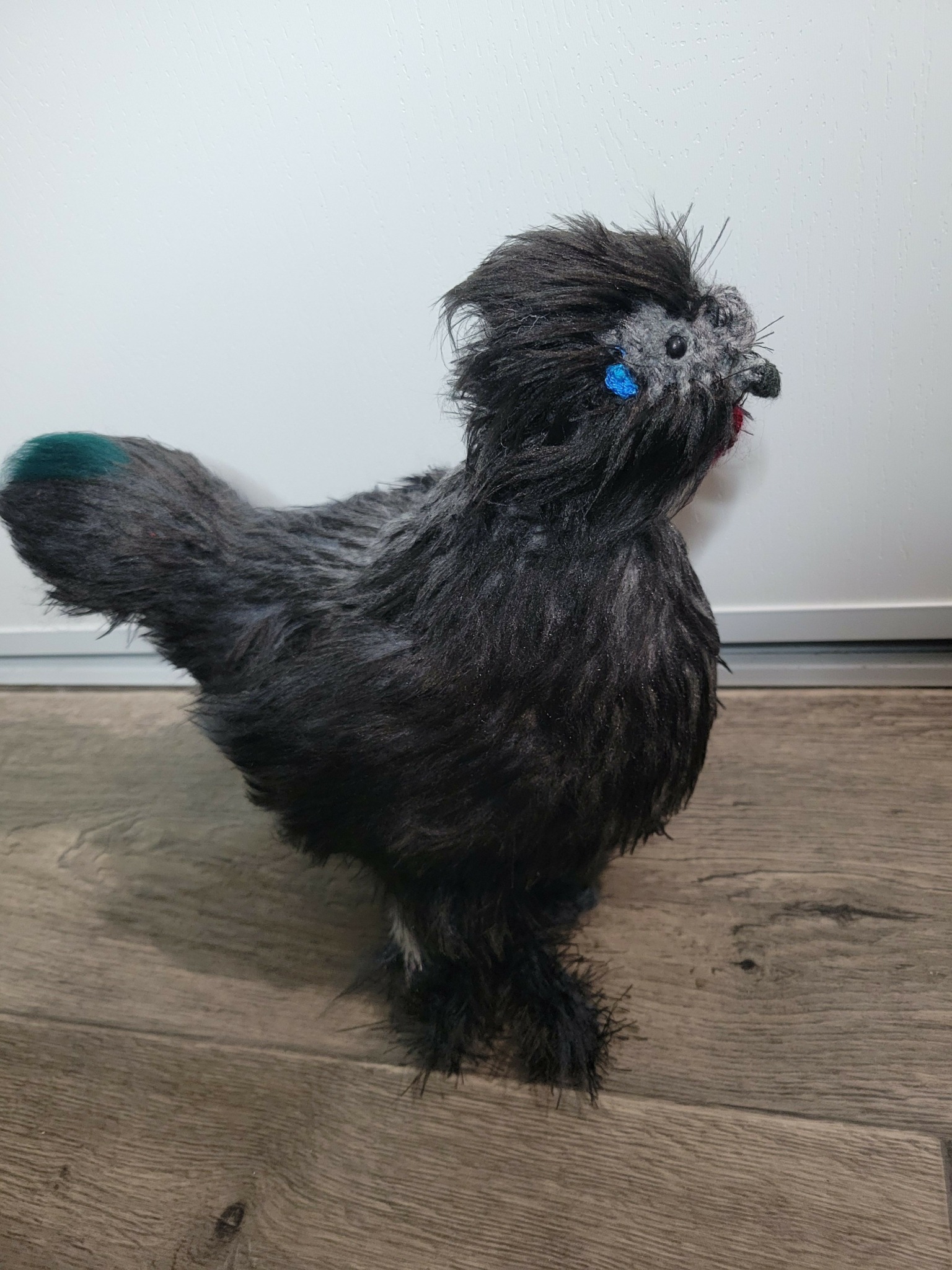
Can you open up about how you funded your business?
The way I raised capital to turn my hobby into a business was slowly, by taking the money I had made during the hobby stage and putting it all back into forming a true business, paper work and all. when I was in the hobby stage I would ask my clients for a deposit to start their orders that always covered cost of materials. This helped me never have to spend money I didn’t have on projects. To this day I only spend money on materials or tools that I know will have an immediate return. As a small business I have to be careful not to be overzealous and spend funds on things that wont turn a profit since I don’t have a financial safety net. not because I don’t want to but when you are a small scale manufacture things are more expensive to reproduce.
Contact Info:
- Website: https://dreamsofthreadbylynh.etsy.com
- Instagram: https://www.instagram.com/dreamsofthread/
- Facebook: https://www.facebook.com/profile.php?id=100006121654115&ref=xav_ig_profile_web
- Linkedin: https://www.linkedin.com/in/lynh-macias-65ab66181?utm_source=share&utm_campaign=share_via&utm_content=profile&utm_medium=android_app
- Twitter: @dreamsofthread
- Youtube: @dreamsofthread
- Other: @dreamsofthread
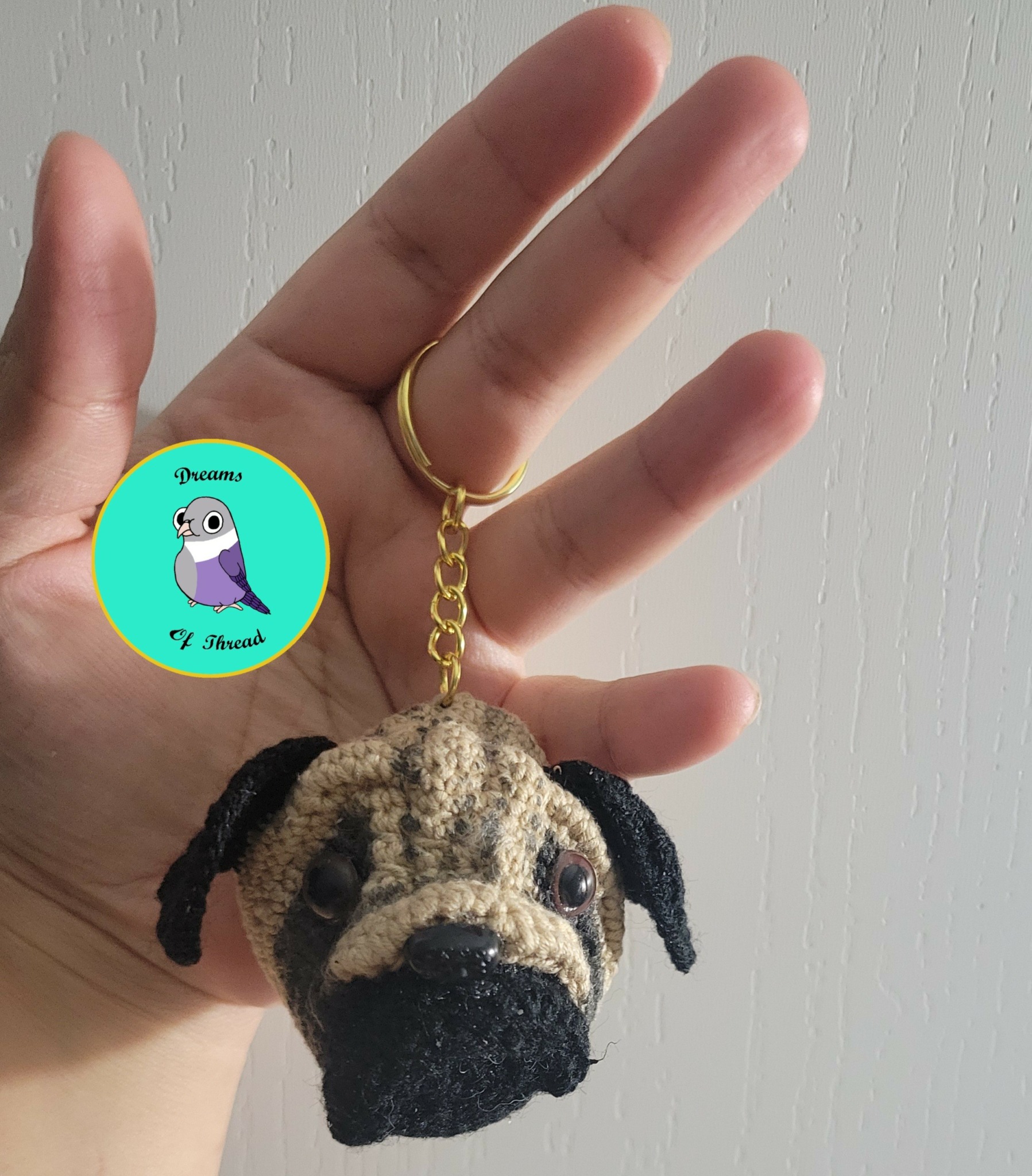
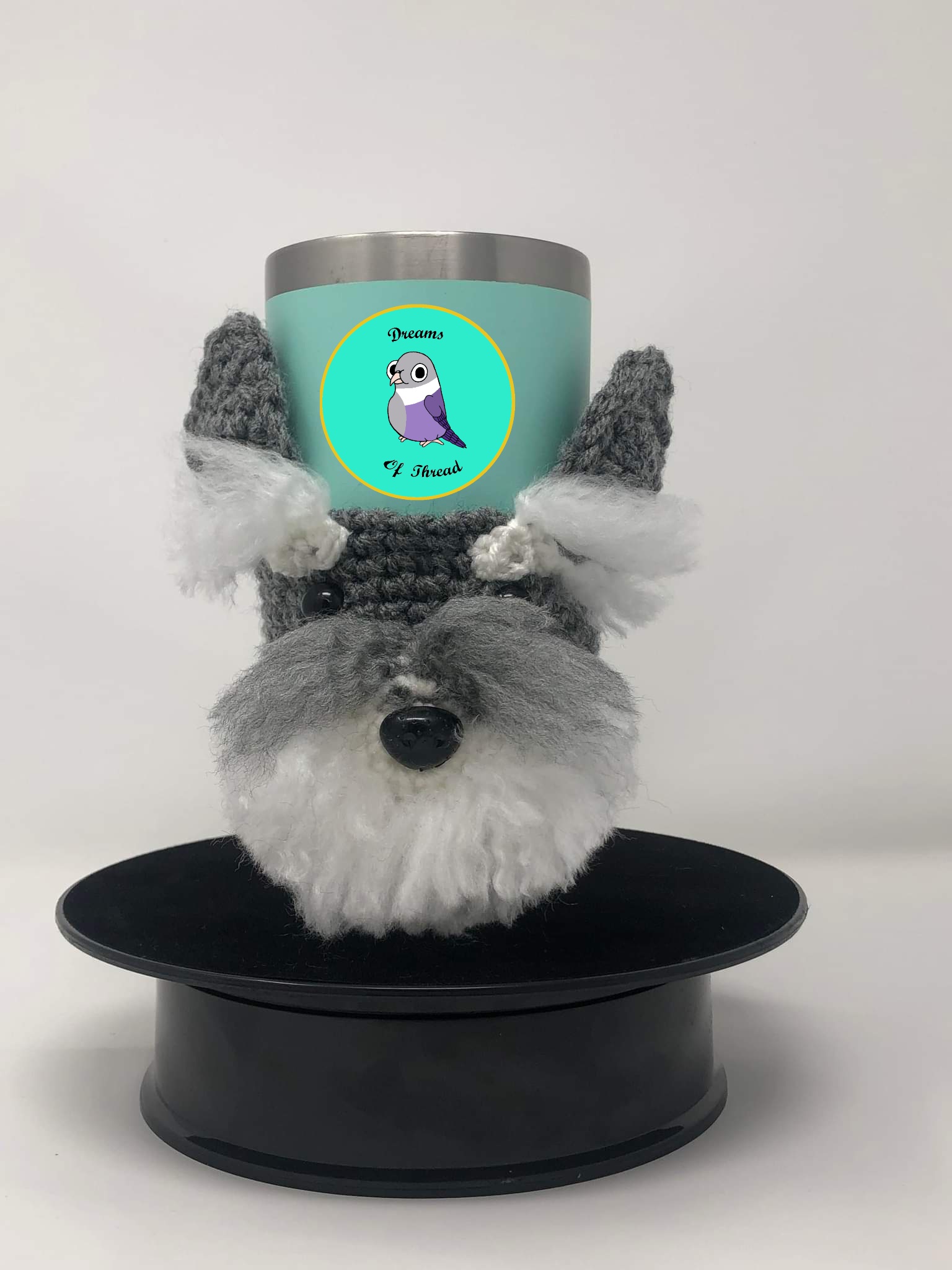
Image Credits
All pictures are taken by me of my products. Dreams of Thread