

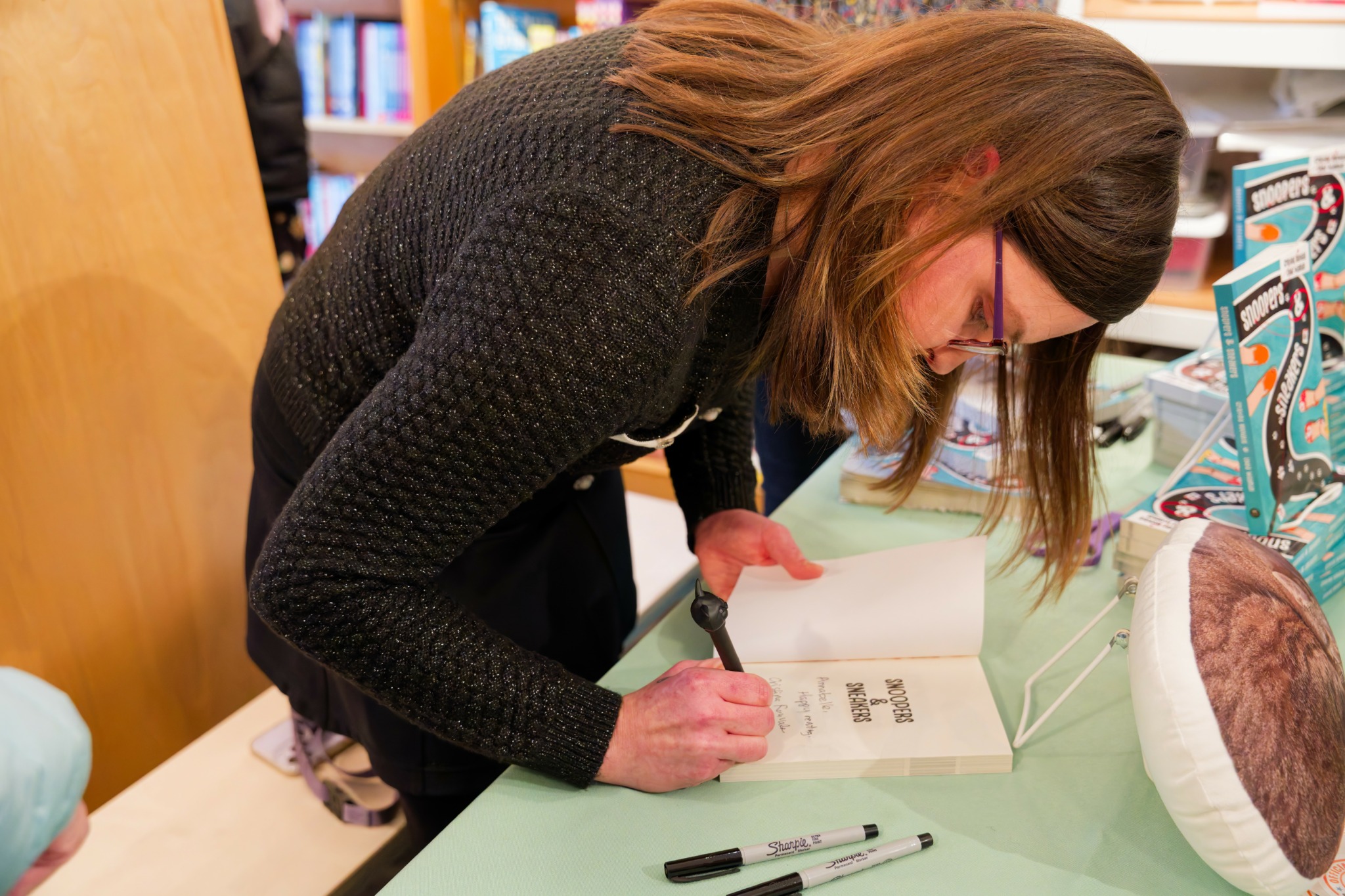

We’re excited to introduce you to the always interesting and insightful Lydia Wayman. We hope you’ll enjoy our conversation with Lydia below.
Lydia, thanks for joining us, excited to have you contributing your stories and insights. Any advice for creating a more inclusive workplace?
Given the stereotypes about autism, many people are surprised to learn that autistic people can make fantastic team members in a work environment. It usually takes working alongside or amongst a group of autistic peers for our neurotypical colleagues to realize just how efficient and enjoyable collaboration can be when everyone’s needs are considered.
While there are some aspects of inclusiveness that depend on the specific career field, job role, and individual, some of the most helpful strategies are easy to implement. Here are a few suggestions that many of my autistic peers and I – and, as it turns out, almost every neurotypical person I have worked alongside – find helpful.
Consider different styles of communication. Some people find spoken language challenging and prefer chat or email. Others need to see instructions written down. It’s not necessary to cover every base with every communication, but ensure options are available and accept a variety of methods based on what works for each person.
– Consider sensory needs (i.e. lighting, sound, scent, dress code).
Allow employees control of their personal spaces while keeping shared spaces as neutral as possible. For some people, uncomfortable sensations are so distracting as to make it almost impossible to attend to anything else.
– Make company policies clear.
For autistic employees, knowing what to expect reduces stress. Creating (and then following) policies ensures everyone is on the same page. In addition to reducing conflict and confusion from the start, as issues inevitably come up, it means less time and energy is put toward figuring out how to resolve them.
– Foster a culture of acceptance.
Everyone whose work involves overseeing, directing, or collaborating with others has a role to play in making the workplace inclusive. Some people prefer to disclose their disability to their colleagues as a way to explain their needs; others prefer to keep their diagnosis to themselves while using strategies that work for them. Normalizing acceptance of differences, regardless of any formal diagnosis, creates an environment that works for everyone.
– Use everyone’s strengths.
Although all autistic people are different, many have “spiky” skill sets – both strengths and challenges that might be surprising. When possible, adapting job responsibilities to their unique profile can result in an invaluable employee who works efficiently, reliably, and with incredible attention to detail. As with all things, the same considerations that get the best from an autistic person can often have a positive impact when applied more generally.
– Embrace useful strategies and accommodations.
Simple strategies like visual supports (color coding, labeling, posting schedules), establishing routines, allowing employees to take periodic breaks for movement or self-regulation, and identifying a go-to person for questions and concerns can make the workplace far more welcoming for an autistic person and allow them to perform their best.
Lydia, love having you share your insights with us. Before we ask you more questions, maybe you can take a moment to introduce yourself to our readers who might have missed our earlier conversations?
“What I do” is a combination of writing, editing, creating art, content development, presenting, consulting and, most recently, grant writing. While the projects I’m working on at any given time may seem disconnected, they all allow me to use my unique strengths in a way that makes me feel fulfilled and allows me to have a positive impact.
When I create educational resources, develop courses, and give presentations, and even when I share my perspective on the world through my art, I help others understand autistic people and how to support them.
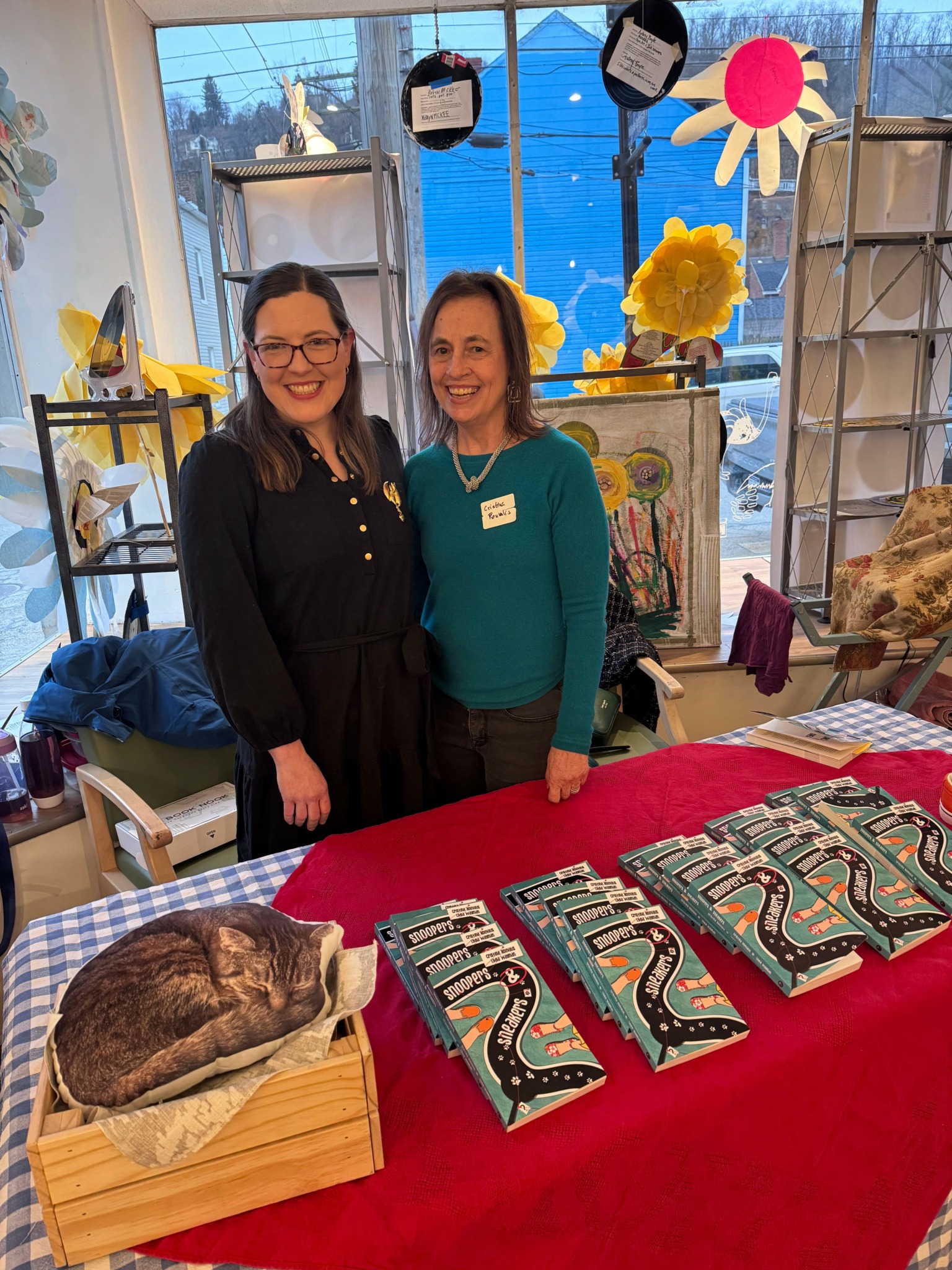
When co-writing Snoopers & Sneakers, my middle grade novel, my educational background and personal experience allowed me to bring Jane’s character to life.
When I edit or work as a grant writer, I lean into my natural strengths as a writer. Like many autistic people, I tend to have very strong strengths and very weak weaknesses. This makes most job roles challenging, because every job description requires skills I do not have. My editing and grant writing roles are unicorn jobs in that they allow me to do what I do best, while my employers foster the kind of environment and make the accommodations I need to succeed. Feeling like a valued member of a team and being able to contribute is important to my wellbeing, and my employers benefit from my skills.
What’s a lesson you had to unlearn and what’s the backstory?
I have had to relearn what it means to be successful.
I was an extremely high-achieving student and had high expectations of myself to succeed. But as each academic year went by, my ability to learn information didn’t translate to success outside of the classroom. I tend to be so detail-oriented that I miss the big picture, making it hard to apply information in the real world. While I have an extensive vocabulary and can come across as highly capable, I have always had trouble communicating outside of familiar exchanges and information. This makes it hard to express myself authentically and connect with other people. The social and sensory demands of everyday life can cause me to completely shut down.
Instead of becoming a doctor or a meteorologist like I had once expected of myself, by young adulthood I was completely overwhelmed and burnt out working 15 hours a week at an unskilled, low-wage job. The work itself was not challenging, but the social, communication, and sensory demands exceeded my ability to cope.
I only began to explore art and writing in my mid-20s. I quickly found that I could express myself much more fully this way – even my family members have said that this is when they really got to know me for the first time. It took some time to find my niche, but I have been able to translate my unique skill set and insight based on life experience into my work. Finally, I am able to live and work in a way that allows me to be myself and make a positive impact – what I consider success.
Let’s talk about resilience next – do you have a story you can share with us?
After graduating early from high school, I earned my bachelor’s in elementary education. I had a high GPA but did not really participate in any social activities on campus and found daily life difficult. With no real support from the college, I was not able to manage student teaching. While I did graduate, I was told that my degree would not be useful without a teaching license.
After college, I received support services through a state Medicaid waiver in order to build the skills I would need to live independently. I also began to use my writing to raise awareness about autism at this time.
About 18 months later, I developed a serious physical illness that made it impossible to participate in any services. I had multiple hospitalizations and major surgeries, and for several years, I was unable to leave the house except for medical appointments. I had in-home nursing care and even spent over a year in a nursing home.
While I was working to stabilize my physical health, I realized I could also work toward a better future in other ways. As writing has always been a strength, I took a big risk and decided to get my master’s in English and nonfiction writing, thinking that I could teach online college courses no matter where I was – even from a nursing home. That gave me something to focus on, and I ended up leaving the facility a few weeks before finishing my thesis.
I may not use either of my degrees in the way I expected when I started them, but I absolutely use them in every part of the work I do now. From writing and editing to content development and writing my novel, my educational background and life experience are equally important in allowing me to be my best and do my best.
Contact Info:
- Website: https://www.lydiaandcristina.com
- Instagram: lydiaandcristina

Image Credits
Matt Garland (featured image)