



We recently connected with Lydia Thomas and have shared our conversation below.
Lydia, thanks for joining us, excited to have you contributing your stories and insights. It’s always helpful to hear about times when someone’s had to take a risk – how did they think through the decision, why did they take the risk, and what ended up happening. We’d love to hear about a risk you’ve taken.
I was born in a small house in Fairview, Tennessee, a town that remains tiny to this day. I grew up just outside of Nashville with a big family. To escape the noise, I spent a ton of time outside, and a ton of time reading. I loved British literature. I often romanticized that the muggy hot weather of Tennessee was bleak and grey and I lived in a stately manor house, not a two-bedroom apartment with six other people. As I got older, I kept dreaming about living in a big city in some other part of the world, feeling like my small town was an impenetrable bubble. When I was fourteen or fifteen, my dad discovered he was a British citizen. That is a long and complicated story, but the important part is he realized he could pass his citizenship down to one generation. I felt like I had won the lottery. When I graduated high school at seventeen, I was not thinking about university. Neither of my older siblings had gone, and it was not a generally supported idea in our household. I wanted to go to flight school, but after a ton of research and talking to several pilots, I decided it wasn’t for me. In the meantime, I was growing a small photography business on the side and working at coffee shops.
One day, there was a speaker at our local church who said “Here is how to decide what to do with your life.” I rolled my eyes, but her advice actually changed my life. It seemed obvious but it made so much sense. The idea was that your calling is your existing skills + your passions. She said, “If you can see yourself doing something for the rest of your life, that’s what you should be doing.” I loved reading. I loved writing. I loved to travel. And I loved taking photos. I realized that if no one paid me to do any of it, I would still be doing those things if I could help it.
So I went to school. I was nervous to tell my parents, true story. I paid my way through an Associate’s Degree still taking photos and working at coffee shops. I was homeschooled my whole life, and so excited to finally be in a real classroom. I was for one semester before Covid began and everything went online. Immediately I felt like I was right back in high school, alone in my room teaching myself for hours. I wanted to give up many times, but I read books about photojournalists and became more convinced than ever about what I was doing. To clarify, I do not think school is always necessary, not even for journalism, but it is important to me. Education is a powerful tool and privilege, and it is setting me free.
When I graduated with my Associate’s I felt unsure once again. I tried to move to New York City which did not work out. Instead, I stayed in Nashville, got a photography internship, and signed with a modeling agency. All the while, I was trying to figure out how to continue my degree in England. It was a long and complicated process, and even now there is so much left to figure out.
My citizenship does not help as much as I would hope, but I am still beyond lucky to have it. After a lot of confusion and back and forth, I was accepted into several schools in England. I was hoping to start from year 2 given my previous degree but was unable to do so. Nevertheless, I was thrilled. I began to sell my things and plan to move my life overseas. A few days before I was going to leave, Queen Elizabeth died. I knew this would have major implications for England and I worried that my flight would be canceled.
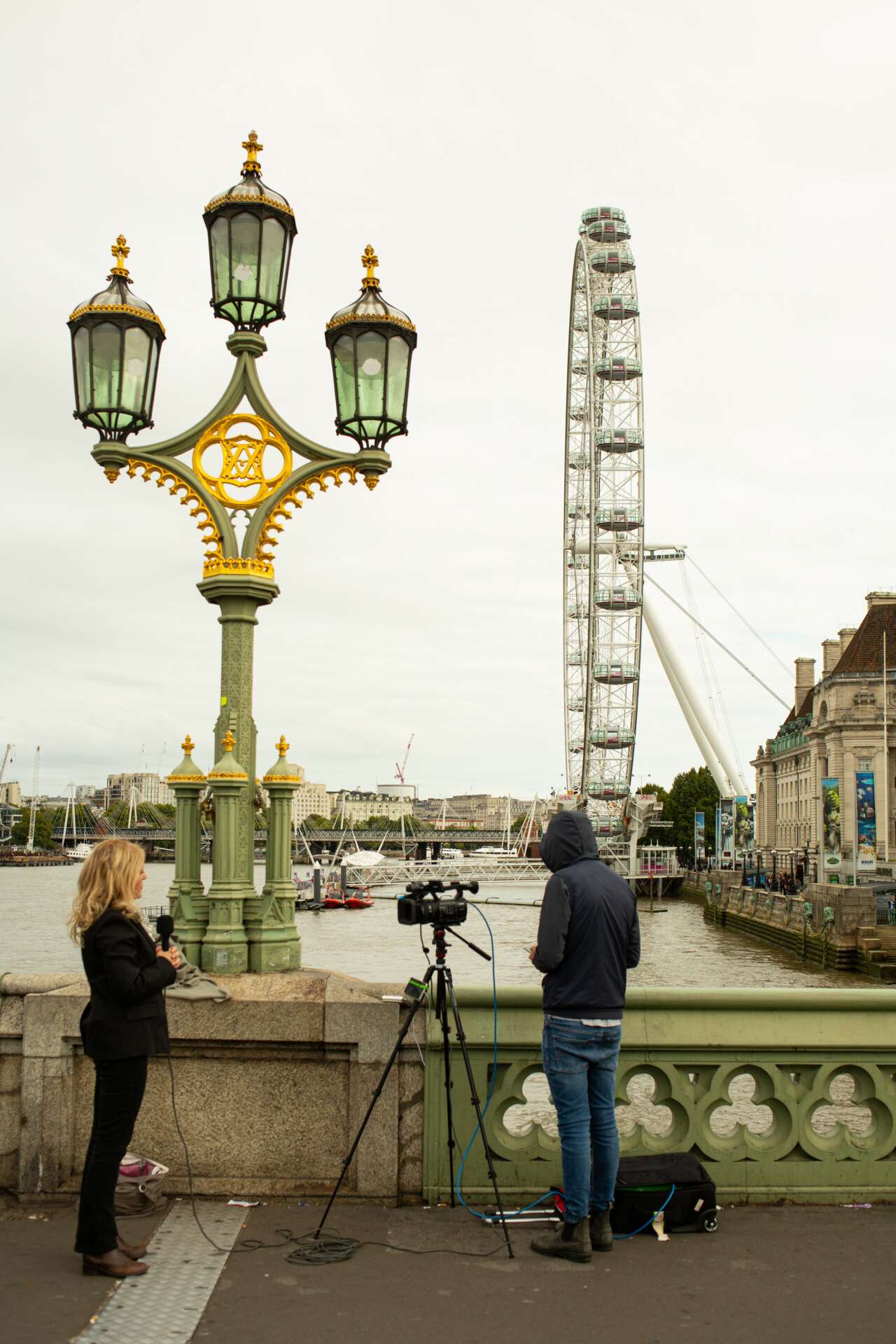
Long story short, I am typing this interview from my dorm room in New Cross, London, England. It has been a long time coming, and it has tested every last nerve I have. Yet if I could go back in time and tell ten-year-old Lydia what she would be doing right now, she would never believe me.
I cannot yet give you a fully-fledged success story. Lord knows there’s a long way to go, but for now, I am so grateful and I don’t regret a thing.


Great, appreciate you sharing that with us. Before we ask you to share more of your insights, can you take a moment to introduce yourself and how you got to where you are today to our readers
Photography found me as cliche as it is, not the other way around. Once I got into it, I was hooked. I used to suffer from severe social anxiety, but my love of photography forced me to get over it. I am not joking. I knew I couldn’t get far in the type of photography I do if I couldn’t talk to people. I have at least two of my closest friends because of photography. The first time someone paid me to take their photos, I was both shocked and thrilled. It was the first time I realized I could turn it into a career.
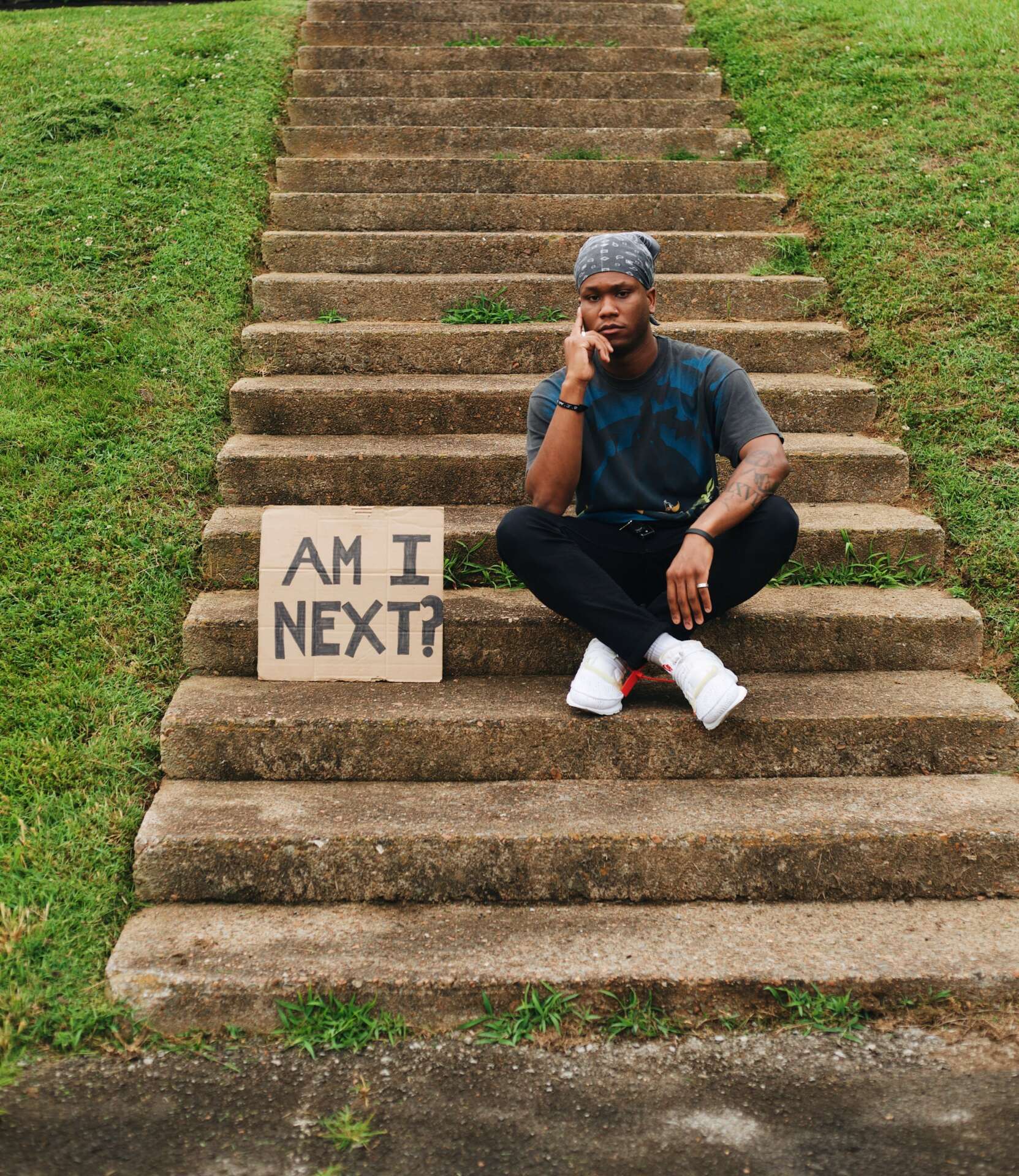
The market in Nashville is very commercial. Most clients are musicians or weddings, neither of which are my forte. The most fulfilling work I have done involves story and personal connection. Photography is a powerful medium. I know I can make more money by taking any client that comes my way (and I have), but now I want to focus on the ways in which photography can evoke something in the viewer. If I am taking portraits, my only goal is for the subject to see the photos and be able to say: “that’s me, that’s how I see myself.”
This is also what draws me to photojournalism. It is raw and honest. It is dangerous and important. There is a heavy responsibility involved, which is one reason I feel school is so important. It is not something I want to take lightly.
People often ask me why I don’t stick to the more commercial market where I know I can make money. Why leave Nashville where I have loyal clients and a reputation and opportunity?
I know myself too well to play it safe. That is exactly how I would fail in my own eyes.
Can you talk to us about how your funded your business?
In photography, I definitely subscribe to the notion that it is not the equipment, but the artist that makes the work. Skills can be taught, but skills plus talent create an artist. I began on an iPhone 6. Once I felt like I had the eye for photos down I invested in my first camera a canon rebel t6. I shot a wedding and countless other things on that camera, even though it is not nearly the best quality. Now I shoot with a Canon 5D Mark 3 but I am still very limited in my accessories (lenses, supplementary lighting, editing tools, etc.) Work with what you have until you are absolutely sure.


What’s the most rewarding aspect of being a creative in your experience?
As daunting as the world of social media is, and as competitive as creative industries are, I love the fact that I can go anywhere in the world and know I will find friends if I have a camera on me.
Contact Info:
- Website: https://www.lydianoelle.com/
- Instagram: l.n.thomas
- Linkedin: https://www.linkedin.com/in/lydia-thomas-16a250213/