

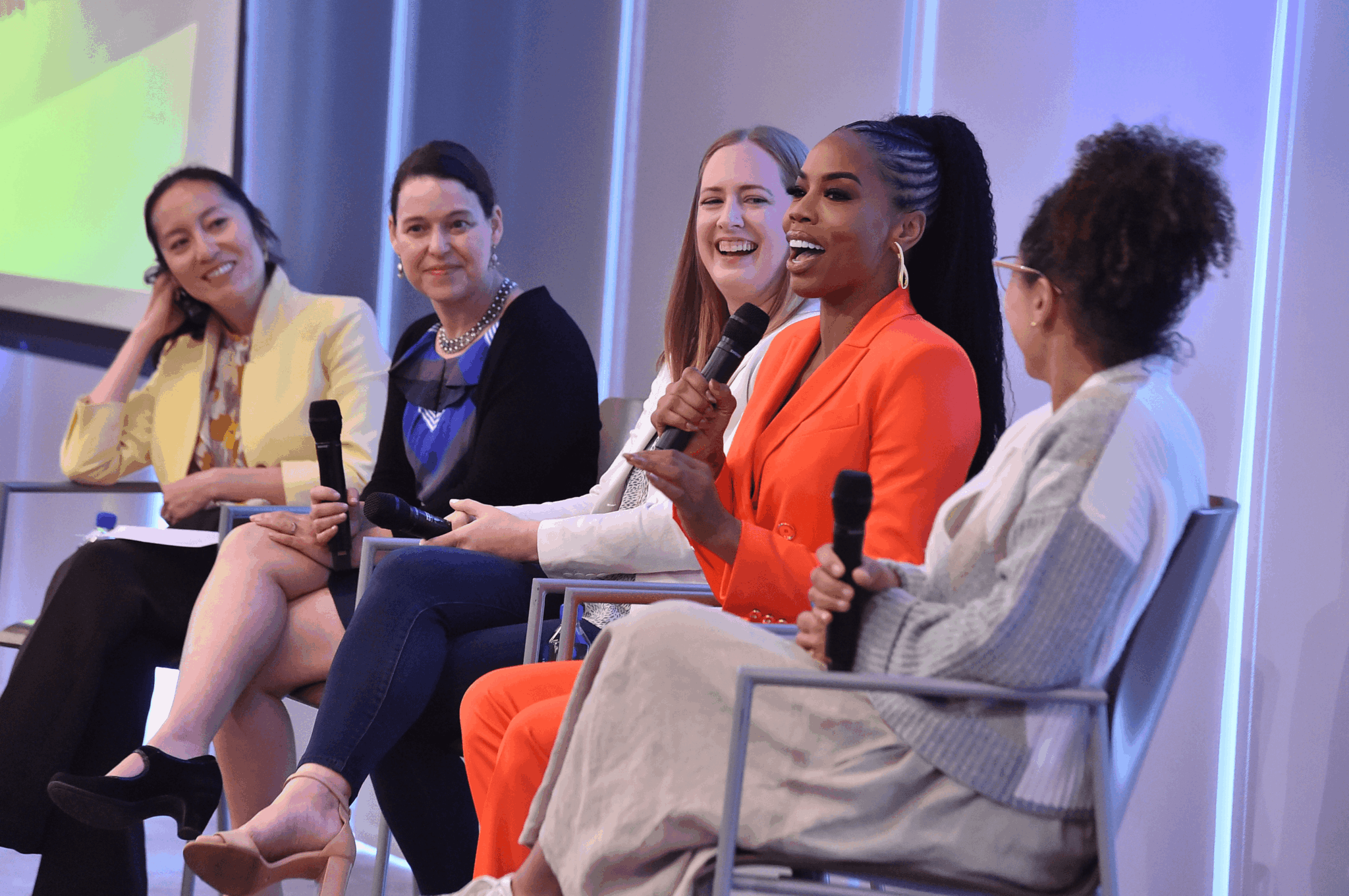

We recently connected with Lydia Storie and have shared our conversation below.
Hi Lydia, thanks for joining us today. We’d love to hear about a project that you’ve worked on that’s meant a lot to you.
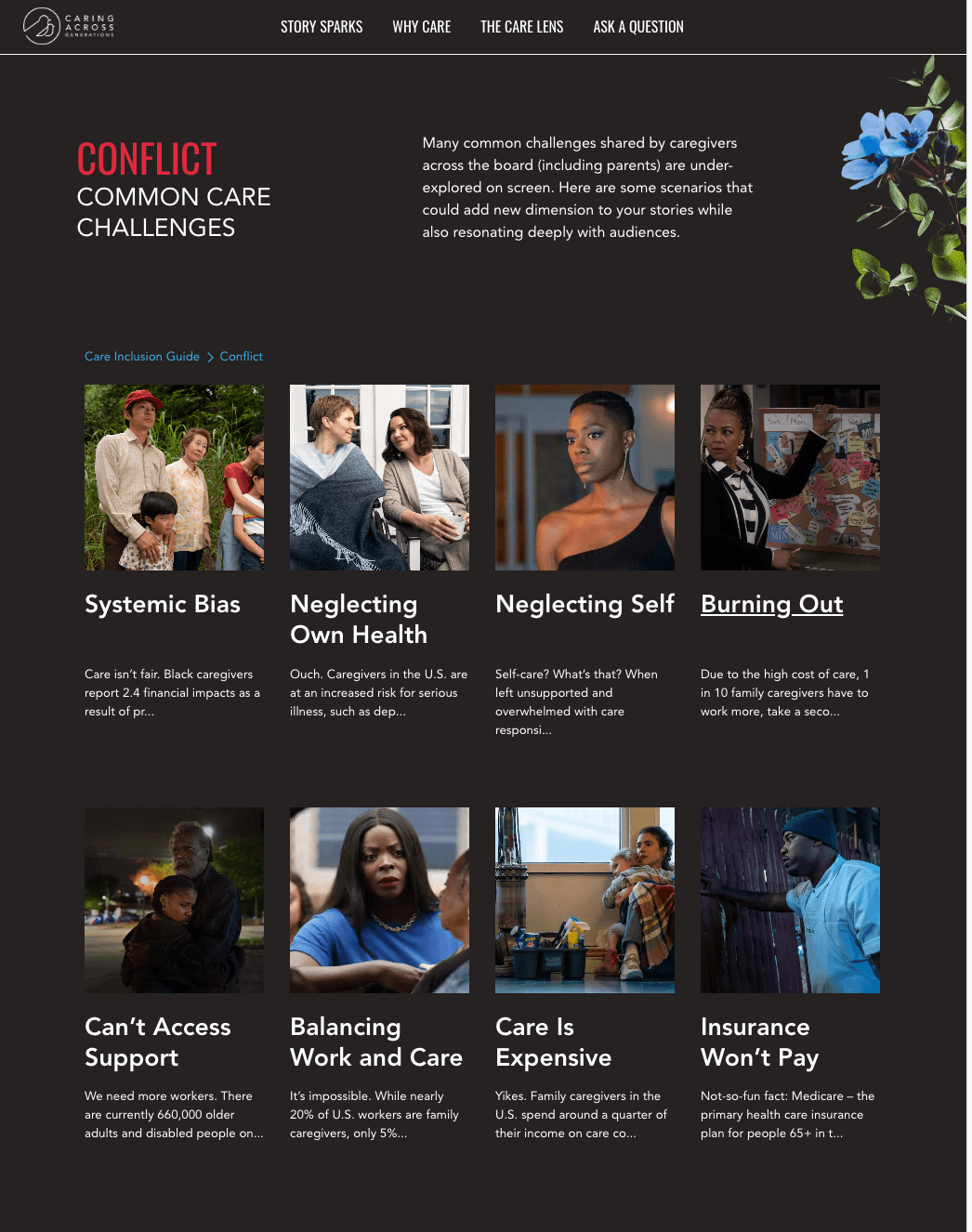
Last year I developed and launched the Care Inclusion Playbook resource (http://www.morecareonscreen.com) for film and TV creatives and other storytellers. It is a direct reflection of why I was excited to transition from my former role as a TV and film development executive to a cultural strategist for care working behind the scenes of Hollywood. It’s also a direct reflection of the many constituencies held under the umbrella of the issue area and intentionally spotlights the perspectives of so many who are often left out of our popular culture.
In my former life as a development executive, I spent a lot of time thinking about the “white spaces” of the entertainment landscape. What’s missing, and what are the stories to fill those gaps? Our film and TV landscapes, in particular, have left so many gaps in how care is represented. I read that as potential to unlock new dimensions of storytelling and to enrich our culture. And that’s exciting.
I also know that it can be easy to say “this is missing” but not as easy to come up with the solution, so I wanted to offer something tangible as a starting point. I dove into the wealth of stories and feedback we’ve collected over the years and translated that into unique “story sparks” designed to uplift common real-life experiences that can truly fit into any genre of storytelling. Because I believe what we need is for the fabric of life for those we see on screen to reflect what’s really going on for all of us offscreen: and care is a major part of that.
This is personal to me too: I became a parent just before the start of Covid, and my son was then diagnosed with developmental delays just as the pandemic upended daily life for all of us. There are all kinds of care-related experiences that my family has dealt with ever since, as have others, that I just don’t see reflected in our popular culture.
Only one in 10 TV shows in the U.S. featured a care-related storyline even though a much larger chunk of Americans—one in five adults—are actively caring for aging, ill or disabled adults, according to a report by Caring Across and the Geena Davis Institute. When care did appear, however, 75% of storylines highlighted parenting; care for older and disabled characters was rarely depicted.
Seeing the same narrow depictions of care over and again erases the lived experiences of so many people, especially Black, Brown and immigrant women who disproportionately carry care responsibilities for others’ families as well as their own. Thankfully, I do see that changing. More movies and television shows are including care storylines than ever, from portrayals of queer aging care and sibling disability care in “Last of Us” to the powerful spouse care storyline in “Queen Charlotte” to the acknowledgement of the financial cost of long-term care in “American Fiction.”
I believe that entertainment has the power to make a difference in how we view the world. The stories we watch and listen to influence our attitudes and what we value, whether we’re conscious of that or not. For example, you can look at a show like Will & Grace and compare attitudes and openness about LGBTQ identity from when that premiered to now.
Culture change doesn’t happen overnight. But the stories we consume do subtly, and profoundly, shift people’s mindsets. And that is what leads to true change.
Great, appreciate you sharing that with us. Before we ask you to share more of your insights, can you take a moment to introduce yourself and how you got to where you are today to our readers.
I now live in Los Angeles and work with creatives in Hollywood to drive social change through popular culture. My career started in the entertainment industry, where I came up as a creative executive. Like many on that path, my first “job” was as an unpaid intern before becoming an executive assistant, and eventually a development executive in scripted film and TV. When developing films, I’d either come up with an idea myself or work with screenwriters and other creatives to adapt and sell their vision as a movie or TV show. I enjoyed digging into the creative process and thinking about adapting material: how do we take something from one format to another one? What can I add?
After becoming a parent to two toddlers, I wanted to devote more of my time to culture change, an interdisciplinary field focused on transforming cultural norms for a more equitable society. I’ve since shifted from the day-to-day development of content to thinking more specifically on the mission-oriented side as the director of culture change at Caring Across Generations. So I still get to be creative, but in service of a different agenda.
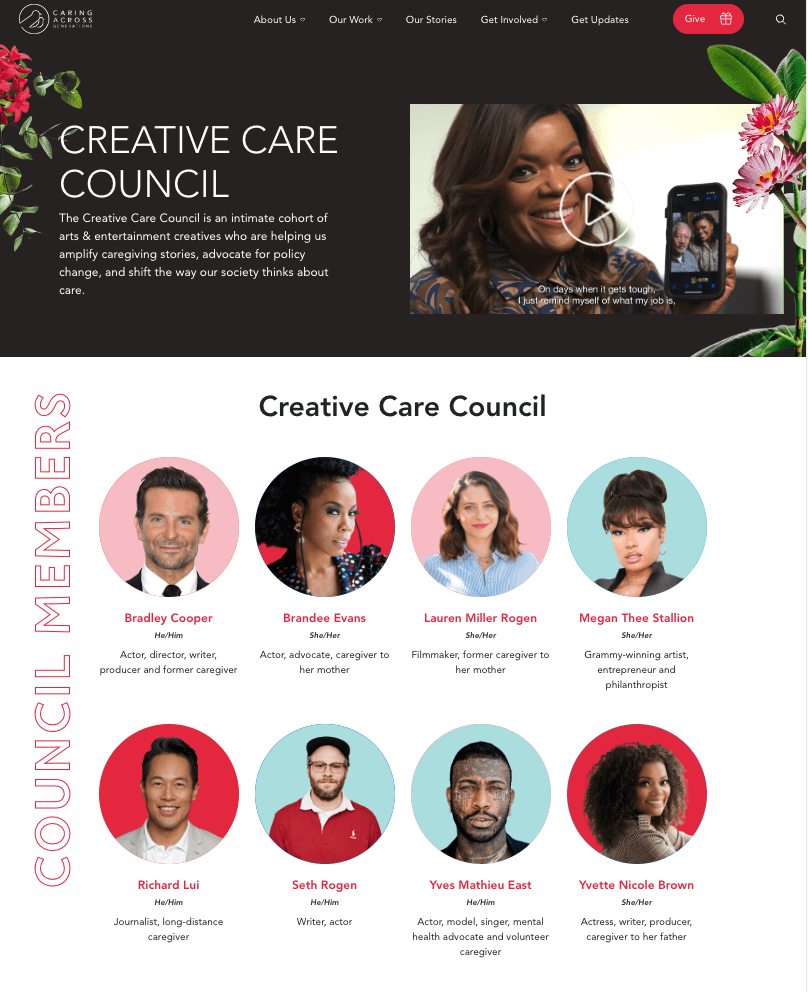
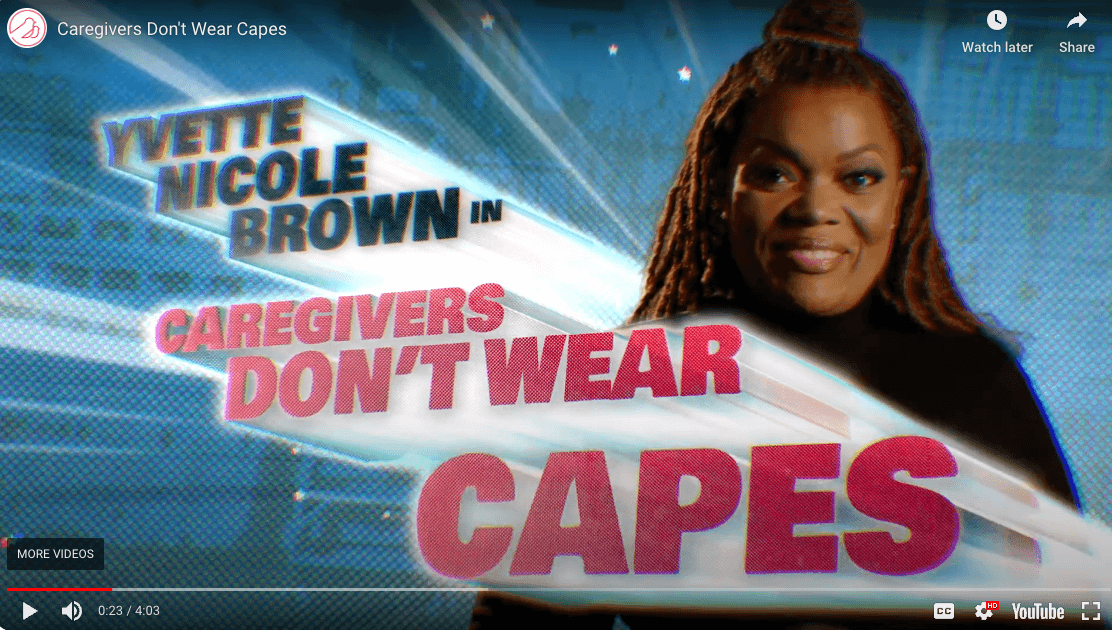
As mentioned above, Caring Across published earlier this year the Care Inclusion Playbook, a guide to help writers and other creatives incorporate often-overlooked care experiences into their content. Executive and creative teams at ABC, BET Studios, Disney and Netflix are already using the resource, which outlines common narrative storytelling pitfalls that reinforce ageism and ableism, and highlights ways to depict care more inclusively across age, ability, culture, race, immigration status, sexual orientation and gender identity, and socioeconomic class. In 2023, Caring Across established the Creative Care Council consisting of Bradley Cooper, Brandee Evans, Yvette Nicole Brown, Megan Thee Stallion and others working to shift cultural narratives to more accurately depict stories around caregiving. The organization also recently partnered with Participant, HRTS Foundation, and National Domestic Workers Alliance to grant $50,000 to a soon-to-be-announced narrative short film project featuring a new take on care.
How can we best help foster a strong, supportive environment for artists and creatives?
The vast majority of film, TV and theater resources now are going to a very narrow subset of people who have a certain range of life experiences. The more diverse the creative community, the more kinds of life experiences and philosophies are spurring different artistic expressions and interventions.
For example, nearly two-thirds of family caregiver characters on TV in 2021 were white and all disabled characters over the age of 50 were white, even though communities of color disproportionately shoulder care responsibilities in the U.S.
Artists and creatives need resources to be able to tell their full stories on their own terms. Fellowships and other types of apprenticeship opportunities that especially lift up marginalized voices will go a long way to expanding not just who gets to sit at the writers table or appear in front of the camera, but who gets to sit in the director’s chair.
Learning and unlearning are both critical parts of growth – can you share a story of a time when you had to unlearn a lesson?
“If you work hard you’ll get ahead.” It’s a lesson that sometimes feels inescapable in the U.S., which really emphasizes—even glorifies—individual effort without acknowledging the significance of systemic support. I do work hard, but there are other reasons I have been successful in following my path. For example, at the start of my career, I was able to take on the kinds of unpaid internships in NYC that eventually lead to paid gigs because of financial support from my family.
The corollary to this, for me, is also learning to embrace the village. As a parent to a child with developmental disabilities, I’ve really had to accept that our ability to thrive as a family requires the support and care of so many others. My child is going to succeed in this world because of the collective, intertwined efforts of many, including his own. And honestly this goes for all families: we’ve held up this nuclear family model on a cultural pedestal for so long, but I don’t know a single family that doesn’t rely on their village – whether that be relatives, professionals, neighbors, or other community.
Contact Info:
- Website: http://www.morecareonscreen.com
- Instagram: @caringacrossgen
- Facebook: https://www.facebook.com/caringacrossgenerations/
- Linkedin: https://www.linkedin.com/in/lydia-storie-3b2672b?original_referer=https%3A%2F%2Fwww.google.com%2F
- Twitter: https://twitter.com/caringacrossgen
- Youtube: https://www.youtube.com/channel/UCRrsAaQ8eJf7VFjnZhWjtYQ
- Other: https://caringacross.org/creative-care-council/
https://www.youtube.com/watch?v=eUl81_S3gaw
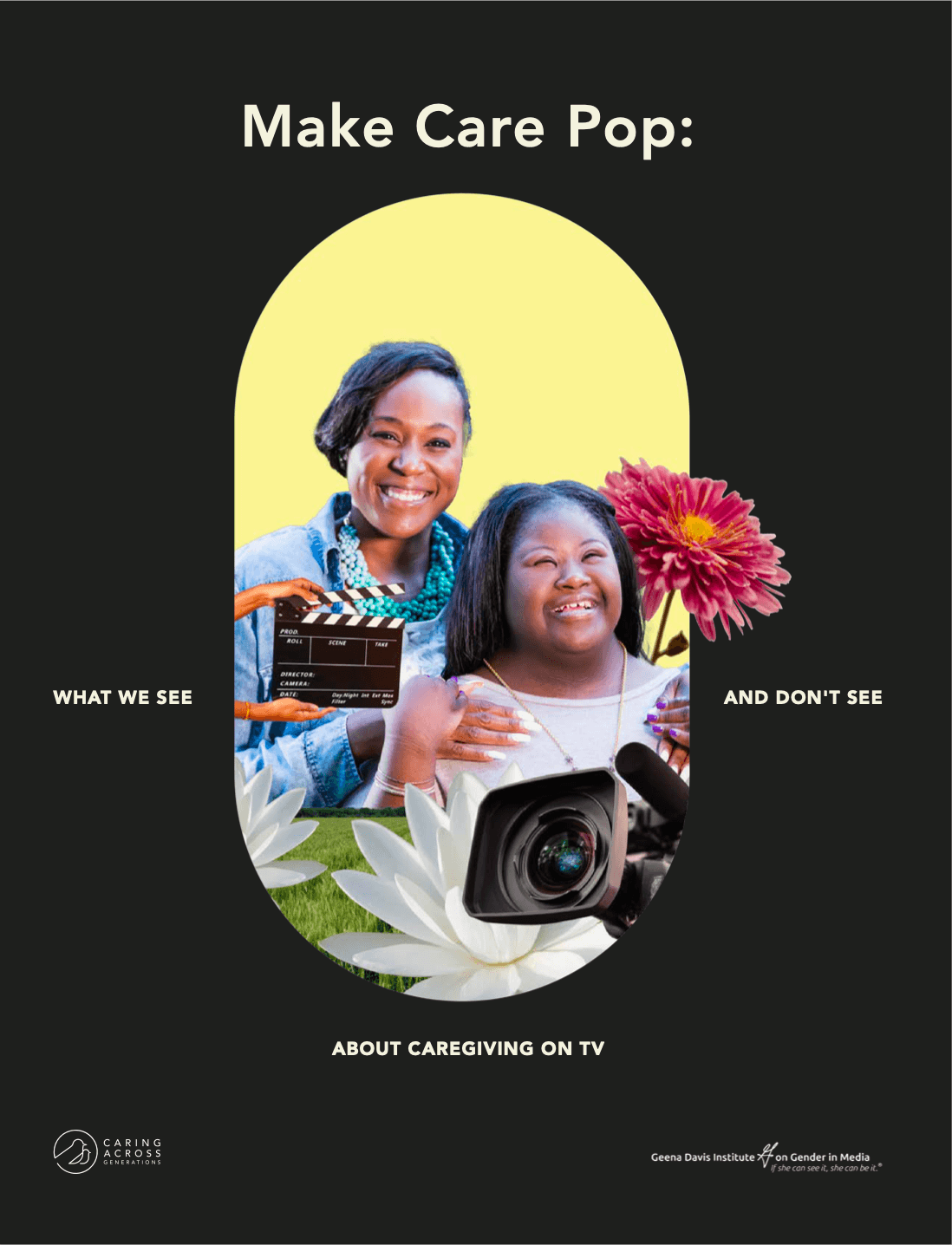
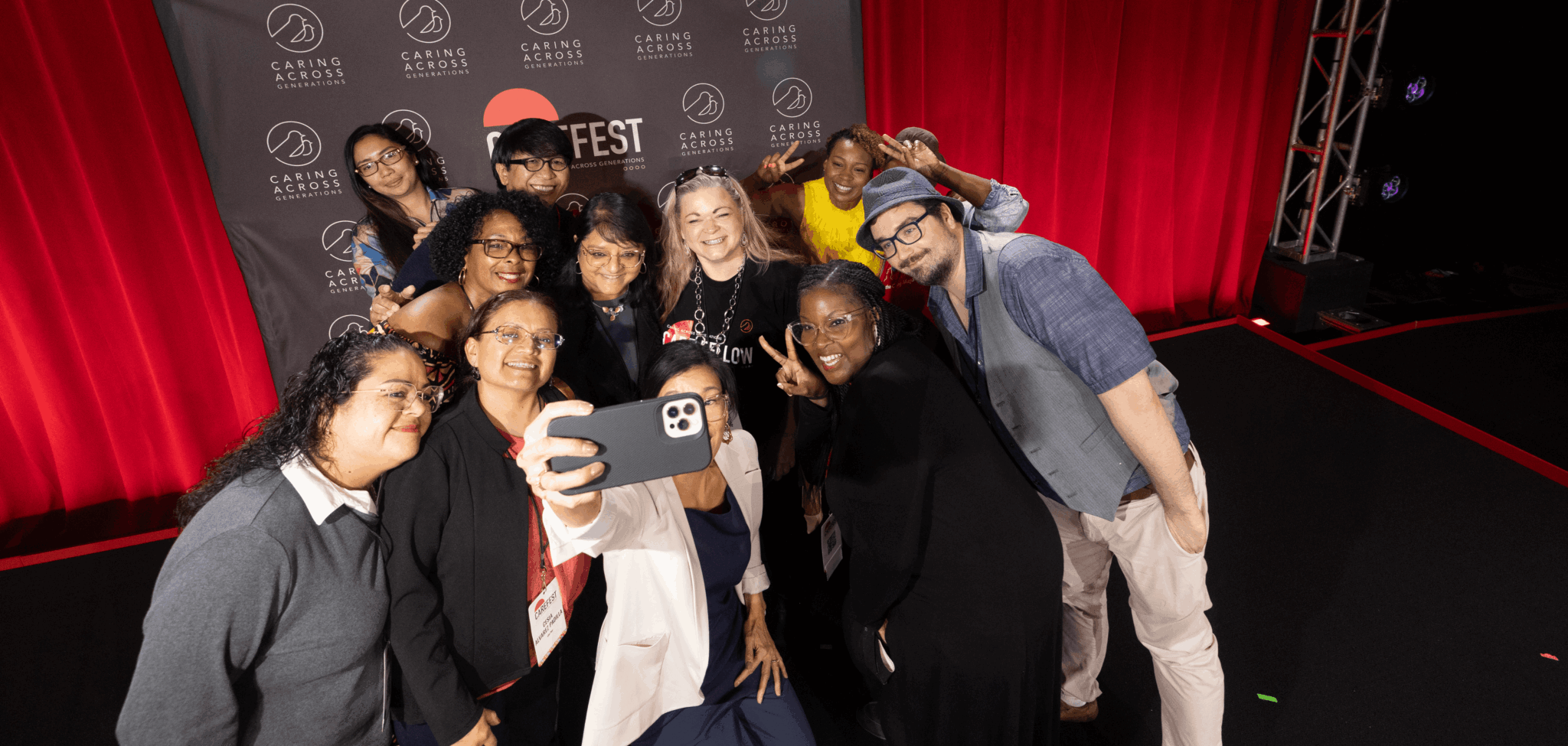
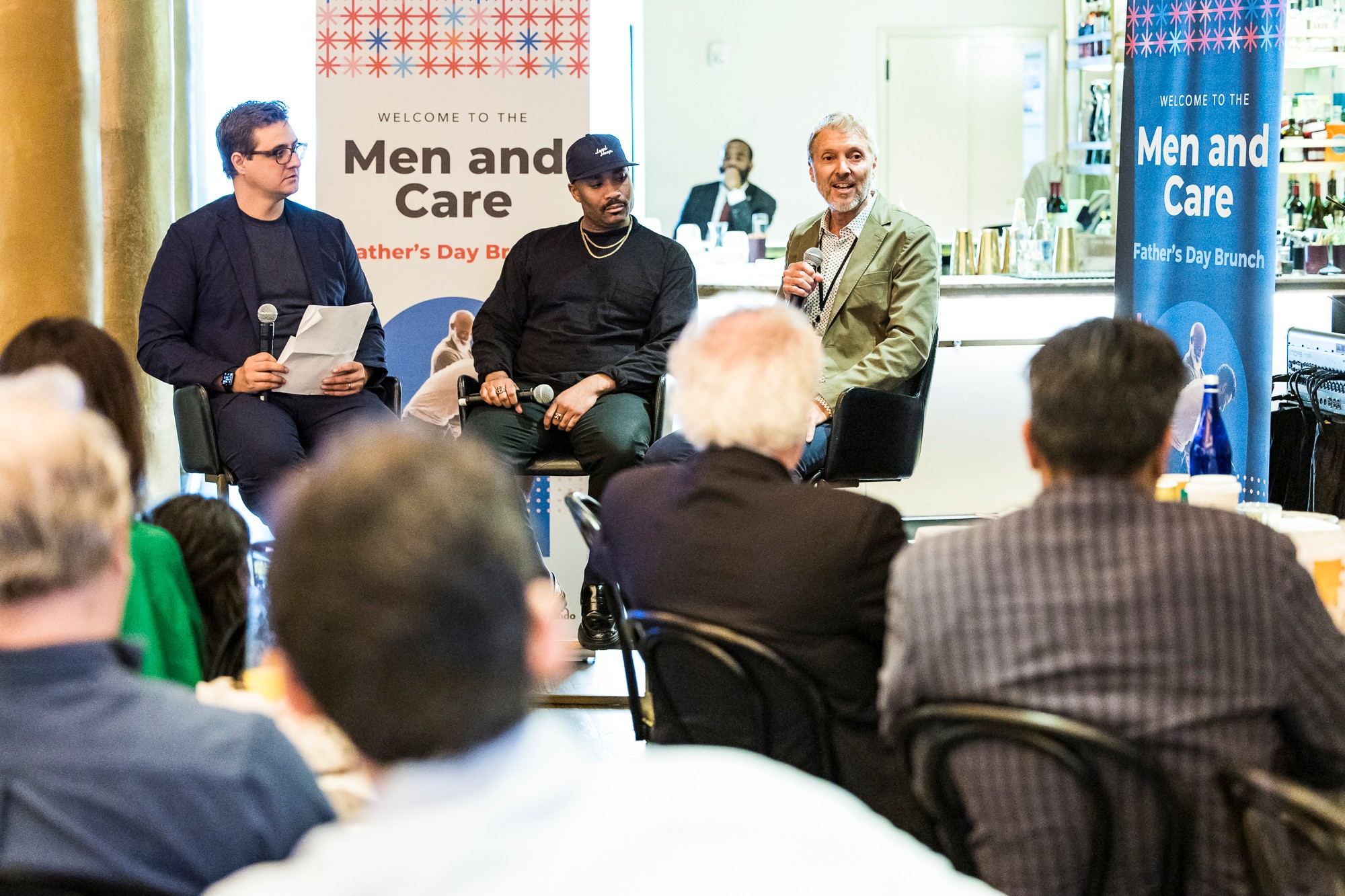
Image Credits
The group photo in front of the CareFest step-and-repeat is credited to Paiwei Wei and shows Caring Across Generations Co-founder and Executive Director Ai-jen Poo with Caring Across Care Fellows. The “Men and Care” panel is credited to Kisha Bari and shows Chris Hayes, MSNBC host; Joél Leon, author, cultural critic, and essayist; and Gary Barker, president and CEO of Equimundo.