



We recently connected with Lydia Paulos and have shared our conversation below.
Alright, Lydia thanks for taking the time to share your stories and insights with us today. We’d love to hear the backstory behind a risk you’ve taken – whether big or small, walk us through what it was like and how it ultimately turned out.
Being a professional musician is essentially entirely comprised of taking risks. For many of us, there is no safety net or sense of stability. Staring down an empty calendar, or a dwindling bank account is a familiar sight, and we learn pretty early on to be ok with that, or to simply leave the industry. So, finding one story of ‘taking a risk’ is likely pretty difficult for most artists, myself included. Recently though, I decided it would be a good idea to move to Berlin, Germany. Had I been to Berlin? No. Did I know anyone here? No. Job connections or auditions? Nope. Any personal connection? Reasons to pick Berlin? None. I’m about 6 months in now, and while I still couldn’t tell you if it’s worth it yet, I’m definitely glad I took the risk. Life here is a huge adjustment in a lot of ways, especially after close to a decade in NYC. I’ve started referring to the differences in my thinking as ‘New York Brain’ – things like cost of rent, cost of food, cost of everything really. The hustle and grind as a freelancer in New York, versus the relatively more relaxed way most of my new colleagues take to finding work as a musician here. But it gets easier every day, and closer to feeling like a risk that has paid off.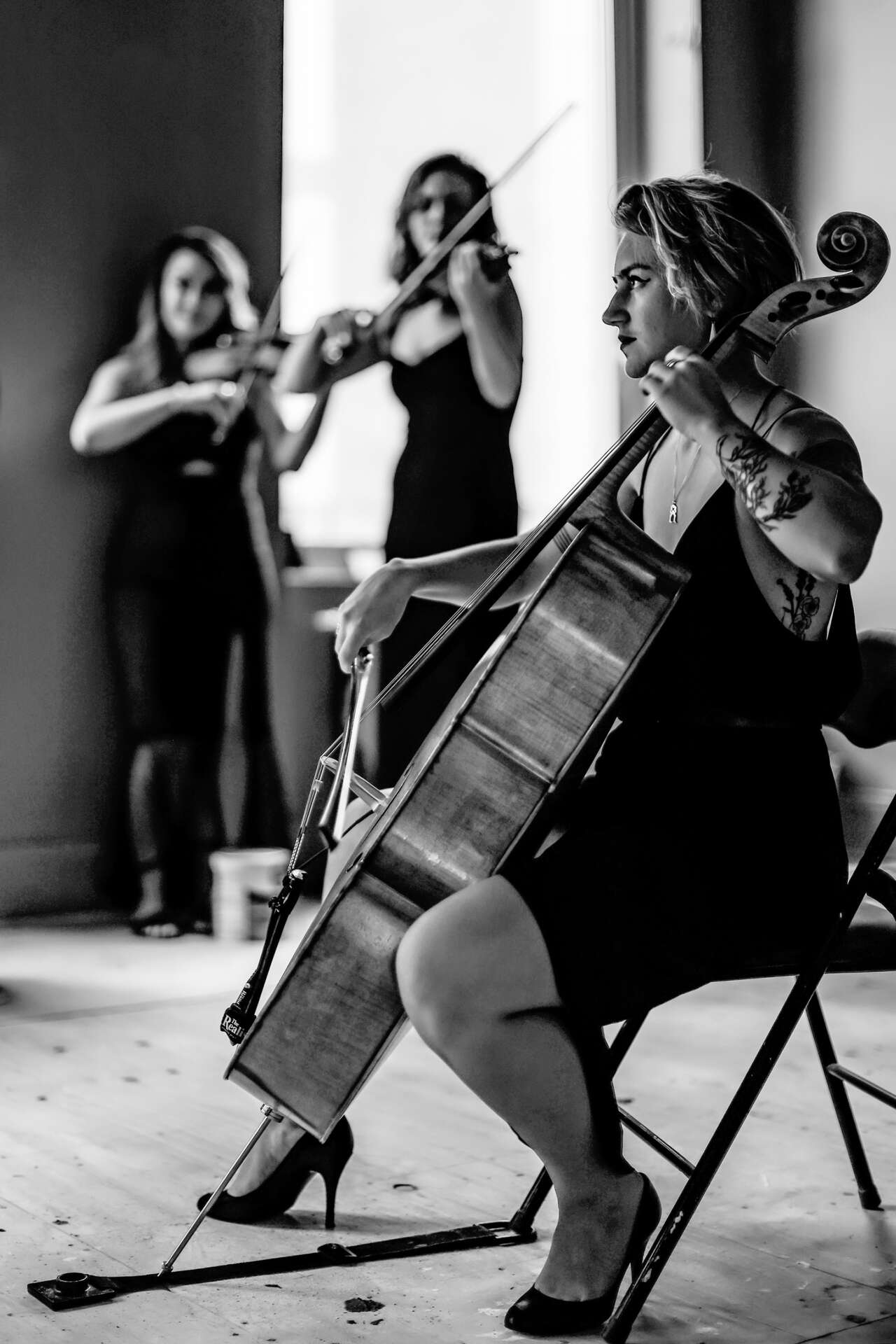
Lydia, before we move on to more of these sorts of questions, can you take some time to bring our readers up to speed on you and what you do?
Hi, my name is Lydia Paulos, and I’m a freelance cellist based in Berlin, Germany. I’ve been playing cello for close to 20 years now, and playing professionally since I was in college. While I’m classically trained, most of my work spans a wide variety of genres. I’ve worked quite a lot as a pit musician for musicals, and I really enjoy working with songwriters to create string/cello arrangements for their songs. I love the variety that comes with freelancing, the opportunity to work with so many different artists and types of music. While sometimes it means taking gigs that are at times less artistically full-filling (read: weddings), it allows me the freedom to pursue things I genuinely love – and isn’t that the point of being an artist in the first place? Someone once told me that my elevator pitch on what I do as a musician needs some work, but honestly I have no better way of putting it than this: What do I play/work on? Anything that anyone hires me for.
As a classically trained cellist, I of course have the technique and training to play all sorts of complicated music. I can walk into a recording studio or a last minute rehearsal and sightread most things they might put in front of me. But something I feel sets me apart from many cellists, is that most classical musicians can’t, or don’t, play off the page. This means I don’t necessarily need sheet music to work. This is a skill not taught in most classical programs, and something most classically trained players end up teaching themselves. Ultimately though, it’s something I’ve found incredibly rewarding. I have too many gigs that I’ve loved to be able to pick a favorite, but some fo the ones that stand out have only come because I have this skill, and the willingness to truly collaborate on creating art. From working on the soundtrack for a horror film, to recording for a punk band, pop singers to indie-folk, musical theater and opera to the recording studio – I’ll play anything that anyone hires me for, and I’ll love every minute.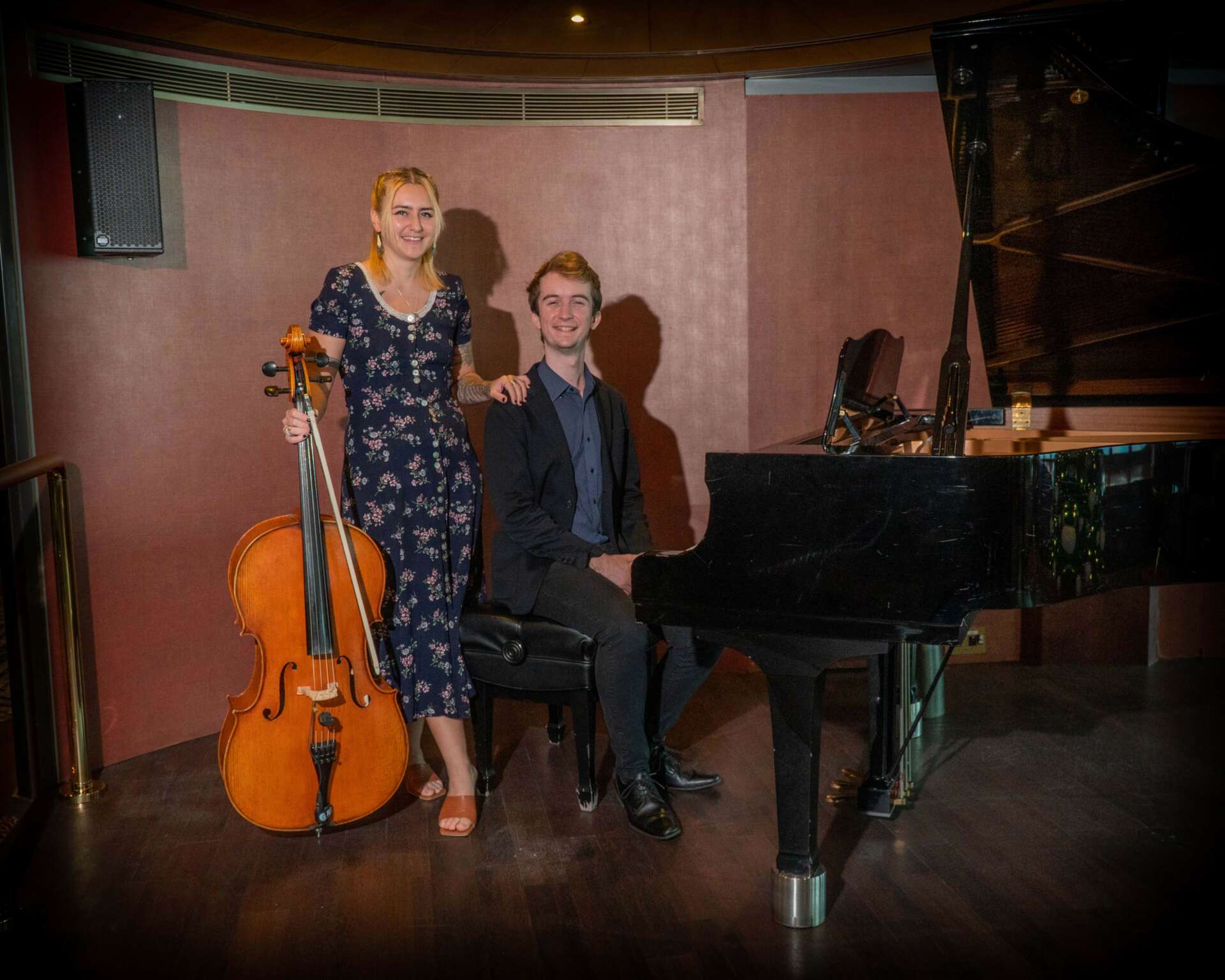
In your view, what can society to do to best support artists, creatives and a thriving creative ecosystem?
Give us money. Come to our shows. Honestly I wish I had something more interesting to answer this with but what we need is funding, and an audience. I often joke that I wish we could bring back the tradition of patronage from around the 18th century. Basically, rich people would hire composers-in-residence to write things for them, and in return, house them and pay them and bring in musicians for regular performances. The church also did a lot of this – for better or worse, we have the Catholics to thank for a massive amount of Western classical music.
Classical audiences are dying out, literally, streaming services are decimating profit for recording artists, and it seems more and more like the only way to ‘make it’ as a musician is to be born into wealth and/or fame. So the best thing you can do to support musicians right now is to go to their concerts, buy their music (not just stream it on Spotify, which pays less than half a cent per stream), and even bring some of your own friends along as well. There are so many cool concerts and venues for every type of music – I promise you’ll find something you like.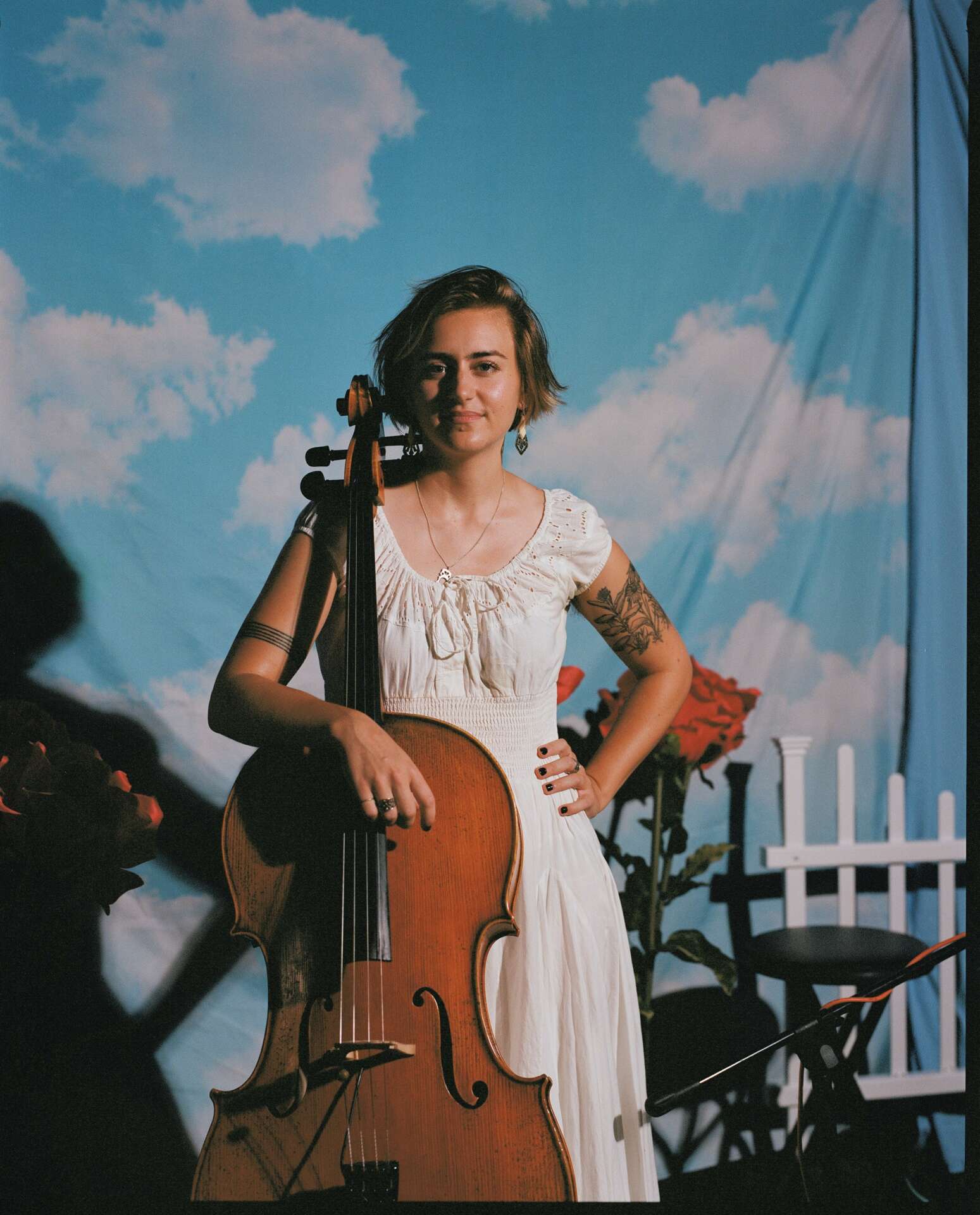
Do you think there is something that non-creatives might struggle to understand about your journey as a creative? Maybe you can shed some light?
Last year, I spent a few months working on a cruise ship. I was half of the resident classical duo on board – we performed 3-4 times a day for around 45mins each, 6 days a week. We had no further ‘official’ responsibilities than these few hours a day. We would get comments fairly frequently about having an easy job, or making so much money for such little work. And while this is a very tidy example, this is a pretty common comment for most freelancers. And it drives me up a fucking wall. I started playing cello at age 9, and piano even before that at 7. Musicians have to be playing at a nearly professional level to even get into a university program, and most of us have been studying for over 15 years by the time we enter the workforce. Most professions – yes, even doctors and lawyers – don’t even start with any sort of specialized training until you hit 18. On the ship, what other crew and our passengers weren’t necessarily seeing, were the 3+ hours a day I was practicing to learn the music, and beyond that, the years of dedicated practice to learn the craft. Think of that image of a glacier, right? The amount of unseen work that goes into a short 45 minute program is almost unfathomable if you aren’t looking for it. This goes for payment & fees as well – the next time you hire a musician & balk at the fee, try to keep in mind the amount of work going on behind the scenes for that musician to be able to do this work. 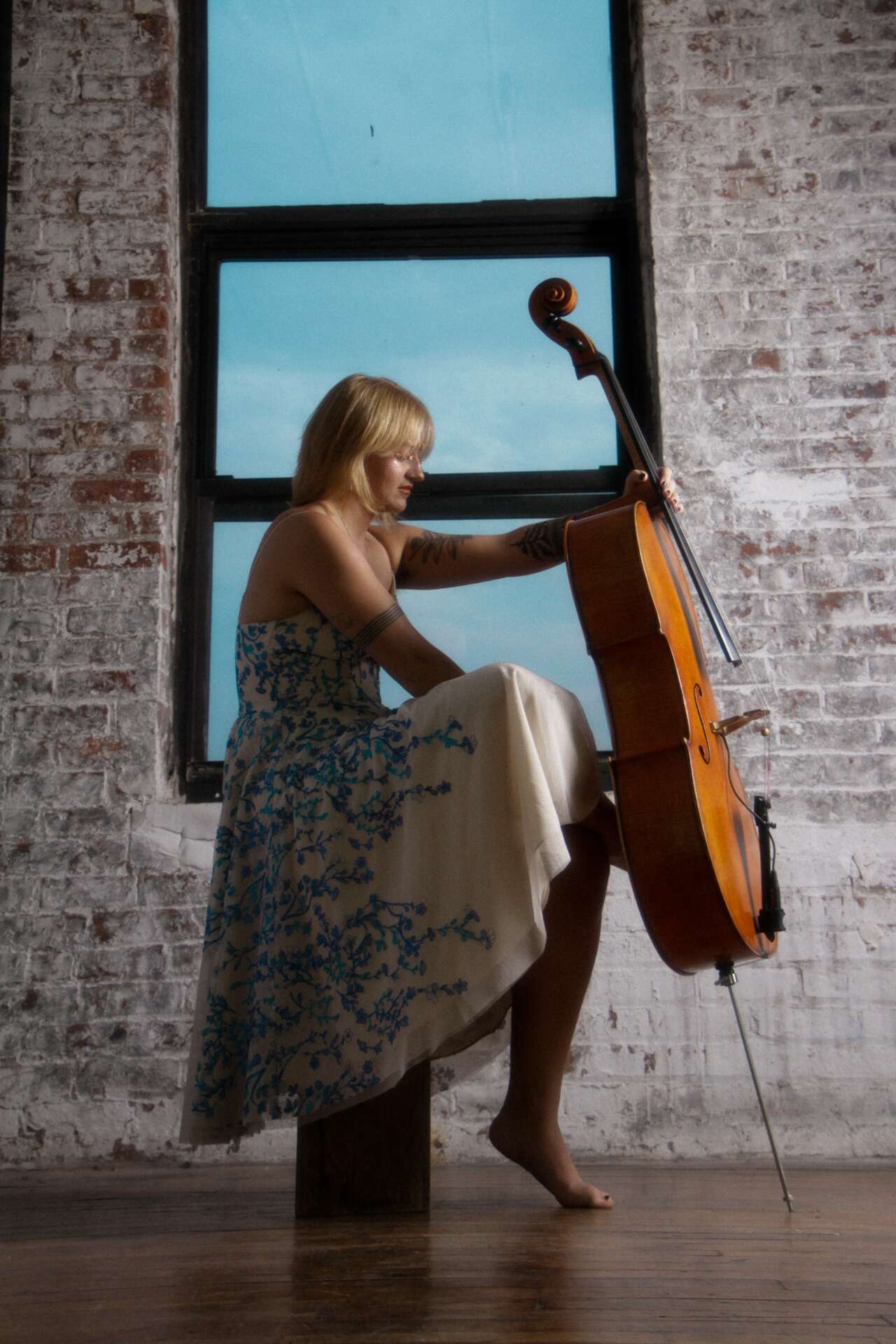
Contact Info:
- Website: lydiapaulos.com
- Instagram: @paulosy15
- Twitter: @paulosy15
- Youtube: Lydia Paulos
- TikTok: @lydiaplayscello
Image Credits
Alex S. K. Brown MCP Photo (McKenna Poe)