

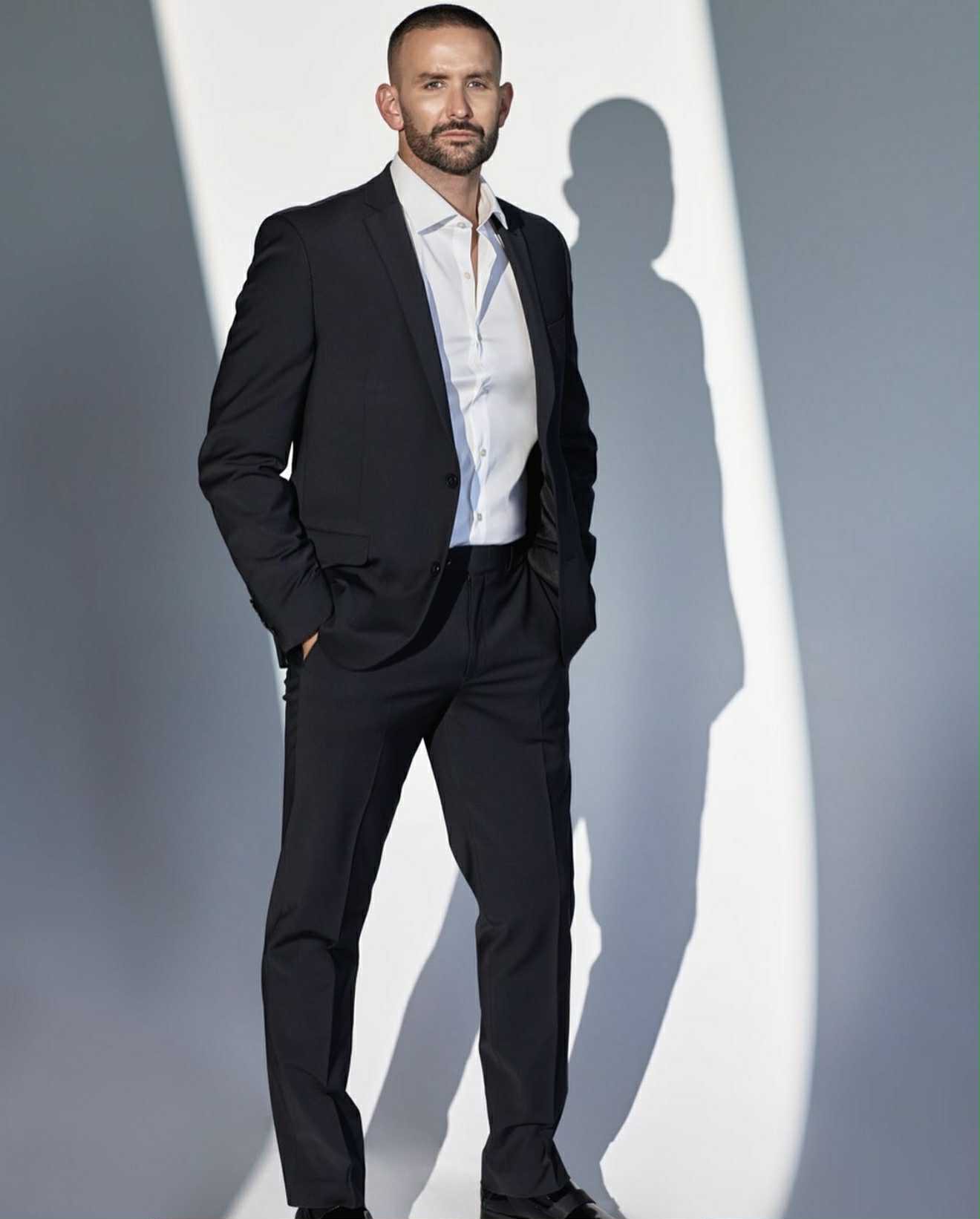

We’re excited to introduce you to the always interesting and insightful Luke Styles. We hope you’ll enjoy our conversation with Luke below.
Alright, Luke thanks for taking the time to share your stories and insights with us today. Alright – so having the idea is one thing, but going from idea to execution is where countless people drop the ball. Can you talk to us about your journey from idea to execution?
Before I ever sat down to write, I hit a turning point. Work as an actor wasn’t coming, and I had missed out on auditions that could have changed everything. That’s when I realised I had to take matters into my own hands. If I wanted to keep creating, I had to build something of my own. That decision to take ownership of my story was the spark that lit everything that followed. From that moment on, I became a hunter of excellence, chasing down the lessons of those who had left a blazing trail before me, determined to carve out my own.
My journey as a writer actually reached further back. In 2015, I was fortunate enough to work with Elizabeth Kemp from the Actors Studio in New York. She helped me explore the essence of creative writing and planted the seed that would one day grow into this film.
The journey truly began during COVID. I had never written a screenplay before, but I had always been immersed in storytelling. In 2019, I read 52 books, and over the five years leading up to the COVID-19 pandemic, I had read more than 500 plays. When the world stopped, I sat down and decided to write, finally.
When I finally put pen to paper, it was raw and unrefined. My very first editor confirmed this with a 15-page analysis of how poorly my screenplay was written. Most people would have stopped there, but in that critique was one line that changed everything: “Despite everything, Luke Styles has a brilliant story.” That was my hook.
Instead of quitting, I doubled down. I kept writing, received feedback, and each time the criticism became shorter, from 15 pages down to 8. I told myself that was progress. I read hundreds of screenplays. I pulled scripts apart like an engineer would an engine, following Aaron Sorkin’s advice. I sat through masterclasses with Aaron Sorkin, Martin Scorsese, and David Mamet. I devoured books, took notes, and kept rewriting. In total, I rewrote the screenplay about ten times.
Eventually, I was fortunate enough to find Charlie Carman, an editor with an extraordinary track record, including films such as The Sapphires and The Water Diviner. Charlie helped me shape Thunder into a script that was not only personal but also cinematic, fusing my imagination with lived experience.
That process alone took about four years. Then came the most challenging part: moving from script to film.
I knocked on countless doors trying to secure funding, and after a year of pushing, I realised no one was going to rescue me or fund me. The universe was sending me a message: do it yourself.
Before taking that leap, I had already written, acted in and directed a short film called Beyond the Boundary, which earned some recognition and festival selections. That project was pivotal because it introduced me to the remarkable Tom Conyers, our Director of Photography, Chris Teh, who dedicated his time and talent to the project, and Isabel Dilena, who later joined Thunder as an Associate Producer.
With that foundation, I decided to film the first ten minutes of Thunder. Casting was brutal, producing was tougher, but it was exhilarating. I wore every hat: writer, producer, casting director, fundraiser. And as I wore every hat, a fantastic crew emerged who began to share the load—people like Ashley Sawko, who not only stars in the film but also brought her passion as a creative partner.
In 2024, we held a special screening with the incredible Kim Krejus from the 16th Street Actors Studio, where the audience devoured the film and gave us the confidence to keep pushing. That same year, we released a trailer for Thunder, which garnered over 400,000 views across platforms, proof that the story was connecting with people far beyond our circle. At that screening, I also reconnected with another remarkable creative, Katrina Mathers. She had helped me with Beyond the Boundary during its festival run, and from that moment forward, she joined the team as a producer for Thunder, further strengthening the team.
That’s when I realised the deeper magic of this process. It wasn’t just my dream anymore; it became our dream. Friends, family, and fellow creatives gave their time and heart. The film stopped being just a project and became a collective act of belief, persistence, and love for storytelling.
From the very first spark of the idea to filming the opening of Thunder, the journey has taken nearly ten years—ten years of persistence, faith, resilience, and the belief that stories told with heart can unite people in ways nothing else can. And now, as we step into shooting the full feature, I feel the power of this journey more than ever. With a strong team beside me, the boxing community opening its doors, and countless people reaching out to share how deeply they connect with the film’s themes of struggle and addiction, I truly believe we are creating something special. Something that belongs not just to us, but to everyone who has ever fought to rise again.
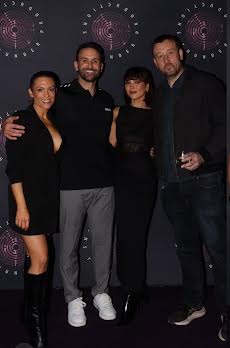
Luke , before we move on to more of these sorts of questions, can you take some time to bring our readers up to speed on you and what you do?
I actually started my craft later in life. As my hero and mentor Joseph Campbell would say, I answered the call to adventure. The theme of redemption has always spoken to me, and I’ve been drawn to the great classics, books and films built on the hero’s journey. Over time, I came to understand the structure deeply, and I realised it wasn’t just storytelling, it was my life.
Akin to the heroes I admired, the arts saved me. That is my greatest accomplishment. I redirected my path, chose the road less taken, and began to see the signs and synchronicities that had been there all along: acting out movies in my backyard as a child, friends and mentors through my teens and twenties telling me, “Why don’t you act? You’d be great.” It always sang to my heart, but for years, my fears, flaws, anxieties and insecurities held me back.
The turning point came when I watched Will Smith talk about The Alchemist. I read it, and it changed my life. It was then that I truly answered my call to adventure. From that moment, I worked relentlessly on myself, both as an artist and as a human being. I trained with exceptional coaches and acting teachers, dedicating 40 hours a week to my craft while working full-time, attending voice class, devouring books, and learning how to breathe. In that process, I began to heal.
Struggling with dyslexia meant I had to work twice as hard, but what once felt like a weakness became my superpower. I discovered that creativity isn’t just about expression, it’s about transformation. When you commit to the odyssey, you don’t just learn about the craft, you learn about yourself. And for me, that has been the greatest gift.
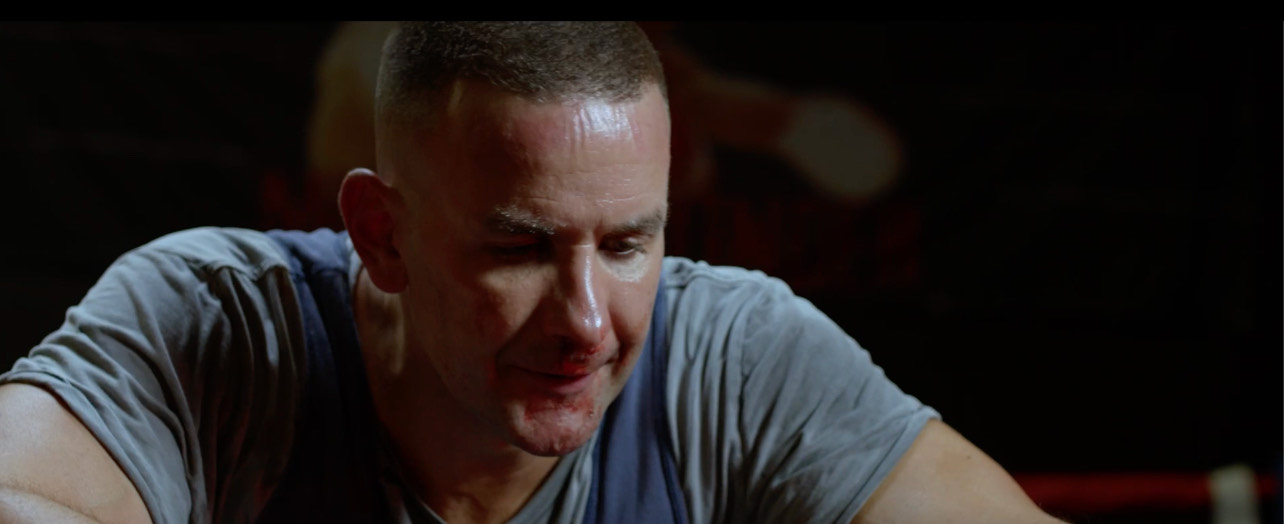
What do you think is the goal or mission that drives your creative journey?
The driving force behind my creative journey, and especially my film, is simple: if I can help even one person heal, then I’ve moved mountains. I wrote this story to offer hope to anyone who has faced addiction, adversity, or anxiety, to remind them that there is always a light ahead, and that it takes courage to step toward it.
From childhood, I felt this call. Answering it has been the greatest gift of my life. My hope is that this story encourages others to chase their own dreams with the strength of Hercules, because nothing is worse than living in fear, living beneath yourself when you know your heart longs for something greater.
As my great acting coach, Larry Moss, once said: “Even if it doesn’t work out, at least you had the experience of a lifetime, something most people never risk tasting.” That’s the key for me, that one found the courage to answer the call within.
This film, and my journey, exist for that reason: to remind people that healing is possible, dreams are worth chasing, and the human spirit is far stronger than fear.
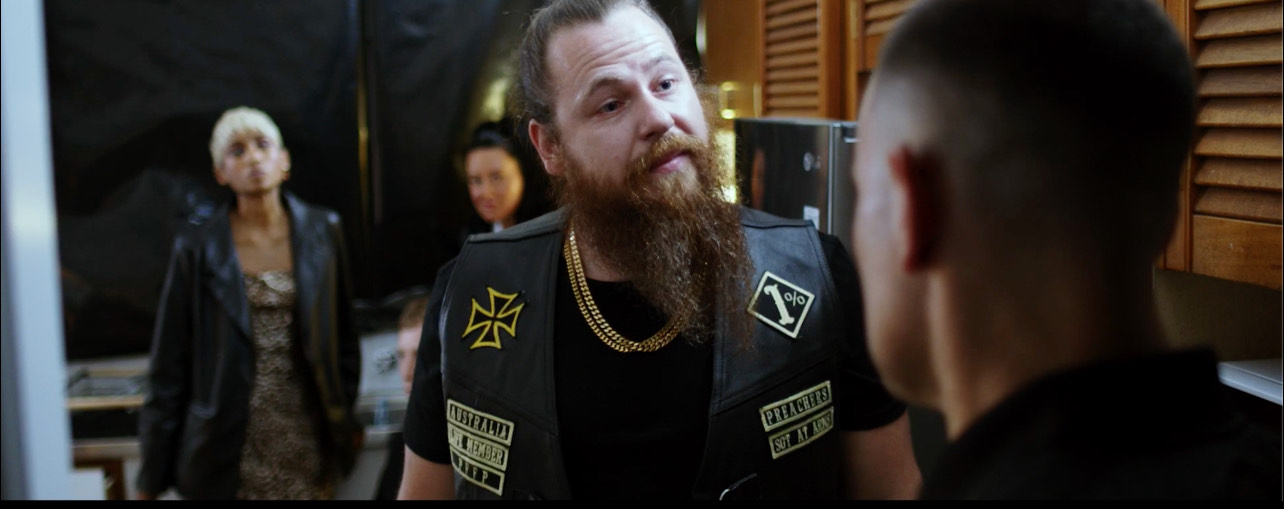
Let’s talk about resilience next – do you have a story you can share with us?
When I took the leap of faith into this craft, I knew it wasn’t going to be all roses. Learning the technique was one thing, but the real battle was with everything that came along with it: imposter syndrome, self-sabotage, doubts that I was too old, the ego inflations from others, and the ego assaults that could cut you down.
What got me through was always the work. I returned to it over and over, and in many ways, the work itself became a form of therapy. Alongside that, I committed to actual therapy, sometimes once, twice, or even three times a week. I had to understand my own modus operandi, how I functioned, and where those inner voices came from, the ones whispering, “This isn’t possible.”
Through that process, I found solace and freedom. I thrived on introspection and self-development. I poured myself into the craft, reading plays, writing, journaling, watching films, studying great writers, performing in plays, short films, anything I could get my hands on.
The real game changer was shifting my attention fully onto what I loved to do, what I had always wanted to do. That focus turned the noise into fuel. The resilience came not from denying the struggle, but from facing it, working through it, and putting it all back into the art.
Contact Info:
- Website: https://www.thunderproductions.com.au/
- Instagram: https://www.instagram.com/lukegstyles/?next=%2F
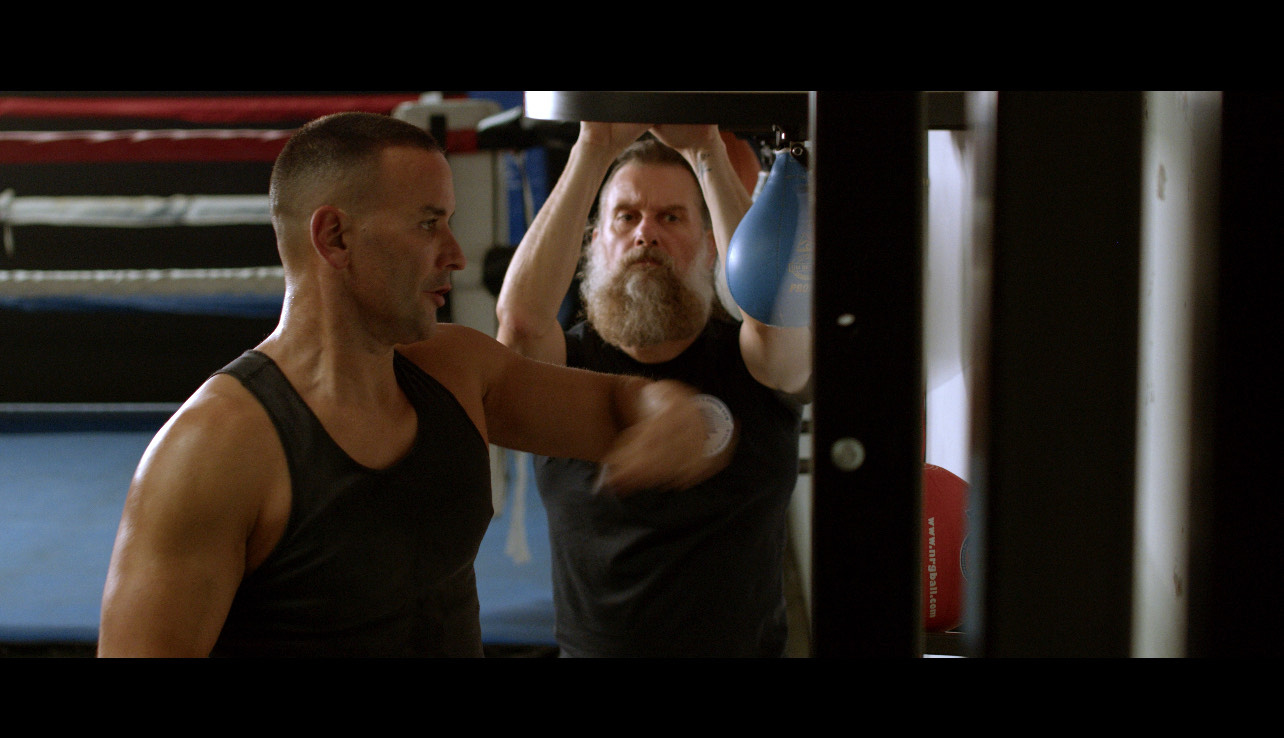
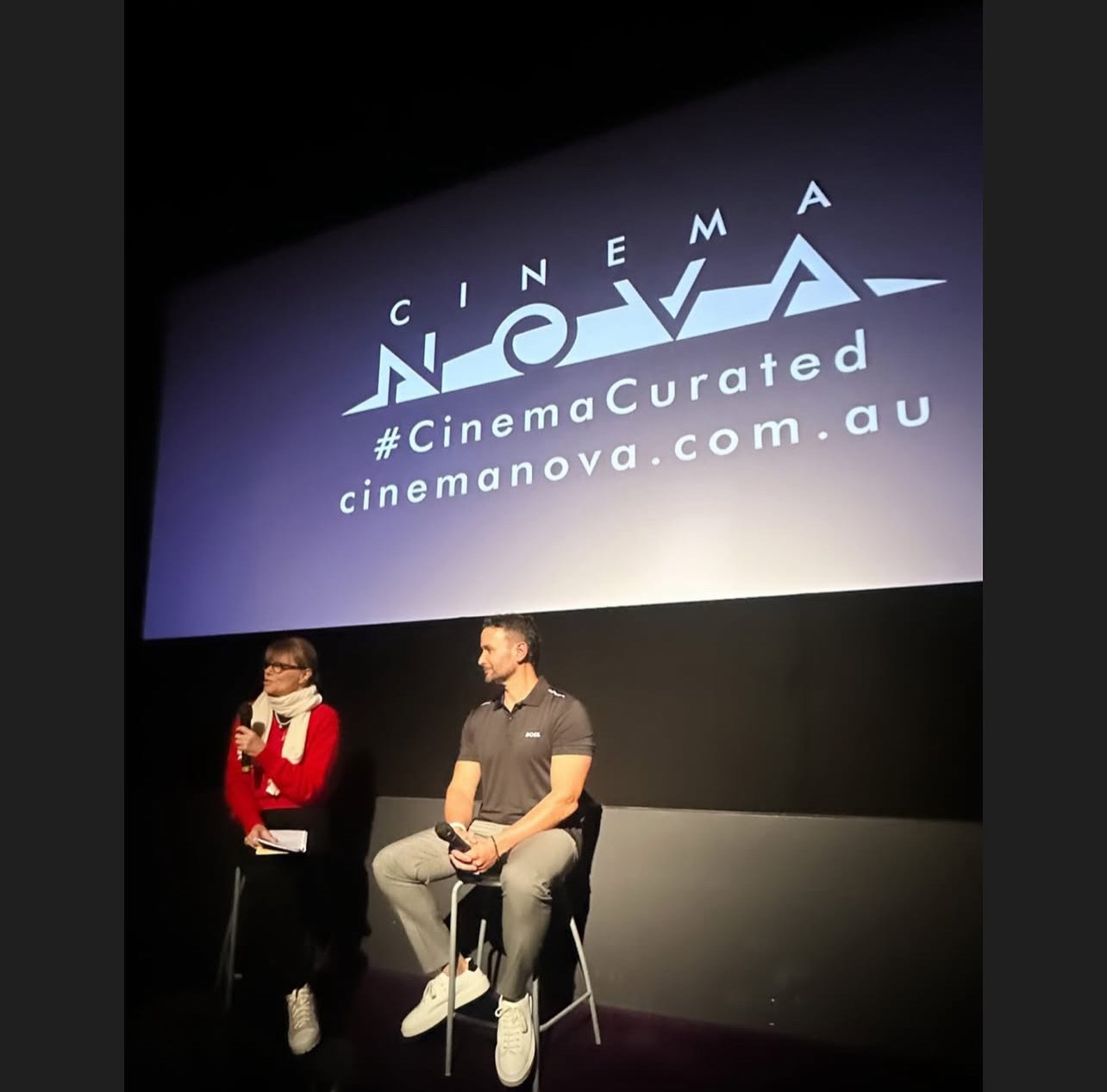
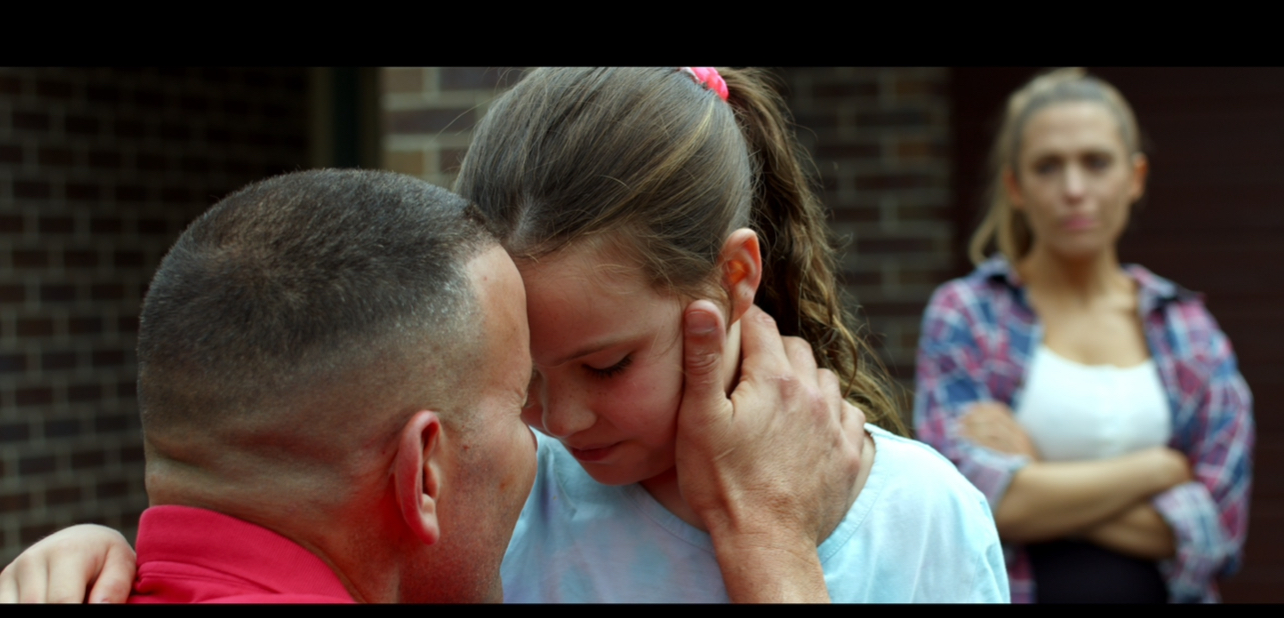
Image Credits
Luke Styles, Tom Conyers, Ashley Sawko, Scott Major, Andreas Filak, Roma Duggan, Kim Krejus