

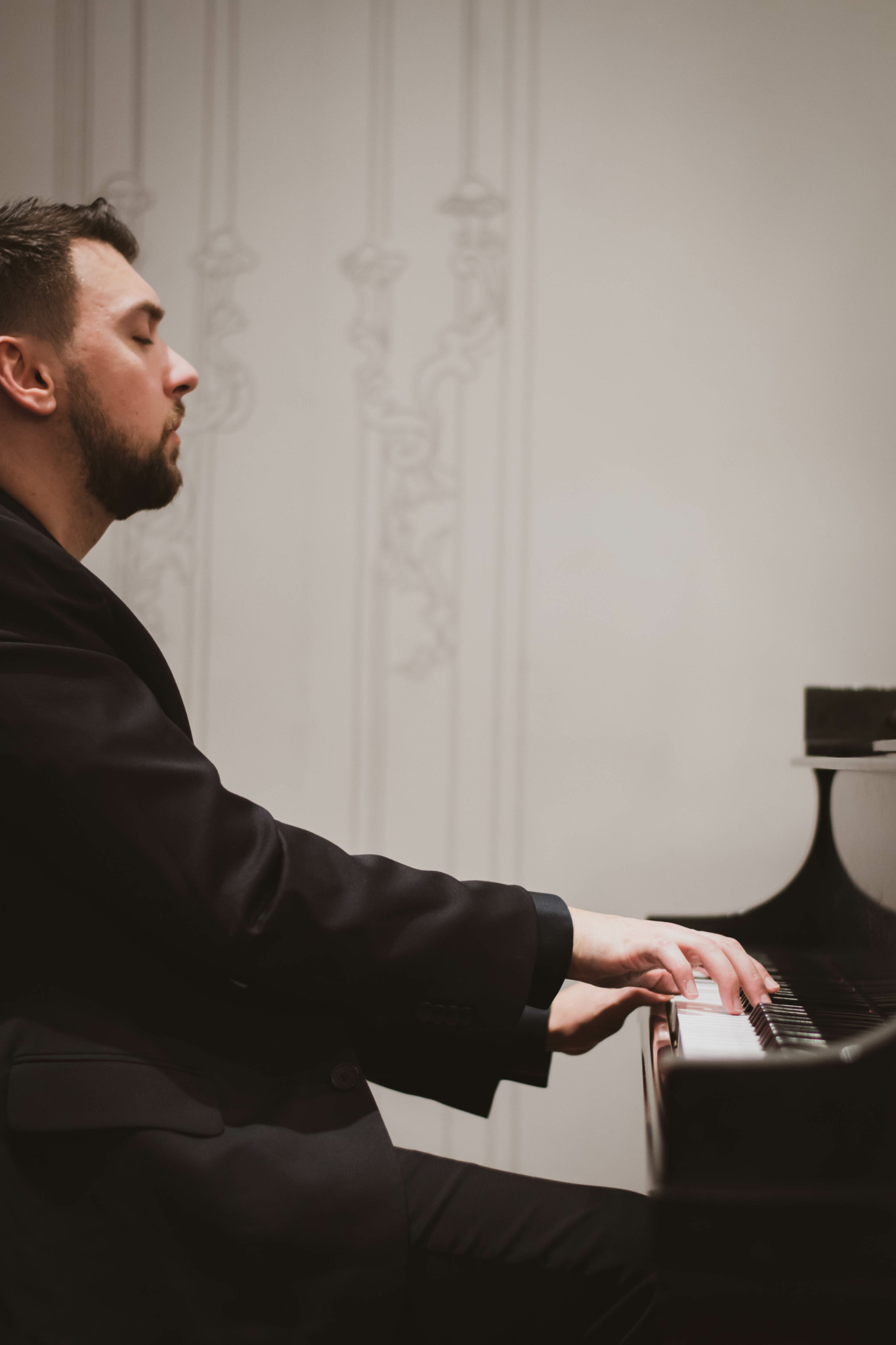

We’re excited to introduce you to the always interesting and insightful Luke Ratcliffe. We hope you’ll enjoy our conversation with Luke below.
Luke, thanks for joining us, excited to have you contributing your stories and insights. Learning the craft is often a unique journey from every creative – we’d love to hear about your journey and if knowing what you know now, you would have done anything differently to speed up the learning process.
I was first exposed to music as a child and had a number of CDs that quickly became favorites to listen to around the house and in the car. My early piano studies were simple and mostly a fun and exciting exposure to different styles of music and the great composers. My earliest lessons taught me the basics of reading music and playing the piano. Once I was around 13 my life fundamentally changed after a performance and I decided that music would be everything for me. All these years later, I still live in light of that decision and can see how a life in music has fundamentally shaped every aspect of who I am, my relationships, professional decisions, etc. Things progressed very quickly and it’s only been in more recent years that I’ve been able to chart how the various decisions put me where I am now in terms of development.
The most essential skills of being a musician are 1) listening deeply and actively, 2) ordering one’s life around a rhythm with the daily discipline of practice, analysis, and scholarly study, 3) learning to intonate and sculpt phrases in a living and breathing way, 4) having an intense and clear vision of one’s musical voice and interpretive style, combined with a knowledge of aesthetics, 5) working only according to your own timeline–no one else’s.
The major obstacles for any young musician are the insecurities and growing sense of rush that often push students to work haphazardly and in an excessively noisy environment. The ‘noise’ is the constant critique and analysis paralysis that preys on one’s sense of self and place in the musical world. Our modern world pushes a stunted development, faster, brighter, higher, younger, and shallower. This has a detrimental effect on the slow growth and maturation that any artist must go through in order to emerge with a distinct artistic voice. Working through all the growing pains in the shadows is a blessing in disguise as an artist.
I have found more and more that being a musician is living in a type of monastic dedication, diving deep into study and relentless practice to push oneself to fuller understanding. It does not fit into the 9-5 paradigm. Our art is an aurally transmitted one, which requires as much attention to public performance as it does teaching and conveying these core principles through sound and much time in the studio. Music orders the mind and the art of piano-playing has been a source of great freedom for me.
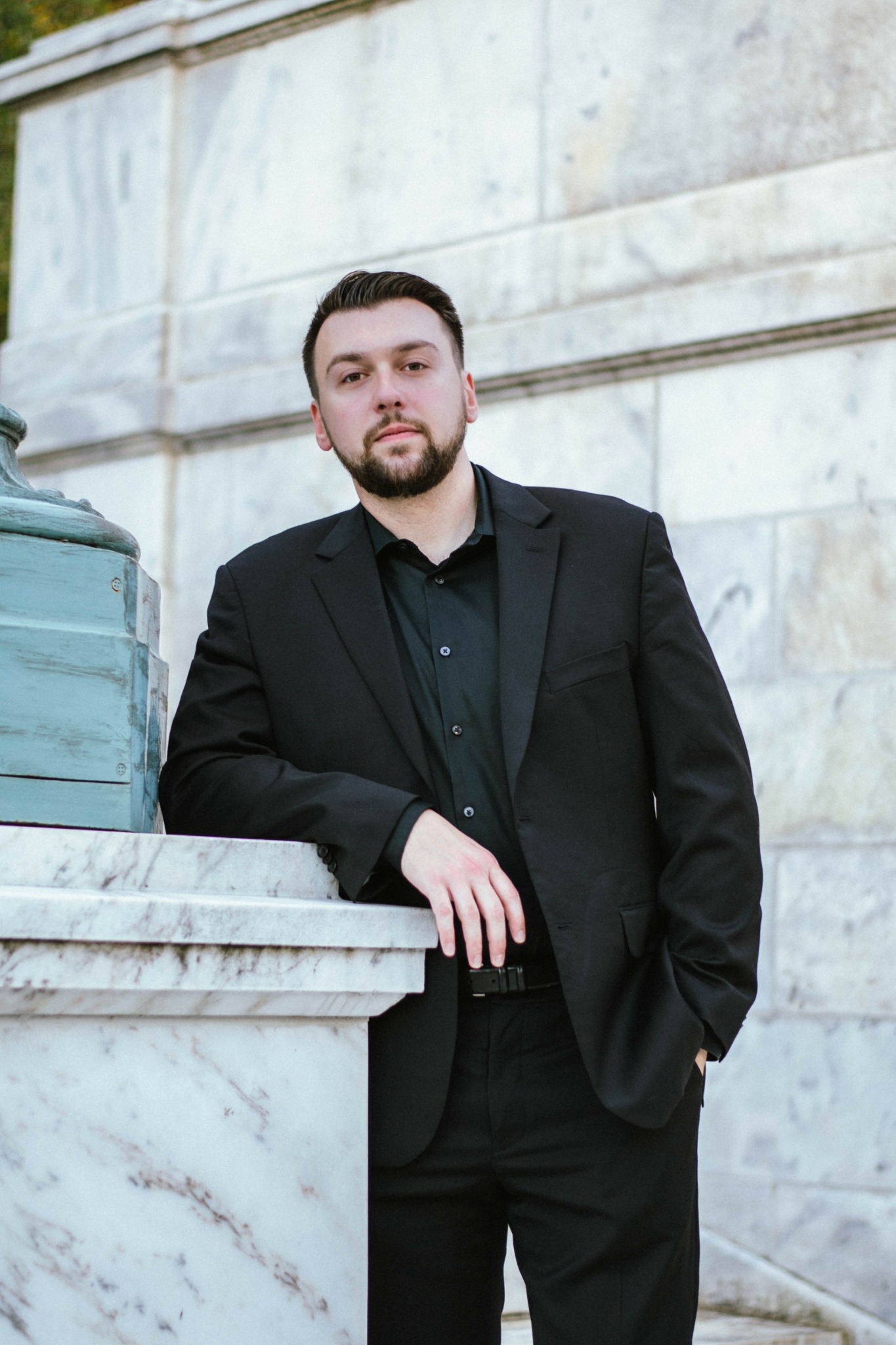
Great, appreciate you sharing that with us. Before we ask you to share more of your insights, can you take a moment to introduce yourself and how you got to where you are today to our readers.
I am a musician, specifically a pianist who plays classical music. My work is essentially my whole life: the intersection of performance, collaboration, and teaching. I’ve always been drawn to the piano as an instrument, and more so as a powerful vehicle for expression and color. I grew up improvising before I ever learned to read music, and it’s likely that same natural impulse that fuels my approach to music today, whether I’m preparing a large recital program, studying chamber music with friends, or working with young artists earlier on in their journey.
As a performer, I’m particularly interested in lesser-known music and composers whose work is generally less trodden. My goal is pretty simple: I want people to love the music I’ve prepared as much as I do, and to let it really sink into their bones and maybe even become a part of their lives. Collaboration is another central part of my work, where I regularly work with other musicians, whether in chamber music or interdisciplinary projects that change how the piano is used.
As a pedagogue, my aim is to help cultivate long-term musical thinking, channel students’ curiosity, and develop a relationship with the instrument that enrich people’s lives. Many students come to me wanting to “just get better at piano,” but the greater reward is learning how to listen, how to solve problems, how to express oneself through sound, the practice of practicing. I try to create an environment in the studio where discipline feeds joy, where technique is holistic and supports the artistic aim of any given piece, and where students are challenged and encouraged. Quite often I hear from students or their families that I make the process of learning music feel both rigorous and deeply enriching.
What sets my work apart, I think, is that I don’t draw a line between my life as a performer and teacher. I’m always asking the same question whether on stage or in the studio: “what is the emotional core of this Beethoven sonata?” or “how do I shape this phrase that Schumann wrote in an honest way?” or “what is Chopin teaching us in this etude about the physiology of the hands?”. It’s a fully dynamic process I incorporate on stage and with my students, not a checklist.
I’m perhaps most proud of the relationships that I’ve formed through this work: the students growing in their abilities, my colleagues whose artistry sheds new light on music I thought I knew, and the audiences who walk away feeling moved, surprised, or maybe reconnected with something in themselves. For me, this is the true purpose of being a musician: to “send light into the darkness of men’s hearts–such is the duty of the artist”, as Robert Schumann said.

Learning and unlearning are both critical parts of growth – can you share a story of a time when you had to unlearn a lesson?
Like many young artists, I grew up absorbing the myth that serious musicianship follows a single trajectory–elite schools, elite teachers, elite competitions, elite performances. Beneath that myth sits a very real set of economic and structural forces that shape who get access to certain training, what opportunities are available, and who is deemed worthy of entrance. Most of these gatekeepers, I realized, didn’t play, and they were mostly fueled by jockeying for political and financial influence in the already small world of classical music than they were in the substance of the art form.
For a long time and well into my college years, I measured myself against these paths that weren’t actually designed for me, or anyone like me for that matter. They didn’t align with my temperament, resources, or values. I assumed that if I wasn’t following the same steps as the people who were touted as successful representatives, I must be falling behind. What I eventually learned–mostly through exhaustion and hard disappointment, and then a rediscovery of why I fell in love with music in the first place–is that the art itself doesn’t care whether your CV looks a certain way. What matters ultimately is the integrity of your work and the artistic honesty of your sound. You have to play the long game.
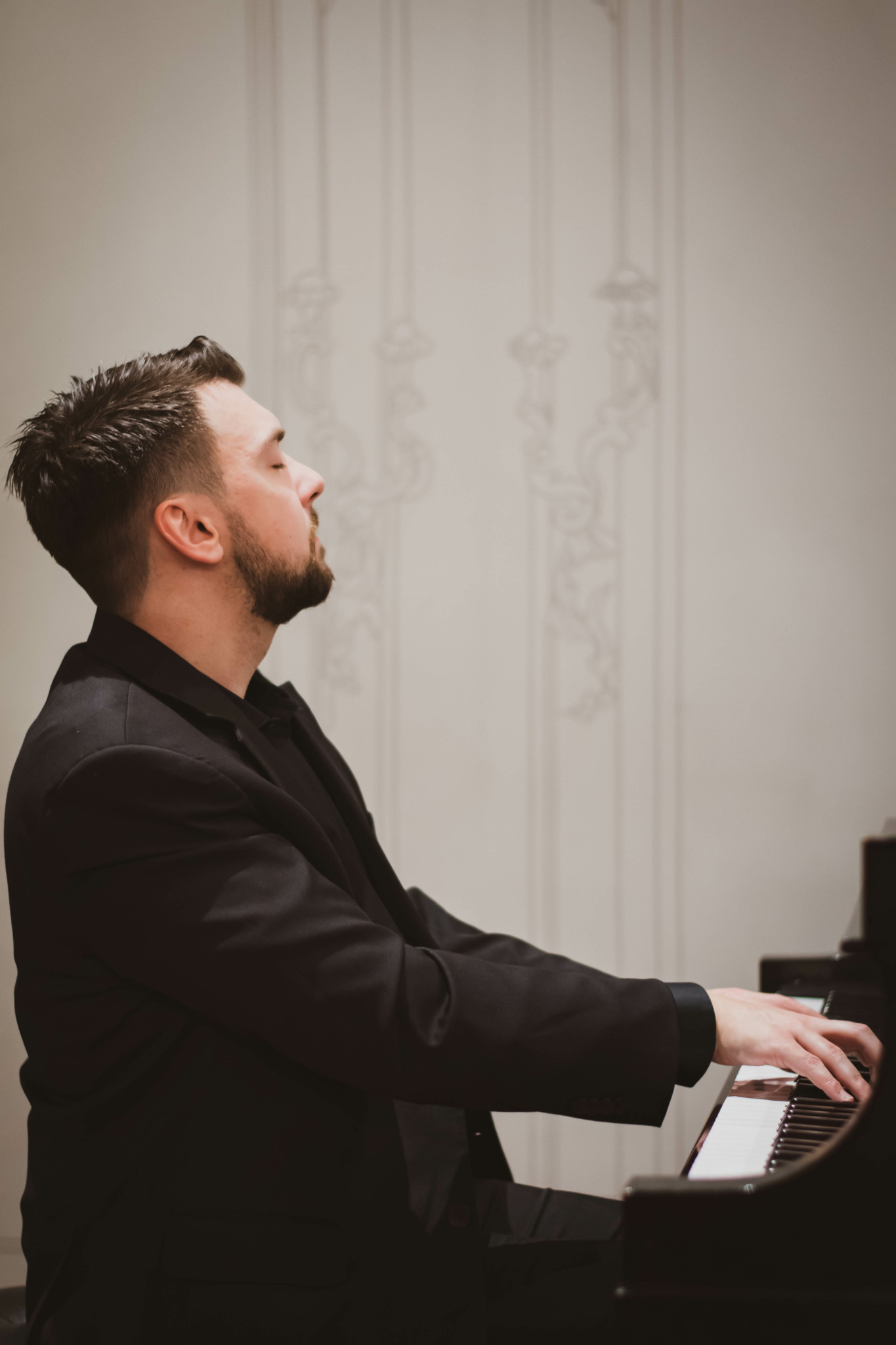
Is there mission driving your creative journey?
Yes. I’m driven by a desire to help re-establish musical literacy and a genuine cultural appetite for this art. I often think about classical music the same way I treat literature, as a large body of work that can deepen our understanding of ourselves if we learn how to read it. I remember reading several of Theodor Adorno’s works on the philosophy of music, specifically his writings on Beethoven. What impressed me in particular was his treatment of the musical text, and how he lifted social, economic, and psychological patterns from these musical works.
We’re losing fluency in the musical language that shaped centuries of human expression. Part of my doctoral work was on this very subject. My mission, both as a performer and a teacher, is to help recover that fluency–not by dumbing it down, but by lifting others up to it. This music speaks to us today as clearly (if not even more so) than it did during its era. I try to recover that immediacy and urgency in my concerts so that people feel they can access these composers and their work in their daily lives.
Contact Info:
- Website: https://www.lukeratcliffemusic.com/
- Instagram: https://www.instagram.com/lukeratcliffe_music/ https://www.instagram.com/luke_ratcliffe_/
- Facebook: https://www.facebook.com/luke.ratcliffe.16/
- Linkedin: https://www.linkedin.com/in/luke-ratcliffe-71099225a/
- Youtube: https://www.youtube.com/@thepianomanluke
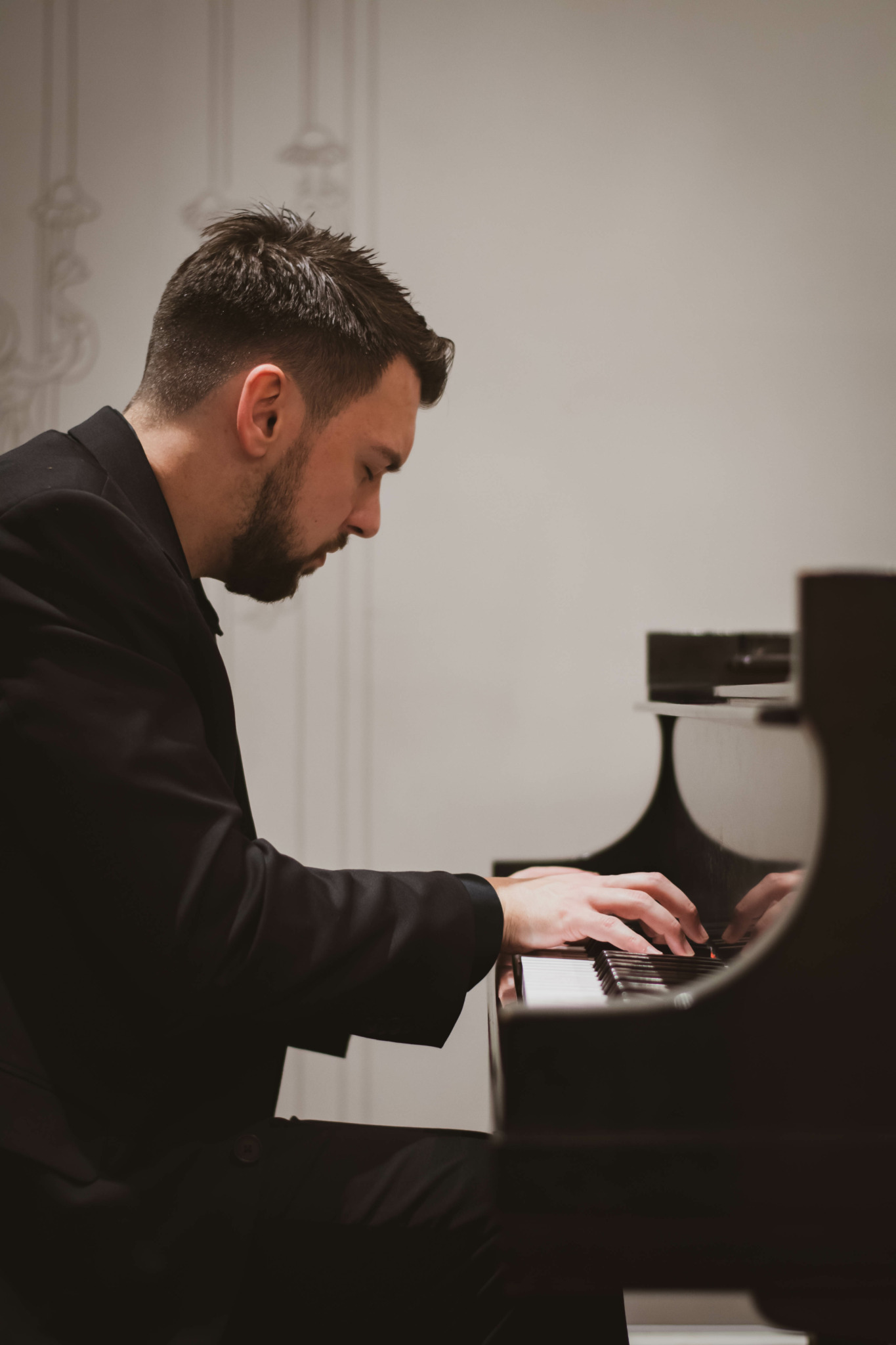
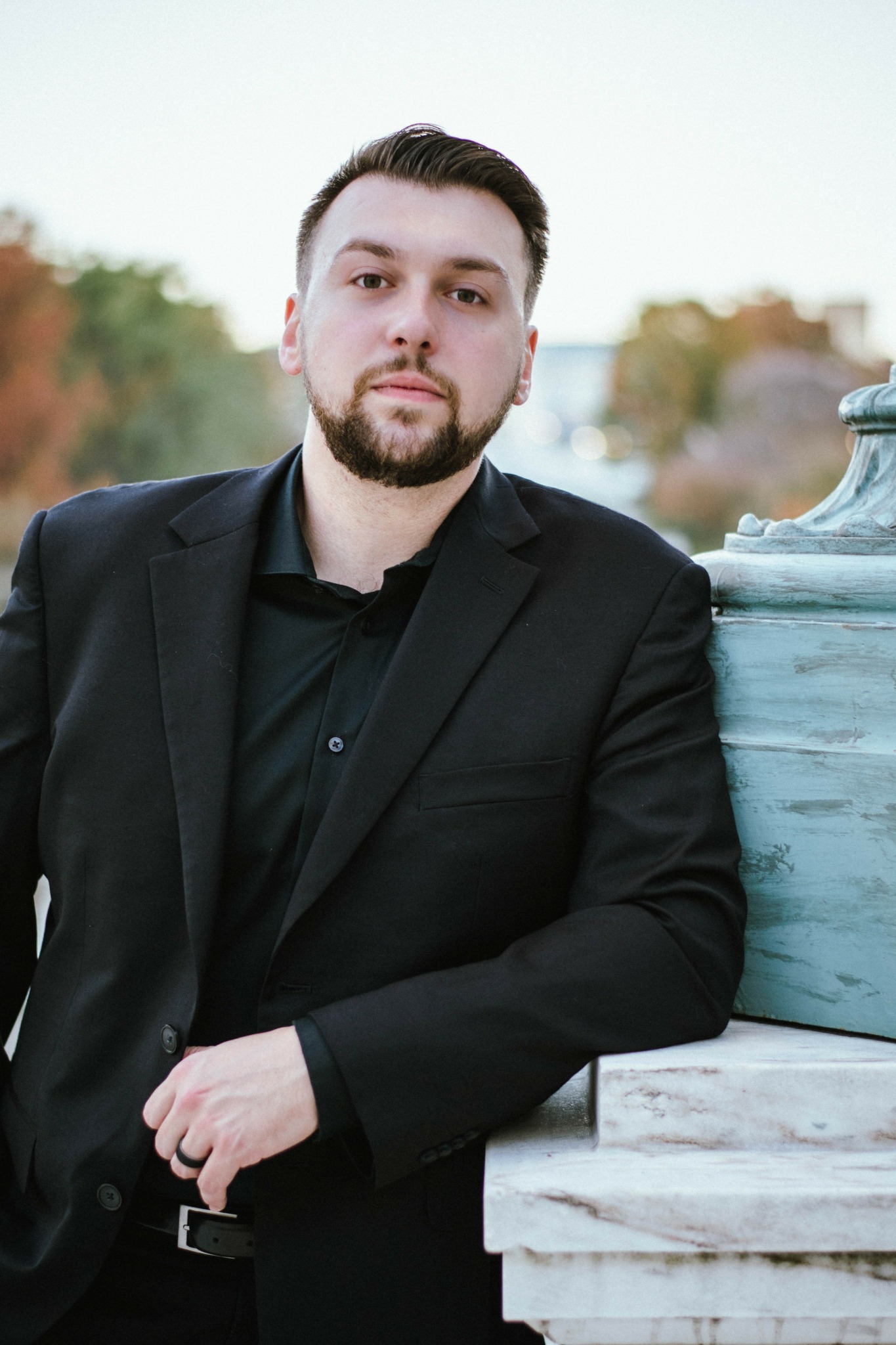
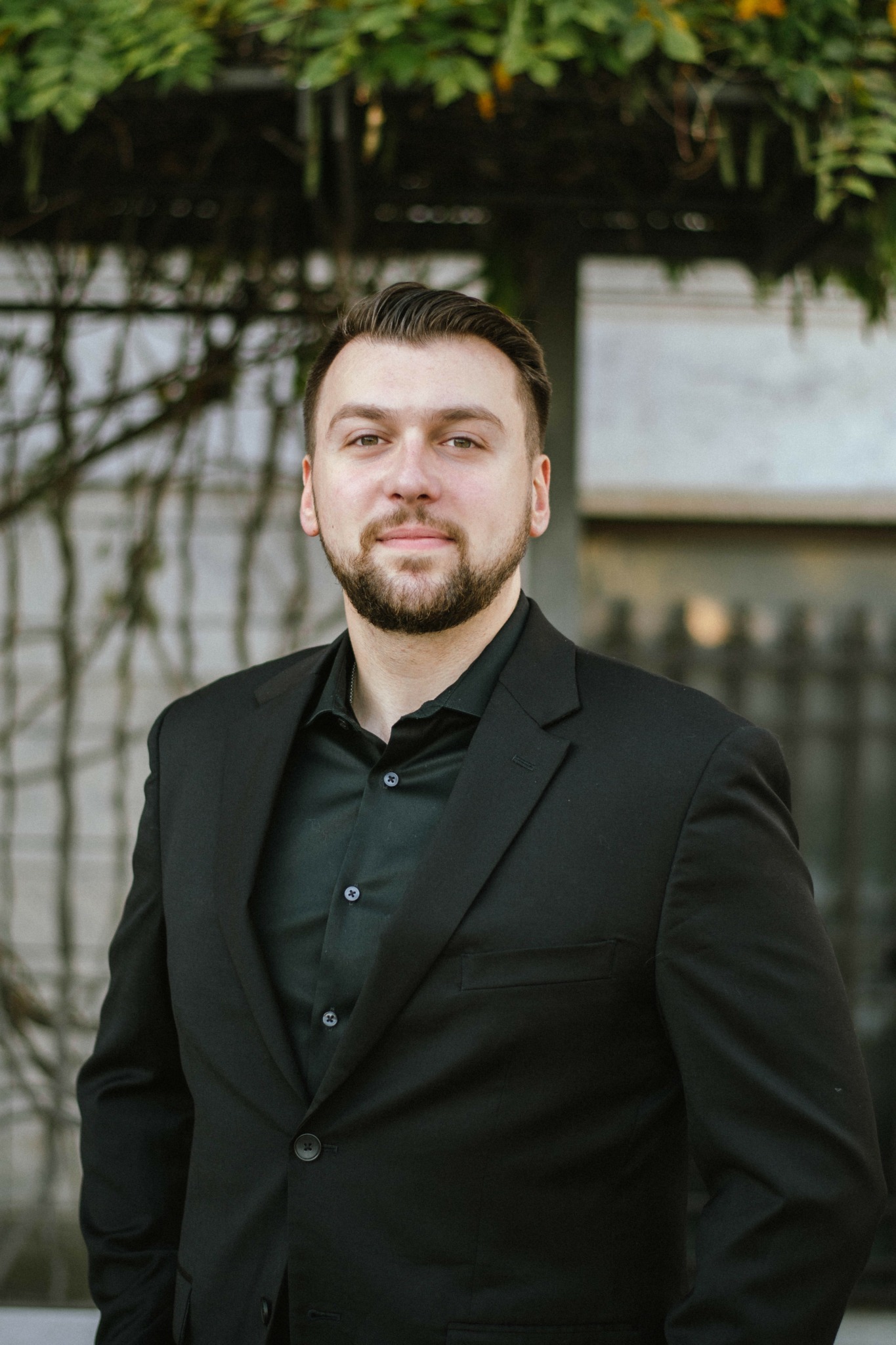
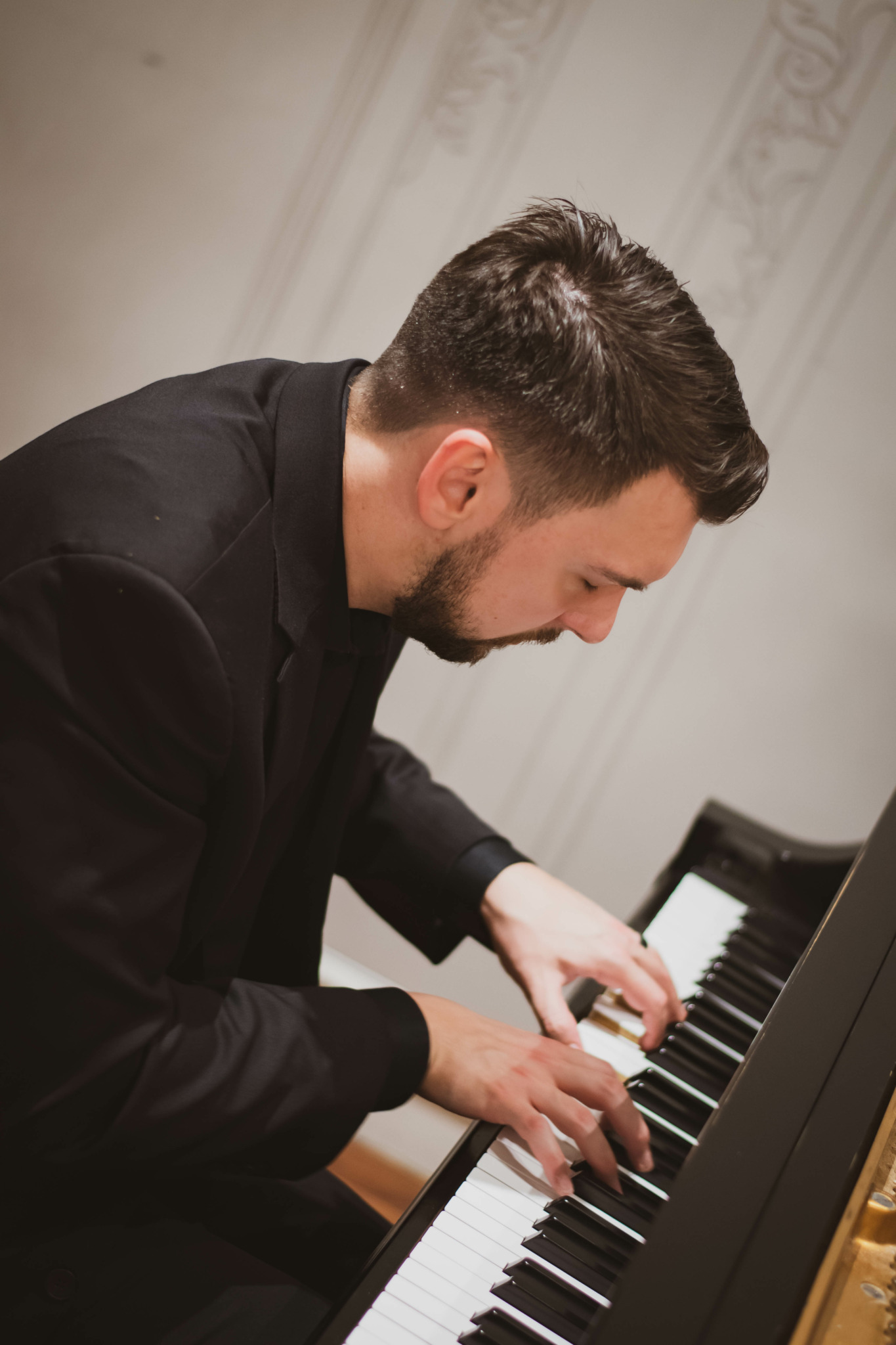
Image Credits
Annie Yu, photographer (https://www.instagram.com/annieyuphotos/?hl=en)