

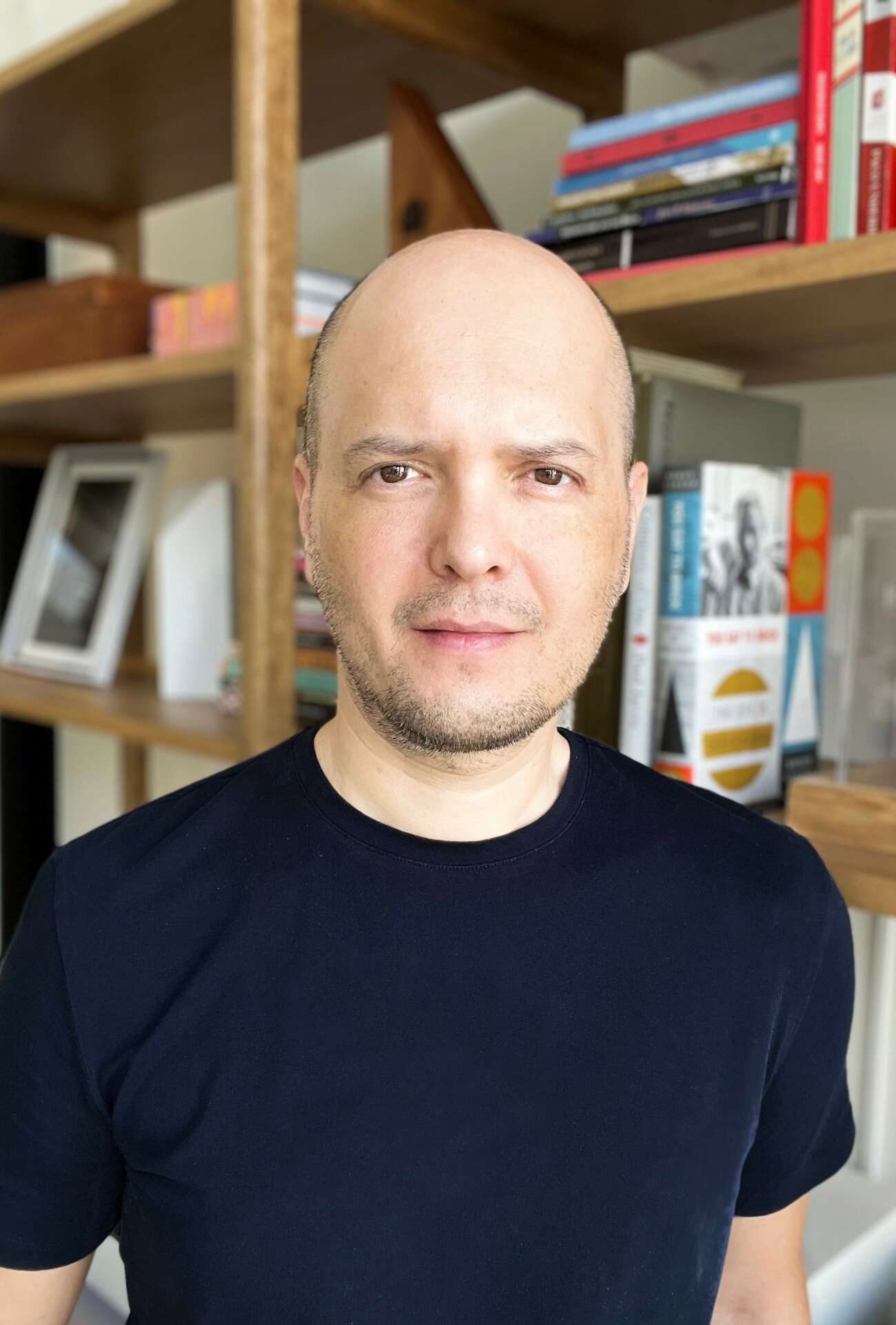

We recently connected with Luis Othon Villegas and have shared our conversation below.
Luis Othon, appreciate you joining us today. So, let’s start with trends – what are some of the largest or more impactful trends you are seeing in the industry?
Over the past two decades, a captivating dialogue has unfolded between neuroscience and architecture. This exchange of ideas has illuminated a profound revelation—that our design spaces can shape our thoughts and actions. As someone fortunate to be part of this discourse, I’ve witnessed the emergence of a thrilling avenue of possibilities.
Like a captivating journey, this dialogue opens the door to many prospects that promise refined design solutions and an enriched built environment, nurturing aesthetics and well-being. You see, our surroundings hold a remarkable sway over our psyche. Drawing from cognitive psychology, a direct and profound link emerges between human behavior, the spaces we inhabit, and our emotional experiences.
Architecture, often rooted in the wisdom of time-tested construction practices, is now engaging in a symbiotic dialogue with diverse fields of knowledge. Psychology, psychoanalysis, structural linguistics, anthropology, and even philosophical theories like deconstructionism and phenomenology have each lent their unique lens to our understanding of architectural design.
Neuroscience is revolutionizing the field of architecture by providing insights into how the design of built environments directly impacts human well-being and productivity. For instance, understanding circadian rhythms, the body’s natural internal clock, has led to innovative architectural designs prioritizing alignment with these rhythms. Consider a modern office space that incorporates dynamic lighting systems. By mimicking the changing qualities of natural light throughout the day, these systems regulate individuals’ circadian rhythms, enhancing alertness and mood. Additionally, the strategic use of daylight and artificial light has gained prominence. Neuroscience has shown that exposure to natural light improves sleep quality and overall health, while the wrong lighting can disrupt circadian rhythms, leading to sleep disturbances and cognitive issues.
Architects now leverage this knowledge to design spaces with abundant daylight, adjustable lighting, and personalized illumination, ensuring optimal neurobiological responses among occupants. In essence, neuroscience’s integration into architecture underscores the importance of creating spaces that nurture people’s aesthetic and neurological needs, leading to environments that truly support human flourishing.
Awesome – so before we get into the rest of our questions, can you briefly introduce yourself to our readers.
I would like to introduce myself and the work I am deeply passionate about. I am Luis Othón Villegas-Solis, an architect and designer who has dedicated my career to pushing the boundaries of design and architecture through an exciting combination of art, science, and innovation.
My journey in this industry began with a strong educational foundation. I pursued my architecture training at the Universidad Autonoma de Guadalajara, Mexico, where I developed a keen understanding of the power of design to shape human experiences. However, my thirst for knowledge led me to further studies. I earned a Master’s Degree in Design Studies from Harvard University, a pivotal experience that exposed me to cutting-edge ideas and expanded my horizons.
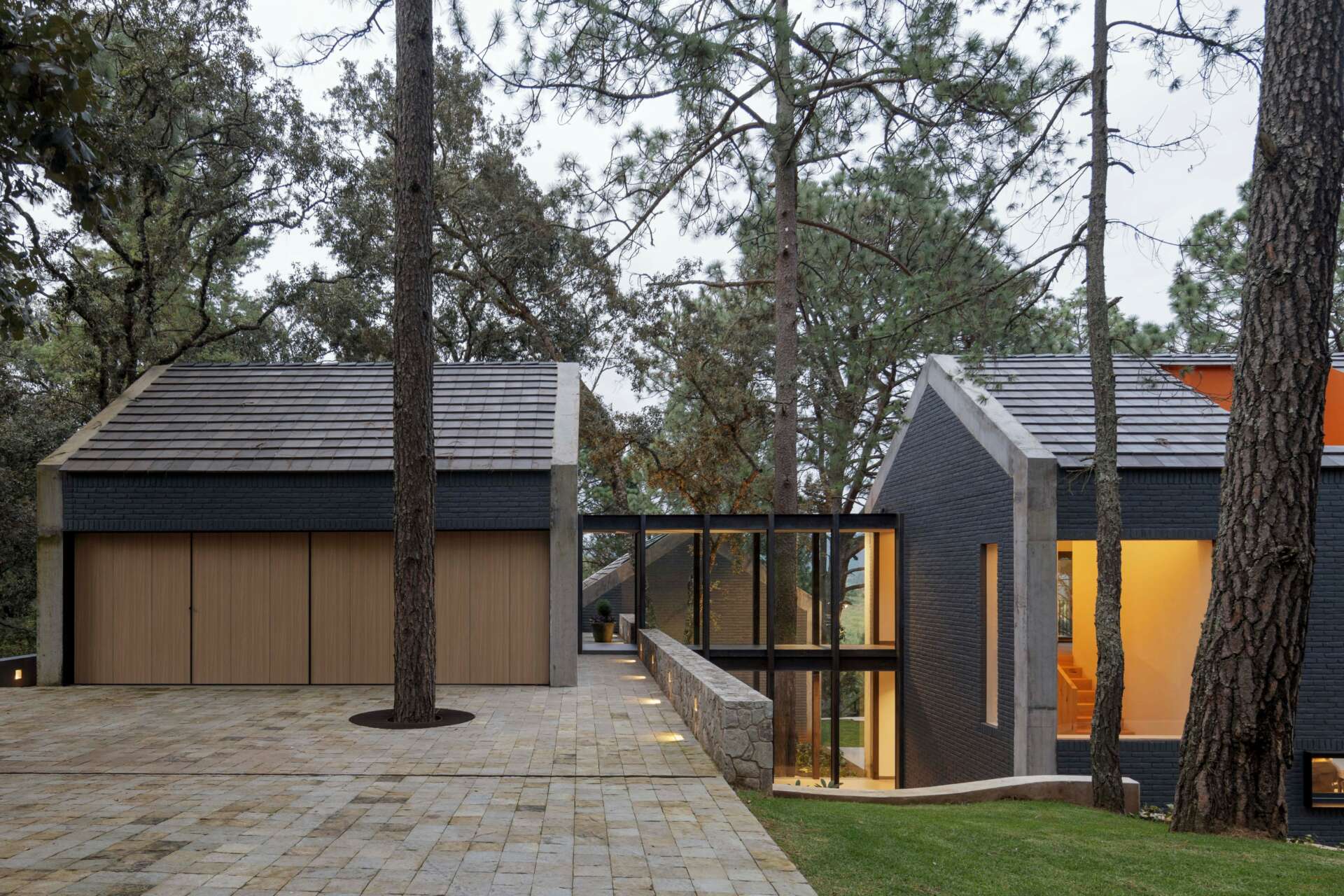
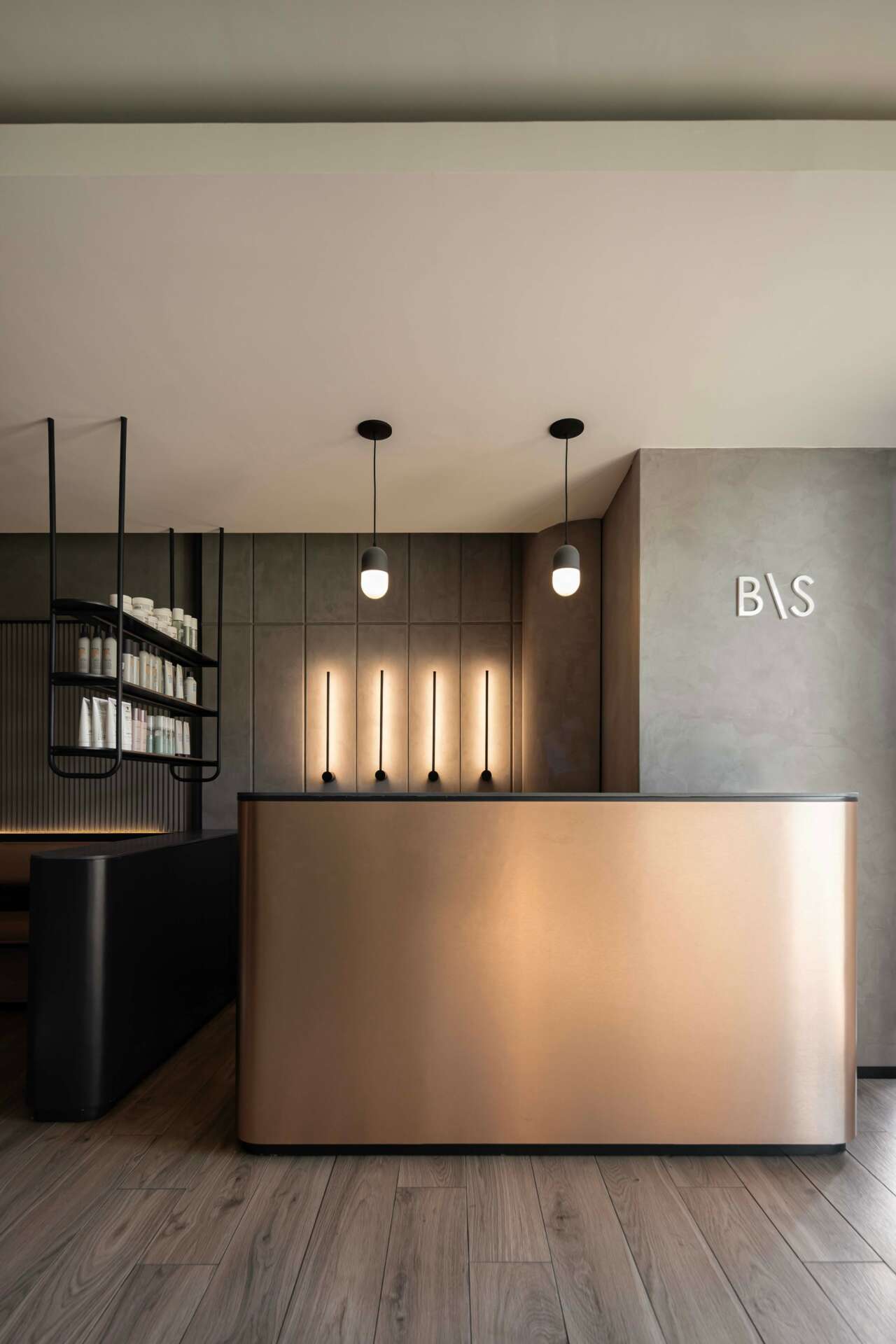
With this comprehensive education underpinning my endeavors, I established LVS-Architecture (www.lvs-architecture.com), a firm that stands at the forefront of experience design. At LVS, our mission is clear: we collaborate closely with our clients to analyze their needs and aspirations. We then harness the synergy of sensory strategies, neuroscience, and architecture to craft solutions that transcend the ordinary and deliver unparalleled user experiences.
Our unwavering commitment to combining the scientific with the artistic sets us apart. We don’t just create structures; we craft environments that stimulate the senses, enrich lives, and elevate businesses. Our approach isn’t just about aesthetics; it’s about creating spaces that resonate with the human psyche and inspire, heal, and invigorate.
I have been fortunate to work alongside people I deeply admire in the field throughout my journey. I’ve had the privilege of collaborating with Paola Antonelli, a curator of architecture and design whose influence reverberates globally. I had the enormous opportunity to learn and contribute to her prestigious exhibitions at the Museum of Modern Art in New York.
However, my passion extends beyond individual projects. I am a firm believer in the power of education and knowledge dissemination. As a guest lecturer at The Newschool of Architecture San Diego, Harvard University, and international universities in Mexico, Europe, the USA, and South America, I have had the privilege of sharing my insights with all generations of designers and architects.
One of my proudest achievements is the co-founding with architect Karina Lozano of INPAD Institute of Neurosciences for Architecture and Design (www.inpad.mx). This project is a testament to my belief in the symbiosis between neuroscience and design. INPAD seeks to fuse these two disciplines, creating an environment where architecture isn’t just about structures but about fostering well-being, enhancing cognition, and transforming lives.
As a published author, I have had the privilege of contributing to the discourse on architectural innovation. My ideas have found a home in prestigious publications like The Architects Newspaper. Notably, I collaborated with esteemed colleagues in a chapter titled “Systems of Systems: Architectural Atmosphere, Neuromorphic Architecture, and the Well-being of Humans and the Ecospheres,” featured in “The Routledge Companion to Ecological Design Thinking: Healthful Ecotopian Visions for Architecture and Urbanism.”
Embarking on a journey of innovation and collaboration, I proudly serve on ANFA’s Advisory Council – the Academy of Neuroscience for Architecture, in La Jolla, California. Founded by the visionary John P. Eberhard, this institution is key to unlocking a dialogue that unites neuroscience and architecture. I invite enthusiast architects, designers, and scientists– to join hands. Together, we can reshape how we interact with our built environment, fostering a harmonious relationship between humans, architecture, and the world around us.
Is there mission driving your creative journey?
The driving force behind my creative journey is a profound mission encompassing several crucial aspects. At the heart of it all is a commitment to understanding and addressing the real needs of people. This commitment stems from my belief that architecture and design are not just about creating buildings but about crafting environments that positively impact people’s lives.
Walking in the shoes of others is a core principle that guides my work. I firmly believe that empathy is the foundation of exceptional design. By immersing ourselves in the experiences, emotions, and aspirations of those who will inhabit the spaces we create, we can design environments that resonate deeply and make meaningful connections. This empathetic approach ensures that our design spaces are visually appealing, functional, nurturing, and enriching.
Moreover, recognizing the profound influence of our built environment on our lives, behaviors, and well-being is a driving force in my journey. The spaces we inhabit shape our experiences, interactions, and mental states. This realization underscores architects and designers’ tremendous responsibility in shaping a world that fosters positive living. It’s about creating spaces that encourage well-being, inspire creativity, and contribute to the overall quality of life.
Through the intersection of neuroscience and design, I aim to unlock the potential of architecture to enhance human cognition, emotion, and overall wellness. This integration is a guiding star in my creative journey, propelling me to push the boundaries of traditional design thinking and explore innovative ways to create environments that truly serve the human experience.
My mission is to create spaces that are aesthetically pleasing and have a purposeful impact. It’s about designing with intention, with an understanding that every choice we make in design has the potential to shape lives. By focusing on real needs, empathetic design, and the connection between our built environment and well-being, I strive to leave a lasting legacy that positively transforms how we interact with the spaces around us.

Have you ever had to pivot?
Early in my career, I faced the daunting challenge of not being able to establish a thriving business and attract clients effectively. Despite my passion for studying psychology and neuroscience and my fascination with their integration into architectural design, I struggled to find a foothold in the industry. The projects were scarce, and the path ahead seemed uncertain.
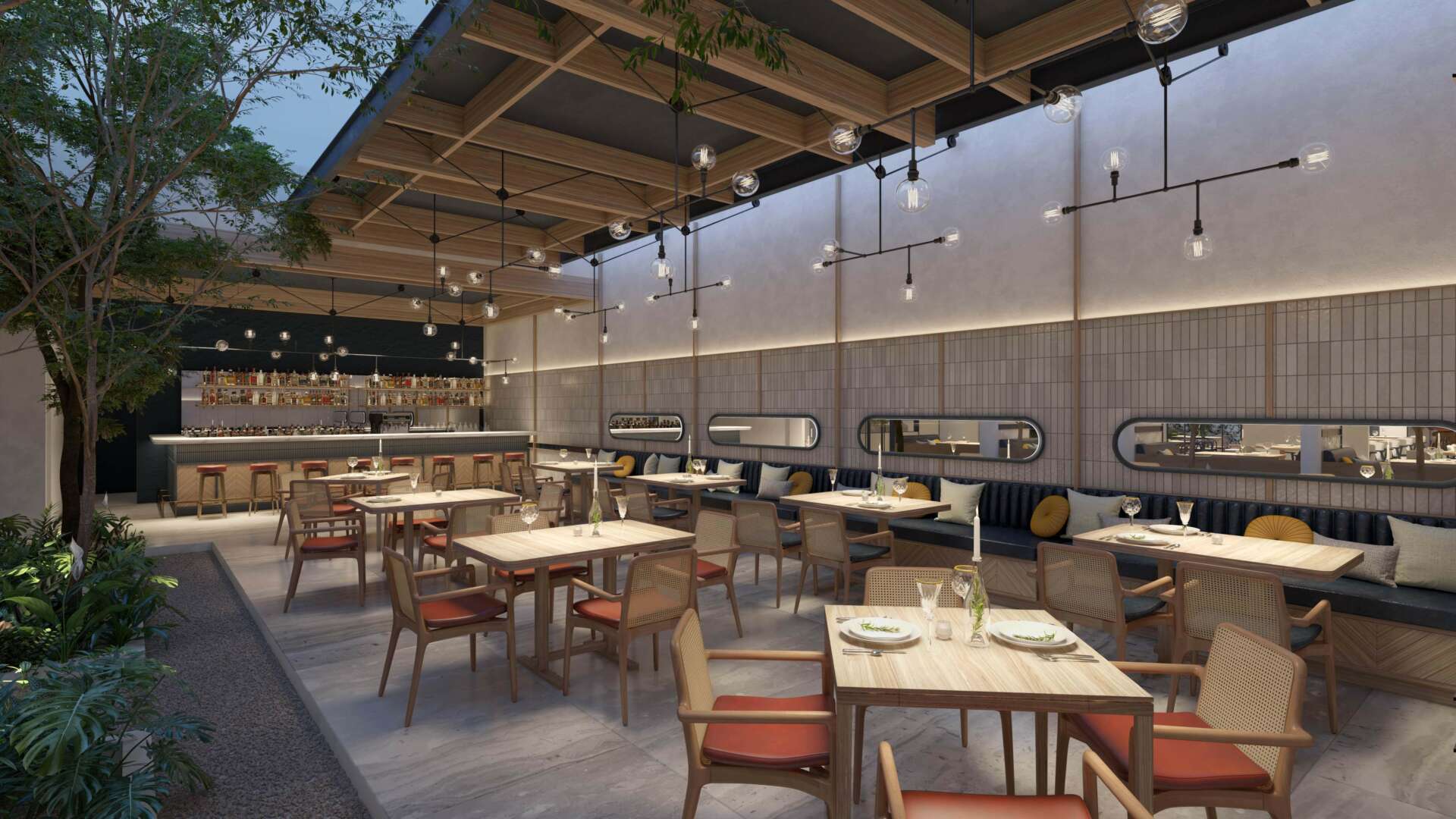
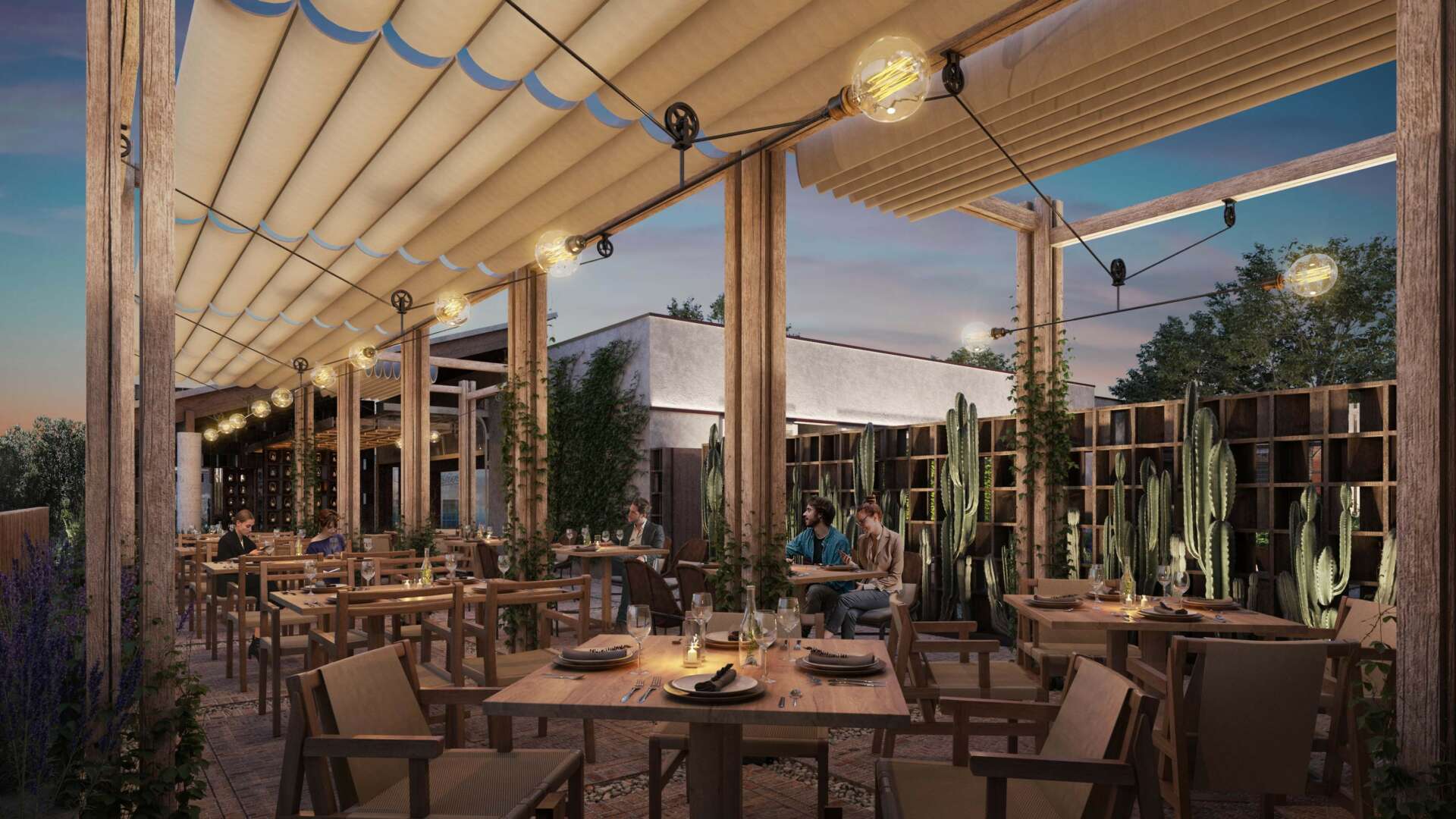
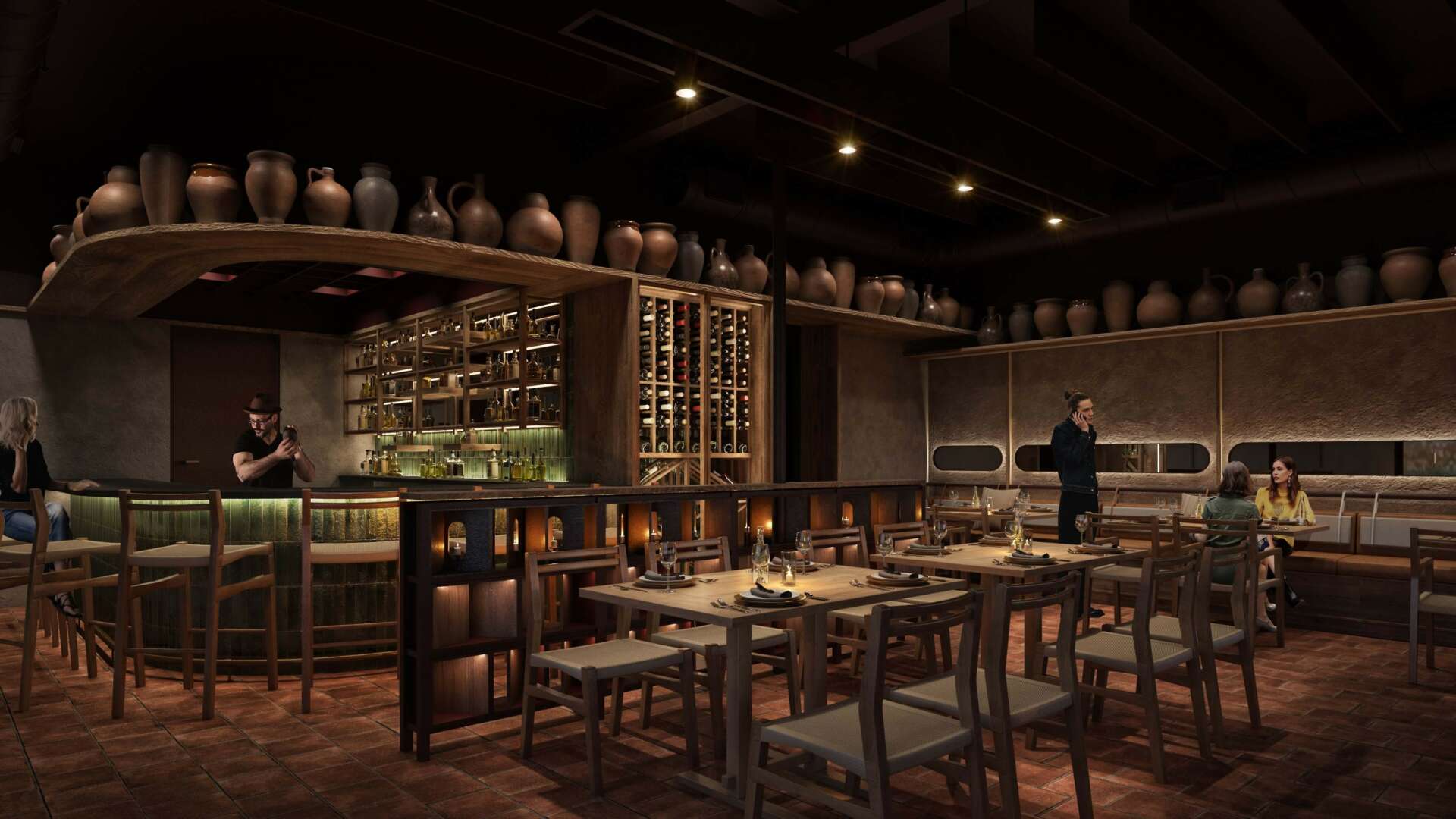
Amid this struggle, I recognized that I possessed a wealth of knowledge that could be harnessed uniquely. With my background as a professor at the university and my track record of successfully designing restaurant projects, I decided to take a bold step. I began creating a course titled “Design Experience Series and the Gastronomic Industry.”
This course wasn’t just about imparting knowledge; it was a means to share my expertise, insights, and passion with others in the field. I saw it as an opportunity to give back to the community and open doors for myself. The course was designed to teach young designers and architects about design strategies and the art of creating their own concepts, particularly within the context of the gastronomic industry.
To my delight, the course resonated deeply with its participants. It wasn’t just the information they found valuable; it was how I conveyed my passion and understanding of the intricate relationship between design, psychology, and the sensory experience. As a result, the course gained significant traction and began attracting aspiring designers and potential clients.
What started as a means of generating extra revenue evolved into a game-changing promotional strategy for my work. The clients who attended the course were eager to learn and enthusiastic about my approach and my perspective on design. This enthusiasm opened doors to meaningful conversations and connections. Gradually, the tables turned, and I found myself being approached by these very clients to design their projects.
The transformation was remarkable. What began as a solution to my initial struggles became an unexpected avenue for attracting clients and projects. The course, which had initially served as a platform for education, became a showcase for my work, principles, and individual approach to design. It demonstrated the real-world applications of the theories I held dear and solidified my reputation as a pioneer in experience-focused architecture.
This journey taught me a profound lesson about resilience, adaptability, and the power of innovation. It’s a reminder that even in moments of uncertainty, there are creative ways to pivot and turn challenges into opportunities. By sharing my knowledge and passion, I not only enriched the understanding of others but also cultivated a network of clients who were drawn to my vision. This experience remains a testament to the transformative potential of leveraging our strengths and passions in unexpected ways, ultimately reshaping the trajectory of our careers and our impact on the world.
Contact Info:
- Website: www.lvs-architecture.com
- Instagram: @lvs_architecture @luis_othon @inpad.mx
- Facebook: https://www.facebook.com/lvsarchitecture/
- Linkedin: https://www.linkedin.com/in/luisothonvillegassolis/
- Twitter: @luisothon
Image Credits
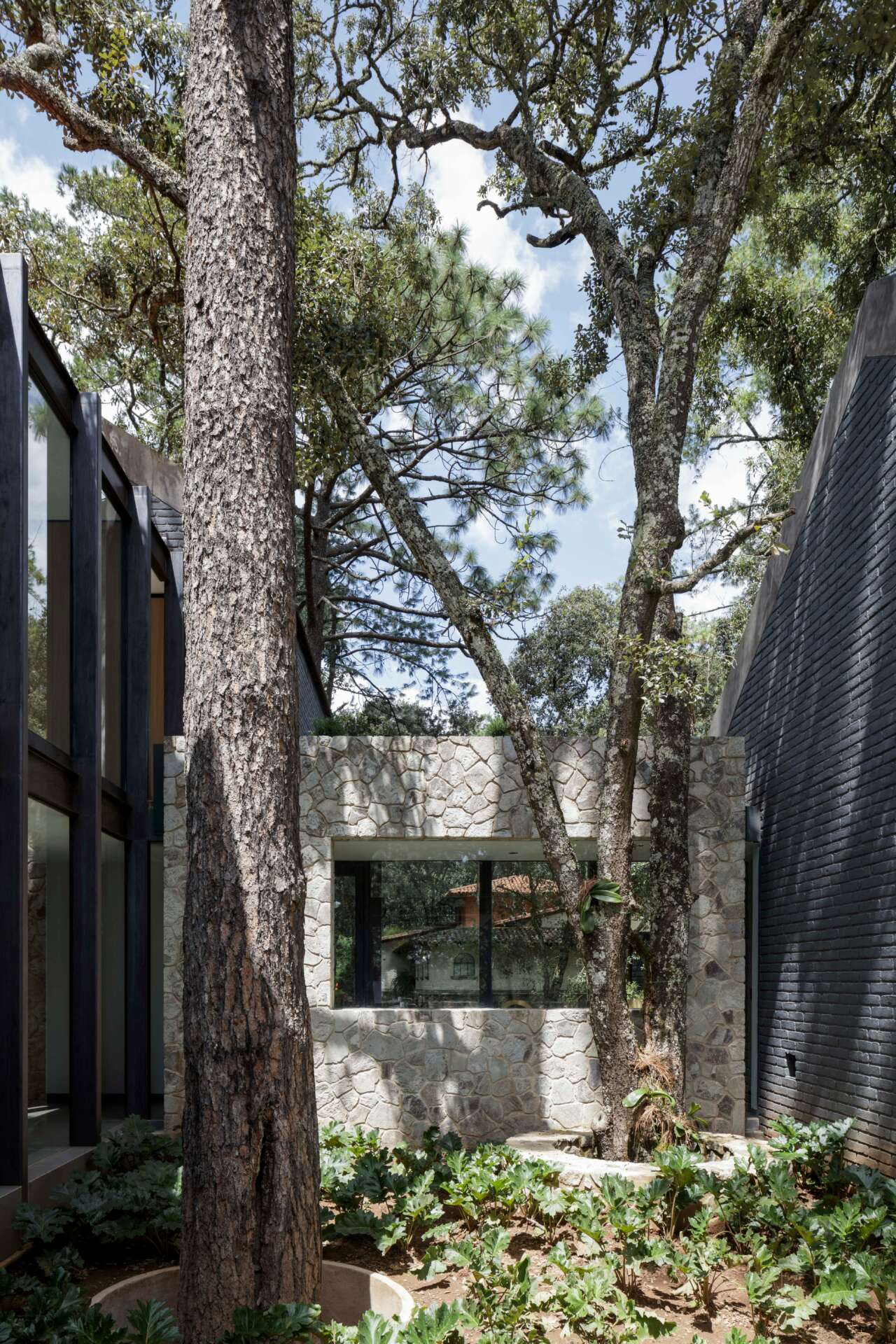
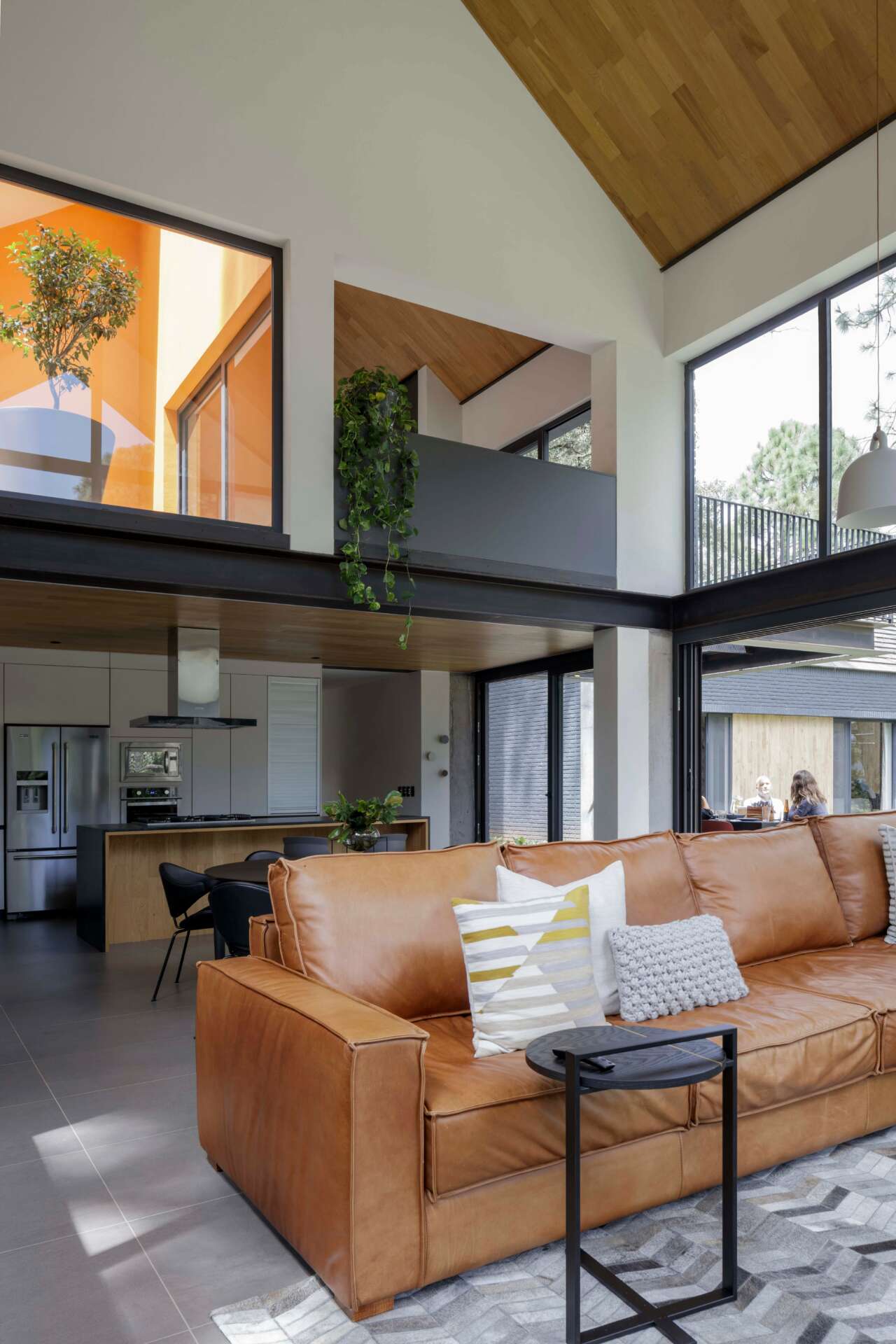
Images (Renderings) By Lyono, Photographs By Lorena Darquea and Rafael Palacios. Check the title of each image file and there is the name of the author/collaborator.