

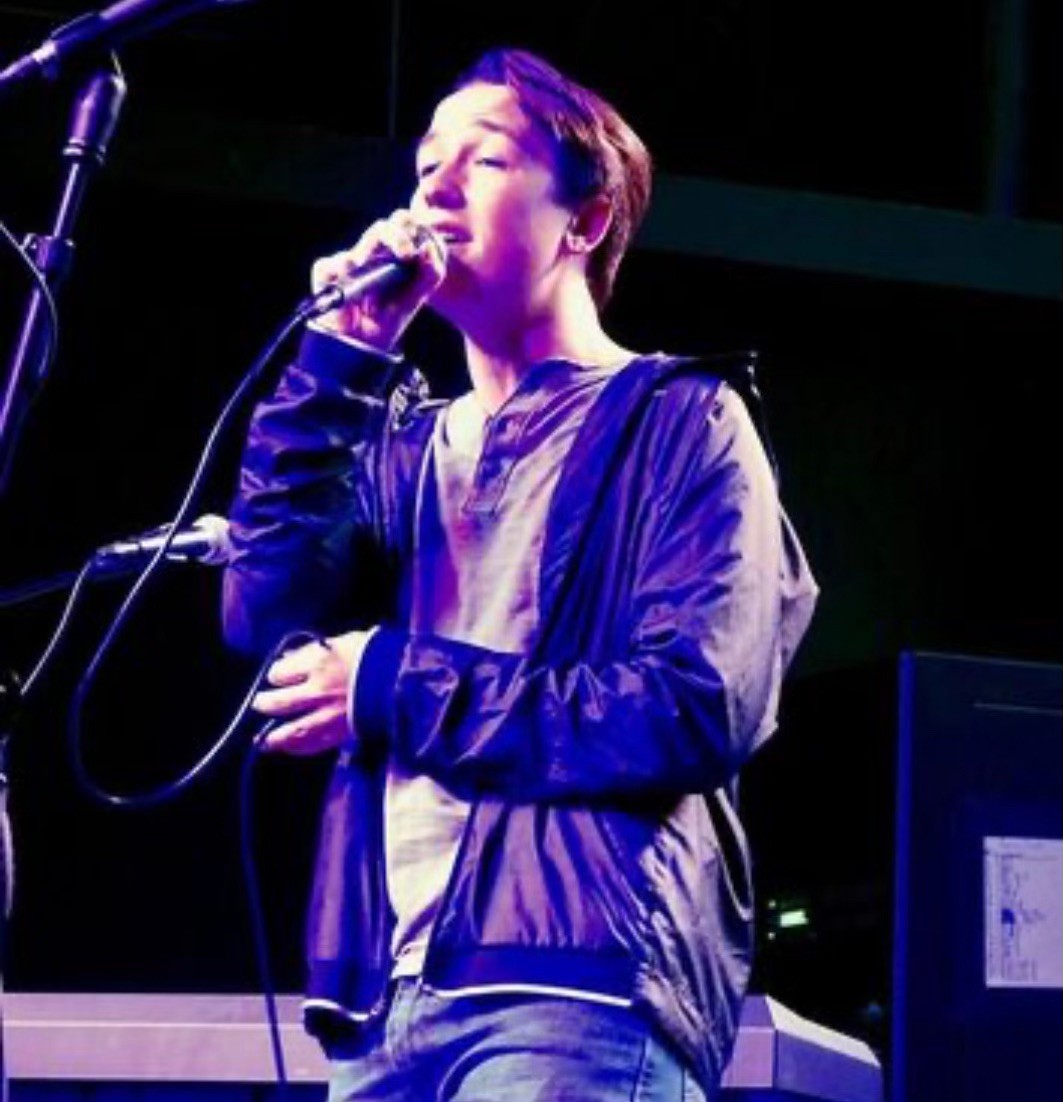

We’re excited to introduce you to the always interesting and insightful Louie Blair. We hope you’ll enjoy our conversation with Louie below.
Alright, Louie thanks for taking the time to share your stories and insights with us today. Learning the craft is often a unique journey from every creative – we’d love to hear about your journey and if knowing what you know now, you would have done anything differently to speed up the learning process.
I am Louie Blair. I am a singer, songwriter, sound-engineer, and producer. I also do all of my own marketing, bookings, and contracts.
I came from a family of talented but casual singers. My grandma was in a church choir. My mom also has a very nice and gentle voice. Starting in 4th grade, I too fell in love with singing. I started doing talent shows at least once a year and would go sing karaoke any chance I could. Once I started middle school, one of my friends convinced me to join the school’s choir. He told me “It would be an easy A since I already like to sing.” By the end of middle school, 3 years of singing 5x per week had really improved my voice. Towards the end of middle school was the first time I considered singing to be something I was good at, and not just something I liked to do. High school exponentially multiplied this. I had the honor of having one of the greatest, most talented, and most overqualified choir teachers who really helped me explore and develop my voice’s full potential.
I didn’t start seriously writing songs until my Sophomore year of high school. Like many artists, I discovered my capacity to create out of therapeutic necessity. When I was in 8th grade, my father passed away from a drug overdose. It completely flipped my life upside down and I wasn’t able to get back the reins until I discovered song-writing. I was able to express my feelings on the situation in a song called “Heroin.” I never intended to release it, so I wrote with 100% honesty and vulnerability. Because of that, I was able to let go of the grief that had been consuming me. It felt like the song was now an external container that could hold those feelings so I didn’t have to. I eventually showed the song to one of my friends who is also a musician, and he convinced me to upload it. I’m so glad he did because this is where I realized how music can bring people together. I had tons of people reaching out to me thanking me because my song had helped them get through something similar. While grief is a profound level to connect with someone on, it is only a sliver of the full spectrum of the human experience. I wrote my next song after my first heartbreak. This one was also very therapeutic to create. This song was also received well, but I noticed that I was only broadcasting sad ideas. I didn’t want to just be the sad music guy. I’m not scared to write the sad songs when they come, but I really made an effort to learn how to write about every shade of emotion. I practiced being present enough to recognize inspiration in all forms. It’s really exciting because now I feel that my discography is a more accurate representation of my full self!
I started mixing as a sound-engineer after a few years of letting other engineers fumble my vision for my songs. I don’t mean for that to come off as disrespectful, but that is just my truth. Getting my studio and learning how to use it gave me freedom as a musician like nothing else. Just because an engineer is incredibly capable, doesn’t mean they are going to dedicate enough time to give you their best. I could write a short book on all the benefits of becoming your own mix engineer but I’ll save that for when someone asks me to!
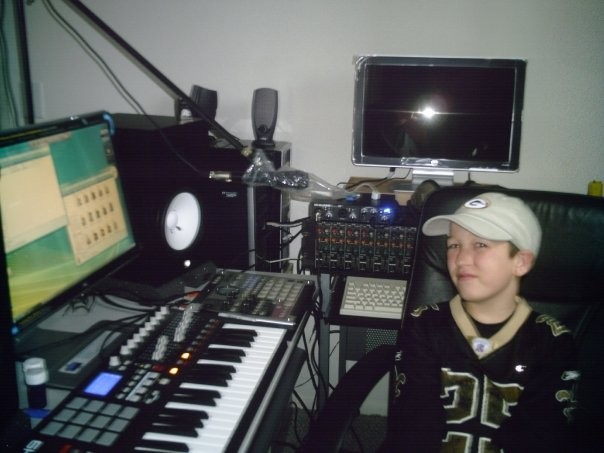
I started producing at the same time that I started mixing. This was the first time I was able to make full songs where every aspect met my standards. I always wanted a band, and once I got my studio, it was like I was in a band with a bunch of my clones. Learning to produce also let me choose my song structures, instead of conforming to the song structure of YouTube beats.
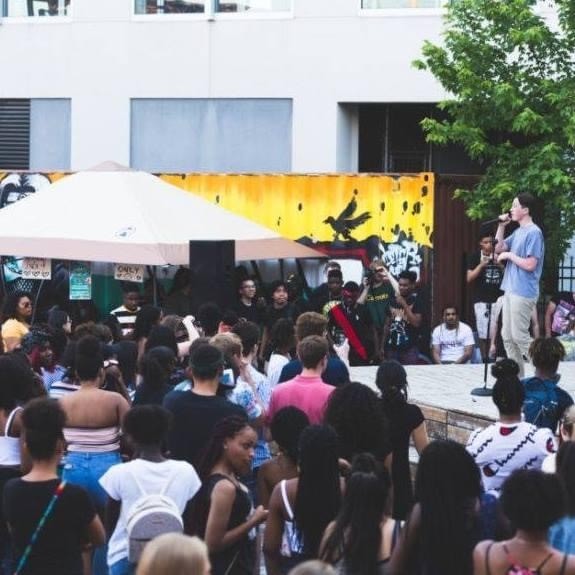
The marketing, bookings, and contracts knowledge all came when I was in college. I studied marketing and then went to law school for a few semesters. I ended up failing out of law school but I did set the curve in my contracts class. That’s also when I met a few musician friends I now have in-depth conversations with about marketing. The booking I’m learning and doing myself, but it’s definitely the biggest area I’m looking for help with now. I’ve done roughly 40 shows in the past 5 years, mostly in Des Moines, IA where I went to college. I moved to LA a year ago and I know there is incredible potential to organically build a fanbase, so that is my next big mission!
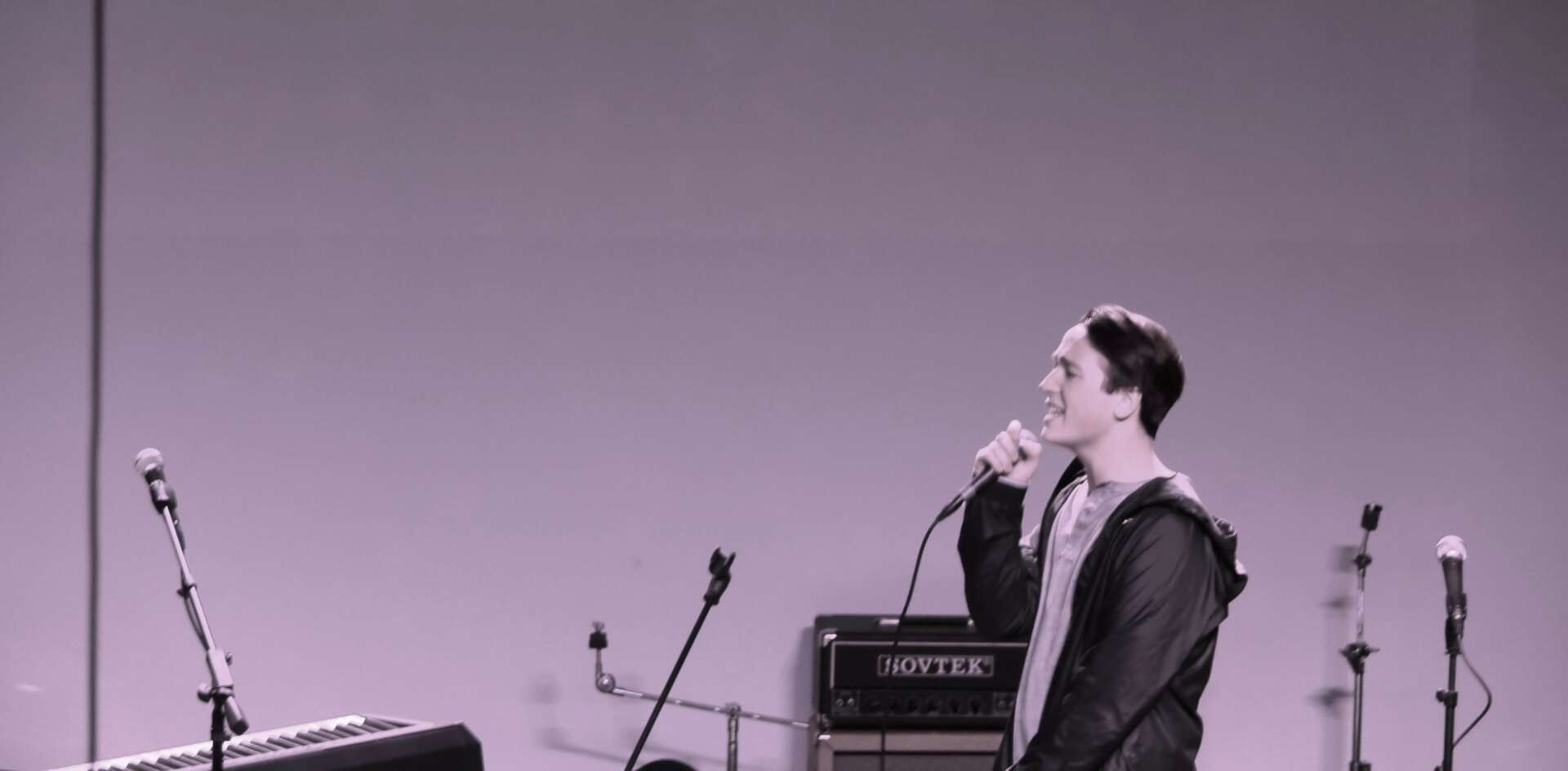
As always, we appreciate you sharing your insights and we’ve got a few more questions for you, but before we get to all of that can you take a minute to introduce yourself and give our readers some of your back background and context?
I am Louie Blair. I am a fully independent musician. I strive to make songs that fully capture the experience that I’m writing about. I’ve realized that people aren’t as unique as we may think, but I say that optimistically. So many people feel alone, but the truth is, there are tons of people who can relate with them if a dialogue is started.
I make mostly modern R&B music with heavy influences from Hip-Hop, Folk, Alternative, Jazz, Rap, Pop, EDM/House/Jungle. I’d place my genre somewhere in between Frank Ocean and Drake with a bit more acoustic/jazz/folk influence. I’m sure it will continue to develop as I gain new experiences and perspectives, which is why I want to be able to go on tour as soon as possible! If you’re reading this, hopefully, I’ll be coming to your city soon!
Alright – so here’s a fun one. What do you think about NFTs?
What I’m about to explain is a vision I have for the future of the music industry.
One of the biggest issues independent artists currently face is not being able to compete with major labels. NFTs could potentially fix this issue. Instead of an artist wholesaling percentages to a label, an artist could fragment the song into shares and trade them like stock. This would allow an artist to attain the capital they need to fund their production, marketing, and tours, while still owning the majority share of their music for licensing, publishing, tour, etc. This would also allow fans to invest in their favorite artists at an entirely new level. Now, fans will have a financially invested interest in their favorite artists succeeding. This in effect will turn some fans into free marketing teams for their favorite artists.
If this vision were to be an accurate prediction, it could also fix another major issue in the music industry. Currently, music isn’t made to be timeless, it’s made to sell as much as possible in the short-term. With shares of music being sold as NFTs, a new culture will be created. Fans will listen to an album the second it drops, and invest in what they believe are the best songs from that record. This will allow investors to get rich simply from being tastemakers. The world runs on incentives, especially financial incentives, so I truly believe this new culture would shift the focus of music from the short-term, back to timelessness.
Learning and unlearning are both critical parts of growth – can you share a story of a time when you had to unlearn a lesson?
I have a different song-writing process than when I first started. I used to play a beat and try to decipher what the song was supposed to be about. I still do that sometimes in a collab. However, I’ve found that the song doesn’t have great coheesivness when I take that approach. This process will have an artist write a great 16 bar verse, and then struggle to finish elaborating on the rest of the song. So many artist have songs that don’t pick a direction, and this causes all of their songs to basically be about the same thing.
I now decide what I want to make a song about before anything else. I then make or find the instrumental that conveys that same vibe, so that when I start writing lyrics, the song practically writes itself. I adopted this method from Frank Ocean. He speaks about it in his “Sound of 2012” interview with BBC.
Contact Info:
- Website: https://solo.to/louieblairmusic
- Instagram: https://www.instagram.com/louieblairmusic/
- Facebook: https://www.facebook.com/louieblairmusic
- Twitter: https://twitter.com/louieblairmusic
- Youtube: https://www.youtube.com/channel/UCslzx7-K1SC9DPoAJd1sZVQ
- Other: https://www.tiktok.com/@louieblairmusic